
AZT: Rincons & Catalinas study guide · Lesson 16 of 19
Permits, Logistics and Closures
Permits and rules · Resupply, seasons and the bighorn bypass
This is the lesson's study guide from the FlashFeed app, plus its key facts and a self-test.
What you'll be able to do
- Explain Saguaro NP's permit system — $8 per site per night, bookings two months ahead, and only Grass Shack and Manning Camp on-trail.
- Recognize the mountain-bike and equestrian restrictions in the Rincon and Pusch Ridge Wilderness areas.
- Describe the Pusch Ridge bighorn protections — the Jan 1-Apr 30 off-trail limit, the 400-foot buffer, the year-round dog ban, and the 11e bypass.
- Identify the resupply towns of Summerhaven and Oracle and the typical spring-northbound timing.
The rules change underfoot on this stretch. One passage runs through a national park with strict permits and designated-only camping; the next crosses national forest where you can largely camp at will. Layered on top are wildlife closures, resupply logistics, and the question of when to walk it at all. Getting these right is as much a part of the planning as water and mileage.
Permits and rules
The single most regulated section is Passage 9, inside Saguaro National Park. There is no dispersed camping anywhere in the park and no campfires — every overnight must be at a reserved, designated site, of which only two touch the AZT: Grass Shack (about 5,200 ft, three sites) and Manning Camp (about 7,920 ft, six sites). Reserve them on recreation.gov, where bookings open two months ahead; pick your entry date and site, pay the $8 per-site, per-night fee, and carry the printed or saved permit PDF, because compliance is strictly enforced. Park entry is a separate charge, covered by an America the Beautiful pass. Because the park forbids dispersed camping outright, your daily mileage on the big Rincon climb has to be planned around reaching one of those two sites — there is no legal fallback.
Step onto the Coronado National Forest (Passages 10, 11, and 12) and the posture flips: no overnight permit is required at all. The usual forest rules apply — a 14-day stay limit, no camping within 200 feet of a water source, and none within a mile of a developed campground — but the freedom to camp where you like is a real contrast with the park. One more rule worth knowing if you ride: mountain bikes are prohibited in the Rincon Mountain Wilderness (Passage 9) and the Pusch Ridge Wilderness portion of Passage 11, and cyclists must use the Pusch Ridge Bypass, Passage 11e, instead.
Resupply, seasons and the bighorn bypass
Logistically, this stretch is unusually friendly because the trail walks right through a resupply town. Summerhaven, at the start of Passage 12, has a general store that holds packages and carries limited groceries, a post office, the Cookie Cabin and Sawmill Run for hot food, and lodging at the hotel and rental cabins — a rare chance to resupply without leaving the trail. At the north end, American Flag Ranch Trailhead sits about four miles from Oracle, which has a small grocery and shuttle access; Tucson-based services like Finding True North run shuttles and hold resupply boxes. As for timing, most hikers go northbound in spring, starting early-to-mid March, which places the high country in late March and April — moderate temperatures, snowmelt water, and the tail end of the bighorn restrictions. Southbound in October–November works too, but demands sharper water and snow planning.
That bighorn reference points to the stretch's key wildlife rules. From January 1 to April 30 each year, a Coronado National Forest order bars travel more than 400 feet off system trails within the Bighorn Sheep Management Area of the Pusch Ridge Wilderness, protecting lambing desert bighorn; the main AZT route stays on-trail, but the restriction shapes camping and off-trail options every spring. Dogs are banned year-round — not just during lambing — anywhere in that management area, because even leashed dogs stress the sheep. For anyone with a dog, and for equestrians (the northern Passage 11 trail is too narrow, steep, and rocky for stock), the answer is the same: take Passage 11e, the Pusch Ridge Wilderness Bypass, a gentler, better-watered line that links the Bug Springs, Green Mountain, Incinerator Ridge, Butterfly, and Crystal Spring trails around the wilderness.
Key concepts
Grass Shack
- A reservable, designated overnight site inside the national-park section, where dispersed camping and campfires are both banned.
- It's the lower of the only two designated sites that touch the trail in Passage 9, at roughly 5,200 feet.
- With just three sites and an $8 per-night fee booked on recreation.gov, it's the smaller, lower-elevation of the pair.
Manning Camp
- The higher of only two reserved, designated overnight sites the trail touches inside the national park.
- It sits at about 7,920 feet with six sites — the loftier of Passage 9's two trailside options.
- Because the park forbids dispersed overnight stays, hikers must plan the big Rincon climb around reaching this ~7,920-foot, six-site spot.
Summerhaven
- A rare on-trail resupply stop where the route walks straight through town, no side trip needed.
- At the start of Passage 12, it has a general store that holds packages, a post office, and hotel-and-cabin lodging.
- Its Cookie Cabin and Sawmill Run serve hot food to hikers passing through this mountain village.
Oracle
- A town near the northern end of this stretch offering a small grocery and shuttle access.
- It lies about four miles off-trail from the American Flag Ranch Trailhead.
- Tucson shuttle outfits like Finding True North hold resupply boxes for hikers detouring to this community.
Key facts
Saguaro's two backcountry camps on the AZT
Inside Saguaro National Park, the only legal AZT camps are Grass Shack (~5,200 ft, 3 sites) and Manning Camp (~7,920 ft, 6 sites), both reserved in advance on recreation.gov. Dispersed camping is banned park-wide, and so are campfires — plan your mileage to reach a reserved site.
No permit needed on the Coronado forest
No overnight permit is required to camp on Coronado National Forest land (Passages 10, 11, and 12), though the usual rules apply: a 14-day stay limit, no camping within 200 feet of a water source, and none within a mile of a developed campground. The contrast with Saguaro NP's strict permit system is sharp.
Where bikes can't go
Mountain bikes are prohibited in the Rincon Mountain Wilderness (Passage 9) and in the Pusch Ridge Wilderness portion of Passage 11. Cyclists must detour onto the Pusch Ridge Wilderness Bypass (Passage 11e), the only legal mountain-bike route through that section.
Book two months out
Saguaro National Park backcountry reservations open on recreation.gov two months before your entry date. Reserve a designated site, pay the $8 per-site, per-night fee, and carry the permit — enforcement is strict.
The cyclist's detour
Cyclists blocked by the Pusch Ridge Wilderness closure have one legal workaround: the Pusch Ridge Wilderness Bypass, or Passage 11e.
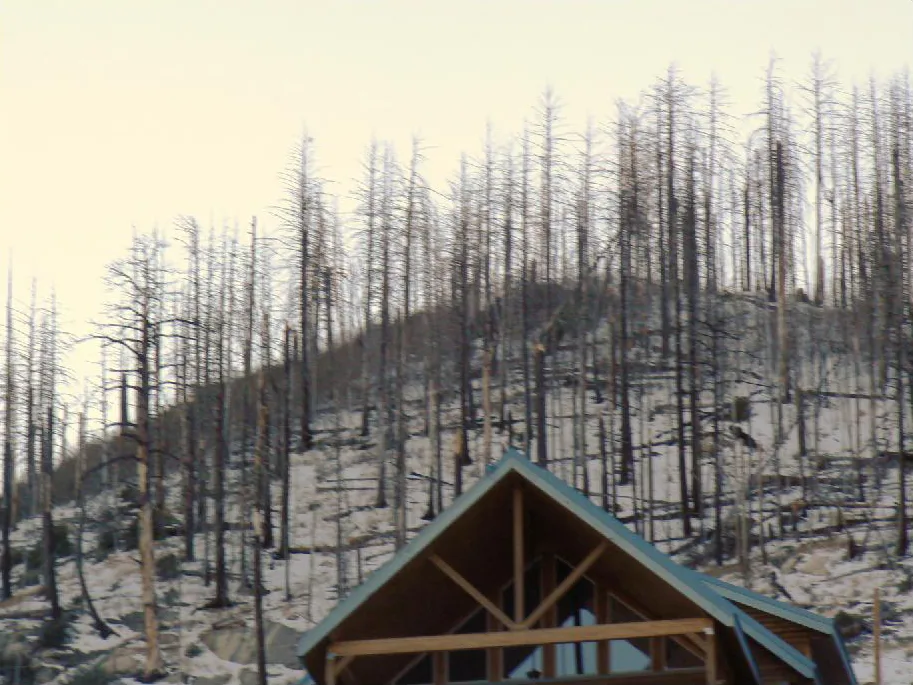
Resupply in Summerhaven
Summerhaven sits right on the AZT at the start of Passage 12 — a rare on-trail resupply. The Mt. Lemmon General Store holds packages and carries limited groceries; the Cookie Cabin and Sawmill Run feed hungry hikers; and the post office holds boxes. Lodging is available at the hotel and rental cabins.
Resupply at Oracle
American Flag Ranch Trailhead, the end of Passage 12, sits about 4 miles from Oracle via Mount Lemmon Road. Oracle has a small grocery and is reachable by shuttle; Tucson-based services such as Finding True North run shuttles and hold resupply boxes for hikers.
Best season and direction
Most hikers tackle Passages 8–12 northbound in spring, starting around early-to-mid March. That times the high country for late March and April — moderate temperatures, snowmelt water, and the tail end of the January–April bighorn restrictions. Southbound in October–November works too, but demands careful water and snow planning.
The bighorn lambing restriction
From January 1 to April 30 each year, a Coronado National Forest order bars travel more than 400 feet off system trails within the Bighorn Sheep Management Area of the Pusch Ridge Wilderness, protecting lambing desert bighorn. The AZT's main Passage 11 route stays on-trail, but the rule shapes camping and off-trail options every spring.
Dogs are banned in the bighorn area
Dogs are prohibited year-round — not only during lambing season — within the Bighorn Sheep Management Area of the Pusch Ridge Wilderness, because even leashed dogs stress the sheep. AZT hikers traveling with a dog must take the Pusch Ridge Wilderness Bypass, Passage 11e, instead of the main route.
Passage 11e — the Pusch Ridge bypass
Passage 11e is the official AZT alternate around the Pusch Ridge Wilderness, used by dog owners and equestrians. It links the Bug Springs, Green Mountain, Incinerator Ridge, Butterfly, and Crystal Spring trails, with water at Novio, Crystal, and Green Springs — a gentler, more water-rich line than the steep main passage.
Why horses skip northern Passage 11
The ATA advises against equestrian use of the northern Santa Catalina section of Passage 11 — the trail there is narrow, steep, and rocky. Horse parties are routed onto the Pusch Ridge Wilderness Bypass (11e) instead, which is graded for stock.
By the numbers
- Saguaro NP backcountry camping fee per site, per night (USD)
- 8 USD
- Distance from American Flag Ranch Trailhead to Oracle (mi)
- 4 mi
- How far off system trails travel is barred in the bighorn lambing area (ft)
- 400 ft
Matched pairs
Each item on the left goes with the one on the right.
- Hikers with dogs at Pusch Ridge
- Must take the Passage 11e bypass year-round
- Bighorn lambing restriction window
- In force from January 1 to April 30 each year
Step by step
Reserve a Saguaro NP backcountry permit for Passage 9
- On recreation.gov, search 'Saguaro National Park Wilderness Permits.'
- Pick your entry date and a designated site — Grass Shack or Manning Camp; reservations open two months ahead.
- Pay the per-site, per-night fee (park entry is separate; an America the Beautiful pass covers it).
- Save or print the permit PDF and carry it in the park — compliance is strictly enforced and there is no dispersed camping.
Self-test
Answer each question from memory, then check your work against the answer key.
1. How far in advance do Saguaro NP backcountry site reservations open on recreation.gov?
- ATwo months ahead
- BSix months ahead
- CTwo weeks ahead
- DOne year ahead
2. What is the backcountry camping fee at Saguaro National Park, charged per site per night?
- A$4
- B$12
- C$8
- D$20
3. Which website do AZT hikers use to reserve Saguaro NP's designated backcountry sites?
- Anps.gov walk-up only
- BReserveAmerica
- CFinding True North
- Drecreation.gov
4. Which two designated camps are the only legal AZT overnight sites inside Saguaro National Park?
- ASummerhaven and American Flag
- BGrass Shack and Manning Camp
- CManning Camp and Oracle
- DGrass Shack and Summerhaven
5. How far in advance do Saguaro NP backcountry site reservations open for booking?
- ASix months ahead
- BTwo months ahead
- COne year ahead
- DTwo weeks ahead
6. Where are mountain bikes prohibited on this stretch of the AZT?
- ASummerhaven area (Passage 12)
- BAmerican Flag Ranch (Passage 12)
- CRincon Mountain Wilderness (Passage 9)
- DCoronado National Forest (Passage 10)
7. What is the only legal mountain-bike route around the Pusch Ridge Wilderness?
- APusch Ridge Wilderness Bypass (Passage 11e)
- BGrass Shack Trail
- CMount Lemmon Road
- DBug Springs Trail out-and-back
8. Why does the ATA route equestrians off the northern Santa Catalina part of Passage 11?
- AThe bighorn lambing closure bars all stock
- BBikes are given right of way there
- CThere is no water anywhere on that stretch
- DThe trail there is narrow, steep, and rocky
9. A cyclist riding the AZT reaches the Pusch Ridge Wilderness. What must they do?
- ACamp and wait for a ranger escort
- BDetour onto Passage 11e
- CBuy a bike permit on recreation.gov
- DWalk the bike through the wilderness
10. Which statement about bikes and horses on this stretch is NOT true?
- ANorthern Passage 11 is too narrow and rocky for stock
- BEquestrians are routed onto Passage 11e
- CBikes may ride the Pusch Ridge Wilderness part of Passage 11
- DBikes are barred from the Rincon Mountain Wilderness
11. During what window is off-trail travel restricted for bighorn lambing at Pusch Ridge?
- AJanuary 1 to April 30
- BMarch 1 to June 30
- CMay 1 to August 31
- DJanuary 1 to March 31
12. How far off system trails may hikers not go inside the Bighorn Sheep Management Area during the closure?
- AMore than 1,000 feet
- BMore than 50 feet
- CMore than 200 feet
- DMore than 400 feet
13. How long are dogs banned from the Bighorn Sheep Management Area?
- AOnly January 1 to April 30
- BYear-round
- COnly during summer
- DOnly from October 1 to December 31
14. An AZT hiker traveling with a dog reaches Pusch Ridge. What is the required move?
- ALeash the dog on the main route
- BCamp 400 feet off the trail
- CReserve a permit on recreation.gov
- DTake Passage 11e, the bypass
15. Which statement about the Pusch Ridge bighorn protections is NOT true?
- ADogs are allowed if kept leashed
- BDogs are banned year-round
- COff-trail travel over 400 feet is barred Jan–Apr
- DThe rules protect lambing desert bighorn
16. In what season and direction do most hikers walk the Rincon–Catalina stretch?
- ANorthbound in fall, starting October–November
- BSouthbound in summer, starting June–July
- CNorthbound in spring, starting early-to-mid March
- DSouthbound in spring, starting early-to-mid March
17. Which town sits right on the AZT at the start of Passage 12 for an on-trail resupply?
- AManning Camp
- BOracle
- CTucson
- DSummerhaven
18. About how far is American Flag Ranch Trailhead from Oracle?
- AAbout 12 miles
- BAbout 9 miles
- CAbout 4 miles
- DAbout 6 miles
19. What resupply service does Summerhaven's general store provide?
- AIt runs the Finding True North shuttle
- BIt holds packages and carries limited groceries
- CIt issues recreation.gov permits
- DIt is the American Flag Ranch Trailhead
20. An early-to-mid-March northbound start places hikers in the high country during which months?
- ALate March and April
- BSeptember and October
- CJune and July
- DDecember and January
Go deeper
Answer key
- 1. A Two months aheadBookings open two months ahead. Pick your entry date and a designated site (Grass Shack or Manning Camp), pay the $8 per-site, per-night fee, and carry the permit — compliance is strictly enforced.
- 2. C $8Saguaro NP charges an $8 per-site, per-night backcountry camping fee, paid when you reserve a designated site on recreation.gov.
- 3. D recreation.govReservations for Grass Shack and Manning Camp are made on recreation.gov, where you pick your entry date and site and pay the $8 per-night fee.
- 4. B Grass Shack and Manning CampOnly two designated sites touch the AZT in the park: Grass Shack (~5,300 ft) and Manning Camp (~7,920 ft). Dispersed camping is banned park-wide.
- 5. B Two months aheadBookings open two months ahead on recreation.gov. Because dispersed camping is banned, hikers reserve a designated site early to plan the big Rincon climb.
- 6. C Rincon Mountain Wilderness (Passage 9)Bikes are banned in the Rincon Mountain Wilderness (Passage 9) and the Pusch Ridge Wilderness portion of Passage 11. The Coronado forest passages otherwise allow riding.
- 7. A Pusch Ridge Wilderness Bypass (Passage 11e)Cyclists must use the Pusch Ridge Wilderness Bypass, Passage 11e, since bikes are barred from the wilderness portion of the main Passage 11 route.
- 8. D The trail there is narrow, steep, and rockyThe northern Santa Catalina section of Passage 11 is too narrow, steep, and rocky for stock, so horse parties take the graded Pusch Ridge Bypass (11e) instead.
- 9. B Detour onto Passage 11eBikes are prohibited in the Pusch Ridge Wilderness portion of Passage 11, so cyclists must detour onto the Passage 11e bypass. There is no permit that lets bikes through.
- 10. C Bikes may ride the Pusch Ridge Wilderness part of Passage 11Bikes are banned in the Pusch Ridge Wilderness portion of Passage 11, so that claim is false. The others are true: bikes are barred from the Rincon Mountain Wilderness, and stock takes graded 11e because northern Passage 11 is too narrow and rocky.
- 11. A January 1 to April 30The Coronado NF order runs January 1 to April 30 each year, protecting lambing desert bighorn. Spring northbound hikers catch the tail end of this window in late March and April.
- 12. D More than 400 feetThe order bars travel more than 400 feet off system trails in the management area. (200 feet is the separate no-camping-near-water forest rule.)
- 13. B Year-roundDogs are banned year-round, not just during lambing season, because even leashed dogs stress the sheep. The seasonal off-trail limit is separate and runs Jan 1 to Apr 30.
- 14. D Take Passage 11e, the bypassBecause dogs are banned year-round in the management area, dog owners must take the Passage 11e bypass. Leashing does not exempt a dog from the ban.
- 15. A Dogs are allowed if kept leashedDogs are banned year-round regardless of leashing. The other three statements are accurate: the 400-foot off-trail limit runs Jan 1–Apr 30 and the rules protect lambing bighorn.
- 16. C Northbound in spring, starting early-to-mid MarchMost hikers go northbound in spring, starting early-to-mid March, which puts the high country in late March–April for moderate temps and snowmelt water. Southbound in October–November also works but demands sharper water and snow planning.
- 17. D SummerhavenSummerhaven is a rare on-trail resupply at the start of Passage 12, with a general store, post office, and food. Oracle lies about 4 miles off-trail at the north end.
- 18. C About 4 milesAmerican Flag Ranch Trailhead sits about 4 miles from Oracle via Mount Lemmon Road; Oracle has a small grocery and shuttle access.
- 19. B It holds packages and carries limited groceriesThe Mt. Lemmon General Store in Summerhaven holds packages and carries limited groceries. Finding True North is a Tucson-based shuttle that serves Oracle, not Summerhaven.
- 20. A Late March and AprilStarting early-to-mid March northbound times the high country for late March and April — moderate temps, snowmelt water, and the tail end of the bighorn restrictions.
Image credits
- Resupply in Summerhaven: Wikimedia Commons · Benp123456789 · CC BY-SA 3.0 — commons.wikimedia.org/wiki/File:MtLemmon_Summerhaven_Recovery_From_Aspen_Fire.jpg
