
Burning Man: From Curiosity to Black Rock City study guide · Lesson 6 of 8
Ideals and Contradictions
Environment and Public Land · Neighbors and Tribal Context · Money, Labor, and Governance
Unofficial study guide for Enabling Creative Chaos: The Organization Behind the Burning Man Event by Katherine K. Chen. FlashFeed is not affiliated with the author or publisher.
This is the lesson's study guide from the FlashFeed app, plus its key facts and a self-test.
What you'll be able to do
- Identify what Leave No Trace requires, the wider public-land impacts cleanup misses, and the BLM population cap.
- Describe the benefits and burdens the event brings to nearby communities, including the Pyramid Lake Paiute homeland.
- Identify the tensions over access costs, plug-and-play camps, mixed paid and volunteer labour, and governance structure.
Environment and Public Land
Black Rock City’s remote public-land setting creates environmental and civic effects that extend beyond the event site. Documented impacts involve traffic, air quality, dust, waste, cultural resources, public health, and nearby communities. The event’s temporary form does not make those effects disappear.
Leave No Trace requires participants to remove visible Matter Out of Place—anything that does not belong on the playa—and to handle gray water and other waste properly. Passing a site inspection, however, does not erase transportation emissions or every off-site impact. Site cleanup is essential, but it is not a complete measure of the event’s environmental footprint.
Public-land permission also places a formal limit on the city. The Bureau of Land Management’s 2019 Record of Decision set a total permitted-event population cap of 80,000, a limit that applied from the 2019 event onward. The cap is one example of how a participant-built city still operates within external land-management rules.
Cleanup and permitting answer different parts of the public-land problem. Removing visible misplaced material and managing waste address the site itself. A population cap regulates permitted scale, while traffic, air quality, emissions, public health, and regional effects require a wider view.
Neighbors and Tribal Context
Travel to Black Rock City passes through and affects communities in the homeland of the Pyramid Lake Paiute Tribe. Nearby communities are not merely scenery on the route to the event; they experience consequences from the movement of people, vehicles, and supplies.
The Pyramid Lake Paiute Tribe and other nearby communities can receive business and partnership benefits. At the same time, they can bear traffic, congestion, unsafe driving, trespass, trash, and pressure on local services. Some of these burdens extend beyond the week of the event.
The tradeoff cannot be reduced to either benefit or harm alone. Business income can coexist with disruption, and partnerships can coexist with strain on roads and services. Understanding the event in its regional setting requires recognizing both sides and remembering that the route crosses a Tribal homeland.
The same traffic can bring customers and create congestion. The same flow of visitors can support partnerships while increasing trespass, trash, unsafe driving, and demand for services. Those effects fall on communities along the route, including communities in the Pyramid Lake Paiute homeland.
Money, Labor, and Governance
Radical Inclusion exists alongside real economic barriers. Tickets, travel, equipment, time away from work, and camp expenses can make attendance difficult even when reduced-price programs are available. A stated principle can guide a culture without eliminating the material limits on access.
Convenience camps, formerly called turnkey or plug-and-play camps, sell pre-packaged experiences such as housing, meal plans, and bicycles for a set price. They become contentious when money buys a packaged experience and paid service replaces contribution, gifting, or engagement. Burning Man Project has said it wants to end convenience camping in Black Rock City. The concern is not simply that money is present; producing and attending the event already cost money. The conflict centers on whether purchasing service substitutes for participation.
Burning Man depends heavily on volunteers and participant labor as well as paid staff and contractors. That mixture produces recurring debates about recognition, compensation, authority, and who benefits from unpaid work. Governance has its own balancing problem: too little structure can threaten safety and fairness, while too much can suppress participant creativity. Burning Man must continually work between those pressures rather than resolving them once and for all.
The three tensions are connected but distinct. Cost limits access; packaged service can replace contribution; and a mixed paid-and-unpaid workforce raises questions about value and authority. Governance must respond without removing the participant creativity on which the city depends.
Reduced-price ticket programs can lower one barrier, the cost of the ticket, without removing travel, equipment, time-off, and camp costs. Likewise, volunteer participation can build the city while leaving questions about compensation, recognition, and authority unresolved.
Key terms
- Matter Out of Place
- Anything that does not belong on the playa.
Key facts
Criticism
The event's remote public-land setting creates documented impacts involving traffic, air quality, dust, waste, cultural resources, public health, and nearby communities.
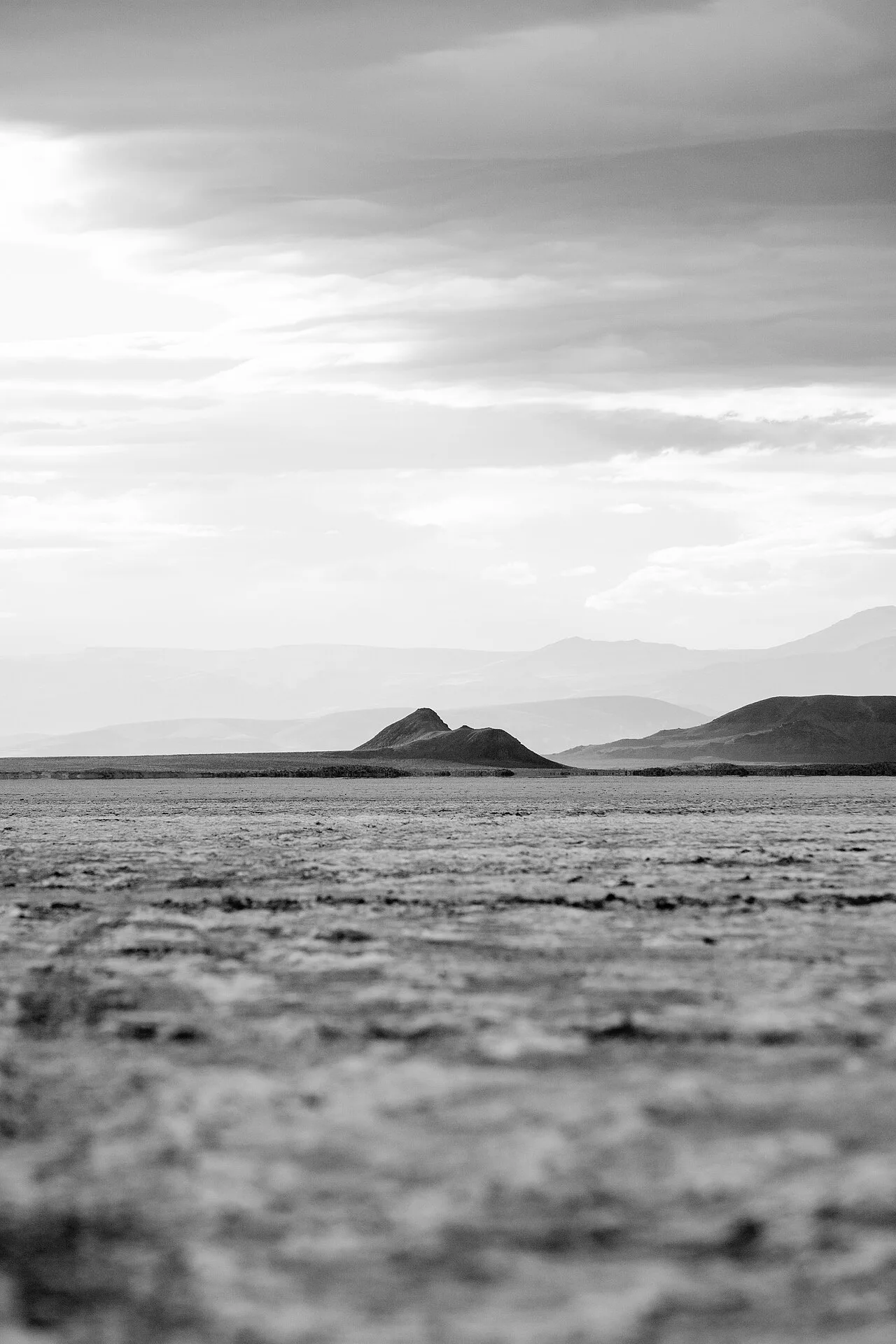
Matter Out of Place
Leave No Trace requires removal of visible Matter Out of Place and proper handling of gray water and waste, but passing site inspection does not by itself erase transportation emissions or every off-site impact.
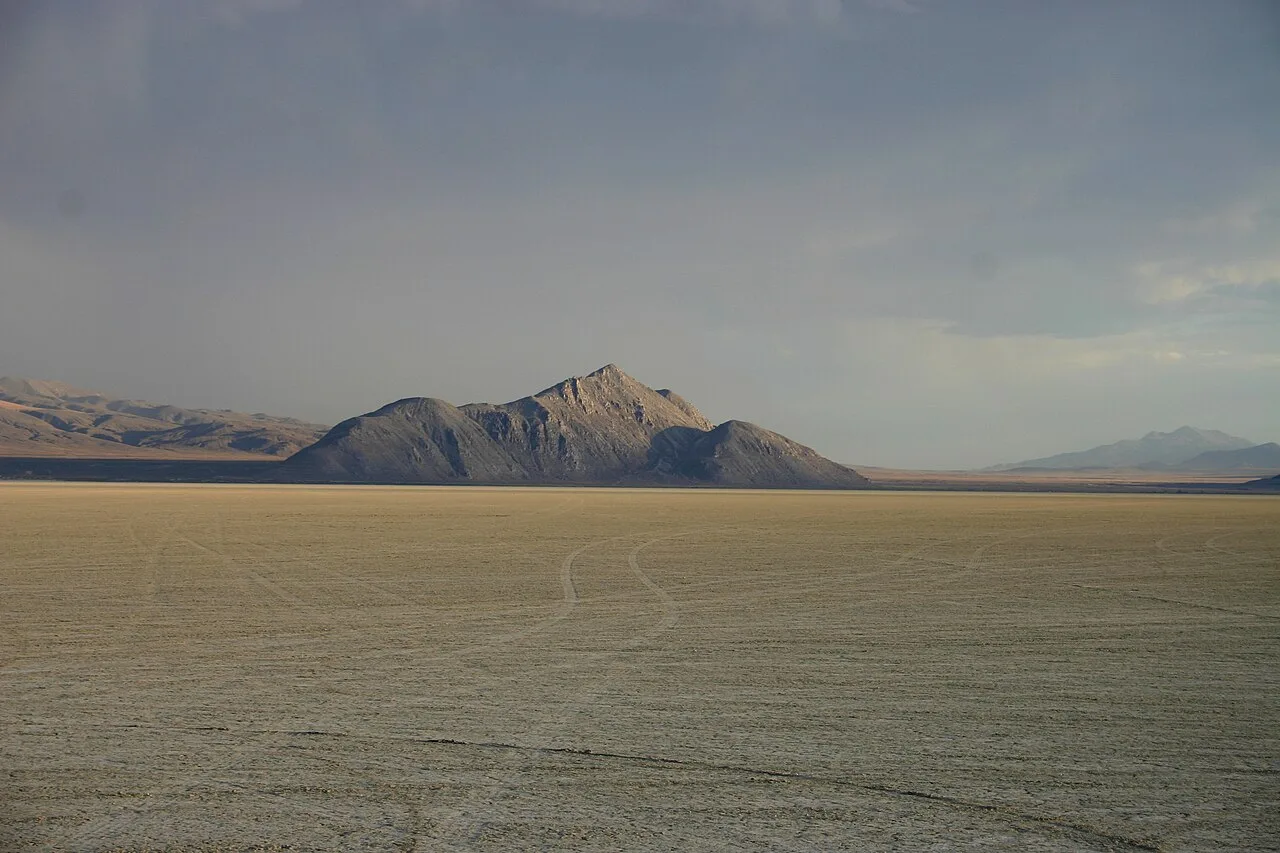
BLM total population cap
The BLM's 2019 Record of Decision set an 80,000-person total population cap for the permitted event, counting participants, staff and volunteers; it applied from the 2019 event onward.
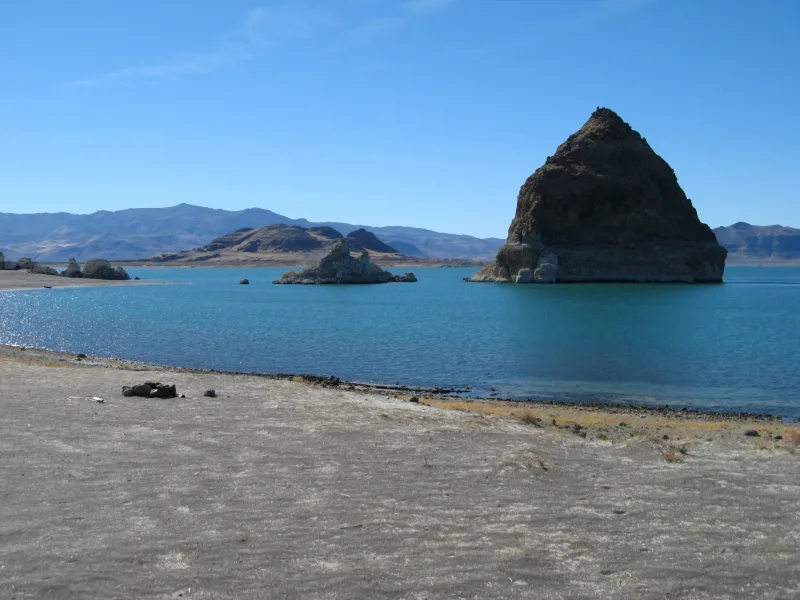
Local Impact
Pyramid Lake Paiute and other nearby communities can receive business and partnership benefits while also bearing traffic, unsafe-driving, trespass, trash, congestion, and service burdens extending beyond event week.
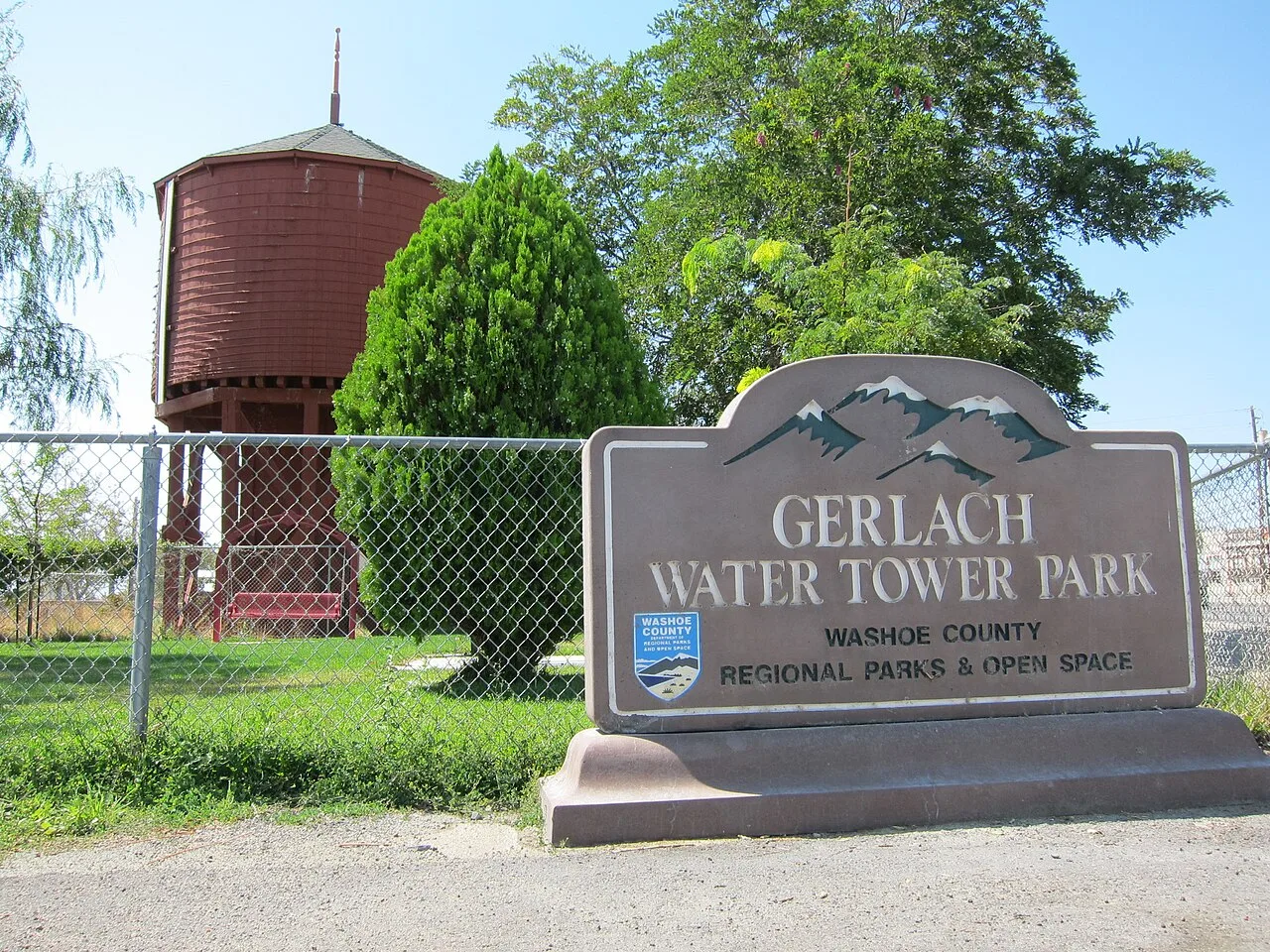
Benefits and burdens coexist
Nearby communities can receive business income while also facing congestion, unsafe driving, trespass, trash, and pressure on local services.
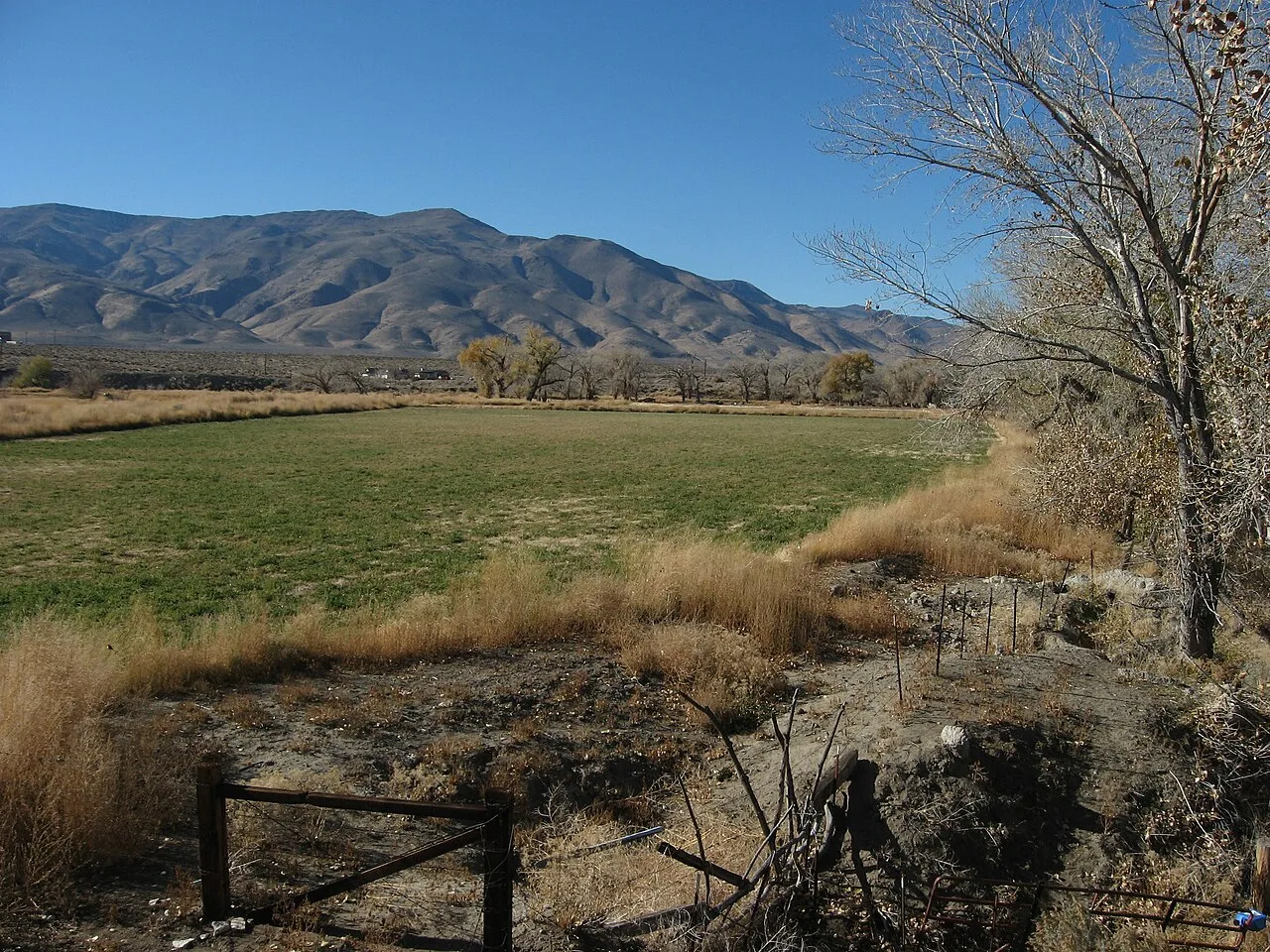
Route crosses Tribal lands
Travel to Black Rock City passes through and affects communities in the Pyramid Lake Paiute Tribe’s homeland.
Access
High ticket costs, travel, equipment, time off, and camp expenses create real access barriers even though Radical Inclusion is a stated principle and reduced-price programs exist.
By the numbers
- Under the 2019 BLM Record of Decision, what total permitted-event population cap took effect?
- 80000 people
Matched pairs
Each item on the left goes with the one on the right.
- Documented public-land impacts
- Traffic, dust, waste, health, culture, and neighbors
- Too little structure
- Can threaten safety and fairness
Self-test
Answer each question from memory, then check your work against the answer key.
1. Under Leave No Trace, what does "Matter Out of Place" mean at Black Rock City?
- AAnything sold without a vendor permit
- BAnything that does not belong on the playa
- CAnything not registered with the BLM
- DAnything left behind after sunset
2. What population cap did the 2019 BLM Record of Decision set for the event?
- A90,000 people
- B70,000 people
- C100,000 people
- D80,000 people
3. Which of these is NOT a documented public-land impact of Black Rock City?
- AWildlife habitat destruction
- BAir quality effects
- CDust
- DCultural resources impacts
4. Passing a Leave No Trace site inspection does NOT erase which effect?
- AGray water handling violations
- BOn-site trash left on the playa
- CTransportation emissions
- DVisible Matter Out of Place
5. Which effects require a wider view beyond site cleanup and the population cap?
- AThe population cap itself
- BTraffic, air quality, and regional health effects
- CVisible Matter Out of Place on the playa
- DGray water handling on-site
6. Travel to Black Rock City passes through and affects the homeland of which tribal nation?
- AWashoe Tribe of Nevada and California
- BShoshone-Paiute Tribes
- CReno-Sparks Indian Colony
- DPyramid Lake Paiute Tribe
7. Which of these is NOT a burden nearby communities may bear from event traffic?
- AImproved public transit infrastructure
- BPressure on local services
- CTrespass by visitors
- DUnsafe driving on local roads
8. What can nearby communities receive alongside these traffic burdens?
- ALocal infrastructure improvement grants
- BFree event tickets for all residents
- CBusiness and partnership benefits
- DAdditional funding for county emergency services
9. Increased local revenue alongside more unsafe driving during event week best illustrates that...
- AThe event has no lasting effects on neighbors
- BOnly tribal communities experience any burdens
- CBenefits and burdens can coexist for neighbors
- DBenefits always outweigh burdens for neighbors
10. Some burdens on nearby communities can extend how long?
- AOnly through the event's opening day
- BUntil the Saturday burn night
- CUntil the final day of the event week
- DUntil well after the week of the event
11. What can nearby communities receive from Black Rock City traffic, alongside burdens like trespass?
- AExemption from BLM land-use rules
- BBusiness and partnership benefits
- CFull reimbursement for municipal costs
- DGuaranteed year-round tourism contracts
12. Which burden do nearby communities bear from event traffic, alongside business income?
- ATrespass and unsafe driving
- BPermanent population growth
- CHigher property taxes for residents
- DReduced water access for local ranches
13. What term describes camps where money buys a packaged experience, replacing contribution or gifting?
- ASound camps
- BTheme camps
- CConvenience Camps
- DArt camps
14. What mixture of labor does Burning Man depend on?
- AVolunteers and participant labor alongside paid staff and contractors
- BPaid employees only, with no contractors or volunteers
- CVolunteers only, with no paid staff or contractors
- DPaid staff and contractors only, with no volunteer labor
15. What can happen if Burning Man's governance imposes too much structure?
- AIt can increase trespass and traffic in nearby communities
- BIt can suppress participant creativity
- CIt can threaten safety and fairness
- DIt can make tickets, travel, and camp costs harder to afford
16. Radical Inclusion is a stated principle, but what still limits attendance?
- AA requirement to join a camp in advance
- BA strict invitation-only application process
- CA mandatory skills test for volunteers
- DReal costs like tickets, travel, and equipment
17. Reduced-price programs lower which specific barrier while others remain?
- AEquipment costs for camping
- BTravel costs to the event
- CCamp expenses once on-site
- DThe cost of tickets
Go deeper
- ListenLesson 6 episode
- WatchA Cap of 80,000 Black Rock City has a population limit, and public-land rules set it.
- WatchBuying a Burn Some Burning Man camps sell a packaged experience: housing, meals and bicycles, for a set price.
- ReadEnabling Creative Chaos by Katherine K. Chen · on Amazon ↗
- StudyBurning Man: From Curiosity to Black Rock City in the FlashFeed app
These are affiliate links: if you buy a book through one, FlashFeed may earn a small commission at no extra cost to you. The commission helps pay for FlashFeed's servers.
As an Amazon Associate we earn from qualifying purchases.
Answer key
- 1. B Anything that does not belong on the playaMatter Out of Place is anything that does not belong on the playa, and participants must remove it under Leave No Trace.
- 2. D 80,000 peopleThe BLM's 2019 Record of Decision capped the permitted event population at 80,000.
- 3. A Wildlife habitat destructionThe documented impacts are traffic, air quality, dust, waste, cultural resources, and public health, not wildlife habitat destruction.
- 4. C Transportation emissionsPassing inspection does not erase transportation emissions or every off-site impact, even though it addresses on-site cleanup.
- 5. B Traffic, air quality, and regional health effectsTraffic, air quality, emissions, public health, and regional effects need a wider view, unlike site cleanup or the cap.
- 6. D Pyramid Lake Paiute TribeTravel to Black Rock City passes specifically through the Pyramid Lake Paiute Tribe's homeland.
- 7. A Improved public transit infrastructureTrespass, unsafe driving, congestion, trash, and service pressure are burdens; improved public transit is not.
- 8. C Business and partnership benefitsNearby communities, including the Pyramid Lake Paiute Tribe, can receive business and partnership benefits.
- 9. C Benefits and burdens can coexist for neighborsThe tradeoff cannot be reduced to only benefit or only harm; both can coexist for the same community.
- 10. D Until well after the week of the eventSome burdens on nearby communities extend beyond the week of the event itself.
- 11. B Business and partnership benefitsNearby communities can receive business and partnership benefits while also bearing burdens like trespass and traffic.
- 12. A Trespass and unsafe drivingTrespass, unsafe driving, trash, and congestion are burdens nearby communities bear alongside business income.
- 13. C Convenience CampsThese are called 'Convenience Camps' (also known as plug-and-play or turnkey camps), where paid service replaces contribution, gifting, or engagement.
- 14. A Volunteers and participant labor alongside paid staff and contractorsBurning Man depends on volunteers and participant labor as well as paid staff and contractors.
- 15. B It can suppress participant creativityToo much structure can suppress creativity, while too little structure can threaten safety and fairness.
- 16. D Real costs like tickets, travel, and equipmentTickets, travel, equipment, time off, and camp expenses create real access barriers despite Radical Inclusion.
- 17. D The cost of ticketsReduced-price programs can lower ticket cost without removing travel, equipment, or camp expenses.
Sources
- U.S. Bureau of Land Management — Burning Man Event Special Recreation Permit Draft Environmental Impact Statement, Volume 1 — eplanning.blm.gov/public_projects/nepa/93518/168727/205347/Burning_Man_Event_SRP-Draft_EIS_Vol1.pdf
- Associated Press — Will the Burning Man experiment last 30 more years? — apnews.com/article/burning-man-festival-nevada-future-evolution-environment-7d4a7d27907c39bb053ac9fef5dde662
- Burning Man Project — What to Pack (And What to Leave at Home) — Survival Guide 2026 — survival.burningman.org/leave-no-trace/what-to-pack-and-what-to-leave-at-home/
- U.S. Bureau of Land Management — Record of Decision — eplanning.blm.gov/public_projects/nepa/93518/176996/215688/ROD_BurningManSRP_20190716_508.pdf
- Chairman James Phoenix / Burning Man Journal — A Message from the Pyramid Lake Paiute Tribe to All BRC Citizens — journal.burningman.org/2023/07/black-rock-city/leaving-no-trace/pyramid-lake-paiute-tribe-message/
- Northern Nevada Business Weekly — How does Burning Man affect Pyramid Lake Paiute community? — www.nnbw.com/news/2017/aug/15/how-does-burning-man-affect-pyramid-lake-paiute-co/
- Burning Man Project — Black Rock City 2026 Ticket Sales — burningman.org/black-rock-city/ticketing-information/
- Black Rock City Census — Black Rock City Census 2024 — Demographics and social characteristics — blackrockcitycensus.org/sociodemo.html
- Burning Man Project — Decommodification, Gifting, Participation and PAYticipation — burningman.org/black-rock-city/camps/cultural-direction-setting-decommodification/commodification-gifting-decommodification-and-participation/
- Burning Man Project History — Burning Man Timeline — 2014 — history.burningman.org/timeline/2014/
- Katherine K. Chen / University of Chicago Press — Enabling Creative Chaos: The Organization Behind the Burning Man Event — press.uchicago.edu/ucp/books/book/chicago/E/bo6797144.html
- Burning Man Project History — Burning Man Timeline — 1996 — history.burningman.org/timeline/1996/
- Wikipedia — Black Rock City — en.wikipedia.org/wiki/Black_Rock_City
- Burning Man Project — Eliminating Convenience Camping in Black Rock City — burningman.org/black-rock-city/camps/cultural-direction-setting-decommodification/convenience-camping/
Image credits
- Matter Out of Place: Wikimedia Commons · BLM Nevada · CC BY 2.0 — commons.wikimedia.org/wiki/File:Black_Rock_(19789184100).jpg
- BLM total population cap: Ikluft · CC BY-SA 4.0 — commons.wikimedia.org/wiki/File:Kluft-photo-Black-Rock-Desert-Aug-2005-Img_5081.jpg
- Local Impact: Wikimedia Commons · Rhalden · Public domain — commons.wikimedia.org/wiki/File:The_pyramid.jpg
- Benefits and burdens coexist: Almonroth · CC BY-SA 3.0 — commons.wikimedia.org/wiki/File:Gerlach_Water_Tower-9.JPG
- Route crosses Tribal lands: Ken Lund from Las Vegas, Nevada, USA · CC BY-SA 2.0 — commons.wikimedia.org/wiki/File:Nixon_NV.jpg


