
Burning Man: From Curiosity to Black Rock City study guide · Lesson 1 of 8
What Burning Man Is
Event, City, Culture, Network · Participation and the Ten Principles · Ritual, Language, and Belonging
Unofficial study guide for Enabling Creative Chaos: The Organization Behind the Burning Man Event by Katherine K. Chen. FlashFeed is not affiliated with the author or publisher.
This is the lesson's study guide from the FlashFeed app, plus its key facts and a self-test.
What you'll be able to do
- Distinguish Burning Man as an event, a city, a culture and a year-round network, rather than a music festival.
- Identify the Ten Principles as Harvey's 2004 guideposts and match principles like Gifting and Decommodification to their meanings.
- Recognise the rituals and shared vocabulary that mark belonging in Black Rock City.
Event, City, Culture, Network
Burning Man is best understood in several ways at once: an annual participant-built temporary city, an organized event, a cultural movement, and a global network. Calling it only a music festival misses how it is made and what participants are expected to do. Much of the art, performance, camp life, services, and social experience comes from participants themselves. The event provides a setting and production framework, but people create much of what happens inside it.
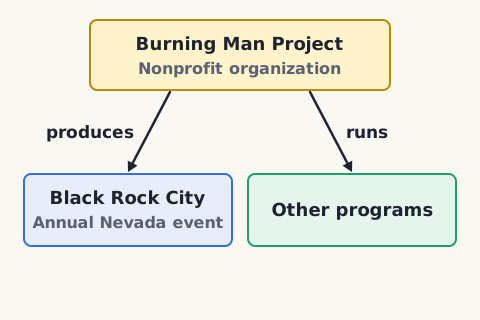
It also helps to separate the place from the organization. Black Rock City is the temporary Nevada event. Burning Man Project is the nonprofit that produces Black Rock City and runs other programs. Beyond Nevada, the Regional Network connects officially affiliated Burner events and communities around the world. These distinctions explain how one name can refer to an event, a city, a culture, and a much wider community without those things being identical.
The participant-built model joins these meanings. Art, camps, services, performance, and social life are produced inside the temporary city, while the nonprofit provides the event framework and the affiliated network carries related community activity beyond Nevada.
Participation and the Ten Principles
Larry Harvey wrote the Ten Principles in 2004 as guideposts for the Regional Network. They described an ethos organizers believed had already developed; they were not rules established for the first event in 1986. The principles give language to recurring expectations about how people relate to one another and create the experience.
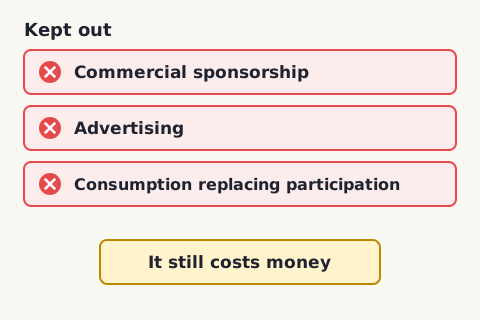
Gifting means giving without requiring barter or an equal return. Decommodification seeks environments free from commercial sponsorship, advertising, and packaged consumption. It does not mean that attending or producing the event costs nothing. Radical Inclusion welcomes strangers and sets no prerequisite for joining the community, while Civic Responsibility asks organizers to protect public welfare and obey applicable laws.
Radical Self-reliance asks people to understand and prepare for their needs, resources, and limits. It works alongside Communal Effort, which values creative cooperation and the social systems that support it. Preparing for yourself and supporting a community are complementary responsibilities rather than opposites.
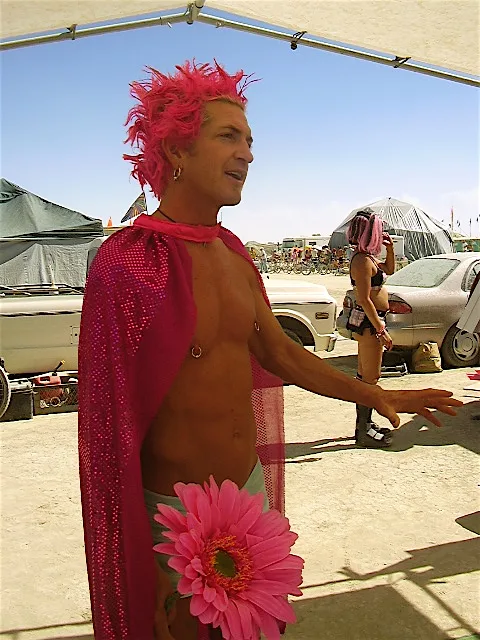
Radical Self-expression encourages people to offer their individual gifts, but that expression remains bounded by the rights and liberties of recipients. It is not permission to ignore consent. Participation, Immediacy, and the “no spectators” norm encourage direct involvement. Contribution can take different valid forms, so involvement does not require everyone to perform the same role. Together, the principles describe a culture made through action, cooperation, responsibility, and respect for other people.
Self-reliance does not cancel communal effort, self-expression does not cancel recipients’ rights, and decommodification does not erase the real cost of producing the event.
Ritual, Language, and Belonging
Burning Man culture is often described as cyclical, collaborative, immediate, and sensual. It can support multiple forms of belonging rather than demanding one uniform Burner identity. Its repeated rituals help give the temporary city a recognizable rhythm, while participants can experience and interpret those rituals differently.
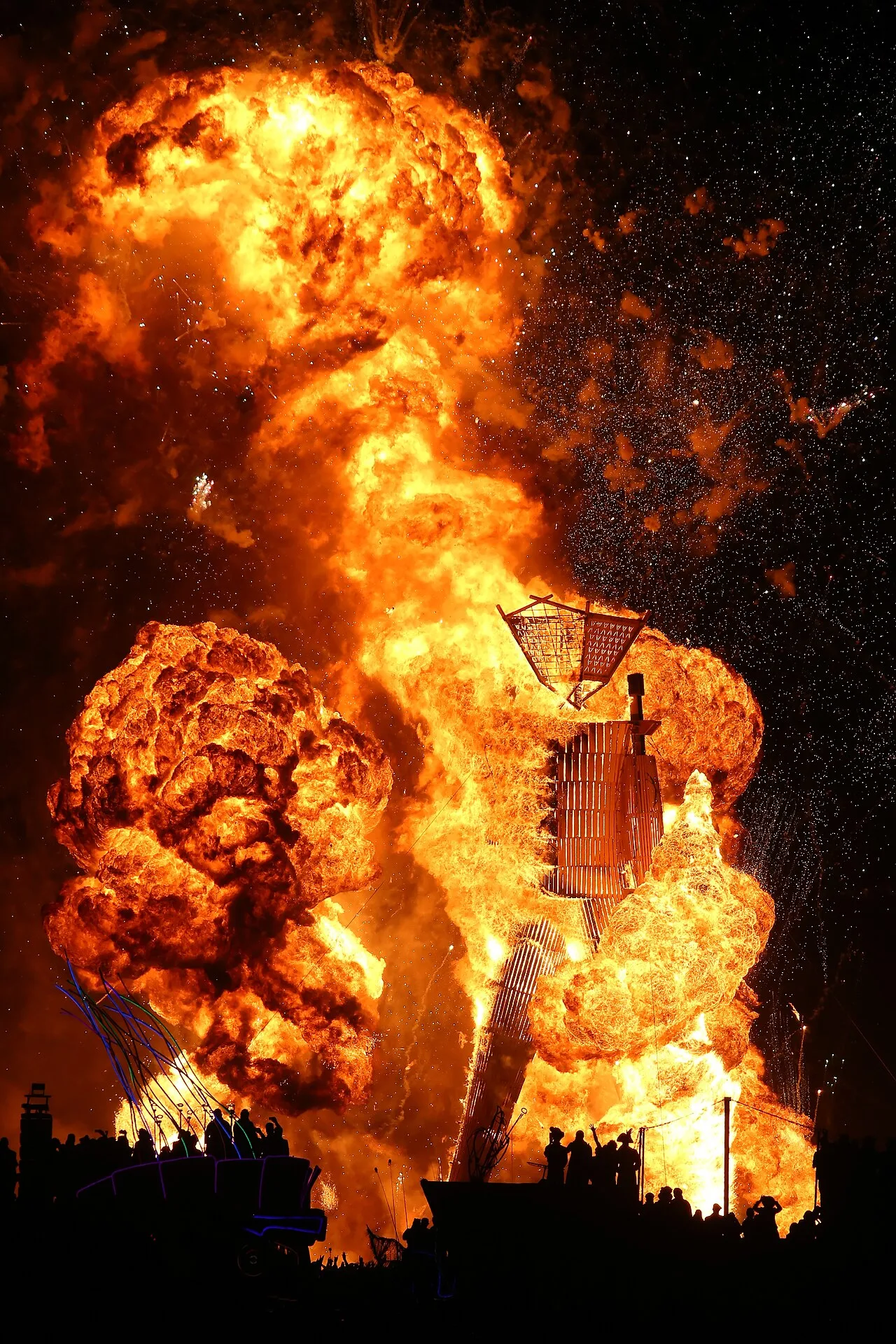
The Man burn and the Temple burn are distinct. The Man burn is typically celebratory and spectacular. The Temple serves as a space for remembrance, grief, reflection, and release, and its burn carries that memorial role. Treating the two burns as interchangeable misses the different emotional work they do.
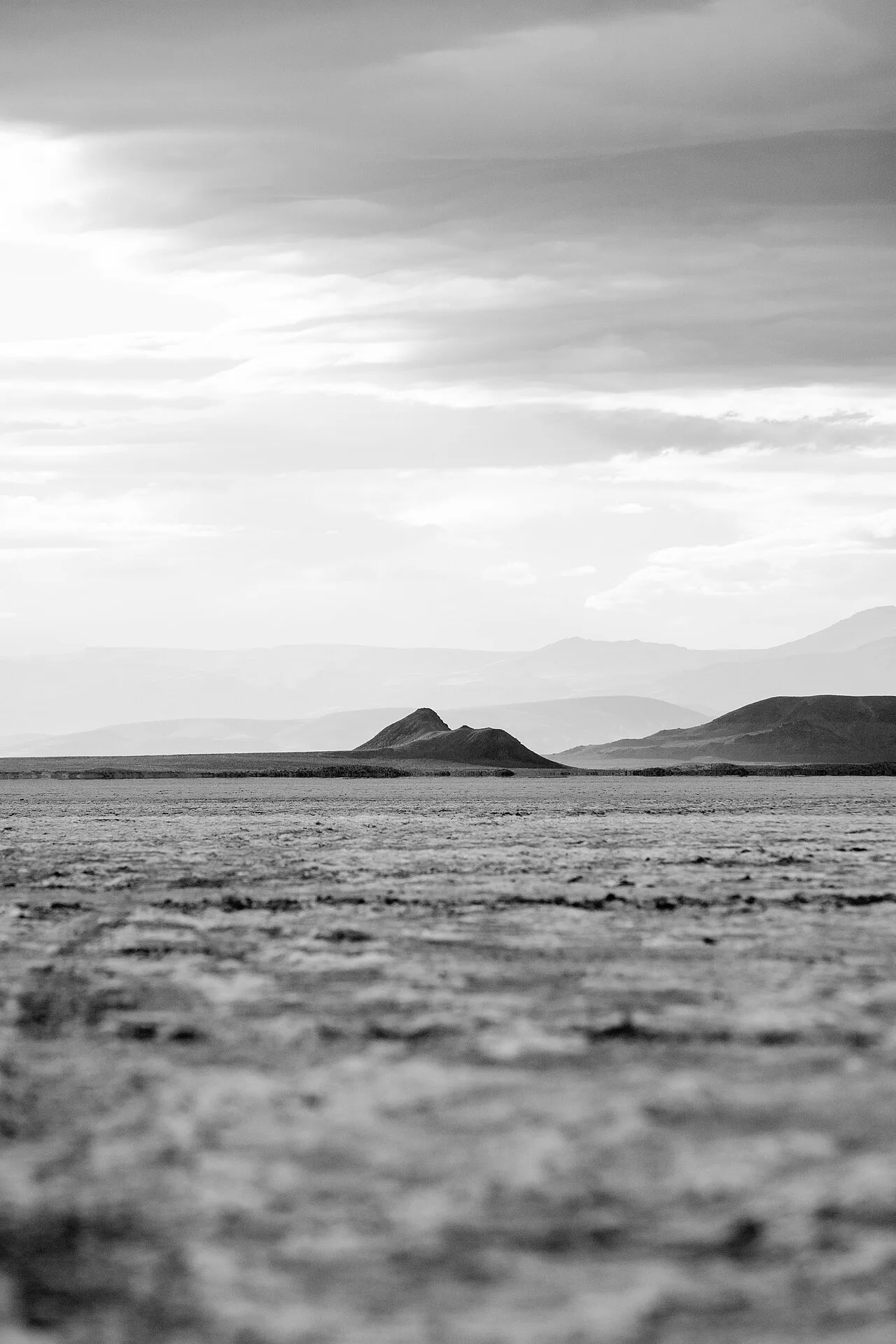
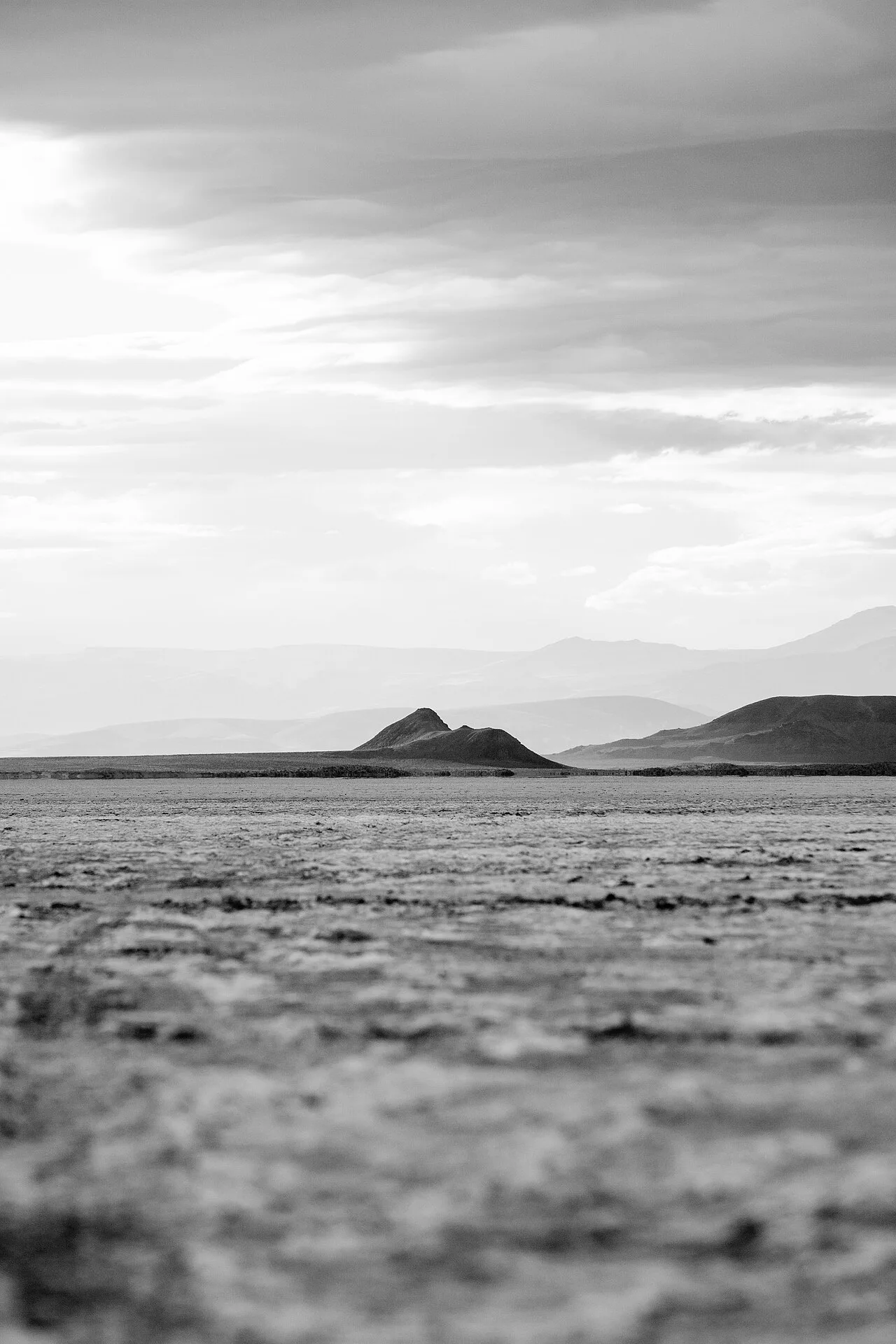
The physical setting also has its own vocabulary. At Burning Man, the playa is the hard, alkaline surface of the prehistoric lakebed on which Black Rock City is built. The city, its art, and its rituals appear on this surface and then disappear, reinforcing the event’s temporary and cyclical character.
Belonging can therefore emerge through different combinations of collaboration, immediate experience, sensory encounter, and shared ritual. The culture may feel recognizable from cycle to cycle without requiring every participant to adopt the same identity.
Key terms
- Burning Man
- Event, city, culture, and global network.
- Burning Man Project
- The nonprofit that produces Black Rock City and runs other programs.
- Temple burn
- A ritual of remembrance and release.
Key concepts
Civic Responsibility
- Names public welfare
- Applies law to organized events
Communal Effort
- Centers collaboration
- Builds networks and public spaces
Radical Inclusion
- Concerns the boundaries of belonging in a community
- Welcomes the stranger and sets no prerequisite for participation
Gifting
- Concerns how something is offered to another person
- Requires neither barter nor an equal return
Radical Self-reliance
- Concerns a participant’s relationship to personal limits
- Calls for preparing for one’s own needs and resources
Radical Self-expression
- Concerns how individual gifts enter the community
- Remains bounded by recipients’ rights and consent
Key facts
Burning Man
Burning Man is best understood as an annual participant-built temporary city, an organized event, a cultural movement, and a global network—not simply as a conventional music festival.
Participation
The event's central production model expects participants to create much of the art, camps, services, performance, and social experience.
Event and organization differ
Black Rock City is the annual Nevada event, while Burning Man Project is the nonprofit organization that produces it and runs other programs.
Regional Network
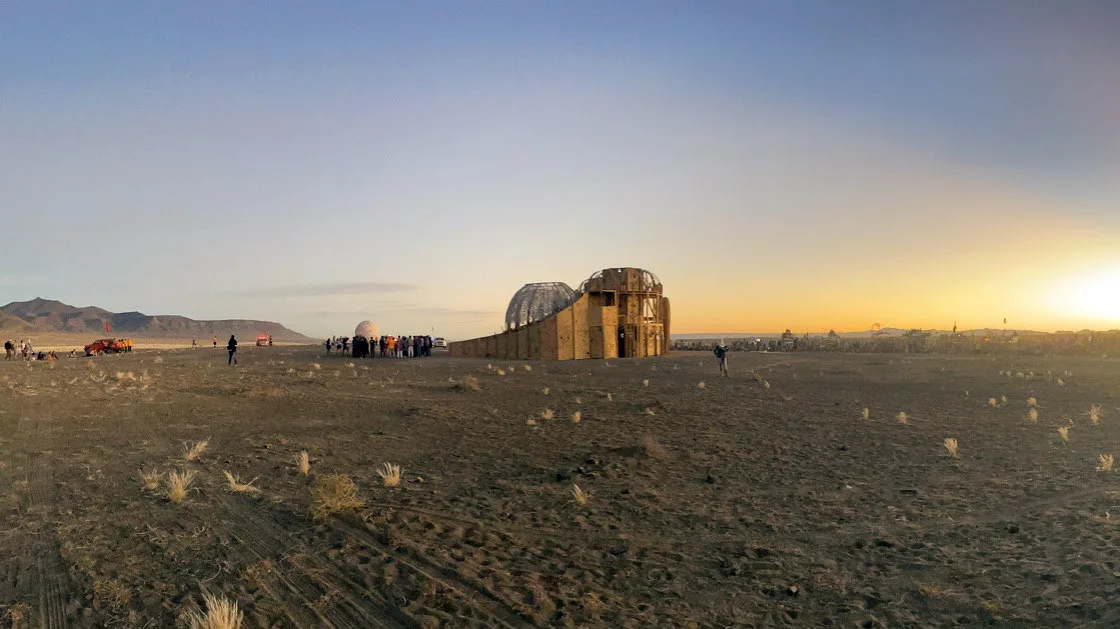
The Regional Network connects officially affiliated events and communities beyond Black Rock City.
Ten Principles
Larry Harvey wrote the Ten Principles in 2004 as guidelines for the Regional Network, describing an ethos that organizers believed had already developed rather than establishing rules for the 1986 event.
Decommodification
Decommodification seeks social environments free from commercial sponsorship, advertising, and the substitution of consumption for participation; it does not mean that producing or attending the event costs nothing.
Radical Self-reliance
Radical Self-reliance and Communal Effort are complementary: participants prepare for their own needs while also building and supporting a community.
Culture
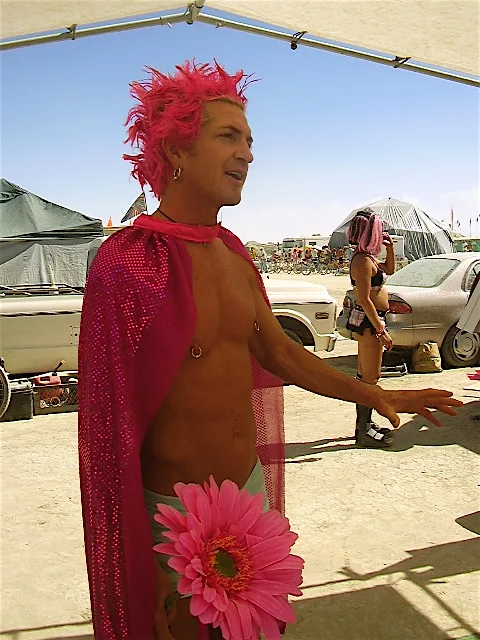
Burning Man scholarship describes the culture as cyclical, collaborative, immediate, sensual, and capable of supporting multiple forms of belonging rather than one uniform identity.
Temple burn
The Man burn and Temple burn are distinct rituals: the Man burn is typically celebratory and spectacular, while the Temple functions as a space for remembrance, grief, reflection, and release.
Playa
At Burning Man, the playa is the hard, alkaline surface of the prehistoric lakebed where Black Rock City is built.
Matched pairs
Each item on the left goes with the one on the right.
- Man burn
- A large bonfire that draws a crowd to watch it burn
- Temporary playa setting
- City, art, and rituals appear and disappear
Self-test
Answer each question from memory, then check your work against the answer key.
1. Which description best fits Burning Man?
- AAn event, city, culture, and global network
- BA weekend camping trip
- CA conventional music festival
- DA commercial arts expo
2. Who creates most of the art, camps, and social experience at Burning Man?
- ABurning Man Project staff
- BTicketed vendors
- CRegional Network coordinators
- DParticipants themselves
3. Which term names the nonprofit that produces Black Rock City and runs other programs?
- ARegional Network
- BBurning Man Project
- CTen Principles
- DBlack Rock City
4. Which of these does NOT describe Burning Man?
- AA participant-built temporary city
- BA global cultural movement
- CA single-day commercial trade show
- DA network of affiliated events
5. What does the Regional Network connect?
- ATicket sales offices across Nevada
- BAffiliated Burner events and communities worldwide
- CLocal Reno businesses supplying the event
- DVolunteer shifts inside Black Rock City
6. Besides being an event and a temporary city, what else is Burning Man?
- AA political party
- BA film festival
- CA cultural movement
- DA retail marketplace
7. Calling Burning Man only a music festival misses that it is also a ___.
- Aticketing agency
- Bcorporate sponsor
- Ctourism board
- Dcultural movement
8. What connects officially affiliated Burner events and communities around the world beyond Nevada?
- AThe Regional Network
- BThe Ten Principles
- CBurning Man Project staff
- DBlack Rock City LLC
9. What kind of ongoing community structure is the Regional Network?
- AA year-round global network of affiliated events
- BA single annual Nevada gathering
- CA temporary desert campsite
- DA seasonal ticket office
10. Who wrote the Ten Principles, and when?
- ARegional Network leaders, in 1986
- BLarry Harvey, in 1986
- CLarry Harvey, in 2004
- DBurning Man Project board, in 2004
11. What does Decommodification mean at Burning Man?
- AThe event costs nothing to attend or produce
- BOnly nonprofit vendors may sell goods onsite
- CAll goods must be bartered instead of gifted
- DFree of commercial sponsorship and advertising
12. Which statement about Decommodification is FALSE?
- AIt seeks environments free of advertising
- BIt means producing and attending the event costs nothing
- CIt seeks environments free of commercial sponsorship
- DIt discourages substituting consumption for participation
13. What does the principle of Gifting mean at Burning Man?
- ASelling crafts at discounted prices
- BGiving without requiring barter or an equal return
- CDonating money exclusively to Burning Man Project
- DTrading goods evenly through barter
14. Which pair of principles are described as complementary rather than opposing?
- ADecommodification and Gifting
- BParticipation and Immediacy
- CRadical Self-reliance and Communal Effort
- DRadical Inclusion and Civic Responsibility
15. What surface is Black Rock City built on?
- AA paved industrial lot
- BA soft desert sand dune
- CA grassy high-altitude plateau
- DThe hard, alkaline playa of a prehistoric lakebed
16. How does the Temple burn differ from the Man burn?
- ATemple burn is remembrance; Man burn is celebration
- BTemple burn is celebration; Man burn is remembrance
- CBoth burns are purely celebratory
- DBoth burns are purely memorial
17. What happens to the city, art, and rituals built on the playa each cycle?
- AOnly the art is left in place
- BThey appear and then disappear
- CThe Temple stays as a memorial site
- DThe Man stays up until the next year
18. Which statement about belonging in Burning Man culture is TRUE?
- AIt can take multiple forms rather than one uniform identity
- BRequires every participant to adopt one identity
- CIt is defined solely by camp membership
- DIt is granted only after attending five events
19. Which words describe the recurring character of Burning Man culture?
- ALinear, collaborative, scheduled, and sensual
- BCyclical, individualistic, immediate, and cerebral
- CCyclical, collaborative, immediate, and sensual
- DPermanent, collaborative, immediate, and festive
Go deeper
- ListenLesson 1 episode
- WatchMore Than a Festival Is Burning Man just a music festival? Calling it that misses how it is made.
- WatchPrinciples Came Later Burning Man's Ten Principles were not rules for the first burn in 1986. Larry Harvey wrote them in 2004.
- ReadEnabling Creative Chaos by Katherine K. Chen · on Amazon ↗
- StudyBurning Man: From Curiosity to Black Rock City in the FlashFeed app
These are affiliate links: if you buy a book through one, FlashFeed may earn a small commission at no extra cost to you. The commission helps pay for FlashFeed's servers.
As an Amazon Associate we earn from qualifying purchases.
Answer key
- 1. A An event, city, culture, and global networkBurning Man is a temporary city, an event, a culture, and a network at once, not simply a music festival.
- 2. D Participants themselvesThe participant-built model means attendees produce most art, camps, services, and social life themselves.
- 3. B Burning Man ProjectBurning Man Project is the nonprofit organization; Black Rock City is the event it produces.
- 4. C A single-day commercial trade showBurning Man is a temporary city, a cultural movement, and a global network of affiliated events — not a single-day commercial trade show.
- 5. B Affiliated Burner events and communities worldwideThe Regional Network links affiliated Burner events and communities beyond Nevada, carrying the culture further.
- 6. C A cultural movementBurning Man is an event, a city, a cultural movement, and a global network.
- 7. D cultural movementBurning Man is an event, a city, a cultural movement, and a network — not merely a festival.
- 8. A The Regional NetworkThe Regional Network connects affiliated Burner communities beyond Nevada.
- 9. A A year-round global network of affiliated eventsThe Regional Network carries affiliated Burner community activity worldwide beyond the single Nevada event.
- 10. C Larry Harvey, in 2004Larry Harvey wrote the Ten Principles in 2004 to describe an ethos that had already developed.
- 11. D Free of commercial sponsorship and advertisingDecommodification seeks environments free from commercial sponsorship and advertising; it does not make the event free, and it does not require barter instead of gifting.
- 12. B It means producing and attending the event costs nothingDecommodification does not mean the event is free; producing and attending still has real costs.
- 13. B Giving without requiring barter or an equal returnGifting means giving without expecting barter or an equal return in exchange.
- 14. C Radical Self-reliance and Communal EffortPreparing for yourself and supporting a community work together; self-reliance does not cancel communal effort.
- 15. D The hard, alkaline playa of a prehistoric lakebedThe playa is the hard, alkaline surface of a prehistoric lakebed where Black Rock City is built.
- 16. A Temple burn is remembrance; Man burn is celebrationThe Man burn is typically celebratory and spectacular, while the Temple burn serves remembrance and release.
- 17. B They appear and then disappearThe city, its art, and its rituals appear on the playa and then disappear, reinforcing the event's temporary, cyclical character.
- 18. A It can take multiple forms rather than one uniform identityThe culture supports multiple forms of belonging rather than demanding one uniform Burner identity.
- 19. C Cyclical, collaborative, immediate, and sensualBurning Man culture is cyclical, collaborative, immediate, and sensual.
Sources
- Burning Man Project — History of the Regional Network — burningman.org/global-events-groups/burning-man-regional-network/history-of-the-regional-network/
- Graham St John — Civilised Tribalism: Burning Man, Event-Tribes and Maker Culture — journals.sagepub.com/doi/10.1177/1749975517733162
- Burning Man Project — The 10 Principles — burningman.org/about-us/10-principles/
- Smithsonian American Art Museum — Online Gallery for No Spectators: The Art of Burning Man — americanart.si.edu/exhibitions/burning-man/online
- Burning Man Project History — Burning Man Timeline — 2014 — history.burningman.org/timeline/2014/
- Burning Man Project — Black Rock City 2026 Ticket Sales — burningman.org/black-rock-city/ticketing-information/
- Burning Man Project — Decommodification, Gifting, Participation and PAYticipation — burningman.org/black-rock-city/camps/cultural-direction-setting-decommodification/commodification-gifting-decommodification-and-participation/
- Katherine K. Chen / University of Chicago Press — Enabling Creative Chaos: The Organization Behind the Burning Man Event — press.uchicago.edu/ucp/books/book/chicago/E/bo6797144.html
- Burning Man Project — Consent & Sexual Misconduct — Survival Guide 2026 — survival.burningman.org/survival-health-and-safety/consent-and-sexual-misconduct/
- Burning Man Project History — Burning Man Timeline — 2000 — history.burningman.org/timeline/2000/
- Smithsonian American Art Museum — The Renwick’s (David) Best Temple; Smithsonian American Art Museum — The Renwick's (David) Best Temple — americanart.si.edu/blog/eye-level/2018/20/57599/renwicks-david-best-temple
- Burning Man Project History — Burning Man Timeline — 2018 — history.burningman.org/timeline/2018/
- Burning Man Project — Survival — Survival Guide 2026 — survival.burningman.org/survival-health-and-safety/survival/
Image credits
- Burning Man: torroid from SF Bay Area · CC BY-SA 2.0 — commons.wikimedia.org/wiki/File:Burning_Man_2014_(15128868536).jpg
- Event and organization differ: FlashFeed original diagram · CC-BY-4.0
- Regional Network: Battybri · CC BY-SA 4.0 — commons.wikimedia.org/wiki/File:AfrikaBurn_2024.jpg
- Ten Principles: Wikimedia Commons · dana robinson from los angeles, ca, usa · CC BY-SA 2.0 — commons.wikimedia.org/wiki/File:Burning_man.jpg
- Decommodification: FlashFeed original diagram · CC-BY-4.0
- Radical Self-reliance: Wikimedia Commons · BLM Nevada · CC BY 2.0 — commons.wikimedia.org/wiki/File:Black_Rock_(19789184100).jpg
- Culture: Wikimedia Commons · dana robinson from los angeles, ca, usa · CC BY-SA 2.0 — commons.wikimedia.org/wiki/File:Burning_man.jpg
- Playa: Wikimedia Commons · BLM Nevada · CC BY 2.0 — commons.wikimedia.org/wiki/File:Black_Rock_(19789184100).jpg


