
Electronic Music: History, Genres, Scenes, and Sound study guide · Lesson 1 of 5
From Sound Objects to Dance Floors
Recorded Sound Becomes Material · Machines Become a Shared Language · Disco Designs the Dance Floor
This is the lesson's study guide from the FlashFeed app, plus its key facts and a self-test.
What you'll be able to do
- Explain how recording, synthesis, sequencing, tools, and disco dance-floor practice changed electronic music.
Recorded Sound Becomes Material
Recorded Sound Becomes Material
Electronic music is easier to understand when you begin with a change in musical thinking, not a list of genres. For a long time, recording mainly meant capturing a performance so it could be heard later. Tape studios made another possibility practical: a recording could become raw compositional material. A creator could select a sound, cut it, repeat it, reverse it, change its speed, combine it with another sound, and assemble a finished work that had never existed as one continuous performance.
Pierre Schaeffer’s musique concrète is a central example. He worked with recorded environmental sounds—what his practice treated as sound objects—rather than starting only with written notes for conventional instruments. The important idea is not that every later electronic musician copied his style. It is that the identity of a sound could become flexible. A train, a voice, a struck object, or a machine could be detached from its source and heard for its rhythm, texture, contour, or color.
Synthesis opened a related path. A synthesizer generates and shapes electronic signals; it does not need to begin with a recording of an acoustic event. A sequencer organizes events into an ordered pattern, often producing exact repetition. Morton Subotnick used a Buchla modular system and its sequencing capabilities to create repeated figures in Silver Apples of the Moon. That case makes a useful distinction: synthesis concerns how sound is made, while sequencing concerns how events are ordered through time. One device can support both, but the functions are not identical.
Wendy Carlos’s Switched-On Bach shows a different transition. Its many synthesizer voices were recorded separately and combined in the studio. The project helped bring the Moog synthesizer to a much wider public. The lesson is not that electronic music replaced composition or performance. It rearranged their boundaries. The studio could act like an instrument; a repeated pattern could become a structural foundation; and timbre—the character or color of a sound—could become something a musician designed directly. Those ideas eventually traveled from experimental studios into pop records, clubs, home setups, and dance floors.
Machines Become a Shared Language
Electronic instruments become historically meaningful when people can connect them, afford them, misuse them, or make them serve a scene. MIDI, the Musical Instrument Digital Interface, is a good example of connection. First published in 1983, MIDI 1.0 defined digital messages that allowed different musical devices to exchange information. A MIDI message can represent an instruction such as a note event or a control change; it is not the sound recording itself. That distinction explains why the same sequence of messages can drive different instruments and produce very different results.
The Roland TR-808 drum machine illustrates the difference between a machine’s design and its cultural uses. Its percussion sounds were synthesized with analog circuitry rather than played back from recordings of drums. A sequencer let users program repeating rhythmic patterns. Some listeners heard those sounds as artificial approximations of acoustic percussion. Producers heard a palette with a strong identity: a bass drum, clap, cowbell, snare, and other voices that could be arranged, retuned, emphasized, or layered.
There is a common historical trap here: “Machine X created Genre Y.” Machines do not choose rhythms, build communities, distribute records, run radio shows, or respond to a dance floor. The TR-808 circulated through Japanese techno-pop, hip-hop, electro, Detroit techno, disco, and commercial pop. The shared box did not erase the differences among those settings. Musicians used similar controls to make different grooves, attach different cultural meanings, and address different audiences.
A better question is: What did this tool make convenient, distinctive, or newly accessible for these users? MIDI made coordinated control among devices practical. A drum machine made repeatable rhythm programming immediate. Neither dictated the finished music. Producers still decided where sounds landed, how loud or bright they felt, what surrounded them, and whether a pattern should sound rigid, loose, sparse, or crowded. Equipment therefore belongs in the story as an affordance—a set of possibilities—not as an independent historical actor. That is why this pack treats machines as a supporting thread rather than allowing product chronology to displace musicians, dancers, and scenes.
Disco Designs the Dance Floor
The bridge from electronic studios to house music runs through disco, but disco should not be reduced to a glittery mainstream style. Its early New York club culture grew among audiences that were substantially Black, Latino, and gay. Those dance floors were social spaces as well as entertainment venues. DJs learned to hold a room over many hours, and dancers provided immediate feedback about which passages, transitions, and records sustained collective movement.
The most useful audible starting point is the four-to-the-bar pulse: a bass-drum strike on each of the four main beats in a bar. Hi-hat activity commonly subdivides that regular foundation, while bass, percussion, strings, voices, and other layers create motion around it. Four-to-the-floor is not unique to disco, and not every disco recording uses one unchanging pattern. It is a listening landmark that later house, techno, trance, and festival styles could inherit and transform.
Disco also redesigned musical time for DJs. A short radio-oriented song may introduce, develop, and finish its material quickly. An extended mix gives a dance floor more room: a longer introduction for blending, an instrumental passage that sustains movement, or a repeated groove that lets the DJ decide when to move onward. The 12-inch single became closely connected to this practical need. The important mechanism is functional: format and arrangement adapted to continuous social dancing.
Donna Summer’s I Feel Love, created with Giorgio Moroder and Pete Bellotte, demonstrates how this dance-floor logic could meet electronic studio design. The production was conceived around synthesizer-generated sound rather than an acoustic band simply decorated with electronics. Summer’s vocal performance remained central, but the repeating electronic foundation made the record feel like a striking vision of machine-organized dance music. It did not single-handedly invent everything that followed. It showed how pulse, repetition, timbral design, studio construction, and embodied dancing could become one system.
That combined system is the real prerequisite for the next lesson. House and techno were not born because a new box arrived. They emerged when people in particular cities reorganized disco memories, electronic timbres, records, radio, clubs, machines, and local ideas about the future.
Sources
- Ars Electronica Archive — A History of Electronic Music Pioneers
- Library of Congress — Registry Titles with Descriptions and Expanded Essays
- MIDI Association — MIDI 1.0
- University of Chicago — TR–808: Race, Groove, and Drum Machines
- Carnegie Hall — History of Disco
- Smithsonian — New York City Disco Clubs Collection
- Library of Congress — Giorgio Moroder interview
Key terms
- Musique concrète
- Composition that begins with recorded environmental sounds treated as sound objects.
- Affordance
- A possibility a tool makes convenient or accessible without dictating the user's musical choices.
- Four-to-the-bar
- A drum pattern with a bass-drum strike on each of the four main beats in a bar — also called four-to-the-floor.
- 12-inch single
- A record format closely connected to disco's need for longer, DJ-friendly extended mixes.
Key facts
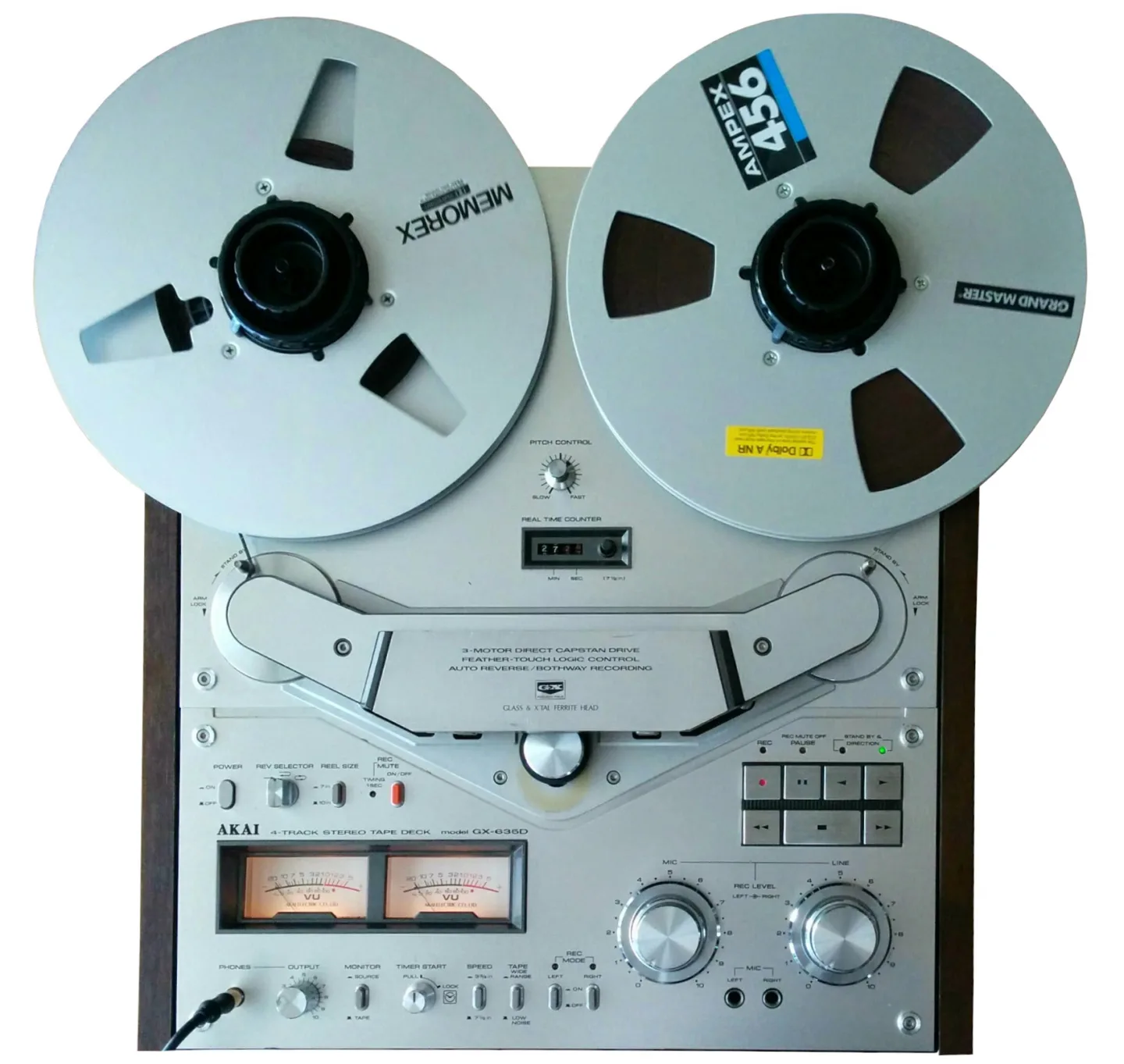
A Recording Becomes Material
Tape practice made recorded sound something a composer could cut, repeat, reverse, retime, and combine—not merely preserve.
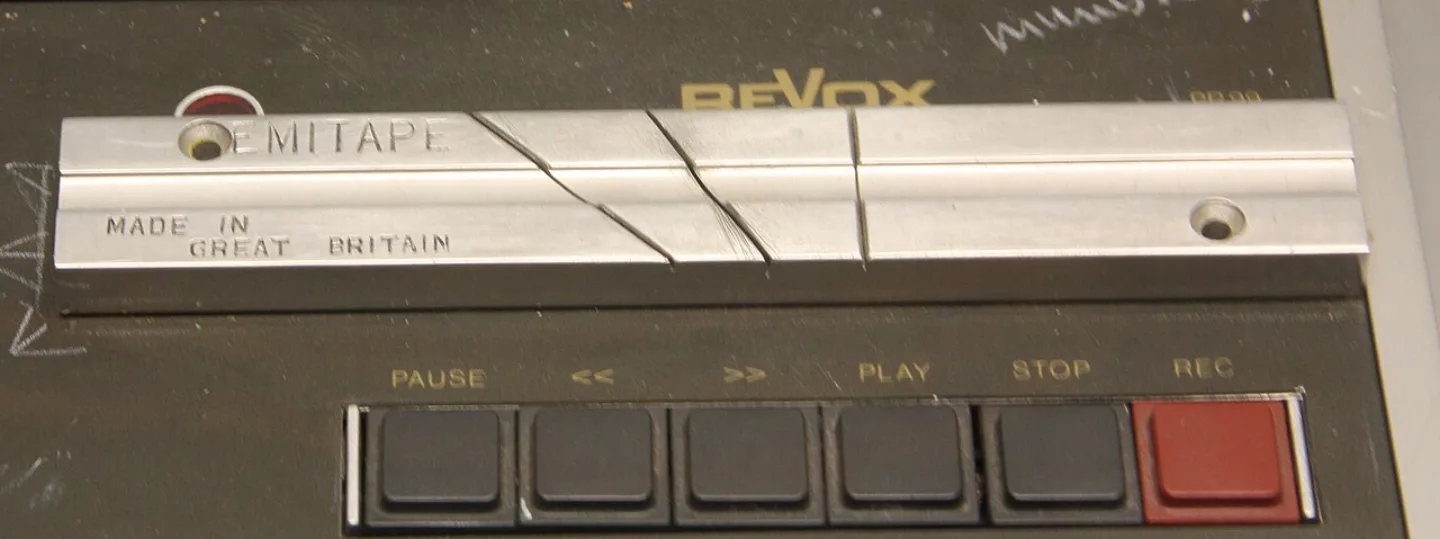
A Tape Piece Never Happened as One Performance
By cutting, repeating, reversing, and combining recorded sound, a composer could assemble a finished work that had never existed as a single continuous performance.
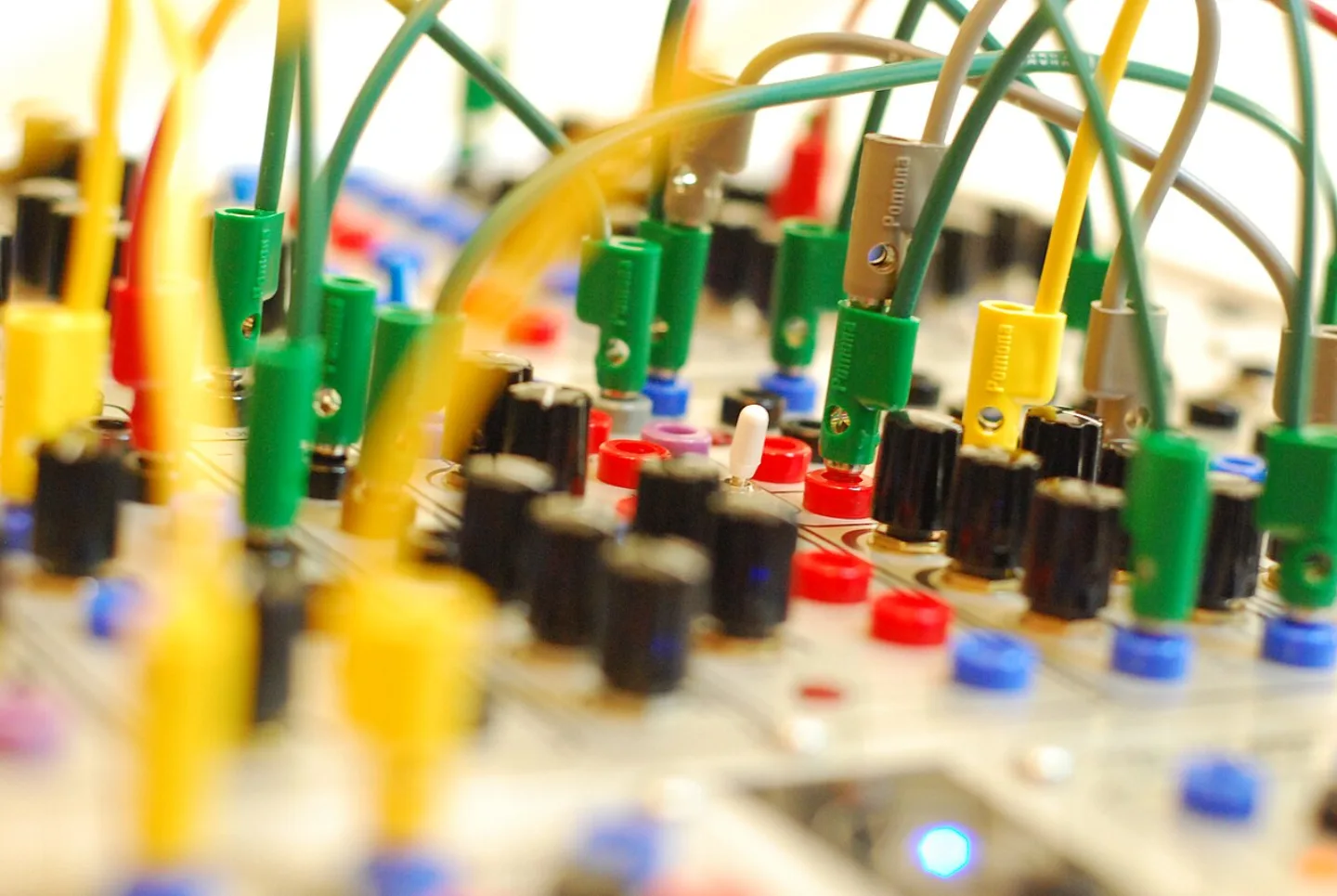
Synthesis Makes Sound, Sequencing Orders It
A synthesizer generates and shapes electronic signals without needing a recording to start from, while a sequencer organizes events into an ordered, often exactly repeating pattern. One device can support both jobs, but the two functions are not identical.
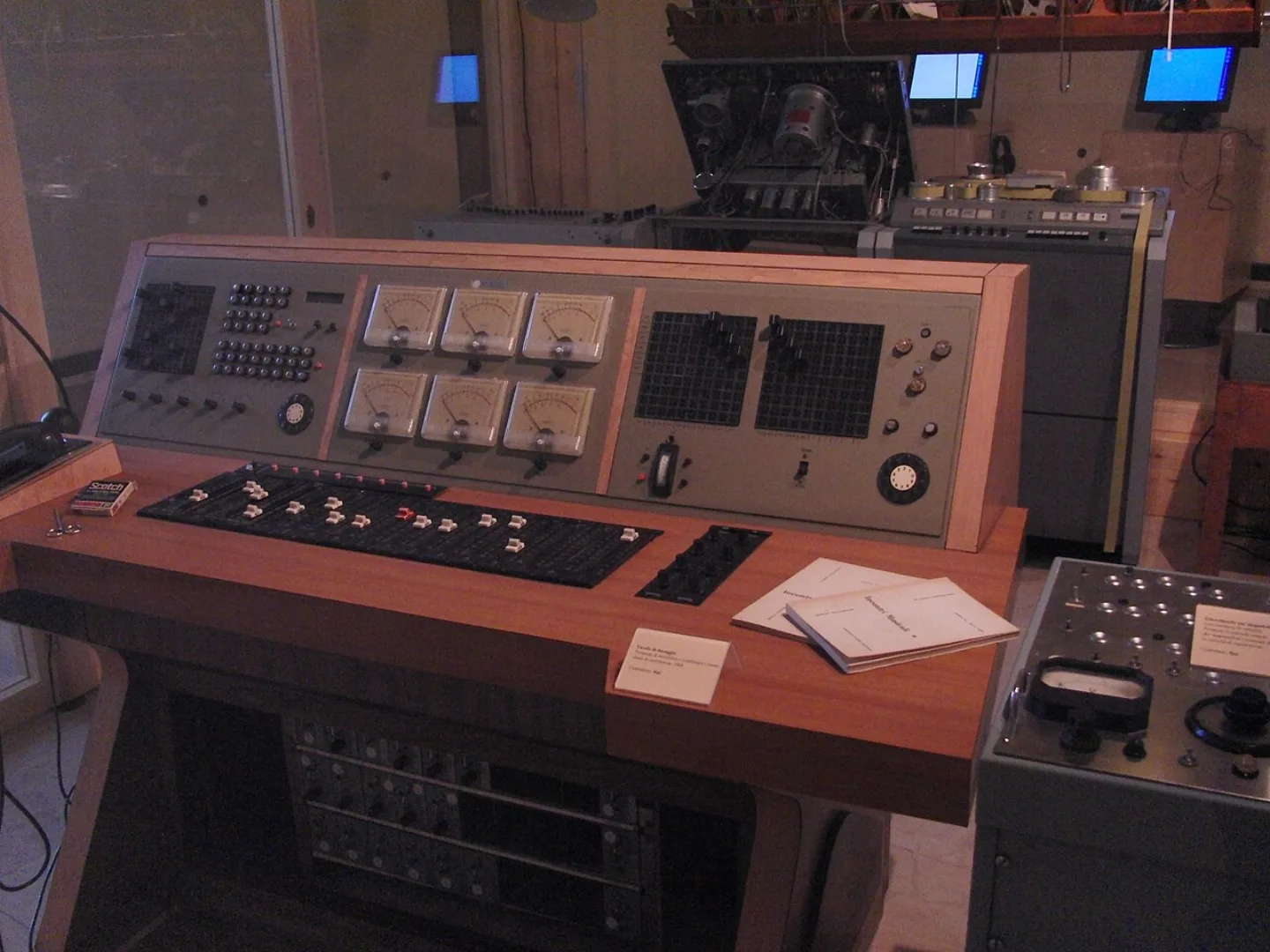
Switched-On Bach Was Assembled, Not Played Live
Wendy Carlos recorded Switched-On Bach's many synthesizer voices separately and combined them afterward in the studio, rather than performing them together live.
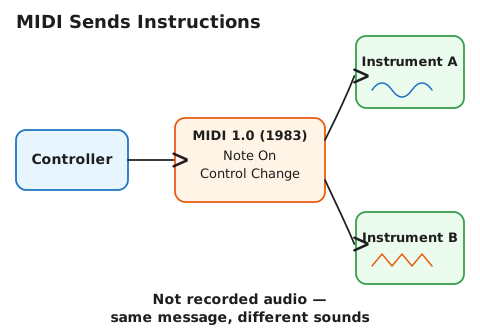
MIDI Sends Instructions
First published in 1983, MIDI 1.0 carries digital performance and control messages between devices; it is not recorded audio.
A MIDI Message Is an Instruction, Not a Recording
A MIDI message can represent an instruction such as a note event or a control change rather than sound itself. That is why the same sequence of messages can drive different instruments and come out sounding very different.
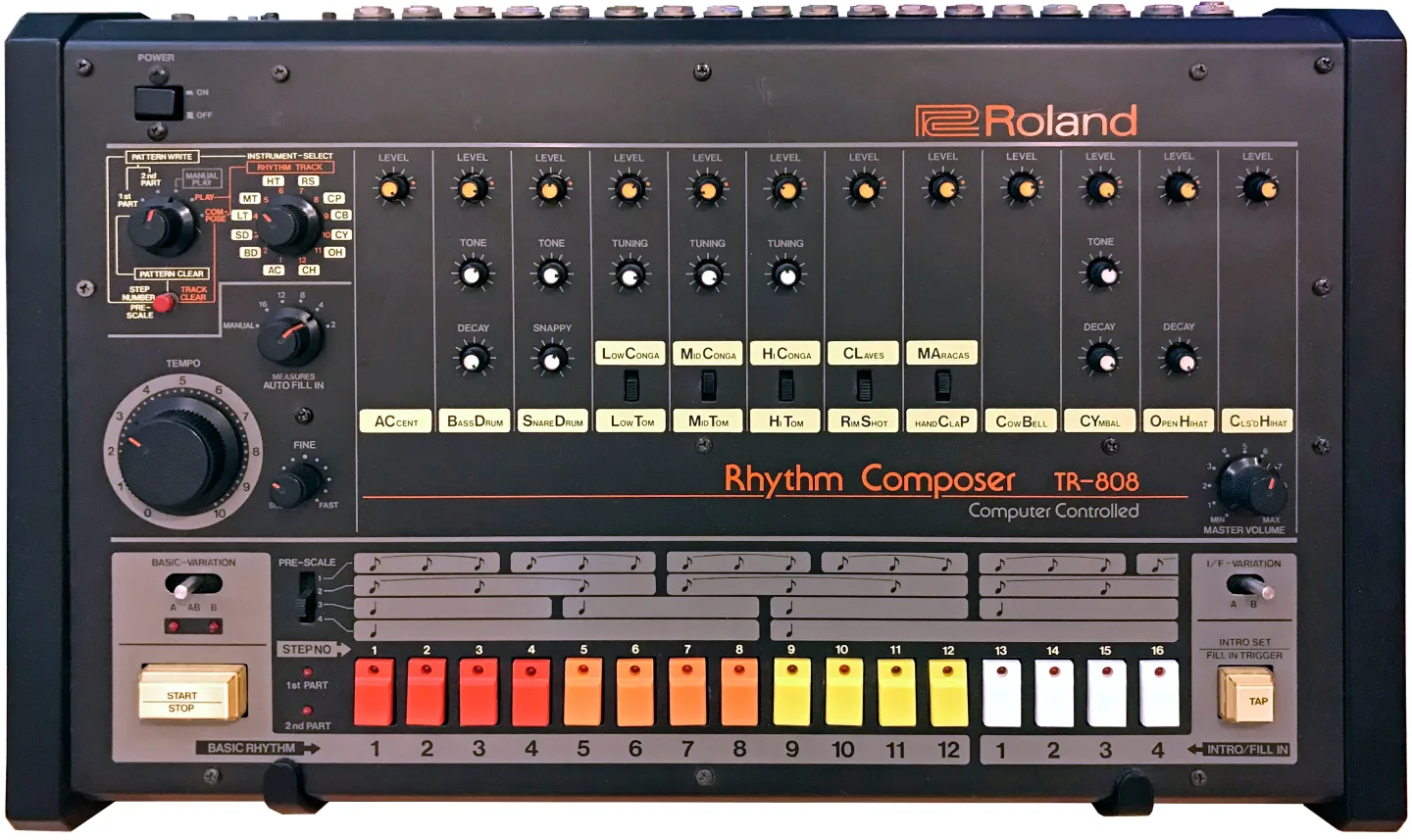
The TR-808 Paired Synthesis With a Sequencer
Beyond synthesizing its own percussion with analog circuitry, the TR-808 built in a sequencer that let users program repeating rhythmic patterns.
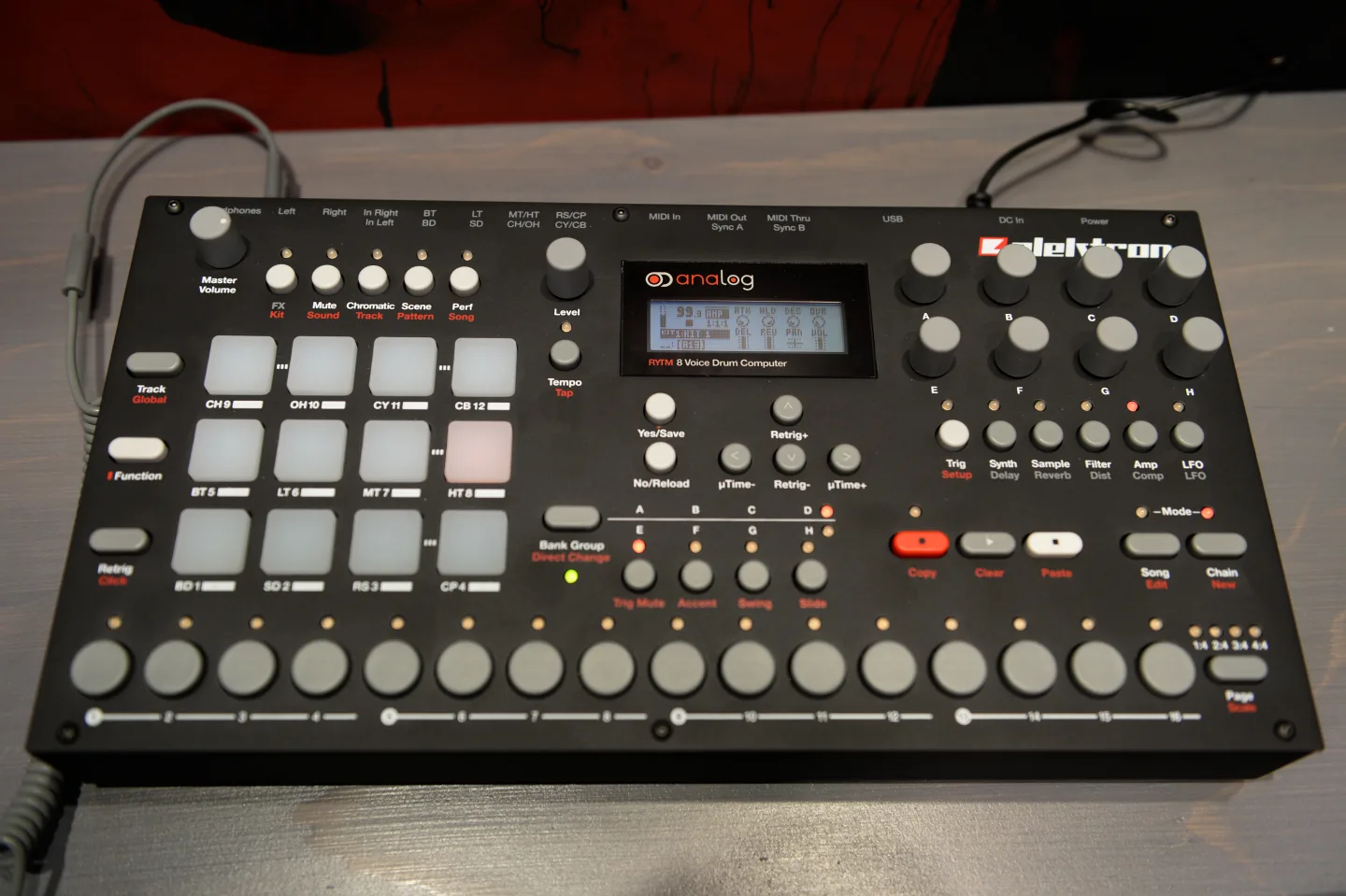
One Drum Machine, Two Different Reactions
Some listeners heard the TR-808's synthesized percussion as an artificial stand-in for real drums. Producers instead heard a distinct palette — bass drum, clap, cowbell, snare, and more — ready to be arranged, retuned, or layered.
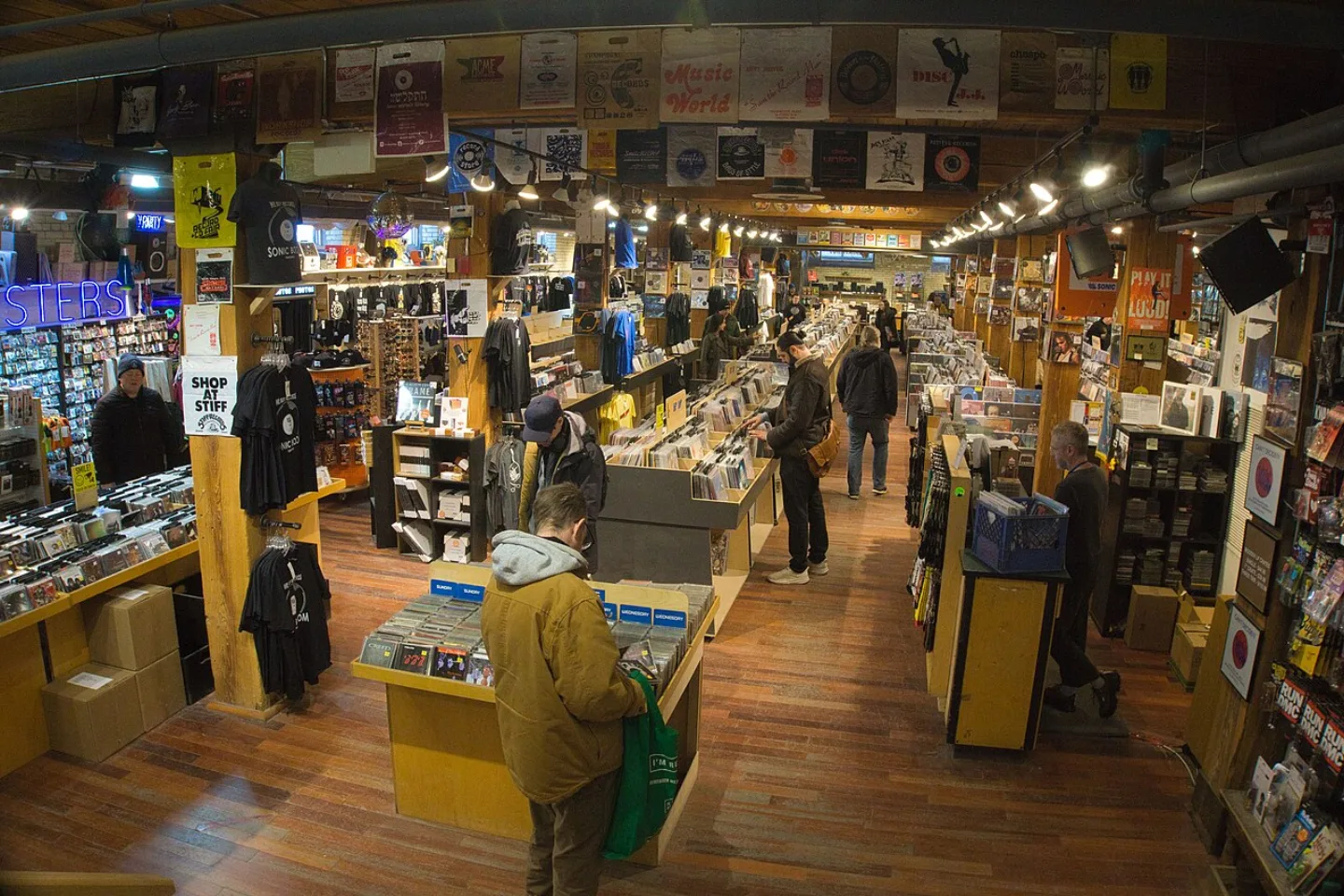
A Shared Machine Doesn't Build a Scene by Itself
Machines do not choose rhythms, build communities, distribute records, run radio shows, or respond to a dance floor. People did that work with the tools available to them.
Disco Was a Social Dance Practice
Early New York disco grew through substantially Black, Latino, and gay club audiences whose sustained dancing shaped DJ and arrangement choices.
Dancers Gave DJs Immediate Feedback
Disco DJs learned to hold a room over many hours, and dancers gave immediate feedback about which passages, transitions, and records kept the crowd moving.
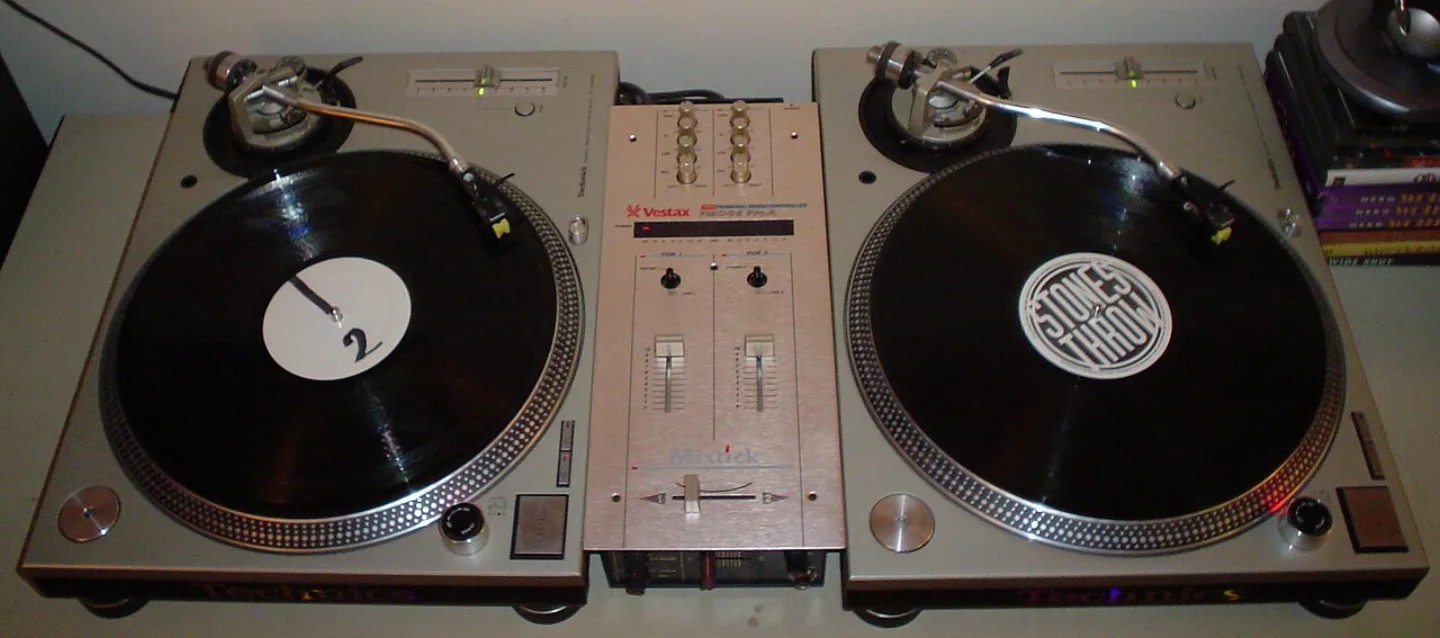
Layers Move Around a Steady Foundation
Hi-hat activity commonly subdivides the four-to-the-bar foundation, while bass, percussion, strings, voices, and other layers create motion around that steady pulse.
Four-to-the-Bar Wasn't Disco's Alone
Four-to-the-bar is not unique to disco, and not every disco recording keeps one unchanging pattern from start to finish; it is treated as a listening landmark rather than a fixed rule.
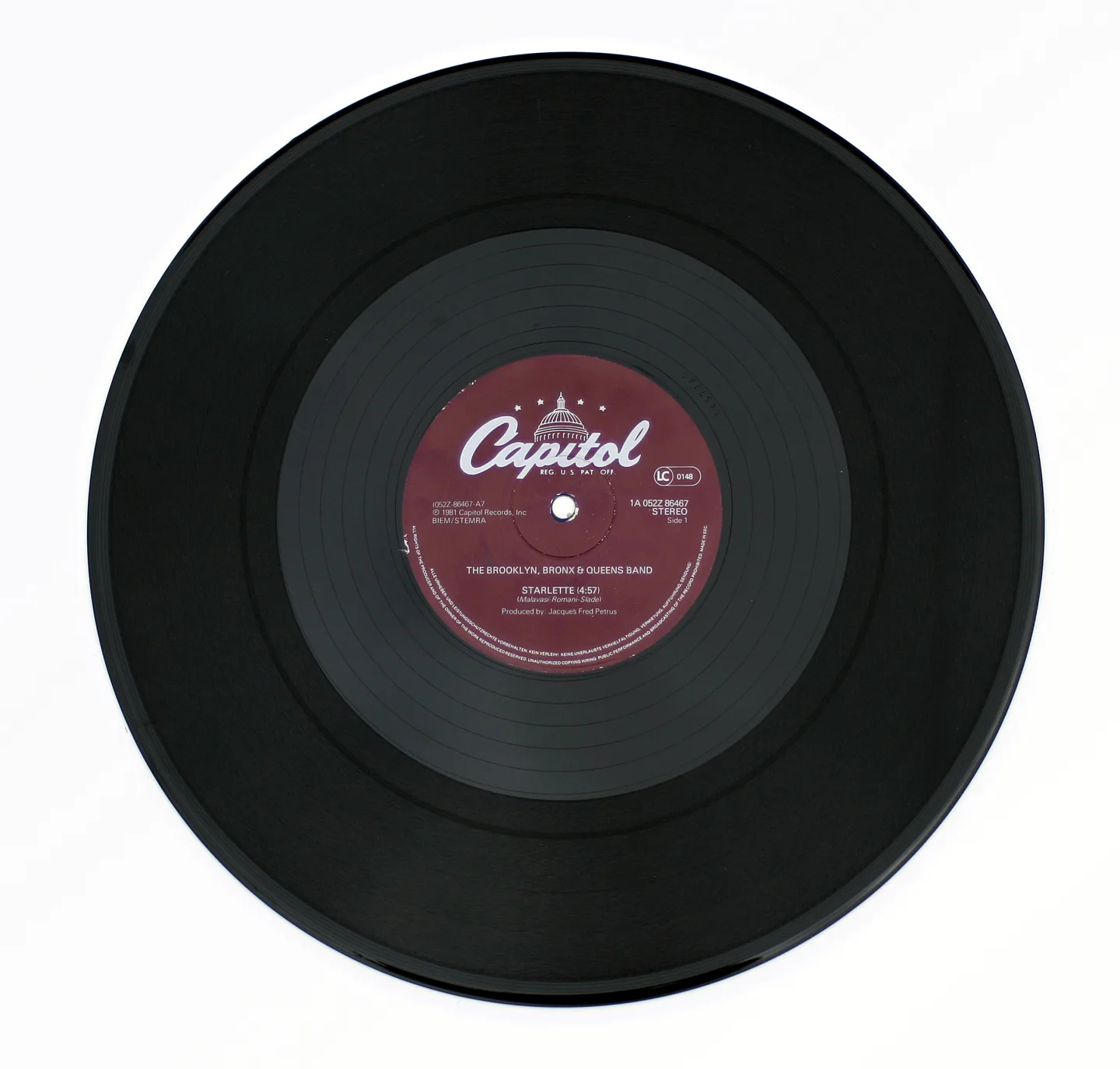
The 12-Inch Single Served the Dance Floor
As DJs needed longer, blend-friendly arrangements for continuous dancing, the 12-inch single became closely connected to that practical need.

House and Techno Didn't Start With a New Box
House and techno were not born because a new machine arrived. They emerged as people in particular cities reorganized disco memories, electronic timbres, records, radio, clubs, machines, and local ideas about the future.
By the numbers
- Year MIDI 1.0 was first published
- 1983 year
Matched pairs
Each item on the left goes with the one on the right.
- Morton Subotnick
- Buchla sequencing in Silver Apples of the Moon
- Extended mix
- More room for blending and sustained dancing
Step by step
Explain a musical tool without turning it into a lone inventor
- Identify the tool's documented capability.
- Name the people and scene that gained access to it.
- Describe the programming, timing, or layering choices they made.
- Compare how another scene used the same capability differently.
This method explains an affordance and its uses; it does not establish that the tool caused a genre.
Self-test
Answer each question from memory, then check your work against the answer key.
1. What starting material did Pierre Schaeffer work with in musique concrète?
- AWritten notes scored for conventional instruments
- BRepeating figures programmed on a modular sequencer
- CElectronic signals generated by oscillator circuits
- DRecorded environmental sounds treated as sound objects
2. Which instrument did Wendy Carlos's Switched-On Bach help bring to a much wider public?
- AThe Moog synthesizer
- BThe ARP synthesizer
- CThe EMS synthesizer
- DThe Buchla synthesizer
3. What was the source of the Roland TR-808's percussion sounds?
- ADigital samples stored on internal memory chips
- BRecordings of acoustic drums played back on cue
- CAnalog circuitry that synthesized each voice
- DTape loops of drum hits triggered from pads
4. Which drum machine turned up across Japanese techno-pop, hip-hop, electro, Detroit techno, disco, and commercial pop?
- AThe Roland TR-909
- BThe Roland TR-808
- CThe E-mu SP-12
- DThe Linn LM-1
5. With which two collaborators did Donna Summer create I Feel Love?
- AKenny Gamble and Leon Huff
- BGiorgio Moroder and Pete Bellotte
- CNile Rodgers and Bernard Edwards
- DJacques Morali and Henri Belolo
Go deeper
Answer key
- 1. D Recorded environmental sounds treated as sound objectsSchaeffer worked with recorded environmental sounds, which his practice treated as sound objects, rather than written notes for conventional instruments. Generating signals from oscillator circuits is synthesis, a separate path from tape-based musique concrète.
- 2. A The Moog synthesizerSwitched-On Bach, whose many synthesizer voices were recorded separately and combined in the studio, helped bring the Moog synthesizer to a much wider public. The Buchla is the modular system linked to Morton Subotnick's Silver Apples of the Moon, not to Carlos.
- 3. C Analog circuitry that synthesized each voiceThe TR-808's percussion sounds were synthesized with analog circuitry rather than played back from recordings of drums, with a sequencer for programming repeating rhythmic patterns. Playback of acoustic drum recordings is exactly the method the machine did not use.
- 4. B The Roland TR-808The TR-808 is an example of one shared drum machine circulating through several scenes, whose musicians used its controls to make very different grooves — why 'Machine X created Genre Y' is a trap. The TR-909 is a different Roland model, not the machine traced across those scenes.
- 5. B Giorgio Moroder and Pete BellotteI Feel Love was created with Giorgio Moroder and Pete Bellotte, with a production conceived around synthesizer-generated sound beneath Summer's central vocal performance. Nile Rodgers and Bernard Edwards were the team behind Chic, not Summer's record.
Sources
- A History of Electronic Music Pioneers — webarchive.ars.electronica.art/en/archiv_files/19922/E1992b_021.pdf
- Registry Titles with Descriptions and Expanded Essays — www.loc.gov/programs/national-recording-preservation-board/recording-registry/descriptions-and-essays/?fo=json
- MIDI 1.0 — midi.org/midi-1-0
- Jennifer Iverson: TR–808: Race, Groove, and Drum Machines — music.uchicago.edu/news/jennifer-iverson-tr-808-race-groove-and-drum-machines
- Shaping rhythm: timing and sound in five groove-based genres — www.cambridge.org/core/services/aop-cambridge-core/content/view/BBC410F9849DB982AEBFACEA14D38F32/S0261143023000041a.pdf/div-class-title-shaping-rhythm-timing-and-sound-in-five-groove-based-genres-div.pdf
- History of Disco — Timeline of African American Music — timeline.carnegiehall.org/genres/disco
- New York City Disco Clubs Collection, NMAH.AC.1614 — sirismm.si.edu/EADpdfs/NMAH.AC.1614.pdf
- Giorgio Moroder interview — lcweb2.loc.gov/static/programs/national-recording-preservation-board/documents/MoroderInterview.pdf
Image credits
- A Recording Becomes Material: Wikimedia Commons · Sameer Verma, edited by Pittigrilli · CC BY-SA 2.0 — commons.wikimedia.org/wiki/File:Akai_GX_635D_-_edit.jpg
- A Tape Piece Never Happened as One Performance: Richard Ash · CC BY-SA 2.0 — commons.wikimedia.org/wiki/File:EMI_tape_splicing_block_affixed_to_a_Revox_tape_recorder.jpg
- Synthesis Makes Sound, Sequencing Orders It: GeschnittenBrot · CC BY-SA 2.0 — commons.wikimedia.org/wiki/File:Serge_modular_synthesizer_%26_patching_cables,_Hamburger_Soundstammtisch,_March_2011.jpg
- Switched-On Bach Was Assembled, Not Played Live: Mikhail (Vokabre) Shcherbakov · CC BY-SA 2.0 — commons.wikimedia.org/wiki/File:Audio_console_at_Studio_di_Fonologia_Musicale_RAI_di_Milano.jpg
- MIDI Sends Instructions: FlashFeed original diagram · CC-BY-4.0
- The TR-808 Paired Synthesis With a Sequencer: Wikimedia Commons · Bryan Pocius from New York, USA · CC BY 2.0 — commons.wikimedia.org/wiki/File:TR-808_-_MIM,_Phoenix_(2019-08-30_14.59.26_by_Bryan_Pocius)_(cropped).jpg
- One Drum Machine, Two Different Reactions: Wikimedia Commons · Brandon Daniel from USA · CC BY-SA 2.0 — commons.wikimedia.org/wiki/File:Elektron_Analog_RYTM_-_2014_NAMM_Show.jpg
- A Shared Machine Doesn't Build a Scene by Itself: Chicken4War · CC BY-SA 4.0 — commons.wikimedia.org/wiki/File:Sonic_Boom_record_store_interior,_Toronto_2026.jpg
- Layers Move Around a Steady Foundation: Baskoner · CC BY 3.0 — commons.wikimedia.org/wiki/File:Turntables_and_mixer.jpg
- The 12-Inch Single Served the Dance Floor: Wikimedia Commons · Ramon Vasconcellos · CC BY-SA 2.5 — commons.wikimedia.org/wiki/File:12_Inch_Single_BBQ_Band.jpg
- House and Techno Didn't Start With a New Box: PattayaPatrol (Openverse) · by-sa 4.0 — commons.wikimedia.org/w/index.php?curid=189480371


