
The 5 Love Languages: The Secret to Love That Lasts study guide · Lesson 1 of 7
Lesson 1: Foundations of Love & The Emotional Love Tank
1.1 The Emotional Love Tank & The "In-Love" Phenomenon · 1.2 Limerence vs. Covenant Love & Emotional Needs
Unofficial study guide for The 5 Love Languages: The Secret to Love That Lasts by Gary Chapman. FlashFeed is not affiliated with the author or publisher.
This is the lesson's study guide from the FlashFeed app, plus its key facts and a self-test.
What you'll be able to do
- Explain the emotional love tank metaphor and the dynamics of the 2-year in-love limerence phase.
- Differentiate instinctual infatuation from mature, intentional covenant love as a daily act of the will.
Monograph Section: Lesson 1 of The 5 Love Languages: The Secret to Love That Lasts by Dr. Gary Chapman.
Executive Overview
Explores the fundamental human need for emotional love, introduces the 'emotional love tank' metaphor borrowed from child psychiatry, examines the biological and psychological dynamics of the temporary 'in-love' high, and contrasts obsessive limerence with mature, intentional covenant love.
The Emotional Love Tank & The "In-Love" Phenomenon
Conceptual Foundations: Emotional Love Tank, Primary Emotional Need, Childhood Emotional Reservoir, Dr. Ross Campbell
Core Insight: At the heart of human existence is the deep emotional need to feel loved, appreciated, and cherished by significant others.
Dr. Gary Chapman argues that the desire for emotional love is not a fleeting luxury, but an innate, fundamental human drive that shapes personal health, emotional stability, and relationship security throughout life.
Core Insight: Chapman adopts the metaphor of the 'emotional love tank' from child psychiatrist Dr. Ross Campbell to illustrate how feeling loved fuels healthy behavior.
Much like an automobile engine requires gasoline to run, human beings require a full emotional reservoir of genuine love to operate with empathy, security, and patience in their relationships.
Core Insight: An empty love tank in marriage is the single greatest underlying cause of marital misbehavior, withdrawal, harsh bickering, and resentment.
When an individual feels chronically unloved, their defensive instincts trigger criticism, emotional retreat, or aggressive demands, which are often symptoms of an empty love tank rather than malice.
Core Insight: Maintaining a full emotional love tank is as essential to marriage as maintaining proper oil levels is to an automobile engine.
Proactive relationship maintenance requires partners to regularly inspect and intentionally replenish each other's emotional fuel reserves before friction causes irreversible relational breakdown.
Core Insight: The euphoric 'in-love' experience is an instinctual, involuntary emotional high that temporarily elevates human affection to an obsessive level.
Falling in love occurs spontaneously without deliberate planning, flooding the brain with neurochemicals that create intense euphoria and single-minded preoccupation with the beloved.
Core Insight: During the 'in-love' phase, individuals experience a temporary psychological delusion of effortless perfection and total compatibility with their partner.
Infatuation creates an idealized perception where personality differences, financial habits, and flaws are minimized or overlooked in the belief that mutual passion will easily conquer every obstacle.
Core Insight: Psychologist Dr. Dorothy Tennov's long-term research establishes that the average lifespan of the romantic 'in-love' obsession is approximately two years.
Dr. Dorothy Tennov studied romantic attachment and coined the term limerence, demonstrating that the intense neurochemical and emotional high of infatuation naturally subsides within 24 months.
Core Insight: When the 'in-love' euphoria inevitably fades, the real differences, differing desires, and individual self-interests of the two partners resurface.
As biological infatuation recedes, partners must confront daily realities, differing habits, conflicting schedules, and divergent preferences without the cushioning effect of effortless euphoria.
Core Insight: The cessation of the 'in-love' state is not the death of love, but rather the necessary threshold where genuine, intentional love can begin.
True emotional love requires conscious choice, deliberate effort, and discipline to nurture the other person's well-being, transcending passive biological infatuation.
Core Insight: Falling in love requires zero effort, whereas maintaining mature, long-term love requires discipline, choice, and active learning.
Instinctive infatuation carries partners along effortlessly, but sustaining relational intimacy over decades demands regular intentional action, communication, and mutual accommodation.
Core Insight: People express and receive love in distinct emotional dialects, creating profound misunderstandings when partners speak differing love languages.
Just as linguistic differences prevent mutual comprehension between people speaking different foreign tongues, expressing love in one's own language fails to register if the partner speaks another.
Core Insight: Sincerity alone is insufficient in marriage; one can be completely sincere in expressing love yet completely fail to make their partner feel loved.
Effort must be matched with emotional precision. Lavishing gifts on a spouse whose primary love language is Quality Time will leave them feeling lonely despite genuine expenditure.
Core Insight: Gary Chapman identified the five primary love languages by combing back through years of his own counseling notes for repetitive patterns among spousal complaints.
Through hundreds of clinical counseling sessions, Chapman recognized that spousal grievances consistently clustered into five discrete categories: Words, Time, Gifts, Service, and Touch.
Core Insight: Rarely do a husband and wife share the same primary emotional love language, making cross-linguistic adaptation nearly universal.
Human partners naturally project their own preferred love language onto their spouse, expecting what makes them feel loved to work equally well on their partner, leading to chronic misalignment.
Core Insight: Filling a partner's love tank requires discovering and speaking their primary emotional language, even when it feels unnatural or difficult.
Because speaking a foreign emotional language demands stepping outside one's comfort zone, doing so constitutes a selfless investment in the spouse's emotional security and joy.
Limerence vs. Covenant Love & Emotional Needs
Conceptual Foundations: Limerence vs. Covenant Love, Volitional Commitment, Emotional Security, Significance and Self-Worth
Core Insight: Psychiatrist M. Scott Peck defined real love as the will to extend one's self for the purpose of nurturing one's own or another's spiritual growth.
Peck argued that infatuation is an instinctual collapse of ego boundaries, whereas authentic love is a disciplined, willful extension of oneself to support the beloved's flourishing.
Core Insight: Limerence is temporary and non-volitional, whereas covenant love is an enduring act of the will that persists across changing emotional tides.
While limerence happens to a person without consent, covenant love is an intentional commitment to act for the partner's highest good regardless of transient moods or hardships.
Core Insight: When a spouse's emotional love tank is full, it fosters a profound climate of psychological safety and emotional security.
Emotional security provides the grounding human beings need to take healthy life risks, pursue personal ambitions, and maintain vulnerability without fear of abandonment.
Core Insight: Feeling genuinely loved by one's partner directly bolsters an individual's sense of personal significance, dignity, and self-worth.
Knowing that an autonomous, valued partner chooses to cherish and prioritize you affirms your intrinsic value and provides a buffer against external stressors and self-doubt.
Core Insight: An empty love tank generates deep emotional starvation that can drive individuals to seek affirmation in destructive or extramarital outlets.
Prolonged emotional deprivation in marriage leaves partners vulnerable to external flirtations or affairs as a misguided coping mechanism for unmet basic emotional needs.
Core Insight: The feeling of being loved creates goodwill and emotional security, enabling couples to navigate differences and resolve conflict constructively.
A full love tank provides emotional credit and goodwill, allowing partners to interpret ambiguous actions charitably rather than viewing every disagreement as a personal attack.
Core Insight: Love is not a substitute for personal identity, but rather a collaborative union where two whole individuals choose mutual interdependence.
Healthy love avoids enmeshment and codependency, fostering a partnership where both individuals maintain distinct identities while choosing shared devotion.
Core Insight: The transition from the 'in-love' obsession to intentional love represents the critical developmental milestone of marital maturity.
Navigating the end of the infatuation high without despair allows couples to construct a resilient, conscious partnership based on deliberate care rather than passive impulse.
Core Insight: Instinctual attraction seeks what the self can get, whereas intentional covenant love focuses on what the self can give.
Infatuation is consumed with the intoxicating sensation of being desired, while mature love actively seeks the growth, comfort, and emotional fulfillment of the partner.
Core Insight: Dr. Gary Chapman emphasizes that love is primarily an action verb before it is a subjective feeling.
Behavior precedes emotion in relationship psychology: committing to loving actions regularly rekindles warm emotional intimacy, whereas waiting for feelings leads to drift.
Core Insight: Children whose emotional love tanks are kept full by attentive parents exhibit greater emotional resilience, self-discipline, and social competence.
Psychological research confirms that secure parental attachment and filled emotional reservoirs equip children with internal security, reducing behavioral outbursts and anxiety.
Core Insight: The five love languages framework is universal across cultures, though specific cultural customs may shape how each language is expressed.
While cultural norms dictate etiquette and social forms, the underlying psychological needs for affirmation, time, gifts, service, and touch are universal human constants.
Core Insight: Learning a partner's love language requires humility, as it often obligates one to perform tasks outside their natural inclinations.
Ego often resists adapting to another's preferences; surrendering self-centered habits to master a partner's language is a profound demonstration of authentic care.
Core Insight: A marriage where both partners consistently keep each other's love tanks full becomes a sanctuary of rejuvenation amidst life's challenges.
When emotional security is guaranteed at home, external career and social pressures are met with confidence and shared resilience.
Core Insight: The five love languages framework provides a practical, systematic roadmap for transforming vague romantic intentions into daily tangible actions.
Chapman's model bridges the gap between wanting to love a spouse and knowing exactly what daily behavioral adjustments will make that love deeply felt.
Key terms
- Emotional Love Tank
- An internal psychological reservoir of emotional security and affection that fuels healthy human behavior and marital warmth.
Key facts
The In-Love Experience
An instinctual, involuntary emotional high that temporarily captivates human thoughts and creates effortless infatuation.
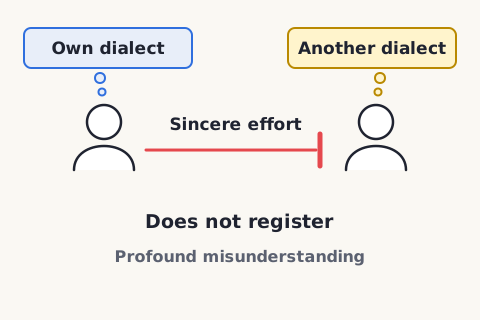
Emotional Love Dialects
Expressing love in one's own emotional dialect fails to register with a spouse who speaks another, creating profound misunderstandings even when the effort is sincere.
The Prerequisite for Communicating Love
Filling a partner's love tank requires discovering and speaking their primary emotional language, even when it feels unnatural or difficult.
Psychological Safety in Marriage
The profound climate of emotional security that emerges when a partner's love tank is consistently kept full.
An Opportunity, Not a Tragedy
The transition from the 'in-love' obsession to intentional love represents the critical developmental milestone of marital maturity.
Cross-Cultural Universality
The psychological reality that the 5 love languages represent universal human channels across all cultural and geographical boundaries.
A Sanctuary of Rejuvenation
A marriage where both partners consistently keep each other's love tanks full becomes a sanctuary of rejuvenation amidst life's challenges.
Matched pairs
Each item on the left goes with the one on the right.
- The In-Love Experience
- Involuntary, effortless emotional high lasting ~2 years
- Mature Covenant Love
- A daily conscious act of will and disciplined choice
Step by step
How Dr. Gary Chapman clinically identified the 5 fundamental love languages
- Reviewed roughly a decade of accumulated marriage-counseling notes for recurring complaints from spouses.
- Cataloged repetitive complaints from spouses regarding feeling unloved.
- Identified that grievances naturally grouped into 5 distinct behavioral categories.
- Systematized the findings into Words, Time, Gifts, Service, and Touch.
How to translate vague romantic intentions into daily tangible actions
- Identify the specific primary love language spoken by your partner.
- Schedule concrete, non-verbal or verbal actions tailored to that language.
- Execute the loving behavior daily regardless of fluctuating emotions.
- Evaluate your spouse's emotional response and calibrate your approach.
Self-test
Answer each question from memory, then check your work against the answer key.
1. Chapman borrowed the 'emotional love tank' metaphor from which child psychiatrist?
- ADr. Ross Campbell
- BDr. John Gottman
- CDr. Sue Johnson
- DDr. Dorothy Tennov
2. What does the 'emotional love tank' represent?
- AA record of past relationship conflicts
- BA checklist of household responsibilities
- CA schedule for planning date nights
- DA reservoir of security and affection
3. Which psychologist coined the term 'limerence' after studying the romantic in-love phase?
- ADr. John Gottman
- BDr. Dorothy Tennov
- CDr. Gary Chapman
- DDr. Ross Campbell
4. Per Tennov's research, about how long does the romantic 'in-love' limerence phase typically last?
- A6 months
- B10 years
- C2 years
- D5 years
5. Which of these is NOT described in the guide as a symptom of an empty emotional love tank?
- AIncreased jealousy
- BHarsh bickering
- CEmotional withdrawal
- DResentment
6. What defines mature covenant love, as opposed to instinctual infatuation?
- AAn involuntary emotional high
- BAn effortless instinctual state
- CA daily conscious act of will
- DA biochemical neurochemical rush
7. Love is primarily which part of speech before it becomes a subjective feeling?
- AA descriptive adjective
- BAn abstract noun
- CA qualifying adverb
- DAn action verb
8. Which statement best distinguishes falling in love from maintaining mature love?
- AMature love happens involuntarily
- BMature love requires discipline and choice
- CFalling in love demands active learning
- DFalling in love requires discipline and choice
9. According to Dr. Chapman, what quality describes the 'in-love' experience, unlike covenant love?
- AA deliberate daily discipline
- BA conscious act of the will
- CAn instinctual, involuntary high
- DA learned relational skill
10. Compared to mature covenant love, what does the initial 'falling in love' experience require, per Chapman?
- AZero conscious effort
- BDaily disciplined choice
- CActive relational learning
- DIntentional self-sacrifice
Go deeper
- ReadThe 5 Love Languages by Gary Chapman · on Amazon ↗
- StudyThe 5 Love Languages: The Secret to Love That Lasts in the FlashFeed app
These are affiliate links: if you buy a book through one, FlashFeed may earn a small commission at no extra cost to you. The commission helps pay for FlashFeed's servers.
As an Amazon Associate we earn from qualifying purchases.
Answer key
- 1. A Dr. Ross CampbellChapman credits child psychiatrist Dr. Ross Campbell as the source of the love tank metaphor; the others are not named as its origin.
- 2. D A reservoir of security and affectionThe love tank is defined as an internal reservoir of emotional security and affection that fuels healthy behavior, not a task list or log.
- 3. B Dr. Dorothy TennovDr. Dorothy Tennov coined 'limerence' and studied how long the in-love obsession lasts; Campbell is linked to the love tank, not limerence.
- 4. C 2 yearsTennov's research found the intense in-love euphoria naturally subsides within about 24 months, roughly 2 years.
- 5. A Increased jealousyBickering, withdrawal, and resentment are named as direct symptoms of an empty tank; jealousy is never mentioned in that list.
- 6. C A daily conscious act of willCovenant love is a disciplined, conscious daily choice, unlike the involuntary, effortless neurochemical rush of infatuation.
- 7. D An action verbLove is primarily an action verb before it becomes a subjective emotional feeling, emphasizing intentional behavior over emotion.
- 8. B Mature love requires discipline and choiceEffortless, involuntary falling in love contrasts with mature love, which demands discipline, choice, and active learning to sustain.
- 9. C An instinctual, involuntary highChapman describes the 'in-love' experience as an instinctual, involuntary emotional high, in contrast to covenant love, which is a deliberate choice.
- 10. A Zero conscious effortChapman contrasts effortless, instinctual infatuation with covenant love, which demands discipline, choice, and active learning.
Sources
- The 5 Love Languages: The Secret to Love That Lasts — Gary Chapman
- The 5 Love Languages - Chapter 2
- The 5 Love Languages - Chapter 3
- The 5 Love Languages - Chapter 1
- The 5 Love Languages - Introduction
Image credits
- Emotional Love Dialects: FlashFeed original diagram · CC-BY-4.0