
Major Wars: Strategy, Technology, and Mechanics of Conflict study guide · Lesson 2 of 13
The Punic Wars & Roman Legionary Doctrine
Punic Wars & Hannibalic Operational Maneuver · The Roman Cohortal System & Siege Engineering
This is the lesson's study guide from the FlashFeed app, plus its key facts and a self-test.
What you'll be able to do
- Explain the corvus at Mylae, Hannibal's Trasimene ambush and Cannae envelopment, and Scipio's reversal at Ilipa and open lanes at Zama.
- Explain the Marian cohort of 480 men and landless recruits, the gladius thrust, the standard castra grid, and Caesar's two fortification lines at Alesia.
Lesson 2: The Punic Wars & Roman Legionary Doctrine
The Corvus Boarding Device at Mylae
During the First Punic War (264–241 BC), the Roman Republic faced the preeminent maritime power of Carthage without an established naval tradition. Rome transformed naval combat from skilled ship-ramming maneuvers to infantry warfare by inventing the corvus ("raven"), a 36-foot boarding bridge with a heavy iron spike beneath its tip mounted on a swiveling prow mast. The sources mention it only at Mylae and Ecnomus (256 BC); some scholars suggest its weight made Roman galleys top-heavy and contributed to storm losses in 255 and 249 BC, though this is disputed. At the Battle of Mylae (260 BC), Roman consul Gaius Duilius dropped the corvus onto Carthaginian galley decks, locking the vessels together and allowing disciplined legionaries to cross and overwhelm enemy sailors.
Hannibal's Ambush at Lake Trasimene
In 217 BC, Carthaginian general Hannibal Barca achieved one of history's most devastating ambushes of an entire field army at the Battle of Lake Trasimene. Utilizing morning fog and terrain geometry, Hannibal positioned his Gauls, Spaniards, and Numidian cavalry along the defile hills between the northern shore of Lake Trasimene and the steep Tuscan hills. When Roman consul Gaius Flaminius advanced his army in column along the narrow lakeside road without scouting, Hannibal launched a simultaneous downhill assault along the entire Roman flank, pinning and annihilating over 15,000 legionaries against the water.
The Double Envelopment at Cannae
At the Battle of Cannae in 216 BC, Hannibal executed military history's textbook double envelopment against a Roman force of over 80,000 men under consuls Varro and Paullus. Hannibal deployed his weaker Celtic and Spanish infantry in an outward-curving convex crescent in the center, while placing his elite veteran Libyan infantry on both wings and Numidian heavy cavalry on the flanks. Under intense Roman pressure, the crescent yielded elasticity, retreating into a concave bowl that sucked the dense Roman infantry into a pocket. Hannibal's cavalry defeated the Roman wings, swept around their rear, and closed the perimeter, slaughtering between 50,000 and 70,000 Romans.
Scipio's Inverted Echelon at Ilipa
At the Battle of Ilipa (206 BC) in Hispania, Roman general Publius Cornelius Scipio (later Africanus) demonstrated tactical deception against Hasdrubal Gisco. For days, Scipio marched his army out with Roman legionaries in the center and Iberian allies on the wings. On the morning of the battle, Scipio secretly reversed the deployment: placing his best Roman legionaries on both wings and Iberians in the center, and advancing in an inverted echelon with wings forward. Scipio's elite legions crushed the weaker Carthaginian wings before their center could engage, collapsing Hasdrubal's army.
Anti-Elephant Tactical Channels at Zama
At the Battle of Zama in 202 BC, Scipio Africanus neutralized Hannibal's 80 war elephants through innovative manipular spacing. Rather than staggering maniples in the traditional checkerboard (quincunx), Scipio aligned the hastati, principes, and triarii in parallel columns with open continuous lanes. When Hannibal launched his elephant charge, Roman horn blowers panicked several beasts, while the rest were channeled harmlessly straight through the lanes to be dispatched by velites in the rear. Masinissa's Numidian cavalry then struck Hannibal's rear, winning the Second Punic War.
Hannibalic Alpine Logistics and Attrition
Hannibal's 218 BC crossing of the Alps stands as one of the boldest operational maneuvers in antiquity, bypassing Roman naval superiority and taking the war directly into the Italian heartland. Transporting 38,000 infantry, 8,000 cavalry, and 37 war elephants through high alpine passes required overcoming hostile Celtic tribes, extreme altitude sickness, sub-zero temperatures, and rockfall barriers. The crossing cost roughly half his army to cold, hunger, and mountain skirmishes, but delivered strategic surprise.
Marian Reforms and the Cohort Structure
Around 107 BC, Roman consul Gaius Marius instituted sweeping military reforms that dismantled the property-owning citizen militia in favor of a professional standing army recruited from the landless urban poor (capite censi). Marius eliminated the wealth-based infantry classes (hastati, principes, triarii) and the velites, standardizing equipment for all legionaries. Tactically, he replaced the 120-man maniple with the 480-man cohort as the primary tactical unit (10 cohorts per legion), giving Roman commanders greater operational flexibility and mass on the battlefield.
Pilum Design and Shield-Disabling Mechanics
The standardized Roman pilum was a heavy javelin engineered with a 6-foot wooden shaft connected to a long, slender iron shank with a hardened pyramidal point. Upon impact with an enemy shield, the soft, unhardened iron shank bent under the weight of the shaft. This prevented the enemy from throwing the javelin back and forced the opponent to discard his heavy, encumbered shield, exposing him to the legionary's close-quarters sword thrusts.
Gladius Hispaniensis Close-Quarters Doctrine
The primary offensive sidearm of the Roman legionary was the gladius hispaniensis (Spanish sword), a double-edged short sword with a diamond-shaped point measuring roughly 20 to 24 inches. Roman combat doctrine emphasized compact, disciplined close-quarters thrusting rather than sweeping slashes. Behind the protective cover of the tall, curved semicylindrical scutum shield, legionaries targeted the abdomen, groin, and throat of opponents, inflicting lethal puncture wounds with minimal physical exposure.
Castra Fortified Marching Camp Logistics
Every single night while on campaign, Roman legions constructed a standardized fortified marching camp called a castra. Laid out in a rigid grid with four cardinal gates, the castra was surrounded by a deep defensive ditch (fossa) and an earthen rampart (agger) surmounted by a palisade of wooden stakes (sudes, or valli) carried by the legionaries — the finished ditch-rampart-palisade complex was called the vallum. This disciplined logistical routine prevented nocturnal ambushes, protected the baggage train, and ensured soldiers rested in identical quarters regardless of geography.
Caesar's Double Circumvallation at Alesia
At the Siege of Alesia in 52 BC, Julius Caesar trapped the Gaulish chieftain Vercingetorix and 80,000 warriors inside a hilltop oppidum by constructing a monumental double fortification line. Caesar built an inner 11-mile line of contravallation (trenches, palisades, towers, and hidden booby traps like stimuli and cippi) to prevent a breakout, and an outer 14-mile line of circumvallation to defend against a Gaulish relief force that Caesar's own account puts at roughly 250,000 men — a figure modern historians consider likely inflated. Fighting simultaneously on two fronts, Caesar's lines held, forcing Vercingetorix's surrender and securing Roman conquest of Gaul.
Key terms
- Corvus
- A spiked wooden boarding bridge mounted on Roman warships to latch onto enemy galleys and facilitate infantry boarding.
- Capite Censi
- The poorest class of landless Roman citizens who were permitted to enlist in the legions following Marius's military reforms.
- Castra
- A standardized, fortified military encampment constructed by Roman legions at the end of each day's march while on campaign.
- Contravallation
- An inner line of fortifications constructed by a besieging army facing inward to trap garrisoned enemy forces.
Key concepts
Corvus Boarding Device
- Swiveling 36-foot wooden gangway mounted on the prow of Roman warships
- Featured a heavy downward-pointing iron beak designed to impale enemy decks
- Converted Mediterranean naval ramming contests into close-quarters infantry melees
Hannibal Barca
- Carthaginian supreme commander during the Second Punic War
- Executed the alpine crossing and tactical masterstrokes at Trebia, Trasimene, and Cannae
- Sustained an undefeated campaign inside the Italian peninsula for fifteen years
Double Envelopment
- Maneuver in which an army's center fixes the enemy while both flanks wrap completely around
- Requires superior cavalry or elite wing units to sever the opposing rear escape routes
- Demonstrated in classic form by Hannibal against the Roman legions at Cannae
Scipio Africanus
- Roman general who conquered Carthaginian Hispania and defeated Hannibal at Zama
- Pioneered innovative tactical echelons and open-lane manipular formations
- Secured Roman Mediterranean hegemony without ever losing a major pitched battle
Roman Cohort
- Tactical unit of 480 men created by combining three former maniples
- Served as the standard tactical building block of the post-Marian Roman legion
- Numbered ten per legion; centuries later, Imperial-era legions gave the elite First Cohort double strength (about 800 men)
Pilum
- Heavy Roman javelin engineered with a long, unhardened iron shank
- Designed to bend upon impact with enemy shields to prevent return throws
- Thrown in coordinated volleys just before legionary sword-charge contact
Gladius Hispaniensis
- Double-edged short sword measuring 20 to 24 inches adopted from Iberian tribes
- Optimized for close-quarters stabbing and thrusting behind a curved shield
- The primary offensive infantry sidearm of the Roman legion for four centuries
Roman Castra
- Standardized rectangular fortified encampment erected at the end of every day's march
- Enclosed by an earthen ditch (fossa), rampart (agger), and wooden stake palisade (vallum)
- Laid out with four cardinal gates and identical street grids throughout the empire
Key facts
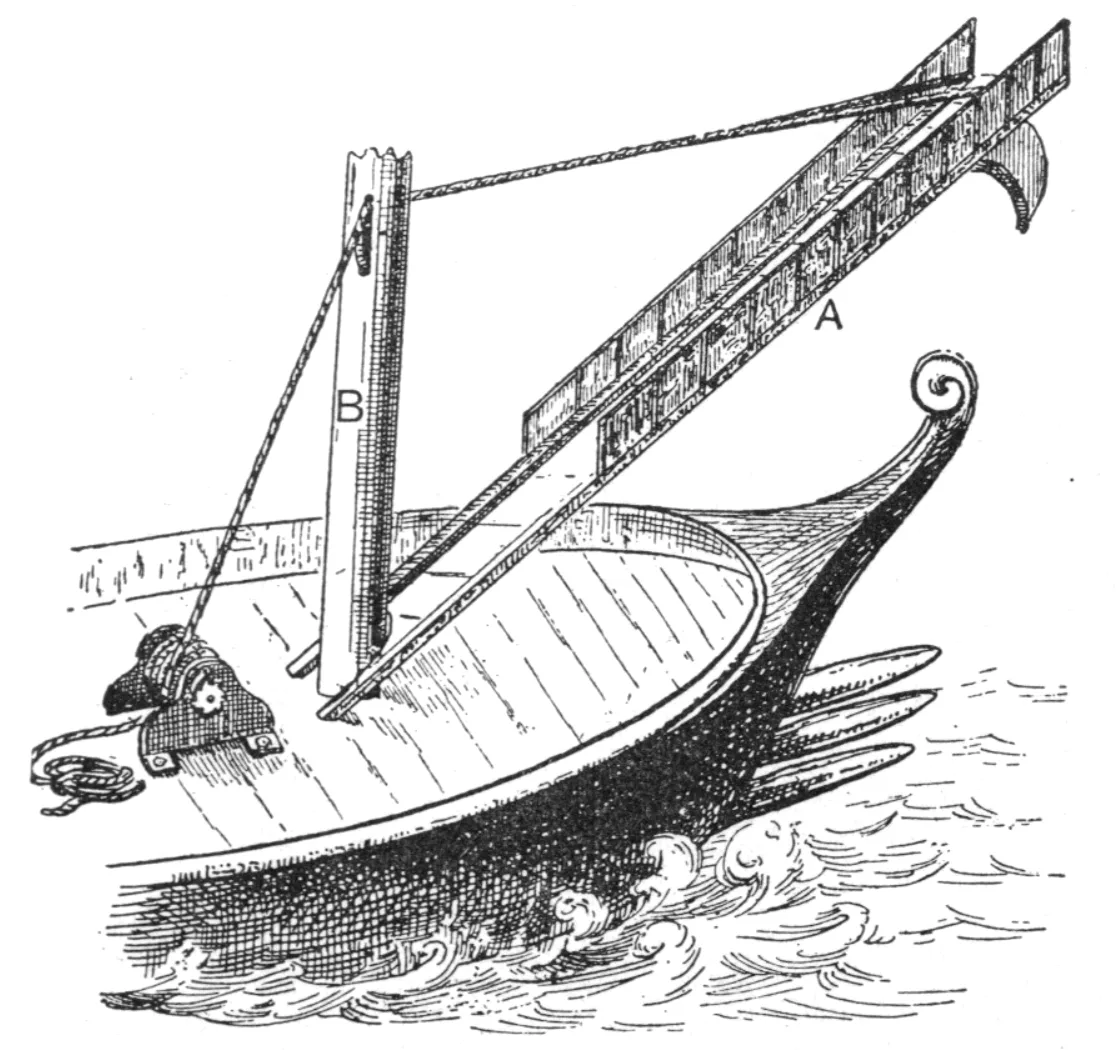
The Corvus and Roman Naval Transformation
In 260 BC, Rome introduced the corvus boarding bridge at Mylae, turning naval battles into infantry combat to defeat Carthage's experienced fleet.
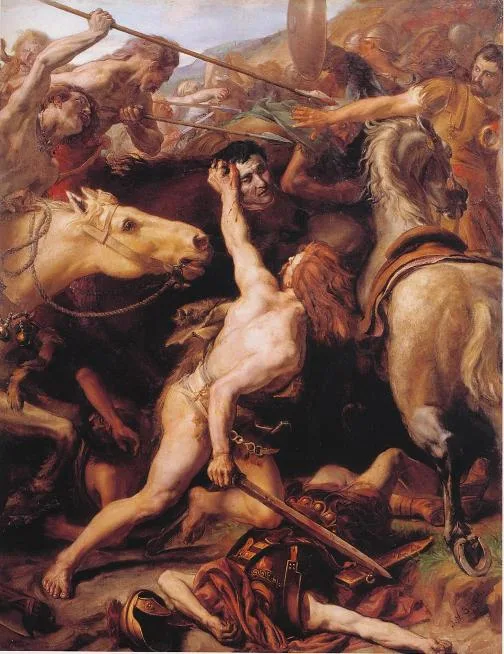
Hannibal's Defile Ambush at Lake Trasimene
At Lake Trasimene in 217 BC, Hannibal hid his army in morning fog on hillside ridges, destroying 15,000 marching Romans trapped against the lake.
Double Envelopment at Cannae
At Cannae in 216 BC, Hannibal deployed an elastic convex crescent that absorbed the Roman center while cavalry enveloped the flanks, killing over 50,000 Romans.
Scipio's Inverted Echelon at Ilipa
At Ilipa in 206 BC, Scipio Africanus placed his best legions on the wings in an inverted echelon to crush Carthaginian flanks before their center could engage.
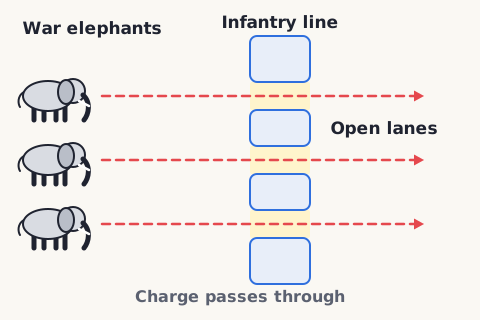
Anti-Elephant Channels at Zama
At Zama in 202 BC, Scipio opened parallel manipular lanes through his infantry line, allowing Hannibal's 80 war elephants to charge harmlessly down corridors.
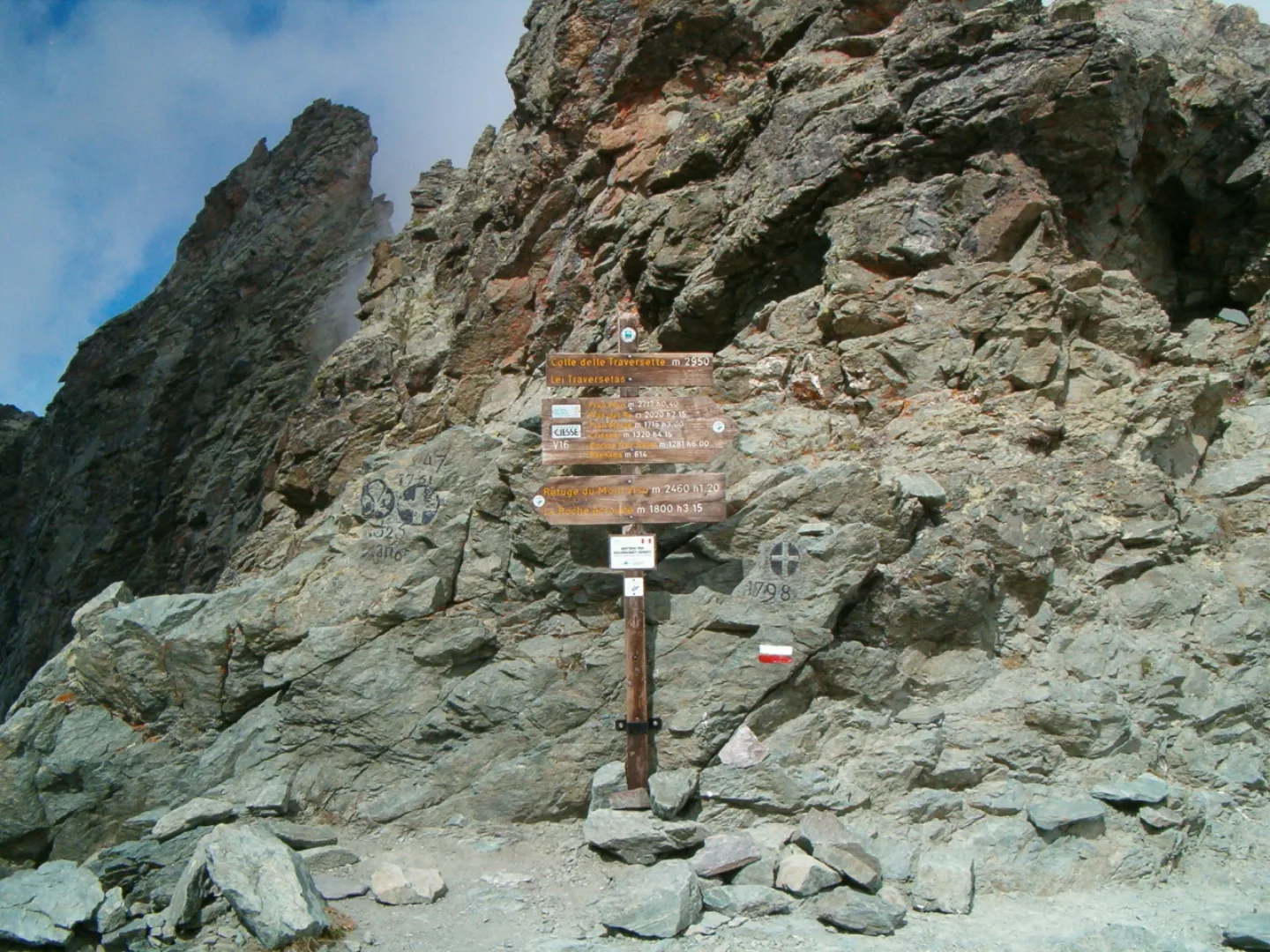
Hannibal's Alpine Logistical Crossing
Hannibal's 218 BC crossing of the Alps achieved strategic surprise in Italy but cost nearly half of his 46,000-man army to cold, hunger, and mountain ambushes.
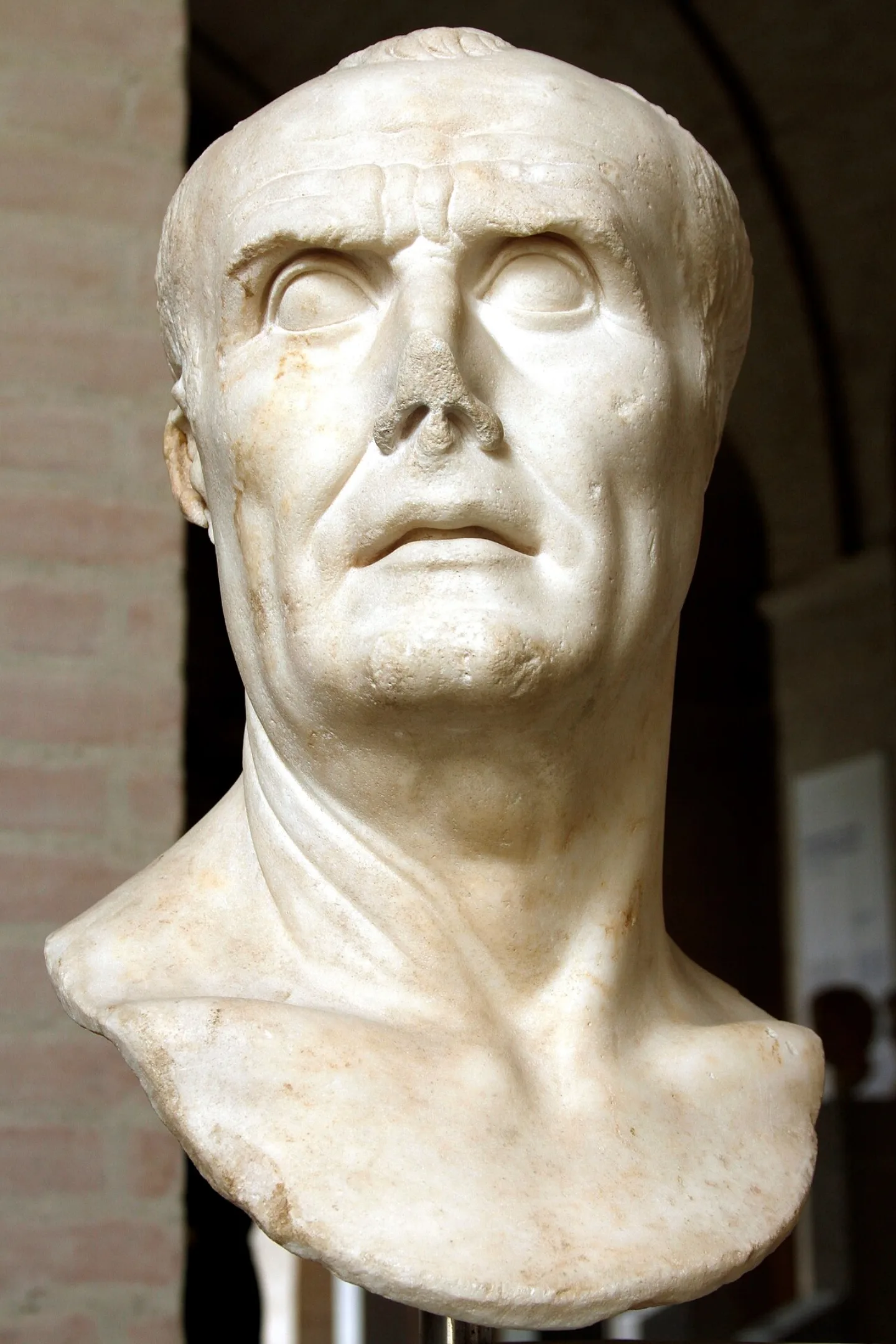
The Marian Professionalization and Cohort
In 107 BC, Gaius Marius established a professional standing army recruited from the landless poor, organizing the legion into ten 480-man tactical cohorts.
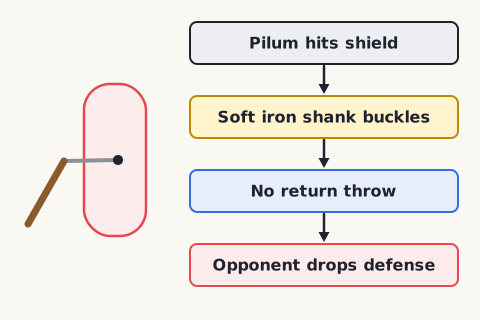
The Shield-Bending Mechanics of the Pilum
The Roman pilum featured a soft iron shank that buckled upon penetrating an enemy shield, preventing return throws and forcing opponents to drop their defense.
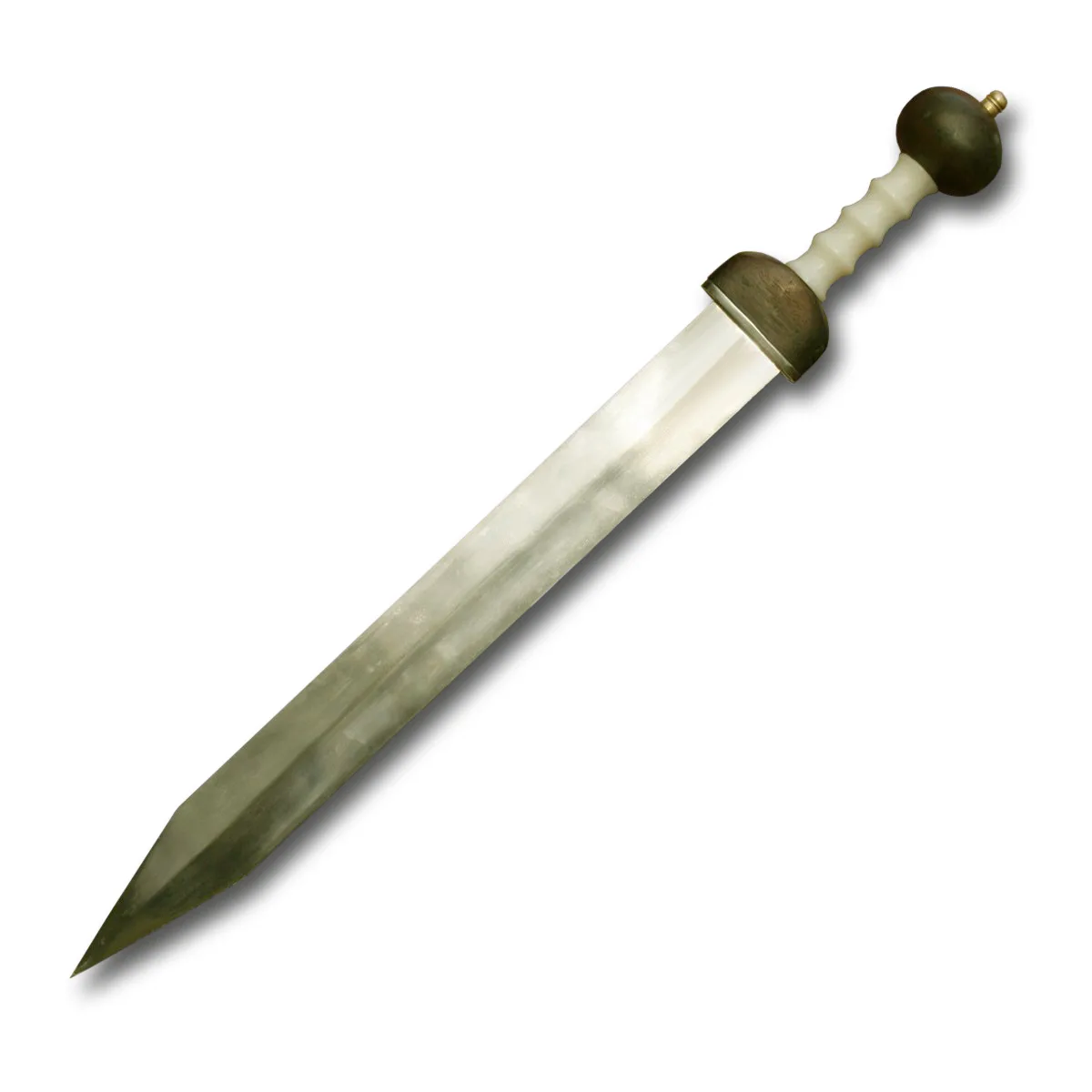
Gladius Close-Quarters Thrusting Doctrine
Roman tactical doctrine trained legionaries to deliver lethal puncture thrusts with the 20-to-24-inch gladius short sword from behind the protective scutum shield.
Castra Daily Fortified Camp Routine
Roman legions built a standardized castra with ditch, rampart, and palisade every single night on campaign to eliminate vulnerability to surprise attacks.
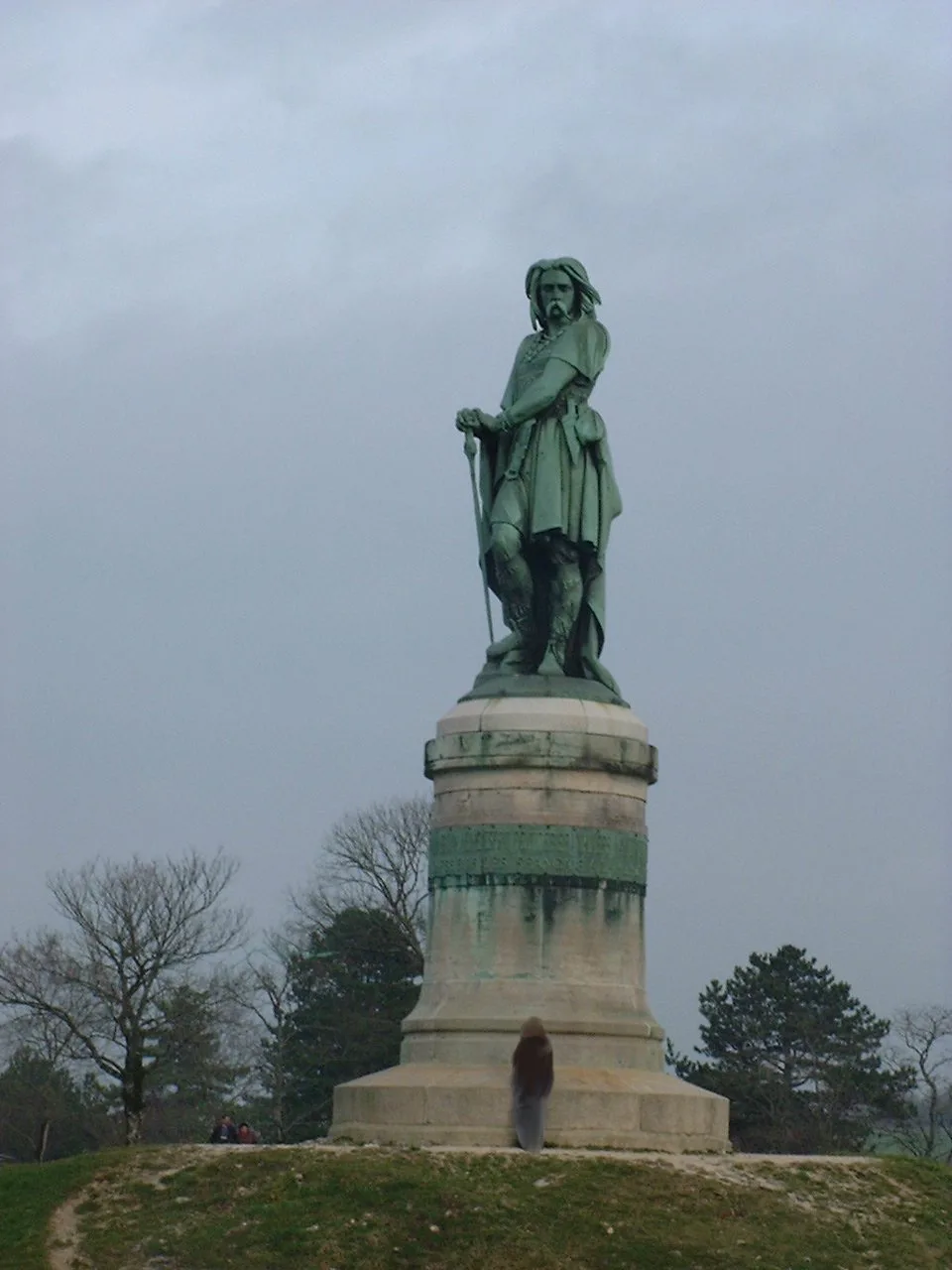
Caesar's Double Circumvallation at Alesia
At Alesia in 52 BC, Caesar enclosed the fortress with an 11-mile inner line and a 14-mile outer line to simultaneously starve 80,000 Gauls and defeat a relief force Caesar himself put at roughly 250,000 — a figure modern historians consider inflated.
By the numbers
- In what year BC did Hannibal execute his double envelopment of the Roman army at Cannae?
- 216
- What was the standard number of legionaries in a single post-Marian Roman cohort?
- 480
- How many cohorts comprised a standard imperial Roman legion after the Marian reforms?
- 10
- In what year BC did Julius Caesar complete the double circumvallation siege of Alesia?
- 52
Matched pairs
Each item on the left goes with the one on the right.
- Convex Celtic-Spanish Center
- Yields gradually under pressure to transform into a concave bowl trapping enemy legions
- Scipio's Parallel Column Alignment
- Leaves open avenues through infantry ranks for charging war beasts to pass harmlessly
- Fossa Defensive Ditch
- V-shaped outer excavated trench dug around the entire perimeter
- Caesar's Outer Circumvallation
- Fourteen-mile defensive ring facing outward to repel external relieving armies
Self-test
Answer each question from memory, then check your work against the answer key.
1. What Roman invention let legionaries board and fight aboard enemy Carthaginian galleys during the First Punic War?
- AThe pilum javelin
- BThe corvus boarding bridge
- CThe gladius hispaniensis
- DThe scutum shield
2. At which battle did Hannibal use morning fog and hillside terrain to ambush an entire marching Roman army?
- AIlipa
- BCannae in Apulia
- CZama
- DLake Trasimene
3. What formation did Hannibal's center use at Cannae to draw Roman infantry into a trap?
- AA parallel column with open lanes
- BA rigid quincunx checkerboard
- CA convex crescent that yielded inward
- DAn inverted echelon with wings forward
4. How did Scipio Africanus surprise Hasdrubal Gisco's army at the Battle of Ilipa?
- AReversing his deployment at dawn
- BPoisoning the water supply
- CFaking a truce to stall the enemy
- DLighting extra campfires at night
5. What tactic did Scipio Africanus use at Zama to neutralize Hannibal's war elephants?
- AConvex crescent formation
- BTraditional quincunx checkerboard
- CInverted echelon deployment
- DOpen parallel manipular lanes
6. What feature of the Roman castra let soldiers know their exact station during a night alarm?
- AIdentical standardized grid layout
- BAuxiliary-only guard rotations
- CAstrologically rotated camp designs
- DHidden escape tunnels
7. Why did Julius Caesar build two separate fortification lines at the Siege of Alesia?
- AHiding tunnels dug beneath the walls
- BSeparating legionary and auxiliary camps
- CBlocking a breakout and a relief force
- DDiverting floodwaters into the town
8. What revolutionary recruitment change did Gaius Marius introduce in 107 BC?
- AMandated that every Roman citizen serve ten years exclusively in the naval fleet with Marius detachments
- BEnlisted landless urban poor (capite censi) into a professional standing military
- CHired foreign mercenary armies to replace all domestic citizen infantry
- DRestricted military service exclusively to wealthy patrician equestrian families
9. How many legionaries composed a single post-Marian Roman cohort?
- A480 men
- B300 men
- C800 men
- D120 men
10. What targets did Roman legionaries prioritize when thrusting the gladius from behind the scutum?
- AHead, shoulders, and knees
- BBack, spine, and thighs
- CAbdomen, groin, and throat
- DArms, hands, and face
11. Why did Julius Caesar construct two concentric lines of fortification during the Siege of Alesia?
- ARoman military regulations required separate fortified enclosures for legionaries and auxiliaries
- BAn inner line was needed to trap the besieged Gauls while an outer line repelled the relief army
- CThe outer line was designed to channel river floodwaters directly into the lower Gaulish town
- DThe first line served as a decoy to divert Gaulish cavalry while legionaries dug underground tunnels
Go deeper
Answer key
- 1. B The corvus boarding bridgeThe corvus was a 36-foot boarding bridge with an iron spike that locked onto enemy decks, turning naval battles into infantry combat at Mylae; the other three were land-combat weapons, not boarding devices.
- 2. D Lake TrasimeneAt Lake Trasimene in 217 BC, Hannibal hid his forces in fog along the hills above the lake and destroyed Flaminius's marching column; Cannae, Zama, and Ilipa were separate battles with different tactics.
- 3. C A convex crescent that yielded inwardHannibal's Celtic and Spanish center began as a convex crescent that yielded into a concave bowl, sucking the Roman infantry into a pocket for his cavalry to encircle; the other formations belong to Zama and Ilipa.
- 4. A Reversing his deployment at dawnAfter days of marching with legionaries centered, Scipio secretly swapped his best legions to the wings and Iberians to the center at dawn, crushing the weaker Carthaginian flanks before their center could react.
- 5. D Open parallel manipular lanesScipio arranged his maniples in continuous parallel lanes instead of the checkerboard quincunx, letting Hannibal's charging elephants pass through harmlessly to be dispatched by velites in the rear.
- 6. A Identical standardized grid layoutEvery castra followed the same rigid grid with four gates, a ditch, rampart, and palisade, so soldiers always knew their quarters and defensive post regardless of location; the other options are not attested.
- 7. C Blocking a breakout and a relief forceCaesar's 11-mile inner contravallation trapped Vercingetorix's 80,000 warriors, while the 14-mile outer circumvallation held off a relief force Caesar put at some 250,000 men — a figure modern historians consider inflated — letting Rome fight both fronts at once.
- 8. B Enlisted landless urban poor (capite censi) into a professional standing militaryMarius abolished the property qualification for military service, opening enlistment to the landless poor and creating a professional standing army.
- 9. A 480 menMarius's reforms replaced the 120-man maniple with the standardized 480-man cohort, ten of which composed a legion, giving commanders greater tactical flexibility.
- 10. C Abdomen, groin, and throatTrained to thrust rather than slash, legionaries targeted the abdomen, groin, and throat of exposed opponents from behind the protective scutum.
- 11. B An inner line was needed to trap the besieged Gauls while an outer line repelled the relief armyCaesar built an 11-mile contravallation line facing inward toward Alesia and a 14-mile circumvallation line facing outward toward the relief army.
Sources
- Polybius, The Histories, Book I
- Livy, History of Rome, Book XXII
- Polybius, The Histories, Book III
- Polybius, The Histories, Book XI
- Polybius, The Histories, Book XV
- Livy, History of Rome, Book XXI
- Plutarch, Life of Marius
- Connolly, Greece and Rome at War
- Vegetius, De Re Militari, Book I
- Polybius, The Histories, Book VI
- Julius Caesar, Commentarii de Bello Gallico, Book VII
- Polybius, The Histories, Book I and 9 more references — www.perseus.tufts.edu
- Connolly, Greece and Rome at War; Keppie, The Making of the Roman Army — www.oxfordreference.com
- Vegetius, De Re Militari, Book I — www.thelatinlibrary.com
- Wikipedia, Corvus (boarding device) — en.wikipedia.org/wiki/Corvus_(boarding_device)
- Plutarch, Life of Marius, ch. 13 — www.perseus.tufts.edu/hopper/text?doc=Perseus:text:2008.01.0049:chapter=13
Image credits
- The Corvus and Roman Naval Transformation: Wikimedia Commons · Unknown author · Public domain — commons.wikimedia.org/wiki/File:Corvus_%C3%A4nterbrygga.png
- Hannibal's Defile Ambush at Lake Trasimene: Wikimedia Commons · Joseph-Noël Sylvestre · Public domain — commons.wikimedia.org/wiki/File:Sylvestre_Ducar_decapite_Flaminius_(Trasimene).jpg
- Anti-Elephant Channels at Zama: FlashFeed original diagram · CC-BY-4.0
- Hannibal's Alpine Logistical Crossing: Luca Bergamasco · CC BY 3.0 — en.wikipedia.org/wiki/Col_de_la_Traversette
- The Marian Professionalization and Cohort: Wikimedia Commons · José Luiz Bernardes Ribeiro · CC BY-SA 4.0 — commons.wikimedia.org/wiki/File:Bust_of_Marius_(GL_319)_-_Glyptothek_-_Munich_-_Germany_2017.jpg
- The Shield-Bending Mechanics of the Pilum: FlashFeed original diagram · CC-BY-4.0
- Gladius Close-Quarters Thrusting Doctrine: Wikimedia Commons · Rama · CC BY-SA 3.0 — commons.wikimedia.org/wiki/File:Uncrossed_gladius.jpg
- Caesar's Double Circumvallation at Alesia: The original uploader was Zeliard at French Wikipedia. (Openverse) · by-sa 3.0 — commons.wikimedia.org/wiki/File:Statue_Vercingetorix_Alesia.JPG


