
Major Wars: Strategy, Technology, and Mechanics of Conflict study guide · Lesson 13 of 13
The Revolution in Military Affairs, Precision Munitions, & Modern Hybrid Warfare
AirLand Battle, Stealth, & the Gulf War Precision Shock · Hybrid Warfare, Drone Swarms, & the Algorithmic Future
This is the lesson's study guide from the FlashFeed app, plus its key facts and a self-test.
What you'll be able to do
- Explain AirLand Battle's close and deep battle, the Exocet sinking of HMS Sheffield, JDAM precision, and the Desert Storm air campaign and Left Hook.
- Explain MRAPs against IEDs, Fallujah's bulldozers, FPV suicide drones, EW jamming of Excalibur, A2/AD denial, Project Maven's AI targeting, and drone swarms.
Lesson 13: The Revolution in Military Affairs, Precision Munitions, & Modern Hybrid Warfare
Exocet Anti-Ship Missiles in the Falklands War
In the 1982 Falklands War, Britain dispatched a naval task force across 8,000 miles of ocean to liberate the Falkland Islands from Argentina. The conflict demonstrated the lethality of modern sea-skimming anti-ship missiles: Argentine Super Étendard aircraft fired French-built Aérospatiale AM39 Exocet missiles, sinking the guided-missile destroyer HMS Sheffield and cargo ship Atlantic Conveyor. British vertical-takeoff Sea Harrier jump-jets equipped with all-aspect AIM-9L Sidewinder air-to-air missiles secured local air superiority, enabling amphibious landings at San Carlos Water.
AirLand Battle Doctrine and Deep Interdiction
Developed in 1982 by the US Army's Training and Doctrine Command (TRADOC), AirLand Battle replaced passive attrition with aggressive, synchronized deep attack. Designed to defeat massed Warsaw Pact armored echelons in Central Europe, AirLand Battle integrated ground and air operations into a single seamless theater:
- Close Battle: Engaging frontline enemy echelons with M1 Abrams main battle tanks and M2 Bradley fighting vehicles.
- Deep Battle: Using long-range strike aircraft, MLRS rocket artillery, and attack helicopters to destroy enemy follow-on echelons and command nodes 50 to 150 miles behind the front before they could join the fight.
Stealth and SEAD in the Desert Storm Air Campaign
Launched on January 17, 1991, Operation Desert Storm began with a revolutionary 38-day strategic air campaign directed by General Chuck Horner. The offensive opened with AH-64 Apache helicopters destroying early-warning radar sites, paving the way for radar-evading Lockheed F-117 Nighthawk stealth attack aircraft and sea-launched Tomahawk cruise missiles to strike hardened Iraqi command bunkers and air defense nodes in downtown Baghdad with complete impunity. This was paired with SEAD (Suppression of Enemy Air Defenses) using AGM-88 HARM anti-radiation missiles, blinding and neutralizing one of the world's most heavily defended integrated air defense networks in 48 hours.
The 100-Hour Left Hook Desert Encirclement
When the ground offensive commenced in February 1991, Coalition Commander General Norman Schwarzkopf executed the legendary "Hail Mary" or "Left Hook" maneuver. While amphibious Marines and Arab coalition forces pinned Iraqi forces along the Kuwaiti coast, the US VII Corps and XVIII Airborne Corps secretly redeployed 150,000 troops 200 miles westward into the trackless, unmapped Iraqi desert. Guided by revolutionary Global Positioning System (GPS) receivers and thermal night sights, Coalition armored divisions drove deep into Iraq, severing the Euphrates River valley and encircling the elite Iraqi Republican Guard in just 100 hours of ground combat.
The Revolution in Military Affairs and Precision Munitions
The Gulf War confirmed the arrival of the Revolution in Military Affairs (RMA): the synergistic integration of digital computer networks, satellite communications, advanced sensors, and Precision Guided Munitions (PGMs). Unlike World War II, where thousands of unguided iron bombs were required to destroy a single bridge, a single stealth aircraft dropping a laser-guided bomb or satellite-guided JDAM (Joint Direct Attack Munition) achieved a guaranteed kill with minimal collateral damage, fundamentally shifting warfare from mass attrition to rapid, networked precision targeting.
Shock and Awe and High-Intensity Urban Clearing at Fallujah
In the 2003 invasion of Iraq, Coalition forces applied the Shock and Awe (Rapid Dominance) doctrine, utilizing overwhelming precision strikes and high-speed armored dashes to collapse Saddam Hussein's regime in three weeks. However, the subsequent insurgency brought intense urban combat, culminating in the Second Battle of Fallujah (Operation Phantom Fury, November 2004). US Marines and soldiers cleared the fortified city house-by-house, utilizing direct-fire 120mm tank canister rounds, armored bulldozers, thermal optics, and air-delivered satellite-guided bombs to defeat entrenched insurgent snipers and bunker complexes.
Asymmetric IEDs and the MRAP Vehicle Transformation
During the post-9/11 counter-insurgency campaigns in Iraq and Afghanistan, irregular insurgents neutralized conventional armored vehicles using Improvised Explosive Devices (IEDs) and Explosively Formed Penetrators (EFPs) buried in roadways. In response, the US Department of Defense launched a crash acquisition program to deploy MRAP (Mine-Resistant Ambush Protected) vehicles. Featuring high ground clearance and heavy V-shaped armored hulls, MRAPs deflected explosive blasts outward away from the crew compartment, drastically reducing troop fatalities from roadside landmines.
The Drone Revolution from Bayraktar TB2 to FPV Loitering Munitions
The 21st century experienced the rapid democratization of unmanned aerial systems (UAS). In the 2020 Nagorno-Karabakh War and the Russia-Ukraine War, medium-altitude armed drones like the Turkish Bayraktar TB2 destroyed air defense batteries, armored convoys, and command posts with laser-guided micromunitions. This rapidly evolved into the mass deployment of low-cost FPV (First-Person View) suicide drones and commercial quadcopters equipped with shaped-charge RPG warheads, providing pinpoint precision strikes against tanks, entrenched infantry, and artillery at a fraction of the cost of guided missiles.
Anti-Access / Area Denial (A2/AD) Missile Strategy
To deter intervention by major superpowers, regional powers developed sophisticated Anti-Access / Area Denial (A2/AD) strategic bubbles. A2/AD systems combine long-range surface-to-air missile rings (such as the Russian S-400), hypersonic cruise missiles, and long-range anti-ship ballistic missiles (ASBMs) (such as the Chinese DF-21D and DF-26 "Carrier Killers"). These precision strike networks threaten aircraft carriers and expeditionary airbases thousands of kilometers away, denying access to maritime and airspace commons without risking a conventional fleet duel.
Electronic Warfare, GPS Jamming, and Spectrum Dominance
Modern high-intensity warfare depends on dominance of the Electromagnetic Spectrum (EMS). Modern Electronic Warfare (EW) suites employ high-power directional jammers (such as the Krasukha-4) to blind satellite navigation signals, scramble drone control radio frequencies, and disrupt precision-guided artillery shells (such as Excalibur GPS-guided rounds). The militarization of spectrum dominance demonstrates that in modern warfare, controlling the invisible flow of electrons is just as critical as controlling physical terrain.
Algorithmic Warfare and Autonomous Weapon Horizons
The cutting edge of contemporary military doctrine is the transition toward Algorithmic Warfare and multi-domain artificial intelligence (AI). Modern battle management networks (such as Project Maven and Palantir Gotham) integrate satellite imagery, drone video streams, thermal sensors, and electronic intercepts into AI-driven software that detects, classifies, and assigns targets to weapons systems in seconds. As loitering munitions transition into fully autonomous, collaborative drone swarms operating without human communication links, warfare enters an era where computational processing speed and algorithm efficiency dictate battlefield survival.
Key terms
- AirLand Battle Doctrine
- A combined-arms doctrine integrating air and ground forces to engage enemy frontline units while executing deep strikes on rear echelons.
- Revolution in Military Affairs
- A fundamental transformation in the character of warfare driven by the synergy of advanced technologies, organizational concepts, and doctrines.
- Anti-Access / Area Denial
- A defense strategy employing layered long-range precision missile umbrellas to prevent an adversary from deploying into or operating within a contested theater.
- Algorithmic Warfare
- The use of artificial intelligence, machine learning, and automated data processing to analyze battlefield sensors and accelerate precision targeting decisions.
Key concepts
AM39 Exocet Missile
- French-built air-launched solid-fuel anti-ship missile featuring active radar homing
- Flies at high subsonic speed just one to two meters above the wave crests (sea-skimming)
- Sank the British guided missile destroyer HMS Sheffield during the 1982 Falklands War
Lockheed F-117A Nighthawk
- World's first operational stealth attack aircraft utilizing faceted surfaces to deflect radar waves
- Coated with radar-absorbent materials (RAM) and equipped with internal weapons bays
- Flew undetected through Baghdad's heavy air defenses on night one of Operation Desert Storm
SEAD Air Defense Suppression
- Suppression of Enemy Air Defenses: military doctrine to neutralize surface-to-air missile radars
- Employs radar-homing missiles (such as the AGM-88 HARM) that home in on enemy radar transmissions
- Dismantled the integrated Iraqi air defense network in the opening 48 hours of Desert Storm
Joint Direct Attack Munition
- Guidance tail kit that converts unguided gravity 'dumb' bombs into all-weather precision-guided 'smart' weapons
- Combines an integrated inertial guidance system with a Global Positioning System (GPS) receiver
- Allows modern strike aircraft to accurately hit targets through dense clouds, smoke, and dust storms
MRAP Armored Vehicle
- Mine-Resistant Ambush Protected armored vehicle designed to survive roadside IED detonations
- Features a high ground clearance and a distinctive V-shaped monocoque hull to deflect blast energy
- Procured in massive numbers to replace unarmored Humvees in counter-insurgency operations
FPV Suicide Loitering Drone
- Low-cost commercial quadcopter flown by an operator wearing virtual reality video goggles
- Carries an attached shaped-charge anti-tank warhead or high-explosive fragmentation charge
- Flies into tank hatches, trenches, and moving vehicles with pinpoint kamikaze precision
Anti-Access / Area Denial
- Strategic doctrine using integrated long-range sensor and missile networks to prevent adversary access to a theater
- Anti-Access (A2) prevents hostile forces from entering; Area Denial (AD) restricts freedom of action within it
- Employs anti-ship ballistic missiles, supersonic cruise missiles, and dense long-range SAM belts
Autonomous Drone Swarm
- Coordinated network of multiple unmanned robotic systems communicating and collaborating autonomously
- Uses decentralized biological flocking algorithms to adapt to combat losses and overwhelm air defenses
- Executes reconnaissance, electronic jamming, and kinetic strike missions without real-time human control
Key facts
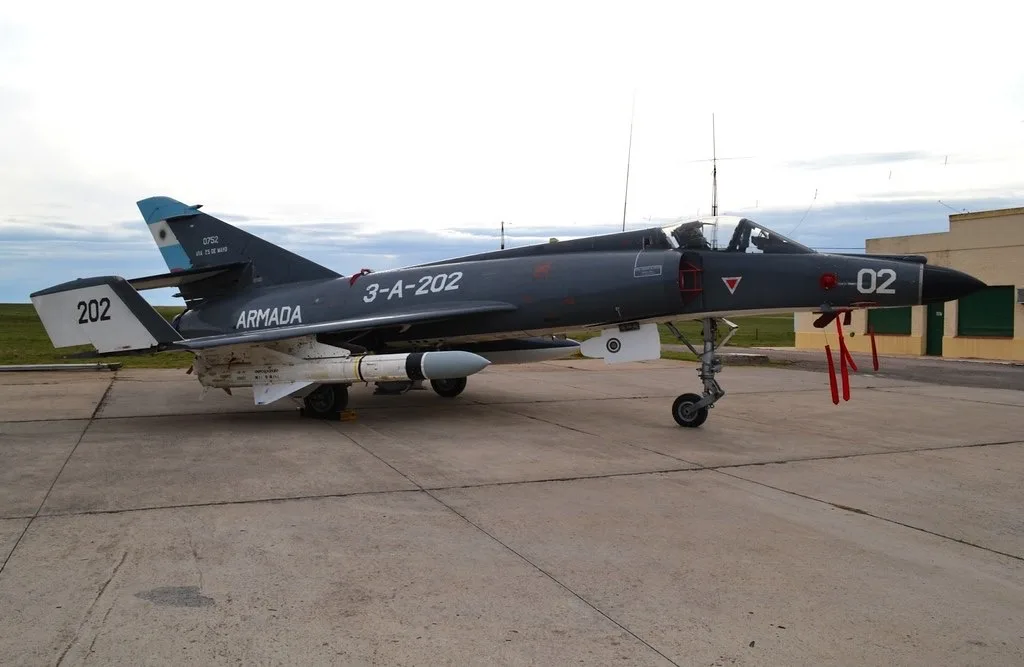
Exocet Anti-Ship Missiles in the Falklands
In the 1982 Falklands War, air-launched Exocet sea-skimming missiles sank HMS Sheffield, highlighting the vulnerability of surface warships to precision missiles.
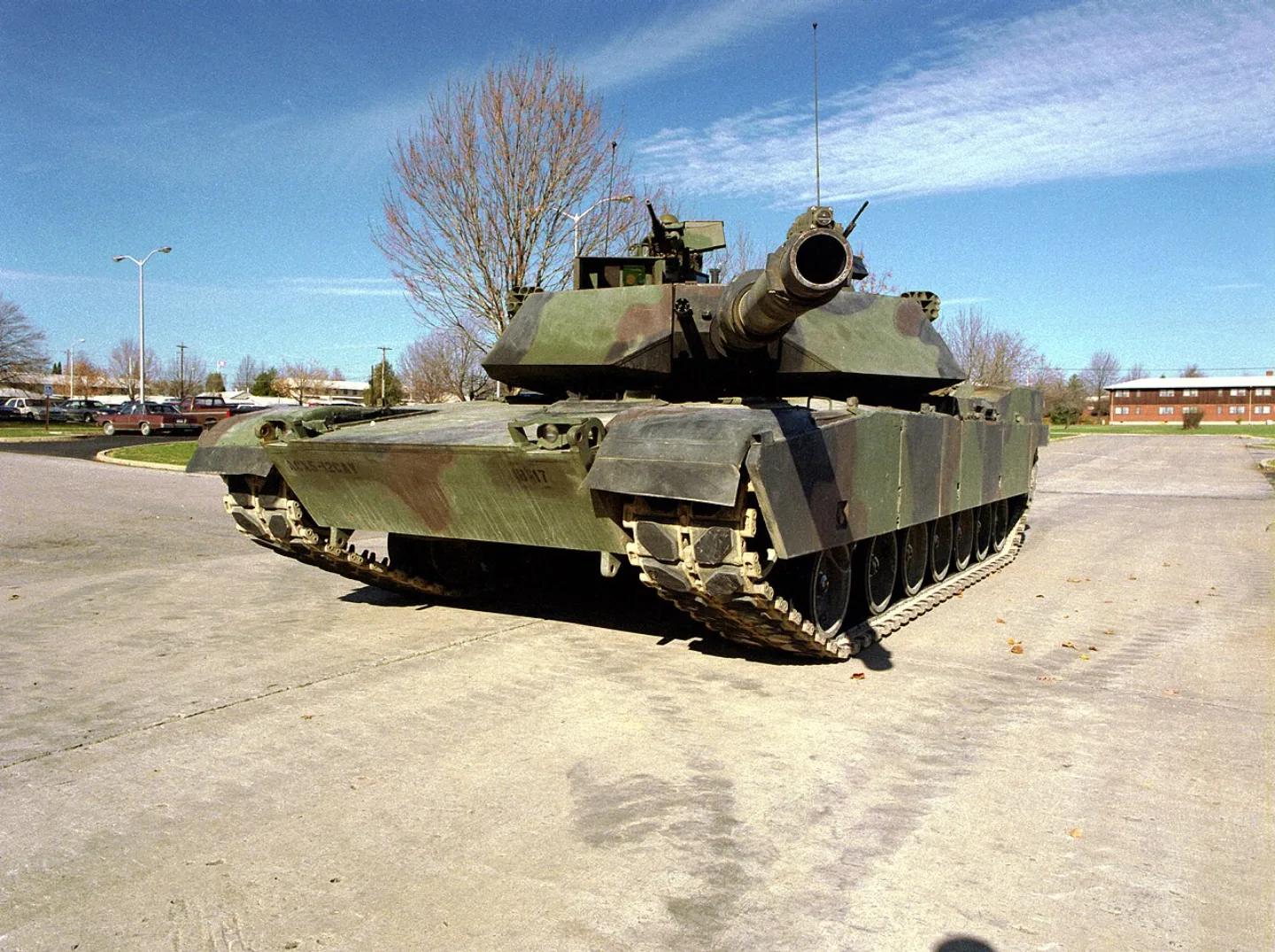
AirLand Battle and Deep Interdiction
US AirLand Battle doctrine integrated ground armor with deep air and rocket strikes to destroy enemy follow-on echelons 100 miles behind the front.
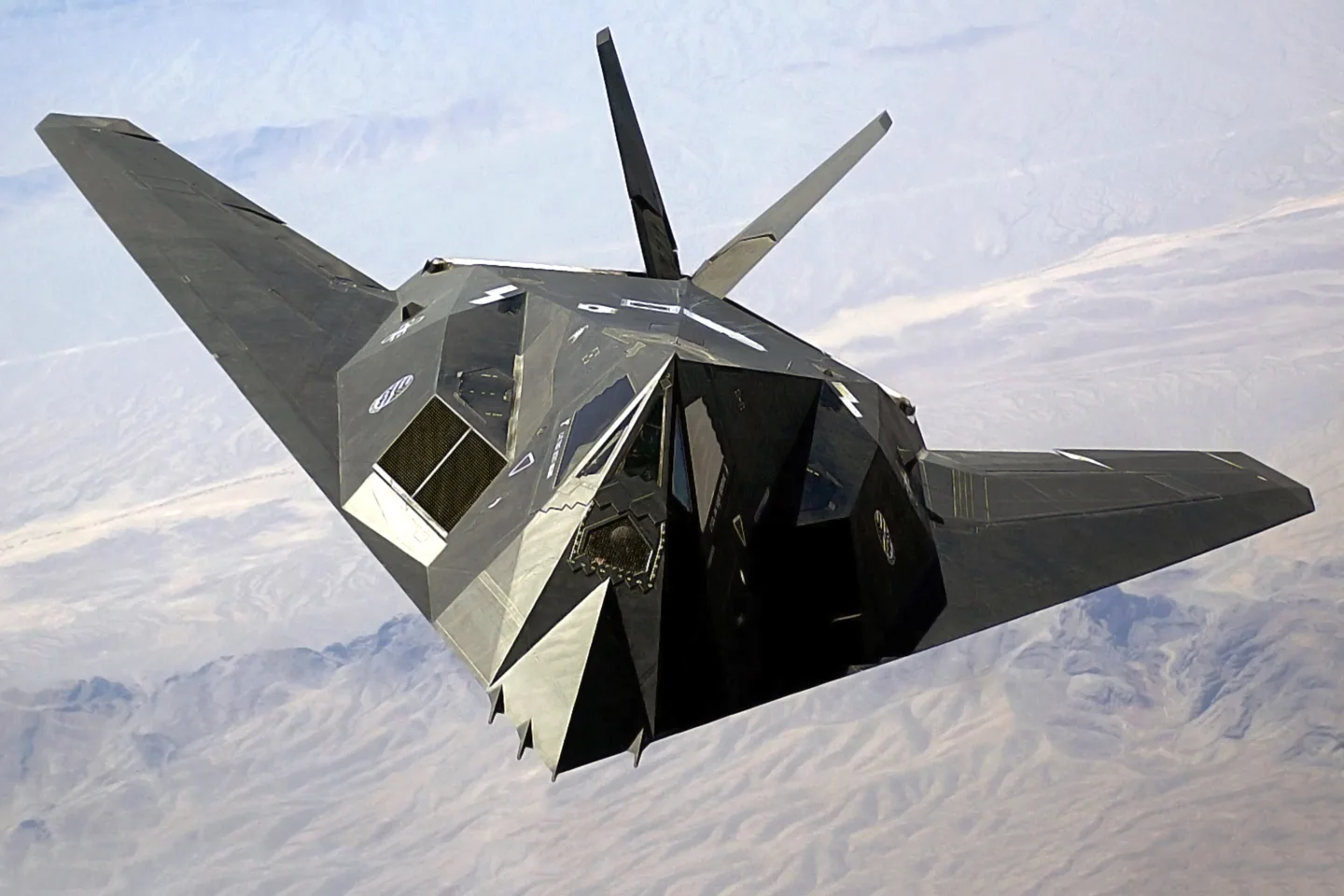
Stealth and SEAD in Desert Storm
Operation Desert Storm opened with F-117 stealth bombers, Tomahawk cruise missiles, and SEAD strikes, dismantling Iraq's air defenses in 48 hours.

The 100-Hour Desert Left Hook
In the 1991 Gulf War ground campaign, Schwarzkopf's 'Left Hook' used GPS navigation to drive through the open desert, encircling the Republican Guard in 100 hours.
The Revolution in Military Affairs and PGMs
The Revolution in Military Affairs (RMA) combined digital networks, satellite targeting, and laser/GPS precision munitions to replace mass attrition.
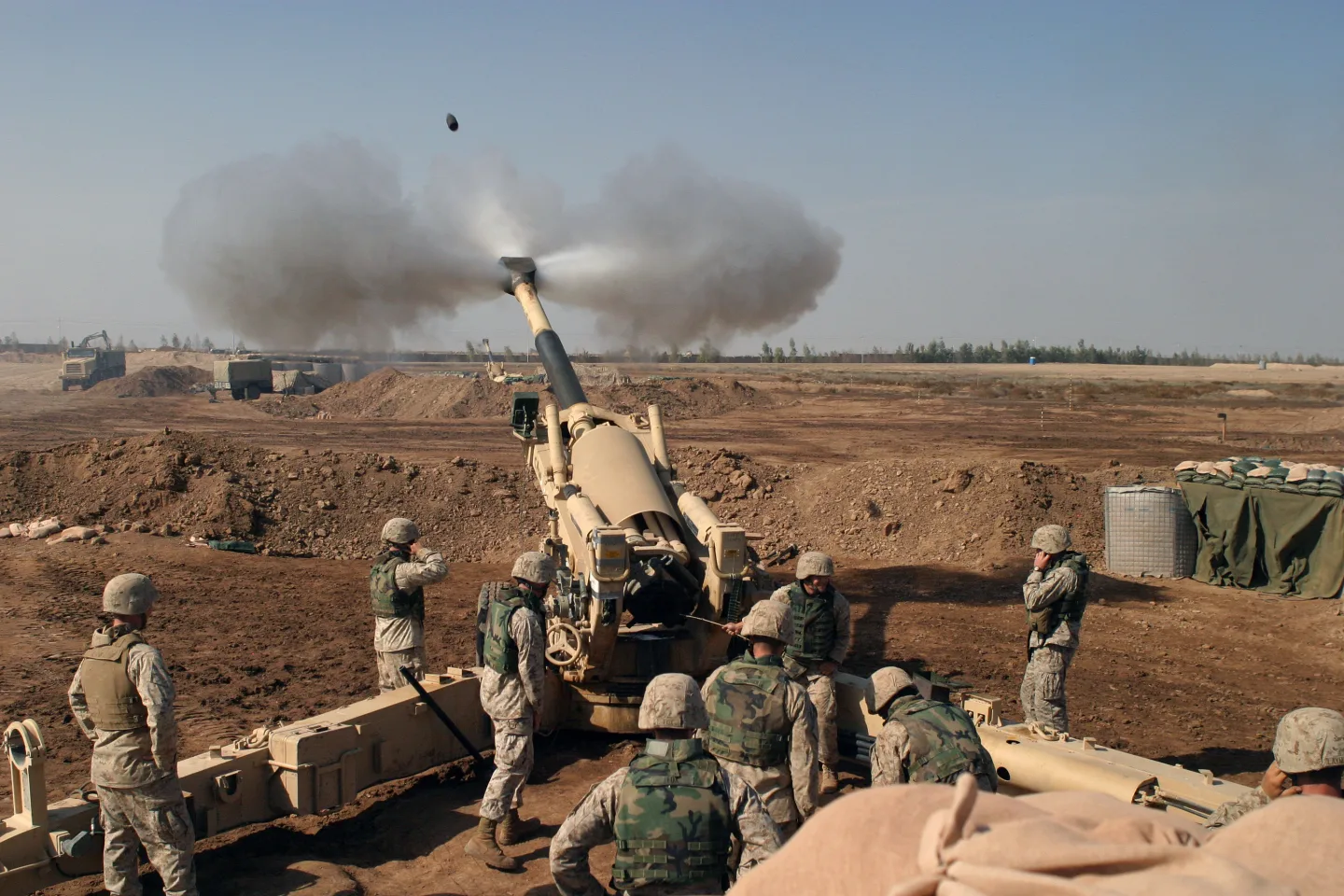
High-Intensity Urban Assault at Fallujah
The 2004 Battle of Fallujah showcased high-intensity modern urban clearing using combined armor, bulldozers, thermal sensors, and precision air support.
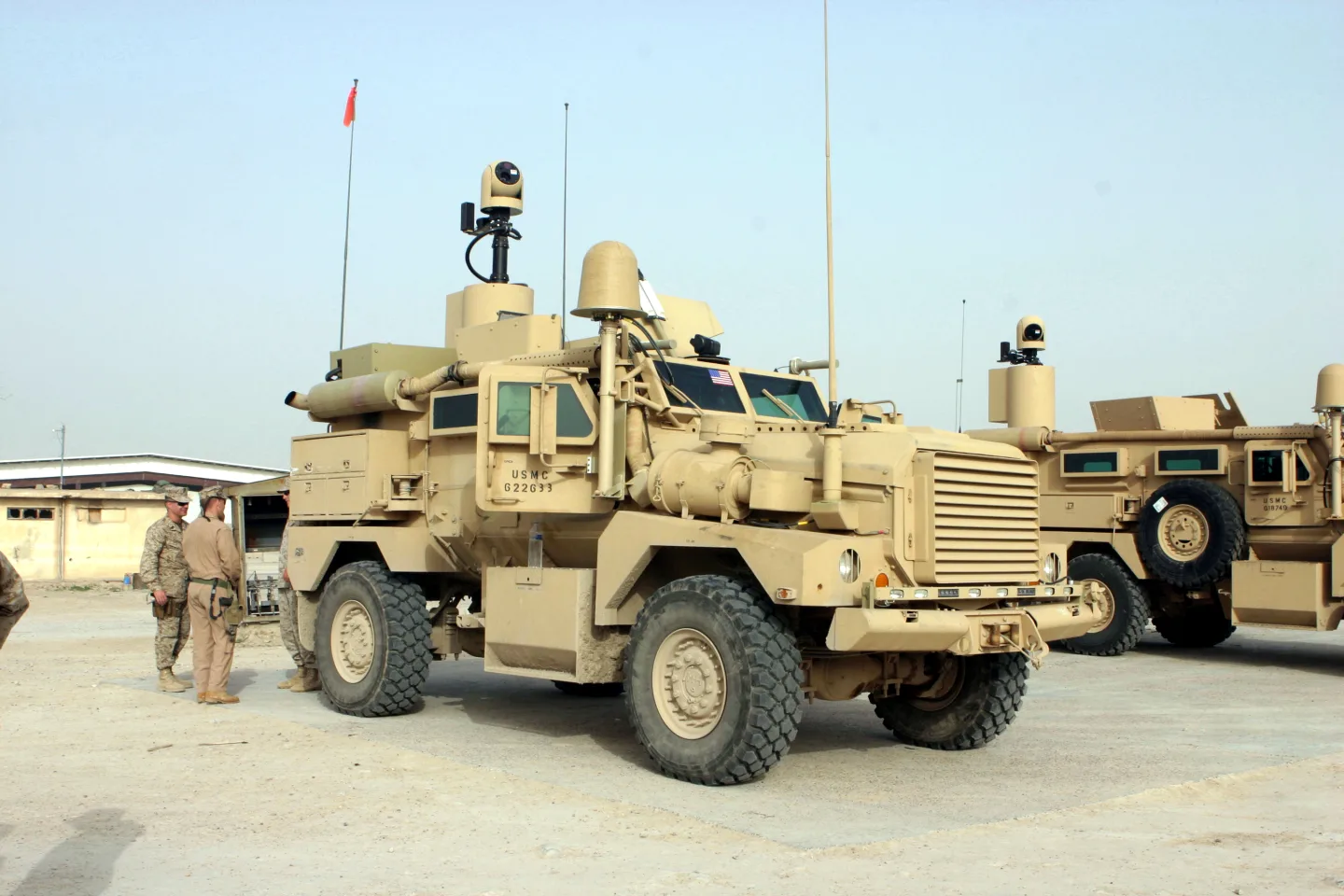
Asymmetric IEDs and the MRAP Vehicle
Asymmetric IED roadside bombs in Iraq and Afghanistan forced the rapid procurement of V-hulled Mine-Resistant Ambush Protected (MRAP) vehicles.
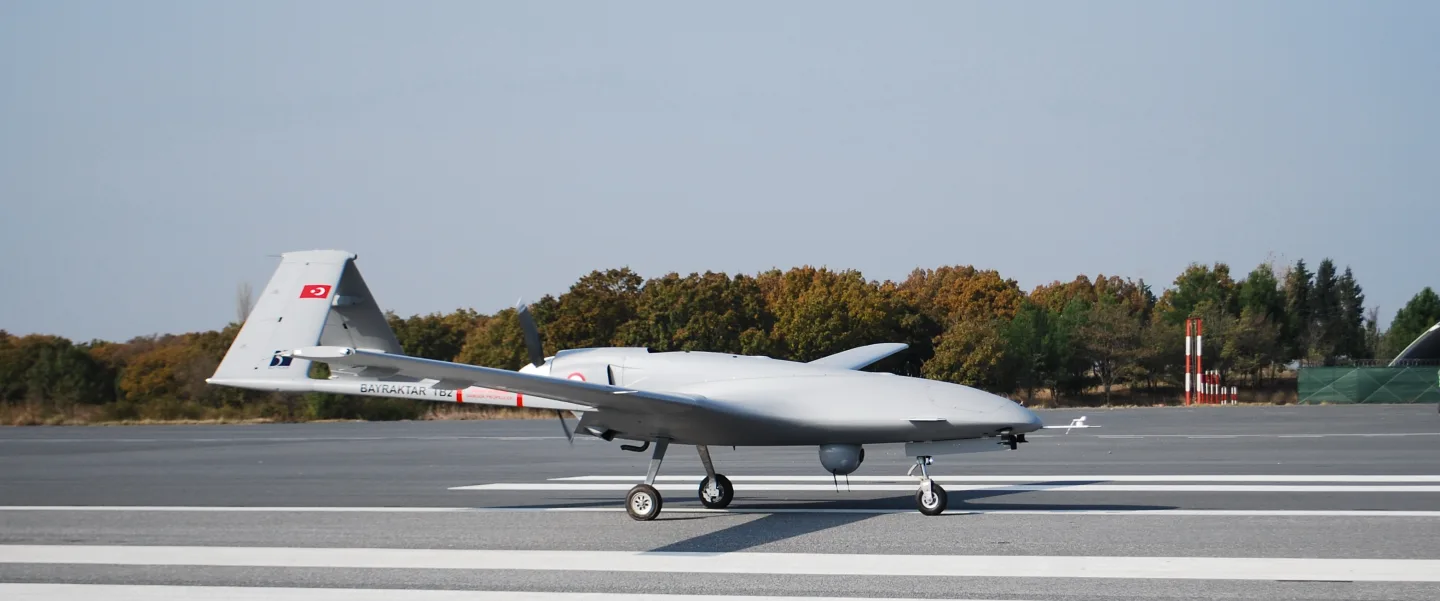
The Drone Revolution from TB2 to FPVs
The drone revolution transformed modern battlefields through Bayraktar TB2 strike drones and low-cost FPV suicide loitering munitions with shaped charges.
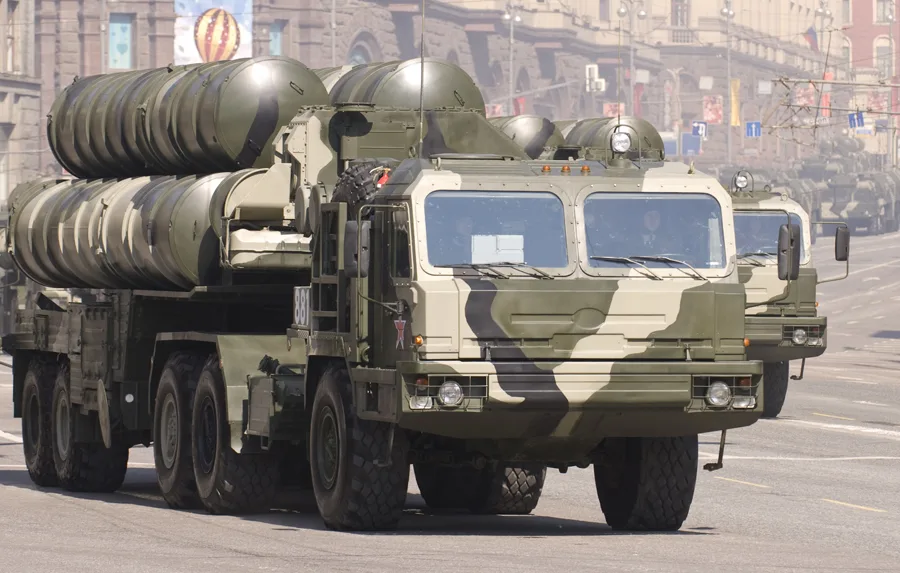
Anti-Access / Area Denial (A2/AD) Bubbles
Anti-Access/Area Denial (A2/AD) strategies use long-range anti-ship ballistic missiles and S-400 SAM networks to deny adversaries access to contested domains.
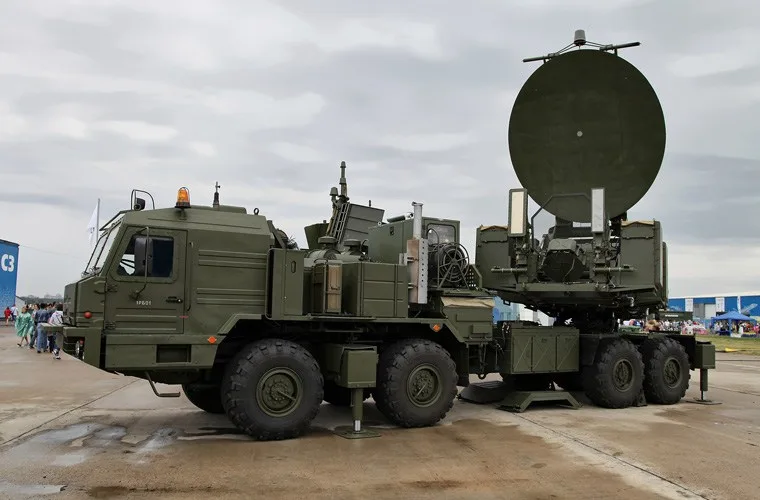
Electronic Warfare and Spectrum Dominance
Electronic warfare systems dominate the modern electromagnetic spectrum by jamming drone control signals, blinding radars, and spoofing GPS munitions.
Algorithmic Warfare and Autonomous Systems
Algorithmic warfare integrates artificial intelligence, multi-sensor data fusion, and autonomous drone swarms to execute real-time targeting in seconds.
By the numbers
- In what year AD was the Falklands War fought between the United Kingdom and Argentina?
- 1982
- In what year AD was Operation Desert Storm launched to liberate Kuwait from Iraqi occupation?
- 1991
- In what year AD was the Second Battle of Fallujah (Operation Phantom Fury) fought in Iraq?
- 2004
- In what year AD did the Second Nagorno-Karabakh War demonstrate the decisive combat role of TB2 drones?
- 2020
Matched pairs
Each item on the left goes with the one on the right.
- Deep Operational Battle
- Attacks enemy follow-on echelons, fuel depots, and bridges 100 miles behind the frontline
- Satellite GPS Guidance Kit
- All-weather inertial and satellite coordinates steer tail fins to target through clouds
- Medium-Altitude Strike UAS
- Loiters for 24 hours at 20,000 feet delivering laser-guided micro-munitions against air defense
- Anti-Ship Ballistic Missiles
- Hypersonic long-range weapons designed to destroy aircraft carriers thousands of miles away
Self-test
Answer each question from memory, then check your work against the answer key.
1. Which missile, fired by Argentine jets, sank the British destroyer HMS Sheffield in 1982?
- ASilkworm
- BStyx
- CHarpoon
- DExocet
2. Which task was NOT part of AirLand Battle's 'Close Battle,' but of the 'Deep Battle' instead?
- AEngaging enemies with M2 Bradley IFVs
- BStriking follow-on echelons with MLRS
- CEngaging enemies with M1 Abrams tanks
- DHolding the front line directly
3. How long did the Desert Storm strategic air campaign last before the ground war began?
- A38 days
- BThree weeks
- C48 hours
- D100 hours
4. What does JDAM stand for, the GPS-guided precision munition central to the Revolution in Military Affairs (RMA)?
- AJoint Directed Air Munition
- BJoint Defense Attack Module
- CJoint Direct Attack Munition
- DJoint Deployable Aerial Missile
5. About how many Coalition troops did Schwarzkopf secretly shift 200 miles west for the 1991 'Left Hook'?
- A45,000
- B300,000
- C75,000
- D150,000
6. What was the primary innovation of the US Army's 1982 AirLand Battle doctrine?
- AReplacing tanks with unmanned reconnaissance drones
- BCoordinating naval blockades with island-hopping
- CSynchronizing close combat with deep rear strikes
- DRelying only on unguided iron bombs against bridges
7. In AirLand Battle doctrine, what was the purpose of the Deep Battle component?
- AEngaging frontline tanks in direct artillery duels
- BStriking rear echelons and command nodes before contact
- CGuarding rear-area supply depots against partisan raiders behind the lines
- DDefending coastal forts against amphibious assault
8. Which US vehicle was rapidly fielded specifically to survive IED and EFP blasts in Iraq and Afghanistan?
- AMRAP vehicle
- BM1 Abrams Main Battle Tank
- CHumvee (M998)
- DM2 Bradley Fighting Vehicle
9. What kind of warhead do low-cost FPV suicide drones typically carry against tanks and infantry?
- ACluster submunition dispenser
- BThermobaric fuel-air charge
- CAnti-radiation homing warhead
- DShaped-charge RPG warhead
10. What acronym names the strategy of using SAM rings, hypersonic missiles, and anti-ship ballistic missiles to deny adversaries access to a region?
- ARMA
- BA2/AD
- CSEAD/DEAD
- DEMS
11. Which GPS-guided artillery shell does the lesson name as a target of EW jammers like the Krasukha-4?
- AExcalibur
- BAGM-88 HARM
- CTomahawk
- DJDAM
12. What did US Marines use to breach walls and lead the advance in the 2004 Battle of Fallujah?
- ACivilian construction cranes
- BTowed field artillery pieces
- CArmored bulldozers
- DInflatable pontoon bridges
13. What defines the next phase of algorithmic warfare beyond current-generation loitering munitions?
- ASubmarine missiles guided by satellite navigation
- BAutonomous drones cooperating without human links
- CManned bombers escorted by fighter jets
- DMissile strikes requiring constant human operator control
14. How do AI battle management networks like Project Maven enable future drone swarm operations?
- ATranslating intercepted enemy radio chatter in real time
- BAutonomously flying resupply cargo to remote outposts
- CEncrypting battlefield radio communications automatically
- DDetecting and assigning targets in seconds
Go deeper
Answer key
- 1. D ExocetFrench-built AM39 Exocet missiles fired by Argentine Super Etendard jets sank HMS Sheffield during the Falklands War.
- 2. B Striking follow-on echelons with MLRSClose Battle engaged frontline enemies with Abrams tanks and Bradley IFVs; hitting follow-on echelons with MLRS was the Deep Battle's job.
- 3. A 38 daysDesert Storm opened with a 38-day air campaign; SEAD blinded Iraqi air defenses in 48 hours, and the ground war lasted only 100 hours.
- 4. C Joint Direct Attack MunitionJDAM (Joint Direct Attack Munition) is a satellite guidance kit that converts unguided bombs into precision weapons.
- 5. D 150,000Schwarzkopf moved the VII Corps and XVIII Airborne Corps, about 150,000 troops, west in secret, then encircled the Republican Guard in 100 hours.
- 6. C Synchronizing close combat with deep rear strikesAirLand Battle integrated frontline armor combat with deep strikes 50-150 miles behind enemy lines to destroy follow-on echelons before they engaged.
- 7. B Striking rear echelons and command nodes before contactDeep Battle used long-range strike aircraft, MLRS rocket artillery, and attack helicopters to hit Warsaw Pact reserves and command nodes.
- 8. A MRAP vehicleThe V-hulled, high-clearance MRAP was crash-procured to deflect IED and EFP blasts outward, cutting crew fatalities far better than the exposed Humvee.
- 9. D Shaped-charge RPG warheadFPV drones are often fitted with shaped-charge RPG warheads, letting a cheap quadcopter destroy expensive armored vehicles.
- 10. B A2/ADA2/AD (Anti-Access/Area Denial) layers SAMs and anti-ship missiles to keep forces out of a region; RMA is the tech-driven warfare shift, SEAD suppresses air defenses, and EMS is the contested electromagnetic spectrum.
- 11. A ExcaliburExcalibur is the GPS-guided artillery round; JDAM is an air-dropped bomb kit, Tomahawk a cruise missile, and AGM-88 HARM an anti-radiation missile — not artillery shells.
- 12. C Armored bulldozersMarines used armored bulldozers alongside M1 Abrams tanks to breach walls and clear routes through the heavily booby-trapped city.
- 13. B Autonomous drones cooperating without human linksAs loitering munitions evolve into fully autonomous drone swarms without human links, algorithmic processing speed increasingly decides survival.
- 14. D Detecting and assigning targets in secondsProject Maven and similar AI systems fuse satellite, drone, and sensor data to detect and assign targets in seconds, enabling swarm coordination.
Sources
- Freedman, The Official History of the Falklands Campaign
- US Army Field Manual 100-5 Operations
- Hallion, Storm Over Iraq
- Gordon & Trainor, The Generals' War
- Krepinevich, The Military-Technical Revolution
- West, No True Glory
- Smith, The Utility of Force
- Singer, Wired for War
- Biddle & Oelrich, Future Warfare in the Western Pacific
- Adamy, EW 101
- Scharre, Army of None
- Freedman, The Official History of the Falklands Campaign — www.routledge.com
- Hallion, Storm Over Iraq — www.smithsonianbooks.com
- Krepinevich, The Military-Technical Revolution — www.csbaonline.org
- Smith, The Utility of Force; Singer, Wired for War — www.penguin.co.uk
- Biddle & Oelrich, Future Warfare in the Western Pacific — www.belfercenter.org
- Scharre, Army of None — www.wwnorton.com
- US Army Field Manual 100-5 Operations — www.armyupress.army.mil
- Gordon & Trainor, The Generals' War — www.littlebrown.com
- Congressional Research Service, Mine-Resistant, Ambush-Protected (MRAP) Vehicles: Background and Issues for Congress (RS22707) — crsreports.congress.gov
- Shaikh & Rumbaugh, The Air and Missile War in Nagorno-Karabakh: Lessons for the Future of Strike and Defense, CSIS (2020) — www.csis.org
- Adamy, EW 101 — www.artechhouse.com
- West, No True Glory — www.randomhouse.com
- Watling & Reynolds, Meatgrinder: Russian Tactics in the Second Year of the Ukraine War, RUSI (2023) — www.rusi.org
Image credits
- Exocet Anti-Ship Missiles in the Falklands: aeroman3 (Openverse) · pdm 1.0 — www.flickr.com/photos/47430793@N08/48888774441
- AirLand Battle and Deep Interdiction: Wikimedia Commons · Mr. Steve Catlin · Public domain — commons.wikimedia.org/wiki/File:Left_front_view_M1A1_Abrams_Main_Battle_Tank_at_U.S._Army_Armor_Center,_USAARMC_DA-SC-94-01698.jpg
- Stealth and SEAD in Desert Storm: Wikimedia Commons · Staff Sgt. Aaron Allmon II · Public domain — commons.wikimedia.org/wiki/File:F-117_Nighthawk_Front.jpg
- The 100-Hour Desert Left Hook: Wikimedia Commons · Russell Roederer · Public domain — commons.wikimedia.org/wiki/File:General_Norman_Schwarzkopf,_USA_(uncovered).jpg
- High-Intensity Urban Assault at Fallujah: Wikimedia Commons · Lance Corporal Samantha L. Jones, USMC · Public domain — commons.wikimedia.org/wiki/File:4-14_Marines_in_Fallujah.jpg
- Asymmetric IEDs and the MRAP Vehicle: Wikimedia Commons · U.S. Marine Corps photo by Lance Cpl. Charles Howard · Public domain — commons.wikimedia.org/wiki/File:U.S.Marine_Cougar_H_EOD.jpg
- The Drone Revolution from TB2 to FPVs: Wikimedia Commons · Bayhaluk · CC BY-SA 4.0 — commons.wikimedia.org/wiki/File:Bayraktar_TB2_Runway.jpg
- Anti-Access / Area Denial (A2/AD) Bubbles: Wikimedia Commons · Aleksey Toritsyn · CC BY-SA 3.0 — commons.wikimedia.org/wiki/File:S-400_SAM_during_the_Victory_parade_2010.jpg
- Electronic Warfare and Spectrum Dominance: Wikimedia Commons · Vitaly V. Kuzmin · CC BY-SA 3.0 — commons.wikimedia.org/wiki/File:Krasukha-2_(%D0%9A%D1%80%D0%B0%D1%81%D1%83%D1%85%D0%B0-2)_Unloaded.jpg


