
Major Wars: Strategy, Technology, and Mechanics of Conflict study guide · Lesson 4 of 13
The Steppe Nomads, Mongol Conquests, and Medieval Siegecraft
Mongol Operational Mobility & Steppe Warfare · Crusader Fortifications, Longbows, & Gunpowder Sieges
This is the lesson's study guide from the FlashFeed app, plus its key facts and a self-test.
What you'll be able to do
- Explain the Yam relay, Subutai's feigned retreat at Kalka and flank attack at Mohi, and how the Mamluks countered the Mongols at Ain Jalut.
- Explain concentric castles, Saladin's water cutoff at Hattin, Agincourt's mud and bodkin arrows, Hussite wagon forts, and Orban's bombard at Constantinople.
Lesson 4: The Steppe Nomads, Mongol Conquests, and Medieval Siegecraft
Horse Archer Mechanics and Feigned Retreats
The military dominance of Eurasian steppe pastoralists culminated in the Mongol Empire under Genghis Khan and Subutai. The primary weapon of the nomad was the composite recurve bow, constructed from horn, wood, and sinew, yielding draw weights of 100 to 160 pounds and effective ranges exceeding 300 yards. Mongol cavalry fought in coordinated decimal units (arban, jagun, mingghan, and 10,000-man tumen). Their primary tactical maneuver was the feigned retreat (manggudai): elite decoy squadrons simulated panicked flight, drawing heavily armored opponents into strung-out pursuit across dozens of miles before wheeling around into prepared kill zones.
The Yam Strategic Courier and Relay System
Mongol strategic cohesion over transcontinental distances rested on the Yam (Örtöö) postal relay system. Stations established every 25 to 30 miles along trade routes provided fresh horses, food, and lodging for imperial messengers. Wearing bells on their sashes, couriers rode up to 200 miles in a single 24-hour day, enabling supreme commanders in Karakorum to coordinate simultaneous, synchronized invasions separated by thousands of miles in Central Europe, the Middle East, and Southern China.
Battle of the Kalka River Multi-Day Decoy
In 1223, Mongol generals Subutai and Jebe conducted an armed reconnaissance mission around the Caspian Sea. At the Battle of the Kalka River, they executed a nine-day feigned retreat across the Ukrainian steppe. The allied Kievan Rus' and Cuman armies broke formation in disorderly pursuit. When the Rus' vanguard became separated from their rearguard by miles, the Mongols turned, enveloped the strung-out columns, and forced the surviving princes into a desperate, trapped wagon fort that was systematically overwhelmed.
Battle of Mohi and River Flank Envelopment
At the Battle of Mohi (Battle of the Sajó River) in April 1241, Subutai and Batu Khan annihilated the chivalric army of King Béla IV of Hungary. While Batu engaged Hungarian knights holding the fortified Sajó stone bridge under cover of catapult-launched stones and smoke, Subutai constructed an improvised timber bridge downstream under cover of darkness. Subutai's division crossed the freezing river and struck the Hungarian camp in flank and rear, surrounding their wagon perimeter and crushing Hungary's military nobility.
Counterweight Trebuchets at the Siege of Xiangyang
During the conquest of the Southern Song Dynasty, Kublai Khan faced the twin fortified cities of Xiangyang and Fancheng, which resisted siege for over five years behind massive moats and artillery defenses. The Mongols adapted by recruiting Muslim engineers from Ilkhanate Persia, Ismail and Ala al-Din, who constructed massive counterweight trebuchets (Huihui pao). Capable of hurling 300-pound stone projectiles over 400 yards with high parabolic trajectory, these engines pulverized Xiangyang's stone keeps in 1273.
Mamluk Asymmetric Tactics at Ain Jalut
In September 1260, the Mamluk Sultanate of Egypt under Sultan Qutuz and General Baibars shattered the aura of Mongol invincibility at the Battle of Ain Jalut in the Jezreel Valley. Familiar with nomadic tactics, Baibars utilized a feigned retreat to lure the Mongol general Kitbuqa's vanguard into the wooded valley hills, where Qutuz's concealed main army launched a devastating double-flank ambush. Mamluk heavy cavalry, mounted on Arabian chargers and wielding lances, broke the Mongol charge in savage hand-to-hand combat.
Concentric Defense at Krak des Chevaliers
Crusader military architecture reached its peak in the Levant with the concentric castle, epitomized by Krak des Chevaliers in modern Syria. Held by the Knights Hospitaller, the fortress featured an outer curtain wall with rounded flanking towers and an inner, elevated citadel wall overlooking the outer perimeter. This enabled defenders to deliver tiered missile fire from multiple elevations simultaneously. Curved masonry surfaces deflected siege stones, and the lack of blind spots neutralized traditional subterranean sapping.
Saladin's Water Deprivation Strategy at Hattin
At the Battle of Hattin in July 1187, Ayyubid Sultan Saladin defeated the Crusader army of the Kingdom of Jerusalem led by King Guy of Lusignan through masterclass environmental attrition. Marching across the arid Galilean plateau in summer heat, the Crusaders were cut off from water springs at Lake Tiberias by mobile Muslim horse archers. Saladin set fire to the dry scrub and brush along the Crusaders' windward march, blinding the armored knights with smoke and suffocating them with heat before surrounding and destroying them beneath the Horns of Hattin.
Longbow Armor Penetration and Stakes at Agincourt
At the Battle of Agincourt in October 1415, King Henry V of England defeated a numerically superior French chivalric army using English and Welsh yeoman archers armed with the longbow. Made from yew with draw weights between 100 and 150 pounds, the longbow fired heavy steel-tipped bodkin arrows capable of piercing plate armor at close range. Henry deployed his archers behind dense rows of double-pointed wooden stakes (herse) set into thick mud, forcing French heavy cavalry into narrow, quagmire bottlenecks where they were slaughtered.
Hussite Wagenburg War Wagon Formations
During the Hussite Wars (1419–1434), Bohemian commander Jan Žižka pioneered mobile combined-arms defensive fortifications known as the Wagenburg (wagon fort). Peasants converted heavy farm wagons into iron-reinforced combat vehicles chained together wheel-to-wheel in a rectangular perimeter. Inside the wagons, crews operated early gunpowder firearms—including heavy howitzers (houfnice), hand cannons (píšťala, the linguistic origin of "pistol"), and heavy crossbows—annihilating multiple Imperial crusades of armored knights.
Orban's Super-Bombards at Constantinople 1453
The Siege of Constantinople in 1453 by Ottoman Sultan Mehmed II marked the decisive transition to the gunpowder age of siegecraft. Mehmed commissioned Hungarian master cannon-founder Orban to cast the Basilica, a colossal 27-foot bronze super-bombard capable of firing 1,200-pound granite cannonballs. Although requiring three hours to reload and a team of 60 oxen to transport, Orban's heavy siege guns continuously battered the ancient triple Theodosian Walls, breaching the fortifications after 53 days.
Key terms
- Manggudai
- An elite cavalry suicide vanguard tasked with feigning flight to lure hostile armies into a prepared kill zone.
- Yam System
- A transcontinental postal relay courier network maintaining staged horses and supply depots across Eurasia.
- Concentric Castle
- A medieval fortress featuring multiple nested defensive walls where an elevated inner citadel overlooks outer curtain walls.
- Wagenburg
- A mobile fortified enclosure formed by chaining heavy wagons together and outfitting them with early artillery and missile weapons.
Key concepts
Mongol Composite Bow
- Constructed from layers of horn, wood, and animal sinew glued under tension
- Delivered draw weights up to 160 pounds with high kinetic energy in a compact frame
- Effective against armored opponents at ranges exceeding 300 yards while riding at full gallop
Yam Postal Relay
- Transcontinental courier staging post network established by Genghis Khan and Ögedei
- Provided fresh remounts and food every 25 to 30 miles across the Eurasian landmass
- Enabled messengers bearing the paiza passport to ride up to 200 miles per day
Subutai
- Primary military strategist of Genghis Khan and Batu Khan who directed over twenty campaigns
- Conquered more territory than any other commander in recorded world history
- Pioneered synchronized multi-corps operations across thousands of miles in Russia and Central Europe
Counterweight Trebuchet
- Gravity-powered siege engine utilizing a massive swinging counterweight box of earth or lead
- Hurls 300-pound stone projectiles on high parabolic arcs to smash vertical masonry walls
- Introduced to China by Persian engineers to break the Siege of Xiangyang in 1273
Concentric Castle
- Fortification design featuring nested rings of inner and outer curtain walls
- Elevated inner citadel allows defenders to shoot over the heads of outer wall defenders
- Eliminates blind spots and provides deep defensive echelons against scaling and undermining
English Longbow
- Six-foot yew stave bow requiring draw weights between 100 and 150 pounds
- Fired steel-pointed bodkin arrows capable of penetrating mail and plate armor at close range
- Delivered rapid continuous volleys of 10 to 12 arrows per minute per yeoman archer
Wagenburg
- Mobile fortress constructed by chaining heavy reinforced wooden wagons in a perimeter
- Served as a fortified redoubt containing infantry, hand cannons, howitzers, and flails
- Pioneered by Jan Žižka to allow peasant armies to destroy charging chivalric knight armies
Orban's Basilica Bombard
- Colossal 27-foot bronze super-cannon cast by a Hungarian engineer for the Ottoman siege
- Fired massive 1,200-pound carved granite spheres against ancient stone battlements
- Required 60 oxen and 200 men to move, taking several hours between each firing
Key facts
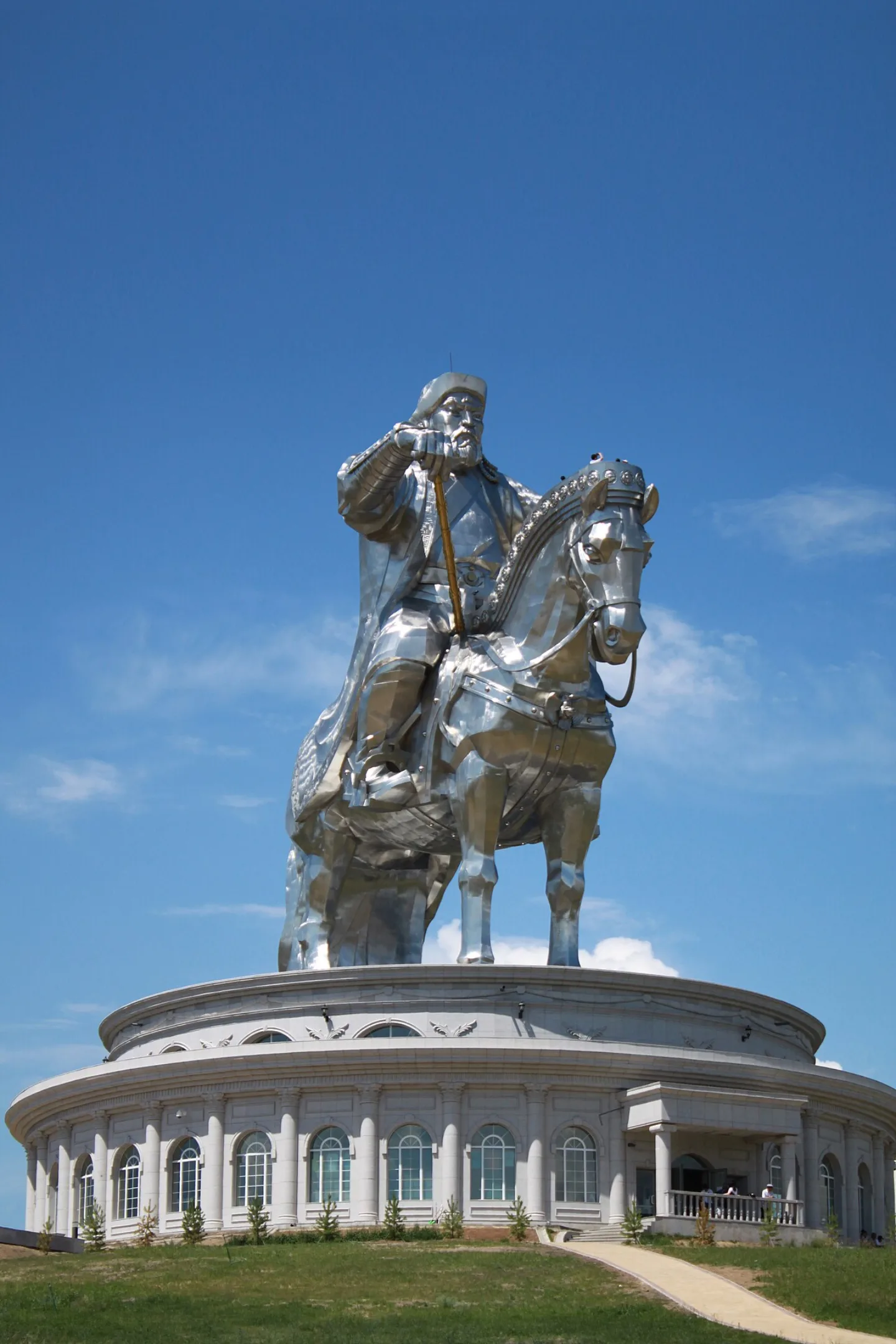
Nomadic Composite Bows and the Manggudai
Mongol horse archers deployed composite recurve bows and executed feigned retreats (manggudai) to lure enemy heavy armor into distant kill zones.
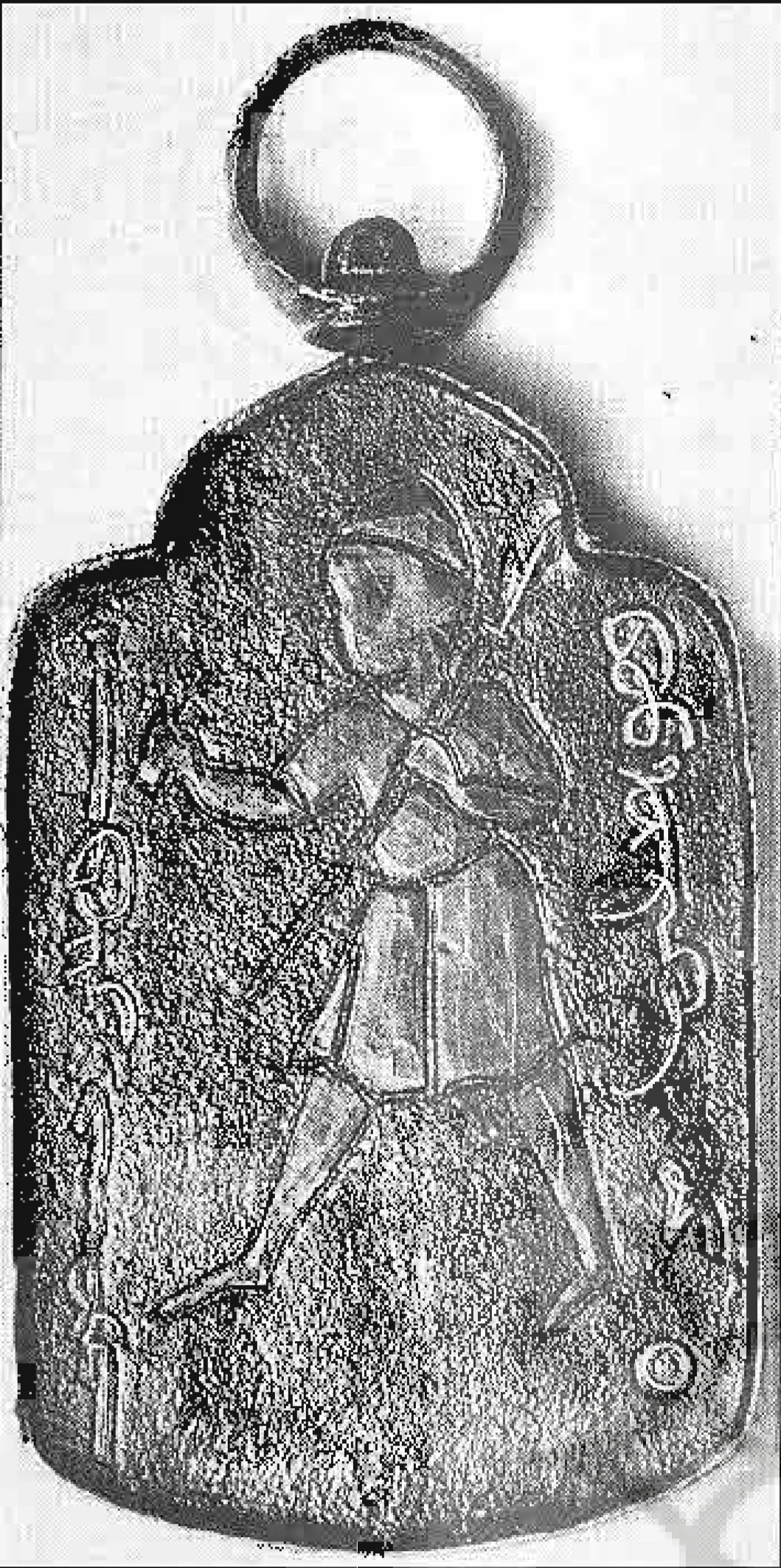
The Yam Strategic Relay Courier System
The Mongol Yam postal network enabled messengers to ride up to 200 miles a day, coordinating armies separated by thousands of miles.
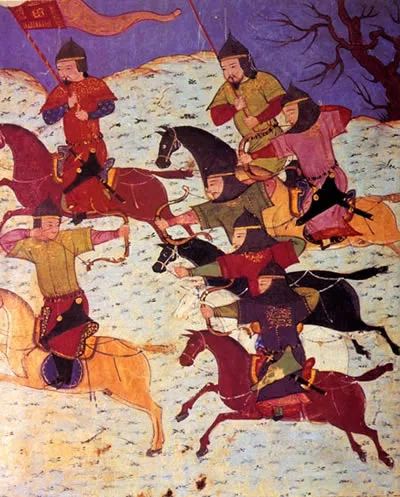
Subutai's Multi-Day Decoy at the Kalka River
At Kalka River in 1223, Subutai feigned retreat for nine days across the steppe before turning to crush the strung-out Kievan Rus' and Cuman forces.
River Envelopment at the Battle of Mohi
At Mohi in 1241, Subutai crossed the Sajó River downstream on an improvised timber bridge to strike the Hungarian camp in flank and rear.
Counterweight Trebuchets at Xiangyang
The Mongols broke the five-year Siege of Xiangyang in 1273 by deploying Persian-designed counterweight trebuchets hurling 300-pound boulders.
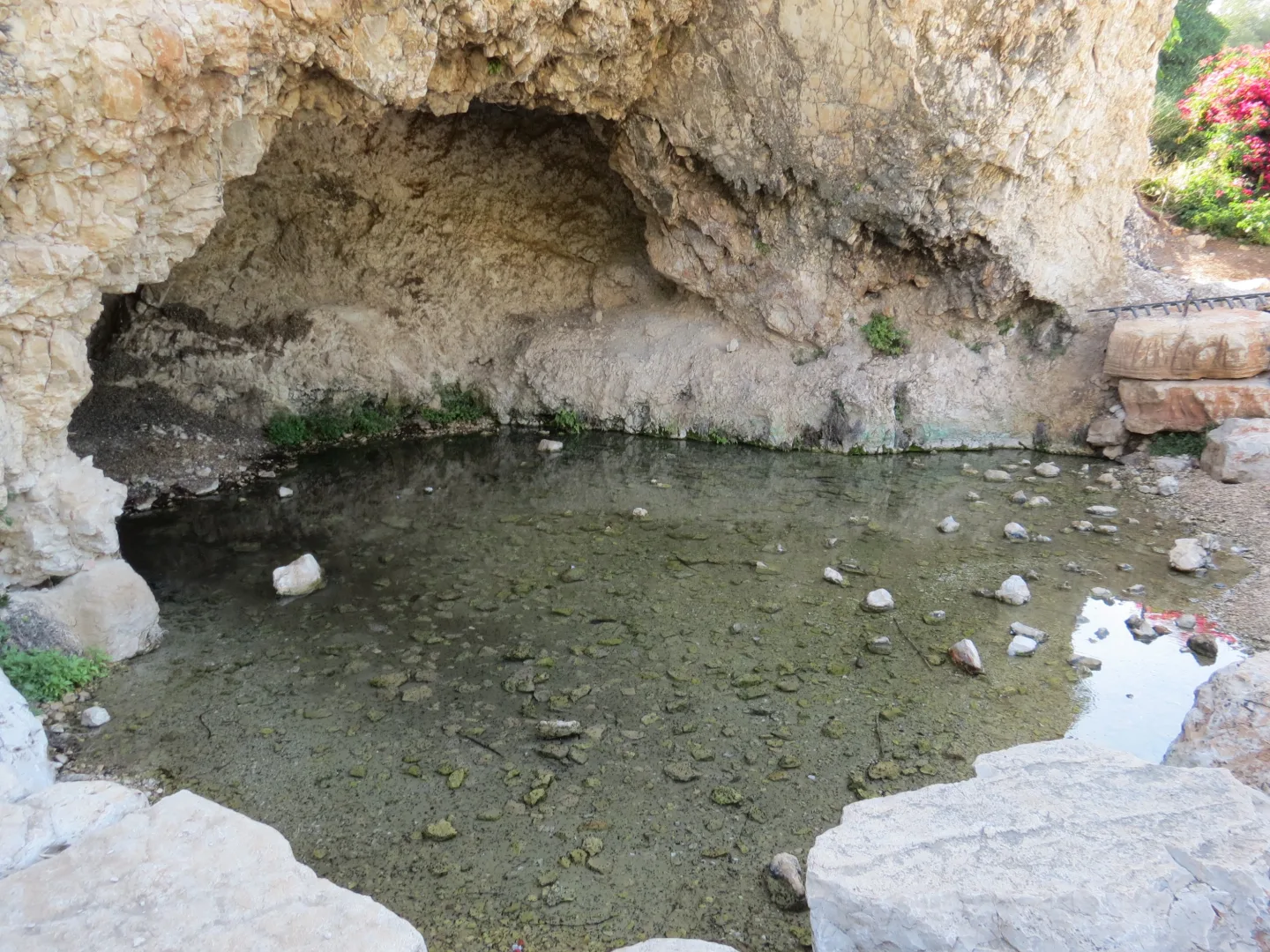
Mamluk Counter-Maneuver at Ain Jalut
At Ain Jalut in 1260, Mamluk general Baibars used a feigned retreat to draw Mongol forces into a valley ambush, marking the first major halt to Mongol westward expansion.
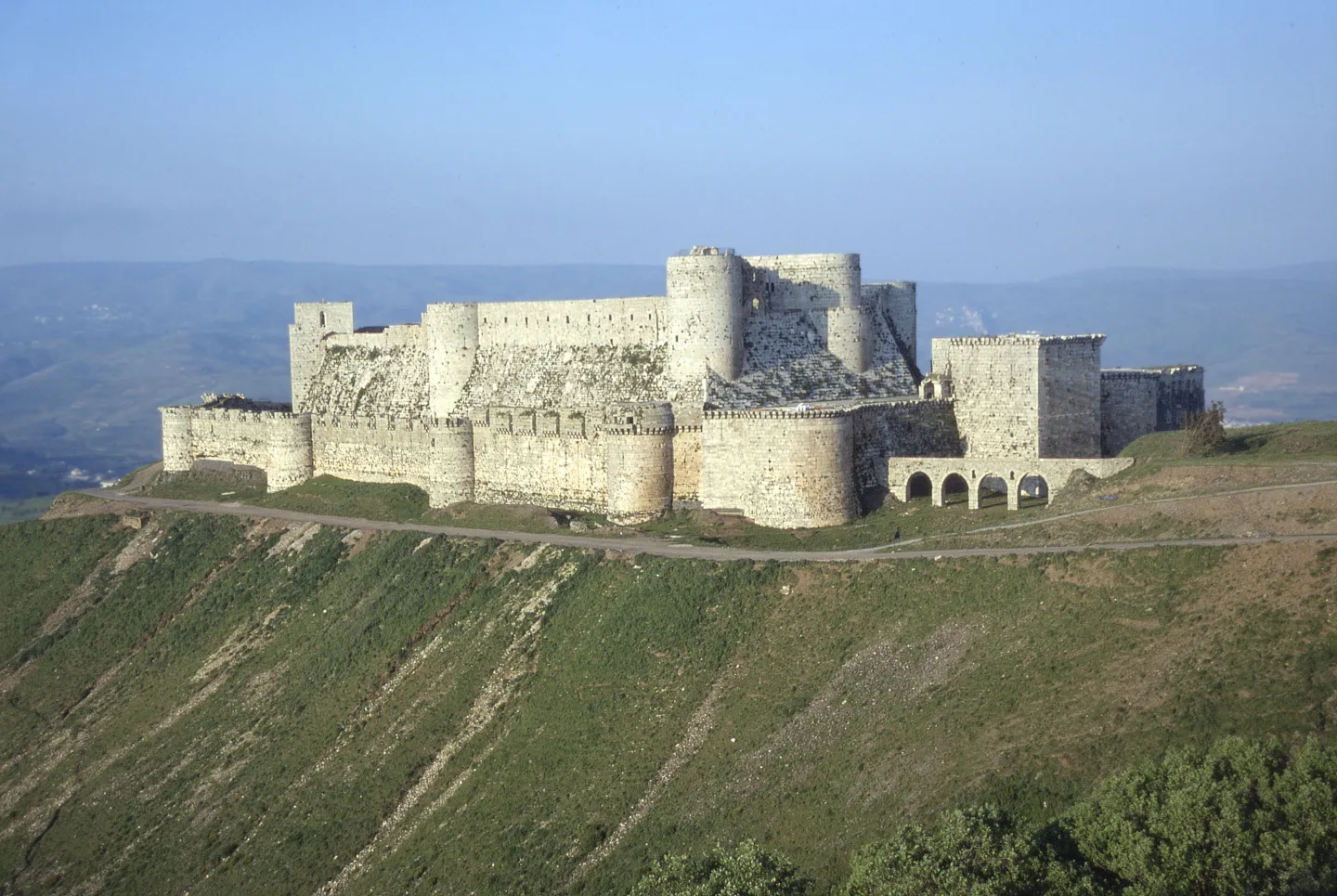
Concentric Fortifications at Krak des Chevaliers
Krak des Chevaliers exemplified concentric castle engineering, utilizing tiered inner walls to deliver multi-level defensive missile fire without blind spots.
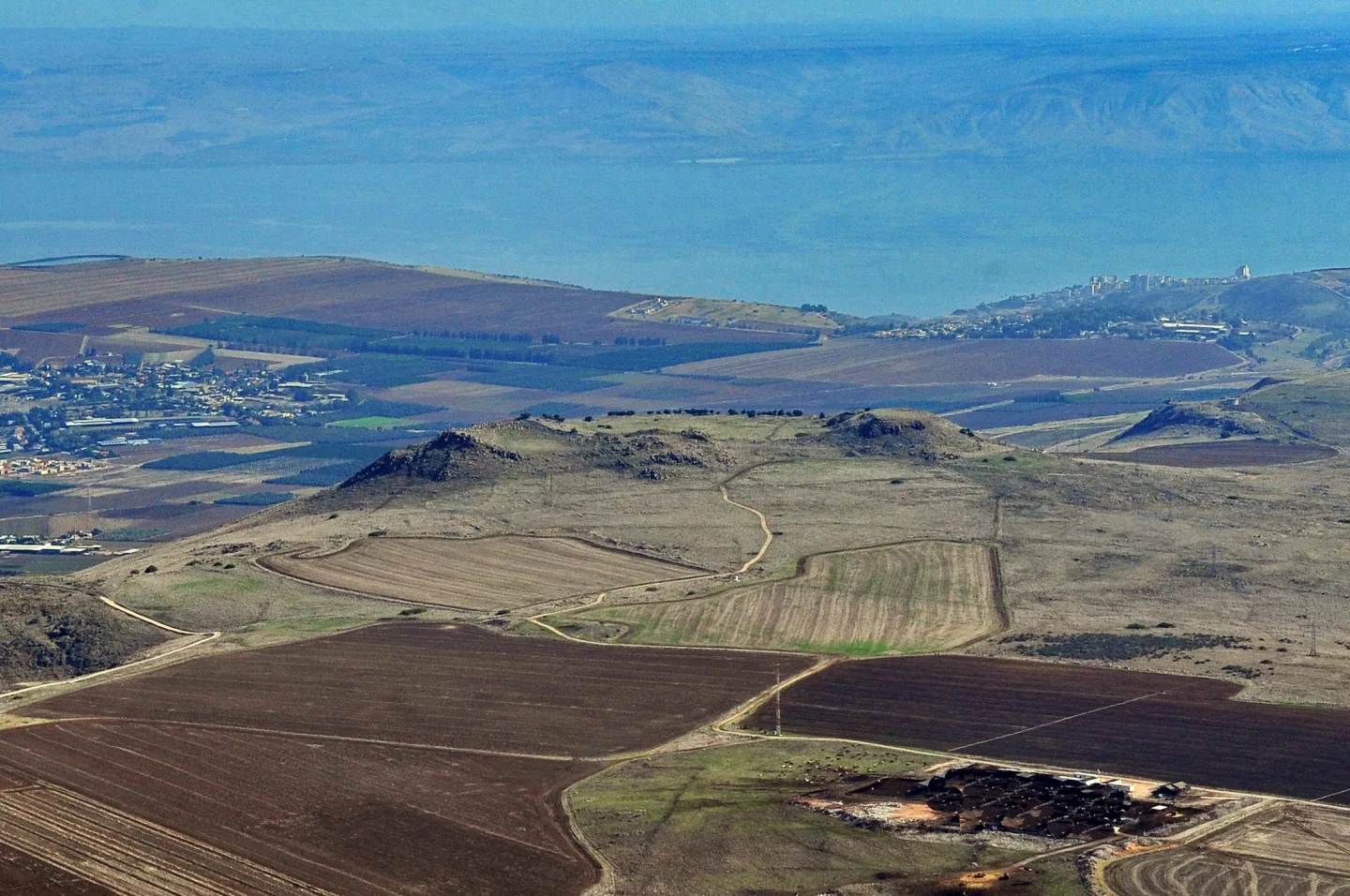
Saladin's Environmental Attrition at Hattin
Saladin defeated the Crusader army at Hattin in 1187 by denying them access to water and setting brush fires windward of their march.
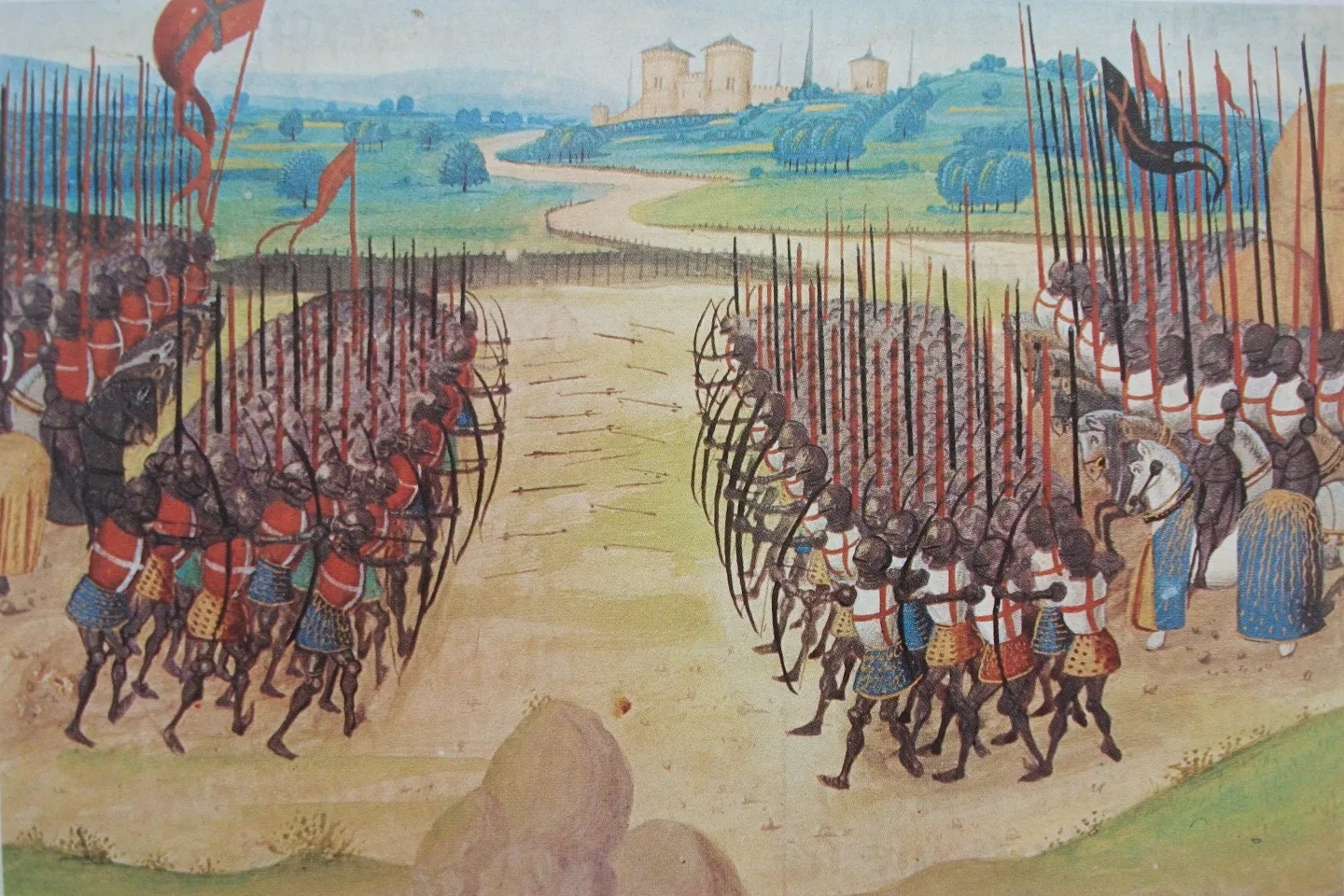
English Longbow Defensive System at Agincourt
At Agincourt in 1415, English longbowmen deployed behind sharpened wooden stakes to slaughter advancing French armored cavalry channeled into thick mud.
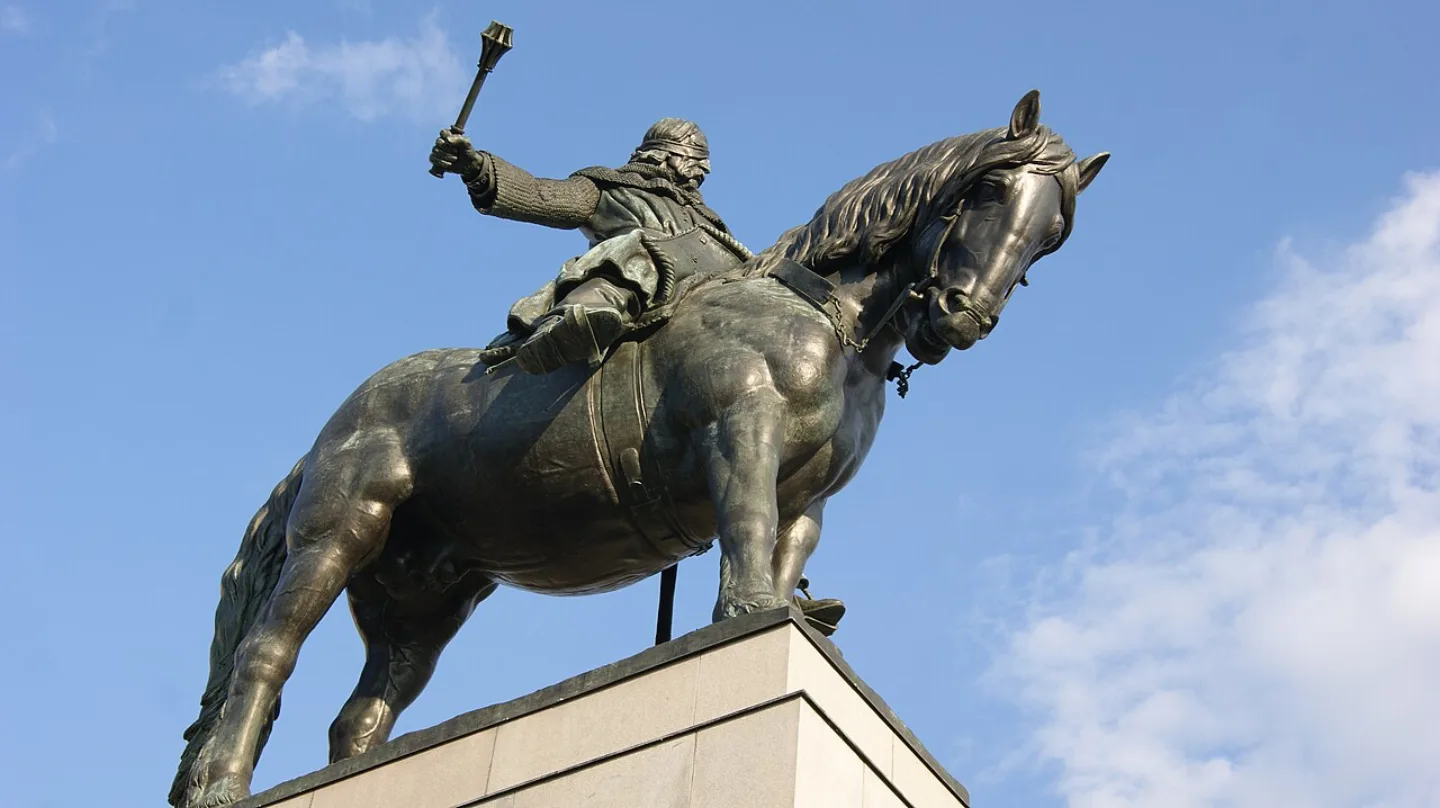
Jan Žižka's Hussite Wagenburg Formations
Jan Žižka revolutionized medieval combat by chaining farm wagons into a mobile Wagenburg fort armed with early howitzers and hand cannons.
Orban's Super-Bombard at Constantinople
Ottoman Sultan Mehmed II deployed Orban's 27-foot bronze super-bombard firing 1,200-pound stone balls to breach the Theodosian Walls of Constantinople in 1453.
By the numbers
- In what year AD did Subutai defeat the allied Rus' and Cuman armies at the Battle of the Kalka River?
- 1223
- In what year AD did Mamluk forces defeat the Mongol army at the Battle of Ain Jalut?
- 1260
- In what year AD was the Battle of Agincourt fought during the Hundred Years' War?
- 1415
- In what year AD did Ottoman Sultan Mehmed II conquer Constantinople with gunpowder bombards?
- 1453
Matched pairs
Each item on the left goes with the one on the right.
- Manggudai Decoy Vanguard
- Simulates panicked retreat to entice disciplined enemy units into disorganized pursuit
- Huihui Pao Engine
- Uses a suspended box filled with tons of deadweight to fling heavy boulders on high arcs
- Windward Scrub Fires
- Generates blinding smoke and suffocating heat against heavily armored European knights
- Peasant War Flail
- Iron-studded threshing tool designed to deliver crushing blows over knight shields
Self-test
Answer each question from memory, then check your work against the answer key.
1. Why did the allied Rus' and Cuman armies fail so catastrophically against Subutai at the Kalka River?
- AThe Mongol army outnumbered the allied princes ten-to-one in heavy cataphract shock cavalry
- BA sudden winter blizzard froze their weapons to their leather scabbards before the battle began
- CThey broke into uncoordinated, rival pursuit columns during a 9-day feigned retreat, allowing the Mongols to defeat them in detail
- DTheir wooden shields caught fire when the Mongols deployed Greek fire siphons mounted on horses
2. How did the Mamluks neutralize the Mongol tactical system at the Battle of Ain Jalut in 1260?
- AThey poisoned all natural grazing pastures along the Syrian border with belladonna
- BThey used a disciplined feigned retreat to lure the Mongols into a narrow valley where concealed Mamluk heavy cavalry ambushed both flanks
- CThey flooded the Jezreel Valley by destroying Roman aqueduct networks overnight
- DThey deployed heavy iron armor on their horses that deflected all Mongol arrows completely
3. How far could a Mongol imperial messenger travel in a single day using the Yam relay system?
- ARoughly 20 to 30 miles per day when couriers switched to camel caravans
- BRoughly 30 to 40 miles per day walking alongside draft oxen
- COver 500 miles per day using carrier pigeon flocks
- DUp to 200 miles per day using fresh horse relays
4. Which tactic won the Battle of Mohi for Subutai's division in 1241?
- AHidden timber bridge flank move
- BNine-day feigned retreat
- CWindward brush-fire smoke screen
- DOverland warship portage
5. Which Mongol decimal military unit numbered 10,000 horsemen?
- AArban
- BMingghan
- CJagun
- DTumen
6. What architectural advantage did concentric castle design provide to defenders during a prolonged siege?
- ABoth walls were deliberately built to the same height so defenders on each level could reinforce each other equally
- BTiered walls allowed archers on inner towers to fire over outer curtain walls without hitting their own men
- CFlooding the gap between the two walls prevented enemy sappers from tunneling underneath
- DHidden postern gates let defenders launch surprise sorties against enemy siege equipment
7. How did terrain and weather interact with English tactical deployment to decide the Battle of Agincourt?
- ARecently ploughed clay fields saturated by heavy rain created thick mud that bogged down heavily armored French men-at-arms
- BA tidal surge from the English Channel swept away the French rear baggage train wagons
- CA sudden heatwave caused French plate armor to burn the skin of the advancing knights
- DDense woodland fires set by Welsh archers encircled the French royal headquarters tent
8. Which modern firearm word is derived from the Czech name for the Hussite hand cannon (*píšťala*)?
- ARifle
- BCarbine
- CPistol
- DMusket
9. How did Hussite wagon forts transition from defensive barricades to offensive battlefield operations?
- AWagon wheels were detached and rolled downhill as heavy explosive fragmentation mines
- BWagons were equipped with giant sailcloth sails to charge across flat plains at high speeds
- COnce enemy charges broke against wagon firepower, the garrison swung open wagon gates and counter-attacked with cavalry and flailmen
- DBohemian peasants used wagons exclusively to construct bridges across alpine river gorges
10. How did Saladin defeat the Crusader army at the Battle of Hattin in 1187?
- AWooden stake mud barriers
- BWater cutoff and brush-fires
- CNine-day feigned retreat
- DTimber bridge flanking crossing
11. What arrow type let English longbowmen pierce French plate armor at Agincourt?
- ABodkin-tipped steel arrows
- BCrossbow steel quarrels
- CFire-tipped incendiary arrows
- DBarbed hunting arrows
12. How did Henry V's stakes (herse) affect the French cavalry charge at Agincourt?
- AAnchored wagons into a Wagenburg fortress
- BFormed a pontoon bridge over the Somme
- CRedirected cannon fire toward the flank
- DFunneled horses into narrow muddy lanes
Go deeper
Answer key
- 1. C They broke into uncoordinated, rival pursuit columns during a 9-day feigned retreat, allowing the Mongols to defeat them in detailRivalries among the Rus' princes led them to pursue at different speeds without scouts, allowing Subutai to turn and destroy them piecemeal.
- 2. B They used a disciplined feigned retreat to lure the Mongols into a narrow valley where concealed Mamluk heavy cavalry ambushed both flanksBaibars drew the Mongol vanguard into the Jezreel Valley, where Qutuz's hidden main army enveloped them from the surrounding wooded hills.
- 3. D Up to 200 miles per day using fresh horse relaysBy switching horses at relay stations every 25–30 miles, Mongol couriers could cover up to 200 miles in 24 hours.
- 4. A Hidden timber bridge flank moveSubutai built a concealed timber bridge downstream and crossed the Sajó at night to strike the Hungarian camp's flank and rear. The others are tactics from Kalka, Hattin, and Constantinople.
- 5. D TumenA tumen was the largest standard Mongol unit at 10,000 men; mingghan (1,000), jagun (100), and arban (10) were the smaller subdivisions beneath it.
- 6. B Tiered walls allowed archers on inner towers to fire over outer curtain walls without hitting their own menConcentric castles featured an elevated inner wall overlooking an outer wall, allowing multi-level defensive missile fire across all approaches.
- 7. A Recently ploughed clay fields saturated by heavy rain created thick mud that bogged down heavily armored French men-at-armsHeavy rains turned newly ploughed fields into deep mud; the exhausted, tightly packed French infantry and cavalry could not maneuver under longbow volleys.
- 8. C PistolThe Czech word píšťala (meaning 'whistle' or 'pipe'), used for Hussite hand cannons, entered French and German as pistolet / Pistole.
- 9. C Once enemy charges broke against wagon firepower, the garrison swung open wagon gates and counter-attacked with cavalry and flailmenAfter repelling chivalric charges with artillery and crossbow fire, Hussite forces opened the wagon perimeter to launch decisive counter-attacks against disorganized survivors.
- 10. B Water cutoff and brush-firesSaladin cut the Crusaders off from water at Lake Tiberias and set windward brush fires, blinding and exhausting them before encircling them at the Horns of Hattin.
- 11. A Bodkin-tipped steel arrowsSteel-tipped bodkin arrows fired from 100-150 lb yew longbows could pierce plate armor at close range.
- 12. D Funneled horses into narrow muddy lanesHenry planted sharpened stakes in mud, forcing charging French knights into narrow quagmire lanes where they were slaughtered.
Sources
- Secret History of the Mongols
- Allsen, Culture and Conquest in Mongol Eurasia
- Sverdrup, Mongol Conquests
- Roger of Torre Maggiore, Carmen Miserabile
- History of Yuan (Yuanshi)
- Al-Maqrizi, Kitab al-Suluk
- Kennedy, Crusader Castles
- Ibn al-Athir, The Chronicle
- Curry, The Battle of Agincourt
- Fudge, The Crusade Against Heretics in Bohemia
- Runciman, The Fall of Constantinople 1453
- Secret History of the Mongols; Sverdrup, Mongol Conquests — www.jstor.org
- Allsen, Culture and Conquest in Mongol Eurasia; Kennedy, Crusader Castles; Runciman, The Fall of Constantinople 1453 — www.cambridge.org
- History of Yuan (Yuanshi) and 3 more references — www.oxfordreference.com
- Curry, The Battle of Agincourt — www.boydellandbrewer.com
- Fudge, The Crusade Against Heretics in Bohemia — www.routledge.com
- Yam (route) — encyclopedia overview of the Mongol relay system — en.wikipedia.org/wiki/Yam_(route)
- Wikipedia, Concentric castle — en.wikipedia.org/wiki/Concentric_castle
- Wikipedia, Fall of Constantinople — en.wikipedia.org/wiki/Fall_of_Constantinople
- Wikipedia, Paiza — en.wikipedia.org/wiki/Paiza
Image credits
- Nomadic Composite Bows and the Manggudai: Chinneeb · CC BY 4.0 — commons.wikimedia.org/wiki/File:Genghis_Khan_Equestrian_Statue_2011.jpg
- The Yam Strategic Relay Courier System: Abdollah Quchani · CC BY-SA 4.0 — commons.wikimedia.org/wiki/File:Bahadorkhan_paiza_frontal.jpg
- Subutai's Multi-Day Decoy at the Kalka River: Sayf al-Vâhidî. Hérât. Afghanistan · Public domain — en.wikipedia.org/wiki/Battle_of_the_Kalka_River
- Mamluk Counter-Maneuver at Ain Jalut: Wikimedia Commons · Hoshvilim · CC BY-SA 4.0 — commons.wikimedia.org/wiki/File:Ma%27ayan_Harod_National_Park,_Harod_Valley,_Israel_10.jpg
- Concentric Fortifications at Krak des Chevaliers: Wikimedia Commons · Gianfranco Gazzetti / GAR · CC BY-SA 4.0 — commons.wikimedia.org/wiki/File:KRAK_DES_CHEVALIERS_-_GAR_-_6-00.jpg
- Saladin's Environmental Attrition at Hattin: Wikimedia Commons · AVRAM GRAICER · CC BY-SA 3.0 — commons.wikimedia.org/wiki/File:%D7%A7%D7%A8%D7%A0%D7%99_%D7%97%D7%99%D7%98%D7%99%D7%9F.jpg
- English Longbow Defensive System at Agincourt: Wikimedia Commons · Bibliothèque nationale de France · Public domain — commons.wikimedia.org/wiki/File:Schlacht_von_Azincourt.jpg
- Jan Žižka's Hussite Wagenburg Formations: Asurnipal · CC BY-SA 4.0 — commons.wikimedia.org/wiki/File:Praha-Vitkov-NationalMonument-Johann_Ziska-Horse-19.jpg


