
Man's Search for Meaning study guide · Lesson 3 of 6
Destiny, Choice, and the Psychology of Liberation
The Last Human Freedom, Fate, and Moral Decision-Making · Liberation, Depersonalization, and Re-entering the World
Unofficial study guide for Man's Search for Meaning by Viktor E. Frankl. FlashFeed is not affiliated with the author or publisher.
This is the lesson's study guide from the FlashFeed app, plus its key facts and a self-test.
What you'll be able to do
- Master the principle of the last human freedom—choosing one's attitude—and the moral classification into decent and indecent men.
- Analyze Phase 3 psychology: depersonalization upon liberation, decompression risks, grieving familial loss, and spiritual rebirth.
The Last Human Freedom, Fate, and Moral Decision-Making
The Unconquerable Last Human Freedom
In one of the most celebrated passages of twentieth-century philosophy, Viktor Frankl articulated the supreme principle of existential human dignity:
"Everything can be taken from a man but one thing: the last of the human freedoms—to choose one's attitude in any given set of circumstances, to choose one's own way."
Even under the most dehumanizing conditions of Auschwitz and Dachau, a human being retains the fundamental capacity to decide what kind of person they will become. Camp life proved that man is not purely the product of biological conditioning, environmental pressures, or psychological trauma. Inmates demonstrated that it was entirely possible to overcome apathy and rise above brute instinct by making conscious moral choices.
The Men Who Walked Through the Huts
Frankl bore witness to rare, saintly prisoners who walked through the barracks comforting others, giving away their very last piece of bread. While their numbers were statistically few, their existence established definitive proof: man can preserve a vestige of spiritual freedom and personal sovereignty under any conditions.
How an individual bears unavoidable suffering is a genuine inner achievement. A person can choose to remain brave, dignified, and unselfish, or they can surrender their humanity and degrade into a savage animal.
The Two Races of Human Beings
Frankl emphatically rejected sweeping collective judgments regarding national guilt or institutional identity. Based on his observations of both SS guards and fellow inmates, he concluded that there are strictly two races of men in this world:
- The race of decent human beings (anständige Menschen).
- The race of indecent human beings (unanständige Menschen).
Both races permeate every social class, nation, and group. In the camps, Frankl encountered decent SS officers—such as the commander of the camp at Türkheim, where Frankl was liberated, who secretly purchased medicines out of his own pocket to aid inmates—and profoundly indecent prisoners (such as brutal Capos who tortured their own brethren for extra rations).
Fate, Decisions, and Suicide Prevention
In camp psychology, the loss of faith in a future was lethal. Frankl cited the profound dictum of Friedrich Nietzsche:
"He who has a why to live for can bear with almost any how."
When an inmate lost their "why"—when they saw no future goal, no loved one to return to, and no unfinished creative work—their physical resistance collapsed rapidly.
The Prophetic Dream and the Collapse on March 30, 1945
Frankl recounted the tragic case of his camp block warden (Blockältester), a senior composer who experienced a vivid prophetic dream in February 1945. A voice told the composer that his suffering would end and the camp would be liberated on March 30, 1945.
As March 30 approached, war news indicated that liberation was impossible. On March 29, the composer developed a high fever. On March 30 — the very day his prophecy had promised freedom — he became delirious and lost consciousness. On March 31, he died of typhus. Frankl explained that the sudden loss of hope caused a fatal collapse of the man's immune system, allowing latent typhus infection to overpower his body.
Liberation, Depersonalization, and Re-entering the World
The Arrival of Liberation and the White Flag
In April 1945, as Allied forces approached the Bavarian subsidiary camps of Dachau, a white flag was hoisted over the camp gate at Türkheim. The SS guards fled into the surrounding forests, and American military armored divisions entered the camp perimeter.
Frankl observed that instead of erupting into manic celebrations, the liberated inmates experienced Phase 3 of camp psychology: a profound state of depersonalization (Depersonalisation).
The Phenomenon of Depersonalization
Decades of systematic trauma and emotional blunting prevented the prisoners from experiencing immediate joy. Frankl described how he and his fellow prisoners first ventured out through the camp gates: they glanced at each other questioningly, then walked slowly along the road leading from the camp, repeating the word "freedom" to themselves without being able to grasp it. As Frankl put it:
"Everything appeared unreal, unlikely, as in a dream."
The human psyche, accustomed to total emotional defense, could not instantaneously switch back to normal feeling. The prisoners had to slowly relearn how to feel joy.
The Biological Release and the Psychological Bends
The first true release from internment was biological rather than emotional:
- Ravenous Eating: Liberated inmates ate enormous quantities of food for days, consuming rations continuously from morning until night.
- The Need to Talk: Inmates experienced an overwhelming urge to talk endlessly, unburdening their trauma to anyone who would listen.
However, rapid decompression carried severe psychological dangers, akin to a diver suffering from the bends (decompression sickness):
- Moral Deformity: Some liberated prisoners, having suffered extreme injustice, felt entitled to inflict violence or commit theft against civilian populations, reasoning that their past suffering justified lawless behavior. Frankl intervened actively to steer comrades away from moral corruption.
- Bitterness and Disillusionment: Returning survivors faced callous indifference from civilians who remarked, "We did not know about it" or "We, too, have suffered."
Coping with Tragic Loss and Grief
The most devastating blow awaited survivors upon returning home: discovering that their loved ones had been murdered. Frankl learned that his mother, father, brother, and his beloved wife Tilly had all perished in the camps.
Faced with the void of total familial loss, Frankl emphasized that the survivor must not succumb to nihilism. Instead, the sacred memory of lost loved ones must be honored through responsible living, transforming grief into human achievement.
Spiritual Rebirth and Total Freedom
Through patient psychological reintegration, the survivor eventually reached the pinnacle of spiritual recovery. Frankl described kneeling in an open field under a vast sky, reciting a line often identified with Psalm 118:5 (the book itself does not name the Psalm):
"I called to the Lord from my narrow prison, and He answered me in the freedom of space."
On that day, Frankl wrote, the newly liberated human being began their life anew, realizing that after enduring the ultimate abyss of suffering, there was nothing left in this world to fear except God.
Key terms
- Dostoevsky's Maxim on Man
- The philosophical observation that human beings are creatures that can adapt and grow accustomed to virtually any external physical condition.
- Depersonalization upon Liberation
- The psychological phenomenon where newly liberated prisoners perceive freedom as an unreal dream, unable to instantly experience authentic joy.
Key facts
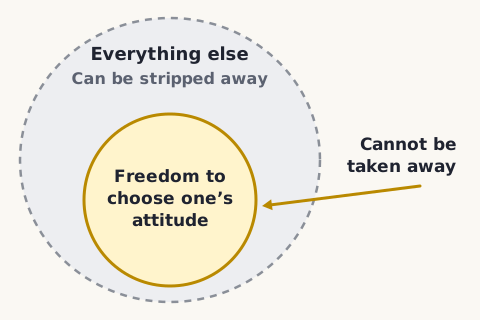
The Last Human Freedom
Frankl's central claim: everything can be stripped from a person except the freedom to choose one's own attitude in any circumstance. He rejected the idea that prisoners were simply products of their environment — how a person bore unavoidable suffering was a real, daily moral choice, and surrendering that inner freedom meant degrading into brutal self-interest.
Living Proof of Moral Freedom
The rare prisoners who walked through the barracks comforting others and offering their last pieces of bread provided undeniable proof that inner spiritual freedom cannot be destroyed by external tyranny.
The Two Races of Men
Frankl's ethical classification stating that humanity is divided strictly into decent people and indecent people, both of which exist across all nations and social groups.
A Decent Commander at Kaufering
Frankl refused to judge entire groups collectively, insisting there are only two kinds of people — decent and indecent — in every nation. As proof among the SS themselves, he pointed to the camp commander at Kaufering, who secretly spent his own money buying medicine for sick prisoners.
A Reason to Live
Frankl leaned on Nietzsche's maxim — "He who has a why to live can bear almost any how" — as a survival principle. When he counseled two despairing, suicidal comrades, he talked them back from the edge by reconnecting each to an unfinished purpose: one to a child waiting for him, the other to an unfinished scientific book series.
Lost Hope, Fatal Collapse
Frankl's block warden, a composer, dreamed in February 1945 that liberation would come on March 30. As that date passed with no rescue, he fell into a fever on March 29, a coma on March 30, and died of typhus on March 31. The same pattern struck the wider camp: mortality spiked after Christmas 1944, when naive hopes of being freed by the New Year were shattered.
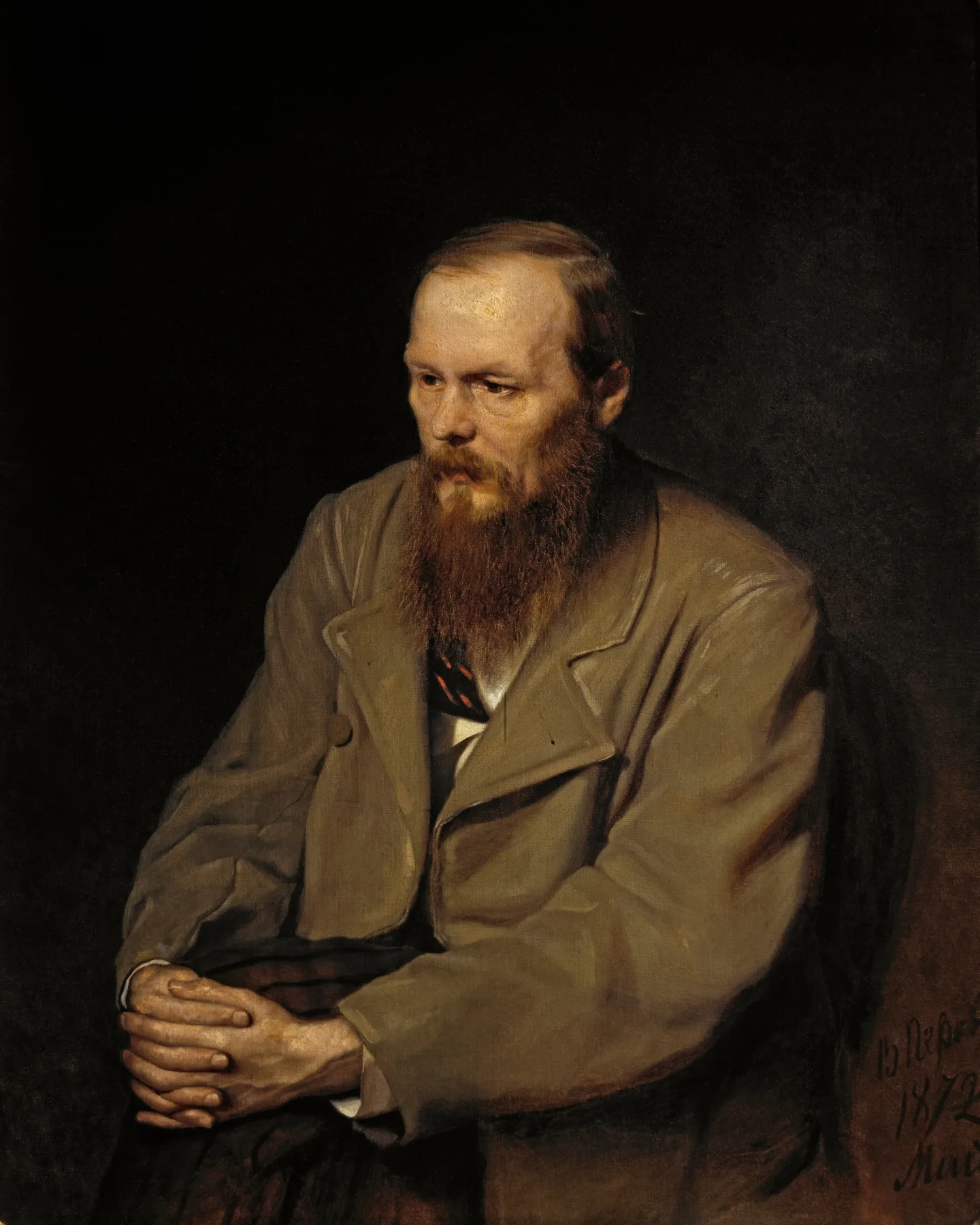
Two Dostoevsky Maxims
Frankl repeatedly turned to Fyodor Dostoevsky for language to describe camp endurance: the observation that human beings are creatures who can get used to almost any condition, and the line Frankl cited as the ultimate moral fear of a suffering soul — "There is only one thing that I dread: not to be worthy of my sufferings."
Liberation and the Onset of Depersonalization
In April 1945, a white flag rose over Türkheim as Allied forces approached and the SS fled. Yet instead of celebration, Frankl and his fellow survivors slipped into Phase Three: a profound depersonalization, where freedom felt like an unreal dream. Decades of emotional blunting meant the psyche simply couldn't switch back to feeling joy right away.
Biological Release: Eating and Talking
The first true sign of freedom wasn't emotional but biological. Liberated prisoners ate ravenously, consuming food continuously from morning to night, and felt an overwhelming compulsion to talk endlessly, unburdening years of trauma to anyone willing to listen.
Moral Deformity After Liberation
The dangerous psychological tendency of some survivors to believe that their extreme past suffering justified lawless actions or vengeance against innocent civilians.
Bitter Homecoming
Returning survivors often met not sympathy but callous indifference — civilians who claimed they "didn't know anything about it" or insisted "we suffered too." This dismissiveness inflicted a fresh wound of its own, deepening survivors' disillusionment as they tried to rebuild among people who refused to reckon with what had happened.
The Fate of Frankl's Family
Returning to Vienna, Frankl learned his entire immediate family had been murdered: his father at Theresienstadt, his mother and brother at Auschwitz, and his wife Tilly at Bergen-Belsen. The only survivor was his sister Stella, who had escaped to Australia before the war.

Spiritual Rebirth: Nothing Left to Fear
Kneeling in an open field after liberation, Frankl recited the 118th Psalm: "I called to the Lord from my narrow prison, and He answered me in the freedom of space." He described this as the crowning experience of a liberated survivor — the profound inner peace of realizing that, having endured the ultimate abyss, there is nothing left in this world to fear except God.
Psychological Decompression: The Diver's Bends
Frankl compared a survivor's psychological recovery to a deep-sea diver's ascent: surface too fast, in either case, and the sudden change in pressure causes real damage. Liberation had to be absorbed gradually and with care, or the abrupt release from years of oppression risked lasting psychological harm.
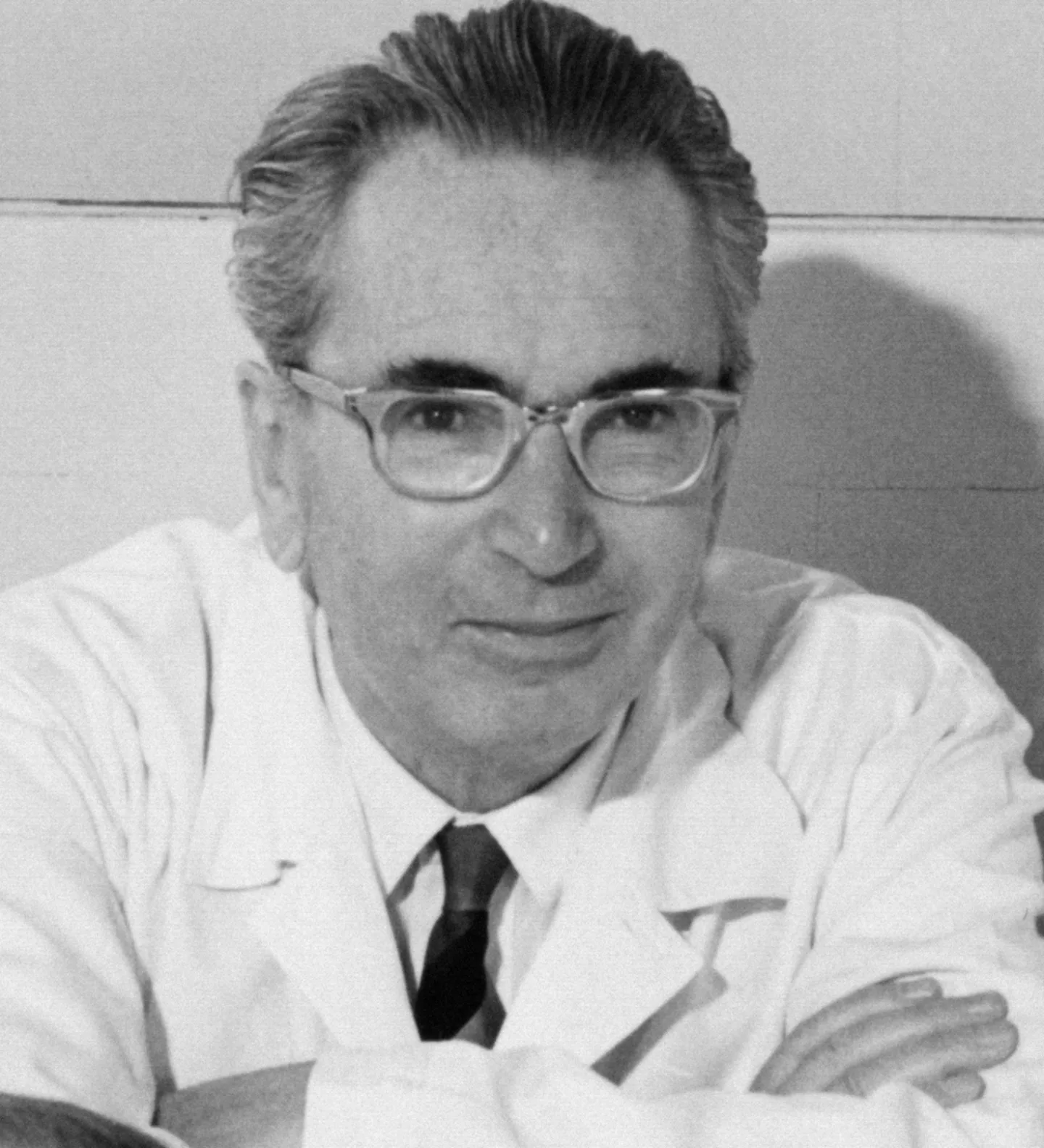
Writing the Book in Nine Days
Back in Vienna in 1945, Frankl dictated the entire original draft of Man's Search for Meaning in just nine days. He initially wanted to publish it anonymously, with only his prisoner number on the cover, hoping it would stand as an objective psychological document, but friends convinced him at the last minute to put his name on it.
Re-Entering Civil Society
Frankl outlined how a survivor should re-enter ordinary life: acknowledge the shock of depersonalization rather than force false joy, rebuild physical strength through food and rest, process grief without collapsing into nihilism, and recommit to meaningful work and responsibility within the human community.
Matched pairs
Each item on the left goes with the one on the right.
- A Why to Live (Nietzsche)
- Bearing Almost Any How
- Hoisting of White Flag
- Liberation at Türkheim Camp
Step by step
Progression of Hopelessness in the Block Warden
- Experience a vivid dream predicting camp liberation on March 30, 1945.
- Observe that military liberation is impossible as March 30 approaches.
- Succumb to sudden fever and delirium on March 29 as hope vanishes.
- Fall into a coma on March 30 and die of typhus on March 31.
Re-entering Civil Society Protocol
- Acknowledge the deep shock of depersonalization without forcing emotional joy.
- Rebuild biological strength through regular nourishment and restful sleep.
- Process profound bereavement and family loss without descending into nihilism.
- Recommit to meaningful creative work and responsibility in the human community.
Self-test
Answer each question from memory, then check your work against the answer key.
1. According to Viktor Frankl, what is the 'last of the human freedoms' that cannot be taken from a person?
- AThe legal entitlement to travel across sovereign international frontiers without restriction
- BThe freedom to choose one's own attitude in any given set of circumstances
- CThe freedom to accumulate material fortunes and private landholdings in civil courts
- DThe constitutional right to publish unregulated political newspapers during wartime
2. What remarkable action was performed by the SS camp commander at the Kaufering subsidiary camp?
- AHe forged international Red Cross passports for every registered inmate in barracks within society
- BHe permanently unlocked the northern electrified fences to allow mass nighttime escapes
- CHe secretly purchased pharmaceutical supplies for inmates using his own personal money
- DHe distributed rifles to senior prisoners to launch an immediate assault on Munich within society
3. Why did camp mortality rates spike dramatically between Christmas 1944 and New Year 1945?
- AA sudden outbreak of avian influenza swept through external German army depots in everyday life
- BAn unprecedented sub-zero blizzard completely destroyed wooden barrack roofs in everyday life
- CIndustrial chemical poisons accidentally contaminated all central camp flour stores
- DWidespread despair when naive hopes of being home for Christmas were shattered
4. How did Frankl successfully intervene when two suicidal comrades expressed intent to end their lives?
- ABy reconnecting them to a waiting child and an unfinished scientific book series
- BBy threatening to report their escape plans to senior Capos at morning roll call
- CBy administering clinical sedative injections smuggled from the SS main clinic within society
- DBy pledging his personal daily bread rations to them for the upcoming month
5. Which classification did Frankl use to reject collective national guilt, seeing both types among SS guards and prisoners alike?
- ADecent people and indecent people
- BEducated people and uneducated people
- CGuilty people and innocent people
- DReligious people and non-religious people
6. Frankl concluded that humanity divides strictly into which two moral categories?
- AVictims and perpetrators of wartime atrocities
- BThe race of decent people and the race of indecent people
- CBelievers and nonbelievers in a higher power
- DSurvivors and those who succumbed to despair
7. Per Frankl's moral classification, where could both decent and indecent men be found?
- AOnly among prisoners, never among camp guards
- BExclusively within Frankl's own religious community
- COnly among the SS guards, never among prisoners
- DAcross every nation and group, SS and inmates alike
8. What were the immediate physiological and behavioral reactions of liberated inmates in the first days of freedom?
- AVoluntary religious fasting and vows of absolute silence in the barracks
- BStaging military parade formations through neighboring Bavarian farming towns
- CEating massive quantities of food ravenously and talking endlessly about trauma
- DApplying immediately for clerical employment in local German municipal banks
9. What painful social reality caused deep bitterness for concentration camp survivors returning to civilian life?
- AEncountering callous indifference from civilians claiming they knew nothing
- BBeing legally expelled to overseas territories under a postwar administrative order
- CBeing automatically drafted into prime ministerial cabinets without election
- DBeing overwhelmed by continuous national parades and public medal ceremonies
10. What psychological state did Frankl and fellow survivors experience immediately upon liberation at Türkheim, instead of joy?
- ASurvivor's guilt
- BPost-traumatic amnesia
- CEuphoric mania
- DDepersonalization
11. What is the ultimate crowning psychological experience of the liberated concentration camp survivor?
- ASecuring supreme executive legislative authority over cities
- BThe profound inner peace that there is nothing left to fear except God
- CAccumulating total control over international banking equities
- DThe absolute satisfaction of executing personal military revenge
12. Frankl compared the psychological danger of an overly abrupt release from camp life to which condition?
- AA mountaineer's altitude sickness on the summit
- BA runner's collapse after a long marathon
- CA diver's decompression sickness
- DA patient's relapse after early discharge
13. Which camp does the text name as where Frankl's wife Tilly died?
- ADachau
- BBergen-Belsen
- CTheresienstadt
- DAuschwitz
14. How did Frankl say a survivor should handle grief after losing an entire family?
- AHonor their memory through responsible, meaningful living
- BReject any further emotional attachment to other people
- CSuppress all memory of the deceased to avoid further pain
- DSeek retribution against those responsible for the deaths
Go deeper
- ReadMan's Search for Meaning by Viktor E. Frankl · on Amazon ↗
- StudyMan's Search for Meaning in the FlashFeed app
These are affiliate links: if you buy a book through one, FlashFeed may earn a small commission at no extra cost to you. The commission helps pay for FlashFeed's servers.
As an Amazon Associate we earn from qualifying purchases.
Answer key
- 1. B The freedom to choose one's own attitude in any given set of circumstances
- 2. C He secretly purchased pharmaceutical supplies for inmates using his own personal money
- 3. D Widespread despair when naive hopes of being home for Christmas were shattered
- 4. A By reconnecting them to a waiting child and an unfinished scientific book series
- 5. A Decent people and indecent peopleFrankl rejected national guilt, insisting only two 'races' exist in every group: decent and indecent people, like the medicine-buying Kaufering commander versus cruel Capos.
- 6. B The race of decent people and the race of indecent peopleFrankl held there are only two races of men — decent and indecent — cutting across every nation and group.
- 7. D Across every nation and group, SS and inmates alikeFrankl rejected collective guilt, insisting decent and indecent people exist among both guards and prisoners, in every nation.
- 8. C Eating massive quantities of food ravenously and talking endlessly about trauma
- 9. A Encountering callous indifference from civilians claiming they knew nothing
- 10. D DepersonalizationPhase 3 of camp psychology was depersonalization: freedom felt unreal, like a dream, because decades of emotional blunting blocked instant joy.
- 11. B The profound inner peace that there is nothing left to fear except God
- 12. C A diver's decompression sicknessFrankl likened the danger of rapid psychological decompression after liberation to a diver suffering from the bends: an abrupt release from extreme oppression risked moral deformity and bitterness, so reintegration had to be patient.
- 13. B Bergen-BelsenFrankl's account states his wife Tilly died at Bergen-Belsen, distinct from where his parents and brother perished.
- 14. A Honor their memory through responsible, meaningful livingFrankl emphasized honoring lost loved ones through responsible living rather than sinking into nihilism.
Sources
- Man's Search for Meaning — Viktor E. Frankl
- Part One: Experiences in a Concentration Camp
Image credits
- The Last Human Freedom: FlashFeed original diagram · CC-BY-4.0
- Two Dostoevsky Maxims: Wikimedia Commons · Vasily Perov · Public domain — commons.wikimedia.org/wiki/File:Vasily_Perov_-_%D0%9F%D0%BE%D1%80%D1%82%D1%80%D0%B5%D1%82_%D0%A4.%D0%9C.%D0%94%D0%BE%D1%81%D1%82%D0%BE%D0%B5%D0%B2%D1%81%D0%BA%D0%BE%D0%B3%D0%BE_-_Google_Art_Project.jpg
- Spiritual Rebirth: Nothing Left to Fear: Orbitalscreams · CC BY-SA 4.0 — commons.wikimedia.org/wiki/File:Sheep_dot_a_green_field_under_a_wide_blue_sky,_with_a_cottage_and_trees_lending_quiet_charm_to_the_rural_scene_near,_Skipton,_Yorkshire,_UK.jpg
- Writing the Book in Nine Days: Prof. Dr. Franz Vesely · CC BY-SA 3.0 de — commons.wikimedia.org/wiki/File:Viktor_Frankl2.jpg


