
U.S. National Parks study guide · Lesson 8 of 27
Lesson 8: Fun Facts & Famous Words
Stuff You'll Want to Repeat · Famous Words
This is the lesson's study guide from the FlashFeed app, plus its key facts and a self-test.
What you'll be able to do
- Recall the parks' most-repeatable surprising facts.
- Identify the unusual places behind the park system's odd trivia.
- Attribute the parks' famous conservation quotes to their authors.
Stuff You'll Want to Repeat
Every national park hides a fact that sounds made up. Here are the ones that survive a fact-check — the kind you'll find yourself repeating at dinner.
Yellowstones Sleeping Giant
Yellowstone sits on one of the largest active volcanic systems on Earth. Beneath the geyser basins, a vast chamber of partly molten rock heats the water that makes Old Faithful blow. That's why the word "supervolcano" gets attached to it — and why doomsday headlines appear every few years. The reality is calmer: the U.S. Geological Survey, which monitors the system constantly, rates the chance of a major near-term eruption as very low. The ground does rise and fall by inches as magma shifts, and small earthquakes are routine, but on any human timescale Yellowstone is simply a very large, very slow, very closely watched giant.
The Park With No Entrance Fee
Great Smoky Mountains is the most-visited national park in the country — more than 12 million visits in 2024 — and it charges no entrance fee. That isn't generosity; it's legal history. In 1951 Tennessee transferred the park's two main roads, Newfound Gap Road and Little River Road, with a ban on tolls, and a federal law bars entrance fees where tolls are barred on a park's primary roads. So while most parks cost money to enter, you can still drive into the Smokies for free. (A parking tag has been required since March 2023 for vehicles that park for more than 15 minutes, but the entry price is still zero.)
The Cave With No Known End
Mammoth Cave, in Kentucky, is the longest known cave system on Earth — and it keeps growing. Not because the rock is changing, but because explorers keep finding and connecting new passages. Each linkage adds to the official mileage, and no one has yet mapped a natural end to the labyrinth. It is a record that is literally still being written, in the dark, one crawlway at a time. Two other underground superlatives round out the theme: Wind Cave in South Dakota was the first cave anywhere designated a national park, back in 1903, famous for its rare honeycomb-like "boxwork" formations.
Bring Your Own Bottle
Hot Springs, Arkansas, earned the nickname "The American Spa" long before the park system existed — people came to soak in its thermal waters. It remains one of the few parks where you can legally collect the resource itself: public fountains let visitors fill bottles straight from the springs. The grand bathhouses along Bathhouse Row preserve the elegance of that spa-town era.
A Park on Loan
The National Park of American Samoa is one of a kind: the United States doesn't own the land. It's leased from local villages, an arrangement found nowhere else in the system. The lease keeps the territory in Samoan hands while protecting its rainforests, coral reefs, and fruit bats — proof that a national park doesn't have to be federal property to be protected.
The Most Urban Park
Gateway Arch became a national park in 2018, making it both the smallest and the most urban in the system. There are no backcountry trails here — the park is essentially Eero Saarinen's 630-foot stainless-steel arch on the St. Louis riverfront, a monument to westward expansion that visitors can ride to the top of.
Where the Stones Walk
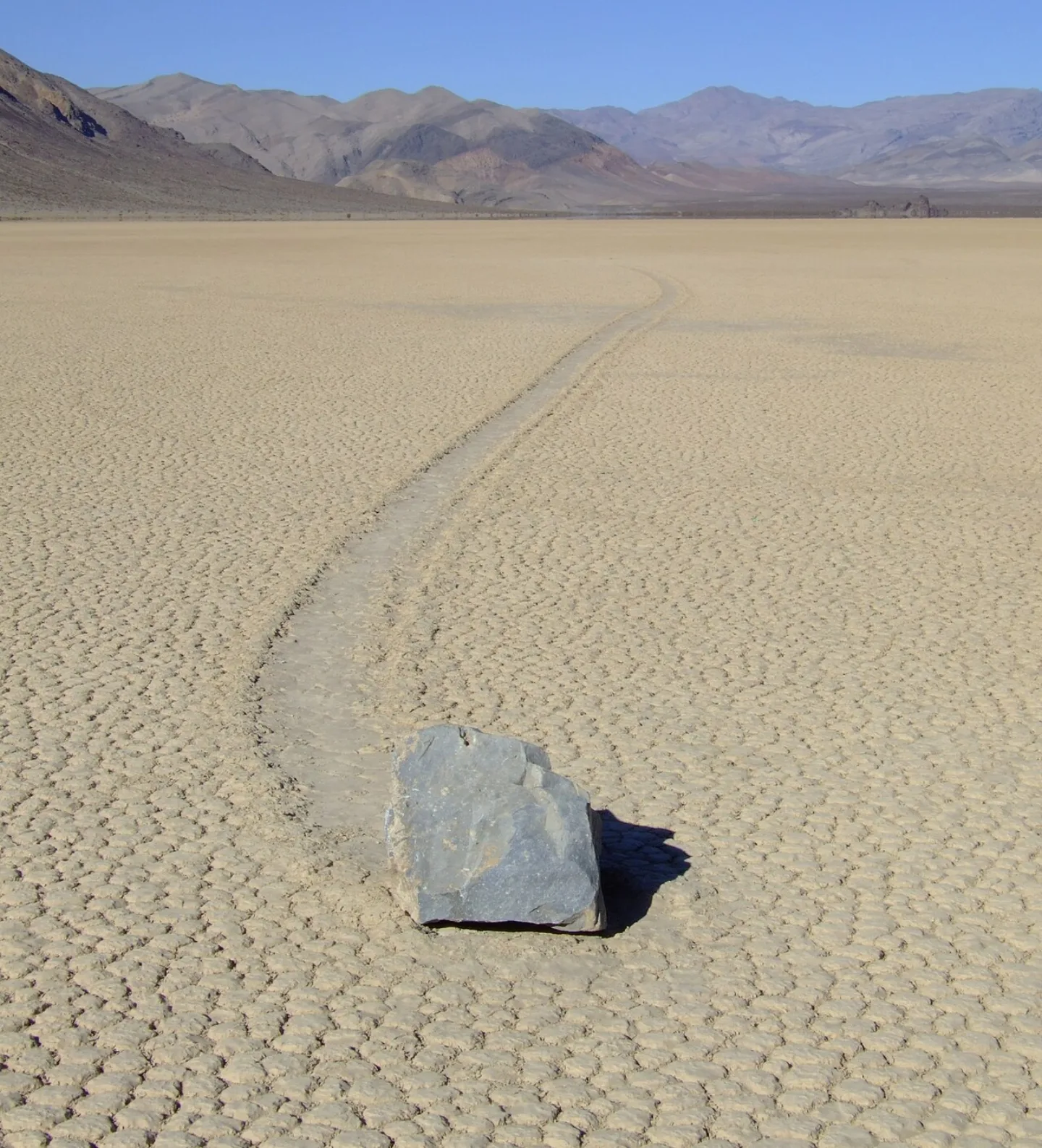
Death Valley is among the hottest and driest places on the planet, yet its strangest feature is cold and quiet: on the Racetrack Playa, heavy rocks leave long trails across the dried mud, as if they had strolled off on their own. The puzzle stood for decades. In 2014, researchers finally filmed the answer — thin sheets of overnight ice, nudged by light wind, glide the stones across the slick surface.
Famous Words
The national parks have a way of leaving people grasping for language. Across more than a century, the best attempts have come from writers, naturalists, and presidents — and the strongest lines have outlived everyone who said them.
Words for the Wild
Why do the parks inspire so much quotable prose? Partly because they ask a hard question — what is wild land for? — and partly because the people drawn to answer it were unusually good with words. John Muir wandered the Sierra and came back a poet of granite and light. Theodore Roosevelt stood at the rim of the Grand Canyon and spoke like a man defending something sacred. Decades later, the novelist Wallace Stegner distilled the whole experiment into a single famous phrase. The lines below are the ones people still repeat — at trailheads, on posters, and in the speeches of every generation that has fought to keep these places intact.
Wallace Stegner (1983) gave the parks their most quoted endorsement: "The national parks are the best idea we ever had. Absolutely American, absolutely democratic, they reflect us at our best." The power of the line is in that word democratic — the parks belong to everyone, regardless of wealth, which is exactly what made the idea radical.
John Muir appears twice, because no one wrote about wilderness more memorably. From My First Summer in the Sierra (1911) comes his most-quoted ecological insight: "When we try to pick out anything by itself, we find it hitched to everything else in the Universe." It reads today like a one-sentence summary of ecology, written before the word was in common use. Lighter and more inviting is his call to "Climb the mountains and get their good tidings" — a line that has launched a million hikes.
The parks also moved two presidents named Roosevelt. Theodore Roosevelt, standing at the Grand Canyon in 1903, issued a plea that became a conservation creed: "Leave it as it is. The ages have been at work on it, and man can only mar it." He understood the canyon as the work of deep time, something human hands could only diminish. A generation later, Franklin D. Roosevelt (1936) framed the parks as a national birthright: "There is nothing so American as our national parks... the country belongs to the people." Between the two quotations runs the same thread Stegner named — that these landscapes are not the property of a few, but the shared inheritance of all.
When you study these, keep the speakers straight: Stegner the novelist, Muir the wandering naturalist, and the two Roosevelts — Theodore at the canyon rim in 1903, Franklin proclaiming the parks the people's own in 1936.
Key concepts
Hot Springs
- This park earned the nickname 'The American Spa' long before the park system even existed.
- Visitors came to soak in its thermal waters, and grand bathhouses still line its historic row.
- It's one of the few parks where you can legally fill a bottle from public fountains — in Arkansas.
National Park of American Samoa
- This is the only unit in the system where the United States does not own the land.
- It is leased from local villages, an arrangement found nowhere else in the parks.
- The lease protects rainforests, coral reefs, and fruit bats on a South Pacific territory.
Racetrack Playa
- At this eerie spot, heavy rocks leave long trails across dried mud, as if they had strolled off alone.
- The riddle of the moving stones baffled people for decades.
- In 2014, researchers filmed thin overnight ice sheets, nudged by wind, gliding the rocks across this Death Valley flat.
Key facts
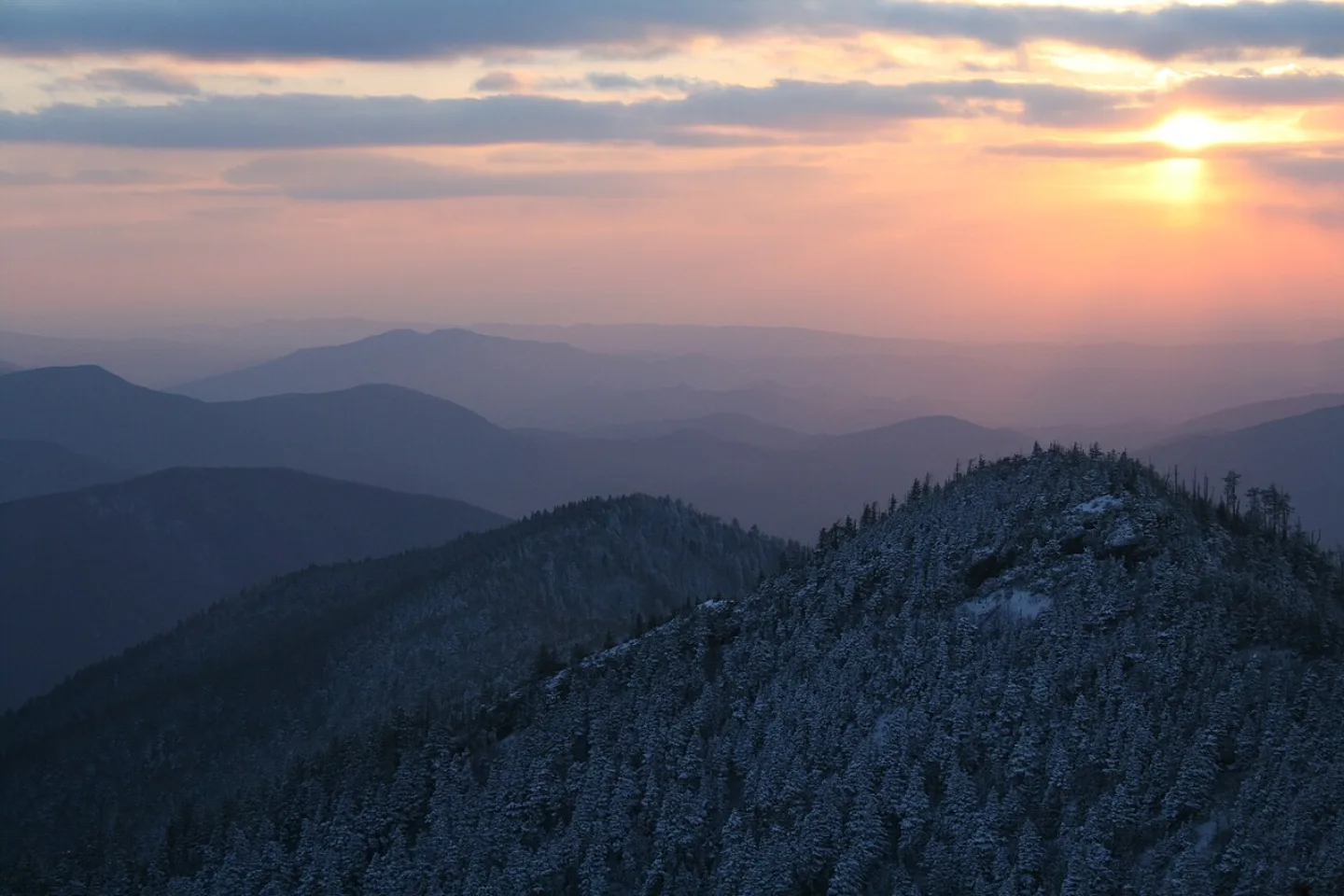
The Park With No Entrance Fee
Great Smoky Mountains charges no entrance fee: Tennessee's 1951 deed for its two main roads bars tolls on them, and a federal law bars entrance fees where tolls are barred. That free admission helps make it the most-visited national park in the country, with more than 12 million visits in 2024. (A parking tag has been required since March 2023 to park for more than 15 minutes, but getting in still costs nothing.)
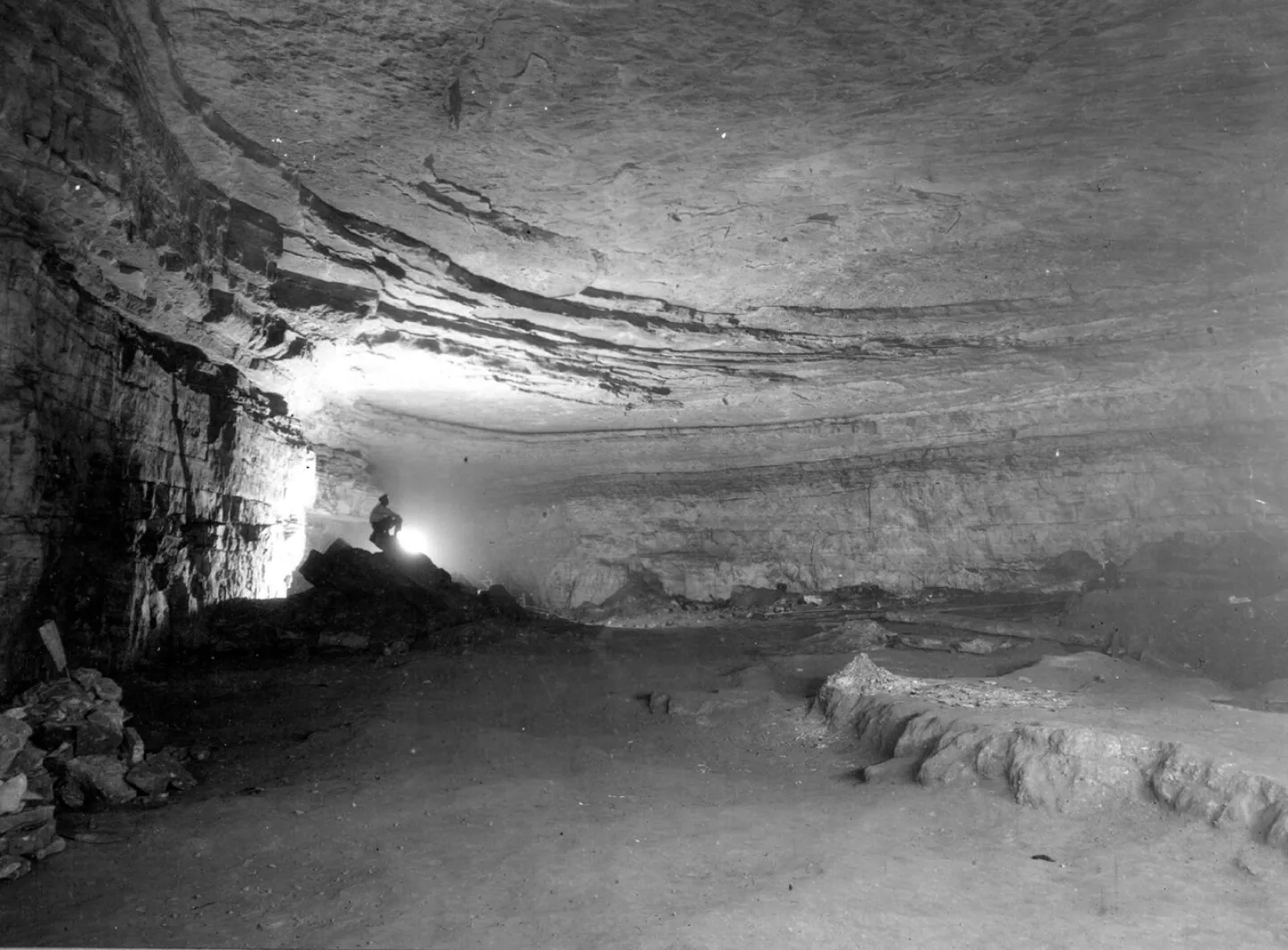
The Cave With No Known End
Mammoth Cave is the longest known cave system on Earth, and it keeps getting longer — every time explorers connect a new passage, the official length grows. No one has yet mapped a natural end to it. It is, quite literally, a record still being written underground.
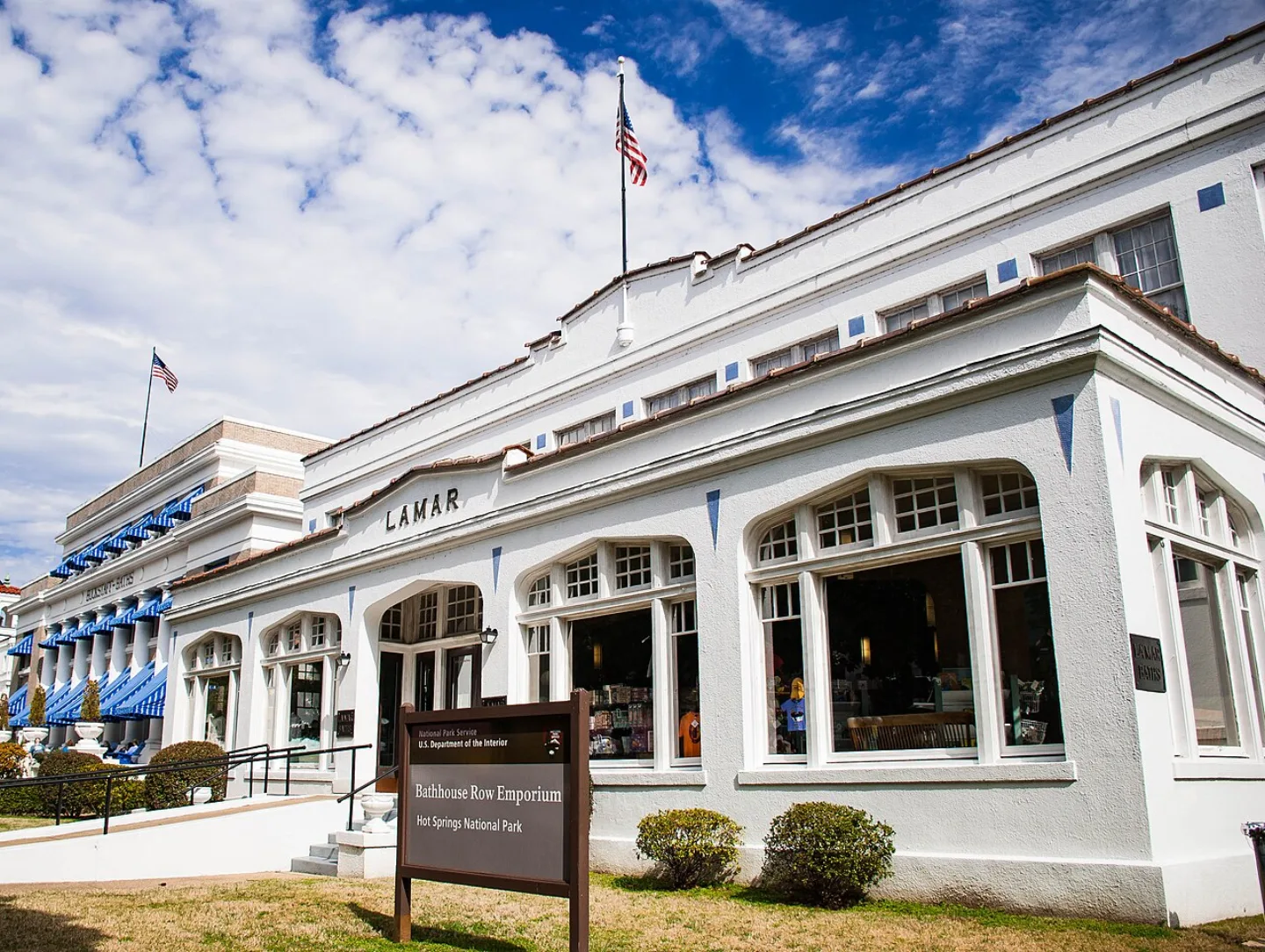
Bring Your Own Bottle
Hot Springs, Arkansas, is sometimes called "The American Spa." It's one of the few national parks where you can legally fill your own bottle straight from the source — public fountains let visitors collect the same thermal spring water that drew bathers here long before it was a park.
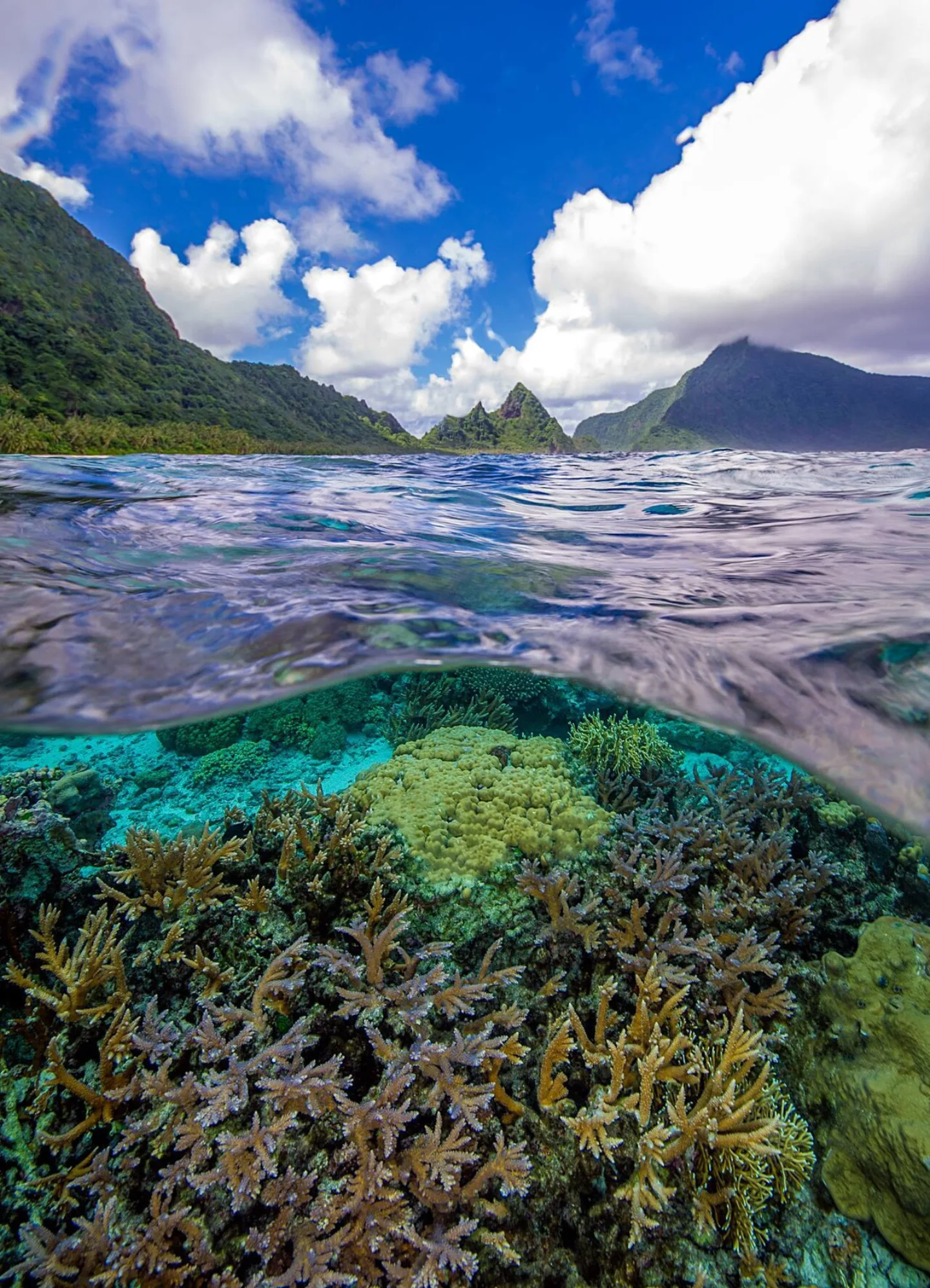
A Park on Loan
The National Park of American Samoa is unique in the entire system: the United States doesn't own it. Instead it's leased from local villages, an arrangement that keeps the land in the hands of the Samoan community while protecting its rainforests, coral reefs, and flying foxes.
Where the Stones Walk
Death Valley is one of the hottest and driest places on Earth — yet on its Racetrack Playa, heavy rocks leave long trails across the dried mud, as if they had wandered off on their own. The mystery held for decades until 2014, when scientists caught it on camera: thin overnight ice sheets, nudged by light wind, slide the stones along.
Words for the Wild
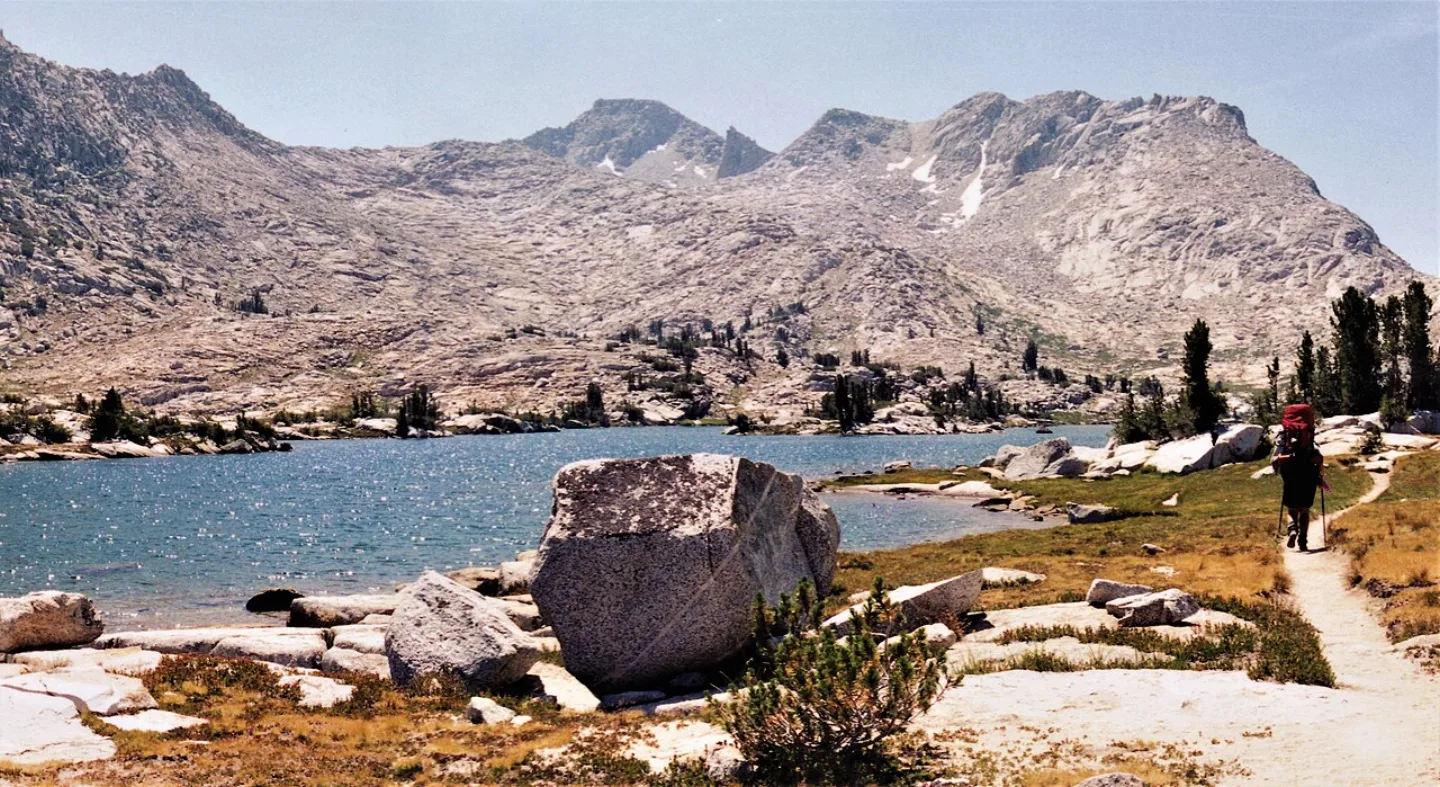
The national parks have always inspired great lines. Writers, naturalists, and presidents have tried to put the idea into words — from John Muir wandering the Sierra to Theodore Roosevelt standing at the Grand Canyon. The quotes that follow are the ones people still repeat a century later.
Roosevelt at the Canyon
Standing at the Grand Canyon in 1903, President Theodore Roosevelt urged Americans to "Leave it as it is," warning that the ages had shaped the canyon and people could only mar it.
A Novelist's Praise
Novelist Wallace Stegner gave the parks their most-quoted endorsement in 1983, calling them "the best idea we ever had... Absolutely American, absolutely democratic, they reflect us at our best."
Muir on Connection
In 'My First Summer in the Sierra' (1911), John Muir wrote, "When we try to pick out anything by itself, we find it hitched to everything else in the Universe" — a line that reads like ecology before the word existed.
FDR's Declaration
In 1936, Franklin D. Roosevelt declared, "There is nothing so American as our national parks... the country belongs to the people," framing the parks as a national birthright.
By the numbers
- In what year did Wind Cave become the world's first cave designated a national park?
- 1903 year
Matched pairs
Each item on the left goes with the one on the right.
- Most-visited park with no entrance fee
- Great Smoky Mountains
- World’s longest known cave system
- Mammoth Cave (Kentucky)
- "The national parks are the best idea we ever had. Absolutely American, absolutely democratic, they reflect us at our best."
- Wallace Stegner (1983)
- "When we try to pick out anything by itself, we find it hitched to everything else in the Universe."
- John Muir (1911)
- "Climb the mountains and get their good tidings."
- John Muir
- "Leave it as it is. The ages have been at work on it, and man can only mar it." (on the Grand Canyon)
- Theodore Roosevelt (1903)
- "There is nothing so American as our national parks... the country belongs to the people."
- Franklin D. Roosevelt (1936)
Self-test
Answer each question from memory, then check your work against the answer key.
1. Great Smoky Mountains is the most-visited U.S. national park, yet it charges no entrance fee. Why?
- AIt is fully funded by the state of Tennessee
- BA toll ban in Tennessee's 1951 road deed, backed by federal law
- CIts charter predates the national entrance-fee system
- DCongress waives fees at the single most-visited park each year
2. In what year did Wind Cave, in South Dakota, become the world's first cave designated a national park?
- A1916
- B1872
- C1903
- D1926
3. Which national park protects the longest known cave system on Earth — one that keeps getting longer as explorers connect new passages?
- AMammoth Cave (Kentucky)
- BJewel Cave (South Dakota)
- CCarlsbad Caverns (New Mexico)
- DWind Cave (South Dakota)
4. Yellowstone's 'supervolcano' fuels doomsday headlines, but what does the U.S. Geological Survey — which monitors it constantly — say about a major near-term eruption?
- AAn eruption is overdue
- BThe risk is rising sharply
- CIt is likely within 50 years
- DThe risk is very low
5. Which of these surprising cave facts is NOT true?
- AWind Cave is the longest known cave system on Earth
- BMammoth Cave keeps getting longer as explorers connect new passages
- CGreat Smoky Mountains charges no entrance fee
- DWind Cave, in South Dakota, was the first cave designated a national park
6. At which national park, nicknamed 'The American Spa,' can visitors legally fill their own bottles straight from public thermal-spring fountains?
- ADeath Valley
- BYellowstone
- CHot Springs
- DMammoth Cave
7. On which Death Valley feature do heavy rocks leave long trails across dried mud, as if they had strolled off on their own?
- ABathhouse Row
- BBadwater Basin
- CBonneville Salt Flats
- DRacetrack Playa
8. Which unusual park is leased from local villages rather than owned by the federal government, protecting rainforests, coral reefs, and fruit bats?
- ARacetrack Playa
- BNational Park of American Samoa
- CGateway Arch
- DHot Springs
9. In 2014 researchers finally filmed what moves the 'sailing stones' of Racetrack Playa. What was it?
- AThin overnight ice sheets nudged by light wind
- BStrong underground magnetic fields
- CSeismic tremors shaking the playa
- DFlash-flood water currents
10. Which pairing of an unusual place with its claim to fame is INCORRECT?
- AAmerican Samoa — leased from local villages
- BRacetrack Playa — rocks leave trails as if they walked
- CRacetrack Playa — the first cave designated a national park
- DHot Springs — visitors can legally bottle its thermal spring water
11. Who urged Americans to "Leave it as it is" while standing at the Grand Canyon in 1903?
- AJohn Muir
- BFranklin D. Roosevelt
- CWallace Stegner
- DTheodore Roosevelt
12. Who called the national parks 'the best idea we ever had... Absolutely American, absolutely democratic, they reflect us at our best'?
- AJohn Muir
- BWallace Stegner
- CFranklin D. Roosevelt
- DTheodore Roosevelt
13. Who wrote, 'When we try to pick out anything by itself, we find it hitched to everything else in the Universe'?
- ATheodore Roosevelt
- BWallace Stegner
- CJohn Muir
- DFranklin D. Roosevelt
14. Who declared in 1936, 'There is nothing so American as our national parks... the country belongs to the people'?
- AWallace Stegner
- BFranklin D. Roosevelt
- CTheodore Roosevelt
- DJohn Muir
15. The parks moved two presidents named Roosevelt. Which statement correctly separates them?
- ATheodore spoke at the Grand Canyon in 1903; Franklin called the parks the people's in 1936
- BFranklin spoke at the Grand Canyon in 1903; Theodore in 1936
- CTheodore declared 'the country belongs to the people' in 1936
- DBoth quotations came from Theodore Roosevelt
Go deeper
- WatchWhere the Stones Walk Death Valley is among the hottest and driest places on the planet. Yet its strangest feature is cold and quiet.
- WatchThe Best Idea The national parks are the best idea we ever had. That's their most quoted line, from the novelist Wallace Stegner, in 1983.
- StudyU.S. National Parks in the FlashFeed app
Answer key
- 1. B A toll ban in Tennessee's 1951 road deed, backed by federal lawIn 1951 Tennessee transferred Newfound Gap Road and Little River Road, the park's main roads, with a ban on tolls, and federal law bars entrance fees where tolls are barred on primary park roads. Entry stays free, though a parking tag has been required since 2023 to park over 15 minutes.
- 2. C 1903Wind Cave was the first cave anywhere designated a national park, back in 1903 — famous for its rare honeycomb-like 'boxwork' formations.
- 3. A Mammoth Cave (Kentucky)Mammoth Cave in Kentucky is the longest known cave system on Earth, and no one has mapped a natural end to it — the record is still being written underground.
- 4. D The risk is very lowThe USGS, which monitors Yellowstone constantly, rates the chance of a major near-term eruption as very low. The ground breathes and small quakes are routine, but on any human timescale it's a slow, closely watched giant.
- 5. A Wind Cave is the longest known cave system on EarthMammoth Cave — not Wind Cave — is the longest known cave system on Earth. Wind Cave's claim to fame is being the first cave designated a national park (1903). The other three facts are all accurate.
- 6. C Hot SpringsHot Springs, Arkansas, is one of the few parks where you can legally collect the resource itself — public fountains let visitors fill bottles from the thermal springs.
- 7. D Racetrack PlayaOn Death Valley's Racetrack Playa, heavy 'sailing stones' leave trails across the dried mud. Badwater Basin is Death Valley's low point, but the walking-rocks puzzle belongs to the Racetrack.
- 8. B National Park of American SamoaThe National Park of American Samoa is leased from local villages — proof a national park need not be federal property to be protected.
- 9. A Thin overnight ice sheets nudged by light windIn 2014 researchers filmed the answer: thin sheets of overnight ice, nudged by light wind, glide the stones across the slick surface.
- 10. C Racetrack Playa — the first cave designated a national parkRacetrack Playa is Death Valley's walking-stones site, not a cave — the first cave designated a national park was Wind Cave (1903). The other three pairings are correct.
- 11. D Theodore RooseveltPresident Theodore Roosevelt spoke those words at the Grand Canyon in 1903, warning that the ages had shaped it and people could only mar it.
- 12. B Wallace StegnerNovelist Wallace Stegner gave the parks their most-quoted endorsement in 1983; the power of the line is in that word 'democratic.'
- 13. C John MuirJohn Muir wrote it in My First Summer in the Sierra (1911) — it reads like a one-sentence summary of ecology, written before the word was in common use.
- 14. B Franklin D. RooseveltFranklin D. Roosevelt (1936) framed the parks as a national birthright. Theodore Roosevelt's famous park line was 'Leave it as it is,' at the Grand Canyon in 1903.
- 15. A Theodore spoke at the Grand Canyon in 1903; Franklin called the parks the people's in 1936Theodore Roosevelt stood at the Grand Canyon rim in 1903 ('Leave it as it is'); Franklin D. Roosevelt proclaimed the parks the people's own in 1936.
Sources
- U.S. National Parks — Fun Facts & Attributed Quotes
- U.S. National Parks — Fun Facts
Image credits
- The Park With No Entrance Fee: Aviator31 · Public domain — en.wikipedia.org/wiki/Great_Smoky_Mountains
- The Cave With No Known End: Willis Thomas Lee · Public domain — commons.wikimedia.org/wiki/File:Mammoth_Cave_Rotunda_(USGS_Lwt02830).jpg
- Bring Your Own Bottle: SaraDGarland · CC BY-SA 4.0 — commons.wikimedia.org/wiki/File:Bathhouse_Row,_Lamar,_Hot_Springs_National_Park,_Arkansas.jpg
- A Park on Loan: National Park Service · Public domain — commons.wikimedia.org/wiki/File:National_Park_of_American_Samoa.jpg
- Where the Stones Walk: Lgcharlot · CC BY-SA 4.0 — commons.wikimedia.org/wiki/File:Racetrack_Playa_in_Death_Valley_National_Park.jpg
- Words for the Wild: Will Keightley · CC BY-SA 2.0 — commons.wikimedia.org/wiki/File:Marie_Lake,_John_Muir_Trail.jpg


