
Rich Dad Poor Dad study guide · Lesson 5 of 6
Inventing Money & Developing Synergistic Skills
Financial Creativity, Asymmetric Deals & Risk Management · Working to Learn: Sales, Marketing & Systems
Unofficial study guide for Rich Dad Poor Dad: What the Rich Teach Their Kids About Money That the Poor and Middle Class Do Not by Robert T. Kiyosaki. FlashFeed is not affiliated with the author or publisher.
This is the lesson's study guide from the FlashFeed app, plus its key facts and a self-test.
What you'll be able to do
- Explain how professional deal creators raise capital through syndicates, private equity, and seller financing, and structure asymmetric risk (capped downside).
- Explain why Kiyosaki says to work to learn rather than to earn, why sales and marketing matter most, and name the three critical management systems.
Lesson 5: Inventing Money & Developing Synergistic Skills
Financial Creativity, Asymmetric Deals & Risk Management
Every human being possesses innate financial genius, but in modern society that genius is routinely suppressed by academic conditioning, fear of making mistakes, and pervasive self-doubt. Kiyosaki observes that in the real world, it is rarely the most academically brilliant or credentialed individuals who achieve extraordinary wealth; rather, it is the bold, creative, and courageous.
"Inventing money" is the sophisticated art of creating profitable transactions, generating equity, and assembling cash-flowing assets through intellectual innovation, negotiation, and market insight without relying strictly on accumulated personal savings.
In historical eras, wealth was directly tethered to tangible physical inputs:
- In the Agrarian Age, wealth was controlled by those who owned fertile land and agricultural labor.
- In the Industrial Age, wealth belonged to industrial titans who controlled factories, oil refineries, railway networks, and heavy machinery.
- In the modern Information Age, wealth is generated through specialized knowledge, actionable data, intellectual property, and speed of execution. Money is no longer a physical commodity; it is an agreed-upon concept structured through legal agreements and financial engineering.
Kiyosaki identifies two distinct categories of investors participating in the global economy:
- The first type of investor (packaged retail buyers): The overwhelming majority of consumers who call a commercial stockbroker, banker, or financial planner to purchase pre-packaged mutual funds, ETFs, or REITs. While convenient, packaged retail products carry management fees and provide standard retail yields.
- The second, more professional type of investor (deal creators): Sophisticated investors who assemble transactions piece-by-piece from raw market opportunities. They identify distressed properties, negotiate seller financing, structure corporate partnerships, and capture wholesale, asymmetric returns.
To operate successfully as this second, more professional type of investor, an individual must master three foundational capabilities:
- Finding Opportunities That Everyone Else Missed: Training the analytical mind to spot hidden value where the untrained public sees only blight, distress, or complexity.
- Raising Capital and Structuring Creative Financing: Raising investment capital through syndicates, private equity, and seller financing without relying on traditional commercial bank debt.
- Organizing Smart People: Assembling and leading multidisciplinary teams of attorneys, CPAs, property managers, and engineers who possess specialized technical knowledge far superior to the investor's own.
Risk is an inseparable reality of financial markets, but financial education teaches an investor how to manage and mitigate risk rather than retreating in fear. By structuring asymmetric risk-reward profiles—where downside loss is strictly capped while upside potential remains uncapped—an investor can generate substantial returns across both bull and bear market cycles.
Working to Learn: Sales, Marketing & Systems
A primary tragedy of modern professional education is the Specialization Trap. Highly educated specialists—such as research scientists, graphic designers, software engineers, and writers—frequently spend their lives mastering a single technical discipline, only to find themselves "one skill away from great wealth" because they lack basic commercial competencies.
Kiyosaki illustrates this dilemma through an encounter with a brilliant journalist in Singapore. The journalist wrote beautifully crafted articles but struggled with meager earnings. When Robert suggested she attend a professional seminar on direct sales and advertising, she reacted with indignation, declaring that sales was a vulgar, manipulative activity beneath a serious artist. Robert quietly pointed to the cover of his book, noting:
"It says 'Best-Selling Author,' not 'Best-Writing Author.' I am a terrible writer; you are a brilliant writer. But I know how to sell and market, which is why my book reaches millions while your manuscripts remain unread."
To achieve lasting financial sovereignty, an individual must adopt the governing career philosophy: "Work to learn, not work to earn." Rather than selecting employment based strictly on the immediate salary offered, ambitious individuals should choose career positions based on the transferable operational and commercial skills the job teaches.
Robert modeled this philosophy in his own career:
- After graduating from the U.S. Merchant Marine Academy at Kings Point, he accepted a commission in the U.S. Marine Corps, serving as a helicopter gunship pilot in Vietnam to master leadership, crisis management, troop command, and operational courage under fire.
- In 1974, upon returning to civilian life, Robert intentionally joined Xerox Corporation as an entry-level sales representative. He took the position specifically to conquer his intense, crippling fear of personal rejection and master the mechanics of consultative direct selling. Within four years, he overcame his fear, rising to become one of Xerox's top-performing sales representatives.
Sales and Marketing represent the single most important commercial skill set an entrepreneur can master. The ability to communicate persuasively with customers, negotiate with vendors, inspire employees, and present opportunities to investors is the lifeblood of business survival.
Furthermore, successful enterprise ownership requires mastering the Three Critical Management Systems:
- Management of Cash Flow: Engineering operational safeguards that ensure adequate working capital liquidity and positive operating margins through all seasonal cycles.
- Management of Systems: Architecting standard operating procedures (SOPs), software workflows, and repeatable operational systems that allow the enterprise to run autonomously without the owner's physical intervention.
- Management of People: Inspiring, delegating to, and leading high-performance teams while establishing clear metrics of organizational accountability.
Finally, Kiyosaki celebrates the "Texan Attitude Toward Failure." In Texas, people honor the legendary stand at the Alamo, treating defeat as a badge of honor that fuels future victory. In financial enterprise, failure inspires winners to analyze mistakes, sharpen their skills, and achieve greater triumphs, whereas failure crushes losers and drives them back into defensive wage employment.
Key terms
- Inventing Money
- The sophisticated art of creating profitable transactions, generating equity, and assembling assets through negotiation and insight without relying strictly on personal savings.
- Packaged Investor
- A retail buyer who contacts a stockbroker, bank manager, or financial planner to purchase pre-packaged mutual funds, ETFs, or REITs.
- Type Two Investor
- A professional deal creator who assembles transactions piece-by-piece from raw market opportunities, capturing wholesale asymmetric returns.
- Work to Learn, Not to Earn
- The career philosophy of choosing employment based on the vital operational and commercial skills taught rather than the immediate wage paid.
- Three Core Management Systems
- The essential enterprise operational triad: management of cash flow, management of systems, and management of people.
Key facts
Suppression of Innate Financial Genius
Every human possesses innate financial genius, but that capability is frequently stifled by cultural conditioning, fear of mistakes, and self-doubt.
Compare wealth's primary driver in the Industrial Age versus the Information Age
Industrial Age Wealth — Driven by ownership of tangible physical factories, refineries, and heavy machinery.
Information Age Wealth — Driven by actionable ideas, specialized knowledge, and speed of digital execution.
Money as a Mental Concept
Money is not a fixed physical reality; it is an agreed-upon mental concept that can be generated through intellectual innovation and legal agreement.
Organizing Smarter Talent
Skill Three is organizing smart people, assembling and leading attorneys, accountants, and property managers who are significantly more technically knowledgeable than the investor.
Perceiving with the Mind
Extraordinary investment opportunities are not seen with physical eyes; they are perceived through a trained mind with high financial literacy.
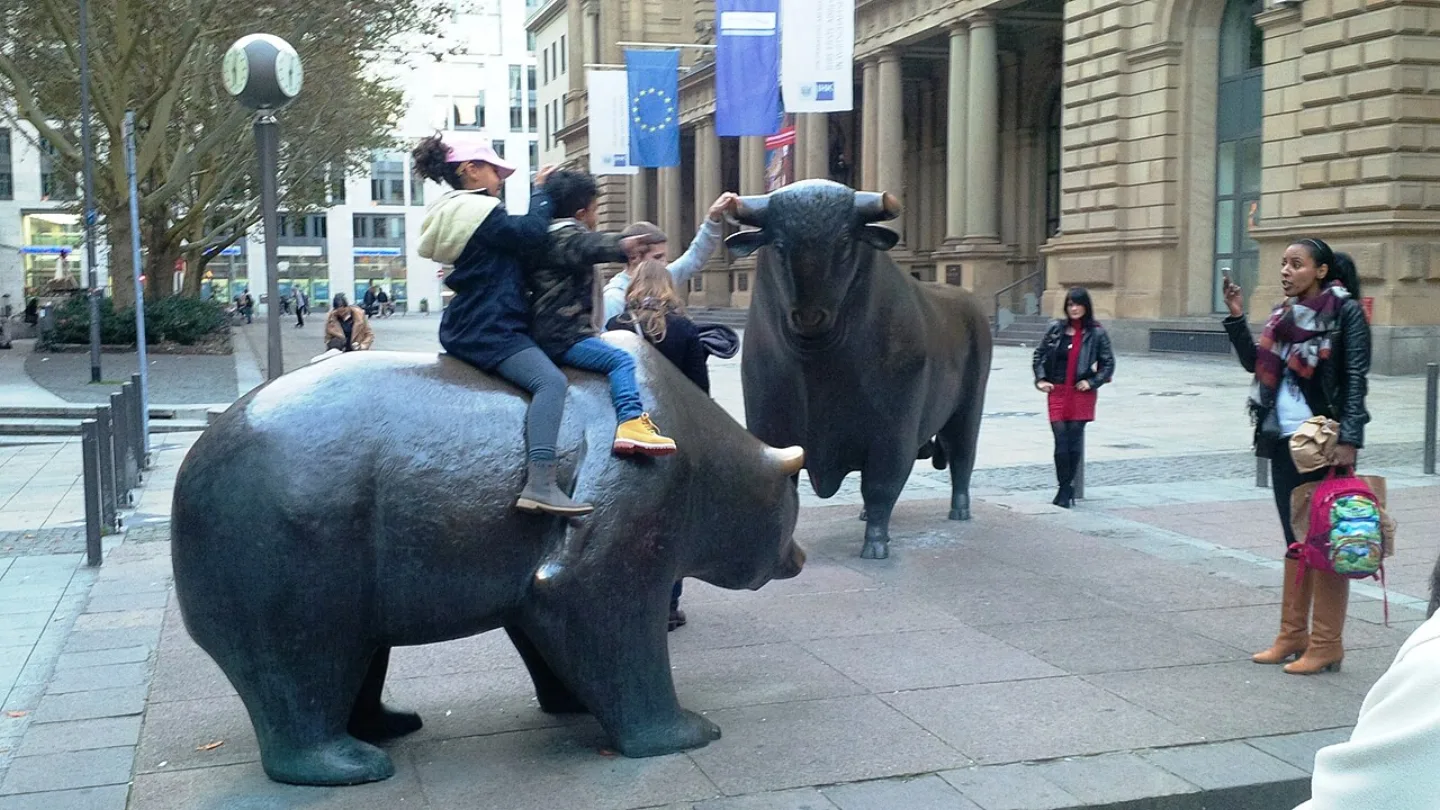
Asymmetric Risk-Reward Structuring
Investors who master transaction structuring and asymmetric risk-reward can generate profits in expanding bull markets and contracting bear markets.
Financial Creativity as an Edge
Cultivating financial creativity turns market obstacles into intellectual opportunities that yield outsized financial returns.

The Specialization Trap
Highly educated professionals frequently become trapped by over-specialization, remaining 'one skill away from great wealth' due to lack of commercial abilities.

The Singapore Journalist Encounter
Robert advised a brilliant journalist struggling financially to take courses in direct sales and advertising to commercialize her writing talent.
Marine Corps Leadership Crucible
After graduating from Kings Point, Robert joined the U.S. Marine Corps to master leadership, crisis management, and troop command under pressure.
Sales as the Foundational Skill
Sales and marketing represent the single most important specialized commercial skills an entrepreneur must master to ensure business viability.
The Texan Attitude to Failure
Kiyosaki commended the 'Texan attitude toward failure,' noting that Texans celebrate the courage of the Alamo and treat financial losses as tuition for future success.
Compare how winners versus losers respond to financial setbacks.
Winners' Response to Loss — Inspired by failure to analyze mistakes, sharpen skills, and persist toward victory.
Losers' Response to Loss — Crushed by failure, retreating defensively into the perceived safety of wage employment.
The Synthesis of Technical and Commercial Skills
Synthesizing deep technical competence with sales, marketing, and leadership systems creates an invincible foundation for scalable wealth creation.
Step by step
Three Skills of the Professional Investor
- Find an overlooked investment opportunity that the broader market has missed.
- Raise capital and structure creative financing without relying on retail bank debt.
- Organize and lead smart, technically proficient professionals (attorneys, CPAs, operators).
Cash Flow System Protocols
- Monitor daily accounts receivable collections and vendor payment disbursements.
- Maintain a cash reserve buffer to protect against unexpected liquidity crunches.
- Ensure operating profit margins remain positive across all seasonal sales cycles.
Systems Management Protocols
- Document standard operating procedures for every operational role.
- Implement software and automation workflows to streamline order fulfillment.
- Ensure the business operates reliably without requiring daily owner intervention.
People Management Protocols
- Recruit and hire individuals who possess specialized technical skills.
- Delegate operational authority while establishing clear performance metrics.
- Inspire team members around a compelling shared organizational mission.
Self-test
Answer each question from memory, then check your work against the answer key.
1. Which investor type assembles deals piece-by-piece from raw opportunities to capture wholesale, asymmetric returns?
- APassive Index Investor
- BPackaged Investor
- CType Two Investor
- DRetail Fund Buyer
2. In the historical ages of wealth, what drove wealth in the Industrial Age?
- AFertile land and agricultural labor
- BDigital execution speed
- CSpecialized data and intellectual property
- DOwnership of factories and machinery
3. Finding overlooked opportunities means training the mind to spot hidden value where the untrained public sees only blight, distress, or what?
- ABankruptcy
- BComplexity
- CDepreciation
- DLitigation
4. Financial education teaches investors to manage and do what to risk, rather than avoid it entirely?
- AMitigate it
- BInsure it
- CEliminate it
- DDiversify it
5. In an asymmetric risk-reward deal, downside loss is capped while upside potential is described as what?
- AGuaranteed
- BInsured
- CDiversified
- DUncapped
6. Which financing sources does Kiyosaki say Type Two investors use instead of traditional bank debt?
- APersonal credit cards and payday loans
- BSyndicates, private equity, and seller financing
- CCentral bank overnight lending facilities
- DFederal Reserve discount window loans
7. What is the second of the three capabilities required to operate as a professional investor who assembles their own deals?
- AReading corporate balance sheets
- BOrganizing skilled attorneys, CPAs, and property managers into a team
- CRaising capital and structuring creative financing
- DFinding opportunities that everyone else missed
8. In an asymmetric risk-reward structure, how are downside loss and upside potential typically arranged?
- ADownside is strictly capped while upside stays uncapped
- BBoth downside and upside float freely, unstructured
- CDownside and upside are capped at the same fixed rate
- DDownside is unlimited while upside is capped at cost
9. According to Kiyosaki, financial education teaches an investor to do what with market risk, rather than avoid it entirely?
- AManage and mitigate it
- BIgnore it and diversify blindly
- CDelegate all risk decisions to a licensed financial advisor
- DTransfer it entirely to lenders
10. What career philosophy says to choose jobs based on skills taught rather than immediate salary?
- AWork to Earn, Not to Learn
- BWork to Learn, Not to Earn
- CPay Yourself First
- DSalary Optimization
11. Kiyosaki told the Singapore journalist his book succeeded not because of his writing but because of which skill?
- APublic relations
- BNetworking
- CSales and marketing
- DNegotiation training
12. Which is NOT one of the three core management systems for running an enterprise?
- AManagement of People
- BManagement of Systems
- CManagement of Cash Flow
- DManagement of Marketing
13. Persuasive what with customers, employees, and investors differentiates high-growth ventures?
- ANegotiation
- BDocumentation
- CCompensation
- DCommunication
14. According to the 'Texan Attitude,' how do winners typically respond to financial failure?
- AThey analyze mistakes and sharpen skills
- BThey avoid risk-taking permanently
- CThey blame external market conditions
- DThey retreat into wage employment
15. What paired commercial skill set does Kiyosaki call the single most important for an entrepreneur to master?
- AAccounting and Investing
- BSales and Marketing
- CSystems and Leadership
- DThe Law and Real Estate
16. In the Singapore journalist story, what did Robert say explains why his book reached millions of readers while her manuscripts went unread?
- AWriting in a more entertaining style
- BReleasing it during a bestseller season
- CKnowing how to sell and market it
- DHaving a more prestigious publisher
Go deeper
- ReadRich Dad Poor Dad by Robert T. Kiyosaki · on Amazon ↗
- StudyRich Dad Poor Dad in the FlashFeed app
These are affiliate links: if you buy a book through one, FlashFeed may earn a small commission at no extra cost to you. The commission helps pay for FlashFeed's servers.
As an Amazon Associate we earn from qualifying purchases.
Answer key
- 1. C Type Two InvestorType Two Investors are professional deal creators who structure their own transactions; Packaged Investors instead buy pre-made retail products.
- 2. D Ownership of factories and machineryIndustrial Age wealth belonged to owners of factories, refineries, and heavy machinery, unlike the land-based Agrarian Age or knowledge-based Information Age.
- 3. B ComplexityFinding overlooked opportunities means training the analytical mind to spot hidden value where the untrained public sees only blight, distress, or complexity.
- 4. A Mitigate itThe lesson specifies managing and mitigating risk, not avoiding, eliminating, or relying solely on insurance or diversification.
- 5. D UncappedAsymmetric deals cap downside loss while leaving upside potential uncapped, allowing profit in both bull and bear markets; insurance, diversification, and guarantees are separate tools, not part of that description.
- 6. B Syndicates, private equity, and seller financingType Two investors raise capital through syndicates, private equity, and seller financing rather than traditional commercial bank debt.
- 7. C Raising capital and structuring creative financingSkill Two for Type Two investors is raising capital and structuring creative financing, such as syndicates or seller financing.
- 8. A Downside is strictly capped while upside stays uncappedAsymmetric deals cap downside loss while leaving upside potential uncapped, letting investors profit in bull and bear markets alike.
- 9. A Manage and mitigate itFinancial education teaches investors to manage and mitigate risk rather than retreat from it in fear.
- 10. B Work to Learn, Not to EarnThis philosophy prioritizes acquiring transferable commercial skills over maximizing immediate wages.
- 11. C Sales and marketingKiyosaki credited his book's success to knowing how to sell and market, not to other business skills like public relations, negotiation, or networking.
- 12. D Management of MarketingThe three core systems are cash flow, systems, and people; marketing is a separate skill, not one of the three.
- 13. D CommunicationPersuasive communication is highlighted as the primary differentiator of high-growth ventures.
- 14. A They analyze mistakes and sharpen skillsWinners are inspired by failure to analyze mistakes and improve, while losers retreat defensively into wage employment.
- 15. B Sales and MarketingKiyosaki names Sales and Marketing together as the single most important commercial skill set an entrepreneur can master.
- 16. C Knowing how to sell and market itRobert said knowing how to sell and market a book, not superior writing, was why his reached millions of readers.
Sources
- Rich Dad Poor Dad — Robert T. Kiyosaki
- Robert T. Kiyosaki, Rich Dad Poor Dad, Chapter 6
- Robert T. Kiyosaki, Rich Dad Poor Dad, Chapter 9
- Robert T. Kiyosaki, Rich Dad Poor Dad, Chapter 7
- Robert T. Kiyosaki, Rich Dad Poor Dad, Chapter 10
Image credits
- Asymmetric Risk-Reward Structuring: RudolfSimon · CC BY-SA 3.0 — commons.wikimedia.org/wiki/File:Bull_an_Bear_in_Frankfurt_stock_exchange.jpg
- The Specialization Trap: Tyler Frew MD · CC BY-SA 4.0 — commons.wikimedia.org/wiki/File:Plastic_surgeon_Tyler_Frew,_MD,_performing_breast_surgery_in_the_operating_room_under_surgical_lighting.jpg
- The Singapore Journalist Encounter: Wikimedia Commons · Chensiyuan · CC BY-SA 4.0 — commons.wikimedia.org/wiki/File:Singapore_skyline_at_sunset_viewed_from_Gardens_by_the_Bay_East_-_20120426.jpg


