
Rich Dad Poor Dad study guide · Lesson 4 of 6
Tax Strategy, Corporate Vehicles & Financial IQ
The History of Taxes and the Corporate Shield · The Four Pillars of Financial IQ
Unofficial study guide for Rich Dad Poor Dad: What the Rich Teach Their Kids About Money That the Poor and Middle Class Do Not by Robert T. Kiyosaki. FlashFeed is not affiliated with the author or publisher.
This is the lesson's study guide from the FlashFeed app, plus its key facts and a self-test.
What you'll be able to do
- Explain the history of income tax and how the corporate shield's pre-tax expenses and legal entities protect wealth.
- Name the four pillars of financial IQ (accounting, investing, understanding markets, the law) and explain how corporate tax law compounds capital faster.
Lesson 4: Tax Strategy, Corporate Vehicles & Financial IQ
The History of Taxes and the Corporate Shield
In Rich Dad Poor Dad, Kiyosaki argues that taxation is one of an individual's largest lifetime expenditures, often consuming several months of a person's working year before it is ever spent. To understand how to navigate this fiscal burden legally, an investor must study the historical origin and evolution of taxation.
Originally in England and the United States, income taxes were temporary emergency fiscal measures enacted solely to fund national defense and military mobilizations, such as the Napoleonic Wars in Britain and the Civil War in America. The permanent British income tax traces to Robert Peel's reintroduction of the tax in 1842 — unlike Pitt's earlier wartime levy, it was never repealed — while the United States ratified the 16th Amendment to the Constitution in 1913, codifying a permanent federal income tax.
Income taxation was initially sold to the electorate through the populist "Robin Hood Theory"—the appealing promise that the tax would be levied exclusively upon the ultra-wealthy elite to redistribute capital to the working class. However, as government bureaucracies and administrative spending expanded exponentially, the revenue generated from the wealthy proved grossly inadequate. To satisfy growing budgetary appetites, legislative bodies steadily lowered income thresholds, expanding tax brackets downward until taxation engulfed the middle class and working poor.
While the middle class was ensnared by progressive income taxation, the wealthy adapted by deploying their superior financial intelligence and legal resources. They utilized the legal entity known as the Corporation to shield their earnings and preserve accumulated capital.
A corporation is not a physical factory or an office tower; it is a legal entity created by state charter that functions as an artificial legal person possessing distinct legal rights. The fundamental divide between individual employees and corporate entities lies in the operational sequence of taxation:
- Individual Employee Tax Sequence: $ ext{Earn Income} \longrightarrow ext{Pay Government Taxes (Automatic Withholding)} \longrightarrow ext{Spend Remaining Net Income}$
- Corporate Entity Tax Sequence: $ ext{Earn Income} \longrightarrow ext{Spend on Legitimate Pre-Tax Operating Expenses} \longrightarrow ext{Pay Taxes on Remaining Net Profit}$
Under corporate tax law, an enterprise is permitted to deduct all necessary and ordinary operating expenditures—including company vehicles, commercial travel, technology hardware, client meals, employee health insurance, and educational seminars—using pre-tax dollars. Taxes are calculated exclusively on the net taxable income remaining after all operational expenses have been satisfied. Conversely, an individual wage employee is taxed on gross earnings before receiving their paycheck, and must satisfy all living costs using heavily eroded after-tax dollars.
Beyond tax optimization, the corporation provides an indispensable Limited Liability Shield. In an increasingly litigious modern society, holding title to substantial assets in one's personal name invites aggressive lawsuits and predatory creditor claims. Wealthy investors often follow a guiding principle: hold as few assets as possible in their own name, and instead control them through corporate structures, LLCs, and legal trusts.
Real estate investors in the United States benefit further from Section 1031 of the Internal Revenue Code, which permits property owners to defer 100% of capital gains taxes indefinitely when selling an investment property by rolling the gross proceeds into a like-kind replacement property. Through continuous 1031 exchanges, real estate capital compounds entirely unhindered by capital gains taxation.
The Four Pillars of Financial IQ
Rich Dad stated that true financial mastery is not a singular talent, but a synergistic competence composed of four foundational disciplines known as the Four Pillars of Financial IQ:
┌────────────────────────────────────────────────────────┐
│               THE FOUR PILLARS OF FINANCIAL IQ         │
├──────────────────────────┬─────────────────────────────┤
│ 1. ACCOUNTING            │ 2. INVESTING                │
│ (Financial Literacy)     │ (Money Making Money)        │
│ • Reading financial stmts│ • Return on Investment (ROI)│
│ • Forensic balance sheets│ • Asymmetric risk allocation│
│ • Cash flow verification │ • Compounding mechanics     │
├──────────────────────────┼─────────────────────────────┤
│ 3. UNDERSTANDING MARKETS │ 4. THE LAW                  │
│ (Supply & Demand Dynamics│ (Tax & Legal Structuring)   │
│ • Fundamental economics  │ • Corporate tax advantages  │
│ • Market sentiment/cycles│ • Limited liability shields │
│ • Technical valuation    │ • Asset protection trusts   │
└──────────────────────────┴─────────────────────────────┘
- Pillar One: Accounting (Financial Literacy): The ability to read, analyze, and interpret financial statements, balance sheets, and cash flow reports. Accounting literacy allows an investor to evaluate the financial integrity of any corporate enterprise, identify hidden balance sheet liabilities, and determine whether earnings represent real operational cash flow or accounting gimmicks.
- Pillar Two: Investing (The Science of Money Making Money): The creative and mathematical discipline of capital allocation. This pillar encompasses mastering return on investment (ROI), understanding compounding time horizons, balancing risk-to-reward ratios, and engineering asymmetric payout structures.
- Pillar Three: Understanding Markets (The Science of Supply and Demand): The study of economic fundamentals, market cycles, and consumer psychology. An investor must possess the analytical capability to determine whether an asset’s market pricing is anchored in economic reality or driven by speculative euphoria and fear.
- Pillar Four: The Law (Tax Strategy & Asset Protection): The technical mastery of corporate statutes, state regulations, and federal tax codes. Leveraging tax deductions, corporate charters, and legal trusts allows an investor to compound capital at velocities vastly superior to individuals taxed at standard marginal rates.
The true power of Financial IQ emerges from the synergistic integration of these four pillars. A weakness in any single pillar impairs total performance: an extraordinary investor who lacks tax literacy will see their compounding returns decimated by government assessments, while an expert accountant who lacks market understanding will fail to capitalize on major economic shifts.
When these four pillars are unified, an individual gains the technical competence and psychological confidence to reframe economic downturns, liquidity panics, and recessions as historic wealth-building opportunities rather than disasters. Continuous self-investment in financial education delivers the highest and most durable compound return of any asset class in existence.
Key terms
- The Robin Hood Theory
- The populist political justification promising that income taxes would be assessed exclusively on the ultra-wealthy to fund public goods.
- The Corporation
- A legal entity created by state charter that functions as an artificial legal person possessing distinct property and taxation rights.
- Section 1031 Exchange
- A U.S. tax code provision allowing real estate investors to defer 100% of capital gains taxes by rolling sales proceeds into like-kind properties.
- The Four Pillars of Financial IQ
- The synergistic integration of four core disciplines: Accounting (literacy), Investing (money mechanics), Understanding Markets (supply/demand), and the Law.
- Pillar Two: Investing
- The creative and mathematical science of capital deployment, having money generate more money through asymmetric compounding.
- Pillar Three: Understanding Markets
- The science of evaluating supply and demand dynamics, economic cycles, and consumer psychology across diverse asset sectors.
- Pillar Four: The Law
- The technical mastery of statutory tax advantages, corporate entities, and legal asset protection strategies to preserve wealth.
Key facts
Origins of Income Taxation
In England and the United States, income taxes were originally introduced as temporary fiscal measures to fund national defense and wartime expenditures.

Downward Tax Expansion
The Robin Hood promise proved illusory; as government spending grew, tax brackets expanded relentlessly downward to engulf the middle class and working poor.
The Wealthy's Legal Adaptation
The wealthy adapted to aggressive tax legislation by utilizing corporate entities, trusts, and legal structures to shelter income and protect accumulated wealth.
The Wage Employee Tax Burden
Kiyosaki argues wage employees carry a uniquely heavy tax burden: unlike business owners, they can't write off expenses, and taxes are withheld from their paychecks before they ever see the money.
The Limited Liability Shield
In addition to tax optimization, a corporation provides an essential legal shield, separating personal assets from business liabilities and lawsuits.
The Danger of Direct Asset Titling
Holding valuable assets in your personal name in a litigious society exposes your accumulated wealth to aggressive creditor and tort lawsuit risks.
Forensic Accounting Strength
Accounting literacy empowers an investor to identify financial distress, hidden liabilities, and authentic cash flow generation within any corporate report.
Fundamental Value vs. Market Hysteria
Market understanding enables an investor to assess whether an asset's price is driven by fundamental economic reality or irrational emotional hysteria.
The Single Pillar Deficiency Risk
A deficiency in any single pillar cripples overall financial effectiveness; an expert investor with poor legal literacy faces severe tax erosion.
Strategic Deal Structuring
Combining investing acumen with corporate law enables entrepreneurs to structure joint ventures that maximize leverage while strictly limiting downside risk.
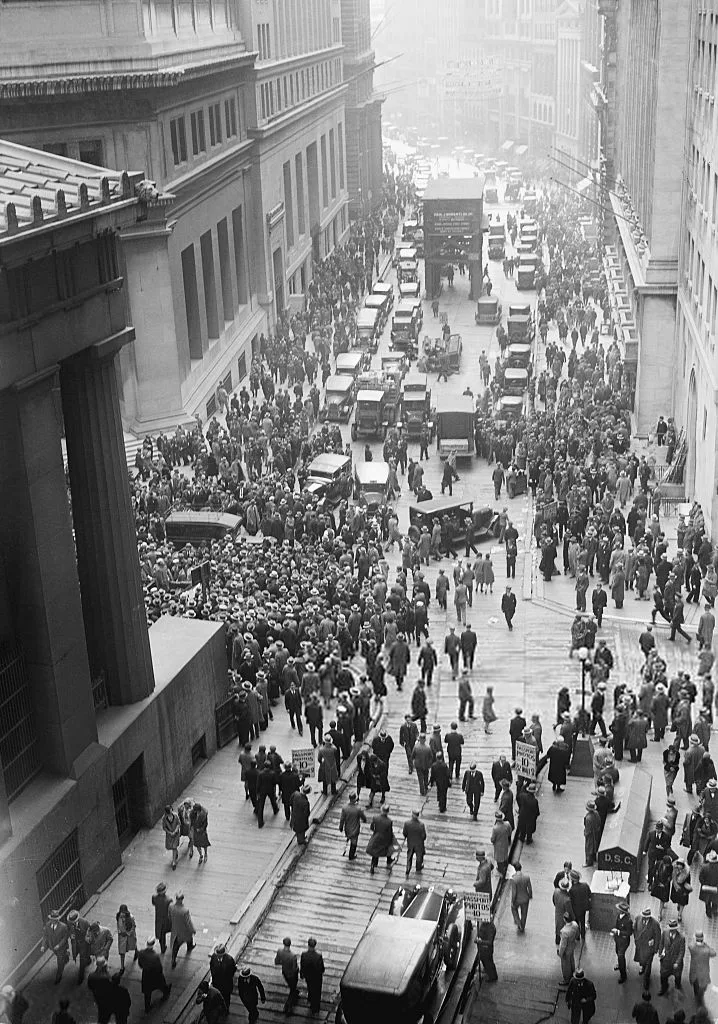
Recession Antifragility
High Financial IQ allows an individual to reframe macroeconomic recessions and panics as historic wealth-building acquisition opportunities.
Calculated Asymmetric Risk
Rigorous financial education creates the technical competence and psychological confidence required to take calculated asymmetric risks.
Matched pairs
Each item on the left goes with the one on the right.
- Pillar 1: Accounting (Financial Literacy)
- The ability to read, analyze, and interpret financial balance sheets and cash flows
Step by step
The Individual Employee Tax Sequence
- Earn gross wages through active labor.
- Pay mandatory income and payroll taxes via automatic employer withholding.
- Spend remaining after-tax net income on household living expenses.
The Corporate Entity Tax Sequence
- Earn gross corporate revenues from commercial business operations.
- Spend on all ordinary and necessary pre-tax operating expenses.
- Pay statutory taxes exclusively on the remaining net taxable profit.
Self-test
Answer each question from memory, then check your work against the answer key.
1. In what year did the U.S. ratify the 16th Amendment, creating a permanent federal income tax?
- A1942
- B1935
- C1913
- D1929
2. Who reintroduced Britain's income tax in 1842, making it permanent rather than a temporary wartime levy?
- ARobert Peel
- BBenjamin Disraeli
- CWilliam Pitt
- DWilliam Gladstone
3. Which sequence describes the corporate entity's tax process, per Kiyosaki?
- APay tax, then earn, then spend
- BEarn, then pay tax, then spend the remainder
- CSpend, then earn, then pay tax
- DEarn, then spend pre-tax, then pay tax on profit
4. A real estate investor wants to defer 100% of capital gains taxes by rolling sale proceeds into a similar property. Which provision allows this?
- ASection 121 Exclusion
- BSection 1031 Exchange
- CSection 401(k) Plan
- DSection 179 Deduction
5. Which of the following is NOT one of the vehicles Kiyosaki says the wealthy use to control assets while owning nothing personally?
- ALLCs
- BCorporations
- CSole proprietorships
- DLegal trusts
6. Which of the Four Pillars of Financial IQ does Kiyosaki describe as 'money making money'?
- AThe Law
- BUnderstanding Markets
- CAccounting
- DInvesting
7. Which pillar involves reading and interpreting financial statements, balance sheets, and cash flow reports?
- AAccounting
- BInvesting
- CThe Law
- DUnderstanding Markets
8. Which pillar lets an investor judge whether an asset's price reflects economic reality or speculative hysteria?
- AInvesting
- BUnderstanding Markets
- CThe Law
- DAccounting
9. Weak literacy in which pillar causes an otherwise skilled investor to suffer 'severe tax erosion,'?
- AInvesting
- BAccounting
- CUnderstanding Markets
- DThe Law
10. Utilizing corporate tax laws lets an investor compound capital ___ than someone taxed at personal marginal rates.
- ASlower
- BFaster
- CUnpredictably
- DEqually
11. Which Pillar of Financial IQ covers mastering corporate statutes, tax codes, and asset protection trusts?
- APillar Four: The Law
- BPillar Three: Understanding Markets
- CPillar Two: Investing
- DPillar One: Accounting
12. What does mastering Pillar Four (The Law) let an investor do with corporate tax deductions and legal trusts?
- APredict short-term shifts in market supply and demand
- BIdentify hidden liabilities buried in a company's balance sheet
- CCompound capital faster than at standard marginal rates
- DStructure asymmetric risk-to-reward payout ratios
13. In the Four Pillars framework, what does Pillar Three (Understanding Markets) study?
- ACorporate tax structuring
- BReturn on investment mathematics
- CSupply and demand dynamics
- DBalance sheet forensic analysis
14. According to the Four Pillars framework, what must an investor determine about an asset's market price?
- AWhether it was certified accurate by an accountant
- BWhether it was structured through a corporate entity
- CWhether it qualifies for a pre-tax deduction
- DWhether it reflects economic reality or speculative euphoria
Go deeper
- ReadRich Dad Poor Dad by Robert T. Kiyosaki · on Amazon ↗
- StudyRich Dad Poor Dad in the FlashFeed app
These are affiliate links: if you buy a book through one, FlashFeed may earn a small commission at no extra cost to you. The commission helps pay for FlashFeed's servers.
As an Amazon Associate we earn from qualifying purchases.
Answer key
- 1. C 1913The 16th Amendment, ratified in 1913, codified a permanent U.S. federal income tax.
- 2. A Robert PeelRobert Peel's 1842 reintroduction of the income tax was never repealed, unlike Pitt's earlier wartime version.
- 3. D Earn, then spend pre-tax, then pay tax on profitCorporations earn income, deduct pre-tax operating expenses, then pay tax only on remaining net profit — the reverse of an employee's sequence.
- 4. B Section 1031 ExchangeSection 1031 lets investors defer capital gains taxes indefinitely via like-kind property exchanges.
- 5. C Sole proprietorshipsKiyosaki names corporations, LLCs, and legal trusts as control vehicles; a sole proprietorship provides no separation between personal and business assets.
- 6. D InvestingPillar Two, Investing, is the science of capital allocation and compounding — money making money.
- 7. A AccountingAccounting (financial literacy) is the ability to read and analyze financial statements and cash flow.
- 8. B Understanding MarketsUnderstanding Markets is the study of supply, demand, and whether pricing is fundamentals-driven or emotion-driven.
- 9. D The LawThe Law covers tax and legal strategy; a deficiency here erodes returns through unmitigated taxation.
- 10. B FasterCorporate tax advantages let capital compound substantially faster than personal marginal tax rates allow.
- 11. A Pillar Four: The LawPillar Four: The Law is the technical mastery of corporate statutes, tax codes, and legal asset protection strategies.
- 12. C Compound capital faster than at standard marginal ratesLeveraging tax deductions and legal trusts lets an investor compound capital far faster than someone taxed at standard marginal rates.
- 13. C Supply and demand dynamicsPillar Three, Understanding Markets, is defined as the science of supply and demand.
- 14. D Whether it reflects economic reality or speculative euphoriaUnderstanding Markets requires judging whether an asset's price is anchored in fundamentals or driven by speculative hysteria, not accounting, legal, or tax status.
Sources
- Rich Dad Poor Dad — Robert T. Kiyosaki
- Robert T. Kiyosaki, Rich Dad Poor Dad, Lesson Four: The History of Taxes and the Power of Corporations
- Robert T. Kiyosaki, Rich Dad Poor Dad, Chapter 7
- Robert T. Kiyosaki, Rich Dad Poor Dad, Lesson Two: Why Teach Financial Literacy?
- Robert T. Kiyosaki, Rich Dad Poor Dad, Chapter 8
Image credits
- Downward Tax Expansion: Carol M. Highsmith · Public domain — commons.wikimedia.org/wiki/File:The_Internal_Revenue_Service_Building,_located_in_the_center_of_the_Federal_Triangle_complex_in_Washington,_D.C_LCCN2013634106.jpg
- Recession Antifragility: Wikimedia Commons · US-gov · Public domain — commons.wikimedia.org/wiki/File:Crowd_outside_nyse.jpg

