
Rich Dad Poor Dad study guide · Lesson 3 of 6
Mind Your Own Business & Building Asset Columns
Profession vs. Business & Asset Portfolio Classes · Asset Categories & Equity Growth
Unofficial study guide for Rich Dad Poor Dad: What the Rich Teach Their Kids About Money That the Poor and Middle Class Do Not by Robert T. Kiyosaki. FlashFeed is not affiliated with the author or publisher.
This is the lesson's study guide from the FlashFeed app, plus its key facts and a self-test.
What you'll be able to do
- Distinguish a profession (active income) from a business via Kroc's real-estate insight, and explain why the rich fund luxuries from cash flow, not wages.
- Identify Kiyosaki's income-generating asset categories: real estate, royalties, businesses, equities, and bonds.
Lesson 3: Mind Your Own Business & Building Asset Columns
Profession vs. Business & Asset Portfolio Classes
In 1974, Ray Kroc, the visionary entrepreneur who transformed McDonald's into a global enterprise, was invited to address a graduating class of MBA students at the University of Texas at Austin. Following a rigorous academic session, the students invited Kroc to a local tavern for refreshments. During the conversation, Kroc asked the assembled students a direct question: "What business do you think I am in?"
The students laughed, assuming the question was a humorous test, and replied that everyone in the world knew McDonald's was in the hamburger business. Kroc smiled and responded:
"I thought you'd say that. Ladies and gentlemen, I'm not in the hamburger business. My business is real estate."
Ray Kroc understood the fundamental structural distinction between his Profession and his Business:
- His Profession was acting as a master franchisor, selling restaurant systems, kitchen equipment, and burgers.
- His Business was the strategic acquisition of prime commercial real estate. Under the McDonald's business model, the parent corporation acquired the underlying land for every franchise site, leasing the property back to the franchisee. As of the mid-2020s, McDonald's is widely cited as one of the world's largest holders of commercial real estate, owning prime street corners and retail corridors globally.
The vast majority of employees spend their entire working careers minding everyone else’s business rather than their own. They work 40 to 60 hours a week to enrich the company shareholders, pay immense income taxes to fund government programs, and service mortgage loans that enrich banking institutions.
"Minding your own business" means maintaining your daytime employment to reliably pay your household expenses while systematically dedicating your remaining time, cognitive focus, and capital to constructing and acquiring permanent income-producing assets in your balance sheet. Your profession is what you do during the day to generate active cash; your business is what you build in your asset column to buy your ultimate freedom.
This discipline directly governs how the wealthy approach luxury consumption:
- The Rich buy luxuries last. They allocate capital to cash-flowing assets first, and only purchase luxury sports cars, fine jewelry, or exotic vacations when the surplus cash flow generated by those assets can fully fund the purchase without touching principal.
- The Poor and Middle Class buy luxuries first. They purchase luxury goods with earned wages or high-interest revolving credit cards to project an illusion of affluence, burdening their balance sheets with heavy debt and sacrificing the compounding potential of their capital.
When you force your asset column to finance your luxuries, you acquire both the desired luxury and a permanent cash-flowing asset that continues to enrich your family for generations. Every dollar deposited into the asset column becomes a tireless employee working 24 hours a day to generate more wealth.
Asset Categories & Equity Growth
Rich Dad categorized high-grade, institutional-quality assets into eight primary classes that generate recurring cash flow or significant capital appreciation without requiring the owner’s daily physical involvement:
- Businesses That Do Not Require Personal Presence: Enterprises owned by the investor but operated and managed by professional executives and staff. If the owner must physically report to work for the venture to function, it is not a true business; it is a self-employed job.
- Publicly Traded Equities (Stocks): Fractional ownership shares in profitable corporate enterprises, offering high market liquidity, voting equity, and dividend distributions.
- Fixed-Income Debt Securities (Bonds): Government and corporate bonds that provide predictable interest yields, capital preservation, and portfolio ballast.
- Mutual Funds: Pooled investment vehicles that give an investor diversified exposure to stocks or bonds through a single professionally managed fund.
- Income-Producing Real Estate: Residential multi-family apartments, commercial office parks, retail shopping centers, and raw land positioned for development. Real estate provides a unique triad of returns: tenant-paid debt amortization, tax-deductible depreciation allowances, and long-term capital appreciation.
- Private Promissory Notes & Debt Paper (IOUs): Mortgages, deeds of trust, and promissory notes where the investor acts as the bank, collecting recurring principal and interest payments.
- Intellectual Property Royalties: Long-term legal copyrights and commercial patents covering published literature, musical compositions, software code, and industrial trademarks.
- Anything Else With a Ready Market: Kiyosaki's catch-all category for any further item of value that produces income or appreciates and has a ready secondary market — historically illustrated with examples such as precious metals, commodities, and collectibles.
Rich Dad emphasized that an investor must only acquire assets that they personally love and understand. Emotional resonance sustains the rigorous due diligence, financial modeling, and operational oversight necessary to protect capital. If an individual detests property management and tenant interactions, they should never invest directly in physical rental units, but should instead deploy capital into liquid equities or automated index funds.
In his personal investing career, Robert focused his early capital accumulation on two primary asymmetric asset vehicles: small-cap publicly traded equities and discounted foreclosure real estate. In real estate investing, the cardinal rule is that profit is made when you buy the property at a deep discount, not when you sell it in a speculative future market. Acquiring distressed properties beneath market replacement value locks in equity on day one, insulating the investor against macroeconomic market contractions.
Key terms
- Minding Your Own Business
- Maintaining your day job to pay household bills while systematically dedicating time and savings to acquiring income-producing assets.
- Institutional Asset Taxonomy
- A seven-category grouping of desirable assets — inspired by the book's asset examples — that generate recurring cash flow or capital growth without requiring daily management.
- Automated Business Asset
- An enterprise owned by an investor but operated and managed entirely by professional staff, requiring no daily physical owner presence.
- Fixed-Income Debt Asset
- Government and corporate bonds that offer predictable interest yields, capital preservation, and portfolio balance.
- Private Promissory Notes
- Debt paper, mortgages, and IOUs where the investor acts as the bank, receiving recurring monthly interest and principal payments.
Key facts
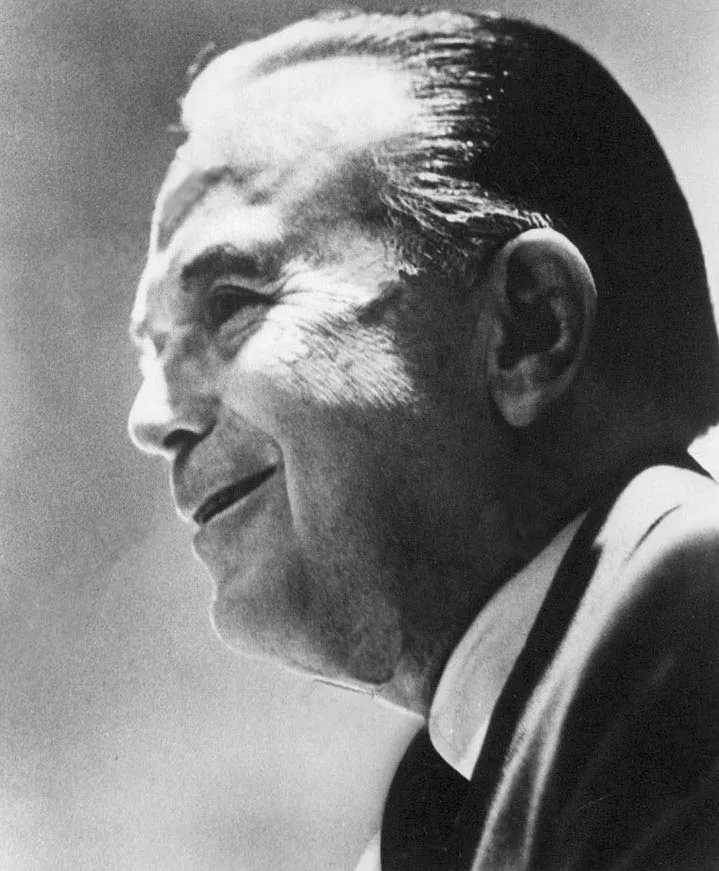
Ray Kroc's University Lecture
In 1974, McDonald's founder Ray Kroc asked a class of MBA students at the University of Texas at Austin what business they thought he was in.
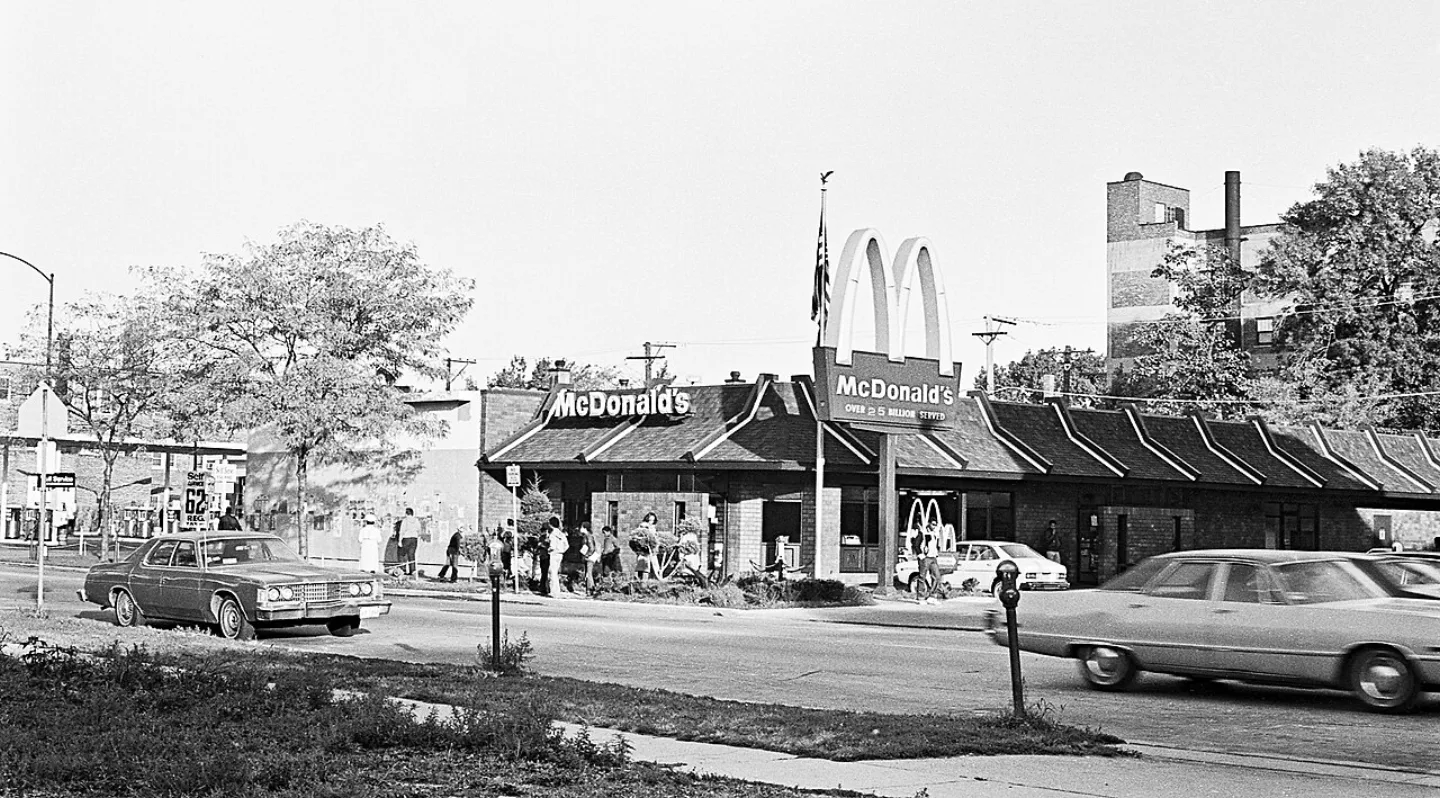
Compare Ray Kroc's profession with his core business strategy.
Ray Kroc's Profession — Master franchisor selling restaurant systems, kitchen operations, and burgers.
Ray Kroc's Business — Strategic acquisition of prime commercial land under every franchise location.
Minding Others' Business
Most employees spend their lives minding someone else's business: enriching company owners, paying government taxes, and servicing bank debt.
The Professional Specialist Trap
Traditional education trains skilled professionals (physicians, engineers, accountants) but neglects training them on how to own and build an asset column.
The Double Damage of Consumer Debt
Financing a luxury item with debt inflicts double damage: you incur ongoing interest charges and sacrifice the compound returns that capital could have generated.
The Asset-Funded Luxury Reward
When you require your assets to fund your luxuries, you acquire both the desired luxury and a permanent income-generating asset that continues paying you forever.
Separating Status from Asset Growth
Building a resilient asset column requires maintaining emotional separation between professional status symbols and balance-sheet asset ownership.
Business vs. Self-Employed Job
If an owner must physically work inside an enterprise for it to operate, it is not a true business; it is a self-employed job that the owner created.
Tangible Intrinsic Assets
Asset Class 7 includes any tangible asset with intrinsic utility, scarcity, long-term appreciation potential, and a ready secondary market.
The Passion and Competence Rule
Rich Dad stressed that an investor should only acquire assets that they personally love and understand, as genuine interest sustains thorough due diligence.

Robert's Early Capital Focus
Robert focused his early capital accumulation on small-cap publicly traded equities and discounted residential foreclosure real estate for asymmetric upside.
Profit at the Point of Purchase
In real estate investing, profit is made when you buy the asset at a deep discount, not when you sell it in a speculative future market.
Uncorrelated Asset Resilience
Building a diversified portfolio across uncorrelated cash-flowing asset categories protects total balance-sheet wealth from macroeconomic shocks.
Matched pairs
Each item on the left goes with the one on the right.
- Your Profession
- What you do during working hours to generate active income
- Publicly Traded Equities (Stocks)
- Liquid fractional ownership in corporations providing dividend distributions
Step by step
The Rich's Luxury Purchasing Protocol
- Allocate earned income directly into the asset column.
- Acquire income-producing assets until cash flow exceeds living expenses.
- Identify desired luxury consumer items (vehicles, travel, jewelry).
- Fund the luxury purchase exclusively with surplus asset cash flow without touching capital principal.
Real Estate Equity Growth Engine
- Collect monthly rental cash flow exceeding debt service and operating expenses.
- Deduct tax-allowable property depreciation to shelter net rental income.
- Allow tenant rent payments to amortize the principal balance of the mortgage.
- Capture long-term market appreciation and execute tax-deferred 1031 exchanges.
Self-test
Answer each question from memory, then check your work against the answer key.
1. In 1974, Ray Kroc told UT Austin MBA students his real business was not hamburgers. What was it?
- ARestaurant equipment
- BFood service
- CReal estate
- DFranchising
2. What do you call what you do during work hours to generate active income, per Rich Dad?
- AYour retirement plan
- BYour asset column
- CYour business
- DYour profession
3. How do the Poor and Middle Class typically fund luxury purchases, per Rich Dad?
- ARental income
- BWages or credit debt
- CBusiness profit
- DDividend income
4. What must you guard against as your wage income rises, per Rich Dad's discipline of minding your own business?
- ALifestyle inflation
- BWage stagnation
- CCost-of-living increases
- DConsumer debt buildup
5. Besides ongoing interest charges, what other loss does debt-financed luxury spending cause, per Rich Dad?
- ALost dividend eligibility
- BLost credit score points
- CLost tax deductions
- DLost compound growth
6. Which asset category is described as offering tenant-paid debt amortization, depreciation, and appreciation?
- APrivate promissory notes
- BTangible assets
- CIncome-producing real estate
- DPublicly traded equities
7. What income does an investor collect by holding private promissory notes and IOUs?
- APrincipal and interest payments
- BRoyalty payments
- CRental income
- DDividend distributions
8. Which asset category generates recurring income primarily through legal royalties?
- ATangible collectibles
- BIntellectual property
- CFixed-income bonds
- DPublicly traded stocks
9. Which of these is NOT one of Rich Dad's seven institutional asset categories?
- ACertificates of deposit
- BFixed-income bonds
- CPublicly traded equities
- DPrivate promissory notes
10. Per Rich Dad, when does an ownership stake in a company fail to count as a true 'business' asset?
- AWhen it holds real estate
- BWhen the owner must work there daily
- CWhen it pays dividends
- DWhen it's publicly traded
Go deeper
- ReadRich Dad Poor Dad by Robert T. Kiyosaki · on Amazon ↗
- StudyRich Dad Poor Dad in the FlashFeed app
These are affiliate links: if you buy a book through one, FlashFeed may earn a small commission at no extra cost to you. The commission helps pay for FlashFeed's servers.
As an Amazon Associate we earn from qualifying purchases.
Answer key
- 1. C Real estateKroc said McDonald's business was real estate: the parent company acquires the land under each franchise and leases it back, not the burgers themselves.
- 2. D Your professionYour profession is the active-income work you do daily; your business is the separate asset column you build with the surplus.
- 3. B Wages or credit debtThe Poor and Middle Class buy luxuries first using wages or high-interest credit, unlike the Rich who wait for surplus cash flow from assets.
- 4. A Lifestyle inflationRich Dad warns against lifestyle inflation specifically: raises should fund the asset column, not bigger spending habits, distinct from these other financial pressures.
- 5. D Lost compound growthThe 'double damage' of debt is paying interest while also losing the compounding that the capital could have earned as an asset.
- 6. C Income-producing real estateReal estate provides a unique triad of returns: tenants pay down the mortgage, depreciation gives tax deductions, and the property appreciates.
- 7. A Principal and interest paymentsWith promissory notes the investor acts as the bank, collecting recurring principal and interest payments from the borrower.
- 8. B Intellectual propertyIntellectual property like books, music, software, and patents earns income through legal royalties on their use.
- 9. A Certificates of depositRich Dad's seven categories cover businesses, stocks, bonds, real estate, notes, royalties, and tangible assets — certificates of deposit are not among them.
- 10. B When the owner must work there dailyIf the owner must physically report to work for the venture to run, it's a self-employed job, not a true business asset.
Sources
- Rich Dad Poor Dad — Robert T. Kiyosaki
- Robert T. Kiyosaki, Rich Dad Poor Dad, Chapter 4
- Robert T. Kiyosaki, Rich Dad Poor Dad, Chapter 5
- Robert T. Kiyosaki, Rich Dad Poor Dad, Chapter 6
- Robert T. Kiyosaki, Rich Dad Poor Dad, Chapter 3
Image credits
- Ray Kroc's University Lecture: Wikimedia Commons · Unknown author · Public domain — commons.wikimedia.org/wiki/File:Ray_Kroc_1976.jpg
- Compare Ray Kroc's profession with his core business strategy.: Downtowngal · CC BY-SA 4.0 — commons.wikimedia.org/wiki/File:2_Oct1978_McDonalds_Hyde_Park_Chicago.jpg
- Robert's Early Capital Focus: User:Brendel at en.wikipedia.org · CC BY-SA 3.0 — en.wikipedia.org/wiki/Foreclosure

