
Spanish: Travel & Lodging study guide · Lesson 1 of 3
Lesson 1: Travel & Transportation
Part 1: Getting Around · Part 2: Asking Directions · Part 3: At the Airport or Station · Fill the Blank: Travel & Places
This is the lesson's study guide from the FlashFeed app, plus its key facts and a self-test.
What you'll be able to do
- Use urban transport vocabulary (metro, bus, ticket, transfer) to get around a city.
- Identify stations and platforms (la estación, el andén).
- Give and follow directions (left, right, straight, cross, corner, block, far).
- Handle airport vocabulary (passport, suitcase, boarding pass, customs, flight).
- Complete travel sentences with the correct place or transport word.
Travel & Transportation
Travel is where Spanish stops being a classroom exercise and starts being a load-bearing skill. A missed transfer, a wrong platform, or a misread departure board has real consequences. This lesson covers the three settings you cannot avoid: moving around a city, getting unstuck when you are lost, and surviving the airport. Expect a lot of regional variation — the word for ticket alone changes when you cross the Atlantic.
Getting Around
Urban Spanish is full of small, fast vocabulary. El metro (subway) and el autobús (bus) are the workhorses; both depart from una estación (station), but el andén (platform) is the strip beside the track at train and metro stations. The word you need most is el boleto through most of Latin America (in Spain: el billete) — both mean the same paper or plastic rectangle, but in Mexico City billete mostly means banknote, so at the ticket window you ask for a boleto.
Connections are trasbordos. If a clerk tells you "Tiene que hacer un trasbordo en la próxima estación," they are telling you to switch lines, not to switch trains in the broader sense. The verb tomar (to take) is universal: tomar el metro, tomar el autobús. In Argentina you will sometimes hear colectivo for bus, and in the Canary Islands, Cuba, Puerto Rico and the Dominican Republic guagua — a word that means baby in Andean countries such as Chile, Peru and Ecuador. In Mexico a bus is often el camión (tomar un camión), and autobús is used too; in Spain and much of South America a camión is a truck (in parts of Central America it can mean a bus too). Context, as always, does the disambiguating. For a round trip you ask for a boleto de ida y vuelta (going and returning); a one-way ticket is a boleto de ida, also called a boleto sencillo. For car, Colombia and much of Mexico say el carro, Argentina and Chile el auto, and Spain el coche; in everyday speech most of Latin America maneja (drives), while Spain conduce.
Asking Directions
Directions in Spanish are mercifully literal. A la derecha (to the right), a la izquierda (to the left), and todo derecho (straight ahead) cover most of what anyone will tell you. The verb you will hear shouted at intersections is gira or dobla — both mean turn. "Gira a la derecha en la próxima esquina" is "Turn right at the next corner."
La esquina is the corner — useful in any city, but especially in Latin America, where addresses are often given by cross-streets rather than numbers. La cuadra (the block) is the Latin American unit of distance: "Está a tres cuadras" means three blocks away. Spain prefers manzana for the same idea, which also happens to mean apple — a coincidence that has confused many tourists. Cruzar is to cross: cruzar la calle, cruzar la plaza. If something is lejos (far) or cerca (near), you have your answer about whether to walk. When in doubt, check el mapa (the map).
At the Airport or Station
Aeropuerto is a transparent compound: aero (air) plus puerto (port). You will see the word on every highway sign pointing to departures. Inside, the choreography is familiar. You hand over el pasaporte (passport), check la maleta (suitcase) at documentación — the check-in and baggage-drop counter — and receive a pase de abordar (boarding pass). In Mexico the verb documentar means to check in luggage (documentar la maleta); elsewhere, and in Spain, the usual verb is facturar, which away from the airport means to invoice.
After your vuelo (flight) lands, the last hurdle is la aduana (customs). Declare what needs declaring; the agents are not in a mood to negotiate. Once you are through, you need somewhere to sleep — which is the next lesson.
Key concepts
la estación
- A place in a city where public transport departs.
- Both the subway ('el metro') and the bus ('el autobús') leave from here.
el andén
- A specific spot within a transit station.
- At train and metro stations it is the strip beside the track.
- It's the platform you stand on to board.
la esquina
- A city spot often used to give directions, especially in parts of Latin America where addresses go by cross-streets.
- You're told to turn here: 'gira a la derecha en la próxima ___.'
- It's the street corner.
el aeropuerto
- A major travel hub you'll see signposted from every highway.
- Its name is a transparent compound: 'aero' (air) plus 'puerto' (port).
- It's the airport.
la aduana
- A checkpoint you reach at the very end of an international trip.
- It's the last hurdle after your flight lands, where you declare what needs declaring.
- It's customs.
Key facts
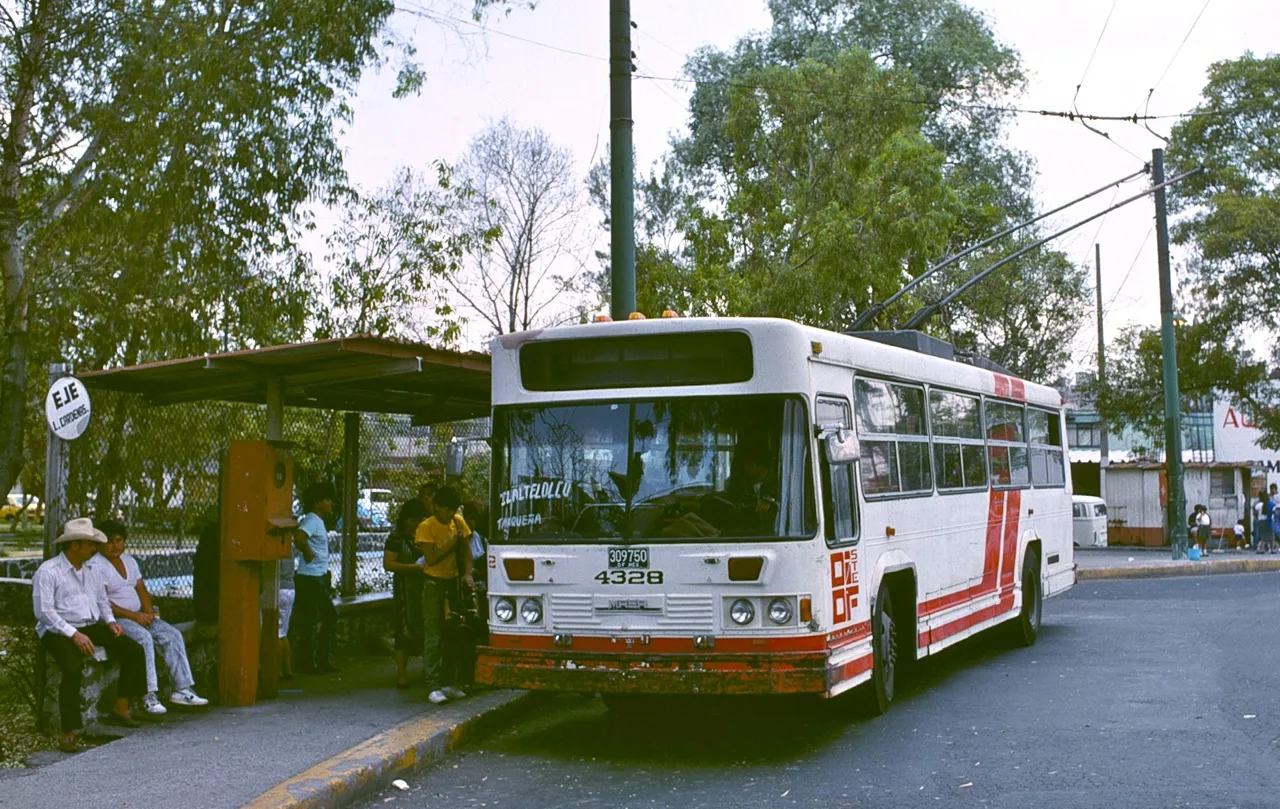
Camión: Mexico's Bus, Spain's Truck
In Mexico a bus is often el camión: tomar un camión (to take a bus), camión urbano (city bus). Autobús is used too, for city buses and for buses between cities. In Spain and much of South America a camión is a truck (in Mexico it is a truck too: camión de carga), so check the local word before you ask for one.
Boleto vs. Billete
The same paper rectangle changes names across the Atlantic: el boleto at a Mexico City ticket window, el billete at one in Madrid. In Mexico billete mostly means banknote, so a ticket there is a boleto.
Switch Lines, Not Switch Plans
A trasbordo is a change of lines mid-journey: tiene que hacer un trasbordo en la próxima estación means get off and pick up a different line here. The verb for boarding is universal — tomar, as in tomar el metro and tomar el autobús.
Autobús
In Spanish, autobús means bus — one of the core transportation words, distinct from el metro (subway), el andén (platform), and el boleto (ticket).
Tomar
The verb tomar (to take) works for boarding any kind of transportation in Spanish — tomar el metro or tomar el autobús both mean to take the subway or the bus.
An Apple in Spain
La cuadra is how Latin America measures walking distance — está a tres cuadras is three blocks away. Spain prefers manzana for the same square of city, a word that also happens to mean apple. Directions involving fruit have confused a great many tourists.
Gira or Dobla
Gira and dobla are the imperatives shouted at intersections, and both mean turn: al final de la calle, gira a la derecha. The landmark is usually la esquina — the corner — which does extra work in parts of Latin America, where addresses are often given by cross-streets rather than house numbers.
Lejos or Cerca
Spanish directions are mercifully literal: a la derecha (right), a la izquierda (left), todo derecho (straight ahead). The one follow-up worth asking is whether it is lejos or cerca — far, or near — because todo derecho covers both a two-minute walk and a forty-minute one.
A La Derecha
In Spanish directions, a la derecha means to the right. Its counterpart a la izquierda means to the left, while todo derecho is straight ahead and la esquina is the corner.
Aeropuerto: Air + Port
The word Aeropuerto is logically constructed from aero (air) and puerto (port). You will see this on every highway sign directing you to the departures gate.
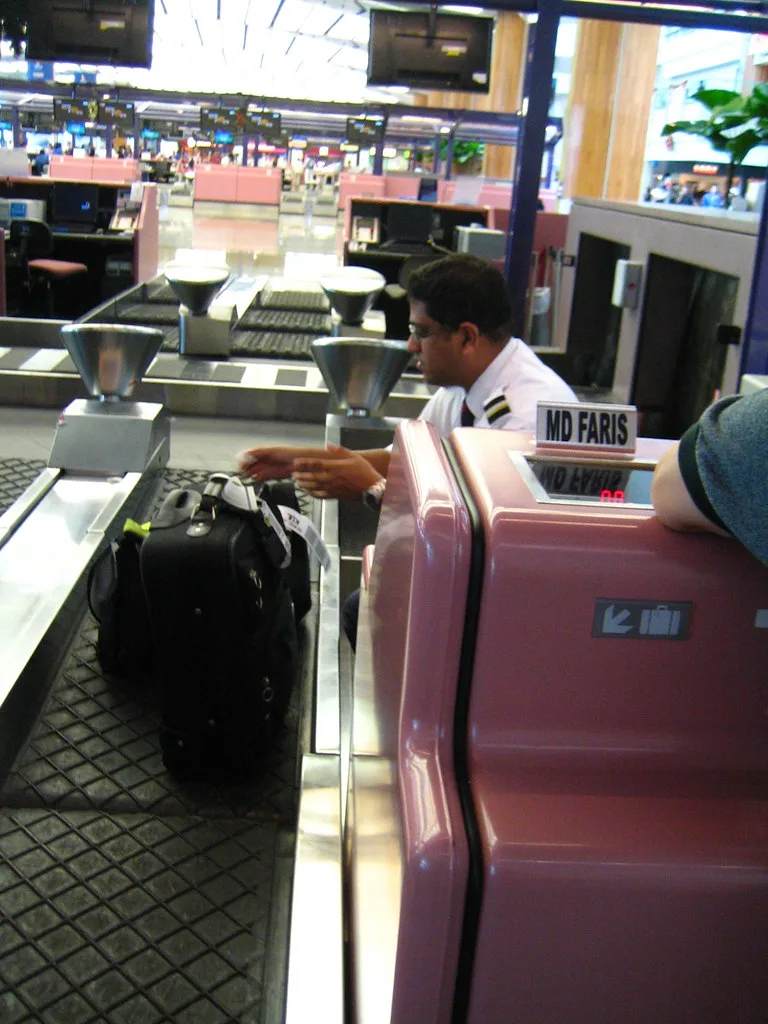
Documentar la Maleta: Bag Check-In
Airport choreography in Mexico, in order: hand over el pasaporte, documentar la maleta at documentación — the check-in and bag-drop counter — and walk away with el pase de abordar. Elsewhere, including Spain, the usual verb is facturar (facturar la maleta), which away from the airport means to invoice.
El Pasaporte
In Spanish, el pasaporte (the passport) is the essential document for entering a foreign country — the primary travel document at international borders.
El Pase de Abordar
To board a plane at an airport in much of Latin America, you need el pase de abordar, the boarding pass (Spain usually says la tarjeta de embarque, and you will see that too) — different from el pasaporte, which proves your identity.
Ida y Vuelta
Ida y vuelta — literally going and returning — is how you ask for a round trip: compré un boleto de ida y vuelta. The opposite is a boleto de ida, also called a boleto sencillo. Two phrases, and every ticket window runs on them.
Carro, Auto, Coche
El carro is the car in Mexico and Colombia — necesito un carro para manejar por México — and el auto in Argentina and Chile, while Spain says el coche. The verb splits too: most of Latin America maneja, Spain conduce.
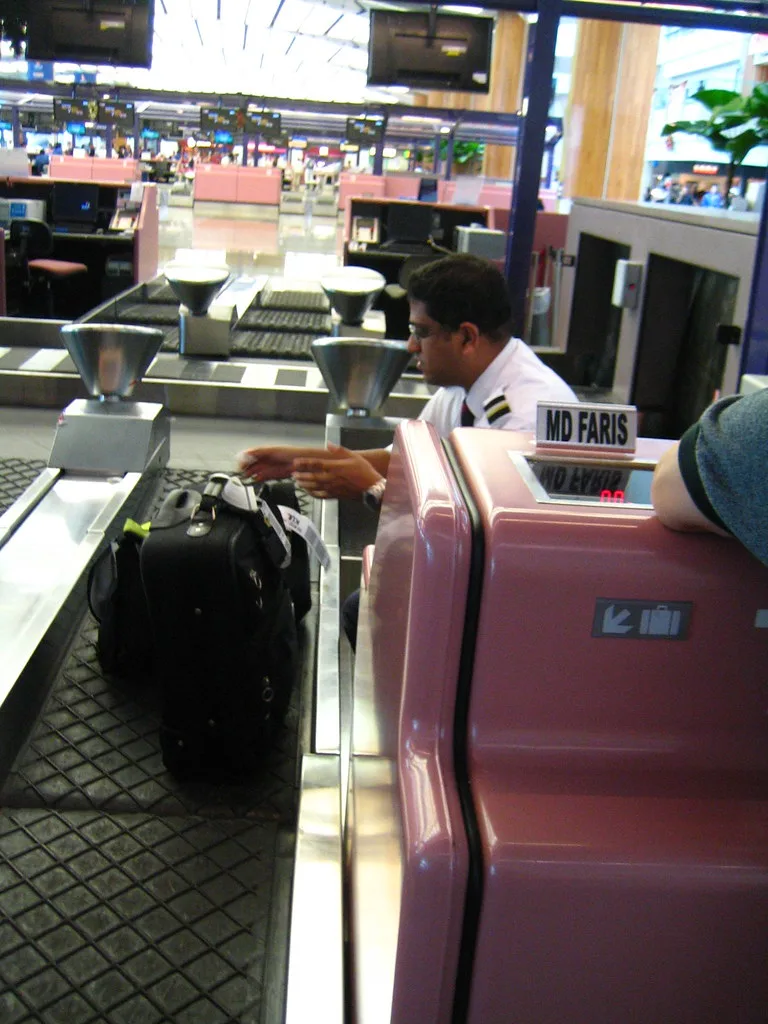
Documentación
At a Mexican airport, documentación is the check-in and baggage-drop counter where you hand over la maleta (suitcase) to be checked, separate from la aduana (customs) or el andén (platform).
El Metro
El metro is the standard word for the subway, an underground (subterráneo) rail system — distinct from boleto (ticket) or mapa (map).
Matched pairs
Each item on the left goes with the one on the right.
- El boleto
- The ticket
- andén
- platform (train/metro)
- Trasbordo
- Transfer (between lines)
- estación
- station
- El metro
- The subway / underground
- autobús
- bus
- A la derecha
- To the right
- A la izquierda
- To the left
- Todo derecho
- Straight ahead
- Cruzar
- To cross
- La esquina
- The corner
- La cuadra
- The block (distance)
- El pasaporte
- The passport
- La maleta
- The suitcase / luggage
- Pase de abordar
- Boarding pass
- La aduana
- Customs
- El vuelo
- The flight
- El andén
- The platform
- La estación
- The station
- El autobús
- The bus
Self-test
Answer each question from memory, then check your work against the answer key.
1. What must you buy to travel on the train?
- AUn andén
- BUna maleta
- CUn trasbordo
- DUn boleto
2. In Spanish, what does 'el metro' refer to?
- AThe bus
- BThe platform
- CThe subway / underground
- DThe transfer between lines
3. Which Spanish word means 'bus'?
- AAutobús
- BBoleto
- CEstación
- DMetro
4. A clerk tells you to 'hacer un trasbordo en la próxima estación.' What are you being told to do?
- ABuy a ticket
- BSwitch lines
- CGet off at the last stop
- DWait for the next train
5. Which universal verb fills the blank in '___ el metro' and '___ el autobús' (to board either)?
- ACruzar
- BGirar
- CTomar
- DDocumentar
6. What does 'el andén' mean?
- AThe station
- BThe platform
- CThe transfer
- DThe ticket
7. What does 'la estación' mean?
- AThe station
- BThe corner
- CThe platform
- DCustoms
8. Which vehicles depart from 'el andén' (platform)?
- AAirplanes
- BTaxis
- CBuses only
- DTrains and metros
9. Both the metro and the bus depart from which place?
- AUna aduana
- BUna estación
- CUna esquina
- DUn andén
10. Which of these words does NOT name a place or location?
- AAeropuerto
- BEstación
- CAndén
- DBoleto
11. How do you say something is 'far'?
- AEstá recto
- BEstá cerca
- CEstá lejos
- DEstá allí
12. How do you say 'to the right'?
- AA la derecha
- BLa esquina
- CA la izquierda
- DTodo derecho
13. What does 'a la izquierda' mean?
- AStraight ahead
- BTo the left
- CTo the right
- DThe corner
14. If someone tells you to go 'todo derecho', which way should you go?
- AStraight ahead
- BTo the right
- CBackward
- DTo the left
15. In Latin America, 'Está a tres cuadras' means it is three ___ away.
- AStations
- BStreets
- CCorners
- DBlocks
16. Which item do you need to enter another country?
- ALa maleta
- BEl boleto
- CEl pasaporte
- DEl andén
17. What does 'la maleta' mean?
- AThe suitcase
- BThe flight
- CThe boarding pass
- DThe passport
18. Which document do you receive to be allowed to board the plane?
- ALa aduana
- BEl pasaporte
- CEl pase de abordar
- DLa maleta
19. At an international airport, what is 'la aduana'?
- ACheck-in
- BCustoms
- CBaggage claim
- DThe departure gate
20. In a Mexican airport, what does the verb 'documentar' mean?
- ATo pass through customs
- BTo board the flight
- CTo invoice a client
- DTo check in luggage
21. At an airport, where do you hand over your suitcase (la maleta) to be checked?
- ALa documentación
- BLa aduana
- CEl andén
- DLa esquina
22. Complete: 'Mi vuelo sale del ___ a las ocho.'
- Aandén
- Besquina
- Caeropuerto
- Daduana
23. Complete: 'Para ir al centro, tomo el ___.'
- Avuelo
- Bmetro
- Cmapa
- Dboleto
24. Complete: 'Compré un ___ de ida y vuelta.'
- Acarro
- Bpasaporte
- Candén
- Dboleto
25. Complete: 'Perdón, ¿dónde está la ___ de tren?'
- Aaduana
- Bestación
- Ccuadra
- Dmaleta
Go deeper
- WatchBoleto, Not Billete In most of Latin America, a ticket is el boleto. In Mexico City, billete mostly means a banknote.
- WatchTres Cuadras Directions in Spanish are mercifully literal. A la derecha is to the right. A la izquierda is to the left. Todo derecho is straight ahead.
- WatchDocumentar la Maleta Aeropuerto is a clear compound. Aero means air. Puerto means port.
- StudySpanish: Travel & Lodging in the FlashFeed app
Answer key
- 1. D Un boleto'Boleto' is the word for a travel ticket.
- 2. C The subway / underground'El metro' is the subway or underground. 'El autobús' is the bus, 'el andén' the platform, and 'el trasbordo' a transfer.
- 3. A Autobús'Autobús' means bus. 'Metro' is the subway, 'estación' the station, and 'boleto' the ticket.
- 4. B Switch linesA 'trasbordo' is a transfer between lines: you change to another line at that station. It is not buying a ticket (a 'boleto'), waiting for the next train, or riding to the end of the line.
- 5. C Tomar'Tomar' means to take (tomar el metro, tomar el autobús). 'Cruzar' is to cross, 'girar' to turn, and 'documentar' to check in luggage.
- 6. B The platform'El andén' is the platform. 'La estación' is the station, 'el boleto' the ticket, and 'el trasbordo' the transfer.
- 7. A The station'La estación' is the station. 'El andén' is the platform, 'la esquina' the corner, and 'la aduana' customs.
- 8. D Trains and metros'El andén' is the platform beside the track at train and metro stations. Buses and metros both leave from a station, but the platform is the rail term.
- 9. B Una estaciónBoth depart from 'una estación' (station). The 'andén' (platform) is the strip beside the track at rail stations, 'aduana' is customs, and 'esquina' a corner.
- 10. D Boleto'Boleto' is a ticket, not a place. 'Estación', 'andén', and 'aeropuerto' are all locations in a transit system.
- 11. C Está lejos'Lejos' means far away; 'cerca' means nearby.
- 12. A A la derecha'A la derecha' is to the right. 'A la izquierda' is to the left, 'todo derecho' straight ahead, and 'la esquina' the corner.
- 13. B To the left'A la izquierda' is to the left. 'A la derecha' is right, 'todo derecho' straight ahead, and 'la esquina' the corner.
- 14. A Straight ahead'Todo derecho' means straight ahead. Left is 'a la izquierda' and right is 'a la derecha'.
- 15. D Blocks'La cuadra' is the block, the Latin American unit of distance. 'Esquina' is a corner; Spain uses 'manzana' for block.
- 16. C El pasaporteA passport (pasaporte) is the primary travel document for international entry.
- 17. A The suitcase'La maleta' is the suitcase. 'El pasaporte' is the passport, 'pase de abordar' the boarding pass, and 'el vuelo' the flight.
- 18. C El pase de abordarThe 'pase de abordar' (boarding pass) lets you board. The passport proves identity, the maleta is luggage, and la aduana is customs.
- 19. B Customs'La aduana' is customs, where you declare goods after landing. Check-in/baggage-drop is 'documentación'.
- 20. D To check in luggageIn Mexico 'documentar' means to check in luggage, and you do it at 'documentación'. Elsewhere, and in Spain, the usual verb is 'facturar', which away from the airport means to invoice.
- 21. A La documentaciónDocumentación is the check-in and baggage-drop counter, where you check la maleta. La aduana is customs, el andén is the train platform, and la esquina is a street corner.
- 22. C aeropuertoA flight ('vuelo') departs from the 'aeropuerto' (airport). 'Andén' is a platform, 'aduana' customs, and 'esquina' a corner.
- 23. B metro'Tomar el metro' is to take the subway, a quick way into the city centre. 'Boleto' is a ticket, 'mapa' a map, and 'vuelo' a flight.
- 24. D boletoA round-trip ('de ida y vuelta') is a 'boleto' (ticket). 'Andén' is a platform, 'carro' a car, and 'pasaporte' a passport.
- 25. B estaciónA train ('tren') departs from 'la estación' (station). 'Aduana' is customs, 'maleta' a suitcase, and 'cuadra' a block.
Image credits
- Camión: Mexico's Bus, Spain's Truck: Steve Morgan · CC BY-SA 3.0 — commons.wikimedia.org/wiki/File:Mexico_City_line_A_in_1990.jpg
- Documentar la Maleta: Bag Check-In: jeremyfoo (Openverse) · by 2.0 — www.flickr.com/photos/73207483@N00/1968584537
- Documentación: jeremyfoo (Openverse) · by 2.0 — www.flickr.com/photos/73207483@N00/1968584537
