
Stoicism: A School and Its Sources study guide · Lesson 1 of 7
Lesson 1: A School and Its Sources
A School, Not a Slogan · A Widened Early Roster and Its Source Limits
This is the lesson's study guide from the FlashFeed app, plus its key facts and a self-test.
What you'll be able to do
- Place the school in Athens, identify its early succession and fields, and distinguish historical orientation from a surviving early corpus.
- Widen the early roster through named figures while distinguishing poem, fragments, later doxography, and scholarly placement.
A School, Not a Slogan
Stoicism first names an ancient school, not a loose modern mood or a single maxim. Its name derives from the stoa poikile, the painted porch in Athens associated with the school's first generation. That setting helps explain the label, but it is not a complete picture of how the early school operated. The conventional chronological starting point is Zeno of Citium, who began the school around 300 BCE. “Around” matters here: the date is useful for orientation, not a precision fact from which to build a detailed chronology.
The early school is conventionally presented through three connected fields: physics, logic, and ethics. At this stage, the important point is the architecture. Physics concerns the natural world; logic and ethics will receive more exact treatment in later sections. Naming the three fields now prevents an overly narrow reading in which Stoicism is only a collection of ethical slogans. It also does not settle the interpretive question of how tightly the fields depend on one another.
This threefold map and the early roster answer different questions. The map names areas of inquiry; the roster supplies historical orientation. Neither one, by itself, identifies the exact source of a particular doctrine. Keeping those functions separate makes it possible to recognize both the school's broad philosophical range and the limits of the evidence through which that range is known.
A conventional early succession runs from Zeno to Cleanthes of Assos and then to Chrysippus of Soli. This sequence is a useful orientation device, but it should not be converted into a chart that assigns every Stoic doctrine to one founder. A school can have a conventional succession without leaving a complete, author-by-author record of every development.
That warning is especially important because no complete authored work by Zeno, Cleanthes, or Chrysippus survives. The absence is limited: it does not mean that there is no evidence at all. Fragments, later reports, and a poem associated with Cleanthes remain evidence, but each has a different relation to the early school. A source-aware study of Stoicism therefore begins by asking what kind of evidence is in view before treating a claim as a direct statement by an early founder.
Sources
A Widened Early Roster and Its Source Limits
The labels Old Stoa and Middle Stoicism can help organize a survey, but their relevance and accuracy are debated. They are period labels, not self-explanatory boxes. This is one reason a widened roster needs a parallel account of the sources: a figure's place in a sequence does not tell us what survives from that figure, or how securely a doctrine can be attributed.
Cleanthes supplies one instructive contrast. A translated text of the Hymn to Zeus associated with him survives, and that particular poem gives direct evidence for cosmic and theological vocabulary within the poem. It does not license the conclusion that every Stoic used the same wording or held an identical theology. Chrysippus, by contrast, is described as an early Stoic systematizer, but his large output reaches modern readers through fragments and reports rather than a complete personal corpus. “Systematizer” is therefore a historical description, not permission to reconstruct a complete Chrysippean theory or invent a quotation.
Later compilation also widens the picture with a different evidential status. In Book 7, Diogenes Laertius presents material under Ariston, Cleanthes, Sphaerus, and Chrysippus in a Stoic sequence. That tells us about the compiler's presentation; it is not a surviving work by each person. The same Zeno material names Persaeus in a report about Zeno and credits him with a work title. This later report is not surviving Persaeus prose and cannot carry a detailed biography.
Sphaerus provides a still narrower case. Diogenes Laertius reports that he became a pupil of Cleanthes and recounts an episode about wax pomegranates, assent, and appearance. The episode survives as a later translated anecdote, not as a full account of Sphaerus's philosophy. A scholarly overview likewise places Diogenes of Babylon as an early successor in the scholarchate and Antipater of Tarsus as his successor. That placement broadens the historical roster, while leaving their independent doctrines unclaimed here. The practical lesson is methodological: poem, fragment, later report, and scholarly placement are all evidence, but they are not interchangeable kinds of evidence.
The same name can therefore appear in a succession and in a later compiler without yielding the same level of evidence as a surviving poem. A responsible historical roster records both the figure and the route by which the figure appears. That discipline preserves breadth without filling gaps with invented biographies, doctrines, or quotations.
Sources
Key terms
- Stoa poikile
- The painted porch in Athens associated with the Stoic school's first generation, and the structure from which the school's name derives.
- The conventional early succession
- The customary ordering of the school's first figures — Zeno, then Cleanthes of Assos, then Chrysippus of Soli — used to orient a reader rather than to assign each doctrine to one founder.
- Old Stoa
- A period label used to group an early phase of the Stoic school; its relevance and accuracy are debated, so it organizes a survey rather than settling one.
- Hymn to Zeus
- A poem associated with Cleanthes, surviving in a translated text, which gives direct evidence for cosmic and theological vocabulary within that particular poem.
- Fragments and reports
- The form in which Chrysippus's output reaches modern readers — pieces of text and later accounts of it, rather than a complete personal corpus.
Key facts
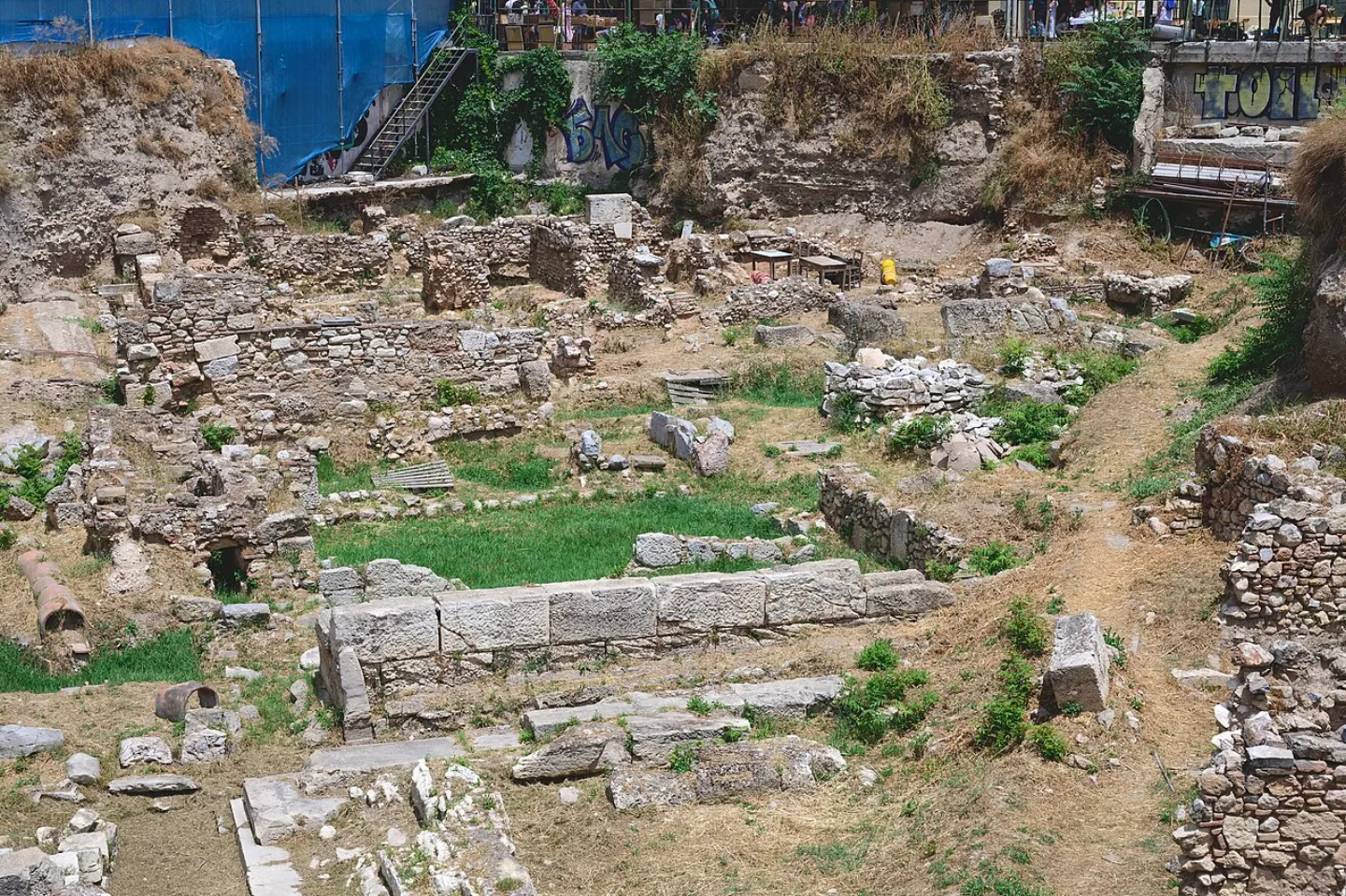
The Porch That Named a School
Stoicism takes its name from the stoa poikile, the painted porch in Athens associated with the school's first generation. The label points to a place where the earliest Stoics gathered, not to a modern mood or a single motto. Naming the setting explains the word; it does not by itself describe how the early school operated.
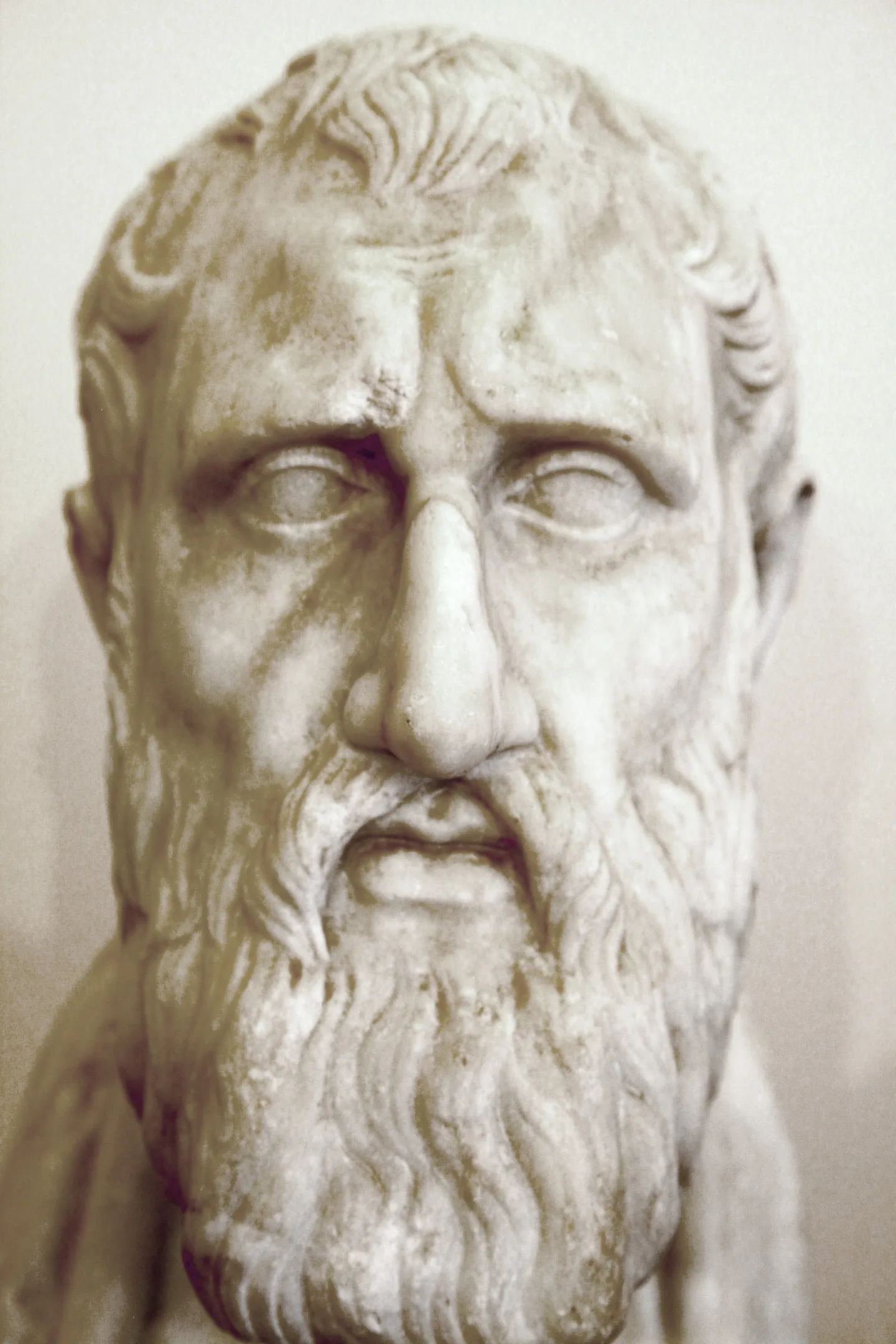
Zeno of Citium and an Approximate Start
The conventional starting point of Stoicism is Zeno of Citium, who began the school around 300 BCE. The word 'around' is doing real work here: the date orients a chronology rather than fixing a year. Treating it as a precision figure would build more structure than the evidence supports.
Three Interlocking Fields
Stoicism comprises three interlocking fields: physics, logic, and ethics. Naming all three at the outset guards against reading the school as nothing but a set of ethical slogans. The claim identifies the architecture; it leaves open the debated question of how tightly each field depends on the others.
A Conventional Succession
The early school is conventionally presented as running from Zeno to Cleanthes of Assos and then to Chrysippus of Soli. That sequence is an orientation device for readers meeting the school for the first time. It should not be converted into a chart that assigns each Stoic doctrine to one named founder.
Nothing Complete Survives
No complete authored work by Zeno, Cleanthes, or Chrysippus survives. The gap is specific rather than total: fragments, later reports, and a poem associated with Cleanthes all remain in play as evidence. A careful reader therefore asks what kind of evidence stands behind a claim before treating it as a founder's own words.
Labels That Are Still Argued Over
Old Stoa and Middle Stoicism are period labels used to organize a survey of the school. Their relevance and accuracy are debated, so they work as rough scaffolding rather than as self-explanatory boxes. A figure's place in such a sequence says nothing about what actually survives from that figure.
A Poem That Actually Survives
A translated text of the Hymn to Zeus associated with Cleanthes survives. That poem gives direct evidence for cosmic and theological vocabulary within its own lines. It does not show that every Stoic used the same wording or held an identical theology.
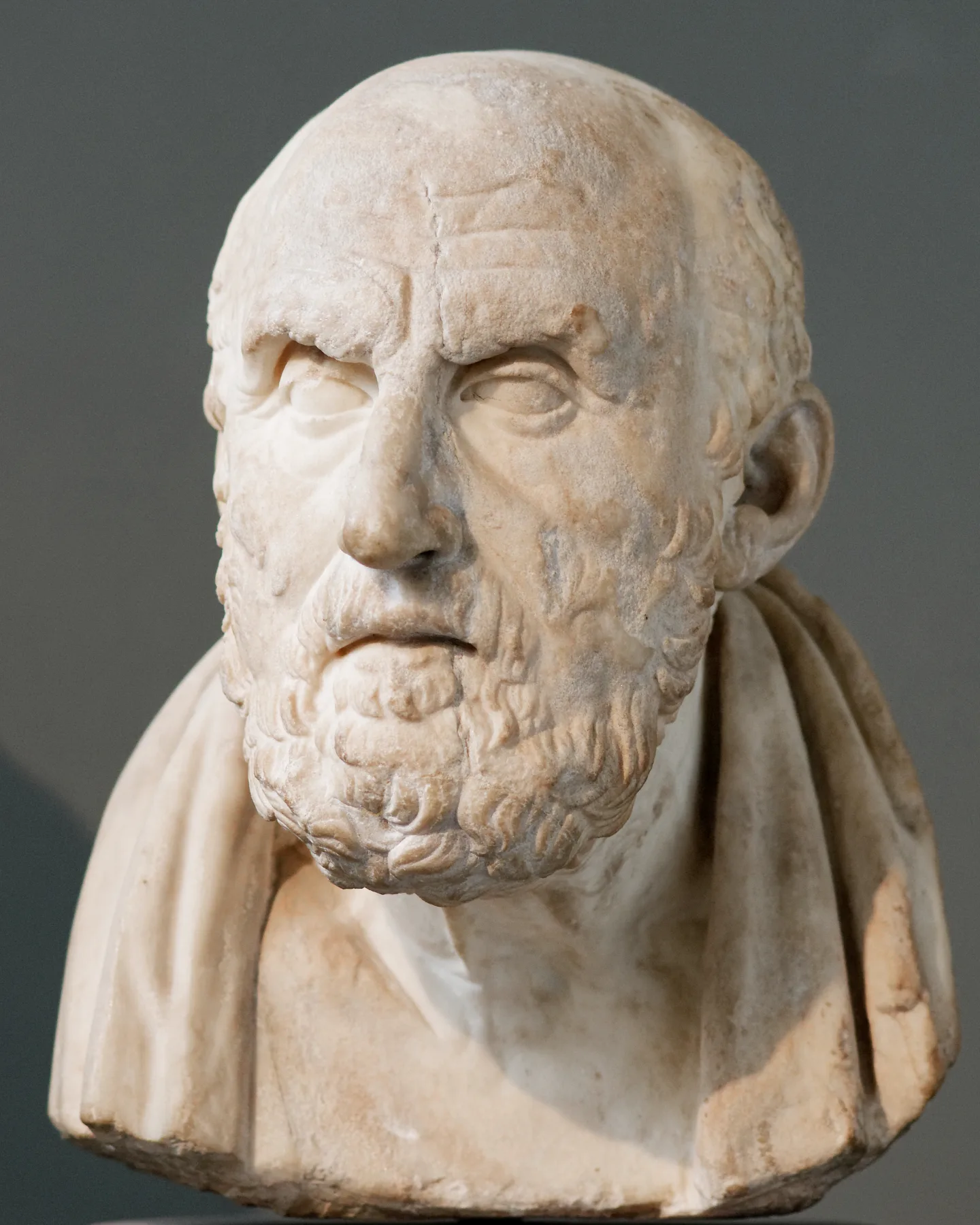
A Systematizer Known Through Fragments
Chrysippus is described as an early Stoic systematizer, yet his output reaches modern readers as fragments and reports rather than as a complete personal corpus. The label is a historical description of his role in the school. It is not a licence to reconstruct a full Chrysippean theory or to supply him with a quotation.
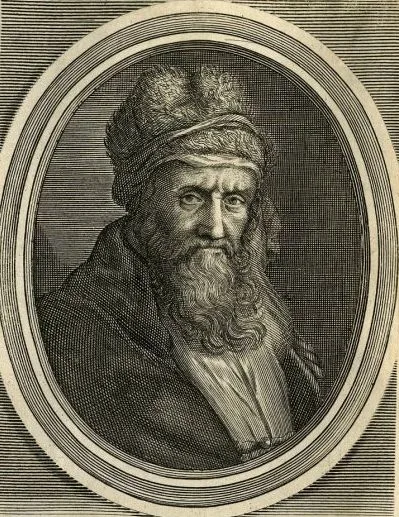
Book 7 and Its Compiler
In Book 7, Diogenes Laertius presents material under Ariston, Cleanthes, Sphaerus, and Chrysippus in a Stoic sequence. What that supports is the compiler's arrangement of the school. It is not a surviving work by each of the figures he lists.
The Wax Pomegranates
Diogenes Laertius reports that Sphaerus became a pupil of Cleanthes, and recounts an episode involving wax pomegranates, assent, and appearance. The episode reaches modern readers as a later translated anecdote. It is not a full account of what Sphaerus thought.
The Roster Runs On
A scholarly overview identifies Diogenes of Babylon as an early successor in the scholarchate and Antipater of Tarsus as his successor. That placement widens the historical roster of the school. It does not by itself supply either figure with an independent body of doctrine.
Matched pairs
Each item on the left goes with the one on the right.
- Zeno of Citium
- Began the school in Athens around 300 BCE, a date offered for orientation rather than precision.
- Cleanthes of Assos
- Second figure in the conventional early succession, standing between the founder and Chrysippus of Soli.
- Persaeus
- Named in a later compiler's report about the school's founder and credited there with a work title.
- Antipater of Tarsus
- Placed by a scholarly overview as the successor of Diogenes of Babylon in the scholarchate.
Self-test
Answer each question from memory, then check your work against the answer key.
1. Where does the name 'Stoicism' come from?
- AThe stoa poikile, a painted porch in Athens tied to the school's first generation
- BA lecture hall attached to the scholarchate later held by Diogenes of Babylon
- CThe temple porch honoured in the Hymn to Zeus associated with Cleanthes of Assos
- DA colonnade at Citium named for the founder by the generation that came after him
2. How should the date 'around 300 BCE' for the beginning of Zeno's school be treated?
- AAs the year the three fields of physics, logic, and ethics were first named
- BAs the date on which Chrysippus of Soli took over the school's leadership
- CAs a precise founding year fixed by a document surviving from the school
- DAs an approximate orientation point for placing the school in time
3. Which three interlocking fields does Stoicism comprise?
- APhysics, rhetoric, and ethics
- BLogic, ethics, and politics
- CPhysics, logic, and ethics
- DPhysics, logic, and theology
4. What is the conventional order of the early Stoic succession?
- AChrysippus of Soli, then Zeno of Citium, then Cleanthes of Assos
- BZeno of Citium, then Cleanthes of Assos, then Chrysippus of Soli
- CZeno of Citium, then Chrysippus of Soli, then Cleanthes of Assos
- DCleanthes of Assos, then Zeno of Citium, then Chrysippus of Soli
5. What has come down to us from Zeno, Cleanthes, and Chrysippus?
- AComplete works by Chrysippus alone, since he systematized the school's teaching
- BOne complete treatise by each of the three, preserved by later copyists in Athens
- CNo complete authored work by any of the three, but fragments and reports survive
- DNothing at all, leaving every claim about the three to modern reconstruction
6. What does the surviving translated Hymn to Zeus associated with Cleanthes establish?
- ADirect evidence for cosmic and theological vocabulary in that one poem
- BThe preservation of Cleanthes' complete prose works alongside the poem
- CA single theological wording shared by every Stoic writer of the period
- DThe school's official statement of its physics, endorsed by its head
7. In what form does Chrysippus's output reach modern readers?
- AAs a section written in his own voice inside a later compiler's book
- BAs a complete personal corpus copied continuously since antiquity
- CAs a single surviving treatise together with a translated hymn
- DAs fragments and later reports rather than a complete corpus
8. Diogenes Laertius presents material under Ariston, Cleanthes, Sphaerus, and Chrysippus in Book 7. What does this support?
- AAn eyewitness record made while the four of them were still teaching
- BThe compiler's presentation of those figures in a Stoic sequence
- CA complete doctrinal system agreed on by all four of them
- DA directly surviving work by each of the four figures named
9. According to a scholarly overview, who succeeded Diogenes of Babylon in the scholarchate?
- AZeno of Citium
- BChrysippus of Soli
- CCleanthes of Assos
- DAntipater of Tarsus
10. Which of these reaches modern readers as a surviving translated text rather than through fragments or a later report?
- AThe Hymn to Zeus associated with Cleanthes of Assos
- BSphaerus's own account of assent and appearance
- CThe systematizing output attributed to Chrysippus of Soli
- DThe prose of Persaeus named in the Zeno material
Go deeper
- ListenLesson 1 episode
- WatchThe Founders' Lost Books No complete work by the founding Stoics survives. Not by Zeno, not by Cleanthes, not by Chrysippus.
- WatchPoem, Fragment, Report How do we know what the early Stoics taught? Through different kinds of evidence.
- StudyStoicism: A School and Its Sources in the FlashFeed app
Answer key
- 1. A The stoa poikile, a painted porch in Athens tied to the school's first generationThe name derives from the stoa poikile, the painted porch in Athens associated with the school's first generation. It records the school's setting, not a doctrine or a slogan.
- 2. D As an approximate orientation point for placing the school in timeZeno of Citium began the school around 300 BCE, and the approximation is part of the claim. The date orients the chronology; it is not a precision figure to build on.
- 3. C Physics, logic, and ethicsStoicism comprises the three interlocking fields of physics, logic, and ethics. Naming them describes the architecture of the system without settling how tightly the fields depend on one another.
- 4. B Zeno of Citium, then Cleanthes of Assos, then Chrysippus of SoliThe conventional early succession runs from Zeno to Cleanthes of Assos and then to Chrysippus of Soli. It is an orientation device, not a chart assigning each doctrine to one founder.
- 5. C No complete authored work by any of the three, but fragments and reports surviveNo complete authored work by Zeno, Cleanthes, or Chrysippus survives. The loss is limited to complete works: fragments, later reports, and a poem associated with Cleanthes still count as evidence.
- 6. A Direct evidence for cosmic and theological vocabulary in that one poemThe translated poem is direct evidence for the cosmic and theological vocabulary in its own lines. It does not establish identical wording or theology across the school.
- 7. D As fragments and later reports rather than a complete corpusChrysippus is described as an early Stoic systematizer, but his output survives through fragments and reports rather than a complete personal corpus.
- 8. B The compiler's presentation of those figures in a Stoic sequenceThe Book 7 sequence supports how a later compiler presented these figures. It is not a surviving work by each of them.
- 9. D Antipater of TarsusA scholarly overview places Diogenes of Babylon as an early successor in the scholarchate and Antipater of Tarsus as his successor. The placement is historical and does not attribute doctrines to either.
- 10. A The Hymn to Zeus associated with Cleanthes of AssosA translated text of the Hymn to Zeus associated with Cleanthes survives. Chrysippus reaches us through fragments and reports, while Persaeus and Sphaerus appear only in later reports.
Sources
- Stanford Encyclopedia of Philosophy — Stoicism; Stoicism — audited source register — plato.stanford.edu/entries/stoicism/
- Diogenes Laertius, Book VII: Sphaerus (wax pomegranates episode) — penelope.uchicago.edu/Thayer/E/Roman/Texts/Diogenes_Laertius/Lives_of_the_Eminent_Philosophers/7/Sphaerus%2A.html
- Diogenes Laertius, Book VII: The Stoics — sourcebooks.web.fordham.edu/ancient/diogeneslaertius-book7-stoics.asp
Image credits
- The Porch That Named a School: Wikimedia Commons · Zde · CC BY-SA 4.0 — commons.wikimedia.org/wiki/File:Stoa_Poikile,_Athnens,_225831.jpg
- Zeno of Citium and an Approximate Start: Jeremy Weate from Abuja, Nigeria (Openverse) · by 2.0 — commons.wikimedia.org/w/index.php?curid=21009170
- A Systematizer Known Through Fragments: Wikimedia Commons · Unknown artist · Public domain — commons.wikimedia.org/wiki/File:Chrysippos_BM_1846.jpg
- Book 7 and Its Compiler: Wikimedia Commons · Unidentified engraver · Public domain — commons.wikimedia.org/wiki/File:Diogenes_Laertius.jpg


