
Stoicism: A School and Its Sources study guide · Lesson 2 of 7
Lesson 2: A Connected Philosophical System
Why Physics, Logic, and Ethics Belong Together · Reason, Language, and Causal Order
This is the lesson's study guide from the FlashFeed app, plus its key facts and a self-test.
What you'll be able to do
- Explain the three Stoic fields, their wider ancient scope, and what the system analogies do and do not settle about ethics and physics
- Describe the breadth of Stoic logic and the approximate status of lekta, and explain the co-fated reply to fatalistic inaction
Why Physics, Logic, and Ethics Belong Together
Stoic philosophy is conventionally divided into physics, logic, and ethics, but the division is not a set of sealed compartments. Ancient writers used images of an animal, an egg, and a fertile field to portray the fields as mutually connected. These analogies show an organized system: they do not by themselves decide exactly how the system works, or resolve scholarly disagreement about the dependence of ethics on physics.
The scope of the fields is broader than a modern departmental shorthand suggests. In Stoic usage, physics includes natural philosophy. Logic reaches beyond formal inference, and ethics concerns the end of life, value, action, and social relations. Keeping these ancient ranges in view is a guard against reading modern academic categories back into the school without qualification. The same three words name the fields, but their historical use does not map neatly onto current course catalogues.
The field names thus organize questions rather than supply three isolated answers. A discussion of value and action belongs within ethics, while a discussion of language can fall within logic, and the bodies–incorporeals distinction belongs to natural philosophy. The classification is informative precisely because its ancient scope is wider than the everyday meanings modern readers may first bring to the words.
The relation among the fields is itself debated. Scholars disagree about how tightly Stoic ethics depends on Stoic physics. A careful guide can state that disagreement without forcing a single answer: the school is conventionally systemic, while the precise philosophical dependence between its components remains an interpretive question. The analogies are therefore teaching aids for interconnectedness, not arguments that settle the dispute.
One technical distinction shows why the system cannot be reduced to a simple modern slogan. Stoic natural philosophy distinguishes bodies that exist from incorporeals—including time, place, void, and lekta—which have a different status. The interpretation of that distinction is contested. It would be misleading to translate it into the blunt claim that Stoicism teaches only that matter exists. Instead, treat the bodies–incorporeals distinction as a historically specific piece of the Stoic framework, one that connects natural philosophy, language, and later ethical discussion without eliminating their differences.
Sources
Reason, Language, and Causal Order
Stoic logic covered more than formal argument. The surviving scholarly overview describes it as including rhetoric, dialectic, epistemology, grammar, and the theory of language. This breadth matters because a technical term in Stoic logic may belong to a discussion of expression, knowledge, or language rather than to a modern logic exercise alone.
One such term is lekta. It may be glossed approximately as what can be said or expressed, and Stoic sources treat lekta as incorporeals. “Approximately” is not evasive: the English gloss does not settle disputes about the Greek term. The earlier bodies–incorporeals distinction supplies the relevant context, but it should not be mistaken for a complete translation or a resolved technical theory.
Chrysippus is connected in the overview with lost books on knowledge, cognition, and ignorance. Their titles are evidence that such topics were attributed to him; because the books are lost, they do not reveal their full contents or exact wording. This is a compact example of the source limits introduced in Lesson 1: a title can orient a question, but it cannot substitute for a surviving argument.
The overview also describes Stoic causal determinism and actions that are co-fated within a causal sequence. The familiar doctor example is presented as a reply to the conclusion that action is pointless in a causally ordered world. Its philosophical role is to reject fatalistic inaction by placing an action within the sequence, rather than outside it. The example is not medical advice, and the ancient position does not settle a modern free-will debate. It is best read as a carefully bounded account of why causal order, on this view, need not make action irrelevant.
The language material and the causal material call for different kinds of caution. Lekta needs a qualified translation because the English gloss is approximate; the lost Chrysippean titles need restraint because titles do not disclose arguments; and the co-fated illustration needs its stated philosophical purpose rather than a modern medical or metaphysical expansion. These limits do not make the topics unusable. They identify the exact claim each source can bear.
Sources
Key terms
- The threefold division
- The conventional grouping of Stoic philosophy into physics, logic, and ethics, presented as an interconnected system rather than three sealed compartments.
- Bodies
- In Stoic natural philosophy, the things said to exist, distinguished from incorporeals such as time, place, void, and lekta, which are given a different status.
- Stoic logic
- The field that took in rhetoric, dialectic, epistemology, grammar, and the theory of language, rather than formal inference alone.
- Lekta
- Approximately, what can be said or expressed. Stoic sources treat them as incorporeals, and the English gloss is offered as approximate rather than settled.
- Co-fated
- Said of an action treated as belonging inside the causal sequence rather than standing outside it, in the Stoic account of causal order.
Key facts
Three Fields, One System
Stoic philosophy is conventionally divided into physics, logic, and ethics. The division is presented as an interconnected system rather than three sealed compartments. How tightly that system holds together is an interpretive question rather than a settled result.
Wider Than the Modern Words
The three field names do not carry their modern departmental meanings. In Stoic usage, physics includes natural philosophy, and logic extends well beyond formal inference. Reading a current course catalogue back into the school would narrow all three without warrant.
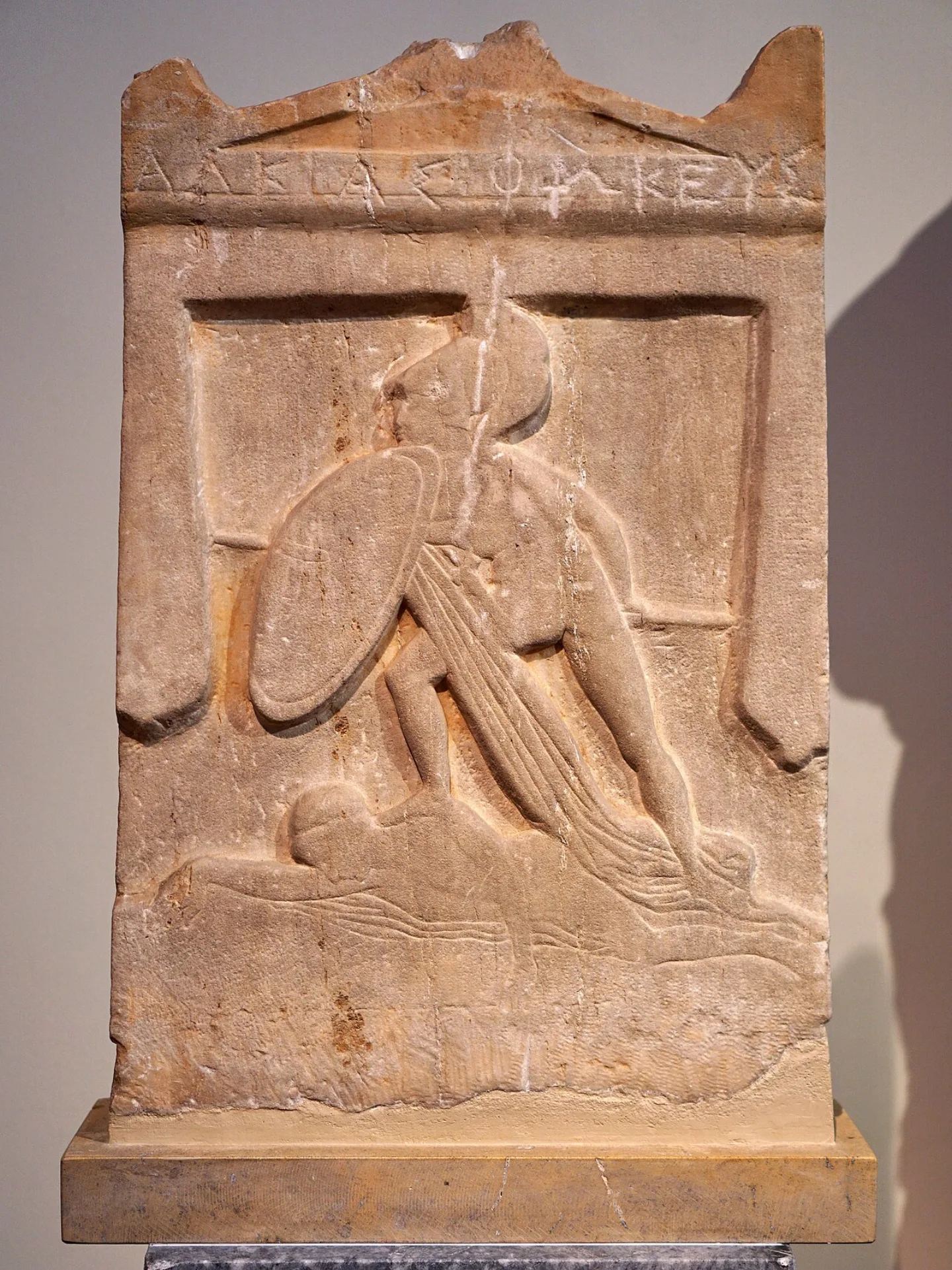
What Ethics Covered
Stoic ethics is not confined to rules of private conduct. It concerns the end of life, value, action, and social relations together. A discussion of what is worth choosing, and of how one stands towards others, therefore falls inside this single field.
An Animal, an Egg, a Field
Ancient writers reached for three homely images to portray the fields of the school: an animal, an egg, and a fertile field. Each pictures parts that belong together rather than subjects filed separately. The images show an organised system; they do not decide how the parts depend on one another.
A Disagreement Left Open
Scholars disagree about how tightly Stoic ethics depends on Stoic physics. The school can be described as conventionally systemic while that dependence stays an interpretive question. Reporting the disagreement plainly is more honest than forcing a single answer onto the material.
Bodies and Incorporeals
Stoic natural philosophy distinguishes bodies, which exist, from incorporeals, which are given a different status. Time, place, void, and lekta are grouped among the incorporeals. The interpretation of that distinction is contested, so it should not be flattened into the slogan that only matter exists.

Logic With a Wide Door
Stoic logic covered far more than formal argument. The surviving scholarly overview describes it as taking in rhetoric, dialectic, epistemology, grammar, and the theory of language. A technical term found there may belong to a discussion of expression or knowledge rather than to inference alone.
Lekta, Approximately
Lekta may be glossed roughly as what can be said or expressed, and Stoic sources treat them as incorporeals. The word 'approximately' is doing real work here: the English gloss does not settle disputes about the Greek term. The bodies-incorporeals distinction supplies the context, not a finished translation.
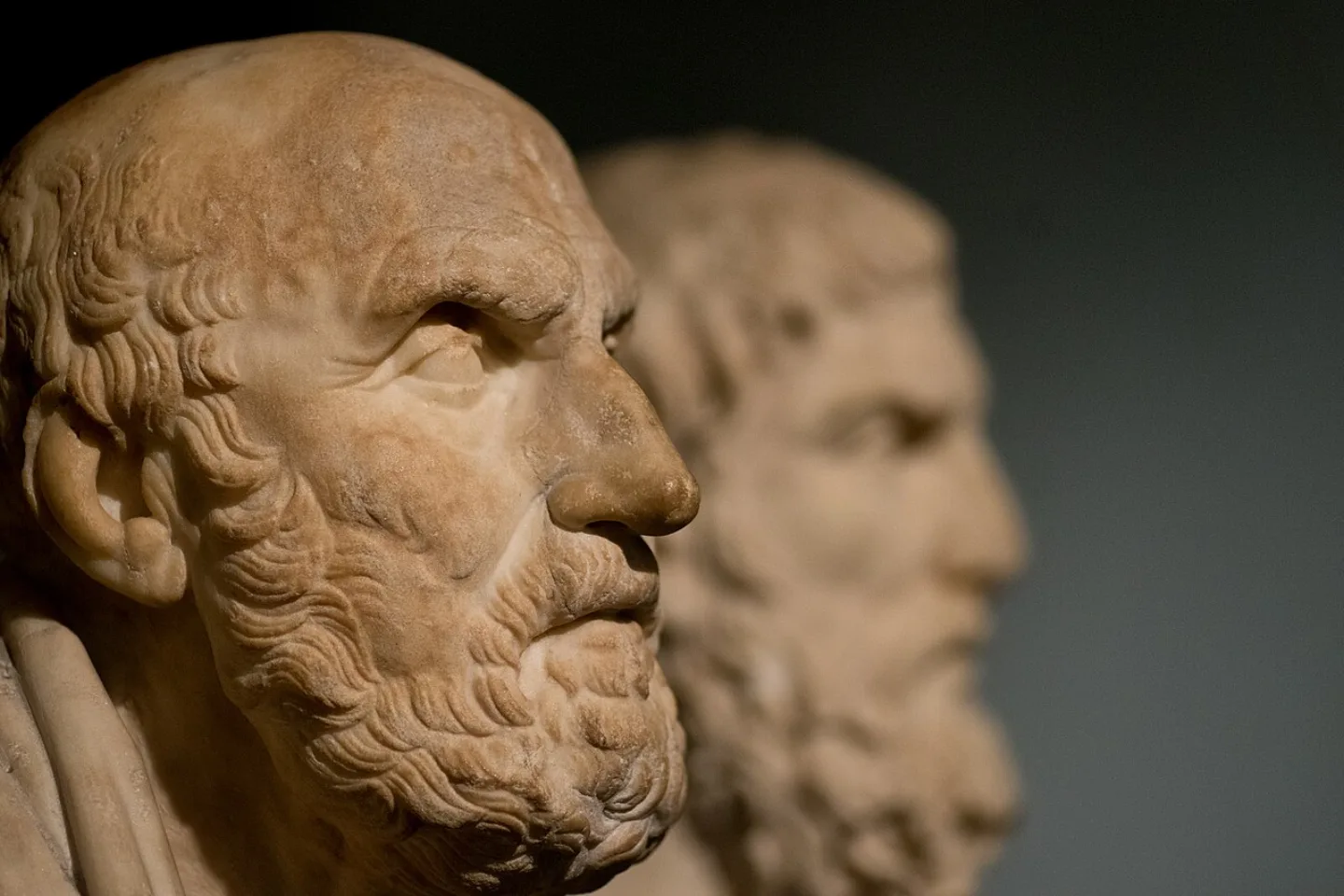
Titles Without Their Books
The scholarly overview attributes lost books on knowledge, cognition, and ignorance to Chrysippus. The titles are evidence that those topics were credited to him. Because the books are lost, they cannot supply their contents or their exact wording.
Co-Fated in the Sequence
The overview describes Stoic sources as endorsing causal determinism while treating some actions as co-fated within the causal sequence. A co-fated act sits inside the order of causes rather than outside it. This reports an ancient account of causal order and action; it does not settle a modern free-will debate.
The Doctor in the Argument
The familiar doctor example answers the conclusion that action is pointless in a causally ordered world. Its work is to place an action inside the sequence rather than to leave it outside. The physician is a historical philosophical illustration and cannot be turned into medical advice.
Matched pairs
Each item on the left goes with the one on the right.
- Animal, egg, fertile field
- Ancient images portraying the school's three fields as mutually connected
- Time, place, void, lekta
- Items given a status different from the things said to exist
- Rhetoric, dialectic, epistemology, grammar
- Areas gathered inside the field that also covered the theory of language
- Books on knowledge, cognition, and ignorance
- Lost titles credited to Chrysippus by the scholarly overview
Self-test
Answer each question from memory, then check your work against the answer key.
1. Stoic philosophy is conventionally divided into which three fields?
- APhysics, mathematics, and politics
- BEthics, theology, and history
- CLogic, rhetoric, and poetics
- DPhysics, logic, and ethics
2. How does Stoic 'physics' differ from the modern subject that shares its name?
- AIt is confined to the measurement of motion, force, and matter
- BIt treats only the study of living creatures and their growth
- CIt reaches across natural philosophy, wider than today's subject
- DIt concerns the rules by which one statement follows another
3. What work do the analogies of an animal, an egg, and a fertile field do?
- AThey picture the school's three fields as mutually connected
- BThey prove that ethics follows strictly from natural philosophy
- CThey assign one field to each generation of the school
- DThey rank the three fields in order of difficulty for beginners
4. How is the relation between Stoic ethics and Stoic physics best described?
- AScholars agree the two were taught as unrelated subjects
- BScholars disagree about how tightly one depends on the other
- CEthics is generally held to be a later addition to the system
- DPhysics is generally held to be one department of the school's logic
5. Beyond everyday rules of conduct, what does Stoic 'ethics' cover in its wider ancient scope?
- ARhetoric, dialectic, grammar, and theory of language
- BThe end of life, value, action, and social relations
- CNatural philosophy and the bodies that exist
- DThe measurement of motion, force, and matter
6. Which set of areas did Stoic logic take in?
- AValue, action, social relations, and the end of a human life
- BArithmetic, geometry, astronomy, and the study of harmonics
- CRhetoric, dialectic, epistemology, and grammar
- DMedicine, law, and household management
7. How is the English gloss of lekta presented?
- AAs an approximation that leaves technical disputes open
- BAs a Latin coinage introduced by much later Roman writers
- CAs a settled translation agreed across Greek scholarship
- DAs a term that belongs to ethics rather than to language
8. What does calling an action 'co-fated' mean in this account?
- AIt is fixed in advance whatever anyone chooses to do about it
- BIt stands outside the causal order as an exception to it
- CIt is brought about by two separate causes acting at one time
- DIt belongs inside the causal sequence rather than outside it
9. What role is the doctor example given?
- ATo settle the modern argument about freedom and determinism
- BTo reject the conclusion that action is pointless
- CTo show that medicine was the school's model for every science
- DTo prove that any outcome can be altered
10. What is the co-fated doctor example explicitly said NOT to do?
- AIllustrate the Stoic account of causal order
- BReject the conclusion that action is pointless
- CPlace an action inside the causal sequence
- DSettle a modern debate about free will
Go deeper
- ListenLesson 2 episode
- WatchAn Egg, an Animal, a Field Ancient writers pictured Stoic philosophy as an egg. Or as an animal, or a fertile field.
- WatchMore Than Logic Stoic logic was much more than logic. It covered rhetoric, dialectic, epistemology, grammar, and the theory of language.
- StudyStoicism: A School and Its Sources in the FlashFeed app
Answer key
- 1. D Physics, logic, and ethicsThe conventional division is physics, logic, and ethics, and it is presented as an interconnected system rather than three separate subjects.
- 2. C It reaches across natural philosophy, wider than today's subjectIn Stoic usage physics includes natural philosophy, so its ancient range is wider than the modern subject of the same name.
- 3. A They picture the school's three fields as mutually connectedThe analogies portray the fields as mutually connected. They illustrate an organised system without settling how the fields depend on each other.
- 4. B Scholars disagree about how tightly one depends on the otherThe dependence of ethics on physics is an open scholarly disagreement, so the honest description reports the debate rather than deciding it.
- 5. B The end of life, value, action, and social relationsIn Stoic usage, ethics concerns the end of life, value, action, and social relations, a wider scope than modern rules of conduct alone.
- 6. C Rhetoric, dialectic, epistemology, and grammarThe overview describes Stoic logic as including rhetoric, dialectic, epistemology, grammar, and the theory of language.
- 7. A As an approximation that leaves technical disputes openThe gloss is explicitly approximate. It orients a reader towards what can be said or expressed without resolving disputes about the Greek term.
- 8. D It belongs inside the causal sequence rather than outside itSome actions are treated as co-fated within the causal sequence, which places them inside the order of causes rather than outside it.
- 9. B To reject the conclusion that action is pointlessThe example is presented as a response to the conclusion that action is pointless in a causally ordered world. It rejects fatalistic inaction by placing the action within the sequence.
- 10. D Settle a modern debate about free willThe example does not settle a modern free-will debate; it only rejects fatalistic inaction by placing action within the causal sequence.
Sources
- Stanford Encyclopedia of Philosophy — Stoicism; Stoicism — audited source register — plato.stanford.edu/entries/stoicism/
Image credits
- What Ethics Covered: Wikimedia Commons · George E. Koronaios · CC BY-SA 4.0 — commons.wikimedia.org/wiki/File:Funerary_stele_of_Alkias_of_Phocis_at_the_National_Archaeological_Museum_of_Athens_on_6_September_2018.jpg
- Logic With a Wide Door: Wikimedia Commons · George E. Koronaios · CC BY-SA 4.0 — commons.wikimedia.org/wiki/File:Athens_from_the_Pnyx_on_July_24,_2019.jpg
- Titles Without Their Books: Wikimedia Commons · Paul Hudson from United Kingdom · CC BY 2.0 — commons.wikimedia.org/wiki/File:British_Museum_(15302988376).jpg


