
Stoicism: A School and Its Sources study guide · Lesson 3 of 7
Lesson 3: Virtue, Value, and Action
The End, Virtue, and the Sage · Indifferents, Appropriate Action, and a Roman Witness
This is the lesson's study guide from the FlashFeed app, plus its key facts and a self-test.
What you'll be able to do
- Explain telos, virtue, the sage ideal, and qualified Panaetius-Posidonius coverage.
- Distinguish value from preferred and dispreferred indifferents and introduce appropriate action through transmission-aware Epictetan evidence.
The End, Virtue, and the Sage
The Stoic telos, or end, is commonly expressed as living in agreement with nature. The phrase is historical ethical vocabulary, not an invitation to follow a personal impulse or treat “natural” as a general term of approval. Its meaning belongs inside a Stoic account of value, reason, and action rather than a modern slogan detached from that framework.
Within the overview used here, virtue is characterized as a perfected rational condition involving knowledge of what is good, bad, and neither. Wisdom or prudence, justice, courage, and moderation are named among the virtues. This list is a teaching vocabulary, not a personality inventory: quietness, toughness, or outward success do not thereby count as Stoic virtue. The same account treats the virtues as inseparable, so it should not be read as an ancient endorsement of scoring oneself highly on one trait while ignoring the others.
This vocabulary also shows why the telos cannot be reduced to a preference for a particular external result. The framework turns on a rational account of good, bad, and neither, and the named virtues are treated as mutually bound rather than as independent qualities. The point is conceptual structure, not a measurement of anyone's character or a claim that an ancient leader attained the sage's strict status.
The sage marks the strictness of this framework. Stoic sources set the sage as a demanding ideal of wisdom, and the overview reports that no school leaders claimed the all-or-nothing knowledge status associated with that ideal. The sage is therefore a theoretical ideal; it is not a status to assign to a named ancient author without a specific source that supports it.
Broader coverage also requires attention to development and mediation. Panaetius is placed in the later second century BCE, and Posidonius, identified as his student, in the first century BCE. The overview records Panaetius as rejecting periodic conflagration, while reports about Posidonius on passions are described as contested and interpretively mediated. These details support a picture of variation and debate. They do not establish a single flawless “Middle Stoic” doctrine, and they do not show that either figure simply abandoned Stoicism. Historical placement, reported disagreement, and direct textual survival must remain distinct.
Sources
Indifferents, Appropriate Action, and a Roman Witness
The Stoic category of indifferents is technical. In strict Stoic evaluation, health, illness, wealth, poverty, reputation, office, and death do not determine whether a life is good or bad in the way virtue and vice do. That evaluative claim does not say that conditions, possessions, or other people's circumstances are insignificant. It identifies a distinction about what determines goodness or badness within the Stoic framework.
The sources further distinguish preferred from dispreferred indifferents. This prevents “indifferent” from becoming a careless or unobservant attitude. The category of appropriate action likewise concerns selections and actions even though outcomes and possessions alone do not make a person good. It is a historical framework for thinking about action and value, not a ready-made directive for family, civic, or bodily decisions.
A named English translation of the Encheiridion gives a Roman-era textual witness with its own limits. Section 1 distinguishes things described there as in our control from body, property, reputation, and command. That wording belongs to that specified translation of a compact work. It is not evidence for a universal modern rule called the “dichotomy of control,” nor does English “control” settle a technical Stoic term.
The two distinctions in this section operate at different levels. Preferred and dispreferred indifferents concern a technical evaluation of external conditions; appropriate action concerns selections and actions in that framework. The translation's in-our-control language is a separate, text-specific piece of evidence. Treating all three as one interchangeable maxim would lose both the ethical vocabulary and the transmission boundary.
The related term prohairesis is identified as central in the Epictetus overview. The same overview describes the Discourses as associated with Arrian's recording of Epictetus's teaching. Thus, even when a later Roman witness is useful, transmission remains part of the claim: translation language does not settle interpretation, and an Arrian-associated record is not the same kind of evidence as a lost early Stoic book. This source-aware contrast keeps ethical vocabulary connected to the texts through which it reaches readers.
Sources
Key terms
- Telos
- The end at which a life is aimed in Stoic ethics, commonly expressed as living in agreement with nature — a formula that requires historical explanation rather than a modern reading of "natural" as approval.
- Virtue (in the Stoic sense)
- A perfected rational condition, characterized in the overview as involving knowledge of what is good, what is bad, and what is neither.
- Inseparability of the virtues
- The Stoic position, as described in the overview, that the named virtues are not separable from one another and so are not independent traits that can be held one at a time.
- Preferred and dispreferred indifferents
- The distinction Stoic sources draw inside the class of things that do not make a life good or bad, which stops "indifferent" from meaning that a person should choose carelessly or fail to notice circumstances.
- Appropriate action
- A Stoic category used to discuss selections and actions, kept in the framework even though outcomes and possessions alone do not make a person good.
Key facts

Living in Agreement with Nature
The Stoic telos — the end at which a life is aimed — is commonly expressed as living in agreement with nature. The phrase is technical historical vocabulary and needs explanation from inside the Stoic account of reason, value, and action. It is not an instruction to follow whatever impulse arises, and "natural" here is not a general word of approval.
Virtue as a Perfected Rational Condition
The overview used here characterizes Stoic virtue as a perfected rational condition. What that condition involves is knowledge of what is good, what is bad, and what is neither. This is a scholarly reconstruction of ancient ethical vocabulary rather than a contemporary personality test, so it names a theoretical standard rather than a score a reader assigns to themselves.
The Named Stoic Virtues
Wisdom or prudence, justice, courage, and moderation are named among the Stoic virtues in the overview. The list is a source-supported teaching vocabulary for reading Stoic ethics. It is not evidence that quietness, toughness, or outward success counts as Stoic virtue.
The Virtues Held Together
The Stoic position described in the overview treats the virtues as inseparable rather than as independent qualities held one at a time. That inseparability is an ancient theoretical thesis about how the virtues stand to one another. It should not be recast as an unqualified modern rule for self-assessment.
The Sage as a Demanding Ideal
Stoic sources set the sage as a demanding ideal of wisdom, and the overview reports that no school leaders claimed the strict all-or-nothing knowledge status attached to it. The sage therefore works as a theoretical benchmark inside the framework. No named ancient author should be given that status without a source that specifically supports it.
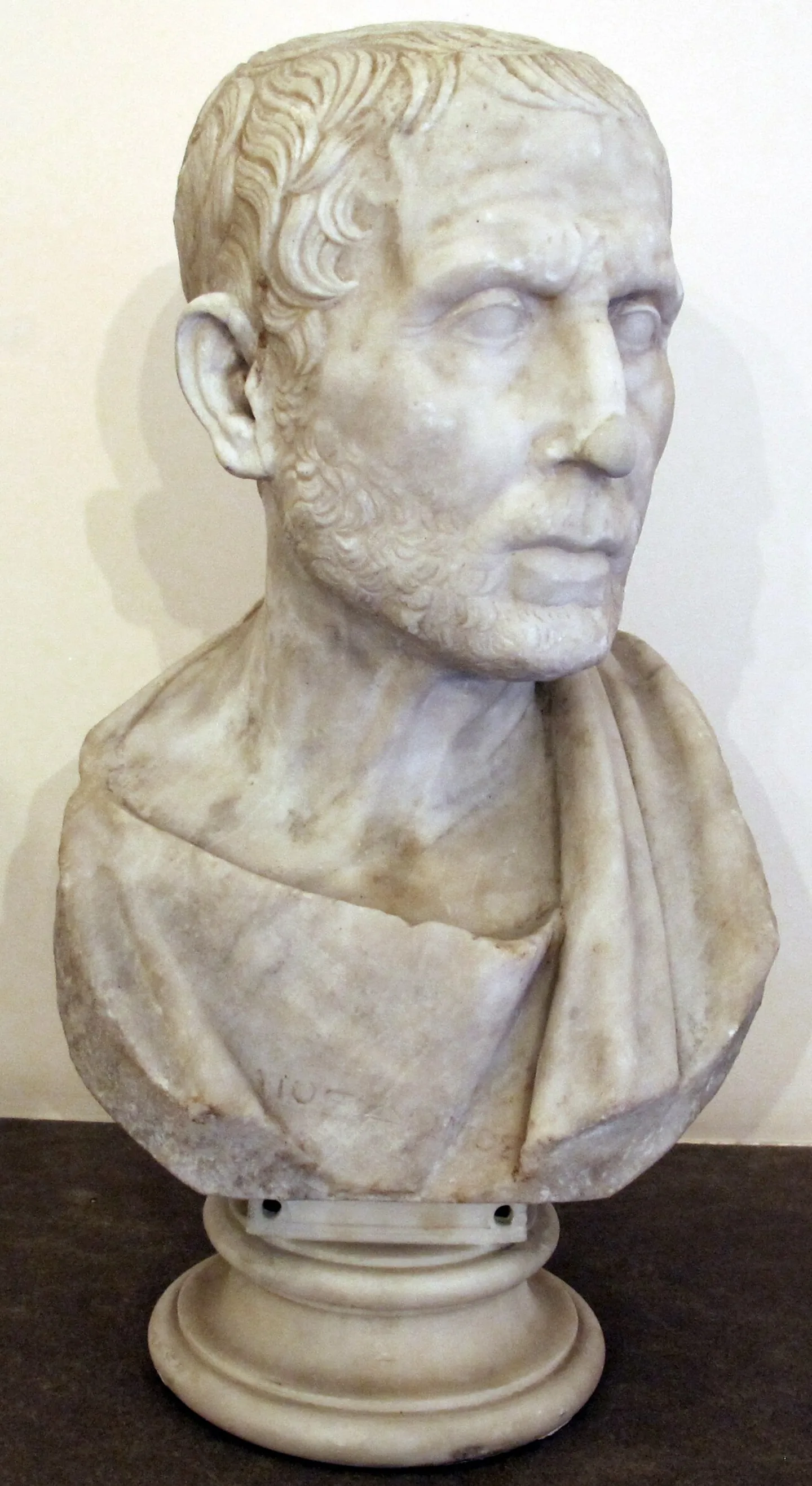
Panaetius and Posidonius Placed
The overview places Panaetius in the later second century BCE and identifies Posidonius as his student in the first century BCE. The dates and the teacher-student relationship orient a discussion of the school's middle period. They do not by themselves establish a single settled Middle Stoic doctrine.
Development and Dispute in the Middle Period
The overview records that Panaetius rejected periodic conflagration, and it treats reports about Posidonius on the passions as contested and interpretively mediated. Together these show a school in which positions developed and were argued over. Neither point supports saying that either figure simply abandoned Stoicism.
What the Indifferents Cover
In strict Stoic evaluation, health, illness, wealth, poverty, reputation, office, and death do not determine whether a life is good or bad in the way virtue and vice do. The claim marks a technical evaluative boundary inside the framework. It does not say that these conditions, or other people's circumstances, are insignificant.
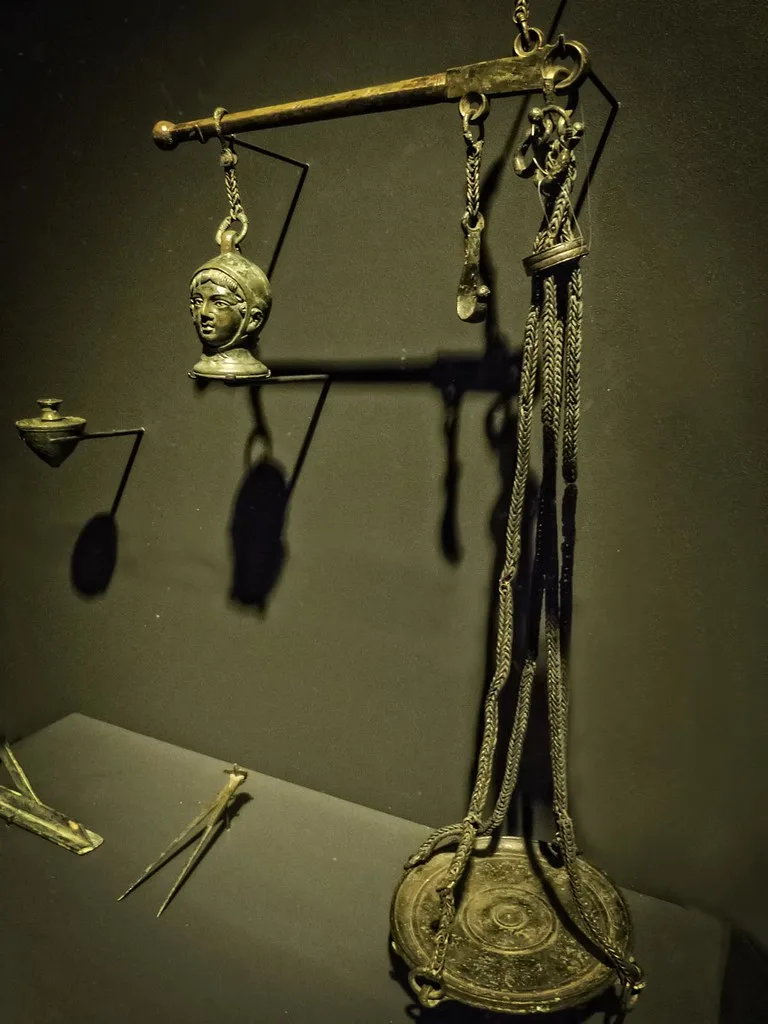
Preferred and Dispreferred
Stoic sources distinguish preferred indifferents from dispreferred ones. The two labels mark a difference inside the class of things that do not make a life good or bad. The distinction is what keeps "indifferent" from meaning that a person should choose carelessly or stop noticing circumstances.
Appropriate Action
Appropriate action is a Stoic category used to discuss selections and actions, even though outcomes and possessions alone do not make a person good. It gives the framework a way to talk about what someone does without making results the measure of goodness. It is presented here as a historical framework, not as counsel for family, civic, or bodily decisions.
Section 1 of the Encheiridion
Section 1 of the Encheiridion, in the translation consulted, distinguishes things it describes as in our control from body, property, reputation, and office. That wording belongs to one specified English translation of a compact work. It is evidence for that text, not for a universal modern rule called the dichotomy of control.
Prohairesis and Arrian's Record
The Epictetus overview identifies prohairesis as a central technical notion. The same overview describes the Discourses as associated with Arrian's recording of Epictetus's teaching. Translation language such as "control" does not settle how the technical term should be read, and it leaves the questions of genre and recording open.
Matched pairs
Each item on the left goes with the one on the right.
- Inseparability of the virtues
- A single rational condition, not a set of traits picked up one at a time
- Posidonius
- First century BCE; identified in the overview as the student of Panaetius
- Dispreferred indifferents
- The lower-ranked group among things that neither make nor mar a life
- Arrian
- Named in the overview as the recorder behind a text of Epictetus's teaching
Self-test
Answer each question from memory, then check your work against the answer key.
1. How is the Stoic telos most commonly expressed in the overview used here?
- AAs living free from every bodily discomfort
- BAs living in pursuit of a lasting reputation
- CAs living according to the customs of one's city
- DAs living in agreement with nature
2. Stoic virtue is characterized in the overview as a perfected rational condition involving knowledge of what?
- AWhat is lawful, what is unlawful, and what is customary
- BWhat is good, what is bad, and what is indifferent
- CWhat is pleasant, what is painful, and what is dull
- DWhat is possible, what is impossible, and what is likely
3. What does the overview report about the school's leaders and the sage's status?
- ANo one but the founder was said to have held it
- BThey disputed whether the ideal could be defined
- CNone of them claimed that strict knowledge status
- DEach of them was recognized as having reached it
4. According to the overview, which period is given for Posidonius?
- AThe first century BCE
- BThe first century CE
- CThe early third century BCE
- DThe later second century BCE
5. Which position on periodic conflagration does the overview record for Panaetius?
- AHe defended it against critics inside the school
- BHe made it central to his account of the passions
- CHe treated it as a matter of contested report
- DHe rejected the periodic conflagration
6. How does the overview characterize reports about Posidonius's views on the passions?
- AAccepted without any recorded dispute
- BConfirmed by his own surviving writings
- CContested and interpretively mediated
- DRejected as a later scholarly fabrication
7. In strict Stoic evaluation, what is said of health, wealth, reputation, and office?
- AThey do not settle whether a life is good or bad
- BThey rank above virtue whenever survival is at stake
- CThey are treated as evils to be refused outright
- DThey are counted as genuine goods when abundant
8. What is the Stoic category of appropriate action used to discuss?
- AOutcomes and possessions
- BSelections and actions
- CFeelings and impressions
- DThe ranking of the virtues
9. Section 1 of the Encheiridion translation opened here contrasts things described as in our control with which list?
- AWealth, illness, custom, death
- BSpeech, memory, habit, appetite
- CBody, property, reputation, office
- DFamily, city, fortune, inheritance
10. What does the source note say about English "control" as a rendering connected to prohairesis?
- AIt settles the technical interpretation firmly
- BIt removes the questions of genre and recording
- CIt shows the notion was marginal in his thought
- DIt leaves the technical interpretation unsettled
11. What distinction do Stoic sources draw among indifferents to keep the term from meaning careless or unobservant?
- ANecessary and unnecessary indifferents
- BPreferred and dispreferred indifferents
- CGood and bad indifferents
- DNatural and unnatural indifferents
Go deeper
- ListenLesson 3 episode
- WatchWhat "Indifferent" Means The Stoics called health, wealth, reputation and even death indifferents.
- WatchVirtues as a Set The Stoic virtues come as a set. You can't score high on one and ignore the others.
- StudyStoicism: A School and Its Sources in the FlashFeed app
Answer key
- 1. D As living in agreement with natureThe telos, the end at which a life is aimed, is commonly expressed as living in agreement with nature. The formula still needs historical explanation from inside the Stoic framework.
- 2. B What is good, what is bad, and what is indifferentThe overview describes virtue as a perfected rational condition involving knowledge of what is good, bad, and neither. That three-way division is the shape of the claim.
- 3. C None of them claimed that strict knowledge statusThe overview reports that no school leaders claimed the strict all-or-nothing knowledge status associated with the sage, which is why the sage stays a theoretical ideal.
- 4. A The first century BCEThe overview places Panaetius in the later second century BCE and identifies Posidonius as his student in the first century BCE.
- 5. D He rejected the periodic conflagrationThe overview records that Panaetius rejected periodic conflagration. It is the reports about Posidonius on the passions, not this point, that are described as contested and mediated.
- 6. C Contested and interpretively mediatedThe overview treats reports about Posidonius's views on the passions as contested and interpretively mediated, unlike the more settled point that Panaetius rejected periodic conflagration.
- 7. A They do not settle whether a life is good or badIn strict Stoic evaluation these do not determine whether a life is good or bad in the way virtue and vice do. The claim marks an evaluative boundary; it does not call them insignificant.
- 8. B Selections and actionsAppropriate action is used to discuss selections and actions. It is retained precisely because outcomes and possessions alone do not make a person good.
- 9. C Body, property, reputation, officeThat translation's first section distinguishes things described as in our control from body, property, reputation, and office.
- 10. D It leaves the technical interpretation unsettledTranslation language such as "control" does not settle the technical interpretation or remove questions about genre and recording. The overview still identifies prohairesis as a central notion.
- 11. B Preferred and dispreferred indifferentsStoic sources distinguish preferred from dispreferred indifferents, which stops 'indifferent' from meaning a careless or unobservant attitude toward externals. The other labels are not the sources' terminology.
Sources
- Stanford Encyclopedia of Philosophy — Stoicism; Stoicism — audited source register — plato.stanford.edu/entries/stoicism/
- Epictetus, Encheiridion (trans. Elizabeth Carter), The Internet Classics Archive — classics.mit.edu/Epictetus/epicench.html
- Stanford Encyclopedia of Philosophy, "Epictetus" — plato.stanford.edu/archives/spr2026/entries/epictetus/
Image credits
- Living in Agreement with Nature: Wikimedia Commons · Chabe01 · CC BY-SA 4.0 — commons.wikimedia.org/wiki/File:Agora_-_Ath%C3%A8nes_(GRA1)_-_2022-03-26_-_97.jpg
- Panaetius and Posidonius Placed: Wikimedia Commons · Sailko · CC BY 3.0 — commons.wikimedia.org/wiki/File:Posidonio,_replica_augustea_(23_ac.-14_dc_ca)_da_originale_del_100-50_ac._ca._6142.JPG
- Preferred and Dispreferred: mharrsch (Openverse) · by 2.0 — www.flickr.com/photos/44124324682@N01/17428346150

