
Stoicism: A School and Its Sources study guide · Lesson 7 of 7
Lesson 7: Reception and Responsible Reading
Reception Changes the Stoicism That Readers Meet · Documented Contemporary Materials: Holiday Site and Podcast; Ferriss Interview
This is the lesson's study guide from the FlashFeed app, plus its key facts and a self-test.
What you'll be able to do
- Explain how later readers meet Stoicism through transformed textual pathways
- Read first-party materials for only the site, book, podcast-hosting, and interview-publication details they document
Reception Changes the Stoicism That Readers Meet
Later readers do not encounter an ancient school in a vacuum. Sellars's article reports that medieval and Renaissance readers often met Stoicism through Seneca and Cicero, while the Encheiridion also circulated in Latin translation. This is a reception pathway: it tells us which routes and texts helped shape later access. It does not show that the resulting image was identical with the Hellenistic school.
The survival, translation, printing, and popularity of selected texts help shape the Stoicism that later readers encounter. These are source-history mechanisms, not a verdict that later reception is inaccurate. A selection can make one text especially available without making it a complete substitute for missing, fragmentary, or differently transmitted material. This helps explain why a reader's “Stoicism” may be shaped by a particular author, language, or publication history.
Historians describe early-modern writers engaging with Stoic materials in varied ways: some criticized them, others translated, appropriated, or selectively reframed them for new purposes. These are distinct activities, and they resist a simple story of either faithful recovery or wholesale distortion. The evidence supports a more limited conclusion: later engagement may alter emphasis, vocabulary, or the materials presented to readers. It does not authorize a blanket judgment about every later author or every use of Stoic texts.
The University of Exeter's Stoicism Today page offers a modern institutional example with similarly narrow evidential reach. Its own project description says that the project began with a 2012 workshop and later organized public events and online programs. That first-party page documents activities. It does not establish clinical effectiveness, broad influence, or the accuracy of modern adaptations of ancient Stoicism. The same source-aware distinction used for ancient texts applies here: identify what a page directly documents, then avoid turning an activity description into an outcome or authority claim.
Reception evidence can thus identify pathways without settling doctrine. Sellars's article supports a historical account of selected texts and early-modern activities; the Exeter page supports a project's self-description of its activities. Neither replaces direct ancient evidence or a scholarly reconstruction when the question concerns Hellenistic Stoicism. Their value lies in explaining how material was encountered, transmitted, or organized at later moments.
Sources
Documented Contemporary Materials: Holiday Site and Podcast; Ferriss Interview
This section uses three named, direct web artifacts. Their content is reported at the level each artifact supports: a page's description of a site and book, a podcast page's identification of its host, and a blog's publication of a titled transcript. These artifacts are not ancient texts and do not establish claims about ancient Stoic doctrines. Questions about those doctrines require the ancient and scholarly materials cited in the earlier lessons.
Holiday is discussed here only through what his own pages say. His official Books and Courses page calls Daily Stoic his site about Stoicism and philosophy, and it identifies The Obstacle Is the Way as his first book on Stoicism. This is a self-description of a site and a listed book. It establishes neither the correctness of the book's claims about ancient texts nor conclusions that extend beyond the contents of that page.
The official Daily Stoic podcast page separately says that the podcast is hosted by Ryan Holiday. This is a statement on the podcast's own page about the person named as host. It adds a second, distinct artifact to the record: the Books and Courses page describes Daily Stoic and identifies a book, whereas the podcast page identifies a host. The difference matters because a statement about a host is not the same kind of document as a page describing a book or a text that preserves an ancient argument.
Ferriss is discussed here only through a published #419 Holiday interview transcript. Tim Ferriss's official blog publishes a Tim Ferriss Show transcript titled “Ryan Holiday — How to Use Stoicism to Choose Alive Time Over Dead Time (#419).” The page establishes that this titled transcript is published on Ferriss's official blog and identifies its Holiday interview context. It does not supply an ancient source or a scholarly assessment of Stoic doctrine.
The useful distinction is therefore documentary. A Holiday page can establish Holiday's stated description; a Daily Stoic page can establish the stated podcast host; and a Ferriss blog page can establish the stated transcript. Those three claims are narrower than conclusions about anything beyond the pages themselves. Keeping page ownership, document type, and the exact statement visible prevents the contemporary materials from being used as substitutes for evidence about the ancient school.
Sources
Key terms
- Reception pathway
- The route by which a body of thought reaches later readers: the particular authors, texts, and translations through which it becomes available. Seneca, Cicero, and a Latin Encheiridion form one such route into Stoicism.
- Encheiridion
- A Stoic text that Sellars reports circulated in Latin translation for medieval and Renaissance readers, alongside the works of Seneca and Cicero.
- Source-history mechanism
- A feature of how texts are transmitted — survival, translation, printing, popularity — that helps determine which material later readers actually meet. It explains availability rather than certifying accuracy.
- Appropriation
- Taking material over from another body of work and putting it to one's own use. It is one of several ways early-modern writers engaged with Stoic materials, alongside criticism, translation, and selective reframing.
- First-party description
- An account a person or organization gives of its own activity. The University of Exeter's Stoicism Today page is one: it records what the project did, which is a different thing from establishing what the activity achieved.
Key facts
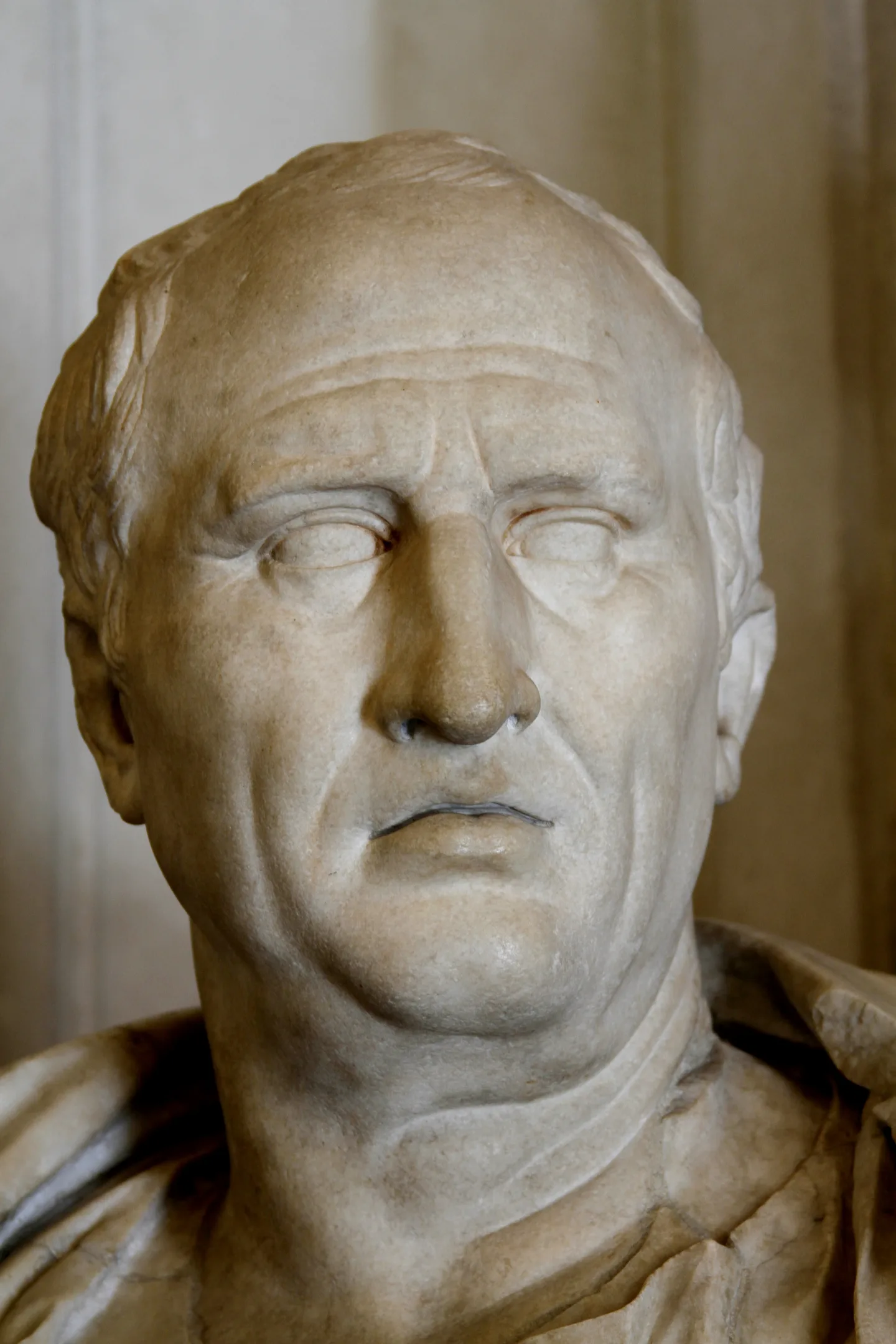
The Roman Routes Into Stoicism
Sellars's article reports that medieval and Renaissance readers often encountered Stoicism through Seneca and Cicero. Those two authors were the routes by which much Stoic material reached later audiences. Naming a route tells us how readers arrived; it does not show that the image they met was identical with the Hellenistic school.
The Encheiridion in Latin
Alongside Seneca and Cicero, the Encheiridion also circulated in Latin translation for medieval and Renaissance readers. A translated text is still a route of access, and Sellars presents it as one of the ways Stoic material became available. What such a route establishes is availability, not equivalence with the original school.
What Survives Shapes What Is Read
The survival, translation, printing, and popularity of selected texts help shape the Stoicism that later readers encounter. These are source-history mechanisms rather than judgements about accuracy. A text that survives, is translated and is printed often becomes unusually available, without becoming a complete substitute for material that was lost or transmitted differently.
Availability Is Not Accuracy
Reception evidence identifies routes, not verdicts. The survival, translation, printing, and popularity of chosen texts explain how material reached readers; they do not declare that later reception is inaccurate. A reader's Stoicism may be shaped by a particular author, language, or publication history without that shaping being an error.
Four Early-Modern Activities
Historians of reception describe early-modern writers engaging with Stoic materials in varied ways: some criticized them, others translated, appropriated, or selectively reframed them for new purposes. Together these resist a single story of either faithful recovery or wholesale distortion. The supported conclusion is limited: later engagement may alter emphasis, vocabulary, or the materials placed in front of readers.

Stoicism Today at Exeter
The University of Exeter's Stoicism Today page says the project began with a 2012 workshop and later organized public events and online programs. That is a first-party description of what a project did. It documents activities, not clinical effectiveness, broad influence, or the accuracy of modern adaptations.
A Page Describing a Site and a Book
Ryan Holiday's official Books and Courses page calls Daily Stoic his site about Stoicism and philosophy. The same page identifies The Obstacle Is the Way as his first book on Stoicism. This is a self-description: it records how a page presents a site and a work, not whether that work's account of ancient texts is correct.
How the Page Lists the Book
On Holiday's own Books and Courses page, The Obstacle Is the Way is identified as his first book on Stoicism. That tells us where the page places the title among his Stoicism books. It establishes nothing about the book's sales, its readership, or its fidelity to ancient sources.
The Podcast Page Names Its Host
The official Daily Stoic podcast page says that the podcast is hosted by Ryan Holiday. That is a separate artifact from the Books and Courses page: one describes a site and lists a book, the other identifies a host. Naming a host documents a publication role, and nothing more.
Who Owns the Page?
Each of these artifacts is owned by the party it describes: Holiday's site describes Holiday's work, the Daily Stoic podcast page names its own host, and Ferriss's blog publishes his own show's transcript. Keeping page ownership, document type, and the exact statement in view keeps a claim the right size. It stops a self-description from being read as an outcome or an authority.
A Transcript on Ferriss's Blog
Tim Ferriss's official blog publishes a Tim Ferriss Show transcript titled "Ryan Holiday — How to Use Stoicism to Choose Alive Time Over Dead Time (#419)." The page establishes that this titled transcript appears there and identifies its host-and-guest interview context. It does not supply an ancient source or a scholarly assessment of Stoic doctrine.
Matched pairs
Each item on the left goes with the one on the right.
- Seneca and Cicero
- The two writers through whom medieval and Renaissance readers often met the school
- Stoicism Today
- A University of Exeter project whose page reports a 2012 workshop, public events, and online programs
- Ryan Holiday
- Named on the podcast's official page as its host
- Tim Ferriss
- Publishes on his official blog the transcript of interview #419
Self-test
Answer each question from memory, then check your work against the answer key.
1. Sellars's article reports that medieval and Renaissance readers often encountered Stoicism through which two authors?
- AZeno and Chrysippus
- BSeneca and Cicero
- CPlutarch and Diogenes Laertius
- DMarcus Aurelius and Epictetus
2. According to Sellars's article, in what form did the Encheiridion reach medieval and Renaissance readers?
- AIt circulated among those readers in Latin translation
- BIt was known through vernacular paraphrases of it
- CIt survived only in fragments quoted by hostile critics
- DIt reached most of those readers in the original Greek
3. Which set of factors helps shape the Stoicism that later readers encounter?
- AThe order in which the school's founders first composed their treatises
- BThe degree of agreement among competing ancient commentators
- CThe number of teaching schools operating in each later century
- DThe survival, translation, printing, and popularity of selected texts
4. Historians describe early-modern writers engaging with Stoic material in varied ways — some critical, some translating, appropriating, or selectively reframing it. What conclusion does that support?
- AEarly-modern writing recovered the Hellenistic school essentially unchanged
- BEvery early-modern author distorted the doctrine he claimed to report
- CLater engagement may alter emphasis, vocabulary, or the material readers see
- DStoic material was received in much the same way across the period
5. A Stoic text survives, is translated, is printed repeatedly, and becomes popular. What does that history establish?
- AThat its author regarded it as his most important work
- BThat the text became unusually available to later readers
- CThat the text is the most accurate statement of the doctrine
- DThat other texts on the subject were judged inferior to it
6. Ryan Holiday's official Books and Courses page describes Daily Stoic as what?
- AA newsletter he writes for a classics department
- BA publisher's imprint for translations of ancient texts
- CAn online course platform run with academic partners
- DA site of his own about Stoicism and philosophy
7. On Holiday's official Books and Courses page, how is The Obstacle Is the Way identified?
- AAs the first of his books on Stoicism
- BAs his translation of a Stoic handbook
- CAs his best-selling book to date
- DAs his only book for general readers
8. What does the official Daily Stoic podcast page establish about Ryan Holiday?
- AThat the show is the most widely heard Stoicism podcast
- BThat he holds academic credentials in ancient philosophy
- CThat the podcast's own page names Ryan Holiday as its host
- DThat he has interviewed classical scholars on the show
9. Where is the transcript titled "Ryan Holiday — How to Use Stoicism to Choose Alive Time Over Dead Time (#419)" published?
- AOn Exeter's Stoicism Today page
- BOn Tim Ferriss's official blog
- COn Holiday's Books and Courses page
- DOn the Daily Stoic podcast page
10. Someone cites Holiday's Books and Courses page to support a claim about what the Hellenistic Stoics taught. What is wrong with that?
- AIt names a book but never quotes the ancient passage the claim would depend on
- BIt is a commercial page, so no statement made anywhere on it can be relied upon
- CIt was published far too recently to be placed beside sources from earlier centuries
- DIt documents a writer's own description of a site and a book, not ancient doctrine
11. Which first-party page is the source for calling Daily Stoic 'his site about Stoicism and philosophy'?
- ARyan Holiday's Books and Courses page
- BUniversity of Exeter's Stoicism Today page
- CThe Daily Stoic podcast page
- DTim Ferriss's official blog
12. Holiday's Books and Courses page describing Daily Stoic as his site establishes which of the following?
- AScholarly verification of the site's Stoic doctrine
- BA ranking of Daily Stoic among Stoicism resources
- CA self-description of the site rather than proof of accuracy
- DAn endorsement of Daily Stoic by classics departments
13. The official Daily Stoic podcast page is the first-party source for which statement?
- AThe podcast is hosted by Ryan Holiday
- BThe podcast is the most widely heard Stoicism show
- CThe podcast interviews only classical scholars
- DRyan Holiday holds a classics degree
14. What kind of claim does the Daily Stoic podcast page's naming of Ryan Holiday support?
- AA ranking among Stoicism podcasts
- BA publication role documented by the podcast's own page
- CA guest list of classical scholars featured on the show
- DAn academic credential in ancient philosophy
Go deeper
- ListenLesson 7 episode
- WatchThrough Seneca and Cicero Medieval and Renaissance readers often met Stoicism through two Romans: Seneca and Cicero.
- StudyStoicism: A School and Its Sources in the FlashFeed app
Answer key
- 1. B Seneca and CiceroThe article names Seneca and Cicero as the authors through whom medieval and Renaissance readers often met Stoicism, with the Encheiridion also circulating in Latin translation.
- 2. A It circulated among those readers in Latin translationSellars reports that, alongside Seneca and Cicero, the Encheiridion also circulated in Latin translation.
- 3. D The survival, translation, printing, and popularity of selected textsSurvival, translation, printing, and popularity are source-history mechanisms: they govern which texts are available, and so shape what later readers actually meet.
- 4. C Later engagement may alter emphasis, vocabulary, or the material readers seeThe four activities are distinct, and they resist both a simple recovery story and a blanket charge of distortion. The supported conclusion is the limited one: later engagement may change emphasis, vocabulary, or the materials presented.
- 5. B That the text became unusually available to later readersThese are mechanisms of availability. They explain what readers can reach; they do not show that the available text is the most accurate, the most valued, or better than what was lost.
- 6. D A site of his own about Stoicism and philosophyThe page is a self-description: it calls Daily Stoic his site about Stoicism and philosophy.
- 7. A As the first of his books on StoicismThe page identifies it as his first book on Stoicism. It says nothing there about sales, audience, or translation.
- 8. C That the podcast's own page names Ryan Holiday as its hostThe page states that the podcast is hosted by Ryan Holiday. That is a publication role; guests, reach, and credentials are not part of what the page documents.
- 9. B On Tim Ferriss's official blogFerriss's official blog publishes the Tim Ferriss Show transcript under that title.
- 10. D It documents a writer's own description of a site and a book, not ancient doctrineThe page is a self-description of a site and a listed book. Questions about ancient doctrine need ancient texts or scholarly reconstruction, so the objection is about document type rather than commerce or recency.
- 11. A Ryan Holiday's Books and Courses pageThat description of Daily Stoic appears on Holiday's own Books and Courses page, the first-party artifact documenting the site.
- 12. C A self-description of the site rather than proof of accuracyThe page is a self-description of the site; it does not certify the accuracy, endorsement, or reach of what the site says.
- 13. A The podcast is hosted by Ryan HolidayThe podcast's own page states that it is hosted by Ryan Holiday, a publication-role claim distinct from credentials or reach.
- 14. B A publication role documented by the podcast's own pageNaming a host documents a publication role on that page, not credentials, guest content, or ranking.
Sources
- John Sellars — The Early Modern Legacy of the Stoics — pure.royalholloway.ac.uk/ws/files/55923958/The_Early_Modern_Legacy_of_the_Stoics.pdf
- Stanford Encyclopedia of Philosophy — Stoicism; Stoicism — audited source register — plato.stanford.edu/entries/stoicism/
Image credits
- The Roman Routes Into Stoicism: Wikimedia Commons · José Luiz Bernardes Ribeiro · CC BY-SA 4.0 — commons.wikimedia.org/wiki/File:Bust_of_Cicero_(1st-cent._BC)_-_Palazzo_Nuovo_-_Musei_Capitolini_-_Rome_2016.jpg
- Stoicism Today at Exeter: Wikimedia Commons · Pierre Terre · CC BY-SA 2.0 — commons.wikimedia.org/wiki/File:University_of_Exeter,_Streatham_Campus_-_geograph.org.uk_-_148770.jpg

