
The Subtle Art of Not Giving a F*ck study guide · Lesson 3 of 6
Radical Responsibility & The Fault vs. Responsibility Distinction
Radical Responsibility & The Illusion of Helplessness · Fault vs. Responsibility: Reclaiming Personal Agency
Unofficial study guide for The Subtle Art of Not Giving a F*ck: A Counterintuitive Approach to Living a Good Life by Mark Manson. FlashFeed is not affiliated with the author or publisher.
This is the lesson's study guide from the FlashFeed app, plus its key facts and a self-test.
What you'll be able to do
- Explain radical responsibility, from James's 100% wager to the Marathon Analogy, and why refusing to choose is itself a choice.
- Distinguish Fault from Responsibility, and explain how the Victimhood Trap and victimhood chic block personal power.
Lesson 3: Radical Responsibility & The Fault vs. Responsibility Distinction
Radical Responsibility & The Illusion of Helplessness
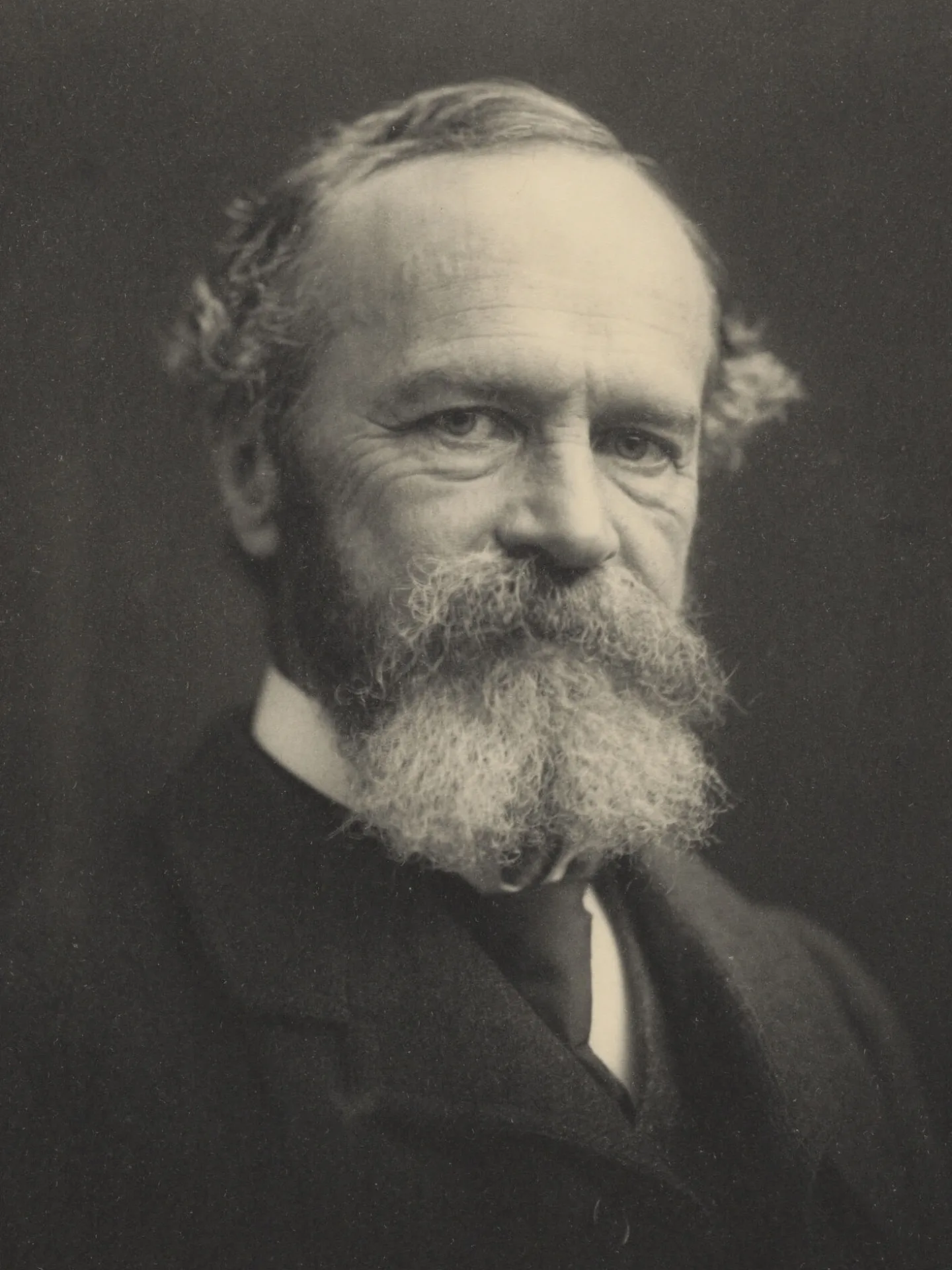
In his examination of personal agency, Mark Manson establishes the ethical and psychological bedrock of his philosophy: the doctrine of Radical Responsibility. Manson anchors this principle in the life and philosophy of William James, the nineteenth-century Harvard polymath and father of American psychology. During his twenties, James suffered from severe clinical depression, debilitating physical ailments, and suicidal ideation, exacerbated by the deterministic philosophies of his era that viewed human consciousness as a passive byproduct of biological and physical forces. In 1870, at the depth of his crisis, James undertook a radical intellectual experiment: he resolved to spend an entire year acting under the assumption that free will was real and that he possessed 100% responsibility for every aspect of his experience. This deliberate embrace of radical agency shattered his depressive paralysis and formed the foundation of his monumental contributions to American pragmatism and functional psychology.
Manson formulates the foundational axiom: You Are Always Choosing. There is no neutral, non-choosing state in human consciousness. Refusing to make a decision is itself a consequential decision; adopting a stance of passive resignation or victimhood is an active choice to prioritize helplessness over agency. Because the conscious mind is perpetually interpreting every environmental stimulus and assigning meaning to every life event, human beings are perpetually responsible for the interpretations and responses they author.
To demonstrate how autonomous agency fundamentally alters the qualitative experience of suffering, Manson presents the Marathon Analogy:
- Scenario A (Autonomous Choice): An individual trains rigorously for months, registers for a 26.2-mile marathon, and endures grueling physical exhaustion, muscle cramps, blisters, and cardiovascular strain. Because this intense physical pain was chosen autonomously in service of a deeply held personal value, the runner experiences the suffering as exhilarating, victorious, and profoundly meaningful.
- Scenario B (Coerced Torment): An individual is kidnapped at gunpoint and forced to run 26.2 miles under threat of death. The physiological sensations—the lactic acid, the cardiovascular strain, the blisters—are identical to Scenario A. However, because the experience is involuntary and stripped of agency, it constitutes horrifying, traumatic torture.
The qualitative difference in suffering resides not in the physical stimulus itself, but in the perceived locus of control and agency. When we choose our struggles, they elevate our consciousness; when struggles are forced upon us against our will, they generate bitterness and trauma.
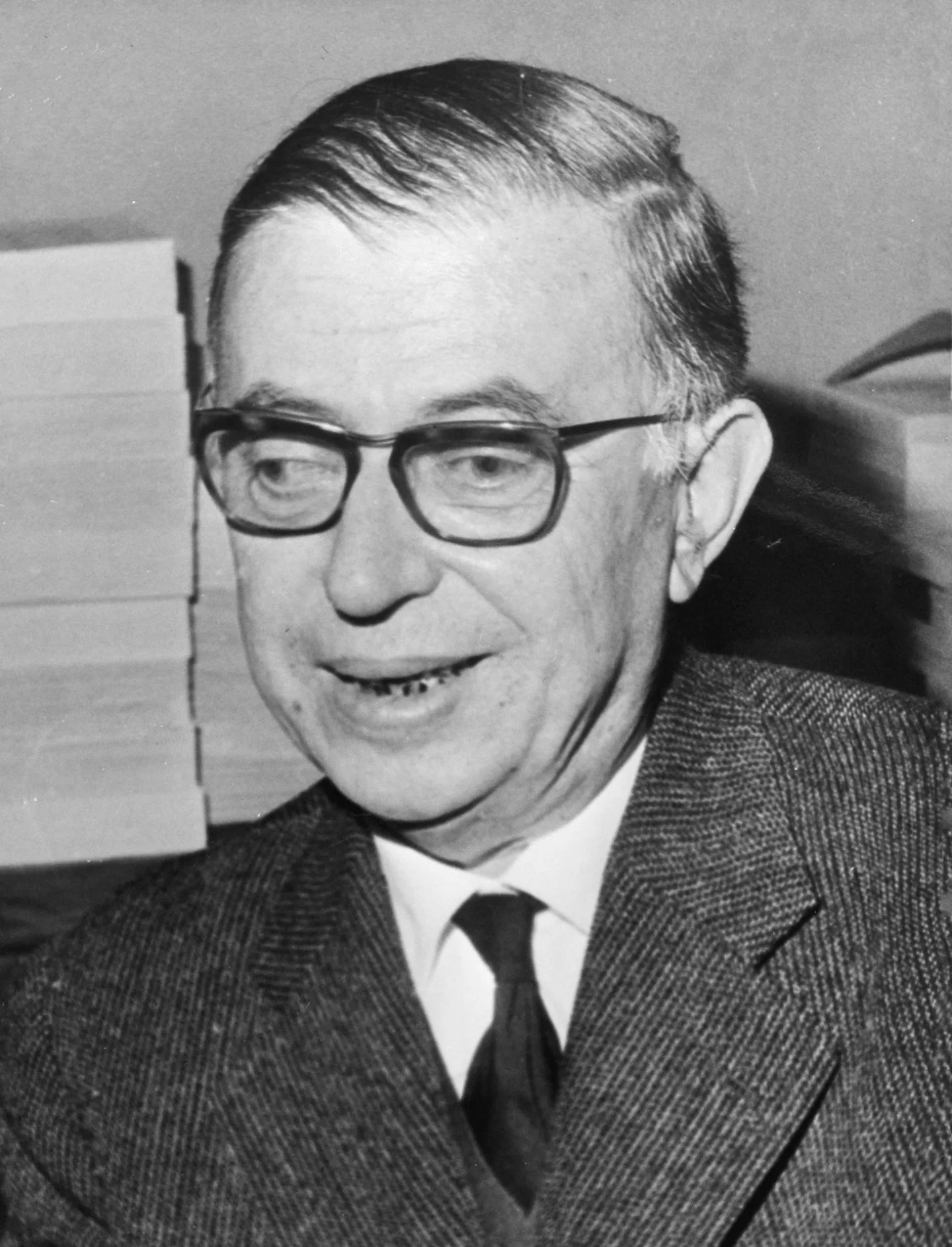
This insight aligns directly with ancient Stoic philosophy (such as Epictetus's Dichotomy of Control) and twentieth-century existentialism (such as Jean-Paul Sartre's declaration that humans are "condemned to be free"). Stoicism establishes that peace is found by distinguishing what is within our power (our judgments, impulses, and responses) from what is not (reputation, fate, external events). Sartre warned that denying one's agency and blaming external circumstances constitutes mauvaise foi (bad faith). Radical responsibility is the courageous recognition that regardless of external constraints, we retain sovereign ownership over our moral choices.
Fault vs Responsibility: Reclaiming Personal Agency
The critical intellectual contribution of Mark Manson's third lesson is his rigorous, unequivocal demarcation between Fault and Responsibility:
- Fault: Pertains to past causality. It answers the factual, historical question: "Who or what caused this event to occur?" Fault is determined by past occurrences, external agents, genetic predispositions, institutional structures, natural accidents, or deliberate malice.
- Responsibility: Pertains to present and future agency. It answers the ethical, behavioral question: "Who chooses how to interpret, assign meaning to, and respond to this event right now?"
Manson establishes that while an individual is frequently not at fault for their circumstances (e.g., being injured by a drunk driver, inheriting a chronic genetic disease, experiencing childhood neglect, suffering a corporate layoff, or being defrauded by a business partner), they remain 100% responsible for their cognitive interpretations and behavioral responses to those circumstances.
Confusing fault with responsibility produces a pattern this lesson calls The Victimhood Trap. In this state, an individual abdicates responsibility because they did not cause the fault, erroneously believing that because someone else caused their pain, someone else must fix their life. This cognitive confusion generates several severe psychological dysfunctions:
- Believing that being free of fault grants an individual moral immunity to behave irresponsibly, abusively, or passively in the present.
- Victimhood Chic (Manson's term): Deriving secondary psychological gratification from righteous indignation, trading tangible progress for the fleeting moral superiority of victimhood.
Manson emphasizes that taking radical responsibility for one's life does not mean exonerating wrongdoers, minimizing past trauma, or engaging in self-blame. Rather, it is the ultimate assertion of personal dignity. When an individual takes responsibility for their response to adversity, they refuse to allow past victimizers or external circumstances to author their character, values, and future destiny.
Manson argues that mastering this fault/responsibility distinction is what builds real resilience: people who make it stop waiting for external apologies or systemic redemptions before improving their lives. They take immediate, sovereign command of their emotional processing, deploying their resources to construct meaningful solutions in the present moment.
Manson establishes that while an individual is often not at fault for their painful life experiences, they are always 100% responsible for their response. When an individual abdicates responsibility because they were not at fault, they fall into The Victimhood Trap. This trap produces destructive psychological manifestations:
- Erroneously believing that because someone else caused a trauma, the victim is relieved of the obligation to manage their recovery, leading to prolonged helplessness.
- Victimhood Chic: Exploiting external fault to justify abusive, irresponsible, or self-destructive behaviors in the present under the guise of moral entitlement.
Key terms
- The Inevitability of Choice Axiom
- The principle that human beings are perpetually choosing; refusing to choose is itself an active choice to prioritize helplessness.
- Bad Faith (Mauvaise Foi)
- Jean-Paul Sartre's existential concept describing the self-deception of pretending one has no choice or agency.
- Fault
- The past causal origin of an event, answering the factual question: 'Who or what caused this occurrence?'
- Responsibility
- The present and future agency of choosing how to interpret, process, and respond to an event right now.
Key facts
William James's Pragmatic Wager
In 1870, the young William James — later the father of American psychology — was suicidal and paralyzed by depression, convinced by deterministic theories that free will was an illusion. He resolved to spend an entire year acting as if he had 100% responsibility for his own life. That deliberate wager broke his depressive paralysis and became a founding insight of American pragmatism.
You Are Always Choosing
There is no neutral, non-choosing state in human consciousness. Because the mind is always interpreting and assigning meaning to events, refusing to decide, staying silent, or acting passive is itself an active choice — one that hands control to helplessness rather than avoiding a choice altogether.

The Marathon Analogy
Picture identical physical suffering in two scenarios: someone who trains for months and voluntarily runs a marathon feels triumphant exhaustion, while someone forced at gunpoint to run the same 26.2 miles experiences pure trauma. The sensations are the same — cramps, blisters, cardiovascular strain — but the locus of control transforms one into meaning and the other into torture.

Epictetus's Dichotomy of Control
The Stoic philosopher Epictetus taught that peace comes from separating what's in our power — our own judgments and responses — from what isn't, like other people's actions or fortune. Anxiety comes from trying to control the externals that were never ours to control; focusing only on our own responses removes that unnecessary suffering.
Sartre's Bad Faith
Philosopher Jean-Paul Sartre used the term bad faith (mauvaise foi) to describe the self-deception of pretending you have no choice or agency when you actually do. Claiming helplessness in the face of real freedom is, for Sartre, itself a chosen act — a way of hiding from the responsibility that freedom brings.
Transformative Power of Radical Agency
Assuming radical responsibility breaks depressive paralysis by converting passive victimhood into active behavioral experimentation.
Reclaiming Your Agency
To shift from helplessness to agency in a hard moment: recognize that you're already making active choices about how you interpret the adversity, identify any 'bad faith' belief that you have zero control, consciously choose a value to guide your response, and then act on it.
Radical Agency as Ownership
Radical responsibility means taking active ownership of your choices and answering for how you steward your attention — your interpretations and reactions are sovereign territory that adversity cannot take from you. This ethical stance is what Manson considers the core requirement of human consciousness.
Fault vs. Responsibility
Fault is a historical, factual question: who or what caused this to happen? Responsibility is a present-tense question: who chooses how to respond to it right now? You can be laid off, injured, or wronged through no fault of your own, and still be 100% responsible for how you handle what happens next — like updating your resume and networking after a layoff you didn't cause.
The Victimhood Trap
The Victimhood Trap is the belief that because someone else caused your pain, someone else must fix your life — the mistaken idea that being blameless for a hardship excuses you from behaving responsibly or constructively in the present.
Responsibility Isn't Self-Blame
Taking responsibility for how you handle an event does not mean you caused it or deserve blame for it. Responsibility is about managing your present response, not confessing guilt for something external. Confusing the two produces irrational self-flagellation over events that were never your fault.
Separating Fault From Your Response
Separating who caused a problem (fault) from who's responsible for responding to it (responsibility) lets you stop waiting for an apology or a rescue and start acting on what you can control right now.
Victimhood Chic
Deriving righteous anger from being wronged can feel like a moral win, but it's a trap: what Manson calls victimhood chic trades tangible progress for the fleeting superiority of staying aggrieved. Waiting for an apology that may never come before improving your life only prolongs the paralysis and resentment.
Responsibility Isn't Condoning
Taking responsibility for your response to an injustice does not excuse the wrongdoer or condone what happened — it's independent of whether they're ever held accountable. It's an act of self-sovereignty: refusing to let a past victimizer author your character or your future is the ultimate declaration of personal dignity.
Ethical Boundary of Agency
Maintaining a strict boundary between past fault and present agency protects individuals from both self-flagellation and external helplessness.
Matched pairs
Each item on the left goes with the one on the right.
- Coerced Physical Suffering
- Experienced as horrifying traumatic torture due to total lack of agency
- Stoic Dichotomy of Control
- Distinguishing things in our power (judgments) from things not in our power (fate)
- Radical Personal Agency
- Sovereign ownership over all cognitive interpretations and behavioral choices
- Sovereign Authorship of Destiny
- Refusing to allow external adversaries or past traumas to dictate current moral choices
Step by step
Reclaiming autonomous choice in a challenging situation
- Recognize that you are currently making active choices regarding how you interpret the adversity
- Identify any passive bad faith beliefs claiming you have zero control over your response
- Consciously choose a meaningful personal value to guide your present behavioral reaction
- Execute an autonomous action aligned with that chosen value
Navigating an unfair setback using the Fault vs. Responsibility distinction
- Acknowledge the factual external fault without engaging in self-blame
- Release expectations that the external party will apologize or rectify your emotional state
- Claim 100% responsibility for authoring your emotional and strategic response
- Take decisive, values-aligned action to build a constructive outcome
Self-test
Answer each question from memory, then check your work against the answer key.
1. In 1870, William James resolved to spend a year acting as though he held how much responsibility for his own life?
- A25%
- B75%
- C50%
- D100%
2. In Manson's Marathon Analogy, how do the runners' physical sensations compare between the voluntary and the coerced marathon?
- AThey are milder in the coerced case
- BThey occur only in the voluntary case
- CThey are identical in both cases
- DThey are far more intense in the coerced case
3. Which philosopher's 'Dichotomy of Control' parallels Manson's doctrine of Radical Responsibility?
- AEpictetus
- BMark Manson
- CWilliam James
- DJean-Paul Sartre
4. What term describes the idea that refusing to choose is itself an active choice to prioritize helplessness?
- AAttribution Theory
- BThe Inevitability of Choice Axiom
- CBad Faith (Mauvaise Foi) Self-Deception
- DThe Victimhood Trap
5. According to Sartre, claiming you have no choice or agency when you actually do is an example of:
- ABad faith (mauvaise foi)
- BThe Victimhood Trap
- CCulpability transfer
- DVictimhood chic
6. In Manson's framework, which question does 'Fault' answer?
- AWho benefits most from this outcome?
- BHow should this be prevented in the future?
- CWho or what caused this to happen?
- DWho chooses how to respond right now?
7. Someone is laid off through no fault of their own. Per Manson, they remain 100% responsible for:
- ATheir former employer's finances and cash reserves
- BHow they interpret and respond to the layoff
- CWhether the layoff was legal
- DWho caused the layoff
8. Victimhood chic trades tangible progress for:
- APublic vindication in court
- BA formal apology and acknowledgment from the wrongdoer
- CLegal compensation for damages
- DThe fleeting moral superiority of staying aggrieved
9. Taking responsibility for your response to an injustice does NOT mean:
- AOwning your emotional reactions
- BActing on a chosen value
- CCondoning or excusing the wrongdoer's actions
- DChoosing how you interpret the event
10. Confusing fault with responsibility can lead someone to believe that being blameless for an event grants them what?
- AMoral immunity to act irresponsibly now
- BA duty to forgive whoever caused the harm
- CCompensation from whoever was at fault
- DExemption from any future hardship
Go deeper
- ReadThe Subtle Art of Not Giving a F*ck by Mark Manson · on Amazon ↗
- StudyThe Subtle Art of Not Giving a F*ck in the FlashFeed app
These are affiliate links: if you buy a book through one, FlashFeed may earn a small commission at no extra cost to you. The commission helps pay for FlashFeed's servers.
As an Amazon Associate we earn from qualifying purchases.
Answer key
- 1. D 100%James's pragmatic wager was total: he chose to act as if he had 100% responsibility, and that assumption broke his depressive paralysis.
- 2. C They are identical in both casesManson stresses the physiological sensations (cramps, blisters, strain) are exactly the same in both scenarios; only the perceived locus of control changes whether it feels triumphant or traumatic.
- 3. A EpictetusEpictetus taught that peace comes from separating what's in our power (judgments, responses) from what isn't (fate, others' actions).
- 4. B The Inevitability of Choice AxiomThe Inevitability of Choice Axiom holds there is no neutral state; passivity is itself a chosen stance, not the absence of one.
- 5. A Bad faith (mauvaise foi)Sartre called this self-deception 'bad faith' (mauvaise foi) — pretending you lack freedom to avoid the responsibility it brings.
- 6. C Who or what caused this to happen?Fault is a historical, factual question about past causality — distinct from Responsibility, which is about present choice.
- 7. B How they interpret and respond to the layoffBeing blameless for a hardship (fault) doesn't remove responsibility for how you interpret and respond to it going forward.
- 8. D The fleeting moral superiority of staying aggrievedManson calls this victimhood chic — trading real progress for the short-lived moral high ground of righteous indignation.
- 9. C Condoning or excusing the wrongdoer's actionsManson stresses responsibility is independent of excusing wrongdoers — it's self-sovereignty, not exoneration of who caused the harm.
- 10. A Moral immunity to act irresponsibly nowManson: you may not be at fault for what happened to you, but you are always responsible for your response. Treating blamelessness as a licence to act badly is the trap.
Sources
- The Subtle Art of Not Giving a F*ck — Mark Manson
- The Subtle Art of Not Giving a F*ck
Image credits
- William James's Pragmatic Wager: Wikimedia Commons · Notman Studios · Public domain — commons.wikimedia.org/wiki/File:William_James_b1842c.jpg
- The Marathon Analogy: Wikimedia Commons · Martineric from Lille, France · CC BY-SA 2.0 — commons.wikimedia.org/wiki/File:New_York_marathon_Verrazano_bridge.jpg
- Epictetus's Dichotomy of Control: Wikimedia Commons · William Sonmans / Michael Burghers · Public domain — commons.wikimedia.org/wiki/File:Epicteti_Enchiridion_Latinis_versibus_adumbratum_(Oxford_1715)_frontispiece_(cropped).jpg
- Sartre's Bad Faith: Wikimedia Commons · Dutch National Archives, ANEFO collection · CC BY-SA 3.0 nl — commons.wikimedia.org/wiki/File:Jean_Paul_Sartre_1965.jpg


