
The Subtle Art of Not Giving a F*ck study guide · Lesson 4 of 6
Constructive Doubt & The Fallibility of Memory and Emotion
The Fallibility of Certainty & Manson's Law of Avoidance · Eliminating Blind Spots: Socratic Skepticism and Self-Correction
Unofficial study guide for The Subtle Art of Not Giving a F*ck: A Counterintuitive Approach to Living a Good Life by Mark Manson. FlashFeed is not affiliated with the author or publisher.
This is the lesson's study guide from the FlashFeed app, plus its key facts and a self-test.
What you'll be able to do
- Explain why certainty is fallible (memory, self-serving and confirmation bias) and state Manson's Law of Avoidance linking identity threat to avoidance.
- Explain the three Socratic Skepticism questions (What if I'm wrong? What would it mean? Which problem is better?) that build self-correction.
Lesson 4: Constructive Doubt & The Fallibility of Memory and Emotion
The Fallibility of Certainty & Manson's Law of Avoidance
In his fourth lesson, Mark Manson explores cognitive psychology, epistemology, and the psychological perils of dogmatic certainty. Manson argues that human beings are fundamentally flawed information-processing organisms whose beliefs, memories, and convictions are perpetually prone to error, bias, and confabulation. Rather than seeking to attain absolute, unassailable truth, intellectual and emotional maturity consists of practicing constant doubt about one's own beliefs: growth, in Manson's words, takes us not from wrong to right but "from wrong to slightly less wrong."
Manson examines empirical findings from cognitive science demonstrating that human memory is not an objective video recording of historical events, but a reconstructive, highly malleable narrative process. Every time an episodic memory is recalled, the brain alters, re-encodes, and edits details to fit current emotional needs, self-narratives, and social expectations. Furthermore, human perception is governed by systemic cognitive biases:
- Self-Serving Bias: The subconscious tendency to attribute successes to internal competence while attributing failures to external bad luck or malice.
- Confirmation Bias: The systematic filtering of information to notice and remember data that confirms pre-existing hypotheses while ignoring contradictory evidence.
- The Illusion of Explanatory Depth: Overestimating one's understanding of complex mechanical, economic, or psychological systems.
- Naïve Realism: The conviction that one perceives the world objectively as it truly is, while dissenting individuals are biased or irrational.
Because absolute certainty is impossible, dogmatic certainty is an illusion that breeds arrogance, emotional fragility, and interpersonal conflict. Manson formulates Manson's Law of Avoidance:
"The more something threatens your identity, the more you will avoid it."
When an individual constructs a rigid, monolithic identity—whether positive ("I am a brilliant visionary," "I am an indispensable leader") or negative ("I am hopelessly broken," "I am an unlovable victim")—any information, opportunity, or feedback that threatens to alter that identity is perceived by the subconscious as an existential threat. Under the pressure of Cognitive Dissonance, the ego deploys subconscious defense mechanisms: denial, self-handicapping, projection, and avoidance.
To counteract Manson's Law of Avoidance, Manson advises cultivating a fluid, minimalist, and humble identity. By defining oneself loosely (e.g., as a student, an evolving human, or a curious experimenter), one eliminates the defensive need to protect a rigid persona, enabling rapid learning and emotional adaptation.
Eliminating Blind Spots: Socratic Skepticism and Self-Correction
To operationalize epistemological humility, Mark Manson outlines a disciplined methodology of Socratic Skepticism and systematic self-interrogation. Drawing upon the philosophical tradition of Socrates and Karl Popper's principle of falsification in science, Manson asserts that genuine wisdom does not advance through the accumulation of dogmas, but through the continuous identification and elimination of cognitive blind spots.
Manson provides a three-question diagnostic protocol for dismantling irrational convictions and emotional reactivity:
- Question 1: What if I am wrong? This question interrupts emotional reactivity and engages prefrontal analytical reasoning, compelling the cognitive apparatus to consciously entertain alternative explanations and counter-hypotheses.
- Question 2: What would it mean if I were wrong? This inquiry penetrates the emotional shield, exposing the underlying status anxiety, identity threat, or vulnerability that the dogmatic conviction was constructed to defend against.
- Question 3: Would being wrong create a better or worse problem for myself and others than my current problem? This applies pragmatic criteria to evaluate whether relinquishing the false certainty produces higher-quality, more solvable challenges.
This diagnostic framework directly mirrors Albert Ellis's Rational Emotive Behavior Therapy (REBT). Ellis established that psychological misery is driven not by external events, but by irrational, absolutist beliefs and demands ("musturbation") placed upon reality. By actively disputing these rigid demands and acknowledging that one might be mistaken, emotional resilience is restored.
Holding loose, flexible identities eliminates the threat of cognitive dissonance, permitting individuals to treat their beliefs as provisional hypotheses subject to continuous testing and refinement, rather than treating disagreement as an existential attack on their self-worth. Growth occurs not through defending an entrenched self-concept, but through the courage to dismantle obsolete assumptions in the face of empirical reality.
Key terms
- Reconstructive Memory Malleability
- The cognitive reality that episodic memory is an active narrative reconstruction that alters details to fit current emotional needs.
- Manson's Law of Avoidance
- The psychological principle that the more something threatens an individual's identity, the more they will avoid it.
- Naïve Realism
- The cognitive delusion that one perceives reality objectively as it truly is, while dissenting individuals are biased or irrational.
Key facts
Memory Rewrites Itself
Human memory isn't a video recording of the past — it's a reconstructive process. Every time you recall a memory, your brain re-encodes it, subtly altering details to fit your current emotional needs and self-narrative. What feels like an accurate replay is really an edited retelling.
Self-Serving Bias
Self-serving bias is the subconscious habit of crediting your successes to your own skill while blaming your failures on bad luck or other people. It protects the ego from having to confront its own mistakes — but it also distorts an honest view of what actually happened.
Confirmation Bias
Confirmation bias is the subconscious tendency to notice and remember information that confirms what you already believe, while filtering out anything that contradicts it. Left unchecked, it builds self-reinforcing echo chambers where a belief never has to face real disconfirming evidence.
Manson's Law of Avoidance
Manson's Law of Avoidance: the more something threatens your identity, the more you will avoid it. Whether your self-concept is positive ('I'm a brilliant leader') or negative ('I'm a hopeless victim'), any evidence that might dismantle it gets avoided — because the ego reads it as an existential threat, not useful information.
Self-Sabotage Defends Identity
When a new opportunity threatens to dismantle a familiar identity — even a painful one, like 'I'm an unappreciated victim' — the mind can sabotage it rather than let it succeed. Psychologist Leon Festinger's cognitive dissonance explains the mechanism: contradicting evidence against a core identity is uncomfortable enough that denial and self-sabotage feel safer than change.
Rigid vs. Fluid Identity
Demanding dogmatic certainty about who you are makes the ego brittle: any disagreement becomes an attack that must be fought off. A fluid, minimalist identity — seeing yourself as an evolving student rather than a fixed persona — removes that defensive need entirely, treating new feedback as useful data instead of an existential threat.
Constructive Doubt as the Engine of Growth
Constructive doubt is the disciplined practice of striving to become 'a little less wrong each day' rather than defending dogmas.
Overcoming Identity-Driven Avoidance
To beat Manson's Law of Avoidance: notice the specific avoidance or procrastination happening, identify which rigid self-story is being challenged, consciously soften that identity into something more flexible ('I'm an evolving student'), and take a small action despite the discomfort.
Naïve Realism
Naïve realism is the conviction that you perceive reality exactly as it objectively is, while anyone who disagrees with you must be biased, misinformed, or irrational. This delusion fuels arrogance and severe interpersonal polarization, since it treats your own perspective as simple fact rather than one interpretation among many.
The Illusion of Explanatory Depth
People routinely believe they understand complex systems — how an economy works, how a bicycle gear shifts — far better than they actually do. This Illusion of Explanatory Depth evaporates the moment you're asked to explain the mechanism step by step, revealing how shallow the understanding really was.
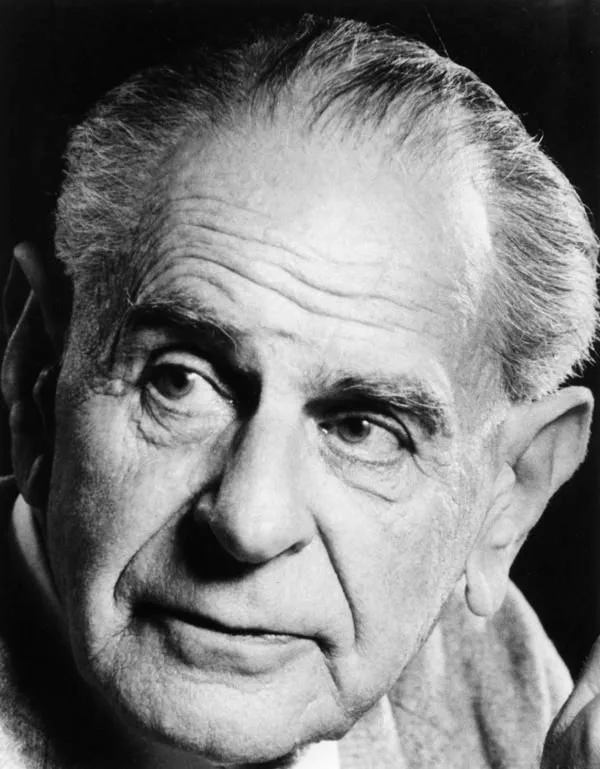
Popper's Falsification Principle
Philosopher Karl Popper argued that scientific knowledge doesn't advance by piling up confirmations — it advances through the systematic falsification of false hypotheses. Manson borrows this directly: growth comes from actively discarding wrong beliefs, not from defending an accumulated pile of certainties.
The Three-Question Protocol
Manson's self-interrogation protocol has three questions. 1) What if I am wrong? — interrupts emotional reactivity and engages analytical reasoning. 2) What would it mean if I were wrong? — exposes the identity threat or vulnerability the belief was protecting. 3) Would being wrong create a better or worse problem? — pragmatically tests whether dropping the belief actually improves your life.
Elimination of Error as Progress
True intellectual and emotional progress occurs not through accumulating certainties, but through systematically identifying and discarding false assumptions.
Treat Beliefs Like Hypotheses
Manson's pragmatic test: evaluate a belief by the quality and solvability of the problems it produces, not by abstract ideological purity. Actively seeking out contradictory evidence is what breaks a confirmation-bias echo chamber — treating your convictions as testable hypotheses rather than settled truths.
Dogmatism vs. Socratic Skepticism
Dogmatic certainty treats any disagreement as a personal attack to be defended against. Socratic skepticism works the opposite way: it treats beliefs as provisional hypotheses to be tested, welcoming disagreement as useful data rather than an existential threat.
Ellis's Rational Emotive Behavior Therapy
Psychologist Albert Ellis's Rational Emotive Behavior Therapy (REBT) showed that emotional distress isn't caused directly by external events — it's caused by the irrational, rigid beliefs and demands ('musturbation') we place on those events. Disputing those irrational demands, rather than the event itself, is what restores emotional resilience.
Socratic Humility
Socratic humility starts from admitting what you don't know. Acknowledging your own ignorance isn't a weakness — it's the necessary starting point for genuine wisdom and self-correction, because you can't fix an error you refuse to admit might exist.
Constructive Self-Interrogation
Disciplined self-interrogation transforms emotional friction into an opportunity for cognitive calibration and maturity.
Matched pairs
Each item on the left goes with the one on the right.
- Self-Serving Bias
- Attributing successes to internal competence while blaming failures on external bad luck
- Confirmation Bias
- Subconsciously filtering reality to notice confirming data while dismissing contradictory evidence
- Prefrontal Analytical Reasoning
- Engaging analytical reasoning to interrupt emotional reactivity
- Scientific Mindset in Living
- Treating personal beliefs as provisional hypotheses subject to continuous empirical testing
Step by step
Overcoming Manson's Law of Avoidance when facing an identity-threatening opportunity
- Identify the specific avoidance behavior or procrastination occurring in your routine
- Examine which rigid self-narrative (positive or negative) is being challenged
- Consciously soften the identity into a flexible role (e.g. 'I am an evolving student')
- Execute a small action to engage with the opportunity despite emotional discomfort
Executing the 3-Question Socratic Interrogation Protocol on a reactive belief
- Pause emotional reactivity and ask: 'What if I am completely wrong about this situation?'
- Identify the underlying vulnerability by asking: 'What would it mean if I were wrong?'
- Evaluate behavioral utility by asking: 'Would being wrong create a better or worse problem?'
Self-test
Answer each question from memory, then check your work against the answer key.
1. What does 'Reconstructive Memory Malleability' mean, per Manson?
- AMemory as a fixed video recording
- BMemory unaffected by emotional state
- CMemory as active reconstruction, altered each recall
- DMemory accuracy improving with each recall
2. Which mechanism triggers denial and avoidance when evidence contradicts a person's identity?
- ANaïve Realism
- BConfirmation Bias
- CSelf-Serving Bias
- DCognitive Dissonance
3. Karl Popper argued that scientific knowledge advances through which process?
- AFalsification of false hypotheses
- BVerification of confirmed theories
- CAccumulation of expert consensus
- DReplication of controlled experiments
4. Crediting your success to skill but blaming failure on bad luck describes which concept?
- AConfirmation Bias
- BSelf-Serving Bias
- CNaïve Realism
- DIllusion of Explanatory Depth
5. Per Manson, how do people typically respond when information threatens their identity?
- ASeek it out immediately
- BAnalyze it objectively
- CAvoid it
- DShare it for feedback
6. What is the first question in Manson's three-question self-interrogation protocol?
- AWhat if I am wrong?
- BWhat would it mean if I were wrong?
- CWhat if I am right?
- DWould being wrong create a better or worse problem?
7. Which protocol question exposes the identity threat or vulnerability a belief is protecting?
- AWhy do I believe this?
- BWould being wrong create a better or worse problem?
- CWhat if I am wrong?
- DWhat would it mean if I were wrong?
8. What term describes engaging analytical reasoning to interrupt emotional reactivity?
- ACognitive Dissonance Resolution
- BPrefrontal Analytical Reasoning
- CSocratic Humility
- DNaïve Realism
9. Manson recommends treating personal beliefs as what, subject to ongoing testing?
- ASocial consensus
- BProvisional hypotheses
- CFixed dogmas
- DEmotional shields
10. Per Manson, what happens to our beliefs each time we learn something new?
- AThey get slightly less wrong
- BThey confirm our first instinct
- CThey lock in as certainties
- DThey finally become right
Go deeper
- ReadThe Subtle Art of Not Giving a F*ck by Mark Manson · on Amazon ↗
- StudyThe Subtle Art of Not Giving a F*ck in the FlashFeed app
These are affiliate links: if you buy a book through one, FlashFeed may earn a small commission at no extra cost to you. The commission helps pay for FlashFeed's servers.
As an Amazon Associate we earn from qualifying purchases.
Answer key
- 1. C Memory as active reconstruction, altered each recallEpisodic memory is reconstructed and re-encoded every time it's recalled, not stored as an unchanging video. The other options describe a fixed, accurate, or unaffected recording, which is the opposite of Manson's point.
- 2. D Cognitive DissonanceCognitive dissonance is the discomfort of contradicting evidence against a core identity, which prompts denial and avoidance. Confirmation bias filters which evidence gets noticed, and self-serving bias reassigns credit for outcomes — neither describes the identity-threat reaction itself.
- 3. A Falsification of false hypothesesPopper held that knowledge advances by systematically discarding disproven hypotheses, not by piling up confirmations. Manson borrows this to argue growth comes from ditching wrong beliefs.
- 4. B Self-Serving BiasSelf-serving bias attributes successes to internal competence and failures to external bad luck, protecting the ego. Confirmation bias is about filtering evidence, not attributing outcomes.
- 5. C Avoid itManson's Law of Avoidance states the more something threatens your identity, the more you will avoid it, because the ego reads it as an existential threat rather than useful data.
- 6. A What if I am wrong?Question 1, 'What if I am wrong?', interrupts emotional reactivity and engages analytical reasoning. The other questions come later in the protocol or invert its purpose.
- 7. D What would it mean if I were wrong?Question 2 penetrates the emotional shield to expose the status anxiety or identity threat a dogmatic belief defends. Question 1 just entertains being wrong; Question 3 evaluates outcomes.
- 8. B Prefrontal Analytical ReasoningPrefrontal Analytical Reasoning names the act of engaging conscious reasoning over emotional reactivity. Naïve Realism instead describes assuming your own perception is objective while anyone who disagrees is biased.
- 9. B Provisional hypothesesManson's pragmatic, scientific mindset treats beliefs as provisional hypotheses judged by the quality of problems they produce, not as fixed dogmas to defend.
- 10. A They get slightly less wrongManson: growth is iterative. Learning takes us not from wrong to right but from wrong to slightly less wrong, so no belief should be held as final.
Sources
- The Subtle Art of Not Giving a F*ck — Mark Manson
- The Subtle Art of Not Giving a F*ck
Image credits
- Popper's Falsification Principle: Franz Barta · No restrictions — commons.wikimedia.org/wiki/File:Karl_Popper.jpg
