
The Psychology of Money study guide · Lesson 1 of 6
Individual Perspectives & The Roles of Luck and Risk
Diverse Financial Realities & The No One's Crazy Principle · Luck, Risk, and the Peril of Extreme Outliers
Unofficial study guide for The Psychology of Money: Timeless lessons on wealth, greed, and happiness by Morgan Housel. FlashFeed is not affiliated with the author or publisher.
This is the lesson's study guide from the FlashFeed app, plus its key facts and a self-test.
What you'll be able to do
- Explain the 'No One's Crazy' principle regarding personal financial histories and evaluate the role of Luck and Risk in extreme outliers.
- Explain how luck and risk drive extreme outliers like Bill Gates and Kent Evans, and why attribution bias hides their role.
Lesson 1: Individual Perspectives & The Roles of Luck and Risk
Welcome to Lesson 1 of The Psychology of Money. This lesson investigates why human beings operate with radically different worldviews regarding personal finance and why the twin forces of luck and risk play a far greater role in economic outcomes than individual effort alone.
Diverse Financial Realities & The No One's Crazy Principle
The foundational premise of behavioral economics is that doing well with money has surprisingly little to do with raw intelligence and almost everything to do with personal behavior. Personal finance is frequently taught as a branch of applied mathematics, complete with formulas for net present value, portfolio variance, and optimal asset pricing. Yet in the real world, human beings do not make financial decisions on clean spreadsheets. Financial choices are made at dinner tables, in emotional family discussions, and under the influence of personal history, pride, ego, and fear.
To grasp the chasm between intellect and behavior, consider two contrasting biographies: Ronald James Read and Richard Fuscone. Ronald Read was a janitor and gas station mechanic from rural Vermont. He fixed cars for 25 years and swept floors at JCPenney for 17 years. When Read died in 2014 at age 92, he left over 6 million to his local library and hospital and 2 million to his stepchildren. Read achieved this staggering wealth through simple, disciplined living and quietly holding blue-chip dividend stocks across several decades. He understood that wealth accumulation does not require a high salary or sophisticated financial engineering; it requires consistency, patience, and avoiding foolish mistakes.
By contrast, Richard Fuscone was a Harvard-educated Merrill Lynch executive with an MBA. Fuscone was a celebrated Wall Street titan who retired in his 40s. Driven by the desire for grand social display, Fuscone borrowed massive sums to build an 18,000-square-foot mansion in Greenwich, Connecticut, featuring 11 bathrooms, two pools, and seven garages. When the 2008 financial crisis struck, Fuscone's illiquid, leveraged investments collapsed, his mansion was foreclosed on, and he filed for personal bankruptcy.
In no other field can an untrained amateur outperform an elite professional with the highest credentials. A janitor cannot perform brain surgery better than a Harvard neurosurgeon, nor design a skyscraper better than an MIT architect. But in finance, Ronald Read can trounce Richard Fuscone because financial success is not a hard science governed by physics; it is a soft skill where emotional temperament dominates intellectual horsepower.
Why do people behave so differently with money? The core insight is that No One is Crazy. Every person operates according to a unique mental model formed during their formative young adult years. Economists Ulrike Malmendier and Stefan Nagel analyzed 50 years of data from the Survey of Consumer Finances and proved that an individual's willingness to take investment risk is heavily anchored in the macroeconomic conditions experienced in their late teens and early twenties. A person who came of age during the Great Depression—facing unemployment near 25% and a stock market crash of nearly 90%—views risk with visceral caution. In contrast, someone raised during the 1990s tech boom views equities as an engine of effortless wealth.
This explains why lowest-income American households spend an average of over $400 annually on Lottery Tickets, four times more than high-income households. While affluent observers view this as irrational, for someone living in poverty, purchasing a lottery ticket represents the only tangible chance of buying a dream of escape, hope, and dignity that middle-class observers take for granted.
Modern financial tools like the 401(k) Plan (created accidentally in 1978) and Index Funds (created by John Bogle in 1976) are barely two generations old. Dogs were domesticated more than 15,000 years ago, yet modern retirement planning systems have existed for barely two generations. We are all beginners attempting to navigate a modern financial landscape with ancient human brains. Experiential knowledge cannot be replaced by academic reading; you can read every book written about the Great Crash of 1929, but you cannot replicate the visceral physical panic of seeing your family's life savings vaporize overnight. Recognizing this truth fosters deep empathy: judging someone else's financial decisions as crazy is an analytical error caused by failing to account for their distinct formative experiences.
Formative Macroeconomic Anchoring
The psychological mechanism behind the No One is Crazy principle operates through cognitive anchoring during neural development. When an adolescent or young adult experiences a prolonged economic regime—such as severe double-digit inflation, a multi-year bear market, or an uninterrupted housing boom—that regime becomes their baseline reality. They do not view it as a temporary anomaly; they view it as how the world permanently works.
Consequently, when two well-intentioned individuals debate asset allocation, retirement savings rates, or debt usage, they are rarely arguing about the mathematical facts. They are defending their deeply ingrained survival adaptations. Recognizing this reality enables learners to step outside their generational bias, study alternative historical economic regimes, and design robust financial strategies that function effectively across all market conditions.
Luck, Risk, and the Peril of Extreme Outliers
Every outcome in life and business is guided by forces other than individual effort. Luck and Risk are twin realities: the acknowledgment that you are one person in a global game with billions of participants and infinite moving parts. The world is vastly too complex to allow 100% of your actions to dictate 100% of your outcomes. Every individual action interacts with uncontrollable macroeconomic tides, competitive shifts, regulatory changes, and pure chance.
The early years of Bill Gates at Lakeside School in Seattle provide a striking demonstration of these twin forces. In 1968, there were roughly 303 million high-school-age people in the world. Lakeside School was one of the only high schools anywhere on Earth that had the financial resources and visionary leadership to lease an advanced teletype computer terminal. Bill Gates had a one-in-a-million luck advantage by attending Lakeside as an eighth-grader with unrestricted computer access. Gates candidly admitted that without Lakeside, Microsoft would never have existed.
Yet Lakeside had another student of equal brilliance: Kent Evans. Kent Evans was Bill Gates's best friend in eighth grade, shared his fierce passion for programming, and co-founded Lakeside's computer club with Gates and Paul Allen. But before graduating high school, Kent Evans died in a mountaineering accident. The statistical probability of a high school student dying on a mountain in any given year is roughly one in a million. Evans experienced the exact opposite one-in-a-million downside tail risk that Gates experienced in upside luck.
Despite the symmetrical power of luck and risk, human psychology treats them with profound Attribution Bias. When our investments succeed, we attribute 100% of the outcome to our visionary intellect, discipline, and work ethic. When our investments fail, we blame bad luck, market manipulation, or unfair external conditions. When evaluating others, we do the reverse: attributing their success to luck and their failure to incompetence or poor character.
Consider Cornelius Vanderbilt, the 19th-century railroad magnate. Vanderbilt routinely flouted state laws during his railroad expansion, and he was reputed to treat legal limits as obstacles to be brushed aside rather than rules to be followed. Vanderbilt succeeded wildly and became one of the richest men in history. An entrepreneur who copied Vanderbilt's illegal tactics under today's securities, antitrust, and fraud laws would likely face serious regulatory and criminal exposure rather than his kind of runaway success. The line between inspiring bold risk-taking and reckless foolishness is often visible only in hindsight after the coin lands.
Because skill and luck are deeply entangled, studying extreme individual outliers (such as John D. Rockefeller, Steve Jobs, or Elon Musk) is hazardous. Their outcomes were magnified by rare, non-repeatable tail events. Instead of copying extreme individuals, investors should study broad patterns of behavior: living below your means, maintaining cash buffers, diversifying broadly, and exercising emotional patience.
Benjamin Graham, the father of value investing who survived the 1929 market crash, taught that the only true defense against uncontrollable external risk is maintaining a Margin of Safety. Embracing the pervasive role of luck cultivates two essential psychological virtues: Humility when things go right, and Forgiveness when things go wrong. When you realize that luck accounts for a significant portion of outcomes, you stop beating yourself up over random negative shocks, avoid hubris during roaring bull markets, and build financial plans robust enough to survive any turn of the wheel.
Practical Protocols for Navigating Randomness
To operationalize the twin insights of Luck and Risk, investors must implement structured behavioral protocols:
- The Asymmetry Audit: When evaluating personal investment gains, intentionally identify the external tailwinds, market beta, and timing luck that contributed to the outcome. This dampens overconfidence and prevents excessive risk-taking in subsequent rounds.
- Outcome-Process Decoupling: Grade investment decisions strictly on the quality of the underlying analytical process and risk management, rather than the immediate short-term outcome. A sound decision that suffers a freak loss is still a good decision; a reckless gamble that pays off is still a dangerous mistake.
- Margin of Safety Calibration: Never construct an investment portfolio or household budget that depends on 100% execution perfection. Always maintain cash reserves and diversification buffers to absorb uncontrollable downside luck.
Key terms
- The Fuscone Trap
- The financial ruin caused when elite technical credentials and high income are paired with excessive debt and conspicuous luxury spending.
- The 401(k) Accidental Origin
- The modern US retirement system created inadvertently in 1978 through a tax code amendment rather than an intentional master plan.
- Index Fund Democratization
- The low-cost passive investment vehicle launched by John Bogle in 1976 that captures broad market returns without active manager fees.
- The Kent Evans Asymmetry
- The tragic one-in-a-million downside tail event that claimed Bill Gates's equally gifted classmate before high school graduation.
- One-in-a-Million Mountaineering Risk
- The statistical annual baseline probability of an American high school student dying in a mountaineering accident.
- Graham's Margin of Safety
- The foundational investing principle that leaving room for error is the only reliable defense against uncontrollable external risks.
Key facts
Finance as a Soft Skill
Financial success is governed primarily by emotional self-regulation and behavioral discipline rather than technical mathematical formulas.
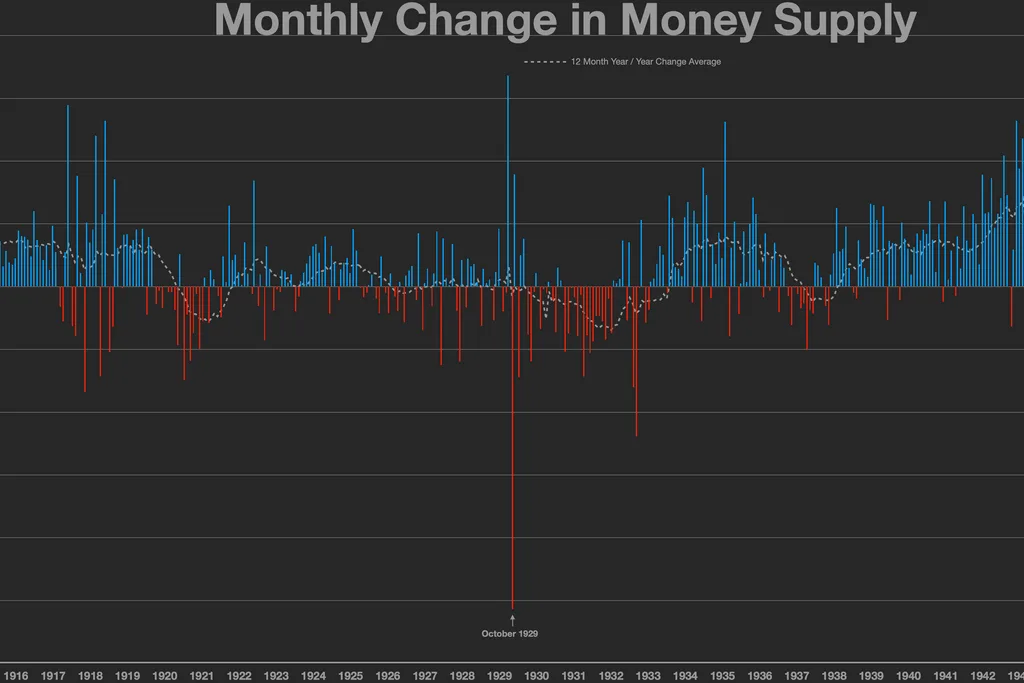
Depression Generation
Depression babies view stock markets with visceral fear of total loss, whereas 1990s investors view equities as effortless compounding engines.

The Internal Logic of Financial Decisions
Every financial choice makes complete intuitive sense to the person making it based on the unique mental model formed from their life experiences.

The Visceral Reality Gap
The profound gulf between observing historical drawdowns on a chart and experiencing the gut-wrenching dread of real financial loss.
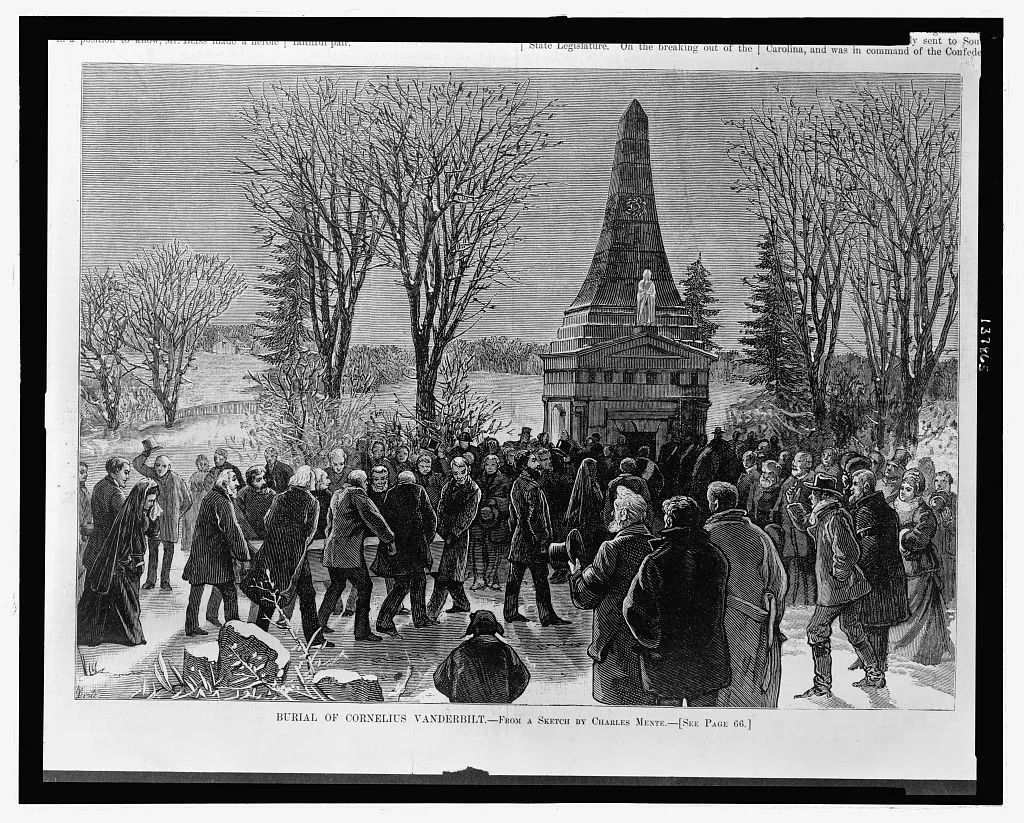
The Fallacy of Calling Others Crazy
Dismissing someone else's financial choices as irrational is an analytical error caused by failing to understand their formative life lessons.
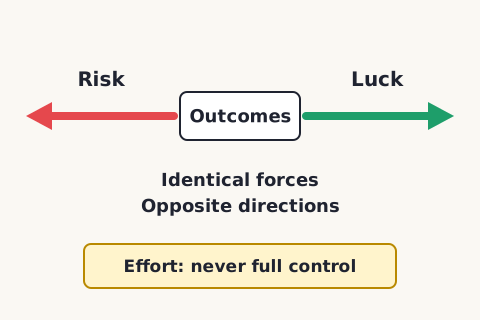
The Twin Forces of Randomness
Luck and risk are identical forces operating in opposite directions, proving that individual effort never controls 100% of outcomes.

Broad Pattern Superiority
Focusing on universal behaviors (frugality, diversification, cash reserves) provides far more reliable guidance than copying outlier biographies.
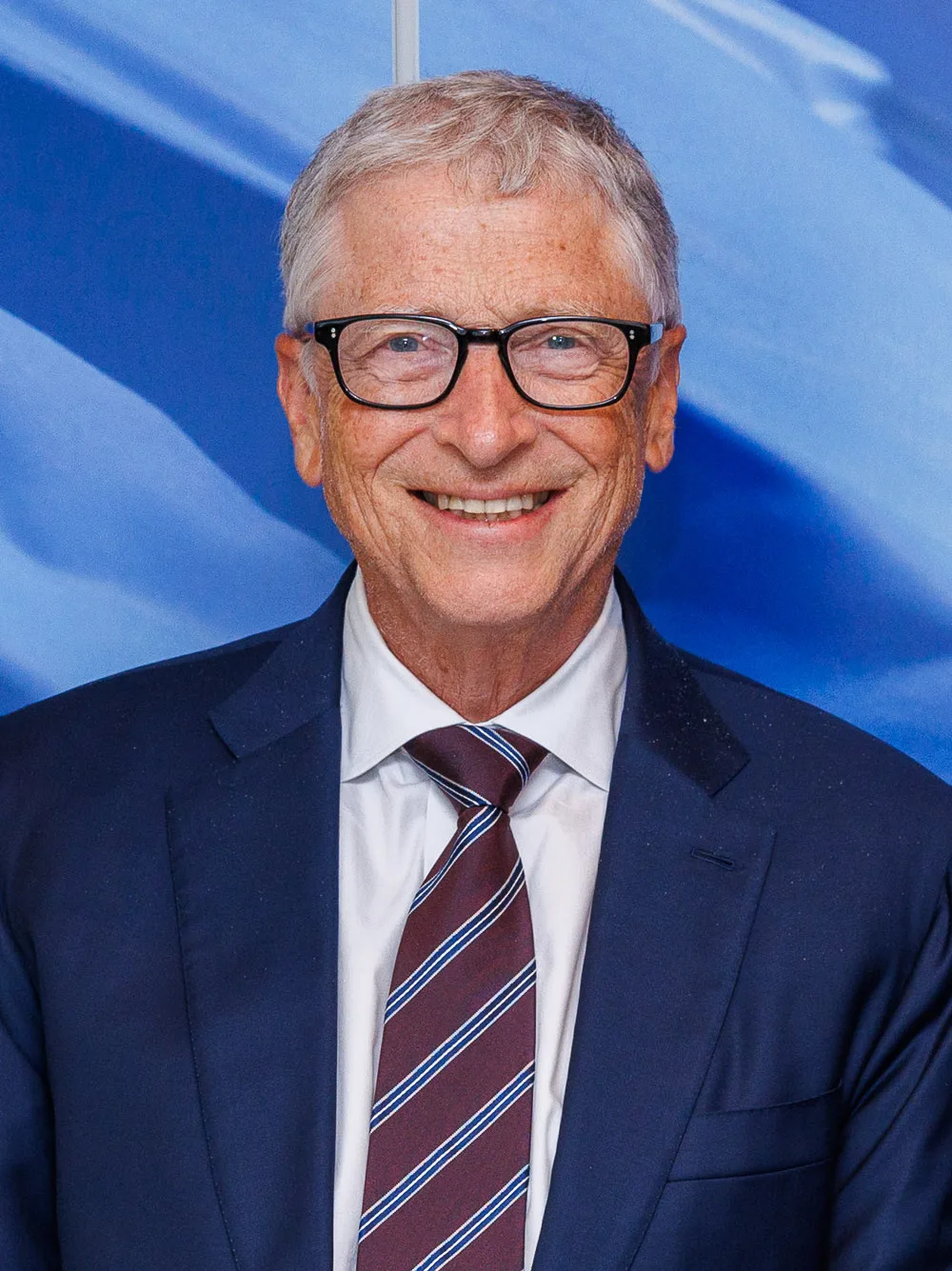
Gates's Acknowledgment of Lakeside Luck
Bill Gates explicitly noted that without the rare luck of attending Lakeside School in 1968, Microsoft would never have existed.
The Reality of Infinite Moving Parts
You are one participant in an economic system with billions of agents, meaning total individual control over outcomes is impossible.
Step by step
Conducting a Cross-Generational Financial Audit
- Identify the macroeconomic conditions that prevailed during your formative young adult years
- Acknowledge the distinct economic traumas and booms experienced by family members and peers
- Separate mathematical optimality from emotional comfort and survival conditioning
- Design personal investment rules that account for psychological tolerance rather than theoretical models
Practicing Humility and Grace in Financial Life
- Audit winning investments to identify the contribution of external macroeconomic tailwinds
- Acknowledge the role of bad luck when evaluating personal setbacks rather than indulging self-blame
- Extend empathy and forgiveness to colleagues whose well-reasoned strategies suffered random shocks
- Anchor future portfolio plans in structural margins of safety rather than assumed analytical infallibility
Self-test
Answer each question from memory, then check your work against the answer key.
1. Who left over $6 million to his local library and hospital despite working as a janitor and gas station mechanic?
- ARichard Fuscone
- BRonald Read
- CJohn Bogle
- DKent Evans
2. Which economists analyzed 50 years of Survey of Consumer Finances data to show risk tolerance is anchored to young-adult macroeconomic conditions?
- AUlrike Malmendier and Stefan Nagel
- BRichard Fuscone and Cornelius Vanderbilt
- CBenjamin Graham and John Bogle
- DBill Gates and Paul Allen
3. In what year was the 401(k) plan created?
- A1990
- B1929
- C1978
- D1976
4. Low-income American households spend how much more per year on lottery tickets than high-income households?
- A3 times more
- B10 times more
- C2 times more
- D4 times more
5. Per the 'No One's Crazy' principle, why might two people disagree sharply about how much investment risk to take?
- AAnchored to conditions from young adulthood
- BOne simply has a higher IQ
- COne holds a Harvard MBA
- DOne has read more finance textbooks
6. What one-in-a-million advantage did Bill Gates have as an eighth-grader that he credited with making Microsoft possible?
- AAn internship at IBM
- BA trust fund from his family
- CUnrestricted computer access at Lakeside
- DA full scholarship to Harvard
7. A trader credits her own skill for a winning trade but blames 'bad luck' after a loss. What is this asymmetric explanation called?
- AMargin of Safety
- BThe Fuscone Trap
- CBroad Pattern Superiority
- DAttribution Bias
8. What happened to Kent Evans, illustrating the downside mirror of Bill Gates's Lakeside luck?
- AHe dropped out to start a rival company
- BDied in a mountaineering accident before graduation
- CHe was rejected from Lakeside's computer club
- DHe lost his fortune in the 2008 crash
9. Roughly how many high-school-age people were there in the world in 1968?
- A100 million
- B50 million
- C303 million
- D1 billion
10. Instead of studying extreme outliers like Rockefeller or Musk, what should investors focus on?
- ATiming the market based on news cycles
- BCopying the exact stock picks of billionaires
- CMaximizing leverage during bull markets
- DBroad patterns like frugality and diversification
Go deeper
- ReadThe Psychology of Money by Morgan Housel · on Amazon ↗
- StudyThe Psychology of Money in the FlashFeed app
These are affiliate links: if you buy a book through one, FlashFeed may earn a small commission at no extra cost to you. The commission helps pay for FlashFeed's servers.
As an Amazon Associate we earn from qualifying purchases.
Answer key
- 1. B Ronald ReadRonald Read quietly built wealth through disciplined living and holding blue-chip stocks. Fuscone was the Wall Street executive who went bankrupt; Bogle and Evans are unrelated figures.
- 2. A Ulrike Malmendier and Stefan NagelMalmendier and Nagel's study is the source of the formative-anchoring finding behind the No One's Crazy principle. The other pairs are unrelated figures.
- 3. C 1978The 401(k) was created accidentally in 1978 via a tax code amendment. 1976 is when Bogle launched index funds; 1929 and 1990 refer to other events.
- 4. D 4 times moreLowest-income households spend over $400 a year on lottery tickets, four times more than high-income households.
- 5. A Anchored to conditions from young adulthoodThe principle holds that financial disagreements usually reflect different formative economic experiences, not differences in intelligence or credentials.
- 6. C Unrestricted computer access at LakesideLakeside School was one of the only schools on Earth with an advanced teletype computer terminal, and Gates said Microsoft would not exist without that access.
- 7. D Attribution BiasAttribution bias is the term for crediting success entirely to skill while blaming failure on luck. The other terms are unrelated concepts.
- 8. B Died in a mountaineering accident before graduationEvans, Gates's equally gifted friend and computer-club co-founder, died in a mountaineering accident, a one-in-a-million downside tail event mirroring Gates's upside luck.
- 9. C 303 millionThe lesson cites roughly 303 million high-school-age people worldwide in 1968, underscoring how rare Gates's computer access was.
- 10. D Broad patterns like frugality and diversificationBecause outlier outcomes are magnified by rare, non-repeatable events, the better approach is to study universal patterns like frugality and diversification instead.
Sources
- The Psychology of Money — Morgan Housel
- Morgan Housel, The Psychology of Money, Chapter 1
- Morgan Housel, The Psychology of Money, Chapter 2
- Morgan Housel, The Psychology of Money, Chapter 13
Image credits
- Depression Generation: Wikimedia Commons · Wikideas1 · CC0 — commons.wikimedia.org/wiki/File:Great_Depression_money_supply_contraction.webp
- The Internal Logic of Financial Decisions: Library of Congress · Dog, running · No known restrictions (verify at source) — www.loc.gov/item/2008681184/
- The Visceral Reality Gap: Wikimedia Commons · Master Jean de Mauléon · Public domain — commons.wikimedia.org/wiki/File:Master_Jean_de_Maul%C3%A9on_-_Playing_Dice_-_Walters_W4492V_(cropped).jpg
- The Fallacy of Calling Others Crazy: Library of Congress · Burial of Cornelius Vanderbilt · No known restrictions (verify at source) — www.loc.gov/item/2008676714/
- The Twin Forces of Randomness: FlashFeed original diagram · CC-BY-4.0
- Broad Pattern Superiority: Library of Congress · Bernard Madoff, going to jail post plea · No known restrictions (verify at source) — www.loc.gov/item/2016646245/
- Gates's Acknowledgment of Lakeside Luck: Wikimedia Commons · Bogdan Hoyaux / European Union · CC BY 4.0 — commons.wikimedia.org/wiki/File:Bill_Gates_at_the_European_Commission_-_P067383-987995_(cropped)_5.jpg


