
United States History study guide · Lesson 1 of 13
Pre-Contact America, Encounter, and Colonial Foundations (Pre-1607–1754)
Indigenous Civilizations, Cahokia, and the Columbian Exchange · Chesapeake Tobacco, Puritan New England, and Colonial Governance · Indentured Labor, the Rise of Chattel Slavery, and Mercantilism
This is the lesson's study guide from the FlashFeed app, plus its key facts and a self-test.
What you'll be able to do
- Describe Cahokia and other Indigenous societies, and explain how the Columbian Exchange and epidemic disease transformed the Americas.
- Describe the Chesapeake and New England colonies: tobacco and servant labor, Puritan towns and dissent, and early self-government.
Lesson 1: Pre-Contact America, Encounter, and Colonial Foundations (Pre-1607–1754)
Indigenous Civilizations, Cahokia, and the Columbian Exchange
Prior to Columbus's arrival in 1492, North America was home to diverse and sophisticated Indigenous civilizations adapted to varied ecologies. In the Mississippi River Valley, the Mississippian culture constructed massive earthen mounds, culminating in the urban center of Cahokia near modern-day St. Louis. At its peak around 1100 CE, Cahokia supported a population commonly estimated at roughly 10,000 to 30,000 residents (estimates vary widely), comparable to London of the time. Its political and religious authority radiated through intensive maize agriculture and regional tribute networks. In the arid Southwest, Ancestral Puebloan peoples engineered multi-story sandstone masonry settlements at Chaco Canyon and Mesa Verde, managing scarce water with check dams, reservoirs, and diversion ditches. In the Northeast, the Haudenosaunee formed the Iroquois Great League of Peace, establishing a confederation governed by a representative council of fifty chiefs chosen by clan mothers.
The arrival of Christopher Columbus in the Caribbean initiated the Columbian Exchange, the reciprocal transfer of plants, animals, cultures, populations, and communicable diseases between the Eastern and Western Hemispheres. European flora and fauna transformed American landscapes: the introduction of the horse revolutionized Plains Indigenous mobility and bison hunting, while European pigs and cattle altered native foraging grounds. In return, American cultivars—principally maize, potatoes, cassava, and tomatoes—enriched Old World diets, triggering substantial population growth across Europe, Africa, and Asia.
The demographic consequence for Indigenous populations was catastrophic. Native Americans possessed no immunological resistance to Afro-Eurasian pathogens such as smallpox, measles, influenza, and typhus. Virgin-soil epidemics decimated Indigenous communities, with regional mortality commonly estimated at 50 to 90 percent within the first century or so of contact (estimates vary widely). This demographic collapse shattered kinship networks, disrupted political hierarchies, and severely weakened Indigenous resistance to European territorial conquest.
Chesapeake Tobacco, Puritan New England, and Colonial Governance
English colonization in North America followed distinct regional models driven by divergent economic motives, demographics, and religious ideologies. In the Chesapeake region, the Virginia Company of London founded Jamestown in 1607 as a joint-stock commercial venture. Following the devastating "starving time" winter of 1609–1610, the colony found economic stability through the cultivation of Caribbean tobacco, introduced by John Rolfe in 1612. Tobacco monoculture shaped Virginia's dispersed plantation settlement pattern, demanding intensive labor and continuous territorial expansion into Powhatan tribal lands. To attract settlers and capital, the company established the headright system in 1618, granting 50 acres of land to any colonist who paid their own passage or financed the transportation of another laborer. In July 1619, the Virginia House of Burgesses convened as the first representative legislative assembly in English America, establishing local elite political representation.
In contrast, English settlement in New England was motivated by Calvinist religious reform. The Pilgrims, religious Separatists seeking total withdrawal from the Church of England, established Plymouth Colony in 1620 aboard the Mayflower. Prior to disembarking, they drafted the Mayflower Compact, a civil covenant pledging mutual submission to self-determined laws, establishing an early precedent for consensual government. A decade later, the Puritans launched the Great Migration of the 1630s, founding the Massachusetts Bay Colony under Governor John Winthrop. In his 1630 sermon "A Model of Christian Charity", Winthrop warned that the colony would be as a "City upon a Hill", with the eyes of all people upon it, so any failure to keep its covenant with God would be seen by all; later generations read the image as a model for others.
Puritan society was organized around nuclear family units, tight-knit agricultural towns, and congregational churches. Political participation in the General Court was restricted to "visible saints"—male church members who had undergone a documented conversion experience. The New England town meeting emerged as a vital institution of local direct democracy, where property-holding men debated municipal policies, school taxes, and defense. Despite their devotion to religious liberty for themselves, Puritans enforced strict theological orthodoxy, expelling religious dissidents such as Roger Williams—who advocated separation of church and state, argued that colonists had to purchase land from Native peoples rather than claim it by royal charter, and founded Rhode Island—and Anne Hutchinson, who challenged ministerial authority through her teachings on the covenant of grace.
Indentured Labor, the Rise of Chattel Slavery, and Mercantilism
During the early seventeenth century, the plantation labor force of the Chesapeake was dominated by European indentured servants. Impoverished English laborers signed contracts (indentures) binding them to four to seven years of agricultural labor in exchange for transatlantic passage, subsistence, and "freedom dues" upon completion. Conditions were grueling, and high mortality rates meant many servants died before completing their terms. However, as life expectancy rose in the late seventeenth century, surviving servants demanded promised lands, clashing with established planter elites and neighboring Indigenous nations.
This social friction culminated in Bacon's Rebellion in Virginia in 1676. Led by Nathaniel Bacon, an alliance of landless former indentured servants, smallholders, and enslaved Africans rebelled against the autocratic royal governor, Sir William Berkeley, burning Jamestown. Although the rebellion collapsed after Bacon's death, Virginia's planter oligarchy recognized the perpetual political danger of a growing class of free, armed, landless white laborers. Many historians argue that planters increasingly turned to African chattel slavery, already recognized in Virginia law by the 1660s, as a permanent, hereditary, and more controllable labor force. Over the subsequent decades, Virginia passed comprehensive slave codes (notably in 1705), legally defining enslaved Black people as real property, stripping them of civil rights, and anchoring racial hierarchy in colonial law.
The British imperial economy operated under the doctrine of mercantilism, which held that national power depended upon maximizing bullion reserves by maintaining a favorable balance of trade. Colonies existed to supply raw commodities—such as tobacco, sugar, rice, and indigo—to the mother country and consume British manufactured goods. Parliament codified this system through the Navigation Acts (beginning in 1651), mandating that colonial goods be transported exclusively on English or colonial vessels. The Act of 1660 required that high-value "enumerated commodities," such as tobacco and sugar, be shipped only to England or other English colonies. Although mercantilist regulations restricted direct foreign commerce, Britain's policy of salutary neglect during the early eighteenth century allowed colonial merchants substantial operational autonomy and fostered commercial self-reliance across the Atlantic triangular trade.
Key terms
- Columbian Exchange
- The reciprocal hemispheric transmission of flora, fauna, human populations, and infectious pathogens between Afro-Eurasia and the Americas after 1492.
- Headright System
- A colonial land grant policy offering fifty acres of surveyed property to any sponsor who financed the transatlantic passage of a settler or laborer.
- Chattel Slavery
- A legal system of unfree labor wherein human beings are legally classified as absolute personal property that can be bought, sold, and inherited across generations.
- Mercantilism
- An early modern economic doctrine asserting that national power depends on maximizing gold bullion reserves through a favorable balance of trade and monopolistic colonial exploitation.
Key concepts
Cahokia
- Pre-Columbian urban center located near modern-day St. Louis in the Mississippi River Valley
- Featured Monks Mound, a monumental 100-foot-tall earthen structure covering fourteen acres
- Peaked around 1100 CE with a population commonly estimated at 10,000 to 30,000 residents (estimates vary widely)
Columbian Exchange
- Hemispheric biological transfer of flora, fauna, pathogens, and human populations after 1492
- Introduced devastating Old World infectious diseases including smallpox and measles to the Americas
- Transferred high-calorie American crops like maize and potatoes to Eurasia, fueling global population growth
Mayflower Compact
- Governing agreement signed in 1620 by Separatist Pilgrims anchored off Cape Cod
- Established a civil covenant binding signers to enact and obey just and equal laws
- Served as an early colonial model of political self-government grounded in mutual consent
John Winthrop
- First governor of the Massachusetts Bay Colony who led the Great Puritan Migration in 1630
- Authored the famous sermon 'A Model of Christian Charity'
- Articulated the vision of the Puritan commonwealth as a righteous 'City upon a Hill'
Roger Williams
- Puritan theologian banished from Massachusetts Bay Colony in 1635 for radical beliefs
- Advocated strict separation of church and state to protect religion from political corruption
- Founded Providence Plantation (Rhode Island) on land purchased fairly from the Narragansett
Bacon's Rebellion
- Armed insurrection in Virginia in 1676 led by an ambitious backcountry planter
- United landless ex-indentured servants and enslaved laborers who torched the capital of Jamestown
- Widely seen as speeding planters' shift from European indentured servants to African chattel slavery
Navigation Acts
- Series of parliamentary statutes enacted beginning in 1651 to enforce mercantilist trade control
- Mandated that all trade between Britain and its colonies be conducted on English or colonial ships
- Required valuable enumerated colonial commodities like tobacco and sugar to pass solely through English ports
Key facts
Cahokia and Mississippian Urbanism
Cahokia was the largest pre-Columbian settlement north of Mexico, supporting an estimated 10,000 to 30,000 residents (estimates vary widely) around 1100 CE through intensive maize agriculture and monumental earthen mound architecture.
Biological Impact of the Columbian Exchange
The Columbian Exchange introduced Old World infectious pathogens including smallpox, measles, and influenza to Native American populations, causing demographic collapse, with regional mortality commonly estimated at 50 to 90 percent within about a century of contact (estimates vary widely).
Agricultural Exchange Across Hemispheres
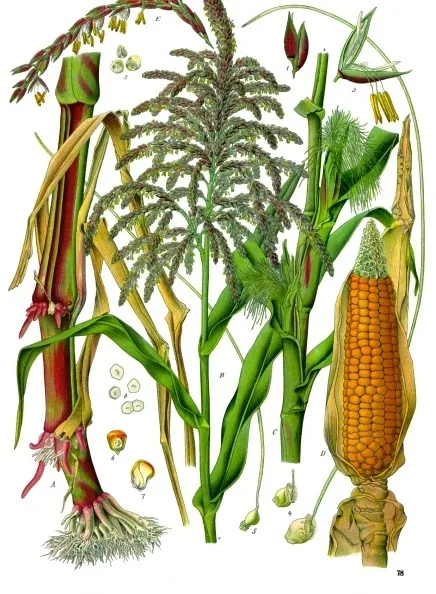
American domestic cultivars including maize, potatoes, and cassava enriched Eurasian and African diets after 1492, triggering substantial global population growth and transforming Old World agricultural systems.
Jamestown and Tobacco Monoculture
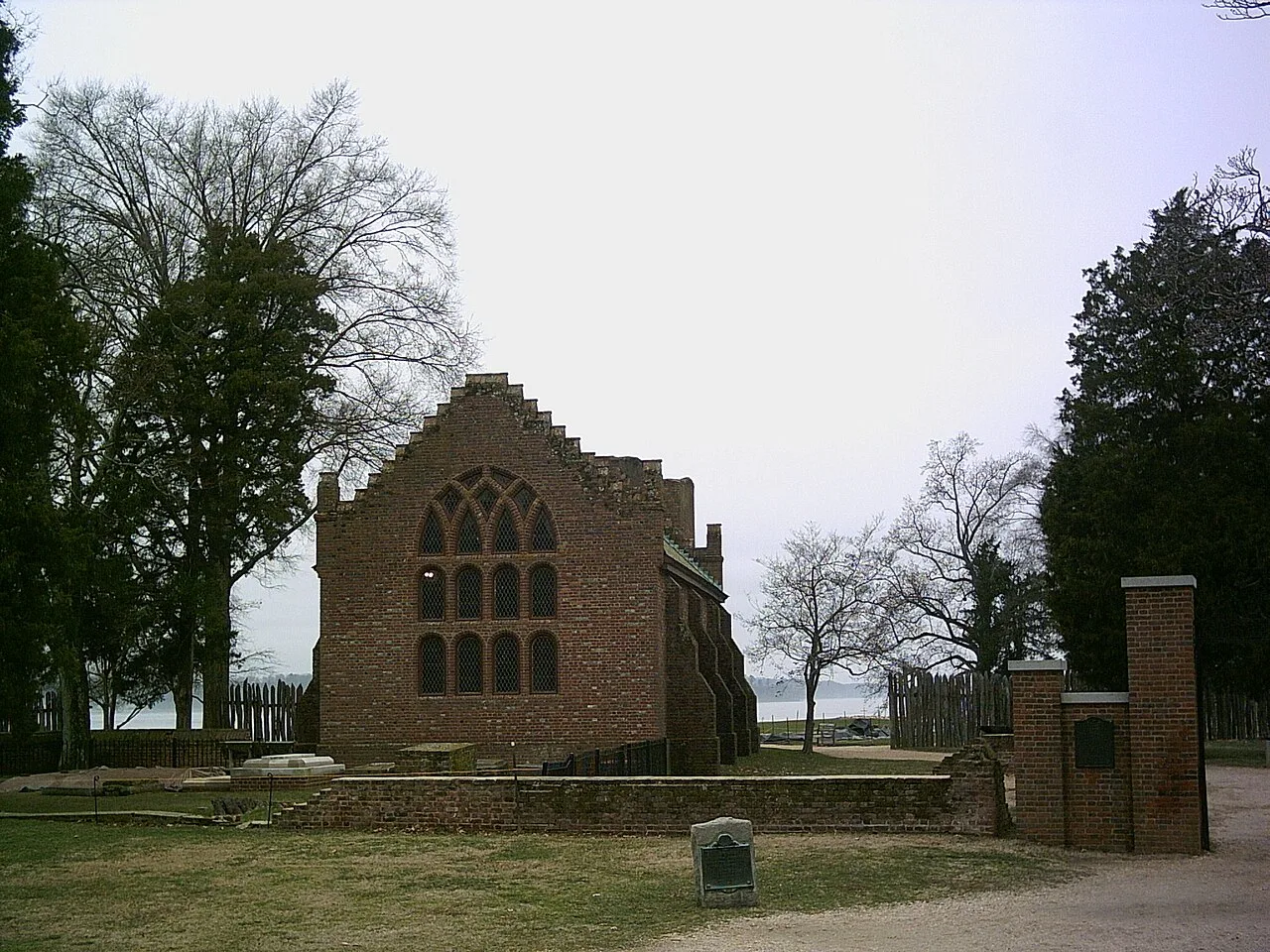
Founded in 1607 by the Virginia Company as a joint-stock commercial venture, Jamestown achieved economic viability only after John Rolfe introduced high-yield West Indian tobacco seeds in 1612, establishing plantation cash-crop agriculture.
The Mayflower Compact and Self-Governance
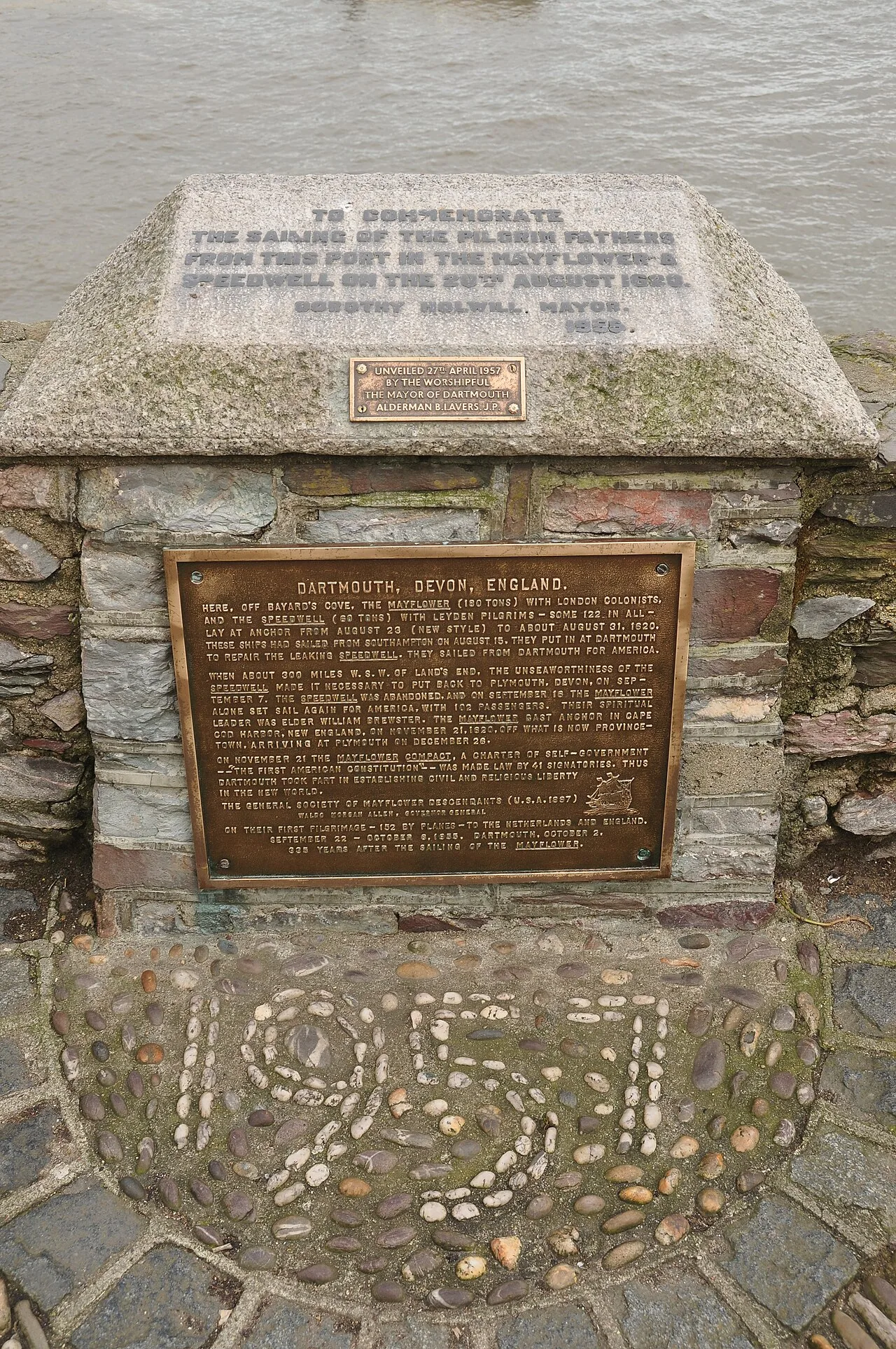
Drafted in 1620 by Separatist Pilgrims aboard the Mayflower, the Mayflower Compact established a consensual civil government bound by majority rule, creating an enduring precedent for colonial constitutional self-determination.
Bacon's Rebellion and Labor Realignment
In 1676, Nathaniel Bacon led landless former indentured servants and enslaved laborers in an armed rebellion that torched Jamestown; many historians argue it pushed Virginia's planter oligarchy to turn increasingly from European indentured servitude to racialized African chattel slavery.
The Virginia Slave Codes of 1705
Enacted by the Virginia General Assembly in 1705, comprehensive slave codes legally defined all imported non-Christian servants as real estate property, prohibited enslaved persons from bearing arms, and codified hereditary racial chattel slavery.
British Mercantilism and the Navigation Acts
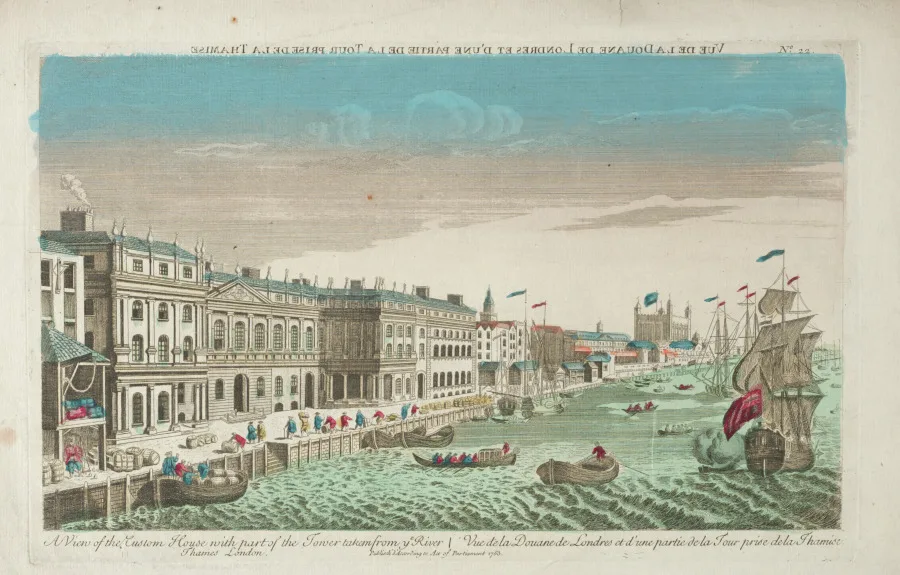
Parliament enacted the Navigation Acts beginning in 1651 to enforce mercantilist economic control, requiring colonial goods to be carried exclusively on English ships and forcing high-value enumerated commodities to pass solely through English ports.
By the numbers
- How many tribal nations originally formed the Haudenosaunee (Iroquois) Confederacy, according to tradition?
- 5 nations
- In what calendar year did the Virginia House of Burgesses first convene in Jamestown?
- 1619 year
- How many acres of land were awarded per imported laborer under the 1618 Virginia headright system?
- 50 acres
- In what calendar year did Nathaniel Bacon lead his armed rebellion that burned Jamestown, Virginia?
- 1676 year
Matched pairs
Each item on the left goes with the one on the right.
- Cahokia
- Largest pre-Columbian Mississippian earthen mound urban center
- House of Burgesses
- First representative legislative assembly established in English North America in 1619
- City upon a Hill
- John Winthrop's warning that the Puritan colony would be watched by all people
- Navigation Acts
- Parliamentary mercantilist trade statutes restricting colonial shipping to English vessels
Self-test
Answer each question from memory, then check your work against the answer key.
1. What agricultural foundation enabled the Mississippian culture at Cahokia to sustain dense urban populations?
- ACultivation of beans and sunflowers alone, with maize unknown in the region
- BSlash-and-burn cultivation of cassava and sweet potatoes in forest clearings
- CIntensive cultivation of maize alongside squash and beans in river floodplains
- DIrrigated terrace cultivation of highland potatoes and root vegetables
2. Which Old World biological introduction most dramatically altered the transport and hunting capabilities of Great Plains Indigenous nations?
- AThe domesticated horse introduced into the Southwest by Spanish expeditions
- BThe domesticated pig introduced into the Southeast by Spanish expeditions
- CDomesticated sheep introduced into the Southwest by Spanish missions
- DDomesticated cattle herded onto the Plains by Spanish ranchers
3. Why did Afro-Eurasian pathogens cause such devastating mortality rates among Western Hemisphere Indigenous populations?
- ASubtropical climates accelerated the virulence and transmission of bacteria
- BIndigenous populations lacked acquired immunological antibodies to virgin-soil diseases
- CNative diets lacked essential caloric minerals to maintain cellular vitality
- DTraditional medicine completely prohibited physical quarantine of sick individuals
4. How was decision-making structured within the representative council of the Haudenosaunee (Iroquois League)?
- AHereditary chiefs chosen through the paternal line, deciding by majority vote
- BDelegates elected by majority vote of all adult men in each village
- CA single paramount chief inherited authority over all member nations
- DFifty male civil chiefs nominated by matrilineal clan mothers governed by consensus
5. Cahokia's peak population around 1100 CE has been compared in scale to which contemporary European city?
- ALondon
- BRome
- CVenice
- DParis
6. What qualifications were required for a man to become a 'freeman' able to vote in Massachusetts Bay Colony's General Court elections during the early seventeenth century?
- AOwnership of at least one hundred cleared acres of arable farmland
- BAdult male status and formal church membership based on documented spiritual conversion
- CA royal license from the Privy Council to settle in the colony
- DSeven years' residence in the colony and a record of service in the militia
7. Why did Puritan authorities banish Roger Williams from the Massachusetts Bay Colony in 1635?
- AHe urged Massachusetts to rejoin the Church of England under its bishops
- BHe denied the Trinity and the divinity of Christ
- CHe taught that salvation could be earned through good works rather than grace
- DHe demanded complete separation of church and state and defended Native land rights
8. What contractual mechanism defined European indentured servitude in the seventeenth-century Chesapeake?
- ALifelong hereditary enslavement enforceable against all descendants regardless of race
- BAnnual voluntary wage contracts with guaranteed municipal medical care and housing
- CFour to seven years of unfree agricultural labor in exchange for ocean passage and freedom dues
- DA headright grant of fifty acres to any colonist who paid their own passage
9. How is Bacon's Rebellion (1676) widely thought to have accelerated the institutionalization of racial chattel slavery in Virginia?
- AThe Assembly outlawed the enslavement of Africans to win back the support of former servants
- BPlanters ended headrights and stopped importing laborers of any kind
- CRoyal officials banned any further importation of European indentured servants into Virginia
- DPlanter elites recognized the political danger of free white laborers and turned to enslaved Africans
10. Which colonial institution, convened in July 1619, became the first elected representative legislative assembly in English America?
- APennsylvania Assembly
- BMassachusetts General Court
- CVirginia House of Burgesses
- DMaryland General Assembly
Go deeper
- WatchCahokia, the City of Mounds Before Europeans arrived, a city of giant earthen mounds stood near modern St. Louis. Its name was Cahokia.
- WatchBacon's Rebellion Landless former servants, small farmers and enslaved Africans joined forces and burned Jamestown.
- WatchThe Exchange Ran Both Ways Plains hunters chased bison on horseback. Yet the horse came from Europe, in the Columbian Exchange after Columbus.
- StudyUnited States History in the FlashFeed app
Answer key
- 1. C Intensive cultivation of maize alongside squash and beans in river floodplainsCahokia's urban density was sustained by intensive floodplain cultivation of Mesoamerican maize, which provided predictable caloric surpluses.
- 2. A The domesticated horse introduced into the Southwest by Spanish expeditionsThe reintroduction of the horse by the Spanish revolutionized Plains Indigenous cultures, vastly expanding mobility and bison-hunting efficiency.
- 3. B Indigenous populations lacked acquired immunological antibodies to virgin-soil diseasesBecause Native Americans had no prior biological exposure to smallpox or measles, virgin-soil epidemics decimated communities lacking antibodies.
- 4. D Fifty male civil chiefs nominated by matrilineal clan mothers governed by consensusIn the Haudenosaunee confederacy, clan mothers held the authority to nominate and recall the fifty chiefs who made decisions by consensus.
- 5. A LondonCahokia's estimated 10,000 to 30,000 residents around 1100 CE (estimates vary widely) rivaled the population of London, an unusually large urban center for the era.
- 6. B Adult male status and formal church membership based on documented spiritual conversionIn early Massachusetts Bay, political franchise was restricted to male 'visible saints' who had demonstrated a credible conversion experience.
- 7. D He demanded complete separation of church and state and defended Native land rightsRoger Williams was expelled for preaching that civil magistrates had no authority over spiritual conscience and that Native lands must be purchased fairly.
- 8. C Four to seven years of unfree agricultural labor in exchange for ocean passage and freedom duesIndentured servants signed legal indentures binding them to 4–7 years of unfree labor in exchange for transatlantic passage, food, and eventual freedom dues.
- 9. D Planter elites recognized the political danger of free white laborers and turned to enslaved AfricansMany historians argue that planters, fearing alliances between landless armed white ex-servants and Black laborers, turned increasingly to enslaved Africans as a permanent, controllable labor force.
- 10. C Virginia House of BurgessesThe Virginia House of Burgesses convened in 1619 as the first elected representative legislative body in the English colonies, establishing local self-governance.
Sources
- Foner, Give Me Liberty!, Ch. 1
- Crosby, The Columbian Exchange, Ch. 2
- Taylor, American Colonies, Ch. 2
- Richter, The Ordeal of the Longhouse, Ch. 1
- Bailyn, The Peopling of British North America, Ch. 2
- Bradford, Of Plymouth Plantation, Book 2
- Winthrop, A Model of Christian Charity (1630)
- Morgan, American Slavery, American Freedom, Ch. 5
- Morgan, American Slavery, American Freedom, Ch. 15
- Hening, Statutes at Large of Virginia, Vol. 3
- McCusker & Menard, Economy of British America, Ch. 3
- Taylor, American Colonies, Ch. 1
- Crosby, The Columbian Exchange, Ch. 3
- Richter, The Ordeal of the Longhouse, Ch. 2
- Taylor, American Colonies, Ch. 8
- Foner, Give Me Liberty!, Ch. 2
- Morgan, American Slavery, American Freedom, Ch. 6
- Taylor, American Colonies, Ch. 12
- Foner, Give Me Liberty!, Ch. 4
- Crosby, The Columbian Exchange
- Bradford, Of Plymouth Plantation
- Morgan, American Slavery, American Freedom
- McCusker & Menard, Economy of British America
- Richter, The Ordeal of the Longhouse
- Winthrop, A Model of Christian Charity
- Bailyn, The Peopling of British North America
- Foner, Give Me Liberty!
- Taylor, American Colonies
Image credits
- Agricultural Exchange Across Hemispheres: Wikimedia Commons · Franz Eugen Köhler, Köhler's Medizinal-Pflanzen · Public domain — commons.wikimedia.org/wiki/File:Zea_mays_-_K%C3%B6hler%E2%80%93s_Medizinal-Pflanzen-283.jpg
- Jamestown and Tobacco Monoculture: Mother of Ser Amantio di Nicolao at English Wikipedia · CC BY-SA 3.0 — en.wikipedia.org/wiki/Jamestown_Church
- The Mayflower Compact and Self-Governance: Wikimedia Commons · Nilfanion · CC BY-SA 4.0 — commons.wikimedia.org/wiki/File:Mayflower_memorial_in_Dartmouth_(0528).jpg
- British Mercantilism and the Navigation Acts: Cleveland Museum of Art · CC0 — clevelandart.org/art/1925.600

