
United States History study guide · Lesson 8 of 13
Reconstruction and the Jim Crow Legal Settlement (1865–1896)
Presidential vs. Radical Reconstruction and the Reconstruction Amendments · Black Political Mobilization, Freedmen's Bureau, and White Reaction · The Compromise of 1877, Sharecropping, Disenfranchisement, and Plessy
This is the lesson's study guide from the FlashFeed app, plus its key facts and a self-test.
What you'll be able to do
- Compare Presidential and Radical Reconstruction and explain what the Fourteenth and Fifteenth Amendments did.
- Describe Black political gains during Reconstruction, the Freedmen's Bureau's work, and the violent white reaction.
Lesson 8: Reconstruction and the Jim Crow Legal Settlement (1865–1896)
Presidential vs. Radical Reconstruction and the Reconstruction Amendments
Following the Civil War, the nation faced the monumental challenge of reintegrating eleven former Confederate states, rebuilding the shattered Southern economy, and defining the legal status of four million formerly enslaved people. President Andrew Johnson, a Southern Unionist Democrat who succeeded Lincoln, implemented a lenient Presidential Reconstruction plan, granting rapid pardons to Confederate leaders and allowing reconstructed Southern legislatures to pass oppressive Black Codes in 1865–1866. These laws restricted African Americans' freedom of movement, prohibited them from purchasing land or carrying firearms, and subjected unemployed Black laborers to arrest for "vagrancy" and forced contract labor.
Outraged by the re-imposition of virtual slavery, Radical Republicans in Congress—led by Representative Thaddeus Stevens and Senator Charles Sumner—seized control of Reconstruction. Overriding Johnson's vetoes, Congress passed the Civil Rights Act of 1866 and enacted the Reconstruction Acts of 1867, which divided ten Southern states into five Military Districts governed by federal army commanders, requiring states to draft new constitutions guaranteeing Black suffrage before readmission. When Johnson attempted to obstruct military governance by firing Secretary of War Edwin Stanton, the House of Representatives impeached Johnson in 1868 for violating the Tenure of Office Act; he escaped Senate conviction by a single vote.
The constitutional foundation of American democracy was fundamentally rewritten through three Reconstruction Amendments:
- Thirteenth Amendment (1865): Permanently abolished slavery and involuntary servitude throughout the United States, "except as a punishment for crime whereof the party shall have been duly convicted."
- Fourteenth Amendment (1868): Established birthright citizenship (overturning Dred Scott), prohibited states from denying any person due process of law or equal protection of the laws, and penalized states that restricted male suffrage.
- Fifteenth Amendment (1870): Prohibited the federal and state governments from denying or abridging a citizen's right to vote based on "race, color, or previous condition of servitude."
Black Political Mobilization, Freedmen's Bureau, and White Reaction
During Congressional Reconstruction, African Americans engaged in extraordinary political mobilization. Aided by the Freedmen's Bureau (established in 1865 to provide food, medical aid, labor contract arbitration, and establish thousands of schools and universities such as Howard and Fisk), formerly enslaved people registered to vote in vast numbers. Working within the Southern Republican Party alongside Northern migrants ("carpetbaggers") and Southern white Unionists ("scalawags"), Black voters established the South's first universal public school systems and civil rights laws.
Approximately 2,000 African Americans held public office during Reconstruction. In 1870, Hiram Revels of Mississippi became the first Black United States Senator, representing the state that Jefferson Davis had served in the Senate before secession; Blanche K. Bruce of Mississippi followed. In South Carolina, African Americans comprised a majority of the state legislature's lower house.
This democratic revolution incited violent resistance from white supremacists seeking to restore white elite rule ("Redemption"). Secret vigilante organizations, notably the Ku Klux Klan (KKK) founded in Tennessee in 1865, waged campaigns of political terror, assassinating Republican leaders, burning Black churches and schools, and intimidating voters. President Ulysses S. Grant acted forcefully, using the Enforcement Acts of 1870–1871, including the Ku Klux Klan Act of 1871, to suspend habeas corpus in nine South Carolina counties in October 1871 and deploy federal troops to crush the first Klan.
The Compromise of 1877, Sharecropping, Disenfranchisement, and Plessy
Despite legal advances, economic autonomy was denied to formerly enslaved people when federal promises of land redistribution ("forty acres and a mule") were abandoned. Lacking capital and land, most freedpeople were forced into sharecropping and the crop-lien system, farming plots owned by white planters in exchange for a share of the harvest (typically half). High interest rates charged by local merchants for seeds and tools trapped generations of Black farmers in perpetual debt peonage.
Northern commitment to Reconstruction waned in the 1870s due to the Panic of 1873, economic depression, federal corruption scandals, and rising racism. The Supreme Court systematically eviscerated the Fourteenth and Fifteenth Amendments:
- In the Slaughterhouse Cases (1873), the Court narrowly construed Fourteenth Amendment privileges and immunities as applying only to national, not state, citizenship.
- In United States v. Cruikshank (1876), the Court ruled that the Fourteenth Amendment prohibited only state-sponsored violations of civil rights, not private violence by individuals like the Colfax Massacre perpetrators.
- In the Civil Rights Cases (1883), the Court struck down the Civil Rights Act of 1875, declaring Congress lacked authority to outlaw racial segregation in privately owned public accommodations.
Reconstruction ended definitively with the Compromise of 1877, resolving the disputed 1876 presidential election between Republican Rutherford B. Hayes and Democrat Samuel J. Tilden. By the traditional account, Democrats conceded the presidency to Hayes in exchange for a Republican promise to withdraw remaining federal troops from the South; historians debate whether a formal bargain was struck, but federal troops were withdrawn and Reconstruction governments fell.
Southern "Redeemer" governments and their successors built the Jim Crow system of comprehensive racial apartheid over the following decades, above all from the 1890s:
- Disenfranchisement: States instituted poll taxes, literacy tests (with subjective scoring), and grandfather clauses to eliminate Black voters without explicitly mentioning race.
- Racial Terror: White mobs deployed extrajudicial lynching to enforce racial caste hierarchies, thoroughly documented by pioneering Black journalist Ida B. Wells.
- Legal Segregation: In Plessy v. Ferguson (1896), the Supreme Court upheld state racial segregation laws in public facilities under the "separate but equal" doctrine, with only Justice John Marshall Harlan dissenting that "our Constitution is color-blind."
Key terms
- Birthright Citizenship
- The constitutional principle codified in the Fourteenth Amendment granting automatic citizenship to all persons born or naturalized in the United States and subject to its jurisdiction.
- Black Codes
- Restrictive state statutes enacted by Southern legislatures in 1865–1866 to limit the freedom of African Americans and ensure their availability as a cheap, unfree agricultural labor force.
- Crop-Lien System
- A credit arrangement in which tenant farmers and sharecroppers pledged their unharvested crops to local merchants as collateral for food, clothing, seed, and farming supplies.
- Jim Crow
- The comprehensive legal and social system of racial segregation, disenfranchisement, and white supremacy enforced across the American South from the late nineteenth century until the mid-twentieth century.
Key concepts
Fourteenth Amendment
- Constitutional amendment ratified in 1868 establishing birthright citizenship
- Prohibited states from depriving any person of life, liberty, or property without due process of law
- Guaranteed equal protection of the laws, transforming federal civil rights jurisprudence
Fifteenth Amendment
- Constitutional amendment ratified in 1870 guaranteeing the right to vote
- Prohibited denial of suffrage based on race, color, or previous condition of servitude
- Empowered hundreds of thousands of African American men to vote and hold public office
Freedmen's Bureau
- Federal agency created in March 1865 to assist formerly enslaved people during Reconstruction
- Distributed emergency food rations, negotiated labor contracts, and settled legal disputes
- Built thousands of public schools and established foundational historically Black universities
Hiram Revels
- African Methodist Episcopal minister and educator from Mississippi
- Elected to the United States Senate in 1870 as the first African American senator in history
- Occupied the Senate seat formerly held by Confederate President Jefferson Davis
Sharecropping
- Dominant agricultural labor system in the post-Civil War American South
- Tenant farmers worked a plot of land in exchange for a share of the harvested crop
- Coupled with the crop-lien system, trapped generations of Black farmers in perpetual debt
Compromise of 1877
- By the traditional account, an informal political agreement that resolved the disputed 1876 presidential election (historians debate whether a formal bargain was struck)
- Awarded the presidency to Republican Rutherford B. Hayes over Democrat Samuel Tilden
- Followed by the withdrawal of remaining federal troops from the South, ending Reconstruction
Plessy v. Ferguson
- 1896 Supreme Court ruling originating from a challenge to Louisiana's segregated train cars
- Established the 'separate but equal' legal doctrine under the Fourteenth Amendment
- Provided constitutional legitimacy for state-enforced Jim Crow segregation laws
Key facts
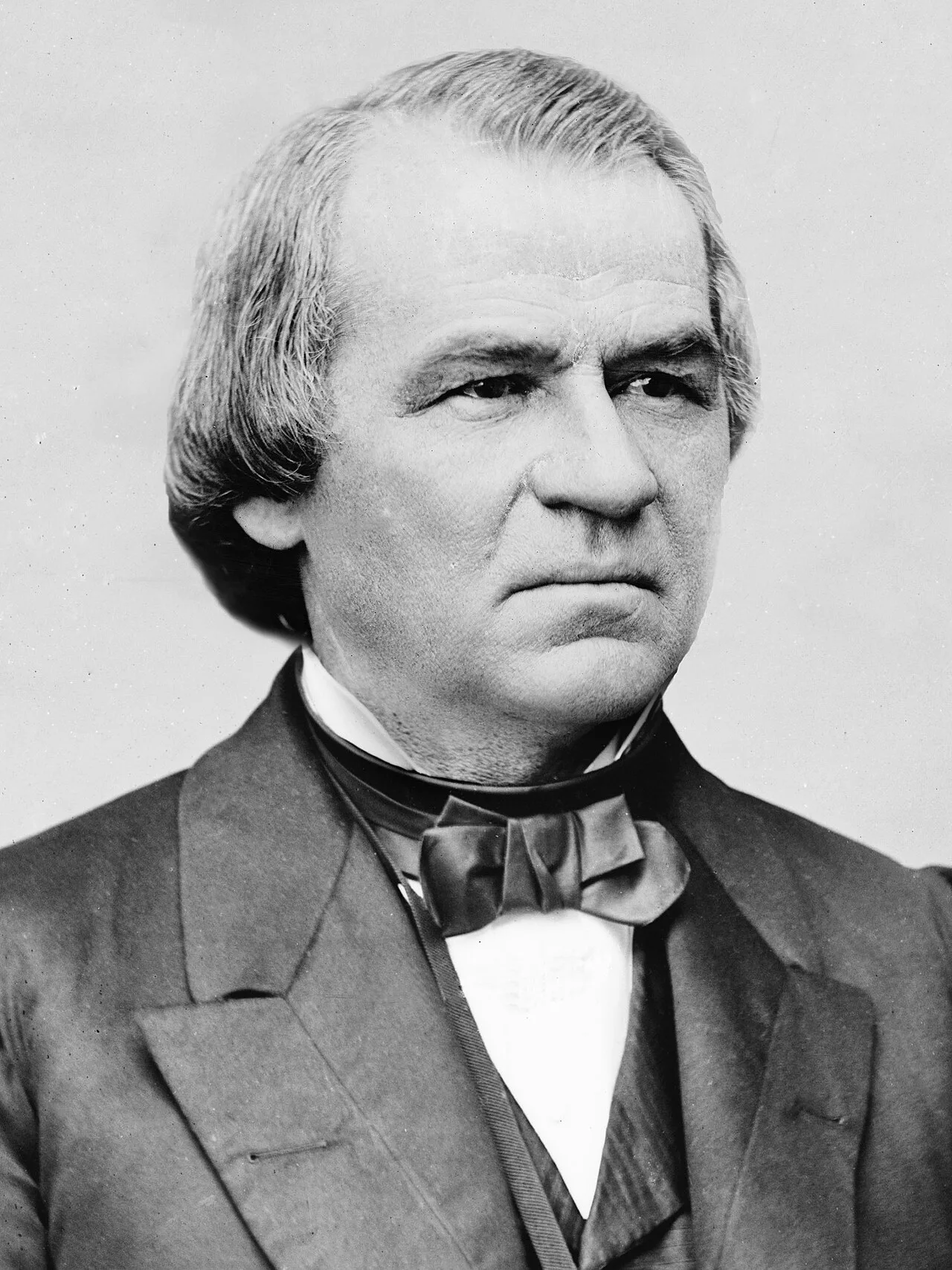
Presidential Reconstruction and the Black Codes
Under President Andrew Johnson's lenient Presidential Reconstruction (1865–1866), reconstructed Southern state legislatures enacted repressive Black Codes that restricted African Americans' freedom of movement, prohibited land purchases, and forced freedpeople into labor contracts.
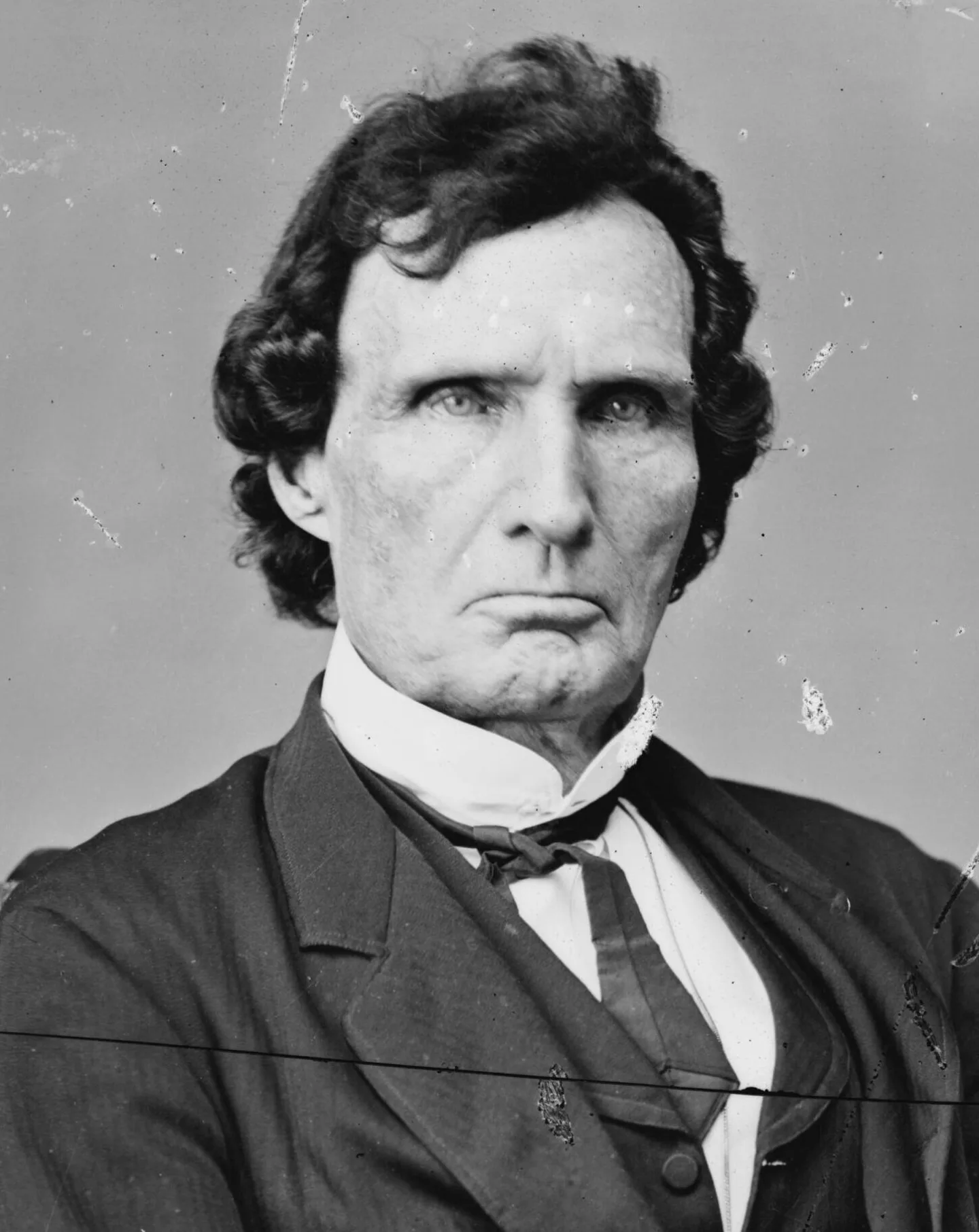
Radical Reconstruction and the Reconstruction Acts
Led by Thaddeus Stevens and Charles Sumner, Radical Republicans took control of Congress, overriding Johnson's vetoes to pass the Reconstruction Acts of 1867, which divided ten Southern states into five military districts governed by federal generals and mandated Black suffrage.
The Thirteenth and Fourteenth Amendments
The Thirteenth Amendment (1865) permanently abolished slavery throughout the nation, while the Fourteenth Amendment (1868) established birthright citizenship, due process, and equal protection of the laws, fundamentally rewriting the constitutional relationship between states and the federal government.
The Fifteenth Amendment of 1870
Ratified in 1870, the Fifteenth Amendment prohibited the federal and state governments from denying or abridging a citizen's right to vote based on 'race, color, or previous condition of servitude', sparking an unprecedented era of Black political officeholding across the South.
The Freedmen's Bureau
Established by Congress in March 1865, the Freedmen's Bureau provided emergency food, medical assistance, labor contract arbitration, and built thousands of schools and historically Black universities (HBCUs) across the South for formerly enslaved people.
Black Political Mobilization and Officeholders
During Reconstruction, approximately 2,000 African Americans held elective office across the South, including Hiram Revels and Blanche K. Bruce of Mississippi in the U.S. Senate, sixteen members of the House of Representatives, and a majority in South Carolina's state house of representatives.
White Terror and the Ku Klux Klan
Founded in Tennessee in 1865, the Ku Klux Klan and other white supremacist paramilitary groups waged campaigns of political assassination, arson, and violent voter intimidation to overthrow Republican state governments and restore white elite dominance.
Sharecropping and Debt Peonage
Lacking land and capital following the abandonment of land redistribution ('forty acres and a mule'), most freedpeople became sharecroppers, trapped in perpetual debt peonage under the crop-lien system where merchants charged high interest rates for seeds and tools.
The Compromise of 1877
The disputed 1876 presidential election ended in the Compromise of 1877: by the traditional account, Democrats conceded the presidency to Republican Rutherford B. Hayes in exchange for a promise to withdraw remaining federal troops from the South, ending Reconstruction (historians debate whether a formal bargain was struck).
By the numbers
- In what calendar year was the Fourteenth Amendment officially ratified into the Constitution?
- 1868 year
- How many military districts were established across the ten Southern states under the 1867 Reconstruction Acts?
- 5 districts
- In what calendar year did the Compromise of 1877 end federal military Reconstruction in the South?
- 1877 year
- In what calendar year did the Supreme Court deliver the Plessy v. Ferguson 'separate but equal' ruling?
- 1896 year
Matched pairs
Each item on the left goes with the one on the right.
- Equal Protection Clause
- Constitutional requirement barring states from denying equal legal protection to any person
- Carpetbaggers
- Derisive Southern term for Northern migrants who moved South during Reconstruction
- Grandfather Clause
- Voting exemption allowing men to vote whose ancestors could vote prior to 1867
- Ida B. Wells
- Investigative journalist who documented and campaigned internationally against racial lynching
Self-test
Answer each question from memory, then check your work against the answer key.
1. What was the primary purpose of the Black Codes passed by Southern legislatures in 1865-1866?
- ARestrict Black civil rights, force labor contracts
- BGrant freedpeople land and voting rights
- CEstablish integrated public schools across the South
- DConfiscate Confederate plantations for freedpeople
2. Which of the following was NOT required of former Confederate states under the Reconstruction Acts of 1867?
- ASubmit to governance under one of five military districts
- BDraft a constitution guaranteeing Black male suffrage
- CPay war reparations to the federal treasury
- DRatify the Fourteenth Amendment
3. Which rights did Section 1 of the Fourteenth Amendment (1868) establish?
- AProhibition of the manufacture, sale, and transport of alcohol
- BDirect election of United States Senators
- CUniversal suffrage for all adult women
- DBirthright citizenship, due process, and equal protection
4. A law denying the vote solely because of a citizen's race would violate which constitutional amendment?
- ANineteenth Amendment
- BFifteenth Amendment
- CThirteenth Amendment
- DFourteenth Amendment
5. Why did the House of Representatives impeach President Andrew Johnson in 1868?
- AVetoing the Civil Rights Act
- BPardoning Confederate leaders
- CViolating the Tenure of Office Act
- DVetoing the Reconstruction Acts of 1867
6. Which of the following was NOT a service provided by the Freedmen's Bureau?
- AEstablishing thousands of schools and colleges like Fisk
- BDistributing forty acres of land to freedmen
- CProviding emergency food and medical aid
- DArbitrating freedpeople's labor contracts
7. Who made history in 1870 by becoming the first African American to serve in the United States Senate?
- AThurgood Marshall of Maryland
- BFrederick Douglass of Maryland
- CBooker T. Washington of Virginia
- DHiram Revels of Mississippi
8. How did President Grant respond to Ku Klux Klan violence in the early 1870s?
- ASuspended habeas corpus and deployed troops
- BTransferred enforcement to state militias
- CNegotiated a truce granting Klan leaders amnesty
- DCalled for a constitutional ban on secret societies
9. What term described Southern white Unionists who joined the Republican Party during Reconstruction?
- ACarpetbaggers
- BRedeemers
- CScalawags
- DCopperheads
10. About how many African Americans held elective office during Reconstruction?
- A500
- B6,000
- C15,000
- D2,000
Go deeper
- WatchThree Amendments 4 million people were no longer enslaved. But what did their freedom mean? Congress answered with three amendments.
- WatchOne Dissent Justice John Marshall Harlan wrote, "Our Constitution is color-blind." He stood alone on the Supreme Court.
- WatchA Seat in the Senate A Black minister from Mississippi took the Senate seat once held by Jefferson Davis. Davis had been president of the Confederacy.
- StudyUnited States History in the FlashFeed app
Answer key
- 1. A Restrict Black civil rights, force labor contractsBlack Codes restricted freedpeople's movement and land ownership and arrested the unemployed for 'vagrancy' to force them into labor contracts.
- 2. C Pay war reparations to the federal treasuryStates had to draft constitutions with Black suffrage, ratify the 14th Amendment, and accept military district rule; war reparations were never required.
- 3. D Birthright citizenship, due process, and equal protectionThe 14th Amendment granted birthright citizenship and due process/equal protection, overturning Dred Scott; the other options describe the 19th, 17th, and 18th Amendments.
- 4. B Fifteenth AmendmentThe 15th Amendment (1870) bars denying the vote based on race, color, or previous servitude; the 13th ended slavery, the 14th covers citizenship, the 19th covers sex.
- 5. C Violating the Tenure of Office ActJohnson was impeached for violating the Tenure of Office Act after firing Secretary of War Edwin Stanton; he survived Senate conviction by one vote.
- 6. B Distributing forty acres of land to freedmenThe Bureau gave food, medical aid, contract arbitration, and built schools and historically Black colleges and universities (HBCUs), but it never carried out the promised 'forty acres' land redistribution on any broad scale; the promise was abandoned.
- 7. D Hiram Revels of MississippiHiram Revels was elected to the U.S. Senate from Mississippi in 1870, taking the seat once held by Jefferson Davis.
- 8. A Suspended habeas corpus and deployed troopsGrant enforced the Ku Klux Klan Act of 1871, suspending habeas corpus in nine South Carolina counties and deploying federal troops to crush the Klan.
- 9. C ScalawagsScalawags were Southern white Unionists who backed Reconstruction; carpetbaggers were Northern migrants who did the same.
- 10. D 2,000Roughly 2,000 African Americans won elective office during Reconstruction, including Senators Hiram Revels and Blanche K. Bruce.
Sources
- Foner, Reconstruction, Ch. 5
- Foner, Reconstruction, Ch. 6
- Amar, America's Constitution, Ch. 11
- Foner, Reconstruction, Ch. 10
- Foner, Reconstruction, Ch. 2
- Foner, Freedom's Lawmakers
- Trelease, White Terror, Ch. 1
- Chernow, Grant (2017)
- Ransom & Sutch, One Kind of Freedom, Ch. 5
- Woodward, Reunion and Reaction, Ch. 1
- Thomas, Plessy v. Ferguson: A Brief History with Documents
- Ransom & Sutch, One Kind of Freedom
- Woodward, Reunion and Reaction
- Foner, Reconstruction, Ch. 11
- Thomas, Plessy v. Ferguson
- Kousser, The Shaping of Southern Politics
- Amar, America's Constitution
- Foner, Reconstruction
- Chernow, Grant
- Giddings, Ida: A Sword Among Lions
- Woodward, The Strange Career of Jim Crow
Image credits
- Presidential Reconstruction and the Black Codes: Mathew Brady (Library of Congress) · public domain — commons.wikimedia.org/wiki/File:President_Andrew_Johnson.jpg
- Radical Reconstruction and the Reconstruction Acts: Mathew Brady (Library of Congress, Brady-Handy collection) · public domain — commons.wikimedia.org/wiki/File:Thaddeus_Stevens_-_Brady-Handy_(cropped).jpg

