
United States History study guide · Lesson 7 of 13
The Civil War: Total War, Emancipation, and Union Victory (1861–1865)
Secession, Fort Sumter, and Military Strategies (Anaconda vs. King Cotton) · Emancipation Proclamation, Black Regiments, and Strategic Turning Points · Civil War Homefront Legislation, Total War, and Appomattox Surrender
This is the lesson's study guide from the FlashFeed app, plus its key facts and a self-test.
What you'll be able to do
- Describe secession, the outbreak of war at Fort Sumter, and the rival Anaconda and King Cotton strategies.
- Explain how emancipation, Black soldiers, and the 1863 victories at Gettysburg and Vicksburg turned the war.
Lesson 7: The Civil War: Total War, Emancipation, and Union Victory (1861–1865)
Secession, Fort Sumter, and Military Strategies (Anaconda vs. King Cotton)
In February 1861, seven seceding states formed the Confederate States of America in Montgomery, Alabama, electing Jefferson Davis as president. In an improvised speech delivered in Savannah, Georgia, on March 21, 1861, Confederate Vice President Alexander Stephens delivered the "Cornerstone Speech", explicitly proclaiming that the Confederacy's "foundations are laid, its cornerstone rests, upon the great truth that the negro is not equal to the white man; that slavery, subordination to the superior race, is his natural and normal condition."
War commenced on April 12, 1861, when Confederate batteries under General P.G.T. Beauregard fired upon federal troops at Fort Sumter in Charleston Harbor, South Carolina. In response, President Abraham Lincoln called for 75,000 volunteer troops to suppress the rebellion, prompting four Upper South states (Virginia, North Carolina, Tennessee, and Arkansas) to secede. Lincoln took extraordinary measures—including suspending the writ of habeas corpus in Maryland—to secure the vital Border States (Maryland, Delaware, Kentucky, and Missouri), whose industry, population, and strategic river corridors were essential for Union survival.
The Union possessed overwhelming material advantages: 71 percent of the population, 85 percent of national manufacturing, 70 percent of railroad mileage, and an established navy and financial system. The Confederacy possessed interior defensive lines, experienced military commanders (such as Robert E. Lee and Thomas "Stonewall" Jackson), and ideological commitment to protecting their homeland.
Union General Winfield Scott devised the Anaconda Plan, a long-term strategy designed to constrict the Confederacy through two components while deliberately avoiding a costly direct invasion of Richmond:
- A total naval blockade of Southern Atlantic and Gulf coastlines.
- Securing control of the Mississippi River, culminating in the capture of New Orleans, to split the Confederacy in two.
The Confederacy pursued an offensive-defense strategy paired with "King Cotton diplomacy", withholding cotton exports in a failed attempt to force British and French diplomatic recognition.
Emancipation Proclamation, Black Regiments, and Strategic Turning Points
Early fighting in the Eastern Theater favored the Confederacy, as Union offensives were repulsed at the First Battle of Bull Run (Manassas) in July 1861 and the Seven Days Battles in 1862. However, Confederate General Robert E. Lee's first invasion of the North was halted on September 17, 1862, at the Battle of Antietam (Sharpsburg) in Maryland, the single bloodiest day in American military history (with over 22,000 casualties).
Antietam provided Lincoln with the critical victory he required to issue the preliminary Emancipation Proclamation. Taking effect on January 1, 1863, the Proclamation declared that all enslaved persons in areas "in rebellion against the United States" were "then, thenceforward, and forever free." Framed as a constitutional war measure under the president's commander-in-chief powers, the proclamation transformed the Union war effort from a conservative struggle to restore the Union into a revolutionary crusade to destroy chattel slavery, while making European recognition of the Confederacy politically harder.
Crucially, the Emancipation Proclamation authorized the enlistment of African American soldiers into the Union armed forces. About 180,000 Black men served in the Union Army, roughly 10 percent of its soldiers: most in the United States Colored Troops (USCT), others in state regiments such as the famed 54th Massachusetts Infantry, led by Colonel Robert Gould Shaw at Fort Wagner. Their service provided indispensable manpower for victory.
In July 1863, twin Union victories marked the decisive turning point of the war:
- Battle of Gettysburg (July 1–3, 1863): General George Meade's Army of the Potomac defeated Lee's second invasion of the North, repelling Pickett's Charge and leaving Lee largely on the defensive for the rest of the war. In November 1863, Lincoln delivered the Gettysburg Address, rededicating the nation to a "new birth of freedom."
- Siege of Vicksburg (concluded July 4, 1863): General Ulysses S. Grant captured the Confederate fortress at Vicksburg, Mississippi. With the surrender of Port Hudson, Louisiana, five days later, the Union controlled the entire Mississippi River, severing Texas, Arkansas, and Louisiana from the rest of the Confederacy.
Civil War Homefront Legislation, Total War, and Appomattox Surrender
With Southern Democrats absent from Congress, the Republican wartime majority enacted a sweeping legislative program that transformed the American national economy:
- Homestead Act of 1862: Granted 160 acres of surveyed public land in the West to settlers for a nominal fee after five years of residence and cultivation.
- Morrill Land-Grant Act of 1862: Donated public lands to states to fund state agricultural and technical colleges.
- Pacific Railway Act of 1862: Authorized federal land grants and loans to construct the first transcontinental railroad.
- Legal Tender Act (1862) and National Banking Acts (1863–1864): Created a national fiat currency ("Greenbacks") and a unified federal banking system.
In March 1864, Lincoln appointed Ulysses S. Grant as General-in-Chief of all Union armies. Grant launched the relentless Overland Campaign in Virginia, engaging Lee in brutal wars of attrition at the Wilderness, Spotsylvania, and Cold Harbor before pinning Lee in the ten-month Siege of Petersburg.
In the West, General William Tecumseh Sherman waged what has often been called total war, aiming to dismantle not only the enemy's military forces but also its economic infrastructure and civilian psychological will to resist. Following the capture of Atlanta in September 1864—which greatly improved Lincoln's chances of re-election against Democratic nominee George McClellan, whose party platform called for a negotiated peace—Sherman conducted his devastating March to the Sea across Georgia to Savannah, systematically destroying railroads, cotton gins, bridges, and supply depots.
In April 1865, Union forces shattered Confederate defenses at Petersburg, forcing the evacuation and fall of Richmond. On April 9, 1865, General Robert E. Lee surrendered the Army of Northern Virginia to Ulysses S. Grant at Appomattox Court House, Virginia, effectively ending the war. Five days later, on April 14, 1865, Abraham Lincoln was assassinated at Ford's Theatre in Washington by Confederate sympathizer John Wilkes Booth, plunging the triumphant nation into political grief and uncertainty on the eve of Reconstruction.
Key terms
- Border States
- The four slaveholding states—Delaware, Maryland, Kentucky, and Missouri—that remained loyal to the Union during the American Civil War.
- Emancipation Proclamation
- A presidential war order issued by Abraham Lincoln freeing all enslaved people residing in Confederate territory in rebellion against the United States.
- Total War
- A modern military doctrine in which a belligerent mobilizes all societal resources and deliberately destroys an enemy's economic infrastructure and civilian morale.
- Greenbacks
- Federal fiat paper currency issued by the United States Treasury under the Legal Tender Act of 1862, not backed by gold or silver, to finance the Union war effort.
Key concepts
Anaconda Plan
- Grand strategic blueprint devised by Union General Winfield Scott in 1861
- Combined a total naval blockade of Southern ports with an offensive to control the Mississippi River
- Aimed to encircle and constrict the economic and military life of the Confederacy
Emancipation Proclamation
- Executive decree issued by Abraham Lincoln taking effect on January 1, 1863
- Declared forever free all enslaved people in Confederate areas in rebellion against the Union
- Transformed the Union war effort into a moral crusade to destroy chattel slavery
Battle of Gettysburg
- Fierce three-day engagement fought in Pennsylvania on July 1–3, 1863
- Halted Robert E. Lee's second invasion of the North and culminated in Pickett's Charge
- Resulted in over 50,000 combined casualties, permanently breaking Confederate offensive capability
Siege of Vicksburg
- Brilliant riverine campaign conducted by Ulysses S. Grant culminating on July 4, 1863
- Starved the Confederate bastion on the Mississippi River bluffs into surrender, with its garrison paroled
- With Port Hudson's surrender five days later, gave the Union the entire Mississippi River and split the Confederacy in two
Homestead Act of 1862
- Landmark federal statute enacted by the Republican-controlled wartime Congress in 1862
- Offered 160 acres of surveyed public land for a nominal fee to settlers who improved it for five years
- Accelerated western settlement and promoted the Free Soil vision of independent family farms
Ulysses S. Grant
- Union general who captured Fort Donelson and Vicksburg before being appointed General-in-Chief in 1864
- Waged the relentless Overland Campaign of attrition against Robert E. Lee in Virginia
- Accepted the final Confederate surrender at Appomattox Court House on generous terms
Appomattox Court House
- Small Virginia village where Robert E. Lee and Ulysses S. Grant met on April 9, 1865
- Site of the formal surrender of the Confederate Army of Northern Virginia
- Marked the practical military conclusion of the American Civil War
Key facts
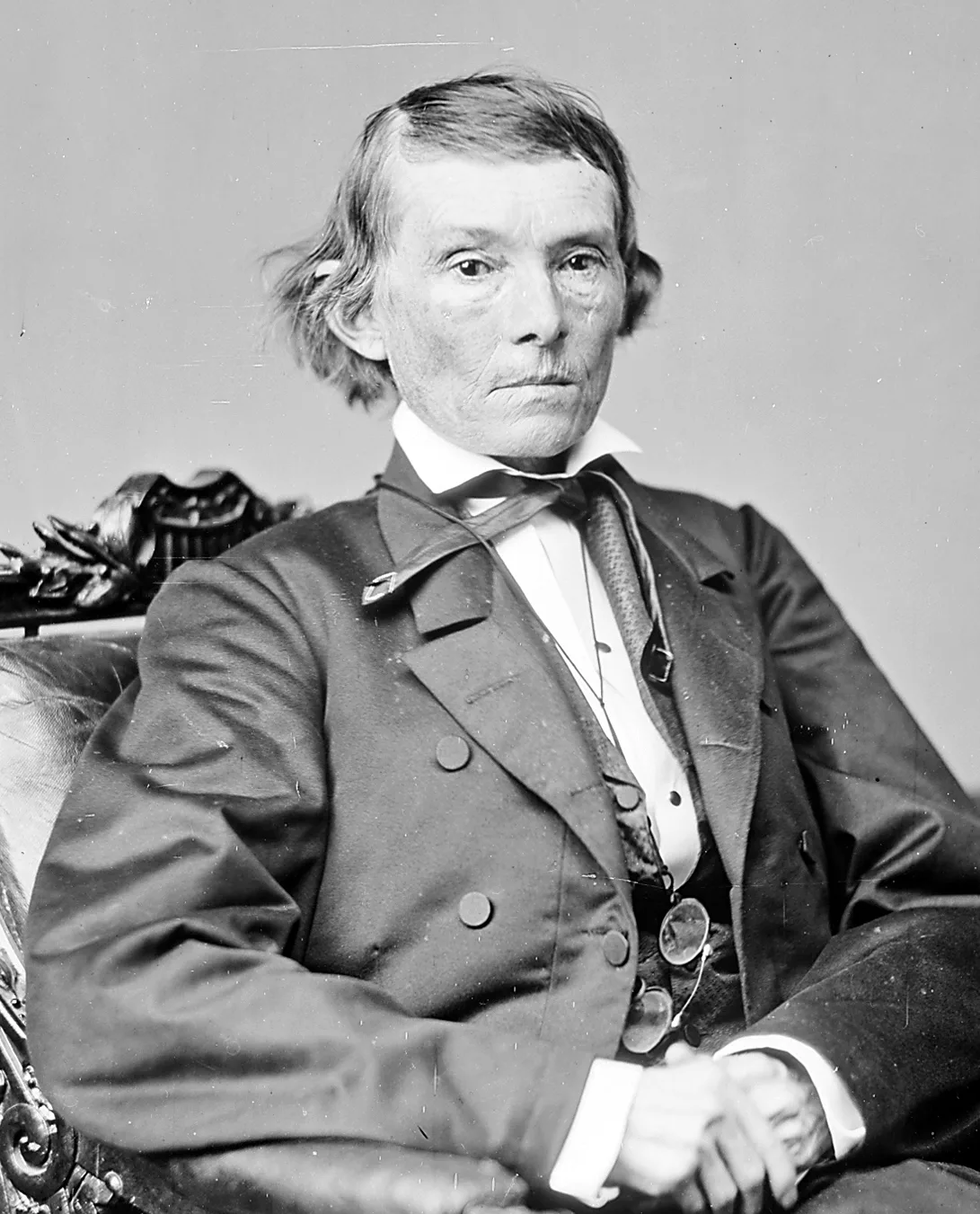
The Cornerstone Speech
In March 1861, Confederate Vice President Alexander Stephens delivered the Cornerstone Speech in Savannah, explicitly declaring that the Confederacy's foundations rested upon the great truth that the Negro is not equal to the white man and that racial slavery is his natural condition.
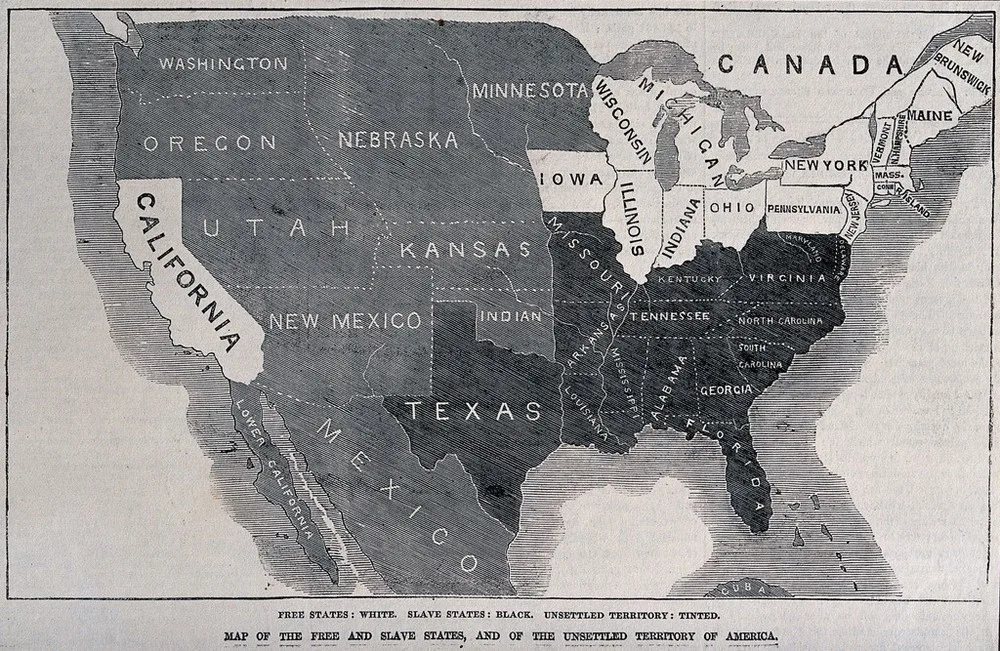
Strategic Importance of the Border States
President Lincoln prioritized securing the four slaveholding Border States—Maryland, Delaware, Kentucky, and Missouri—whose industrial capacity, railroad corridors, and population were vital to prevent the encirclement of Washington D.C. and preserve Union victory.
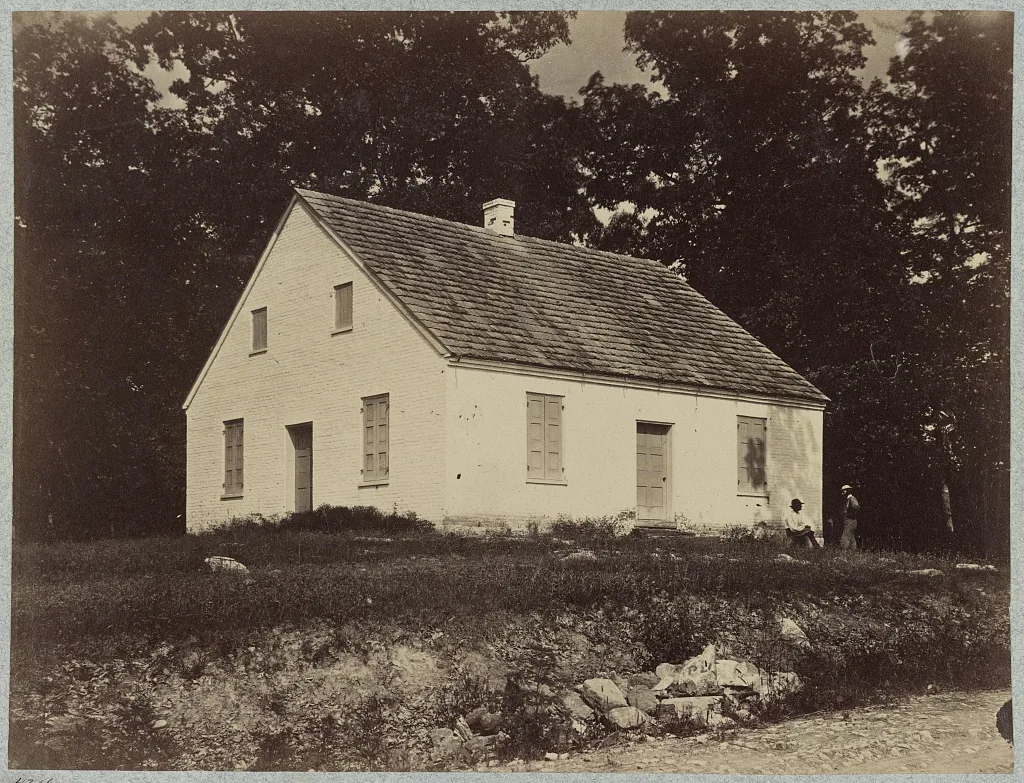
The Battle of Antietam and the Preliminary Proclamation
Fought on September 17, 1862, in Maryland, the Battle of Antietam halted General Robert E. Lee's first northern invasion in the bloodiest single day in American military history (over 22,000 casualties), providing Lincoln the victory needed to issue the preliminary Emancipation Proclamation.
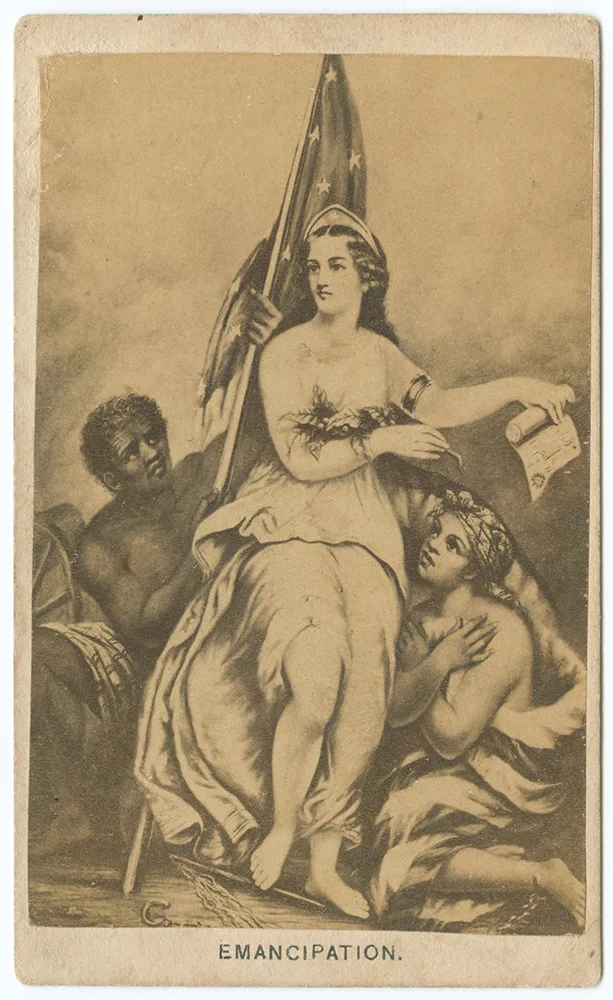
The Emancipation Proclamation of 1863
Taking effect on January 1, 1863, Lincoln's Emancipation Proclamation declared all enslaved people in Confederate-held territory 'thenceforward, and forever free', transformed the war into a crusade to abolish slavery, and authorized Black military enlistment.
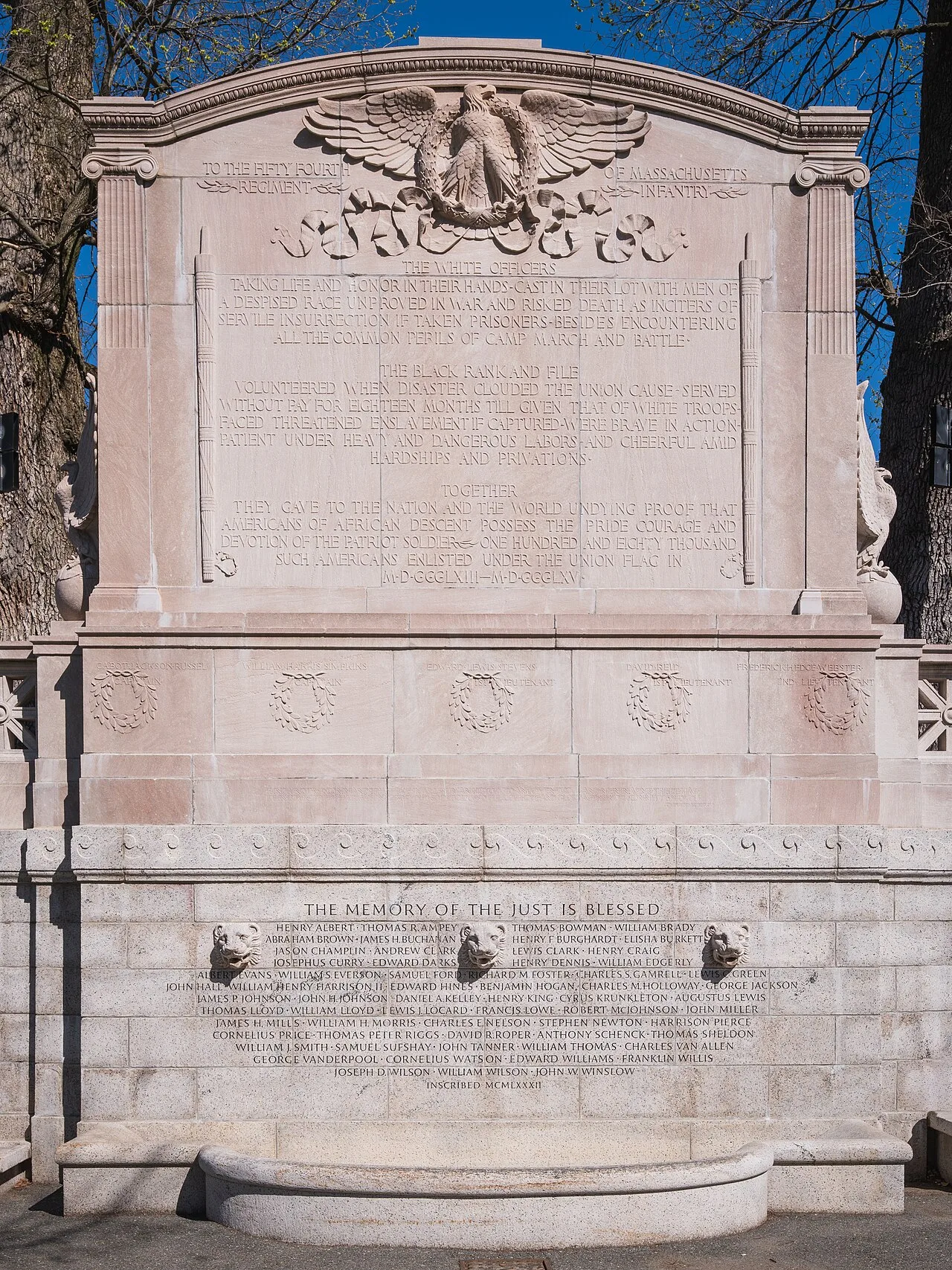
United States Colored Troops and the 54th Massachusetts
About 180,000 Black men served in the Union Army, roughly 10 percent of its soldiers, most in the United States Colored Troops (USCT); the 54th Massachusetts Infantry, a state regiment, showed their courage in the July 1863 assault on Fort Wagner, helping erode Northern skepticism about Black soldiers.
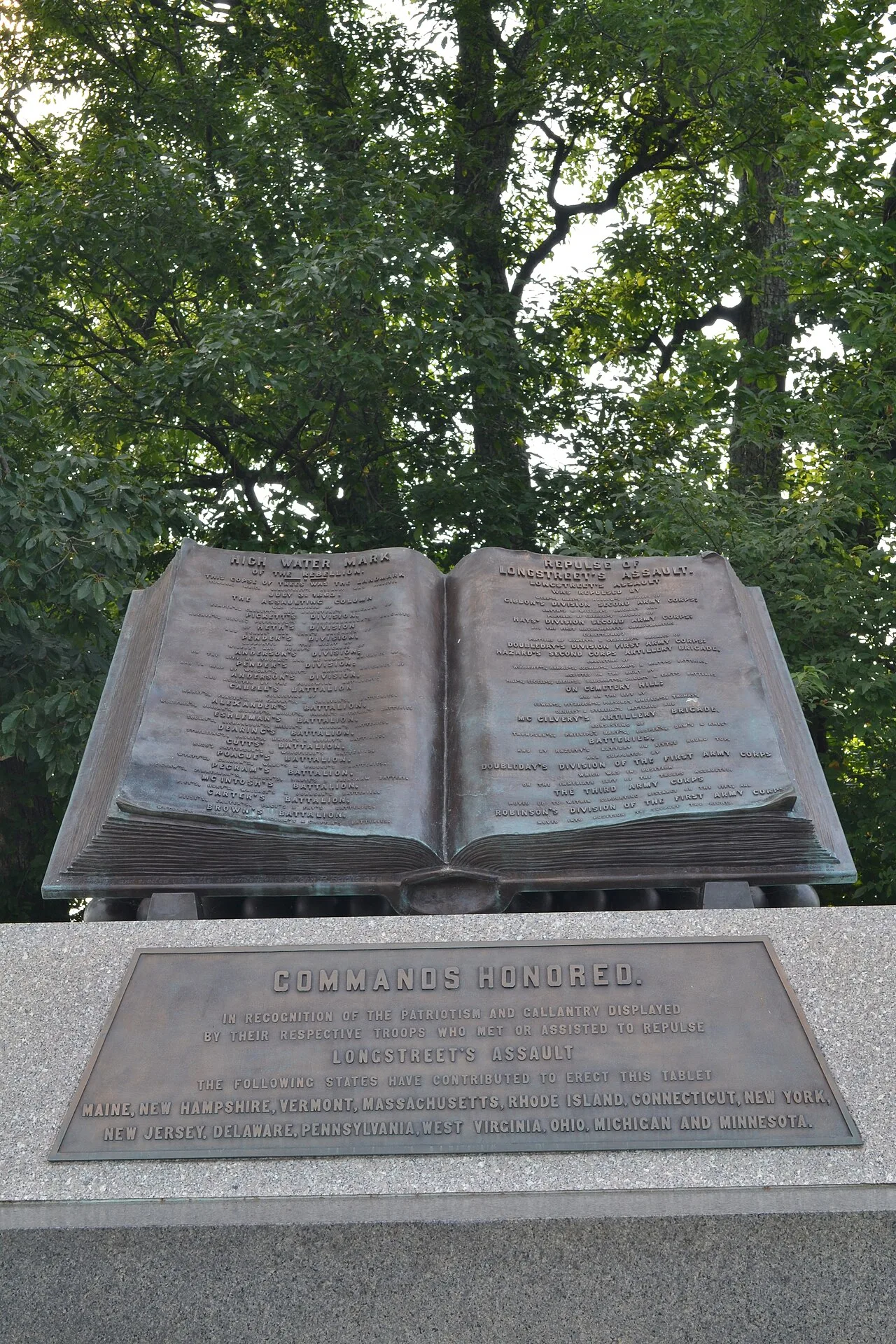
The Twin Turning Points: Gettysburg and Vicksburg
In July 1863, the Union secured decisive twin victories: repelling Lee's invasion of Pennsylvania at Gettysburg (July 1–3) and capturing the Confederate fortress at Vicksburg (July 4) under Ulysses S. Grant, severing the Confederacy along the Mississippi River.

Republican Wartime Legislation of 1862
During the war, the Republican-led Congress enacted a transformative domestic economic program, passing the Homestead Act (160 acres of public land), the Morrill Land-Grant Act (funding state agricultural colleges), and the Pacific Railway Act (transcontinental railroad).
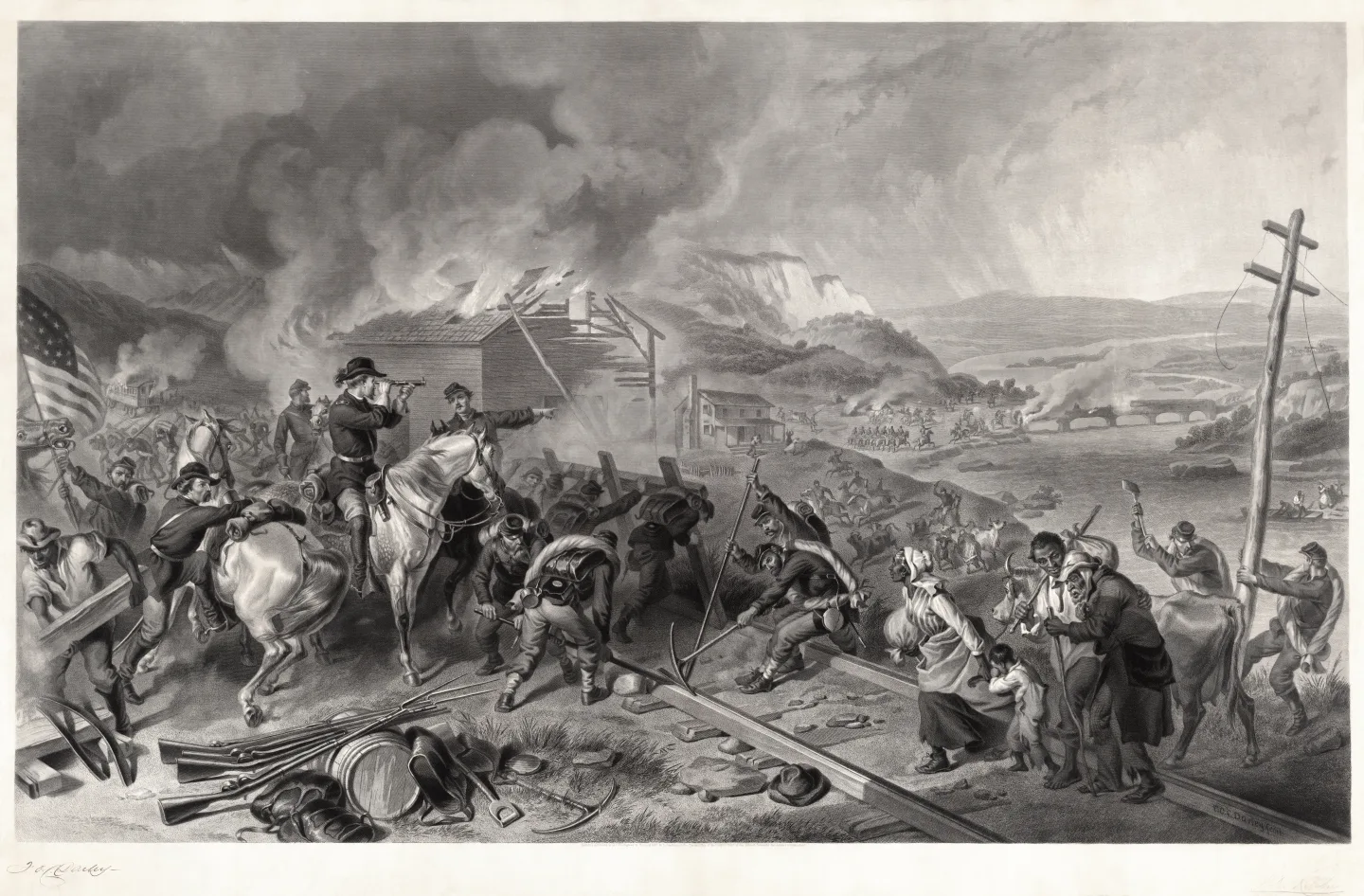
Sherman's March to the Sea and Total War
In late 1864, Union General William Tecumseh Sherman captured Atlanta and executed his devastating March to the Sea across Georgia, destroying railroads, bridges, and supply depots to crush the Confederacy's material infrastructure and psychological will to fight.
Surrender at Appomattox Court House
On April 9, 1865, General Robert E. Lee surrendered the Army of Northern Virginia to Lieutenant General Ulysses S. Grant at Appomattox Court House, Virginia, effectively bringing the Civil War to an end under generous terms of surrender.
By the numbers
- In what calendar year did Confederate forces bombard Fort Sumter, starting the Civil War?
- 1861 year
- In what calendar year did the twin Union victories at Gettysburg and Vicksburg occur?
- 1863 year
- How many acres of surveyed public land were granted to settlers under the Homestead Act of 1862?
- 160 acres
- In what calendar year did General Robert E. Lee surrender to Ulysses S. Grant at Appomattox?
- 1865 year
Matched pairs
Each item on the left goes with the one on the right.
- King Cotton Diplomacy
- Confederate strategy of withholding cotton exports to force European diplomatic recognition
- Gettysburg Address
- Iconic 1863 speech dedicating a national cemetery and proclaiming a new birth of freedom
- Morrill Land-Grant Act
- Federal legislation allocating public lands to fund state agricultural and technical colleges
- Total War
- Military doctrine targeting not only opposing armies but also economic infrastructure and civilian will
Self-test
Answer each question from memory, then check your work against the answer key.
1. What did Confederate Vice President Alexander Stephens identify as the 'cornerstone' of the Confederacy in 1861?
- AThe absolute separation of church and state across all municipal counties
- BThe foundational truth that the Negro is not equal to the white man and racial slavery is normal
- CThe preservation of states' rights against an overreaching federal government
- DThe protection of Southern free trade against high Northern manufacturing tariffs
2. What material advantage did the Union possess over the Confederacy at the outbreak of the Civil War?
- AFamiliarity with interior defensive battlegrounds across Virginia and Georgia
- BA formal military treaty securing British Royal Navy intervention in the Atlantic
- CA far greater population combined with much larger industrial and rail capacity than the Confederacy possessed
- DComplete monopoly over global short-staple cotton agricultural production
3. What were the core components of General Winfield Scott's 'Anaconda Plan'?
- AA rapid strike on Richmond and capture of the government
- BBorder-state emancipation and the arming of freed slaves
- CDefensive attrition and avoiding large open-field battles
- DA coastal blockade and Union control of the Mississippi
4. Which event triggered the outbreak of military hostilities in the Civil War?
- AConfederate bombardment of Fort Sumter
- BLincoln's call for volunteers
- CSouth Carolina's secession
- DUnion naval blockade of Southern Atlantic ports
5. What did the Confederacy hope King Cotton diplomacy would achieve in Europe?
- ARecognition of Confederate independence
- BIronclad warships for the Confederacy
- CLoans of gold from British banks
- DA European naval alliance against the blockade
6. Why was the Battle of Antietam (September 1862) politically vital for President Abraham Lincoln?
- AIt persuaded the British Parliament to officially recognize Confederate independence
- BIt prompted the state of Maryland to formally secede and join the Confederacy
- CThe outcome was the unconditional capture of General Robert E. Lee and his staff
- DIt provided the necessary military victory to issue the preliminary Emancipation Proclamation
7. Which enslaved people were specifically declared free by the Emancipation Proclamation on January 1, 1863?
- AEnslaved workers employed exclusively on federal military shipyard construction
- BEvery enslaved person in the loyal Border States of Maryland, Kentucky, and Missouri
- COnly enslaved people residing in Confederate territories in active rebellion against the United States
- DEnslaved people already living in Union-occupied areas of the South, such as New Orleans
8. How did African American soldiers contribute to the Union war effort?
- AAbout 20,000 men; most joined in the war's last month
- BAbout a tenth of the army; many fought in major battles
- CA few thousand men; they stayed behind in Northern camps
- DAbout half the Union army; they worked mainly as laborers
9. Why was the Battle of Gettysburg (July 1–3, 1863) a major strategic turning point?
- AIt allowed General Meade to trap and destroy Lee's entire retreating army before it reached Virginia
- BIt forced the Union Army to withdraw entirely from the state of Pennsylvania
- CIt convinced General Grant to resign his command and seek political office in Illinois
- DIt repelled Lee's invasion of Pennsylvania and ended his last major offensive into the North
10. What strategic outcome was achieved by General Ulysses S. Grant's capture of Vicksburg on July 4, 1863?
- AThe Union ended the fighting in the Western Theater
- BThe Union split the Confederacy along the Mississippi River
- CThe Union forced Lee to abandon his invasion of the North
- DThe Union sealed off the Confederacy's Atlantic seaports
Go deeper
- WatchThe Anaconda Plan One Union war plan was named after a giant snake. General Winfield Scott designed the Anaconda Plan.
- WatchThe Emancipation Proclamation The Emancipation Proclamation had a limit. It declared enslaved people free in areas in rebellion against the United States.
- Watch160 Acres in Wartime Congress offered settlers 160 acres in the West, during the Civil War. The Homestead Act asked a nominal fee and 5 years of farming.
- StudyUnited States History in the FlashFeed app
Answer key
- 1. B The foundational truth that the Negro is not equal to the white man and racial slavery is normalStephens explicitly stated that racial inequality and African chattel slavery were the foundational cornerstone of the Confederacy.
- 2. C A far greater population combined with much larger industrial and rail capacity than the Confederacy possessedThe Union possessed 71% of the population, 85% of manufacturing plants, and 70% of railroad mileage, providing overwhelming logistics.
- 3. D A coastal blockade and Union control of the MississippiThe Anaconda Plan sought to suffocate the rebellion via a naval blockade and control of the Mississippi River (aimed at capturing New Orleans); Scott specifically opposed a costly direct invasion of Richmond, favoring economic strangulation instead.
- 4. A Confederate bombardment of Fort SumterConfederate batteries fired on Fort Sumter on April 12, 1861, starting the war; secession, Lincoln's troop call, and the blockade came before or after but did not start the fighting.
- 5. A Recognition of Confederate independenceKing Cotton diplomacy withheld cotton exports to pressure Britain and France into recognizing Confederate independence, but both nations ultimately declined to intervene.
- 6. D It provided the necessary military victory to issue the preliminary Emancipation ProclamationLincoln had written the proclamation but waited for a Union victory so it would not appear as an act of desperation; Antietam provided that.
- 7. C Only enslaved people residing in Confederate territories in active rebellion against the United StatesOperating under his commander-in-chief war powers, Lincoln freed enslaved people in rebellious areas while exempting loyal Border States.
- 8. B About a tenth of the army; many fought in major battlesAbout 180,000 Black men served in the Union Army, most in the United States Colored Troops (USCT), which fought in major engagements like the Siege of Petersburg.
- 9. D It repelled Lee's invasion of Pennsylvania and ended his last major offensive into the NorthLee's defeat at Gettysburg (estimates of Confederate casualties range from about 23,000 to 28,000) ended the South's major offensive threat in the North for the remainder of the war.
- 10. B The Union split the Confederacy along the Mississippi RiverVicksburg's fall, with Port Hudson's surrender five days later, gave the Union the entire Mississippi River and severed Texas, Arkansas, and Louisiana from the eastern Confederacy.
Sources
- Stephens, Cornerstone Speech (1861)
- McPherson, Battle Cry of Freedom, Ch. 8
- McPherson, Battle Cry of Freedom, Ch. 10
- McPherson, Battle Cry of Freedom
- Sears, Landscape Turned Red, Ch. 9
- Foner, The Fiery Trial, Ch. 7
- Glatthaar, Forged in Battle, Ch. 6
- McPherson, Battle Cry of Freedom, Ch. 21
- Foner, Free Soil, Free Labor, Free Men, Ch. 1
- Foote, The Civil War: A Narrative, Vol. 3
- Catton, A Stillness at Appomattox, Ch. 5
- Stephens, Cornerstone Speech
- Sears, Landscape Turned Red
- Glatthaar, Forged in Battle
- Foner, Free Soil, Free Labor, Free Men
- Foote, The Civil War, Vol. 3
- McPherson, Battle Cry of Freedom, Ch. 26
- Swanson, Manhunt, Ch. 1
- Foner, The Fiery Trial
- Catton, A Stillness at Appomattox
- Foote, The Civil War
- Wills, Lincoln at Gettysburg
Image credits
- The Cornerstone Speech: Wikimedia Commons · U.S. National Archives · Public domain — commons.wikimedia.org/wiki/File:Alexander_Hamilton_Stephens.jpg
- Strategic Importance of the Border States: Wellcome Collection · Public Domain Mark · pdm — wellcomecollection.org/works/mfgft8jc
- The Battle of Antietam and the Preliminary Proclamation: Library of Congress · Dunker Church, battlefield of Antietam · No known restrictions (verify at source) — www.loc.gov/item/2014646049/
- The Emancipation Proclamation of 1863: Wikimedia Commons · SMU Central University Libraries · No restrictions — commons.wikimedia.org/wiki/File:Title-_Emancipation_(6189311087).jpg
- United States Colored Troops and the 54th Massachusetts: Wikimedia Commons · Christian David · CC BY-SA 4.0 — commons.wikimedia.org/wiki/File:Robert_Gould_Shaw_Memorial,_Boston_Common,_Boston,_Massachusetts.jpg
- The Twin Turning Points: Gettysburg and Vicksburg: Wikimedia Commons · Veggies · Attribution — commons.wikimedia.org/wiki/File:Gettysburg_High_Water_Mark_of_the_Rebellion_Monument_02.jpg
- Republican Wartime Legislation of 1862: Wikimedia Commons · Chitrapa · CC BY-SA 3.0 — commons.wikimedia.org/wiki/File:Prairie_Homestead.jpg
- Sherman's March to the Sea and Total War: Wikimedia Commons · F. O. C. Darley / Alexander Hay Ritchie / Adam Cuerden · Public domain — commons.wikimedia.org/wiki/File:F.O.C._Darley_and_Alexander_Hay_Ritchie_-_Sherman%27s_March_to_the_Sea.jpg


