
The Complete Volkswagen GTI study guide · Lesson 1 of 13
Origins: From Beetle to Golf
The People's Car · Giugiaro and the Golf
This is the lesson's study guide from the FlashFeed app, plus its key facts and a self-test.
What you'll be able to do
- Define 'Volkswagen' as the People's Car and identify the Beetle (Type 1) as its rear-engine, air-cooled origin.
- Explain the People's Car program: Ferdinand Porsche's commission, the Beetle's record sales, and the failed EA266 successor prototype.
- Identify Giorgetto Giugiaro as the Italian designer VW hired in 1970 to shape the Golf.
- Recall the 1974 Golf's transverse front-wheel-drive layout, its sales, and its Car of the Year honor.
- Explain the EA337 development code and its later GTI 337 Edition tribute.
The People's Car
Volkswagen didn't start with hot hatches. It started with politics, a Depression-era promise, and an engineer who shaped the next half-century of European motoring. Understanding where the company came from is the only way to understand why the GTI meant what it did.
The People's Car
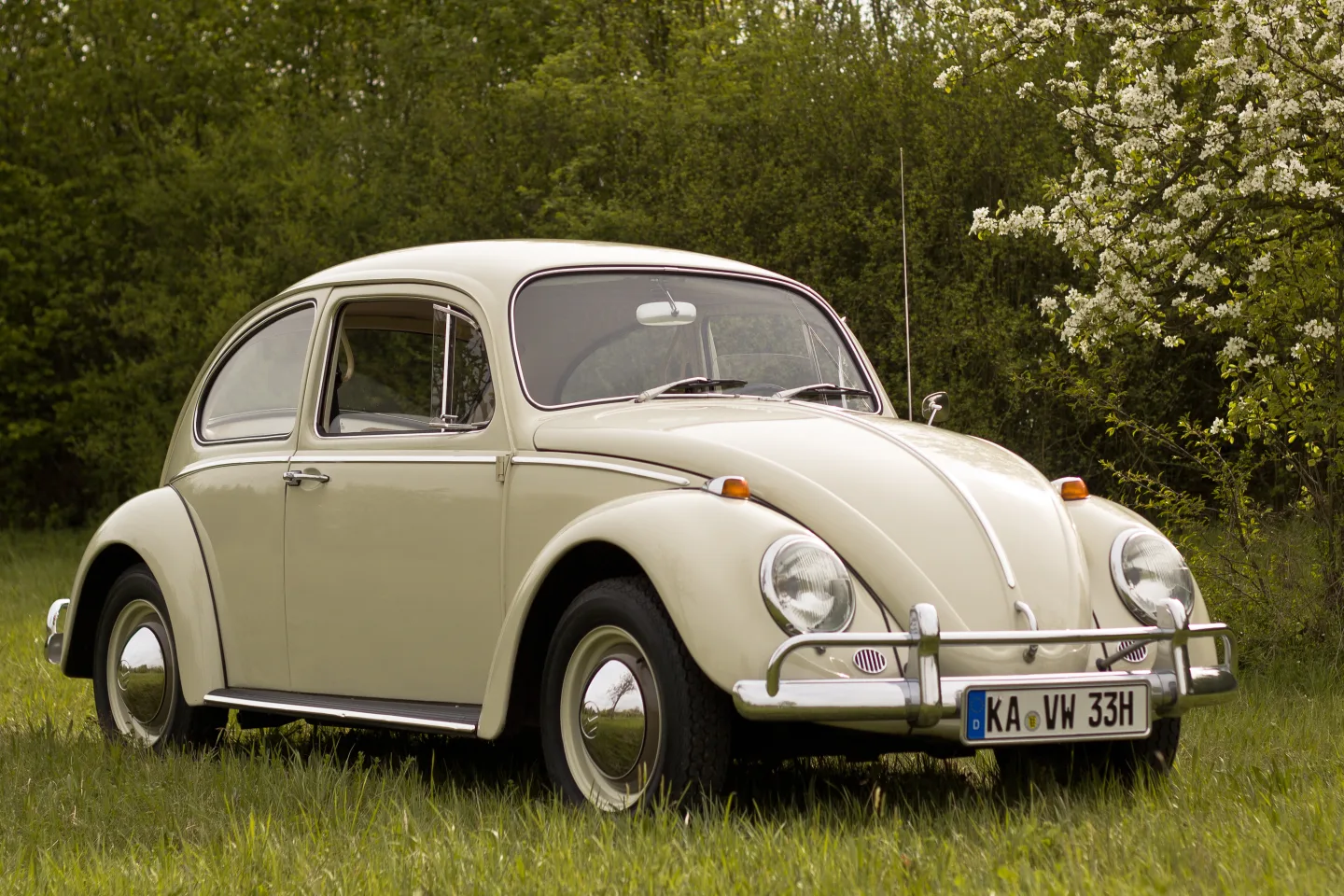
Volkswagen is German for "People's Car," and the name was a genuine program statement. In the 1930s Ferdinand Porsche — already an established engineer with Auto Union and Mercedes pedigree — was commissioned to design a practical, affordable car for the average German family: four seats, motorway-capable, priced within reach of a working wage. The result, the Beetle (Type 1), wasn't just a car. It was the seed from which every Volkswagen, GTI included, eventually grew.
The Beetle (Type 1)
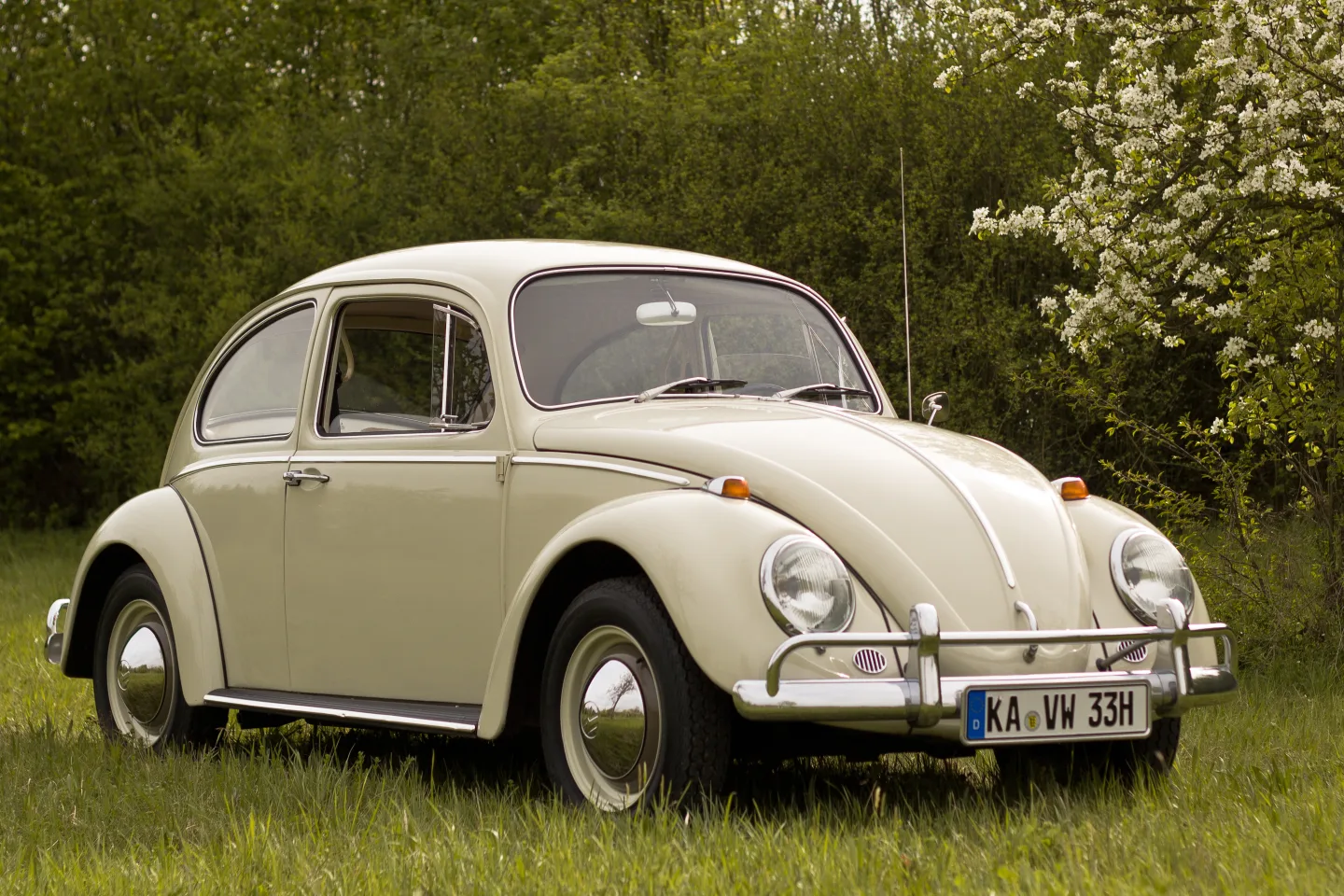
The Type 1 is Volkswagen's internal designation for the Beetle — a rear-engine, air-cooled design that looked like nothing else on the road. After WWII the Wolfsburg factory restarted under British supervision and quietly became one of the great industrial turnaround stories of the 20th century. By the time production finally ended, more than 21 million units had been sold worldwide, making the Type 1 one of the best-selling cars in history. Its air-cooled flat-four required no radiator, no coolant, and almost no maintenance by contemporary standards — a huge selling point in markets where reliable service was scarce.
Falling Behind
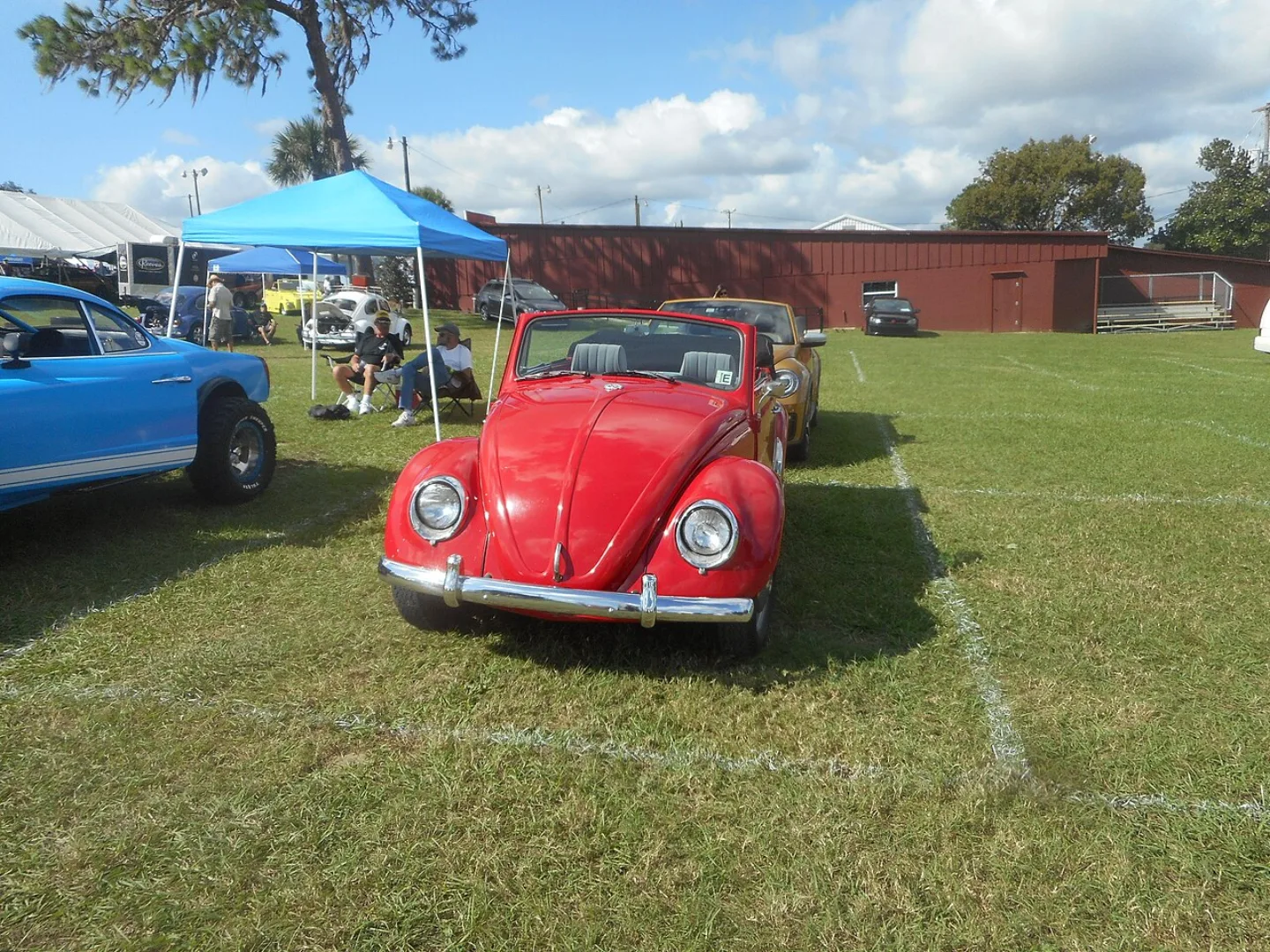
Nothing ages gracefully in the car industry, and the Beetle was no exception. By the mid-1960s the rest of the market had moved on: front-wheel drive layouts offered better packaging and traction; water-cooled engines allowed more power with better emissions control; tightening safety standards exposed the Beetle's ancient structure. Fundamentally unchanged since its 1930s conception, the car had become an embarrassment in engineering terms even as it remained culturally beloved. Volkswagen needed a credible successor, and the clock was ticking.
The EA Prototypes
Director General Heinz Nordhoff had been hunting a Beetle replacement since 1952 — over a decade of internal skunkworks. The company built dozens of prototypes under codes like EA41, EA47, and eventually the EA266, a Porsche-designed mid-engine concept that placed the engine beneath the rear seat to free up cabin space. It was elegant on paper. In testing it overheated repeatedly, killing the program. The replacement search continued, and the right answer would come from an unexpected direction: Italy.
Giugiaro and the Golf
The Beetle's successor didn't emerge from VW's own studios — it came from a Turin design house and an engineer's willingness to abandon everything that had made VW successful. When it arrived in 1974 it was so right that it would run for eight generations and eventually spawn the car this pack is about.
Giugiaro and the Golf
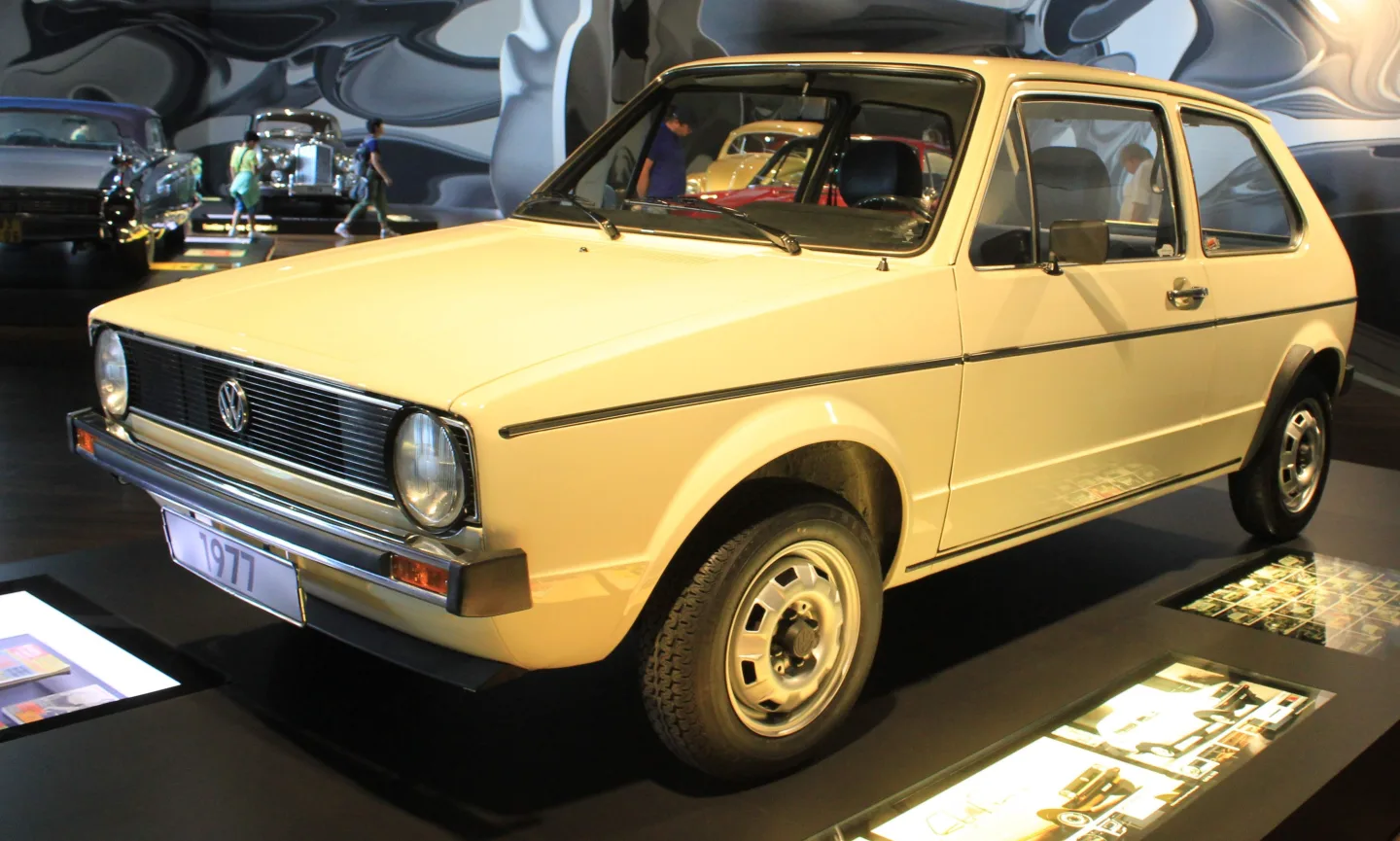
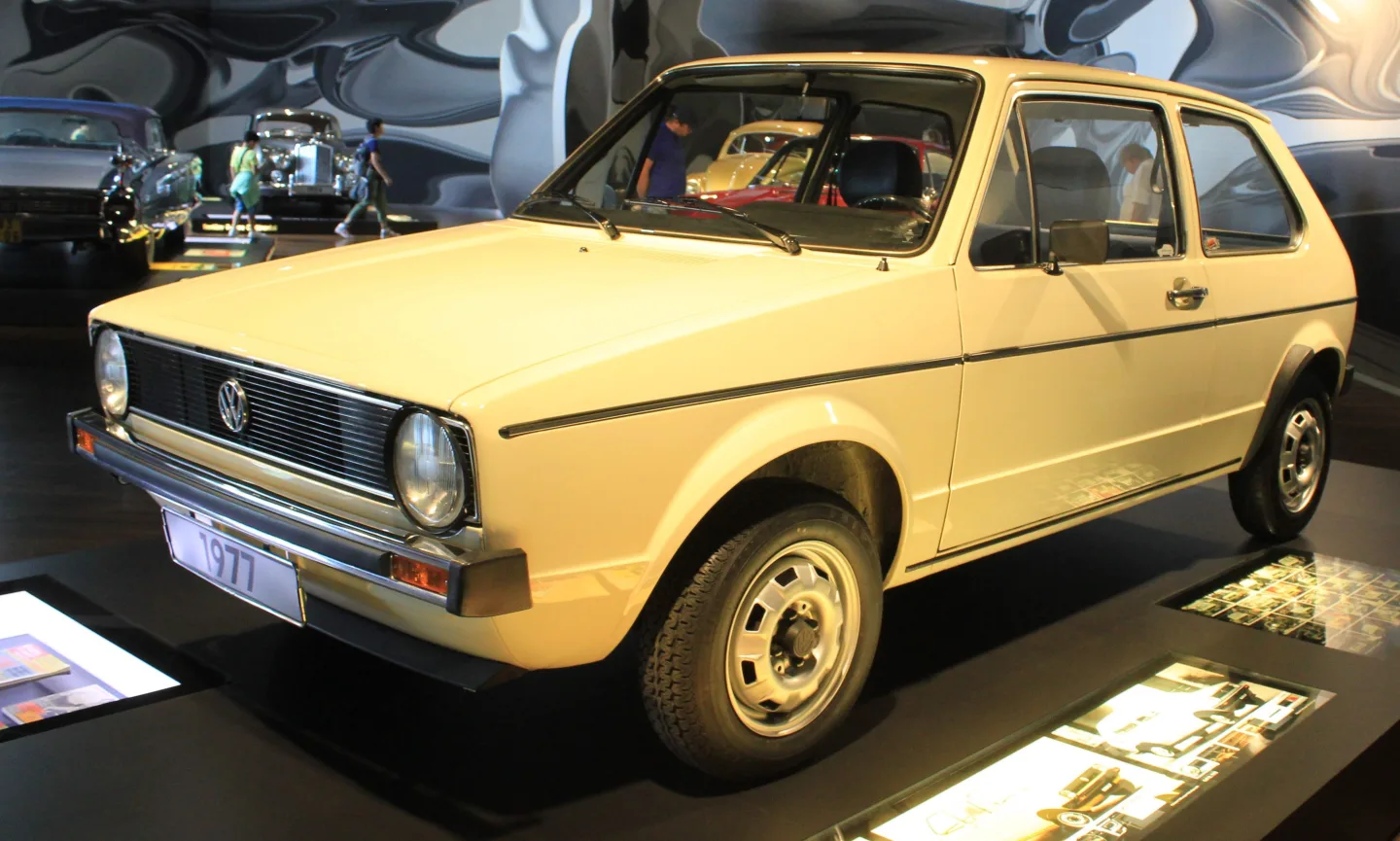
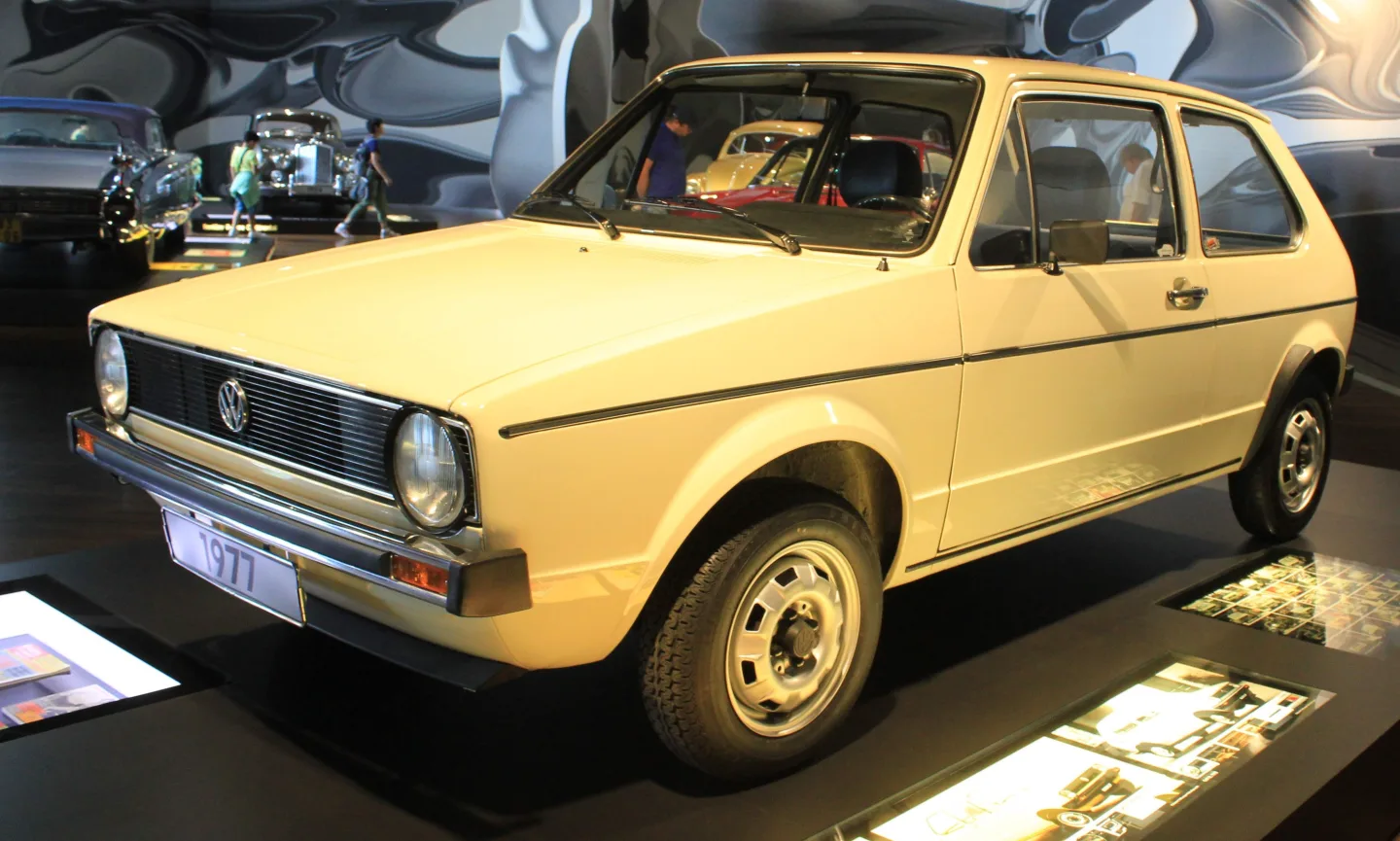
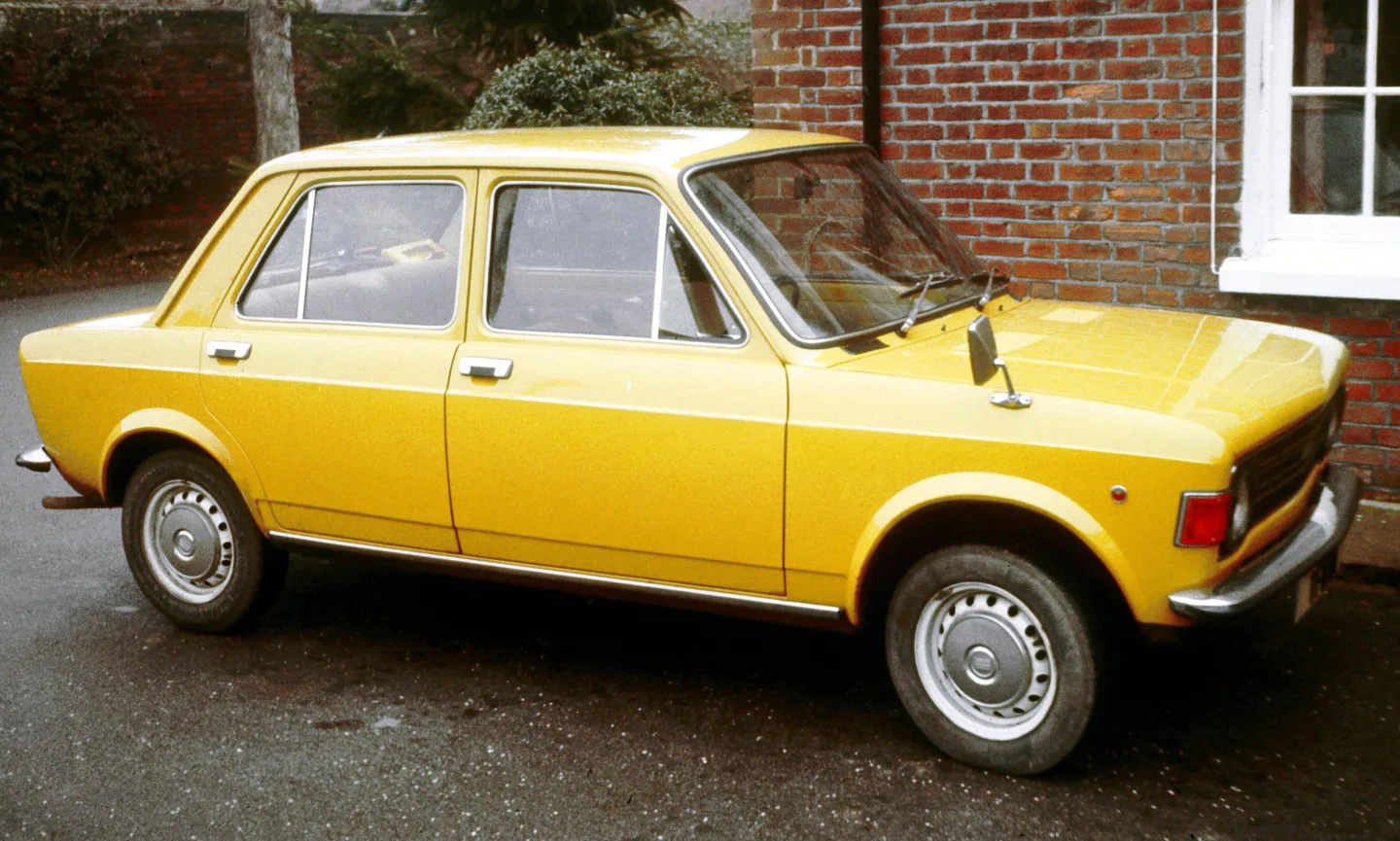
In 1970 new VW chief Kurt Lotz commissioned Giorgetto Giugiaro to design the Beetle's replacement. Giugiaro was already famous for clean, rational, angular work — the Fiat 128, the Alfa Romeo Alfasud — and he approached the brief with the same discipline: a boxy, transverse-engined, front-wheel-drive hatchback with a tall glasshouse, a practical rear hatch, and no wasted space. The layout put the engine sideways across the front axle, driving the front wheels — the opposite of everything the Beetle stood for. The Golf debuted in 1974 and was runner-up for European Car of the Year in 1975, losing to the Citroën CX — a strong showing that confirmed Giugiaro had read the room correctly. By 1983 more than 6 million had been sold.
Development Code EA337
Every VW development project gets an internal code, and the Golf's was EA337. To most buyers at the time the number was invisible, buried in engineering paperwork. But for enthusiasts it would resurface decades later in a very direct way: Volkswagen named the Mk4 GTI 337 Edition — a limited-run, 180 hp, 18-inch-wheeled special released in 2002 — after that original development code. It was a nod to the lineage, a piece of corporate history turned into a badge of distinction. If you remember one alphanumeric from this lesson, make it this one.
Key terms
- Volkswagen
- German for "People's Car" — the company founded in the 1930s to build an affordable car for the average German family.
- Type 1
- Volkswagen's internal name for the Beetle — a rear-engine, air-cooled car that sold over 21 million units worldwide.
- Giorgetto Giugiaro
- Italian designer commissioned in 1970 to shape the Golf; his boxy, angular hatchback defined the car's look.
- EA337
- The internal development code for the original Golf; later honored by the Mk4 GTI 337 special edition.
Key concepts
The Beetle
- Volkswagen's first car, commissioned in the 1930s as a practical, affordable ride for the average German family.
- A rear-engine, air-cooled design needing no radiator and almost no upkeep; VW's internal name for it was the 'Type 1.'
- Its Wolfsburg factory restarted after WWII under British supervision, and more than 21 million eventually sold worldwide.
The EA266
- One of dozens of prototypes VW built during Heinz Nordhoff's decade-long hunt for a successor to its best-seller.
- A Porsche-designed concept that tucked the engine beneath the rear seat to free up cabin space.
- Elegant on paper, it overheated repeatedly in testing, and that failure killed the whole program.
The Golf
- The boxy front-wheel-drive hatchback that finally replaced the Beetle when it debuted in 1974.
- Giorgetto Giugiaro gave it a transverse engine across the front axle, a tall glasshouse, and no wasted space.
- It won European Car of the Year, topped 6 million sold by 1983, and carried the development code EA337.
Key facts
The People's Car
Volkswagen is German for "People's Car." The company was born in the 1930s out of political ambition and engineering audacity: Ferdinand Porsche was commissioned to design an affordable, practical car for the average German family. The result would become the Beetle (Type 1) — and the foundation of everything that followed, GTI included.
The Beetle (Type 1)
The Beetle, internally the Type 1, was a rear-engine, air-cooled marvel that became one of the most successful cars ever built — over 21 million units sold worldwide. After WWII the Wolfsburg factory resumed production under British supervision, and the Beetle became Germany's great export success story, dominating U.S. sales through the late 1950s and 1960s.
Falling Behind
By the mid-1960s the Beetle was aging badly. The industry was moving toward front-wheel drive, water-cooled engines, and proper safety standards — and the Beetle, fundamentally unchanged since the 1930s, was being left behind. Volkswagen needed a replacement, fast.
The EA Prototypes
Under Director General Heinz Nordhoff, VW had been chasing a Beetle replacement since 1952, building dozens of prototypes with names like EA41, EA47, and EA266. They ranged from rebodied Beetles to a Porsche-designed mid-engine car (EA266) that placed the engine under the rear seat — a clever idea that overheated in testing and was ultimately rejected.
The Man Before The Beetle
Ferdinand Porsche, already known for his Auto Union and Mercedes work, was commissioned in the 1930s to design a practical, affordable four-seat car for the average German family — the car that became the Beetle.
Giugiaro and the Golf
Everything changed in 1970 when new VW boss Kurt Lotz commissioned Italian design legend Giorgetto Giugiaro — already famous for clean, angular designs — to create a simple, spacious car with everything up front. Giugiaro delivered exactly that: a boxy, transverse-engined, front-wheel-drive hatchback that felt like a revelation.
Development Code EA337
The Golf's internal development project code was EA337 — a number that would later reappear in GTI history in a very direct way (the coveted Mk4 GTI 337 Edition was named for it). Remember this one; it comes back.
A Continent-Wide Honor
By 1983, more than six million examples had been sold, and the original Golf was named European Car of the Year — a rare feat that effectively created its own vehicle class.
A Designer From Turin
Giorgetto Giugiaro was an Italian designer working out of a Turin design house. Before the Golf, he'd already made his name with clean, angular work like the Fiat 128.
The Engine Went Sideways
The original Golf mounted its engine transversely across the front axle to drive the front wheels — a complete reversal of the Beetle's rear-engine layout.
By the numbers
- Total Volkswagen Beetles sold worldwide (over how many)
- 21000000 units
- Year the first Volkswagen Golf debuted
- 1974 year
- Golfs sold by 1983 (more than how many million)
- 6 million
Self-test
Answer each question from memory, then check your work against the answer key.
1. What does the German word 'Volkswagen' translate to in English?
- APeople's Car
- BFamily Coach
- CNational Motor
- DFast Wagon
2. What engine layout defined the Beetle (Type 1)?
- ARear-engine, water-cooled
- BMid-engine, air-cooled
- CFront-engine, water-cooled
- DRear-engine, air-cooled
3. 'Type 1' is Volkswagen's internal designation for which car?
- AThe Mk4 GTI
- BThe Golf
- CThe Beetle
- DThe EA266 prototype
4. Which statement about the Beetle (Type 1) is NOT true?
- AIt was air-cooled and needed no coolant
- BIt used a water-cooled inline engine needing a radiator
- CMore than 21 million units were sold worldwide
- DIt had a rear-mounted, air-cooled flat engine
5. Being air-cooled gave the Beetle which practical advantage?
- AIt made the car safer in a head-on collision
- BIt warmed the cabin heater to full temperature quickly
- CIt required no radiator or coolant
- DIt ran at a cooler operating temperature than a water-cooled engine
6. In the 1930s, which engineer was commissioned to design Volkswagen's affordable 'People's Car' for the average German family?
- AFerdinand Porsche
- BHeinz Nordhoff
- CGiorgetto Giugiaro
- DToni Schmücker
7. Roughly how many Beetles were sold worldwide by the end of production?
- AMore than 11 million
- BMore than 16 million
- CMore than 6 million
- DMore than 21 million
8. Why was the Porsche-designed EA266 prototype ultimately abandoned?
- AIt was far too expensive to build
- BIt repeatedly overheated in testing
- CIt sold quite poorly at launch
- DIt failed government crash tests
9. Where did the EA266 prototype place its engine?
- ABetween the front seats
- BBeneath the rear seat
- CBehind the rear axle
- DAhead of the front axle
10. Which VW Director General had been hunting a Beetle replacement since 1952?
- AFerdinand Porsche
- BKurt Lotz
- CHeinz Nordhoff
- DGiorgetto Giugiaro
11. Which designer did Volkswagen hire to shape the original Golf?
- AFerdinand Porsche
- BHeinz Nordhoff
- CKurt Lotz, ex-VW
- DGiorgetto Giugiaro
12. What was Giorgetto Giugiaro's nationality?
- AItalian
- BGerman
- CFrench
- DBritish
13. In what year was Giugiaro commissioned to design the Beetle's replacement?
- A1983
- B1952
- C1970
- D1974
14. Which VW chief commissioned Giugiaro to design the Golf?
- AKurt Lotz
- BFerdinand Porsche
- CToni Schmücker
- DHeinz Nordhoff
15. For which earlier design was Giugiaro already famous before the Golf?
- AThe Fiat 500
- BThe Renault 5
- CThe original Mini
- DThe Fiat 128
16. How did the original Golf finish in the 1975 European Car of the Year vote?
- AWinner, ahead of every other car
- BRunner-up, behind one other car
- CFourth, behind three other cars
- DThird, behind two other cars
17. In what year did the first Volkswagen Golf debut?
- A1976
- B1970
- C1972
- D1974
18. What drivetrain layout did the original Golf use?
- ATransverse rear-wheel-drive
- BLongitudinal rear-wheel-drive
- CTransverse front-wheel-drive
- DLongitudinal front-wheel-drive
19. By 1983, how many Golfs had been sold?
- AMore than 2 million
- BMore than 6 million
- CMore than 10 million
- DMore than 4 million
20. How did the Golf's engine placement differ from the Beetle's?
- AThe engine sat across the front axle driving the front wheels
- BThe engine sat under the rear seat driving all four wheels
- CThe engine sat lengthwise in front driving the rear wheels
- DThe engine sat behind the rear axle driving the rear wheels
21. Which car won the 1975 European Car of the Year award, with the original Volkswagen Golf finishing as runner-up?
- AMercedes-Benz 450 SE
- BCitroën CX
- CFiat 127
- DAudi 80
22. The original Golf's 1975 runner-up finish came in a Car of the Year vote for which market?
- AEurope
- BJapan
- CNorth America
- Dthe United Kingdom
23. What was the internal development code for the original Golf?
- AEA266
- BEA47
- CEA337
- DEA41
24. Which limited GTI special edition was named after the Golf's development code?
- AThe Mk5 GTI Edition 30
- BThe Mk2 GTI 16V model
- CThe Mk1 GTI Campaign
- DThe Mk4 GTI 337 Edition
25. How much horsepower did the Mk4 GTI 337 Edition produce?
- A180 hp
- B225 hp
- C200 hp
- D150 hp
26. In what year was the Mk4 GTI 337 Edition released?
- A1998
- B2005
- C2010
- D2002
27. What does the '337' in the Mk4 GTI 337 Edition actually reference?
- AThe engine displacement in cubic inches
- BThe number of units produced
- CThe Golf's EA337 development code
- DThe car's peak horsepower
Go deeper
Answer key
- 1. A People's Car'Volkswagen' is German for 'People's Car' — a literal statement of the 1930s program to build an affordable car for the average German family.
- 2. D Rear-engine, air-cooledThe Type 1 used a rear-mounted, air-cooled flat-four — no radiator and no coolant, a huge advantage in markets with scarce service.
- 3. C The BeetleType 1 is VW's internal name for the Beetle. The Golf came later as its successor, and the EA266 was a failed prototype in between.
- 4. B It used a water-cooled inline engine needing a radiatorThe Beetle was air-cooled, not water-cooled, and had no radiator. The other three statements are all accurate.
- 5. C It required no radiator or coolantThe air-cooled flat-four needed no radiator, no coolant, and little maintenance — ideal where reliable service was scarce. It did not add power or safety.
- 6. A Ferdinand PorscheFerdinand Porsche, already known for his Auto Union and Mercedes work, designed the practical four-seat car that became the Beetle (Type 1). Nordhoff and Schmücker were later VW executives; Giugiaro styled the Golf decades later.
- 7. D More than 21 millionOver 21 million Type 1 Beetles were sold, making it one of the best-selling cars in history. The 6 million figure belongs to the early Golf.
- 8. B It repeatedly overheated in testingThe mid-engine EA266 placed the engine under the rear seat but overheated repeatedly in testing, which killed the program. It never reached production.
- 9. B Beneath the rear seatThe Porsche-designed EA266 was a mid-engine concept that put the engine under the rear seat to free up cabin space — clever on paper, but it overheated.
- 10. C Heinz NordhoffHeinz Nordhoff drove the decade-long search for a successor from 1952. Kurt Lotz later commissioned Giugiaro; Porsche designed the original Beetle.
- 11. D Giorgetto GiugiaroGiorgetto Giugiaro designed the Golf. Porsche designed the Beetle; Lotz and Nordhoff were VW executives, not designers.
- 12. A ItalianGiugiaro was an Italian designer working from a Turin design house, famous for clean, angular work like the Fiat 128.
- 13. C 1970VW chief Kurt Lotz commissioned Giugiaro in 1970. The Golf itself debuted in 1974, and by 1983 over 6 million had sold.
- 14. A Kurt LotzNew VW boss Kurt Lotz brought in Giugiaro in 1970. Nordhoff had led the earlier prototype search; Porsche designed the Beetle.
- 15. D The Fiat 128Giugiaro's reputation for clean, rational, angular work came from cars like the Fiat 128 and Alfa Romeo Alfasud. The Mini, Fiat 500 and Renault 5 were designed by others.
- 16. B Runner-up, behind one other carThe Golf was runner-up in the 1975 European Car of the Year vote, not the winner. It was still a strong showing that confirmed Giugiaro had read the market correctly.
- 17. D 1974The Golf debuted in 1974, replacing the aging Beetle. 1970 was the year Giugiaro was commissioned, not the launch year.
- 18. C Transverse front-wheel-driveThe Golf mounted its engine transversely across the front axle, driving the front wheels — the exact opposite of the rear-engine Beetle.
- 19. B More than 6 millionMore than 6 million Golfs had sold by 1983, confirming Giugiaro had read the market correctly.
- 20. A The engine sat across the front axle driving the front wheelsThe Golf put the engine transversely across the front axle to drive the front wheels; the Beetle was rear-engine, rear-wheel-drive.
- 21. B Citroën CXThe Citroën CX won the 1975 European Car of the Year vote, with the 1974 Golf second. It was not a winner, but a strong showing that confirmed Giugiaro's boxy hatchback had read the market correctly.
- 22. A EuropeThe Golf was runner-up for European Car of the Year in 1975. The award is tied to the European market, not to a global or single-country vote.
- 23. C EA337The Golf's development project code was EA337. EA266, EA41 and EA47 were earlier Beetle-replacement prototypes.
- 24. D The Mk4 GTI 337 EditionThe Mk4 GTI 337 Edition, a 2002 limited run, took its name directly from the EA337 development code — corporate history turned into a badge.
- 25. A 180 hpThe 337 Edition was a 180 hp, 18-inch-wheeled limited run released in 2002.
- 26. D 2002The 337 Edition launched in 2002 as a limited-run tribute to the Golf's EA337 development code.
- 27. C The Golf's EA337 development codeThe '337' is a nod to EA337, the original Golf's internal development code — not a power, production, or displacement figure.
Sources
- CarBuzz — History of the Golf GTI — carbuzz.com/history-of-the-golf-gti/
Image credits
- The People's Car: Wikimedia Commons · Vwexport1300 · CC BY-SA 3.0 — commons.wikimedia.org/wiki/File:VW_K%C3%A4fer_Baujahr_1966.jpg
- The Beetle (Type 1): Wikimedia Commons · Vwexport1300 · CC BY-SA 3.0 — commons.wikimedia.org/wiki/File:VW_K%C3%A4fer_Baujahr_1966.jpg
- Falling Behind: DanTD · CC BY 4.0 — commons.wikimedia.org/wiki/File:Mid-1960%27s_Red_VW_1300_Convertible;_Dade_City,_FL.jpg
- Giugiaro and the Golf: Wikimedia Commons · Kazuyanagae · CC BY-SA 4.0 — commons.wikimedia.org/wiki/File:Volkswagen_Golf_1-2_(cropped).jpg
- Development Code EA337: Wikimedia Commons · Kazuyanagae · CC BY-SA 4.0 — commons.wikimedia.org/wiki/File:Volkswagen_Golf_1-2_(cropped).jpg
- A Continent-Wide Honor: Wikimedia Commons · Kazuyanagae · CC BY-SA 4.0 — commons.wikimedia.org/wiki/File:Volkswagen_Golf_1-2_(cropped).jpg
- A Designer From Turin: Wikimedia Commons · Charles01 · Public domain — commons.wikimedia.org/wiki/File:Fiat_128_Kent_UK.JPG


