
Winter Olympic Trivia: Frozen Glories, Miracle Ice & Alpine Royalty study guide · Lesson 1 of 4
Chamonix 1924 Origins & Figure Skating Royalty
Chamonix 1924 & Winter Foundations · Figure Skating Royalty & Historic Duels
This is the lesson's study guide from the FlashFeed app, plus its key facts and a self-test.
What you'll be able to do
- Identify the foundation history, inaugural medalists, and scheduling milestones of the Winter Olympic Games from 1924 to 1994.
- Recall landmark jump milestones, high-stakes Olympic duels, and scoring reforms in figure skating history.
Chamonix 1924 & Winter Foundations
The Winter Olympic Games were born in the shadow of Mont Blanc at Chamonix, France, in 1924. Originally staged under the patronage of the International Olympic Committee as 'International Winter Sports Week', the festival proved so successful that the IOC retroactively designated it as the first official Olympic Winter Games in 1926. The inaugural program gathered 16 participating nations and over 250 athletes competing in 16 events across 9 sports disciplines.
On January 26, 1924, American speed skater Charles Jewtraw earned his place in history by winning the first-ever Winter Olympic gold medal. Racing on the outdoor oval at Chamonix, the skater from Lake Placid, New York, conquered the 500-meter speed skate in 44.0 seconds, defeating world-class Scandinavian favorites. Finland's Clas Thunberg dominated the endurance distances at Chamonix, claiming five medals, including three golds.
Winter sports, however, predated Chamonix within the Olympic movement. Figure skating made its Olympic debut at the London 1908 Summer Olympics, where Swedish innovator Ulrich Salchow won the men's singles gold. Twelve years later, ice hockey debuted at the Antwerp 1920 Summer Games, where the Winnipeg Falcons swept through the tournament to claim Canada's first ice hockey gold.
For seven decades, the Summer and Winter Games were celebrated in the same calendar year (1924–1992). In 1986, the IOC voted to adjust the schedule so that Summer and Winter Games would alternate on separate two-year cycles, beginning with the spectacular Lillehammer 1994 Winter Games.
A rare fraternity of athletes has crossed the seasonal divide to claim Olympic glory in both Summer and Winter Games. American Eddie Eagan stands alone as the only athlete in history to win gold medals in different sports at both Summer and Winter Games: he captured the light heavyweight boxing gold at Antwerp 1920 and returned 12 years later to win gold in the four-man bobsled at Lake Placid 1932. East German speed skater Christa Luding-Rothenburger achieved another unique feat at Calgary 1988 and Seoul 1988, becoming the only athlete to win both Winter (speed skating gold) and Summer (track cycling silver) medals in the same calendar year.
Figure Skating Royalty & Historic Duels
Figure skating is the artistic crown jewel of the Winter Olympics, blending elite acrobatic athleticism with expressive theatrical artistry. The sport's first global icon was Norway's Sonja Henie, who captured three consecutive Olympic women's singles gold medals (1928 St. Moritz, 1932 Lake Placid, 1936 Garmisch-Partenkirchen). Competing from age 11, Henie revolutionized figure skating by introducing short skirts, white skates, and elegant balletic choreography before embarking on a blockbuster Hollywood film career.
In the men's division, American Dick Button dominated the post-WWII era, winning back-to-back gold medals at St. Moritz 1948 and Oslo 1952. Button pushed the technical frontier of the sport, landing the first in-competition double axel in 1948 and the first triple loop in 1952, while pioneering the flying camel spin.
The most electrifying media spectacle in Winter Olympic history erupted at the 1994 Lillehammer Games. Following the January 1994 assault on Nancy Kerrigan orchestrated by associates of rival Tonya Harding, the women's short program showdown drew an astronomical 126 million television viewers in the United States—the sixth highest-rated program in American television history. On the ice, 16-year-old Ukrainian orphan Oksana Baiul delivered a lyrical, emotionally charged free skate to capture the gold medal by a razor-thin margin over Kerrigan.
Underdog triumphs define figure skating lore. At Salt Lake City 2002, 16-year-old American Sarah Hughes vaulted from fourth place after the short program to capture the gold medal by landing seven clean triple jumps, including two triple-triple combinations, upsetting teammates Michelle Kwan and Sasha Cohen. In 1998 at Nagano, 15-year-old Tara Lipinski became the youngest individual gold medalist in Winter Olympic history.
In the modern era, Japan's Yuzuru Hanyu captivated global audiences by winning consecutive men's Olympic golds at Sochi 2014 and PyeongChang 2018, the first male repeat champion in 66 years since Dick Button. At Beijing 2022, American Nathan Chen cemented his supremacy by landing five quadruple jumps in a world record performance to capture gold.
Judging controversy in pairs skating at Salt Lake City 2002—where Canadian pair Jamie Salé and David Pelletier were initially awarded silver before a French judge confessed to vote-trading—prompted the International Skating Union (ISU) to abolish the historic 6.0 scoring system in 2004, replacing it with the cumulative, criteria-based International Judging System (IJS).
Key facts
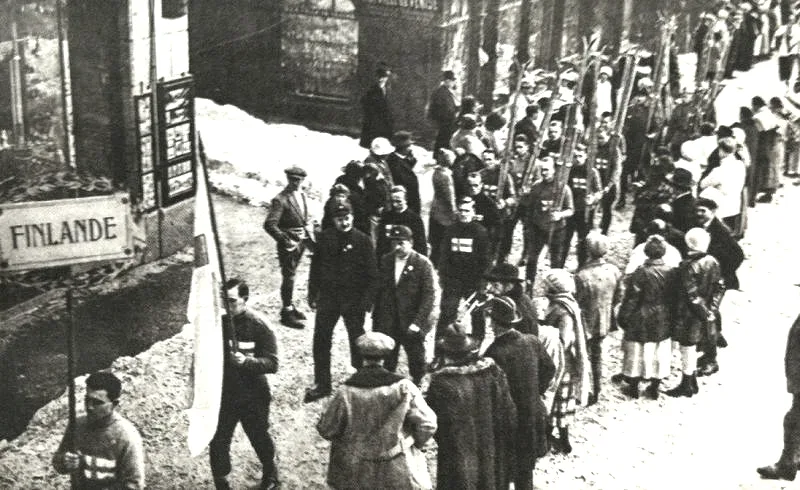
International Winter Sports Week
The event we now call the first Winter Olympics wasn't planned as one. In 1924, the IOC staged a festival at Chamonix, France, under the modest name 'International Winter Sports Week.' It drew 16 nations and proved so popular that the IOC retroactively crowned it the first official Winter Olympic Games two years later, in 1926.
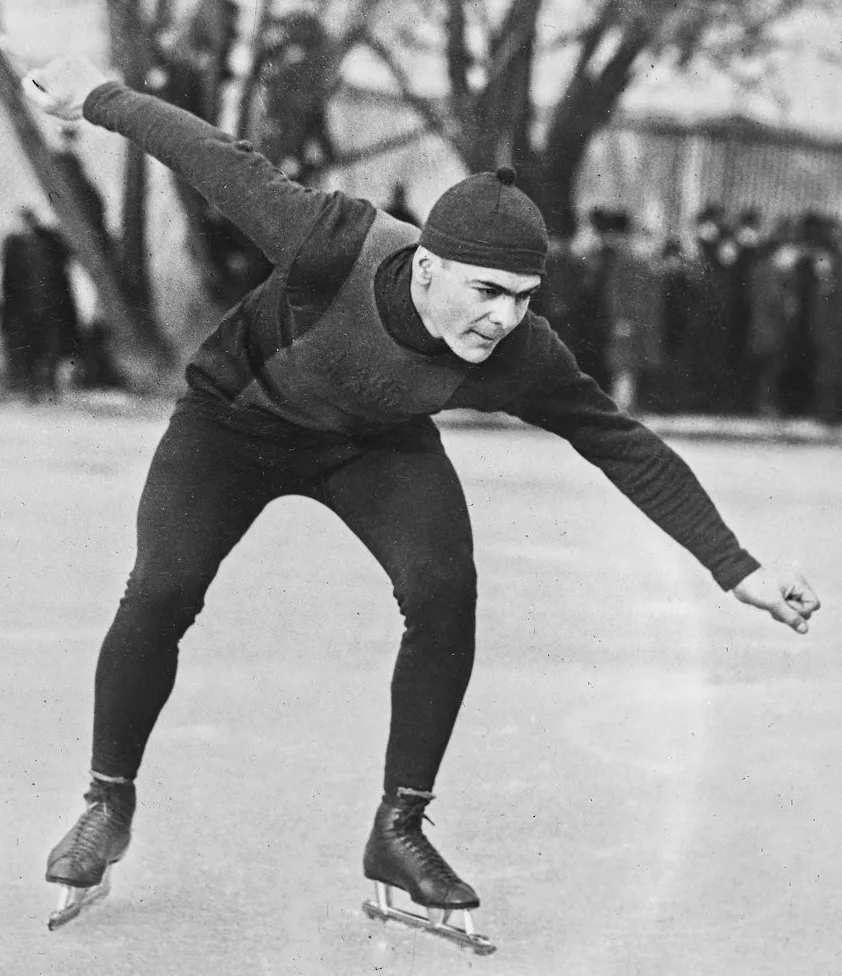
Charles Jewtraw's Historic 44 Seconds
On January 26, 1924, American speed skater Charles Jewtraw became the answer to a permanent trivia question: who won the first-ever Winter Olympic gold medal? Racing on the outdoor oval at Chamonix, the New Yorker from Lake Placid won the 500-meter speed skate in 44.0 seconds, beating the favored Scandinavian skaters to the line.
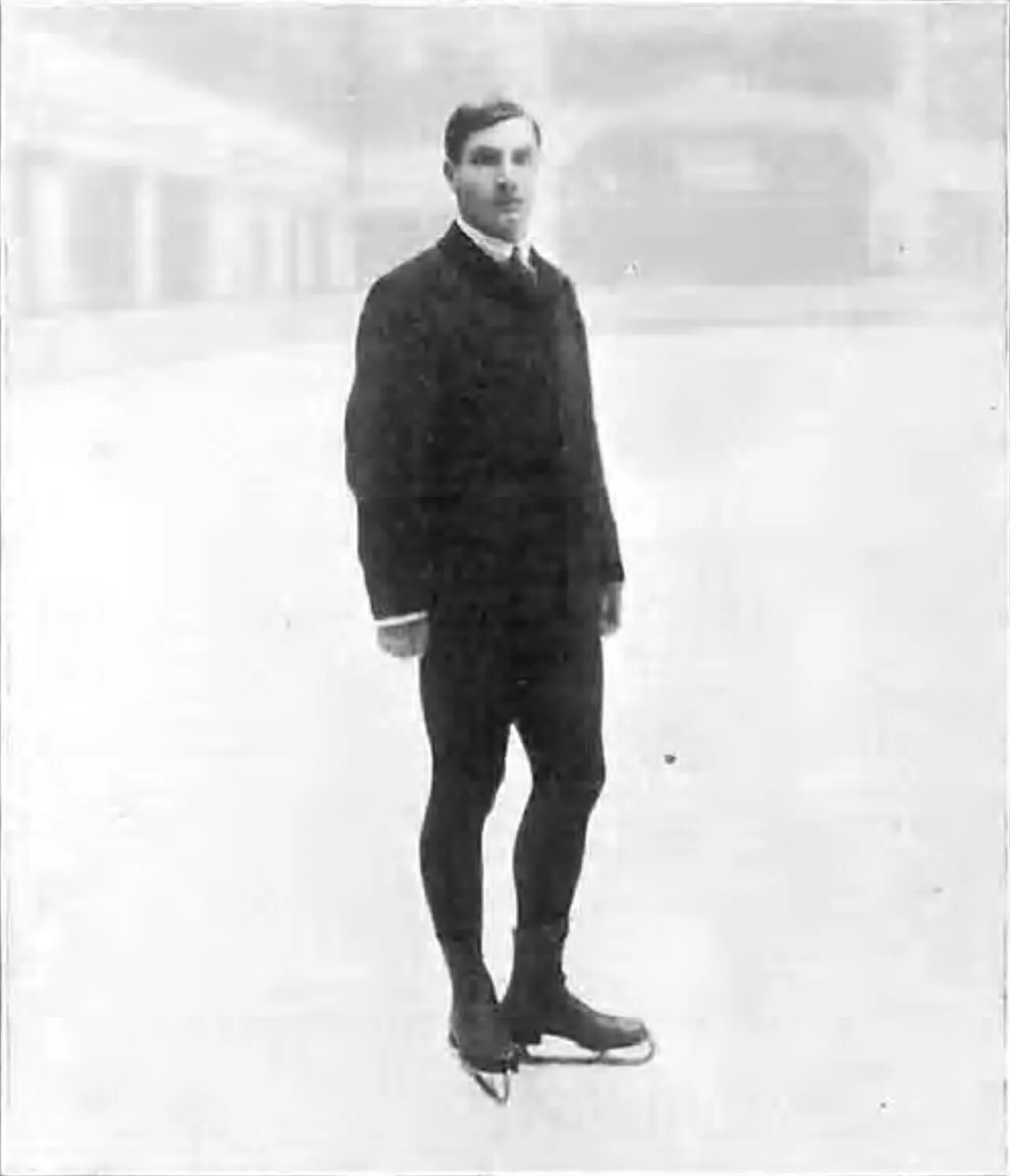
Figure Skating Predates the Winter Games
Winter sports were on the Olympic program long before there was a separate Winter Olympics. Figure skating made its Olympic debut at the 1908 London Summer Olympics, a full 16 years before the first Winter Games opened at Chamonix in 1924. Ice hockey followed the same path, debuting at the 1920 Antwerp Summer Games.
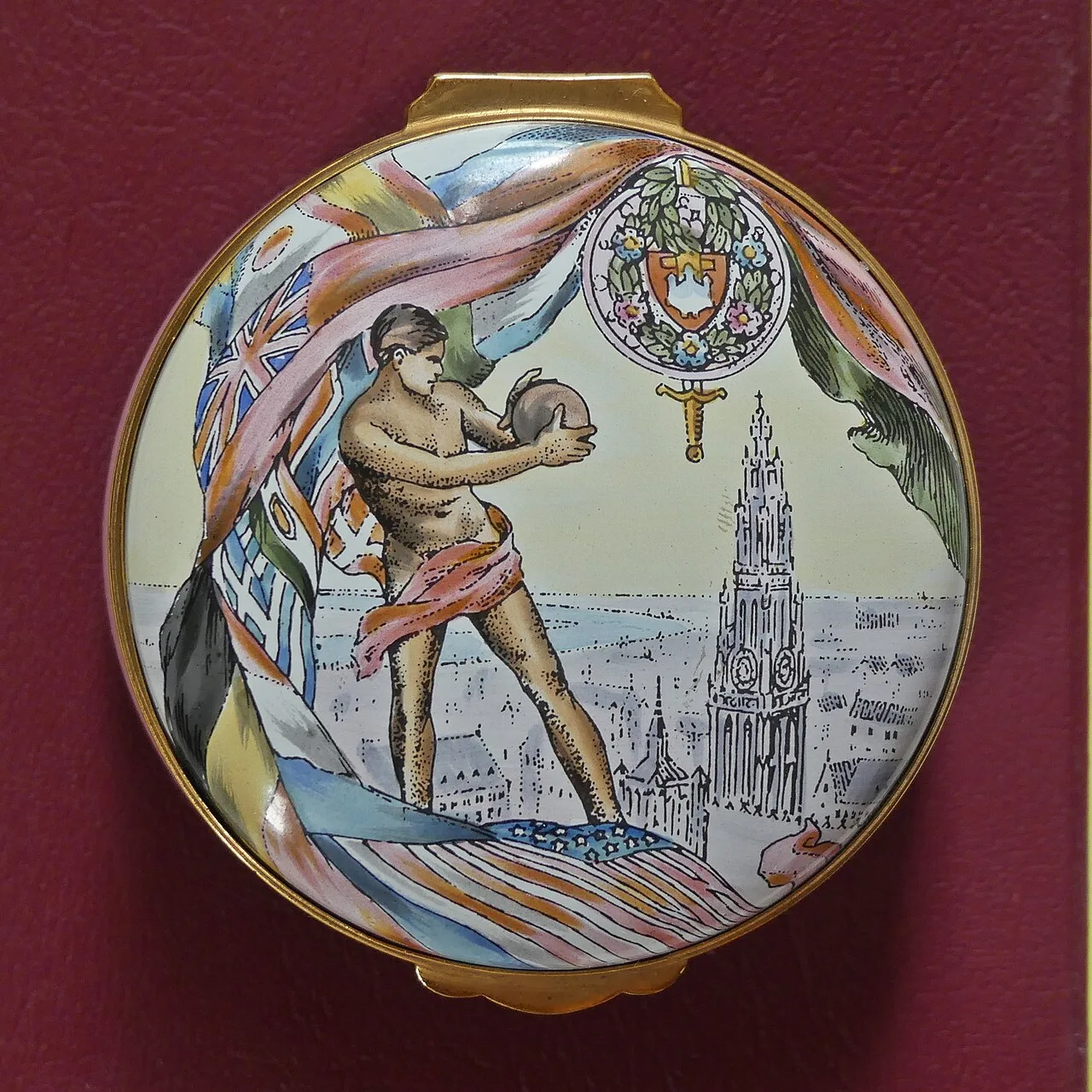
1920 Antwerp Summer Games
1920 Antwerp Summer Games — Host of the inaugural Olympic ice hockey tournament, where Canada's Winnipeg Falcons won gold.
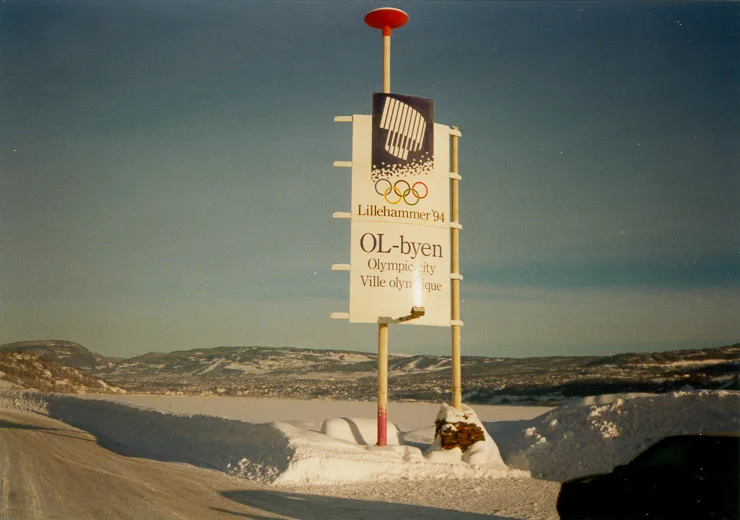
Lillehammer Broke the Four-Year Tie
For seven decades, the Summer and Winter Games shared the same calendar year. In 1986, the IOC voted to split them onto separate two-year cycles, and the 1994 Lillehammer Games became the first Winter Olympics held under the new, staggered schedule.
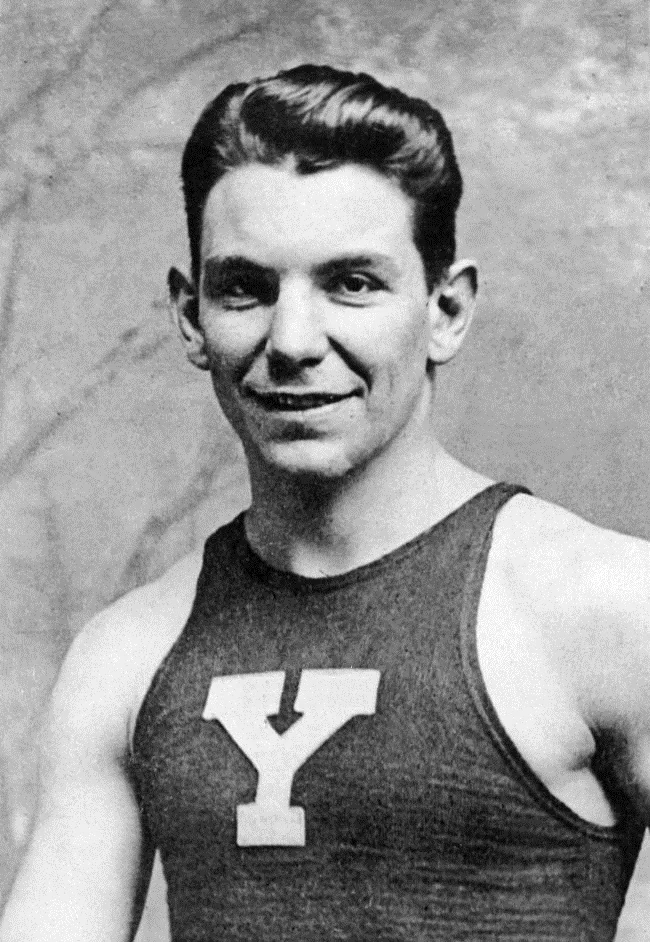
Eddie Eagan
Eddie Eagan — Only athlete in history to win gold medals in different sports at Summer (Boxing 1920) and Winter (Bobsled 1932) Games.
Christa Luding-Rothenburger
Christa Luding-Rothenburger — Only athlete to win Winter (Speed Skating) and Summer (Cycling) medals in the same calendar year in 1988.
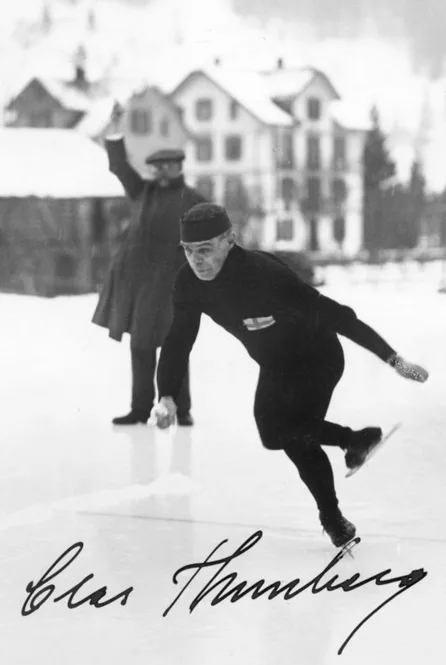
Clas Thunberg's Two-Games Haul
Finland's Clas Thunberg was the dominant force of early Olympic speed skating. At the inaugural 1924 Chamonix Games he swept the endurance distances, taking home five medals, including three golds. He returned four years later at 1928 St. Moritz to add two more golds, giving him five gold medals across the two Games.
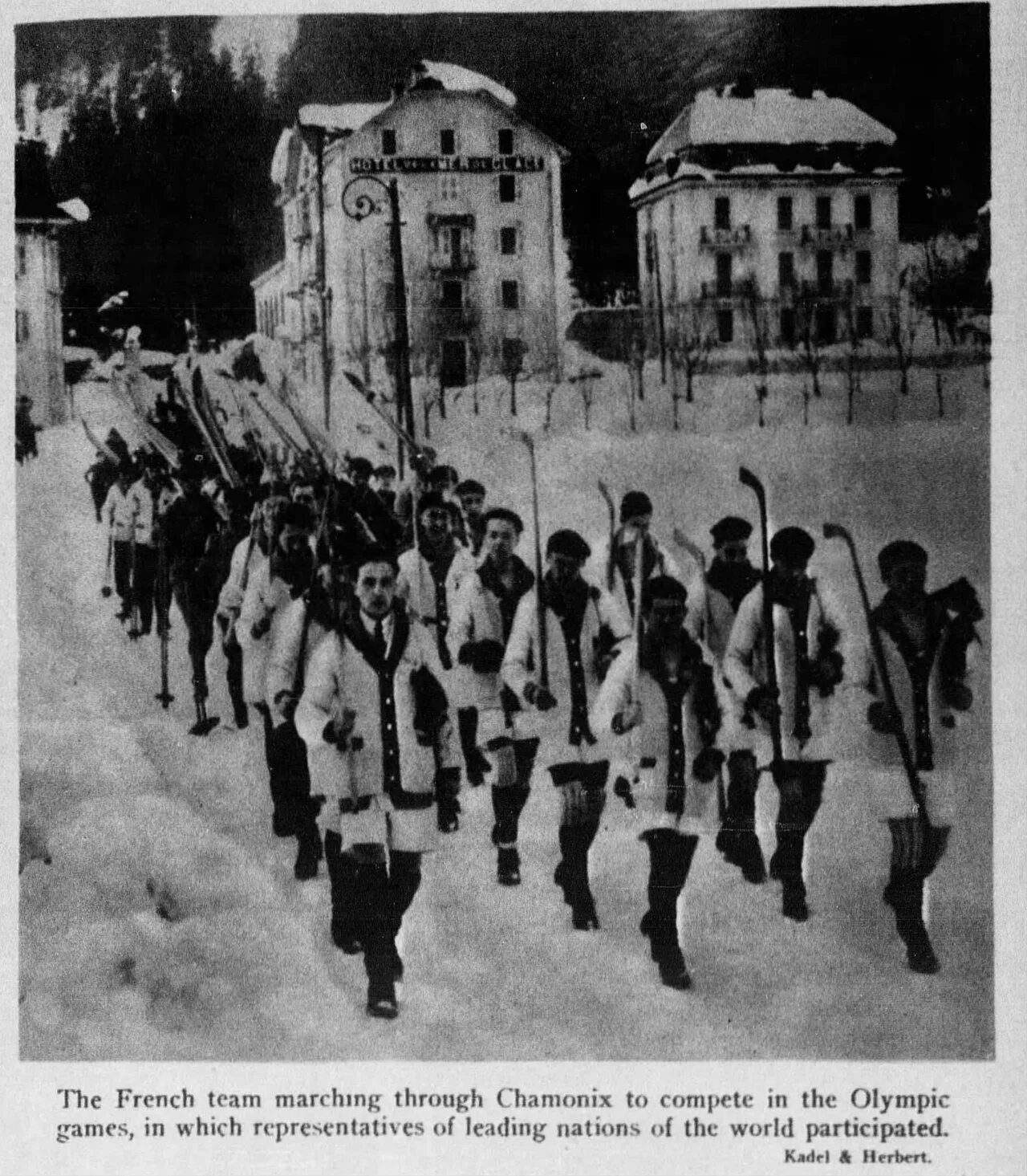
A 16-Nation Debut
The inaugural Winter Games were a modest affair by modern standards. 16 nations sent athletes to Chamonix in 1924, and together they competed in 16 events across 9 sports disciplines — a footprint that has grown into the sprawling, multi-week Winter Olympics of today.
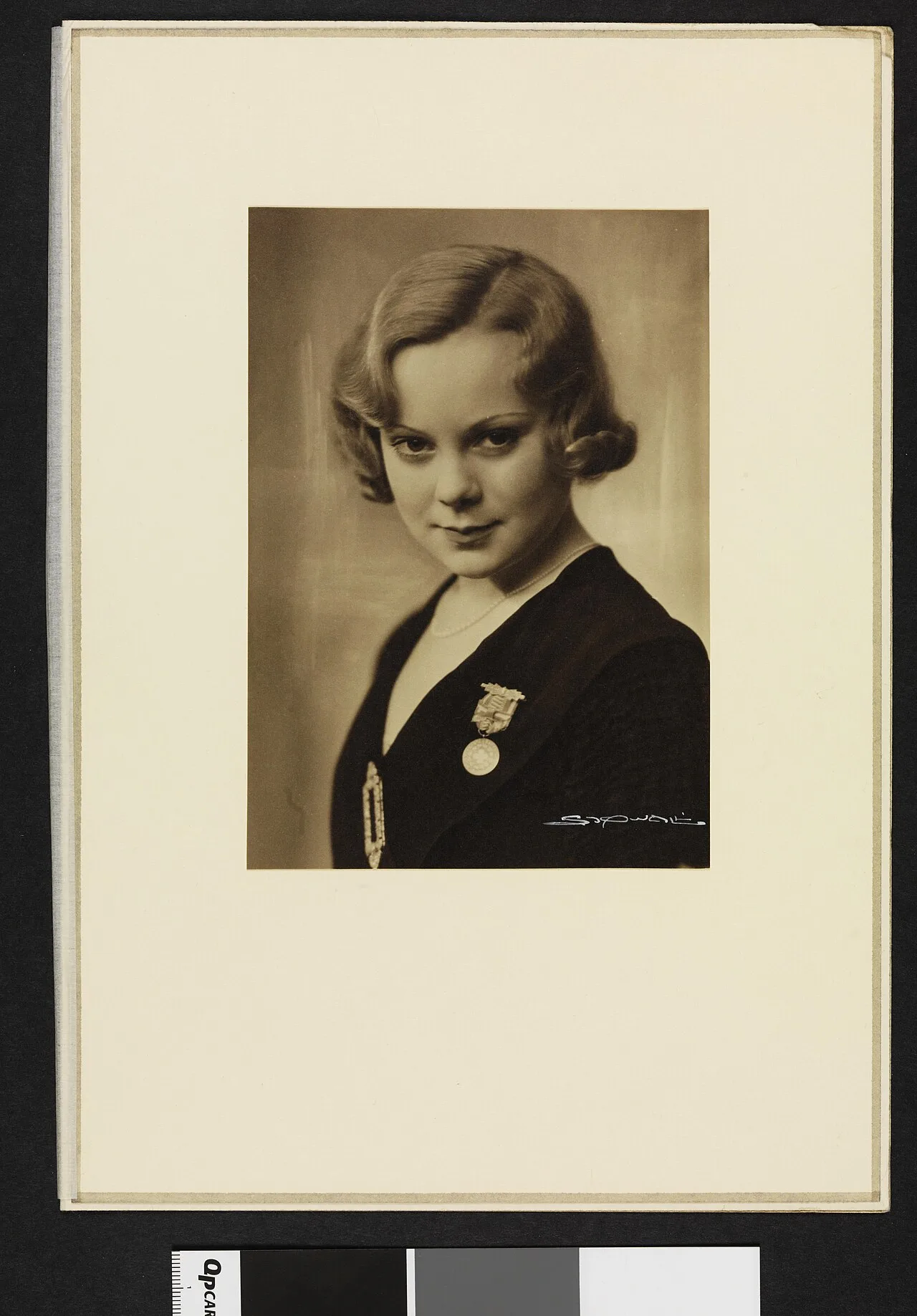
Sonja Henie
Sonja Henie — Norwegian figure skater who won three consecutive Olympic golds (1928, 1932, 1936) and pioneered short skirts and choreography.
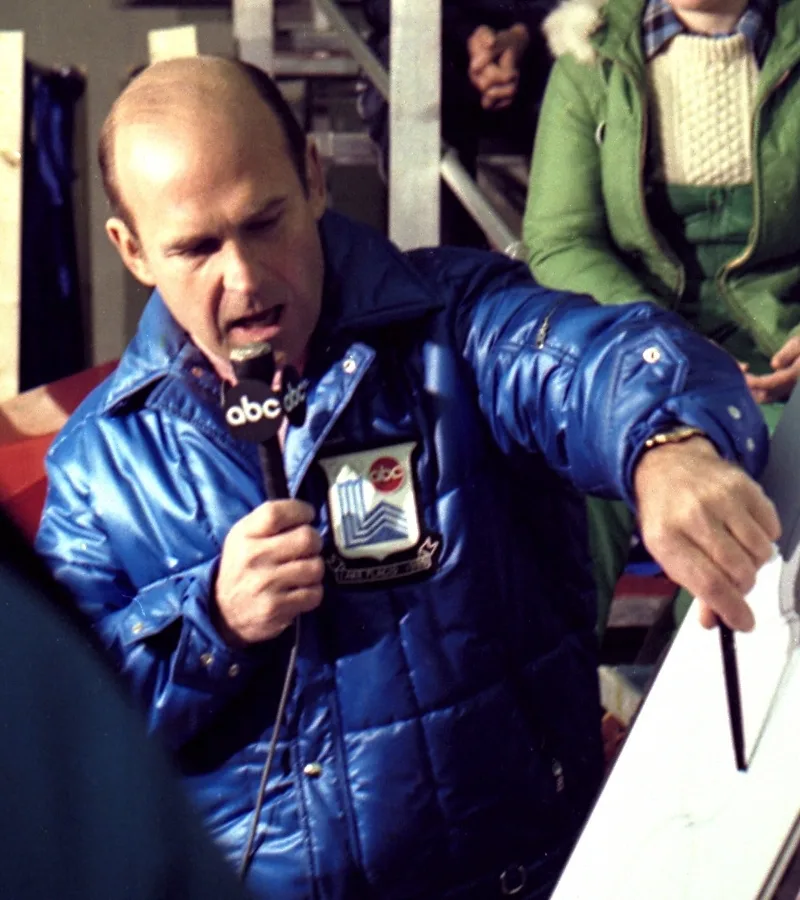
Dick Button's Technical Firsts
American Dick Button dominated post-WWII men's figure skating, winning back-to-back Olympic gold at St. Moritz 1948 and Oslo 1952. Along the way he pushed the sport's technical limits, landing the first double axel ever completed in Olympic competition in 1948, and the first triple loop in 1952.
126 Million Watched Lillehammer's Showdown
Figure skating has never drawn a bigger American television audience than it did at the 1994 Lillehammer Games. Following the attack on Nancy Kerrigan orchestrated by associates of rival Tonya Harding, the women's short program drew an estimated 126 million viewers in the United States, the sixth highest-rated broadcast in American TV history.

Oksana Baiul
Oksana Baiul — Ukrainian 16-year-old orphan who won the 1994 Lillehammer women's gold medal over Nancy Kerrigan.
Sarah Hughes's Leap from Fourth to Gold
At Salt Lake City 2002, 16-year-old American Sarah Hughes pulled off one of figure skating's great upsets. Sitting in fourth place after the short program, she skated a free program with seven clean triple jumps, including two triple-triple combinations, to vault past teammates Michelle Kwan and Sasha Cohen and capture the gold medal.

Tara Lipinski, Youngest Winter Champion
At the 1998 Nagano Games, American Tara Lipinski won the women's figure skating gold at just 15 years old, becoming the youngest individual gold medalist in Olympic figure skating history.
Yuzuru Hanyu
Yuzuru Hanyu — Japanese virtuoso who won back-to-back men's Olympic figure skating gold medals in 2014 and 2018.
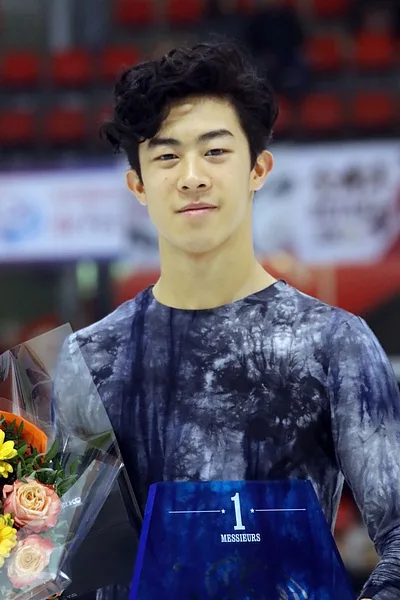
Nathan Chen's Record Free Skate
American Nathan Chen cemented his place atop men's figure skating at the 2022 Beijing Games, landing five quadruple jumps in a world-record free skate performance to capture Olympic gold.
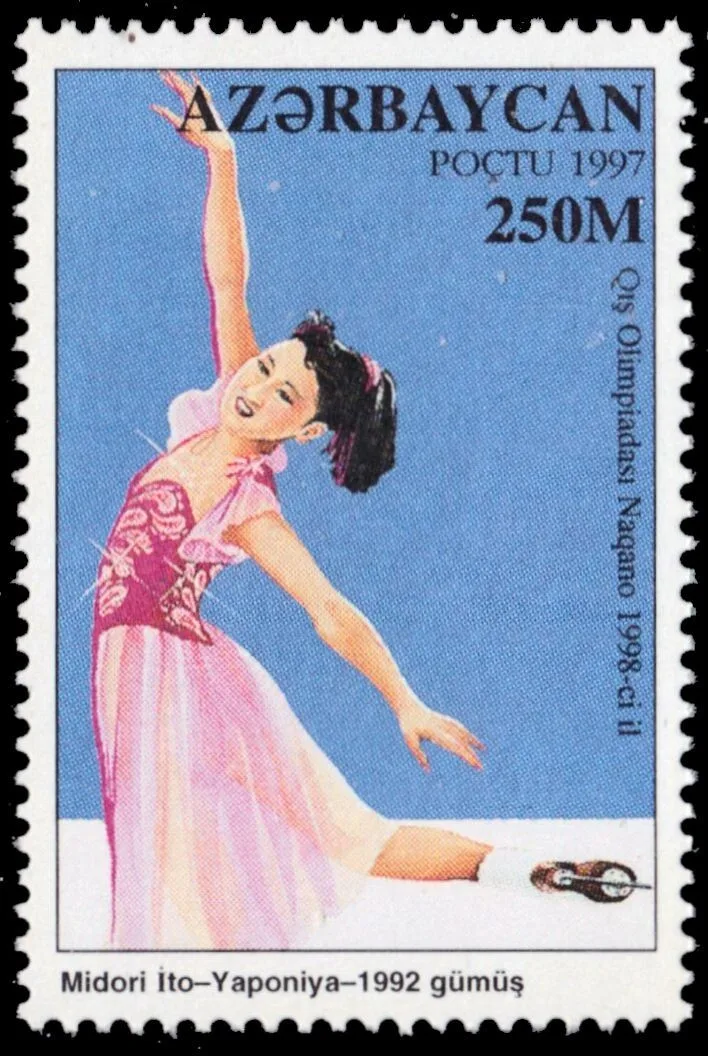
Midori Ito
Midori Ito — First woman in history to land a triple axel in Olympic competition at Albertville 1992.
Why Figure Skating Scrapped the 6.0
Figure skating judging changed forever after a scandal. At Salt Lake City 2002, Canadian pair Jamie Salé and David Pelletier were initially awarded silver before a French judge admitted to vote-trading. In response, the International Skating Union abolished the old ordinal 6.0 scoring system in 2004, replacing it with the International Judging System (IJS), which awards cumulative points based on the base value and Grade of Execution (GOE) of every element performed.
By the numbers
- What was Charles Jewtraw's winning 500m speed skating time in seconds to claim the first Winter Olympic gold in 1924?
- 44 seconds
- How many years before the first separate 1924 Winter Games did figure skating debut at the 1908 Summer Olympics?
- 16 years
- How many consecutive Olympic men's figure skating gold medals did Sweden's Gillis Grafström win (1920–1928)?
- 3 consecutive golds
- How many total gold medals did Finland's Clas Thunberg win across the 1924 and 1928 Winter Games?
- 5 gold medals
- How many nations participated in the inaugural 1924 Chamonix Winter Olympic Games?
- 16 nations
- How many millions of US viewers tuned in to watch the 1994 Kerrigan/Harding short program, the 6th highest-rated TV broadcast in US history?
- 126 million viewers
- How many clean triple jumps did Sarah Hughes land in her gold medal-winning long program at Salt Lake City 2002?
- 7 clean triple jumps
- How old in years was Tara Lipinski when she became the youngest individual gold medalist in Olympic figure skating history at Nagano 1998?
- 15 years old
- How many clean quadruple jumps did Nathan Chen land in his free skate to win gold at Beijing 2022?
- 5 quadruple jumps
Matched pairs
Each item on the left goes with the one on the right.
- 1920 Antwerp Summer Games
- Host of the inaugural Olympic ice hockey tournament, where Canada's Winnipeg Falcons won gold
- Eddie Eagan
- Only athlete in history to win gold medals in different sports at Summer (Boxing 1920) and Winter (Bobsled 1932) Games
- Christa Luding-Rothenburger
- Only athlete to win Winter (Speed Skating) and Summer (Cycling) medals in the same calendar year in 1988
- Sonja Henie
- Norwegian figure skater who won three consecutive Olympic golds (1928, 1932, 1936) and pioneered short skirts and choreography
- Oksana Baiul
- Ukrainian 16-year-old orphan who won the 1994 Lillehammer women's gold medal over Nancy Kerrigan
- Yuzuru Hanyu
- Japanese virtuoso who won back-to-back men's Olympic figure skating gold medals in 2014 and 2018
- Midori Ito
- First woman in history to land a triple axel in Olympic competition at Albertville 1992
Self-test
Answer each question from memory, then check your work against the answer key.
1. Where were the first Winter Olympic Games held in 1924?
- ASt. Moritz, Switzerland
- BLake Placid, USA
- CChamonix, France
- DGarmisch-Partenkirchen, Germany
2. What event did Charles Jewtraw win to capture the first-ever Winter Olympic gold medal in 1924?
- ACross-country skiing
- B500m speed skating
- CFour-man bobsled
- DFigure skating
3. Which athlete is the only person to win gold medals in different sports at both the Summer and Winter Olympics?
- AClas Thunberg
- BChrista Luding-Rothenburger
- CSonja Henie
- DEddie Eagan
4. In what year did the IOC vote to split the Summer and Winter Olympics onto separate two-year cycles?
- A1986
- B1992
- C1980
- D1994
5. Which of these did NOT happen at the 1924 Chamonix Winter Games?
- AThunberg won three golds
- B16 nations competed
- CJewtraw won first Winter gold
- DFigure skating debuted
6. Which of these is NOT one of Dick Button's technical achievements?
- ALanded first triple loop
- BLanded first triple axel
- CPioneered the flying camel spin
- DLanded first double axel
7. How many quadruple jumps did Nathan Chen land in his record free skate to win gold at Beijing 2022?
- A7 quadruple jumps
- B3 quadruple jumps
- C5 quadruple jumps
- D4 quadruple jumps
8. How many millions of US viewers watched the 1994 Kerrigan-Harding short program showdown at Lillehammer?
- A126 million viewers
- B85 million viewers
- C60 million viewers
- D45 million viewers
9. How many clean triple jumps did Sarah Hughes land to win gold at Salt Lake City 2002?
- A9 triple jumps
- B4 triple jumps
- C5 triple jumps
- D7 triple jumps
10. Whose judging controversy at Salt Lake City 2002 led the ISU to abolish the 6.0 scoring system in 2004?
- ABaiul and Kerrigan
- BHughes and Kwan
- CSalé and Pelletier
- DButton and Henie
Go deeper
Answer key
- 1. C Chamonix, FranceThe first Winter Games, originally 'International Winter Sports Week,' were held at Chamonix, France in 1924 and later retroactively recognized as the first Winter Olympics.
- 2. B 500m speed skatingJewtraw won the 500m speed skate in 44.0 seconds at Chamonix, becoming the first Winter Olympic gold medalist.
- 3. D Eddie EaganEddie Eagan won boxing gold at Antwerp 1920 and four-man bobsled gold at Lake Placid 1932. Luding-Rothenburger crossed seasons too, but her Summer medal was silver, not gold.
- 4. A 1986The IOC voted in 1986 to stagger the Games onto separate two-year cycles, a change that took effect starting with Lillehammer 1994.
- 5. D Figure skating debutedFigure skating debuted at the 1908 London Summer Olympics, 16 years before Chamonix 1924 hosted its own events.
- 6. B Landed first triple axelButton landed the first double axel (1948), first triple loop (1952), and pioneered the flying camel spin. The triple axel was first landed in Olympic competition by Midori Ito in 1992.
- 7. C 5 quadruple jumpsChen landed five quadruple jumps in a world-record free skate performance to capture gold at Beijing 2022.
- 8. A 126 million viewersThe short program drew an estimated 126 million US viewers, the sixth highest-rated broadcast in American television history.
- 9. D 7 triple jumpsHughes landed seven clean triple jumps, including two triple-triple combinations, to vault from fourth place to gold.
- 10. C Salé and PelletierA French judge admitted to vote-trading in the Salé-Pelletier pairs event, prompting the ISU to replace the 6.0 system with the IJS in 2004.
Sources
- Wikipedia: 1924 Winter Olympics — en.wikipedia.org/wiki/1924_Winter_Olympics
- Wikipedia: Charles Jewtraw — en.wikipedia.org/wiki/Charles_Jewtraw
- Wikipedia: Figure skating at the Olympic Games — en.wikipedia.org/wiki/Figure_skating_at_the_Olympic_Games
- Wikipedia: Ice hockey at the 1920 Summer Olympics — en.wikipedia.org/wiki/Ice_hockey_at_the_1920_Summer_Olympics
- Wikipedia: Winter Olympic Games — en.wikipedia.org/wiki/Winter_Olympic_Games
- Wikipedia: Eddie Eagan — en.wikipedia.org/wiki/Eddie_Eagan
- Wikipedia: Christa Luding-Rothenburger — en.wikipedia.org/wiki/Christa_Luding-Rothenburger
- Wikipedia: Gillis Grafström — en.wikipedia.org/wiki/Gillis_Grafstr%C3%B6m
- Wikipedia: Clas Thunberg — en.wikipedia.org/wiki/Clas_Thunberg
- Wikipedia: Sonja Henie — en.wikipedia.org/wiki/Sonja_Henie
- Wikipedia: Dick Button — en.wikipedia.org/wiki/Dick_Button
- Wikipedia: Figure skating at the 1994 Winter Olympics — en.wikipedia.org/wiki/Figure_skating_at_the_1994_Winter_Olympics
- Wikipedia: Oksana Baiul — en.wikipedia.org/wiki/Oksana_Baiul
- Wikipedia: Sarah Hughes — en.wikipedia.org/wiki/Sarah_Hughes
- Wikipedia: Tara Lipinski — en.wikipedia.org/wiki/Tara_Lipinski
- Wikipedia: Yuzuru Hanyu — en.wikipedia.org/wiki/Yuzuru_Hanyu
- Wikipedia: Nathan Chen — en.wikipedia.org/wiki/Nathan_Chen
- Wikipedia: Midori Ito — en.wikipedia.org/wiki/Midori_Ito
- Wikipedia: ISU Judging System — en.wikipedia.org/wiki/ISU_Judging_System
Image credits
- International Winter Sports Week: Halme, Yrjö / Otava · Public domain — commons.wikimedia.org/wiki/File:Finland_chamonix_1924.jpg
- Charles Jewtraw's Historic 44 Seconds: Agence Rol · Public domain — commons.wikimedia.org/wiki/File:Charles_Jewtraw_1921.jpg
- Figure Skating Predates the Winter Games: The British Olympic Association · Public domain — commons.wikimedia.org/wiki/File:1908_Olympic_Games_Ulrich_Salchow.jpg
- 1920 Antwerp Summer Games: Wikimedia Commons · Alta Falisa · CC BY-SA 4.0 — commons.wikimedia.org/wiki/File:1920_Antwerp_Summer_Olympics_%E2%80%93_Crummles_%26_C%C2%B0_trinket_box.jpg
- Lillehammer Broke the Four-Year Tie: Rob from Washington DC · CC BY-SA 2.0 — commons.wikimedia.org/wiki/File:Lillehammer_Olympic_sign.jpg
- Eddie Eagan: Wikimedia Commons · Unknown (Keystone-France) · Public domain — commons.wikimedia.org/wiki/File:Eddie_Eagan_c1920.jpg
- Clas Thunberg's Two-Games Haul: Wikimedia Commons · Suomen Urheilumuseo · Public domain — commons.wikimedia.org/wiki/File:Clas_Thunberg_signed.jpg
- A 16-Nation Debut: Kadel & Herbert · Public domain — commons.wikimedia.org/wiki/File:French_Olympic_team_during_Chamonix_Opening_ceremony,_photo_by_Kadel_%26_Herbert.jpg
- Sonja Henie: Wikimedia Commons · Gunnar Theodor Sjøwall · Public domain — commons.wikimedia.org/wiki/File:Sonja_Henie_-_no-nb_digifoto_20160429_00188_bldsa_EYDE_5_17A_007.jpg
- Dick Button's Technical Firsts: Wikimedia Commons · Dan Lundberg · CC BY-SA 2.0 — commons.wikimedia.org/wiki/File:Dick_Button_at_1980_Winter_Olympics.jpg
- Oksana Baiul: невідомо · CC BY-SA 4.0 — en.wikipedia.org/wiki/Oksana_Baiul
- Tara Lipinski, Youngest Winter Champion: Wikimedia Commons · Andy Miah · CC0 — commons.wikimedia.org/wiki/File:Tara_Lipinski_in_Sochi.jpg
- Nathan Chen's Record Free Skate: David W. Carmichael · CC BY-SA 3.0 — commons.wikimedia.org/wiki/File:Nathan_Chen_at_the_2018_Internationaux_de_France_-_Awarding_ceremony.jpg
- Midori Ito: Wikimedia Commons · Post of Azerbaijan · Public domain — commons.wikimedia.org/wiki/File:Midori_Ito_on_Azerbaijan_stamp_-_1998.jpg


