
Winter Olympic Trivia: Frozen Glories, Miracle Ice & Alpine Royalty study guide · Lesson 2 of 4
Miracle on Ice & Hockey Dynasties
The 1980 Miracle on Ice · Global Hockey Dynasties & Golden Goals
This is the lesson's study guide from the FlashFeed app, plus its key facts and a self-test.
What you'll be able to do
- Recall key scorelines, clutch goals, and strategic turning points of the 1980 Miracle on Ice.
- Identify historic hockey gold medal dynasties, golden goal finishes, and shootout milestones.
The 1980 Miracle on Ice
On February 22, 1980, at the Winter Olympics in Lake Placid, New York, the United States men's Olympic ice hockey team achieved what is universally recognized as the greatest upset in sports history: the 'Miracle on Ice'. The matchup pitted a collection of amateur American college players, averaging just 21 years of age, against the formidable Soviet Union national team—a machine of seasoned professionals who had won four consecutive Olympic gold medals (1964, 1968, 1972, 1976) and had overwhelmed NHL All-Star teams.
Just two weeks before the Olympics, the Soviets had dismantled the exact same US squad 10-3 in an exhibition game at Madison Square Garden. But US head coach Herb Brooks—the last player cut from the 1960 gold medal-winning US team—had spent six months conditioning his players to match the high-tempo, passing-heavy European hybrid style of play.
In the medal round game at the packed Olympic Fieldhouse (now Herb Brooks Arena), the Soviets took early leads, but the young Americans fought back relentlessly. With one second remaining in the first period, Mark Johnson capitalized on a rebound to tie the game 2-2. Stunned by the lapse, legendary Soviet head coach Viktor Tikhonov made a fateful decision: he benched iconic goaltender Vladislav Tretiak for backup Vladimir Myshkin, a maneuver Tikhonov later acknowledged as the biggest blunder of his career.
In the third period, Johnson scored on a power play to tie the game 3-3. Then, with exactly ten minutes remaining, team captain Mike Eruzione picked up a loose puck in the high slot and fired a laser past Myshkin to give the United States a 4-3 lead. For the final ten minutes, American goaltender Jim Craig withstood a furious Soviet onslaught, finishing with 36 saves on 39 shots, including 12 crucial stops in the final frame.
As the clock ticked down its final seconds, ABC television broadcaster Al Michaels uttered the most celebrated phrase in sports broadcasting: 'Eleven seconds, you've got ten seconds, the countdown's going on right now! Morrow, up to Silk. Five seconds left in the game. Do you believe in miracles? YES!'
Two days later on February 24, 1980, the USA had to come from behind once more to defeat Finland 4-2 to officially secure the Olympic gold medal. In 2008, the International Ice Hockey Federation (IIHF) officially named the Miracle on Ice the number-one international hockey story of the past 100 years.
Global Hockey Dynasties & Golden Goals
Olympic ice hockey history is defined by towering national dynasties and dramatic showdowns. Canada dominated the early decades of Olympic hockey, capturing six of the first seven Olympic gold medals between 1920 and 1952 with senior amateur club rosters such as the Winnipeg Falcons and Toronto Granites.
Beginning at Cortina d'Ampezzo 1956, the Soviet Union ('The Red Machine') established a 32-year dynasty, capturing seven Olympic gold medals across nine appearances through Calgary 1988, powered by legendary lines featuring Valeri Kharlamov, Boris Mikhailov, and Vladimir Petrov.
The modern era arrived at Nagano 1998, the first Winter Games to pause the NHL regular season schedule and allow the world's premier professional players to compete. That tournament belonged to the Czech Republic and goaltending maestro Dominik Hasek ('The Dominator'), who allowed only six goals in six games and stopped all five Canadian attempts in a semifinal shootout, then backstopped a 1-0 win over Russia in the gold-medal final.
No Olympic hockey goal carries more national weight in Canada than the 'Golden Goal' of Vancouver 2010. With Canada holding a 2-1 lead over the rival United States in the gold medal game, American Zach Parise scored with 24.4 seconds remaining to force sudden-death overtime. At 7:40 of overtime, Canadian superstar Sidney Crosby accepted a pass from Jarome Iginla along the left boards and slid the puck past US goaltender Ryan Miller, igniting celebrations from coast to coast.
In the women's tournament, introduced at Nagano 1998, the United States captured the inaugural gold medal with a 3-1 victory over Canada. Canada's women answered with an incredible four consecutive Olympic gold medals (2002, 2006, 2010, 2014). The rivalry reached its apex at PyeongChang 2018, where the USA ended Canada's 16-year reign in a dramatic penalty shootout, won in round 6 by Jocelyne Lamoureux-Davidson's unforgettable deke dubbed 'Oops, I Did It Again'.
Individual scoring records underscore hockey greatness: Finland's Teemu Selanne ('The Finnish Flash') leads all players in Olympic history with 43 career points (24 goals, 19 assists) across six Olympic tournaments (1992–2014).
Key facts
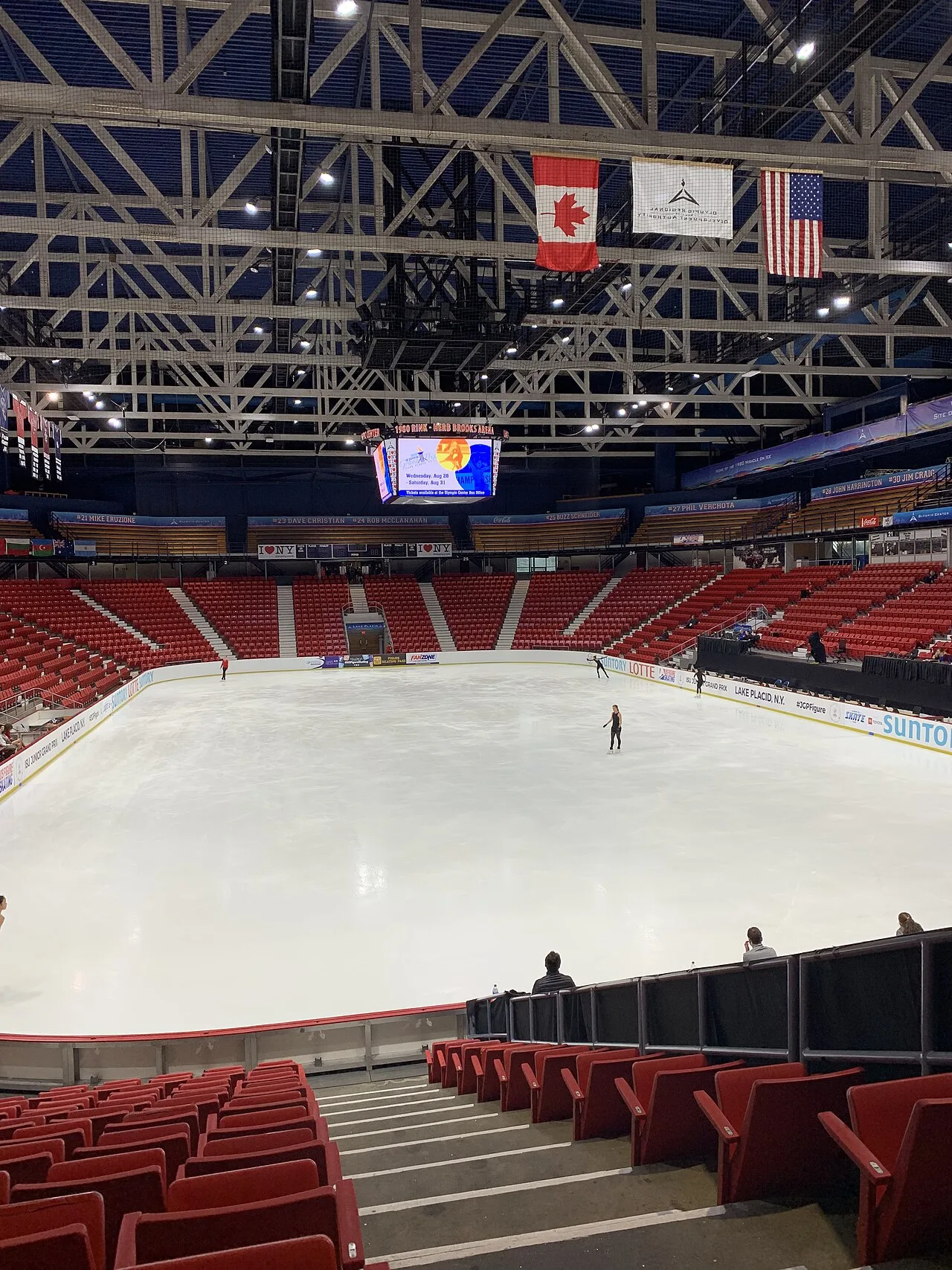
4-3: The Final Score of a Miracle
On February 22, 1980, at Lake Placid, New York, the United States men's ice hockey team — a squad of amateur college players averaging just 21 years old — defeated the four-time defending champion Soviet Union 4-3 in the medal round, the game remembered as the 'Miracle on Ice.'
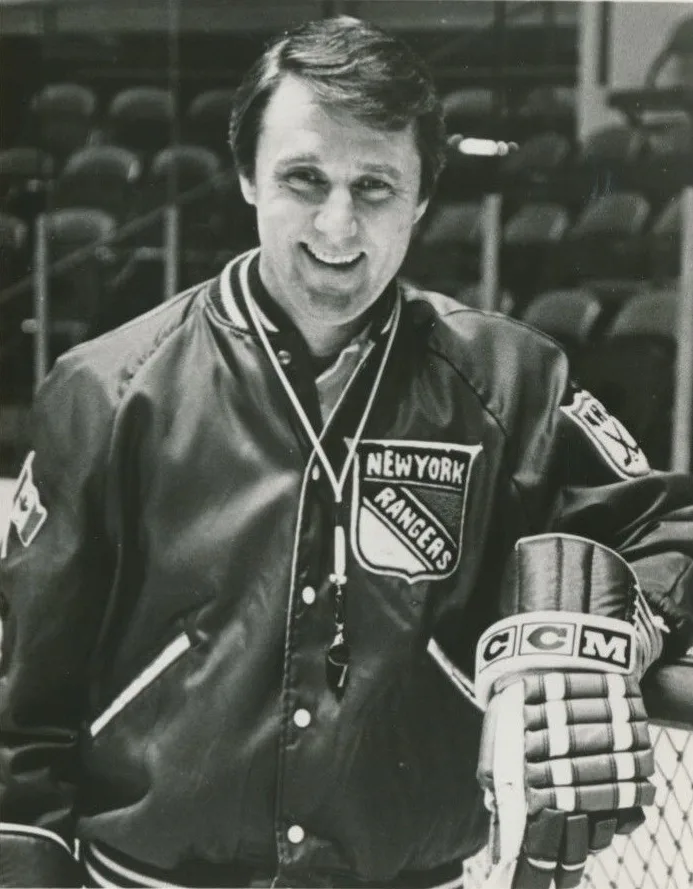
Herb Brooks
Herb Brooks — Visionary head coach who molded college players into the 1980 gold medal-winning US Olympic hockey team.
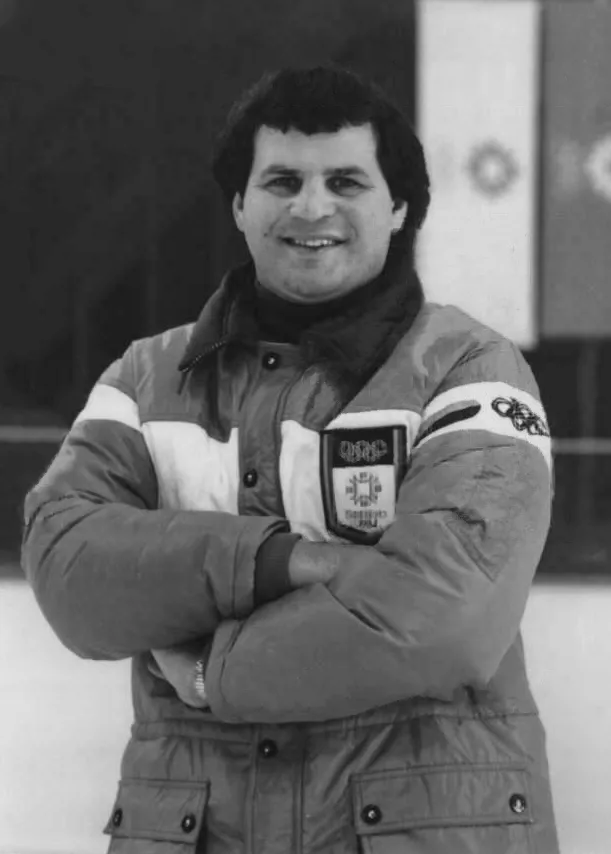
Mike Eruzione's Go-Ahead Goal
With the score tied 3-3 in the third period and exactly ten minutes remaining, US team captain Mike Eruzione collected a loose puck in the high slot and beat Soviet backup goaltender Vladimir Myshkin to give the Americans a 4-3 lead — the score that would hold up as the final.
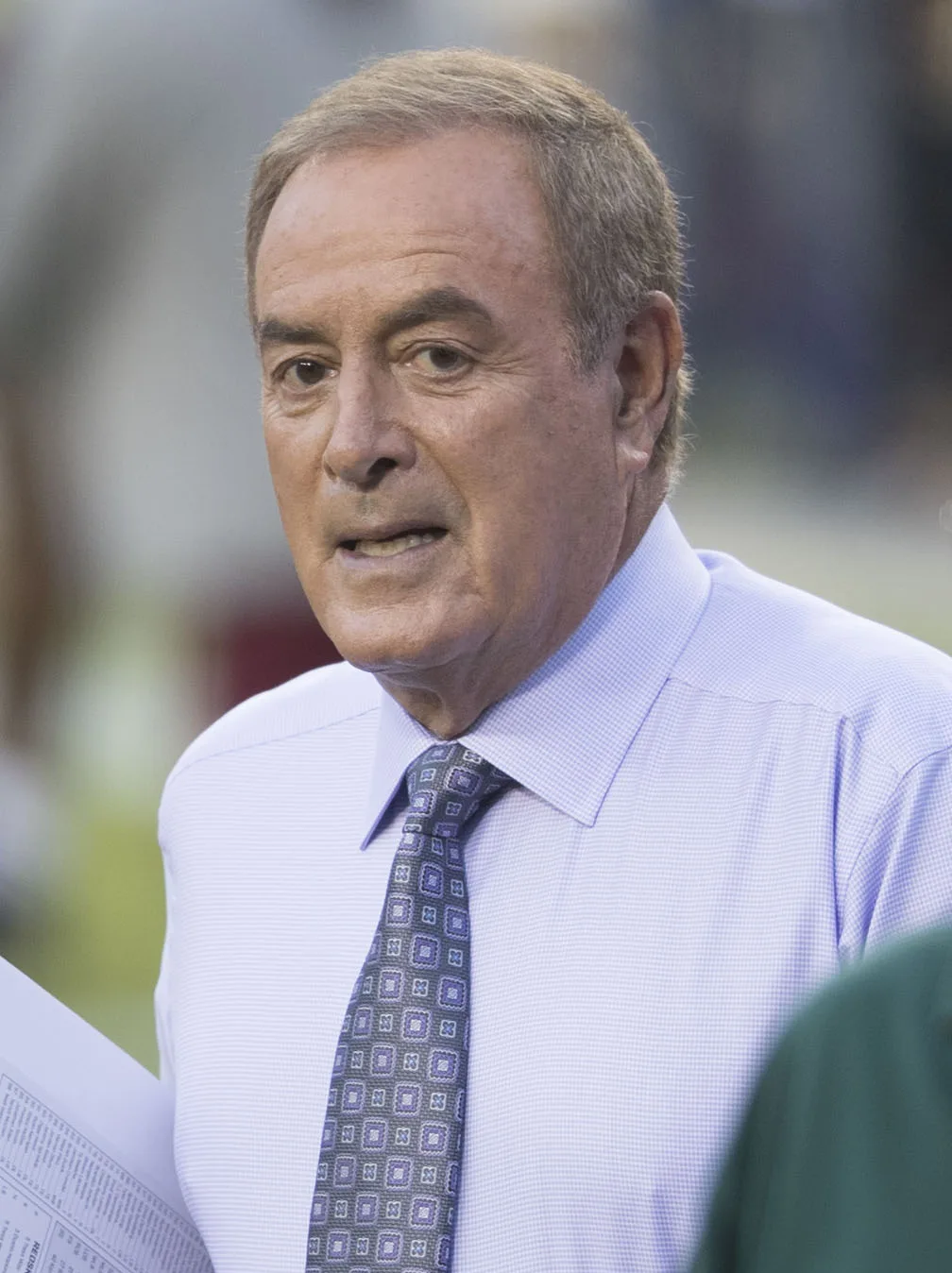
'Do You Believe in Miracles?'
As the final seconds ticked away on February 22, 1980, ABC broadcaster Al Michaels delivered the most famous call in American sports broadcasting, counting down the clock before exclaiming: 'Do you believe in miracles? YES!'
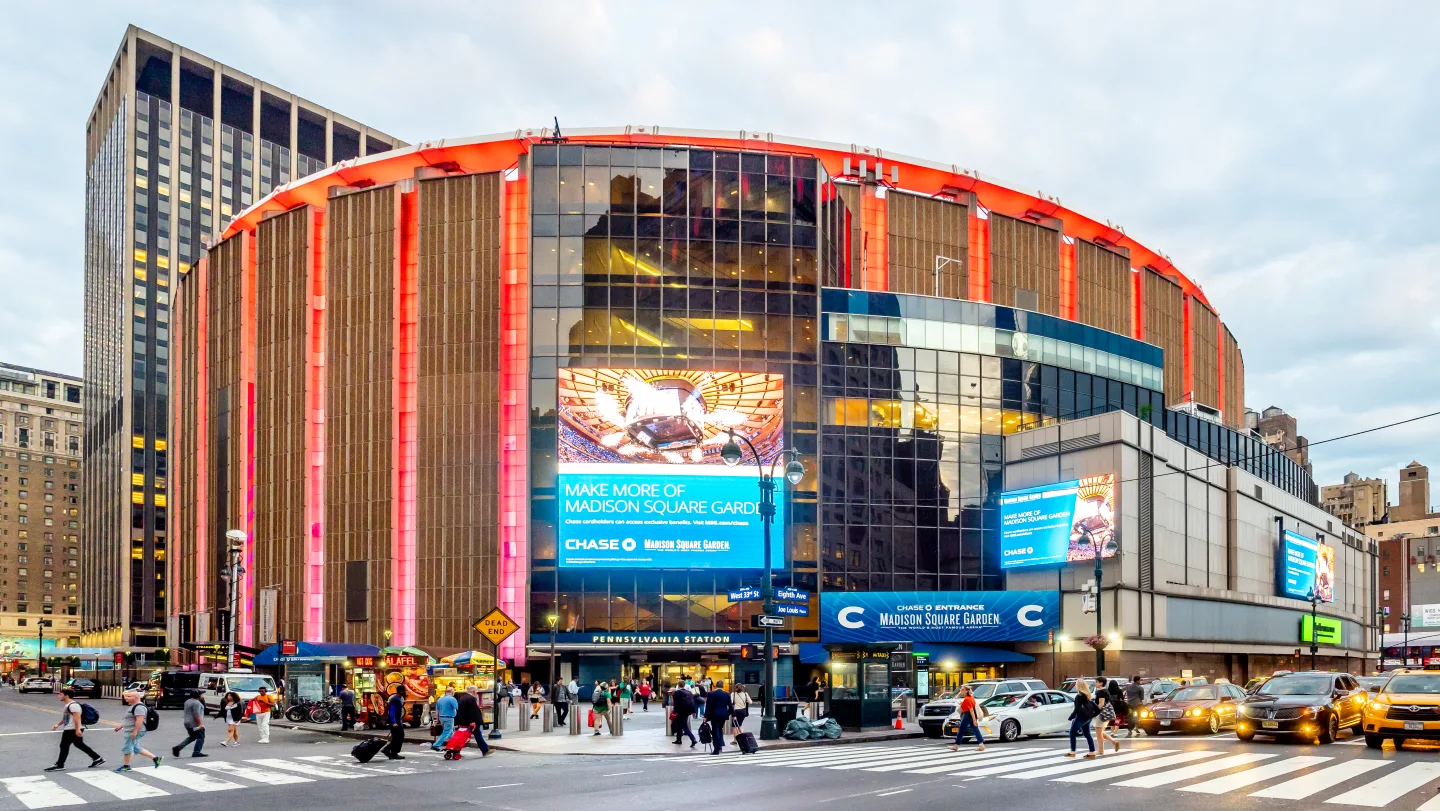
10-3: The Score That Made the Upset Unthinkable
Nobody expected the Miracle. Just two weeks before the Olympics, the same Soviet team that the US would later beat had routed the Americans 10-3 in an exhibition game at Madison Square Garden — a blowout that made the eventual 4-3 upset in Lake Placid almost impossible to believe.
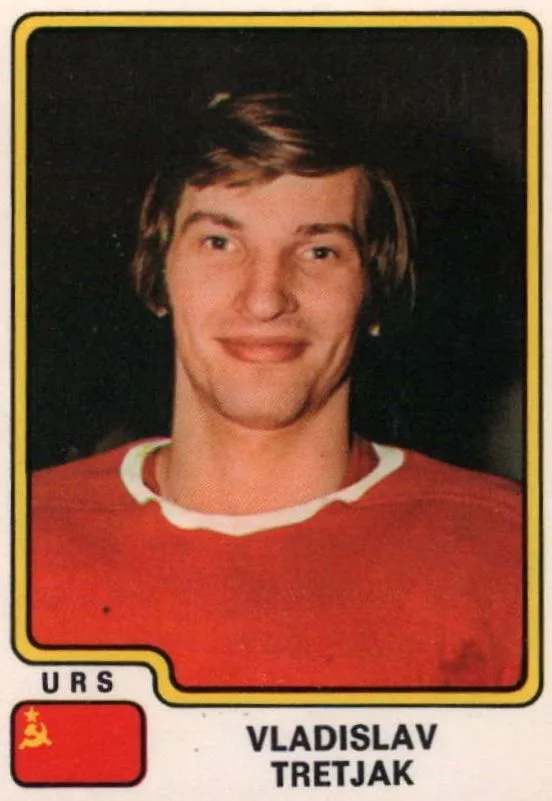
Vladislav Tretiak
Vladislav Tretiak — Legendary Soviet goaltender pulled after the first period in 1980 with the score tied 2-2.
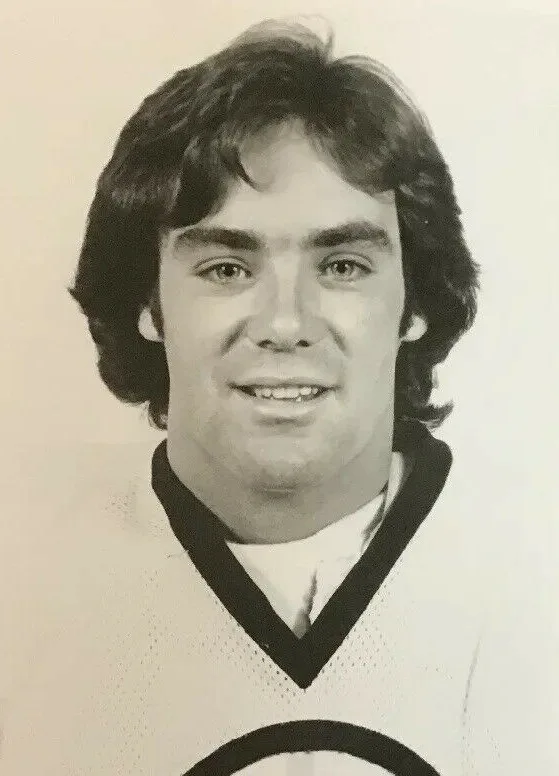
Jim Craig's Stand in Goal
American goaltender Jim Craig was the last line of defense against a relentless Soviet attack, making 36 saves on 39 shots in the Miracle on Ice, including 12 crucial stops in the final period as the US clung to its lead.
Beating the Soviets Wasn't Enough
The Miracle on Ice win over the USSR didn't hand the US the gold medal outright — it was only the semifinal. Two days later, on February 24, 1980, the Americans had to come from behind again, defeating Finland 4-2 to officially clinch the gold medal.
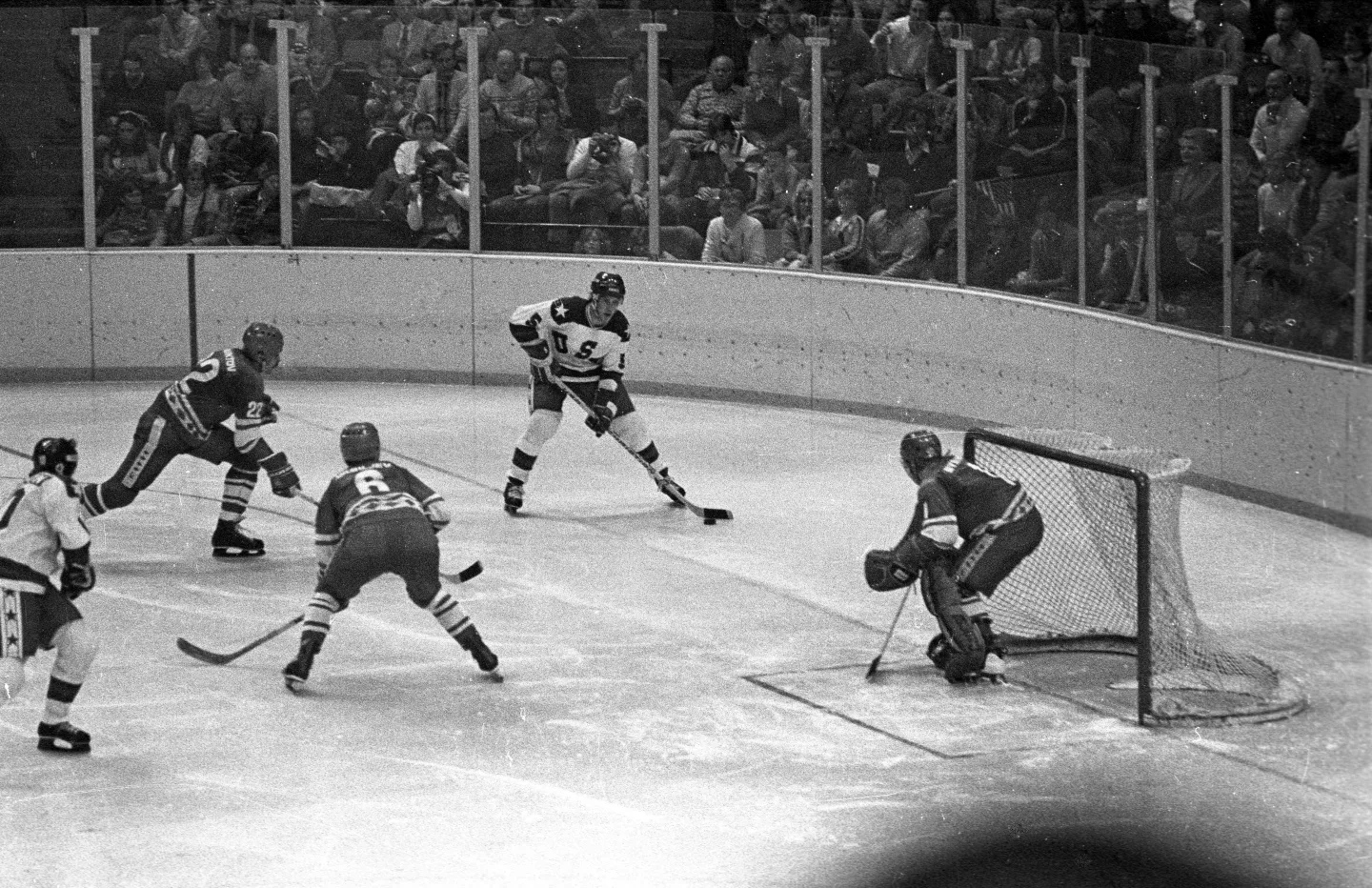
A Team of College Kids
The 1980 US Olympic hockey team wasn't a roster of seasoned professionals — it was a group of amateur college players with an average age of just 21, assembled and drilled for six months by coach Herb Brooks before they took down the Soviet dynasty.
IIHF Centennial Ranking
IIHF Centennial Ranking — Voted the 1980 Miracle on Ice as the number-one international hockey story of the past 100 years, as part of the IIHF's 2008 centennial.
Canada's Olympic Hockey Dominance
Canada is the winningest nation in Olympic men's ice hockey history. It captured six of the first seven gold medals, from 1920 through 1952, with senior amateur club rosters like the Winnipeg Falcons and Toronto Granites, then added further golds in the professional era — including the iconic 2010 'Golden Goal' — for nine Olympic gold medals overall.
The Red Machine's 32-Year Reign
Beginning at Cortina d'Ampezzo 1956, the Soviet Union — nicknamed 'The Red Machine' — built a 32-year Olympic hockey dynasty, winning seven gold medals across nine appearances through Calgary 1988, powered by legendary lines featuring Valeri Kharlamov, Boris Mikhailov, and Vladimir Petrov.
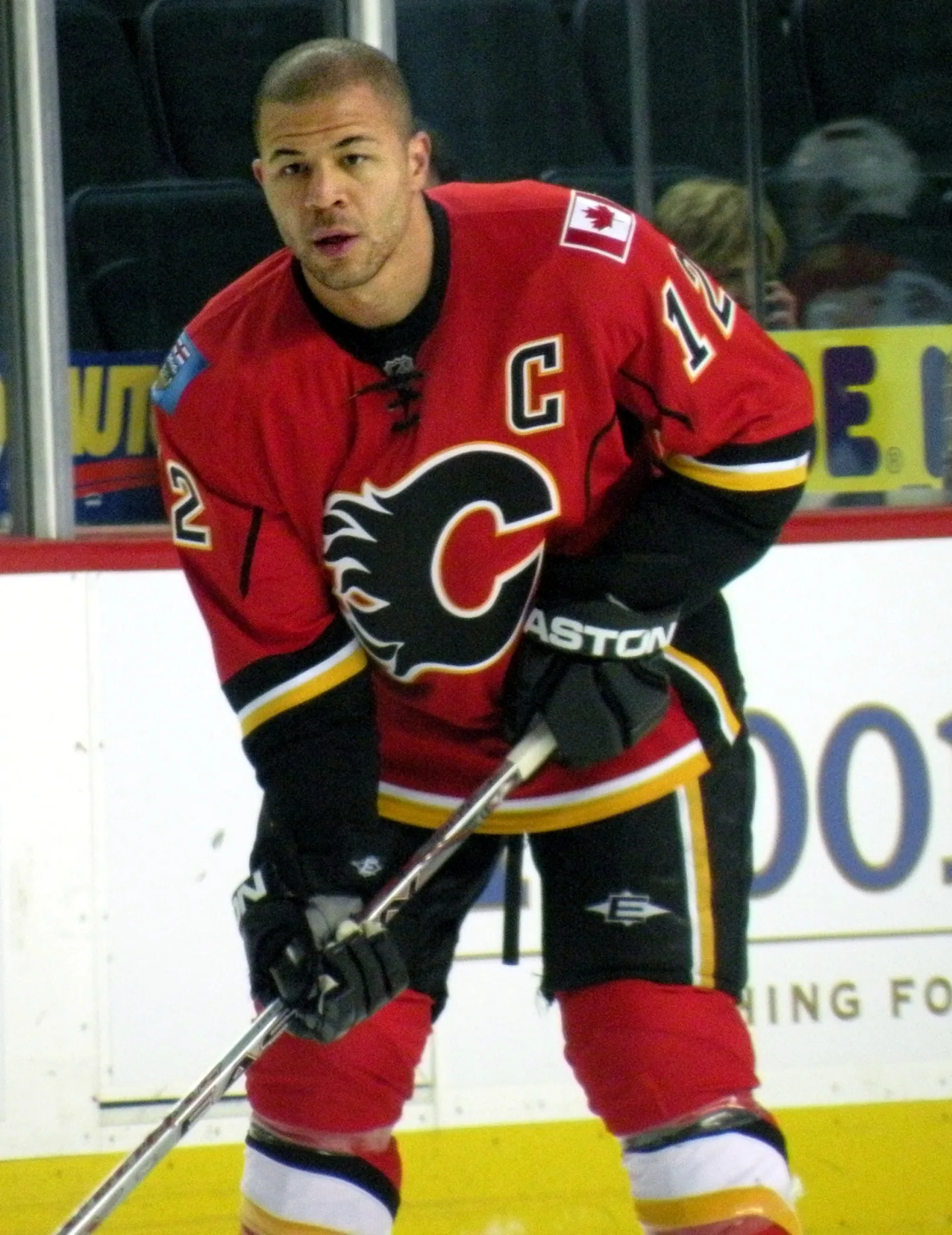
The Pass Behind Canada's Golden Goal
Canada's most cherished hockey moment needed a setup man. In overtime of the Vancouver 2010 gold medal game against the United States, Jarome Iginla dug the puck out along the left boards and slid a pass to Sidney Crosby, who buried it past US goaltender Ryan Miller at 7:40 of overtime for the 'Golden Goal.'
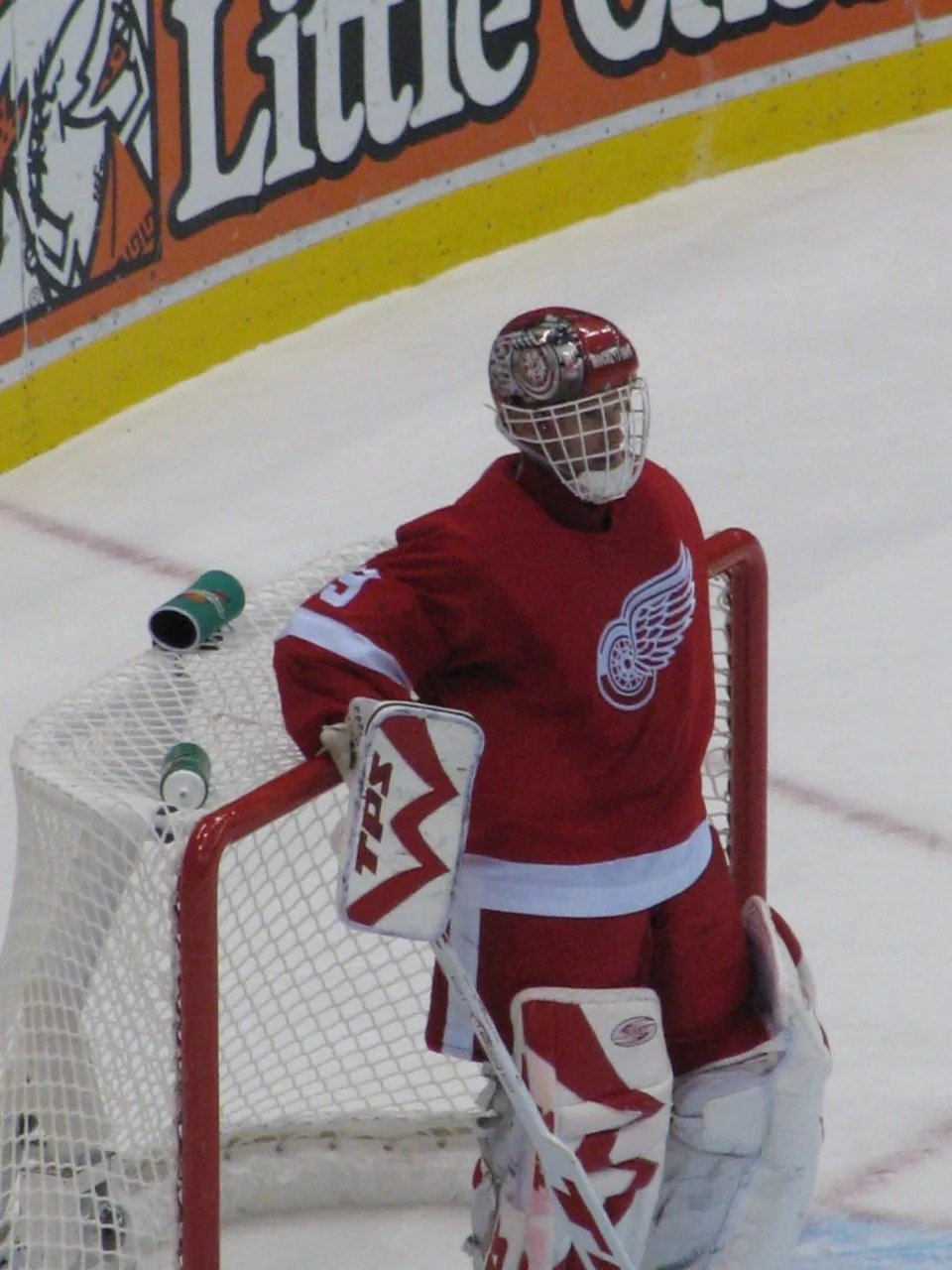
Dominik Hasek
Dominik Hasek — Czech goaltender ('The Dominator') who allowed only 6 goals in 6 games and stopped all 5 Canadian shootout shots at Nagano 1998.
When the Pros Came to the Olympics
Olympic hockey changed at Nagano 1998, the first Winter Games to pause the NHL regular season so the world's top professionals could compete. NHL players went on to appear at five consecutive Winter Olympics, from Nagano 1998 through Sochi 2014.
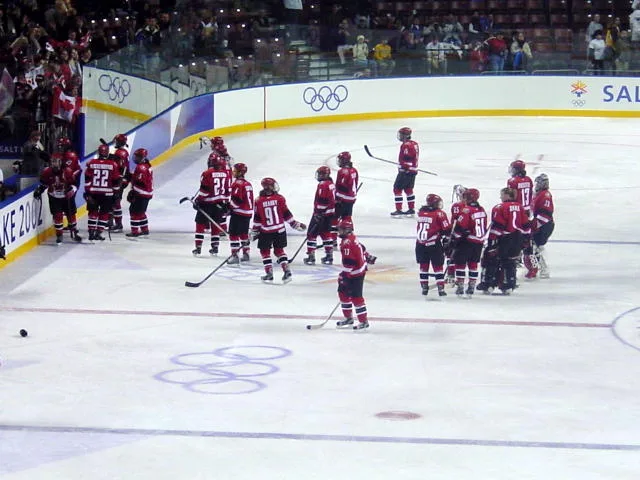
Canada's Women's Hockey Streak
Women's ice hockey debuted at Nagano 1998, where the United States won the inaugural gold. Canada's women answered emphatically, winning four consecutive Olympic gold medals in 2002, 2006, 2010, and 2014 before the USA finally ended their 16-year reign at PyeongChang 2018.
1998 US Women's Hockey Team
1998 US Women's Hockey Team — Won the inaugural Olympic women's ice hockey gold medal at Nagano, defeating Canada 3-1 in the final.
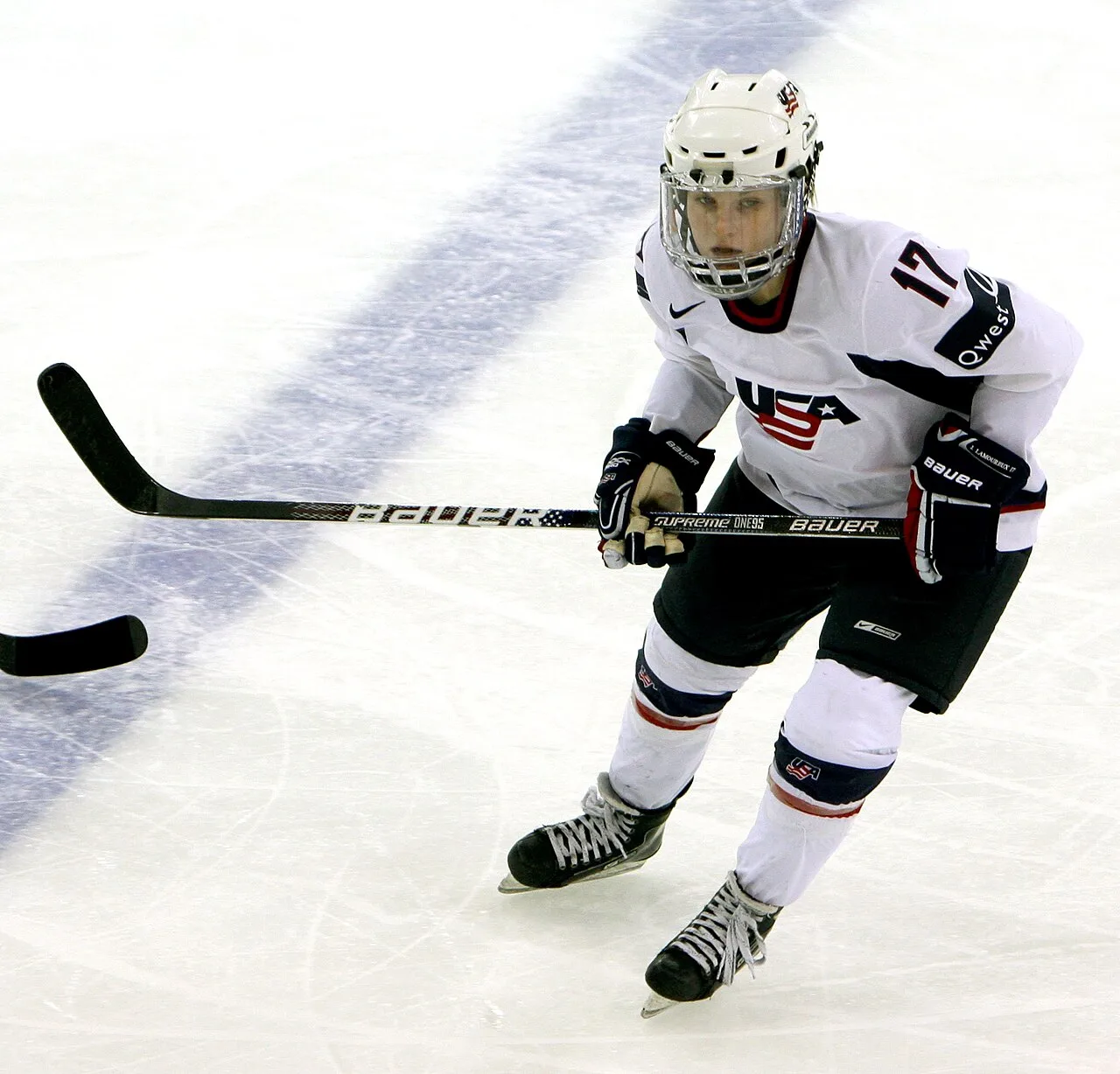
Jocelyne Lamoureux-Davidson
Jocelyne Lamoureux-Davidson — Scored the shootout winner in round 6 ('Oops I Did It Again') to win gold for the USA over Canada at PyeongChang 2018.

Teemu Selanne, Olympic Hockey's Top Scorer
Finland's Teemu Selanne, nicknamed 'The Finnish Flash,' is the all-time leading scorer in Olympic hockey history. Across six Olympic tournaments from 1992 to 2014, he racked up 43 career points — 24 goals and 19 assists.
By the numbers
- At how many minutes remaining in the third period did Mike Eruzione score the game-winning goal to make it 4-3?
- 10 minutes remaining
- How many saves on 39 Soviet shots did US goaltender Jim Craig make during the 1980 Miracle on Ice?
- 36 saves
- What was the average age in years of the 1980 US Men's Olympic Ice Hockey team?
- 21 years old
- How many Olympic gold medals did the Soviet Union ('Red Machine') win across nine appearances from 1956 to 1988?
- 7 gold medals
- Across how many consecutive Winter Olympics did active NHL players participate (1998–2014)?
- 5 Olympic Games
- How many consecutive Olympic gold medals did the Canadian Women's Ice Hockey team win from 2002 to 2014?
- 4 consecutive golds
- How many total career Olympic points did Finland's Teemu Selanne score to become the all-time scoring leader?
- 43 points
- How many shootout attempts did T.J. Oshie take in the USA's thrilling 8-round shootout win over Russia at Sochi 2014?
- 6 attempts
Matched pairs
Each item on the left goes with the one on the right.
- Herb Brooks
- Visionary head coach who molded college players into the 1980 gold medal-winning US Olympic hockey team
- Vladislav Tretiak
- Legendary Soviet goaltender pulled after the first period in 1980 with the score tied 2-2
- IIHF Centennial Ranking
- Voted the 1980 Miracle on Ice as the number-one international hockey story of the past 100 years
- Dominik Hasek
- Czech goaltender ('The Dominator') who allowed only 6 goals in 6 games and stopped all 5 Canadian shootout shots at Nagano 1998
- 1998 US Women's Hockey Team
- Won the inaugural Olympic women's ice hockey gold medal at Nagano, defeating Canada 3-1 in the final
- Jocelyne Lamoureux-Davidson
- Scored the shootout winner in round 6 ('Oops I Did It Again') to win gold for the USA over Canada at PyeongChang 2018
Self-test
Answer each question from memory, then check your work against the answer key.
1. What was the final score of the 1980 'Miracle on Ice' game between the USA and the Soviet Union?
- A3-2
- B4-2
- C4-3
- D10-3
2. With how many minutes remaining in the third period did Mike Eruzione score the go-ahead goal to make it 4-3?
- A15 minutes
- B10 minutes
- C2 minutes
- D5 minutes
3. How many saves did US goaltender Jim Craig make out of 39 Soviet shots in the Miracle on Ice?
- A36 saves
- B30 saves
- C25 saves
- D39 saves
4. Which Soviet goaltender was pulled after the first period of the Miracle on Ice, with the score tied 2-2?
- AVladimir Myshkin
- BRyan Miller
- CDominik Hasek
- DVladislav Tretiak
5. Which of these years was NOT one of the Soviet Union's four consecutive Olympic hockey gold-medal years leading up to the Miracle on Ice?
- A1976
- B1960
- C1968
- D1972
6. How many of the first seven Olympic hockey golds did Canada's men win, 1920-1952?
- AFive
- BSeven
- CSix
- DFour
7. How many Olympic golds did the Soviet Union's 'Red Machine' win across nine appearances from 1956 to 1988?
- A9 gold medals
- B6 gold medals
- C4 gold medals
- D7 gold medals
8. Who scored Canada's overtime 'Golden Goal' against the US in the Vancouver 2010 gold medal game?
- ASidney Crosby
- BRyan Miller
- CZach Parise
- DJarome Iginla
9. Which goaltender allowed only 6 goals in 6 games and stopped all 5 Canadian shootout attempts at Nagano 1998?
- ARyan Miller
- BJim Craig
- CDominik Hasek
- DVladislav Tretiak
10. Which nation ended Canada's four-Olympics women's hockey gold streak in a shootout at PyeongChang 2018?
- ASweden
- BFinland
- CRussia
- DUnited States
Go deeper
Answer key
- 1. C 4-3The US upset the four-time defending champion Soviets 4-3 in the medal round on February 22, 1980, at Lake Placid.
- 2. B 10 minutesWith exactly ten minutes left, captain Mike Eruzione beat backup goaltender Vladimir Myshkin to put the US ahead 4-3 for good.
- 3. A 36 savesJim Craig stopped 36 of 39 shots, including 12 crucial saves in the final period, to preserve the 4-3 upset.
- 4. D Vladislav TretiakCoach Viktor Tikhonov benched star goaltender Vladislav Tretiak for backup Vladimir Myshkin, a move he later called his career's biggest blunder.
- 5. B 1960The Soviets won gold in 1964, 1968, 1972, and 1976. In 1960 the US won gold instead -- the team Herb Brooks was famously the last player cut from.
- 6. C SixCanada's amateur clubs, including the Winnipeg Falcons and Toronto Granites, captured six of the first seven Olympic ice hockey gold medals, from 1920 through 1952.
- 7. D 7 gold medalsThe Soviet 'Red Machine' won 7 golds across 9 Olympic appearances, from Cortina d'Ampezzo 1956 through Calgary 1988.
- 8. A Sidney CrosbySidney Crosby buried a pass from Jarome Iginla at 7:40 of overtime to beat US goaltender Ryan Miller for the 'Golden Goal.'
- 9. C Dominik HasekCzech goaltender Dominik Hasek, 'The Dominator,' stoned Canada in a semifinal shootout, then backstopped a 1-0 win over Russia in the final to clinch gold at Nagano 1998.
- 10. D United StatesThe US ended Canada's 16-year reign via a penalty shootout, won in round 6 by Jocelyne Lamoureux-Davidson's 'Oops, I Did It Again' deke.
Sources
- Wikipedia: Miracle on Ice — en.wikipedia.org/wiki/Miracle_on_Ice
- Wikipedia: Herb Brooks — en.wikipedia.org/wiki/Herb_Brooks
- Wikipedia: Al Michaels — en.wikipedia.org/wiki/Al_Michaels
- Wikipedia: Vladislav Tretiak — en.wikipedia.org/wiki/Vladislav_Tretiak
- Wikipedia: Jim Craig (ice hockey) — en.wikipedia.org/wiki/Jim_Craig_(ice_hockey)
- USA Hockey: 1980 Miracle Roster — www.usahockey.com
- IIHF: Top 100 Stories — www.iihf.com
- Wikipedia: Ice hockey at the Olympic Games — en.wikipedia.org/wiki/Ice_hockey_at_the_Olympic_Games
- Wikipedia: Soviet Union men's national ice hockey team — en.wikipedia.org/wiki/Soviet_Union_men%27s_national_ice_hockey_team
- Wikipedia: Ice hockey at the 2010 Winter Olympics – Men's tournament — en.wikipedia.org/wiki/Ice_hockey_at_the_2010_Winter_Olympics_%E2%80%93_Men%27s_tournament
- Wikipedia: Dominik Hašek; Wikipedia: Dominik Ha%C5%A1ek — en.wikipedia.org/wiki/Dominik_Ha%C5%A1ek
- Wikipedia: Canada women's national ice hockey team — en.wikipedia.org/wiki/Canada_women%27s_national_ice_hockey_team
- Wikipedia: Ice hockey at the 1998 Winter Olympics – Women's tournament — en.wikipedia.org/wiki/Ice_hockey_at_the_1998_Winter_Olympics_%E2%80%93_Women%27s_tournament
- Wikipedia: Ice hockey at the 2018 Winter Olympics – Women's tournament — en.wikipedia.org/wiki/Ice_hockey_at_the_2018_Winter_Olympics_%E2%80%93_Women%27s_tournament
- Wikipedia: Teemu Selänne; Wikipedia: Teemu Sel%C3%A4nne — en.wikipedia.org/wiki/Teemu_Sel%C3%A4nne
- Wikipedia: T. J. Oshie — en.wikipedia.org/wiki/T._J._Oshie
Image credits
- 4-3: The Final Score of a Miracle: Dak1493 · CC BY-SA 4.0 — commons.wikimedia.org/wiki/File:Herb_Brooks_Arena_2019.jpg
- Herb Brooks: Wikimedia Commons · New York Rangers / NHL · Public domain — commons.wikimedia.org/wiki/File:Herb_Brooks_1983.JPG
- Mike Eruzione's Go-Ahead Goal: Wikimedia Commons · Unknown author · Public domain — commons.wikimedia.org/wiki/File:Mike_Eruzione_1984.jpg
- 'Do You Believe in Miracles?': Wikimedia Commons · Keith Allison from Hanover, MD, USA · CC BY-SA 2.0 — commons.wikimedia.org/wiki/File:Al_Michaels_(37443740985)_(cropped).jpg
- 10-3: The Score That Made the Upset Unthinkable: Wikimedia Commons · Ajay Suresh from New York, NY, USA · CC BY 2.0 — commons.wikimedia.org/wiki/File:Madison_Square_Garden_(MSG)_-_Full_(48124330357).jpg
- Vladislav Tretiak: Wikimedia Commons · Panini · Public domain — commons.wikimedia.org/wiki/File:Vladislav_Tretiak_Panini_1979.jpg
- Jim Craig's Stand in Goal: Wikimedia Commons · Boston Bruins · Public domain — commons.wikimedia.org/wiki/File:Jim_Craig.jpg
- A Team of College Kids: Wikimedia Commons · Henry Zbyszynski · CC BY 2.0 — commons.wikimedia.org/wiki/File:USA_-_Soviet_Union_1980_match.jpg
- The Pass Behind Canada's Golden Goal: Wikimedia Commons · Resolute · CC BY-SA 3.0 — commons.wikimedia.org/wiki/File:Jarome_Iginla._2008.JPG
- Dominik Hasek: Wikimedia Commons · flickr user All your picture are belong to us · CC BY 2.0 — commons.wikimedia.org/wiki/File:Dominik_Hasek.jpg
- Canada's Women's Hockey Streak: Uncleweed · CC BY-SA 2.0 — commons.wikimedia.org/wiki/File:Canadian_women%27s_ice_hockey_team_in_2002.jpg
- Jocelyne Lamoureux-Davidson: Sara Melikian · CC BY 2.0 — commons.wikimedia.org/wiki/File:17_Jocelyne_Lamoureux.jpg
- Teemu Selanne, Olympic Hockey's Top Scorer: Hockeybroad/Cheryl Adams · CC BY-SA 3.0 — commons.wikimedia.org/wiki/File:Teemu_Selanne_on_the_ice_November_2010.jpg


