
Winter Olympic Trivia: Frozen Glories, Miracle Ice & Alpine Royalty study guide · Lesson 3 of 4
Speed Skating Sweeps & Gravity Chutes
Speed Skating Dominance: Heiden, Blair & Clap Skates · Ice Chutes: Bobsled, Luge & Skeleton Thrills
This is the lesson's study guide from the FlashFeed app, plus its key facts and a self-test.
What you'll be able to do
- Recall historic multi-gold sweeps, equipment innovations, and medal records in speed skating.
- Differentiate sliding sport body positions, track parameters, and iconic underdog campaigns in bobsled and luge.
Speed Skating Dominance: Heiden, Blair & Clap Skates
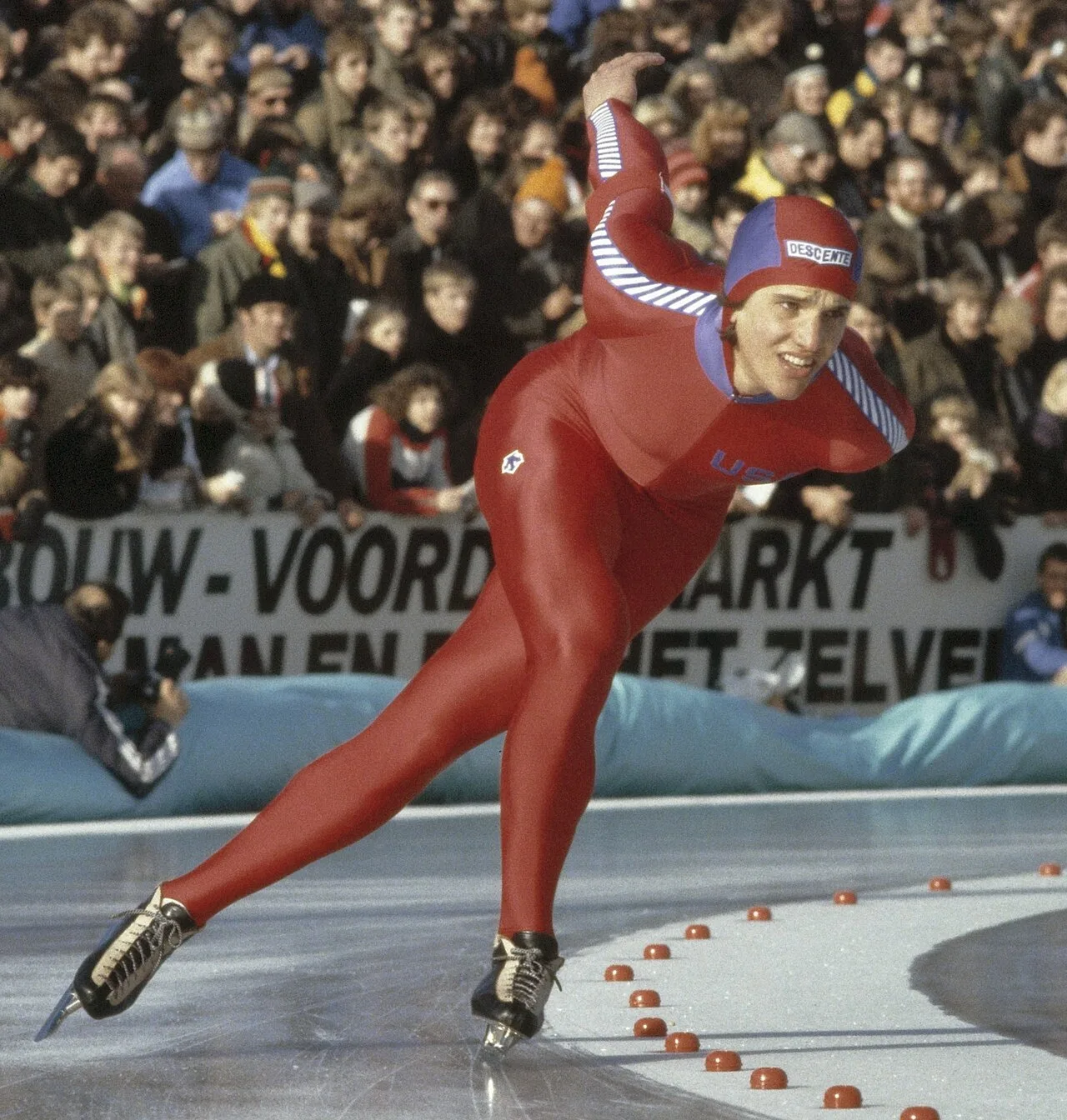
Long-track speed skating is one of the founding pillars of the Winter Olympic Games, pitting athletes against the clock and wind resistance over distances ranging from pure 500-meter sprints to grueling 10,000-meter marathons. At the 1980 Lake Placid Games, American speed skater Eric Heiden completed the most dominant individual performance in Winter Olympic history. Over eight days on an outdoor refrigerated oval, Heiden entered all five men's speed skating events—500m, 1000m, 1500m, 5000m, and 10,000m—and won the gold medal in all five, setting an Olympic record in every single event and shattering the 10,000m world record by six seconds. Heiden remains the only athlete in history to sweep all sprint and distance events at a single Olympics.
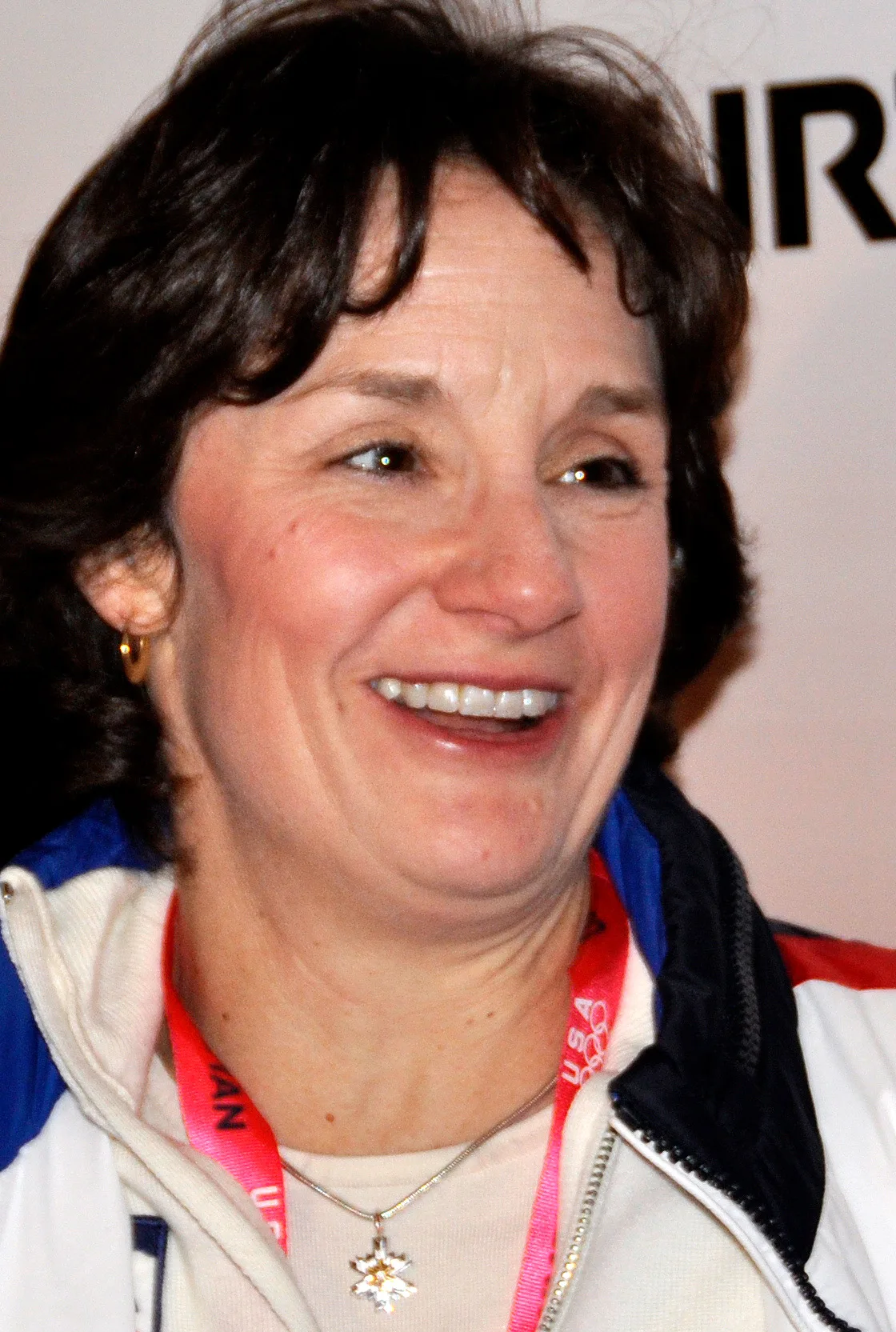
In women's speed skating, American Bonnie Blair established herself as one of the greatest sprint skaters in history. Competing across four Winter Games (1984, 1988, 1992, 1994), Blair captured five Olympic gold medals and one bronze, winning three consecutive gold medals in the 500 meters (1988, 1992, 1994)—the first American woman to win five Winter Olympic gold medals.
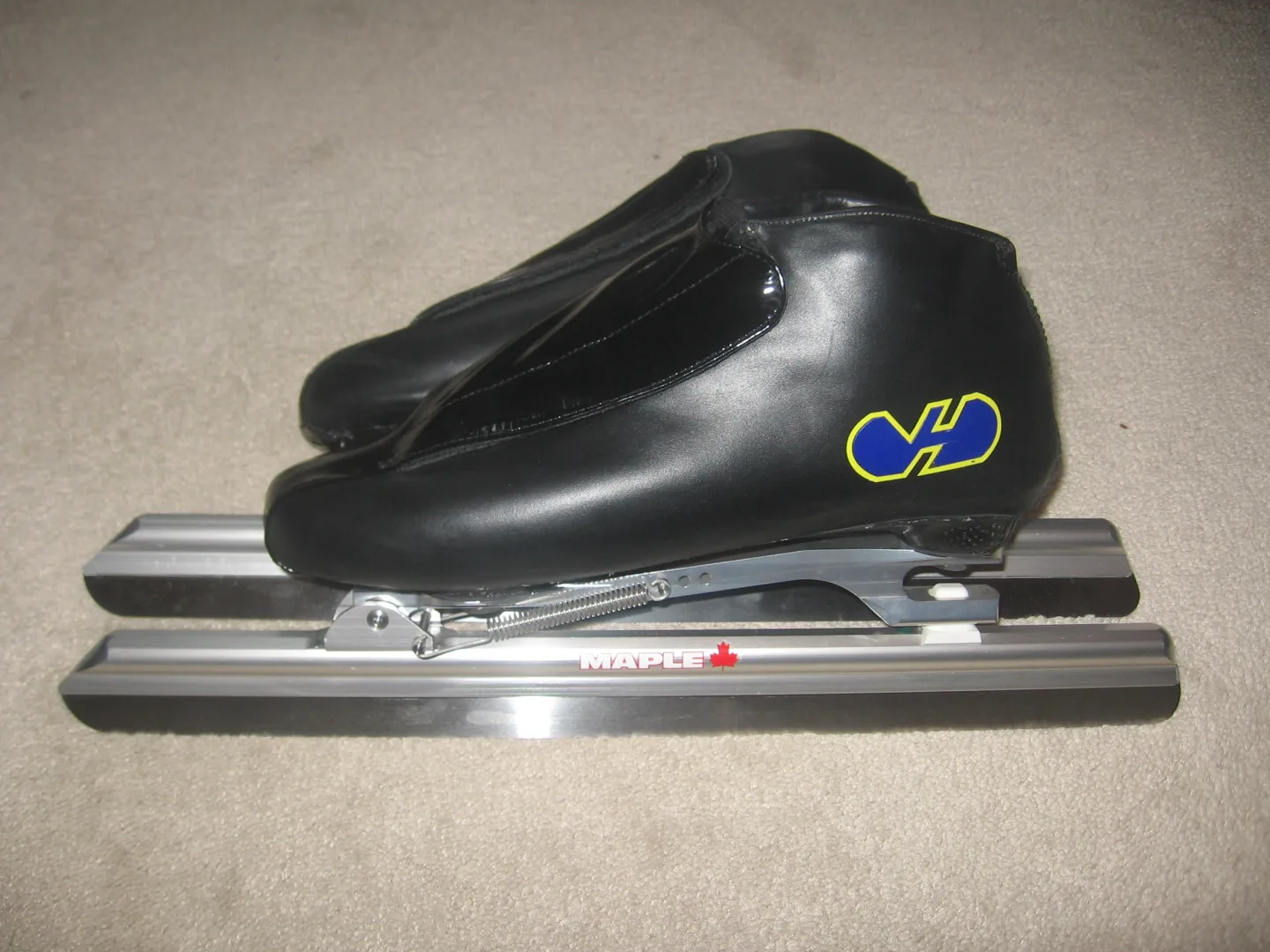
The sport underwent a technological revolution at Nagano 1998 with the universal adoption of clap skates (klapschaats). Developed in the Netherlands, clap skates feature a spring-loaded hinge at the toe that allows the blade to detach from the heel during the push-off stroke. This keeps the blade in contact with the ice longer, generating greater propulsion and causing world and Olympic records to fall across every distance.
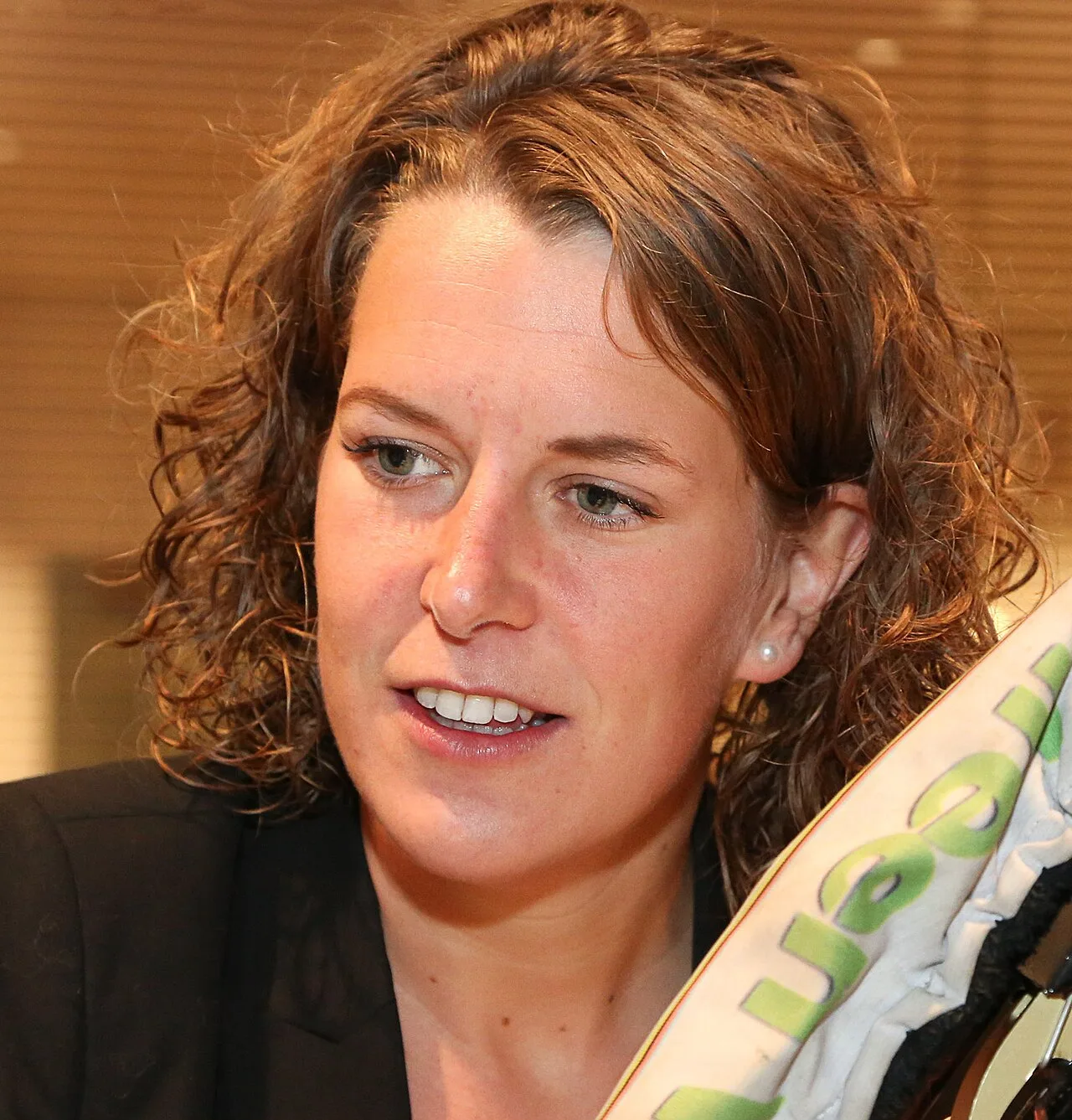
Dutch mastery of speed skating is unprecedented. The Netherlands has won more than 130 Olympic speed skating medals, including a staggering 23 out of 36 available medals at Sochi 2014. Dutch icon Ireen Wüst stands as the only athlete in Olympic history—Summer or Winter—to win individual gold medals at five consecutive Olympic Games (2006 Turin to 2022 Beijing), amassing 13 career medals.
In short track speed skating, introduced at Albertville 1992, American Apolo Anton Ohno captivated fans with his tactical prowess, winning eight Olympic medals (2 gold, 2 silver, 4 bronze) between 2002 and 2010. The sport's most famous moment occurred at Salt Lake City 2002, when Australia's Steven Bradbury won the 1000m gold medal after all four leading skaters tangled and crashed violently into the barriers on the final corner, allowing Bradbury to cruise across the line untouched.
Ice Chutes: Bobsled, Luge & Skeleton Thrills
Sliding sports represent the purest thrill of gravity at the Winter Games, hurtling athletes down custom refrigerated concrete tracks at speeds topping 90 mph (145 km/h) while pulling forces up to 5G in banked hairpin turns.
The three Olympic sliding disciplines differ fundamentally in equipment, body position, and steering:
- Bobsled: Two-man, two-woman, four-man, and single-pilot (monobob) crews pilot enclosed aerodynamic sleds with runners, steered using handheld interior pulley rings.
- Luge: Athletes slide feet-first lying on their backs, steering with minute calf presses against the front bow runners and subtle shoulder shifts.
- Skeleton: Competitors hurtle down the chute head-first lying face down on their stomachs, inches from the ice, steering solely through subtle shoulder and head shifts.
Olympic sliding lore reached pop-culture immortality at the 1988 Calgary Games with the debut of the Jamaican Bobsled Team. Founded by American businessmen who recruited sprinters from the Jamaican military, driver Dudley Stokes and his crew captured the world's imagination, inspiring the hit 1993 film Cool Runnings after crashing on their final four-man run and walking their sled across the finish line.
Germany has long reigned as the dominant superpower of the sliding chute, capturing more than 35 luge gold medals and sweeping all four sliding events at Beijing 2022. Luge virtuoso Felix Loch won three Olympic golds, becoming the youngest luge champion in history at age 20 at Vancouver 2010.
In American sliding history, driver Steven Holcomb piloted the famous matte-black sled 'The Night Train' to victory in the four-man bobsled at Vancouver 2010, ending a 62-year US Olympic gold medal drought in the event. Dual-citizen driver Kaillie Humphries achieved the rare feat of winning Olympic bobsled golds for two different countries—Canada (2010, 2014) and the United States (inaugural women's monobob at Beijing 2022).
Key facts
Eric Heiden's Unmatched Sweep
At the 1980 Lake Placid Games, American Eric Heiden turned in the most dominant individual performance in Winter Olympic history. He entered all five men's speed skating events — 500m, 1000m, 1500m, 5000m, and 10,000m — and won the gold medal in every single one, setting an Olympic record each time and shattering the 10,000m world record by six seconds. He remains the only athlete ever to sweep every sprint and distance event at a single Olympics, accomplishing the feat entirely on his own with no help from teammates.
Bonnie Blair's Sprint Supremacy
American Bonnie Blair was the dominant sprinter of women's speed skating across four Winter Games (1984-1994). She won three consecutive 500m gold medals in 1988, 1992, and 1994, part of a career total of five gold medals and one bronze — making her the first American woman to win five Winter Olympic gold medals.
How the Clap Skate Changed Speed Skating
Speed skating underwent a technological revolution at Nagano 1998 with the universal adoption of the clap skate (klapschaats), developed in the Netherlands. Unlike a rigid traditional skate, a clap skate has a spring-loaded hinge at the toe that lets the blade detach from the heel during the push-off stroke, keeping the blade in contact with the ice longer and generating greater propulsion — causing records to fall across every distance.
Ireen Wüst's Five-Games Streak
Dutch speed skater Ireen Wüst stands alone in Olympic history — Summer or Winter — as the only athlete to win an individual gold medal at five consecutive Olympic Games, from Turin 2006 through Beijing 2022. Across that span she amassed 13 career medals.
Steven Bradbury
Steven Bradbury — Australian short track skater who won 1000m gold in 2002 after all four opponents crashed on the final corner.

Apolo Ohno's Short Track Legacy
American Apolo Anton Ohno was the face of US short track speed skating for a decade. Competing between 2002 and 2010, he won eight Olympic medals — 2 gold, 2 silver, and 4 bronze — through tactical racing that captivated fans.
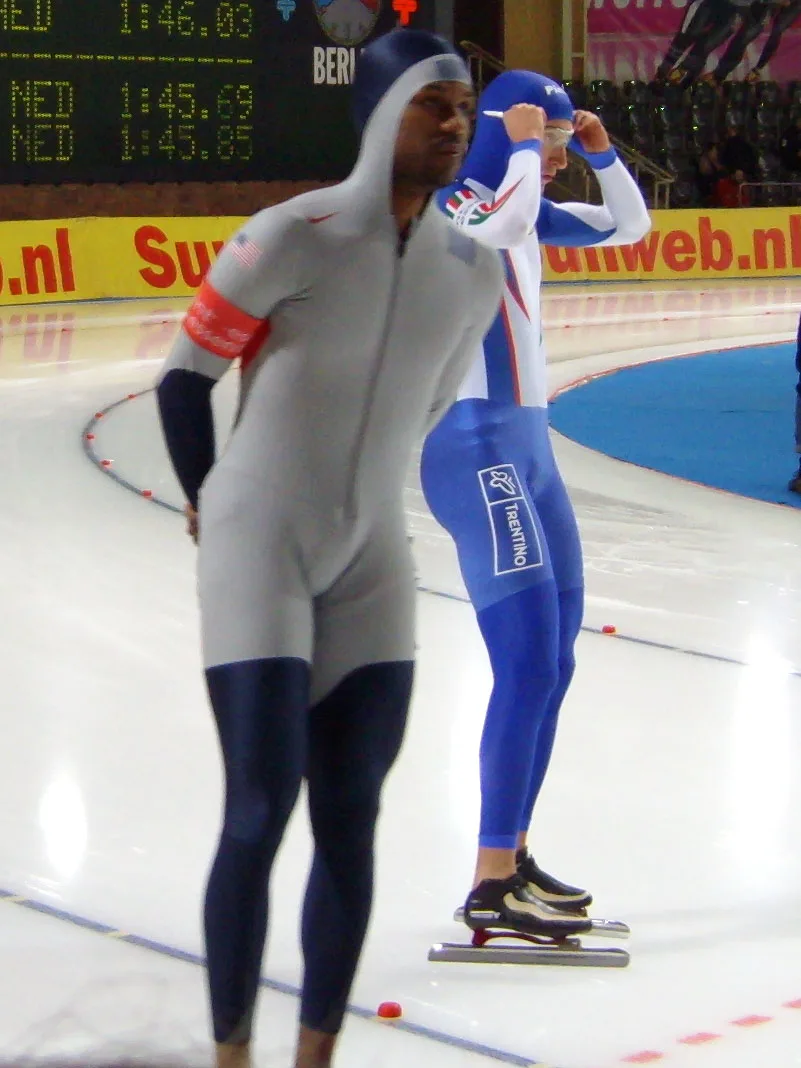
Shani Davis
Shani Davis — First Black athlete to win an individual Winter Olympic gold medal by winning the 1000m speed skate in 2006.
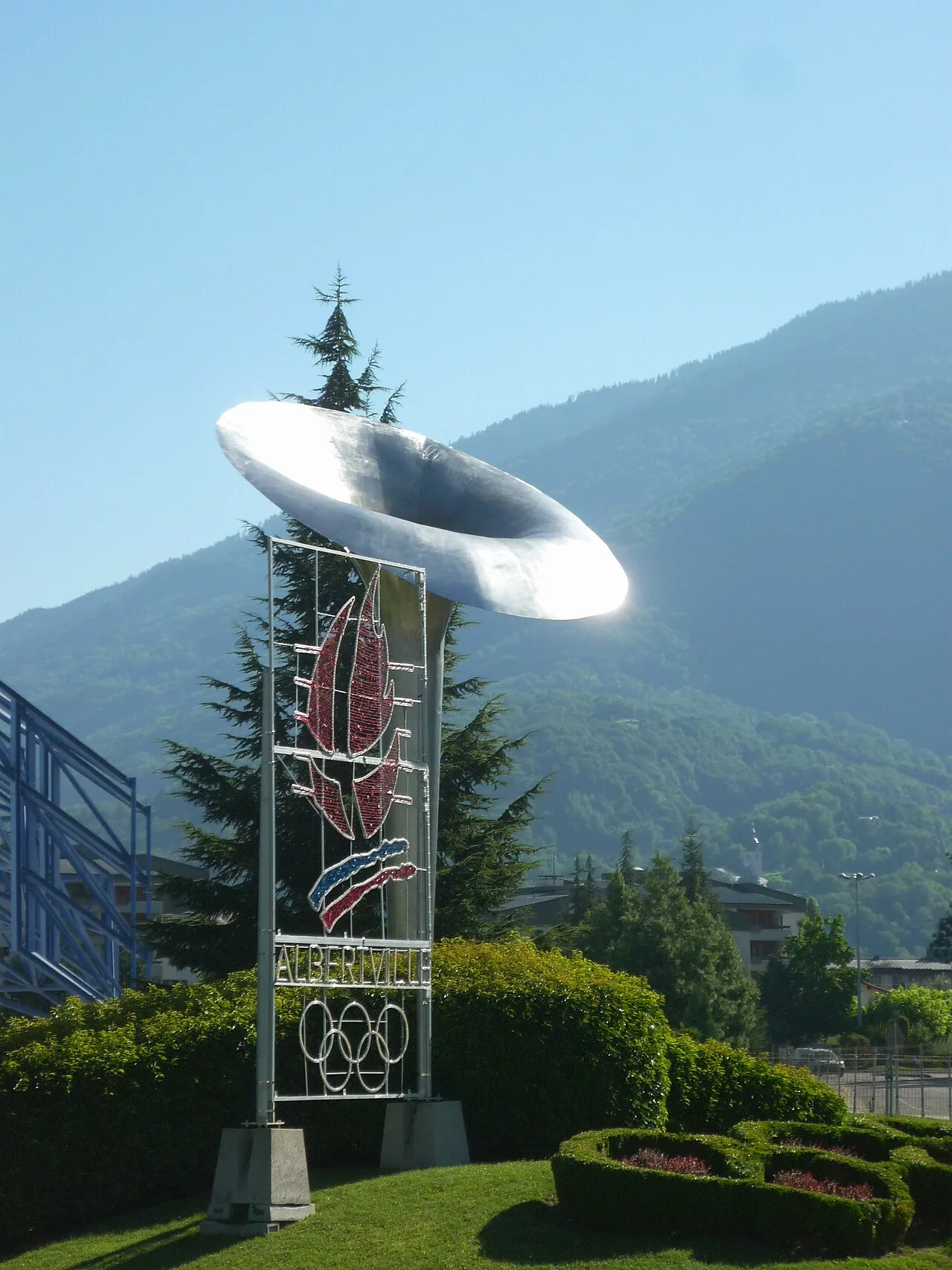
Short Track Joins the Program
Short track speed skating, the tactical, pack-style cousin of long-track racing, made its official Olympic medal debut at the 1992 Albertville Winter Games — the event that would later produce stars like Apolo Ohno and one of the sport's most famous moments, Steven Bradbury's improbable gold in 2002.
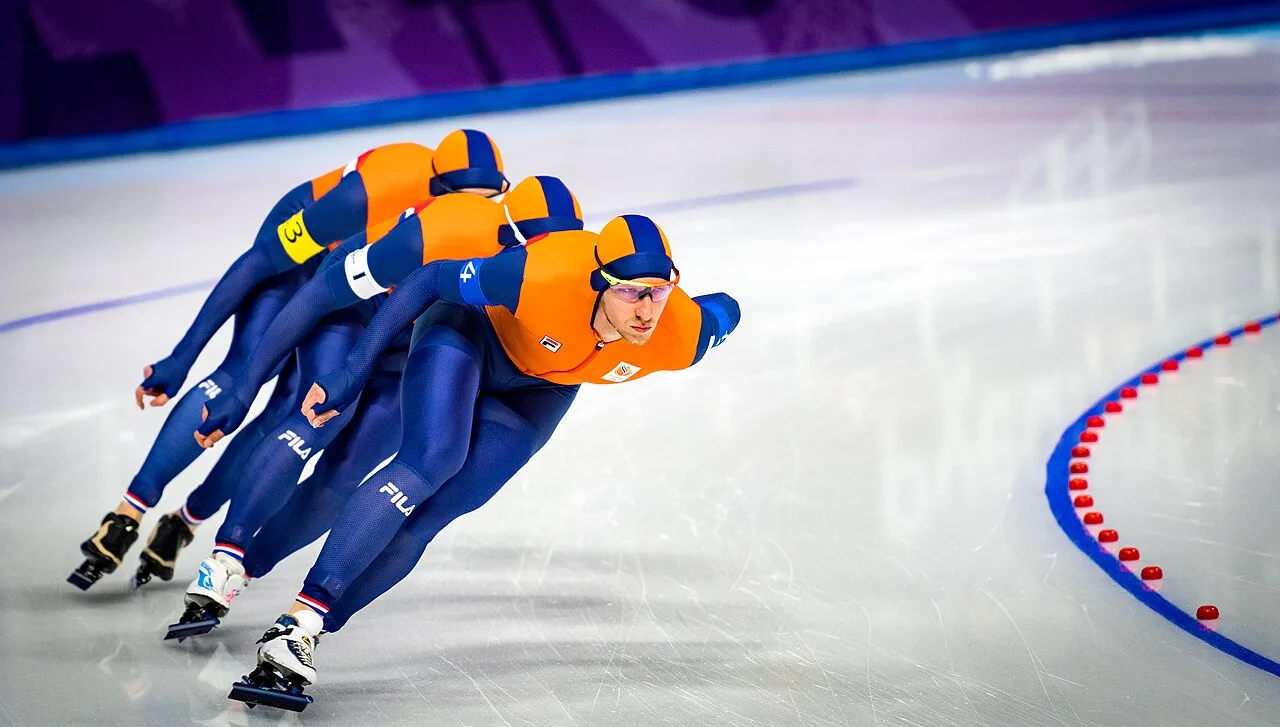
The Netherlands' Speed Skating Sweep
Dutch mastery of speed skating is unmatched. The Netherlands has won more than 130 Olympic speed skating medals overall, and at Sochi 2014 it took dominance to an extreme, winning 23 of the 36 available medals — including 8 golds — in the sport.
1988 Jamaican Bobsled Team
1988 Jamaican Bobsled Team — Caribbean underdogs whose Calgary Olympic debut inspired the 1993 Disney movie 'Cool Runnings'.
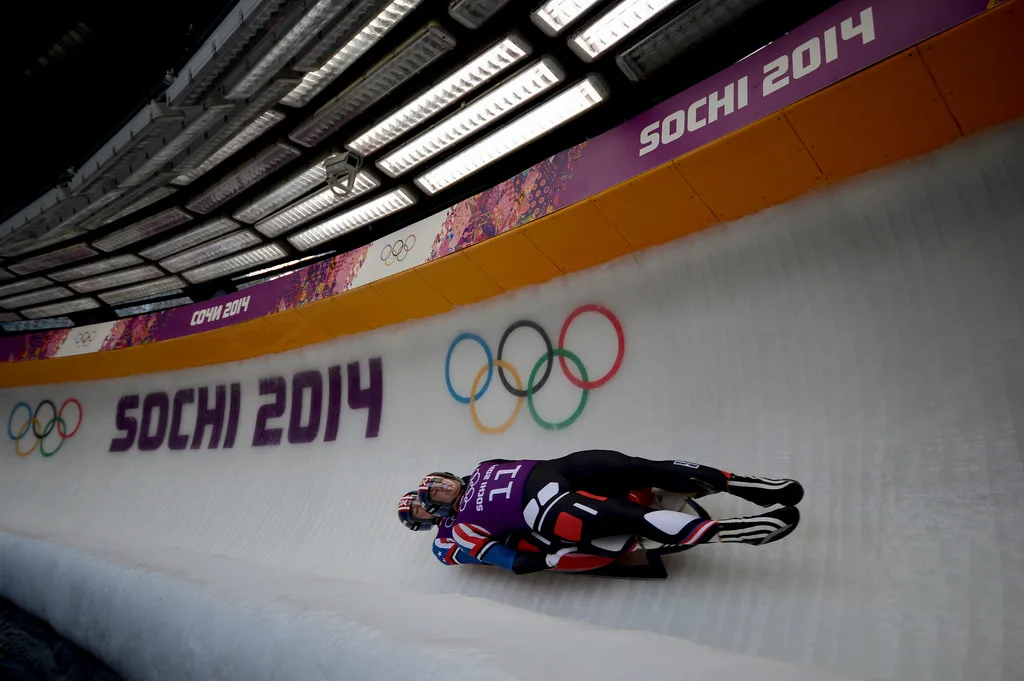
Luge and Skeleton: Same Track, Opposite Positions
Luge and skeleton race down the same kind of refrigerated ice chute, but the athletes' bodies face opposite directions. Luge sliders go feet-first, lying on their backs, steering with subtle calf pressure on the front bow runners. Skeleton competitors hurtle down the same kind of track head-first, lying face down on their stomachs, inches from the ice, steering only through small shoulder and head movements.
Germany's Luge Superpower Status
Germany has long been the dominant force in sliding sports, capturing more than 35 Olympic luge gold medals across its history and, at Beijing 2022, sweeping all four sliding events on the program.
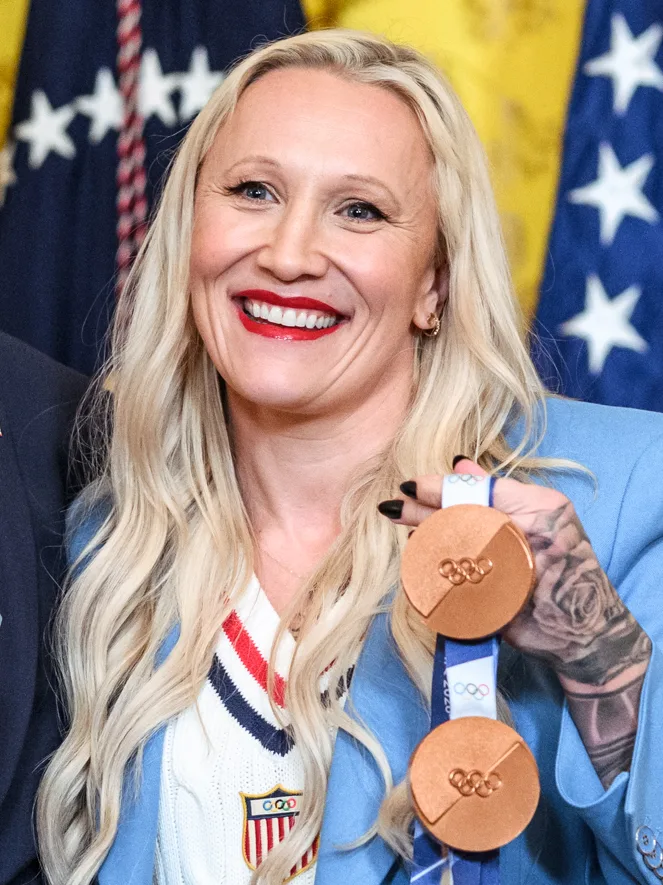
Kaillie Humphries
Kaillie Humphries — Won Olympic bobsled gold medals for two different countries: Canada (2010, 2014) and USA (Monobob 2022).
Monobob Joins the Bobsled Program
Bobsled added a new discipline at Beijing 2022: the Women's Monobob, a single-pilot event. American Kaillie Humphries won the inaugural gold medal in the event.
The Night Train
The Night Train — American four-man bobsled piloted by Steven Holcomb to 2010 gold, ending a 62-year US gold drought.
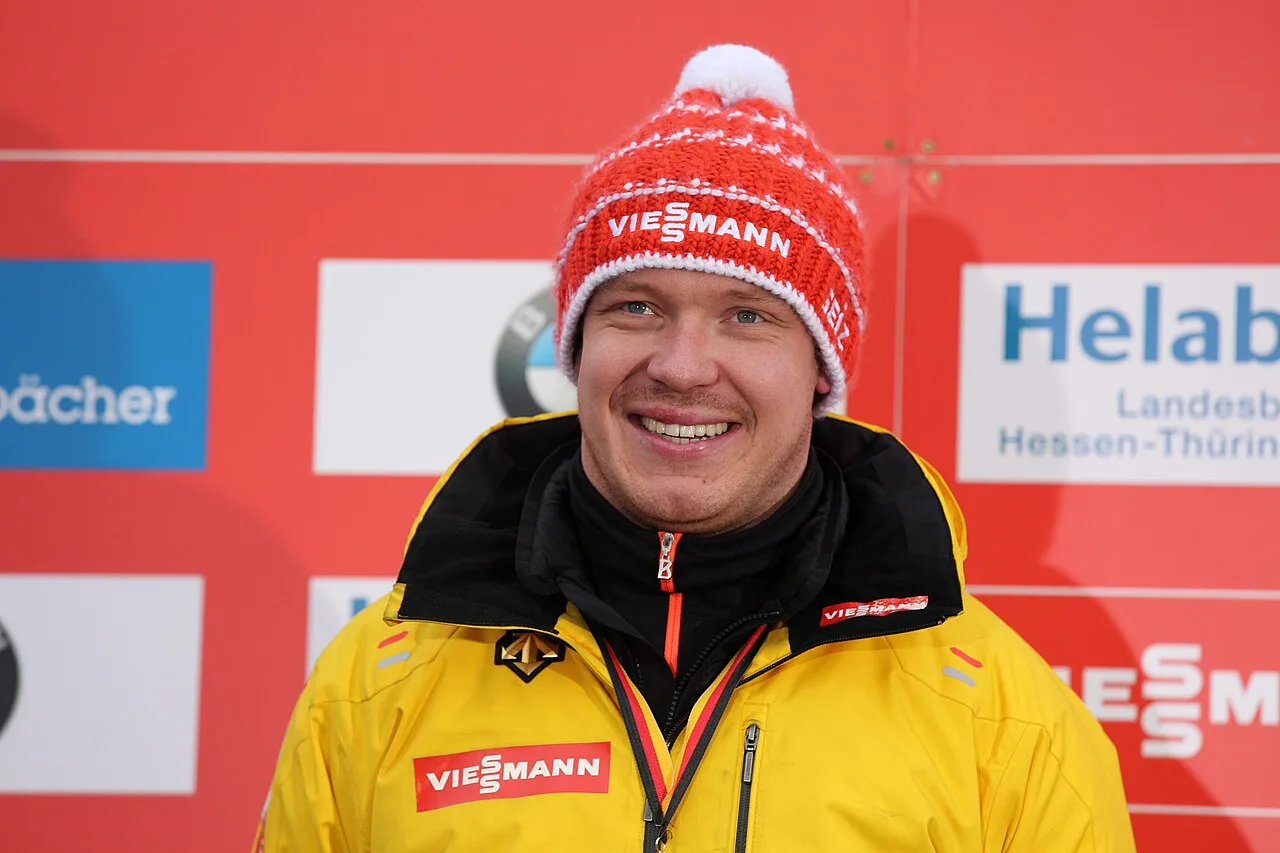
Felix Loch, Youngest Luge Champion
German luge virtuoso Felix Loch won three Olympic gold medals in his career, but his first, at Vancouver 2010, was the most historic: at just 20 years old, he became the youngest men's singles luge champion in Olympic history.
By the numbers
- How many gold medals did Eric Heiden win at Lake Placid 1980, sweeping all men's speed skating events?
- 5 gold medals
- Across how many consecutive Winter Olympics did Bonnie Blair win gold in the 500-meter speed skate?
- 3 consecutive Olympics
- Across how many consecutive Winter Olympics did Dutch speed skater Ireen Wüst win individual gold medals (2006–2022)?
- 5 consecutive Olympics
- How many total career Olympic medals did Apolo Anton Ohno win in short track speed skating?
- 8 medals
- How many of the 36 available speed skating medals did the Netherlands win at the 2014 Sochi Games?
- 23 medals
- Germany has won more than how many total Olympic luge gold medals in history?
- 35 gold medals
- How old in years was Germany's Felix Loch when he became the youngest Olympic luge gold medalist in 2010?
- 20 years old
- What is the typical minimum number of banked curves required in an Olympic competition sliding track?
- 14 banked curves
Matched pairs
Each item on the left goes with the one on the right.
- Steven Bradbury
- Australian short track skater who won 1000m gold in 2002 after all four opponents crashed on the final corner
- Shani Davis
- First Black athlete to win an individual Winter Olympic gold medal by winning the 1000m speed skate in 2006
- 1988 Jamaican Bobsled Team
- Caribbean underdogs whose Calgary Olympic debut inspired the 1993 Disney movie 'Cool Runnings'
- Kaillie Humphries
- Won Olympic bobsled gold medals for two different countries: Canada (2010, 2014) and USA (Monobob 2022)
- The Night Train
- American four-man bobsled piloted by Steven Holcomb to 2010 gold, ending a 62-year US gold drought
Self-test
Answer each question from memory, then check your work against the answer key.
1. How many gold medals did Eric Heiden win at the 1980 Lake Placid Olympics?
- A6 gold medals
- B4 gold medals
- C3 gold medals
- D5 gold medals
2. Bonnie Blair won gold in the 500m speed skate at how many consecutive Winter Olympics?
- A3 consecutive Olympics
- B5 consecutive Olympics
- C2 consecutive Olympics
- D4 consecutive Olympics
3. Which equipment innovation, adopted at the 1998 Nagano Games, uses a hinge to let the blade detach from the heel?
- ACeramic bearing insert
- BClap skate (klapschaats)
- CFixed-heel skate blade
- DFull-body aero skinsuit
4. Dutch speed skater Ireen Wust won individual gold at how many consecutive Olympic Games (2006-2022)?
- A4 consecutive Games
- B3 consecutive Games
- C5 consecutive Games
- D6 consecutive Games
5. At the 2014 Sochi Olympics, how many of the 36 total speed skating medals did the Netherlands sweep?
- A23 medals
- B28 medals
- C18 medals
- D15 medals
6. Which body position do luge athletes use while racing down the ice chute?
- AKneeling with elbows braced
- BFeet-first, lying on the back
- CHead-first, lying face down
- DSeated inside an enclosed sled
7. Germany has won more than how many total Olympic luge gold medals in history?
- A50 gold medals
- B15 gold medals
- C35 gold medals
- D20 gold medals
8. At Vancouver 2010, at what age did Germany's Felix Loch become the youngest Olympic luge champion?
- A25 years old
- B22 years old
- C18 years old
- D20 years old
9. Olympic sliding sports send athletes down the ice chute at speeds topping about how fast?
- A90 mph (145 km/h)
- B60 mph (95 km/h)
- C120 mph (195 km/h)
- D40 mph (65 km/h)
10. Whose improbable 1988 Calgary Olympic debut inspired the film Cool Runnings?
- AKaillie Humphries' team
- BGerman Luge Team
- CThe Night Train crew
- DJamaican Bobsled Team
Go deeper
Answer key
- 1. D 5 gold medalsHeiden swept all five men's speed skating events (500m-10,000m) at Lake Placid, an unmatched feat in Olympic history.
- 2. A 3 consecutive OlympicsBlair won three straight 500m golds in 1988, 1992, and 1994, part of her five-gold Olympic career.
- 3. B Clap skate (klapschaats)The Dutch-developed clap skate keeps the blade on the ice longer during push-off, causing records to fall across every distance.
- 4. C 5 consecutive GamesWust is the only Olympian, Summer or Winter, to win individual gold at five straight Games, from Turin 2006 to Beijing 2022.
- 5. A 23 medalsThe Dutch dominance peaked at Sochi 2014, where they won 23 of the 36 speed skating medals available, part of a career total exceeding 130 Olympic speed skating medals.
- 6. B Feet-first, lying on the backLuge sliders go feet-first on their backs, steering with calf pressure; skeleton racers go head-first face down instead.
- 7. C 35 gold medalsGermany's more than 35 luge golds make it the sport's dominant superpower, including a clean sweep of sliding events at Beijing 2022.
- 8. D 20 years oldLoch won his first of three Olympic luge golds at just 20, the youngest men's singles champion in Olympic history.
- 9. A 90 mph (145 km/h)Bobsled, luge, and skeleton competitors can top 90 mph (145 km/h) while pulling forces up to 5G in banked turns.
- 10. D Jamaican Bobsled TeamThe Jamaican Bobsled Team's Calgary 1988 debut, and their crash on the final run, inspired the 1993 film Cool Runnings.
Sources
- Wikipedia: Eric Heiden — en.wikipedia.org/wiki/Eric_Heiden
- Wikipedia: Speed skating at the 1980 Winter Olympics — en.wikipedia.org/wiki/Speed_skating_at_the_1980_Winter_Olympics
- Wikipedia: Bonnie Blair — en.wikipedia.org/wiki/Bonnie_Blair
- Wikipedia: Clap skate — en.wikipedia.org/wiki/Clap_skate
- Wikipedia: Ireen Wüst; Wikipedia: Ireen W%C3%BCst — en.wikipedia.org/wiki/Ireen_W%C3%BCst
- Wikipedia: Steven Bradbury — en.wikipedia.org/wiki/Steven_Bradbury
- Wikipedia: Apolo Ohno — en.wikipedia.org/wiki/Apolo_Ohno
- Wikipedia: Shani Davis — en.wikipedia.org/wiki/Shani_Davis
- Wikipedia: Short-track speed skating at the Winter Olympics — en.wikipedia.org/wiki/Short-track_speed_skating_at_the_Winter_Olympics
- Wikipedia: Speed skating at the 2014 Winter Olympics — en.wikipedia.org/wiki/Speed_skating_at_the_2014_Winter_Olympics
- Wikipedia: Jamaica national bobsleigh team — en.wikipedia.org/wiki/Jamaica_national_bobsleigh_team
- Wikipedia: Luge — en.wikipedia.org/wiki/Luge
- Wikipedia: Skeleton (sport) — en.wikipedia.org/wiki/Skeleton_(sport)
- Wikipedia: Luge at the Winter Olympics — en.wikipedia.org/wiki/Luge_at_the_Winter_Olympics
- Wikipedia: Kaillie Humphries — en.wikipedia.org/wiki/Kaillie_Humphries
- Wikipedia: Bobsleigh at the 2022 Winter Olympics – Women's monobob — en.wikipedia.org/wiki/Bobsleigh_at_the_2022_Winter_Olympics_%E2%80%93_Women%27s_monobob
- Wikipedia: Steven Holcomb — en.wikipedia.org/wiki/Steven_Holcomb
- Wikipedia: Felix Loch — en.wikipedia.org/wiki/Felix_Loch
- Wikipedia: Skeleton at the Winter Olympics — en.wikipedia.org/wiki/Skeleton_at_the_Winter_Olympics
- IBSF: Track Standards — www.ibsf.org
Image credits
- Eric Heiden's Unmatched Sweep: Anefo / Croes, R.C. · CC0 — commons.wikimedia.org/wiki/File:Eric_Heiden_1980c.jpg
- Bonnie Blair's Sprint Supremacy: Wikimedia Commons · VancityAllie.com · CC BY 2.0 — commons.wikimedia.org/wiki/File:Bonnie_Blair_(cropped).jpg
- How the Clap Skate Changed Speed Skating: Wikimedia Commons · Ardo191 at English Wikipedia · Public domain — commons.wikimedia.org/wiki/File:Maple_Klap_Skates_VH_Boot.jpg
- Ireen Wüst's Five-Games Streak: Jladage · CC BY-SA 3.0 — commons.wikimedia.org/wiki/File:Ireen_W%C3%BCst_(NED)_2013.jpg
- Apolo Ohno's Short Track Legacy: Wikimedia Commons · OlympicHistorian · CC BY 4.0 — commons.wikimedia.org/wiki/File:Apolo_Anton_Ohno_headshot.jpg
- Shani Davis: Wikimedia Commons · Sk@te · CC BY-SA 3.0 — commons.wikimedia.org/wiki/File:Shani_Davis_2008-11-08.jpg
- Short Track Joins the Program: Rémih · CC BY-SA 3.0 — commons.wikimedia.org/wiki/File:1992_Winter_Olympics_Albertville_olympic_cauldron.JPG
- The Netherlands' Speed Skating Sweep: Andrew Schutzman from New York, USA · CC BY-SA 2.0 — commons.wikimedia.org/wiki/File:PyeongChang_2018_5153_(26667326758).jpg
- Luge and Skeleton: Same Track, Opposite Positions: Wikimedia Commons · The U.S. Army · CC BY 2.0 — commons.wikimedia.org/wiki/File:Mortensen_and_Griffall.jpg
- Kaillie Humphries: Wikimedia Commons · The White House · Public domain — commons.wikimedia.org/wiki/File:2026_Kaillie_Humphries_(cropped).jpg
- Felix Loch, Youngest Luge Champion: Sandro Halank, Wikimedia Commons · CC BY-SA 3.0 — commons.wikimedia.org/wiki/File:2017-02-04_Felix_Loch_by_Sandro_Halank%E2%80%936.jpg


