
World History: Turning Points of Human Civilization study guide · Lesson 2 of 13
The Axial Age and Philosophical Transformations
Sinitic and Indic Thought: Confucianism, Daoism, and Buddhism · Mediterranean Rationalism, Persian Monotheism, and Democratic Institutions
This is the lesson's study guide from the FlashFeed app, plus its key facts and a self-test.
What you'll be able to do
- Describe how Confucian, Daoist, Buddhist and Upanishadic thought answered social chaos and human suffering, and how Ashoka applied Buddhist ethics to rule.
- Contrast Classical Athenian direct democracy and philosophical rationalism with Achaemenid imperial administration and Zoroastrianism.
Philosopher Karl Jaspers argued that between 800 BCE and 200 BCE, independent philosophical breakthroughs occurred across Eurasia, in China, India, Persia, and the Eastern Mediterranean. He named this era the Axial Age; in his account, thinkers shifted from transactional sacrificial ritual toward universal ethical principles, introspective metaphysics, and rational civic inquiry.
Sinitic and Indic Thought: Confucianism, Daoism, and Buddhism
In China, the political collapse of the Western Zhou dynasty ushered in the tumultuous Spring and Autumn Period and Warring States Period. In response to pervasive warfare, Confucius (Kong Fuzi) articulated an ethical framework centered on Ren (benevolence or humaneness) and Li (ritual propriety). Confucius argued that societal harmony is maintained when rulers lead by moral example and individuals cultivate filial piety (xiao) within structured family relationships. Conversely, the Dao De Jing, traditionally attributed to Laozi, championed Daoism, advocating alignment with the cosmic Dao (the Way) through Wu Wei (effortless action or non-striving) and the balance of complementary Yin and Yang energies.
Concurrently in the Indo-Gangetic Plain, urbanization and political consolidation challenged Vedic sacrificial orthodoxy. The Upanishads shifted religious focus toward metaphysical monism—identifying the individual self (Atman) with ultimate cosmic reality (Brahman), bound by cyclical rebirth (Samsara) and moral cause-and-effect (Karma). From this renunciant milieu emerged Siddhartha Gautama, the Buddha, who proclaimed the Four Noble Truths: life is characterized by suffering (Dukkha), caused by craving (Tanha), which can be extinguished (Nirvana) by walking the Noble Eightfold Path. Monastic communities (Sangha) welcomed followers irrespective of Vedic caste hierarchies. In the 3rd century BCE, Mauryan Emperor Ashoka the Great embraced Buddhist ethical statecraft following the bloody Kalinga War (probably 261 BCE), inscribing the Edicts of Ashoka on rock faces and polished sandstone pillars across the subcontinent to promote non-violence (ahimsa), religious tolerance, and public welfare.
Mediterranean Rationalism, Persian Monotheism, and Democratic Institutions
In the Aegean basin, the Greek city-state (Polis) fostered participatory governance and natural philosophy. In Athens, democratic reforms initiated by Cleisthenes in 508 BCE and expanded under Pericles established Isonomia (equality before the law) and direct popular assembly voting (ekklesia). Greek philosophers revolutionized epistemology: Socrates pioneered dialectical cross-examination (the Socratic Method); Plato posited the Theory of Forms in The Republic; and Aristotle formulated formal deductive logic, empirical biological classification, and virtue ethics. In 399 BCE an Athenian court tried Socrates on two charges, impiety (asebeia) and corrupting the youth, and sentenced him to death. Civic pride and religious devotion culminated in monumental Classical architecture, epitomized by the Parthenon on the Athenian Acropolis.
To the east, the Achaemenid Persian Empire synthesized vast multicultural territories under innovative administrative mechanisms. Founded by Cyrus the Great, who took Babylon in 539 BCE and whose Cyrus Cylinder declared the restoration of Mesopotamian temples and the repatriation of exiled populations -- a tolerance tradition later associated (via the Book of Ezra) with the Babylonian Jewish exile, though the cylinder's own text names only Mesopotamian sanctuaries -- the Persian state relied on provincial governors (Satraps) overseen by royal inspectors ("the King's Eyes and Ears"). An extensive Royal Road, roughly 2,500 kilometers long, connected Sardis to Susa, facilitated by imperial courier relay stations. Spiritually, the prophet Zoroaster (Zarathustra), whose dates are disputed, propagated Zoroastrianism, a cosmic dualism pitting the benevolent creator god Ahura Mazda against the destructive spirit Angra Mainyu, institutionalizing the theological concepts of ethical free will, final judgment, and apocalyptic cosmic renewal.
Key terms
- Axial Age
- The pivotal historical era from roughly 800 to 200 BCE during which foundational philosophical and spiritual traditions emerged simultaneously in China, India, Persia, and Greece.
- Isonomia
- The ancient Greek concept of fundamental political equality, specifically denoting equal legal and political rights for all citizens within a polis.
Key concepts
Ren (Benevolence)
- Core Confucian virtue denoting humaneness, empathy, and moral benevolence
- Cultivated through respectful observance of family relationships and social duties
- Considered the indispensable quality of a noble ruler or moral gentleman (junzi)
Wu Wei
- Central Daoist principle translated as 'effortless action' or 'natural non-striving'
- Advocates aligning with the spontaneous flow of nature rather than imposing artificial force
- Applied to governance as minimal political interference to let society self-regulate
Four Noble Truths
- Foundational Buddhist teaching delivered in the first sermon at Deer Park in Sarnath
- Diagnoses the universal presence of suffering, its arising from craving, its cessation, and the Eightfold Path
- Forms the practical medical and spiritual framework for attaining enlightenment
Edicts of Ashoka
- Over thirty public inscriptions carved onto rock cliffs and monolithic sandstone pillars
- Distributed across modern India, Pakistan, Nepal, and Afghanistan in Prakrit, Greek, and Aramaic
- Promoted public welfare, medical care and medicinal herbs for humans and animals, judicial mercy, and non-violence
Cyrus Cylinder
- Baked clay cylinder inscribed in Babylonian cuneiform discovered in 1879
- Issued by Cyrus the Great of Persia following his peaceful conquest of Babylon in 539 BCE
- Recorded the restoration of Mesopotamian sanctuaries and the return of displaced peoples to their settlements
Socratic Method
- Form of cooperative argumentative dialogue based on asking and answering questions
- Designed to stimulate critical thinking and expose underlying contradictions in beliefs
- Pioneered by Socrates in 5th-century BCE Athens to examine concepts like justice and virtue
Persepolis
- Ceremonial capital of the Achaemenid Persian Empire founded by Darius the Great
- Featured the monumental Apadana palace with grand relief staircases depicting tributary nations
- Burned by Alexander the Great in 330 BCE during the conquest of Persia
Zoroastrian Cosmic Dualism
- Theological framework pitting Ahura Mazda (truth/light) against Angra Mainyu (falsehood/darkness)
- Stresses human ethical agency (Good Thoughts, Good Words, Good Deeds)
- Introduced concepts of individual judgment, heaven, hell, and final cosmic renovation
Key facts
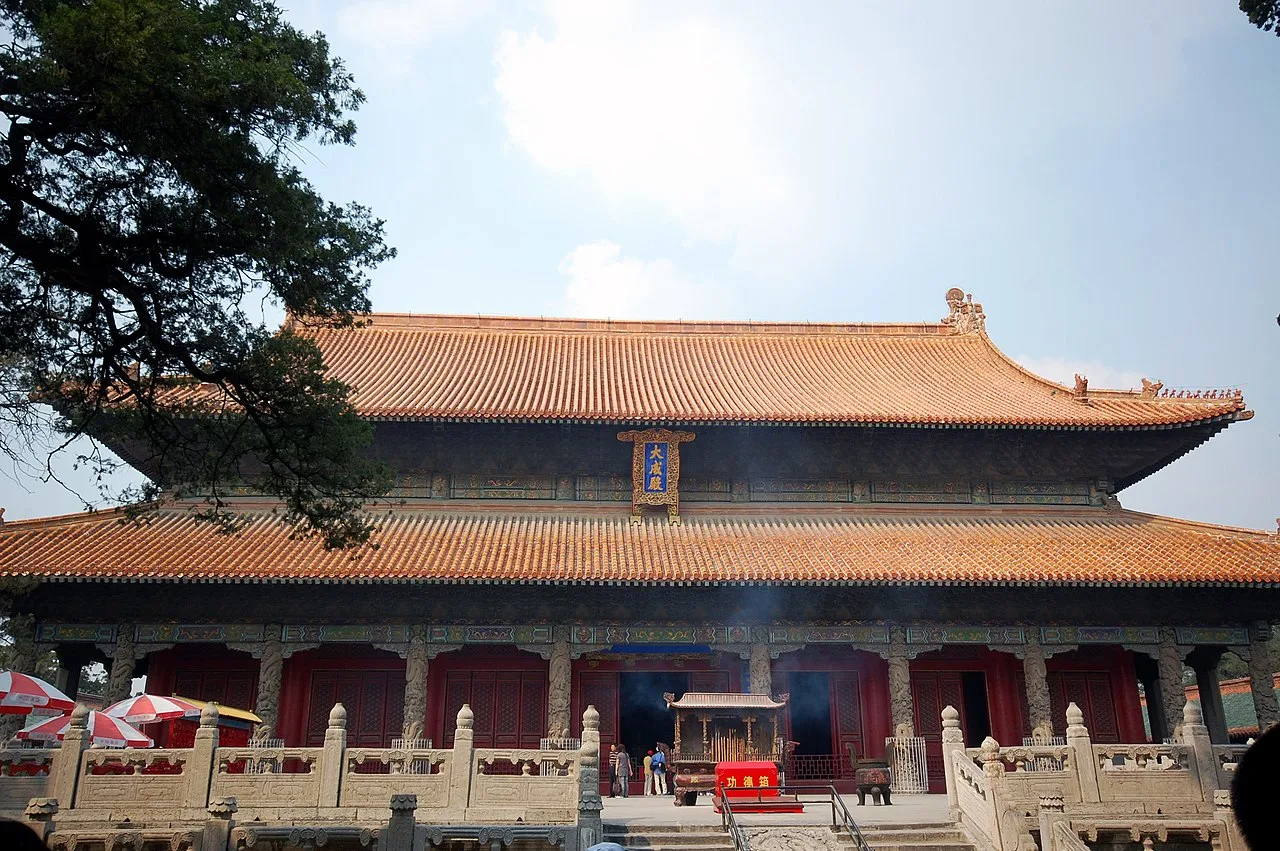
Confucian Moral Governance and Filial Propriety
Confucius taught that social harmony is achieved through moral self-cultivation, ritual propriety (li), and a ruler's own cultivation of ren (benevolence, humaneness) rather than coercive legal punishments.
Daoist Non-Striving and Cosmic Alignment
Daoism posits that harmonious living requires alignment with the cosmic Dao through effortless non-contrivance (wu wei) and yielding natural flexibility.
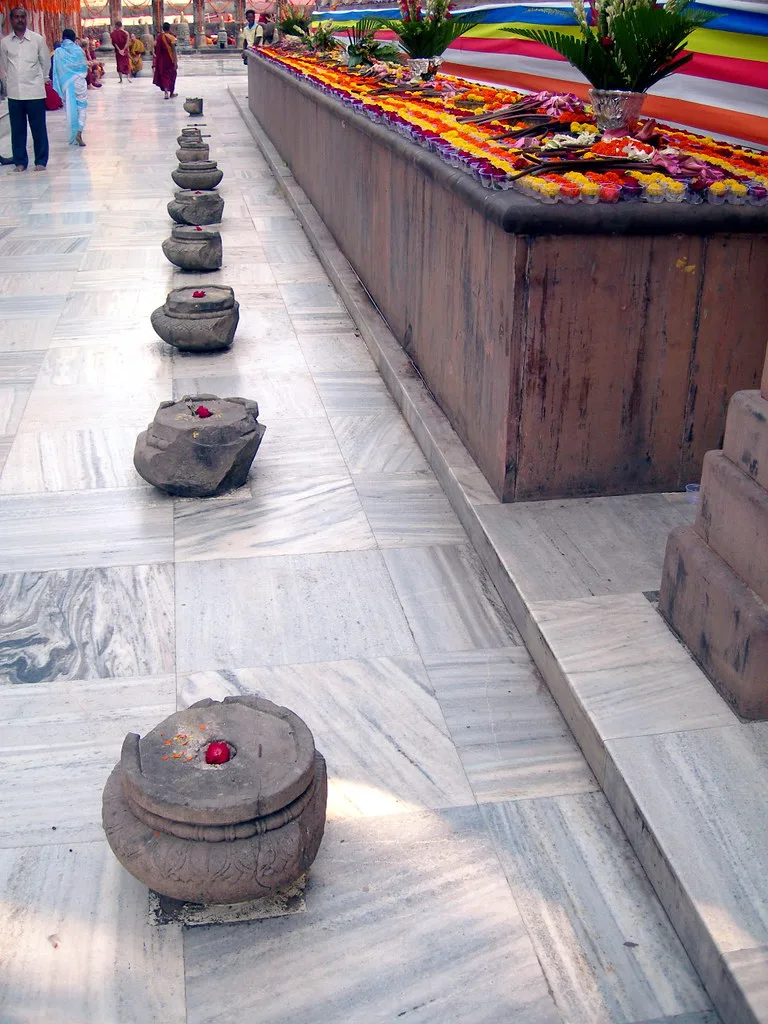
The Buddhist Diagnostic of Craving and Nirvana
Siddhartha Gautama articulated the Four Noble Truths, identifying craving (tanha) as the root of existential suffering (dukkha) and prescribing the Eightfold Path to attain Nirvana.
Ashoka's Epigraphic Moral Governance Across India
Following the Kalinga War, Emperor Ashoka inscribed moral edicts on rock faces and sandstone pillars throughout the Indian subcontinent, advocating non-violence (ahimsa) and religious tolerance.
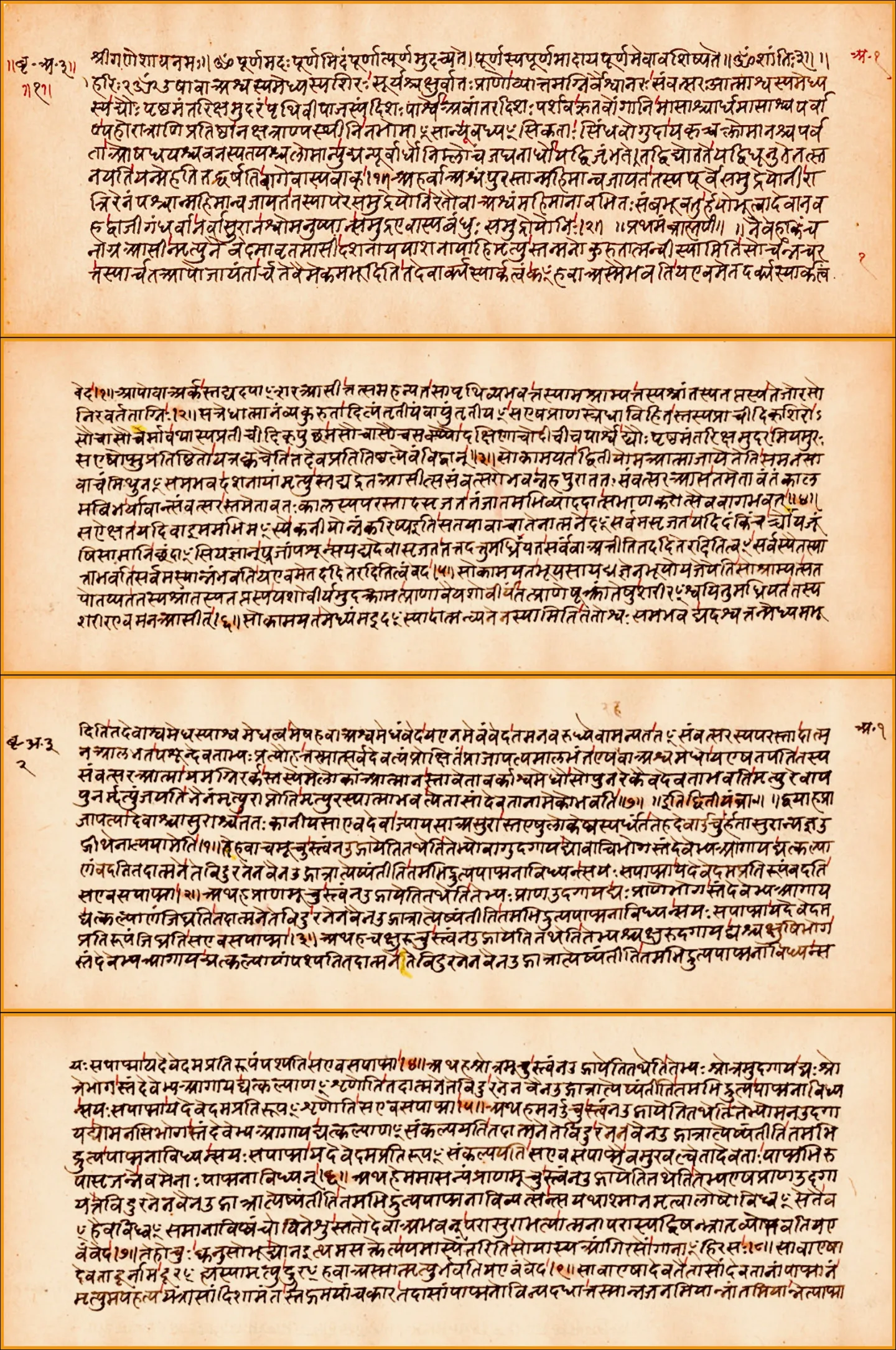
Upanishadic Metaphysical Non-Dualism
The Upanishads shifted Indian thought toward the realization that the inner individual self (Atman) is fundamentally identical with ultimate cosmic reality (Brahman).
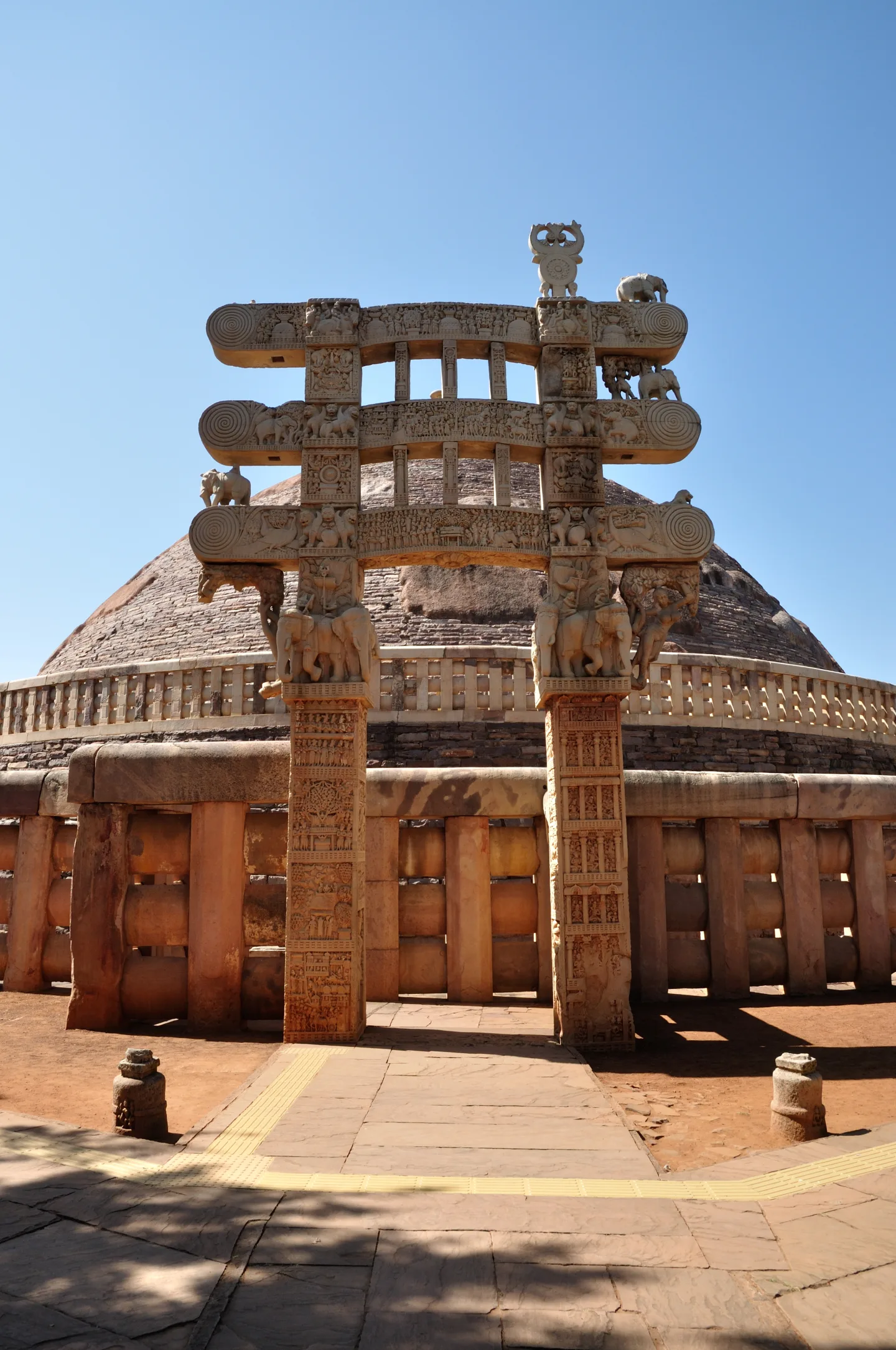
The Egalitarian Organization of the Buddhist Sangha
The Buddhist monastic Sangha welcomed men and women across all social strata, consciously bypassing the hereditary ritual caste divisions of the Vedic social order.
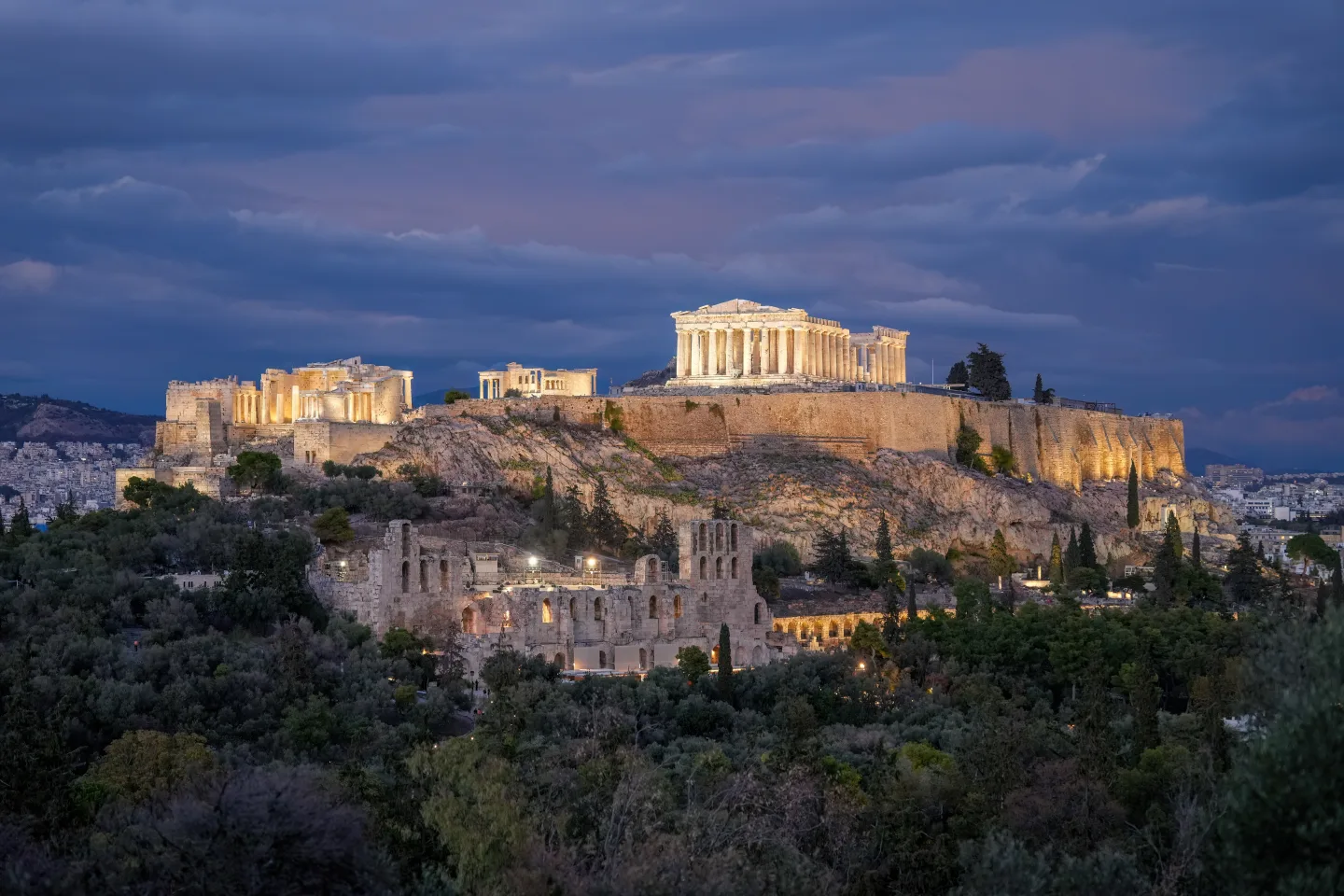
Democratic Assembly Governance in Classical Athens
Athenian democracy enabled direct civic participation through the citizen assembly (Ekklesia) and the selection of public magistrates by sortition (lottery).
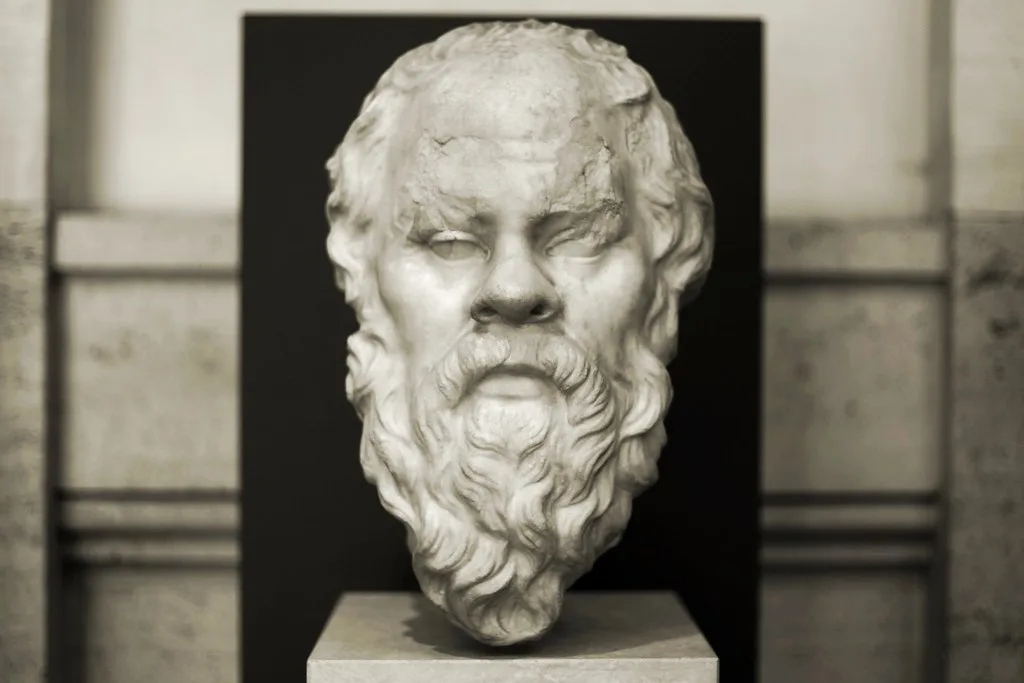
Socratic Dialectic and Epistemological Inquiry
Socrates revolutionized Mediterranean philosophy by using disciplined questioning (the Socratic Method) to interrogate moral assumptions and unmask unexamined dogma.
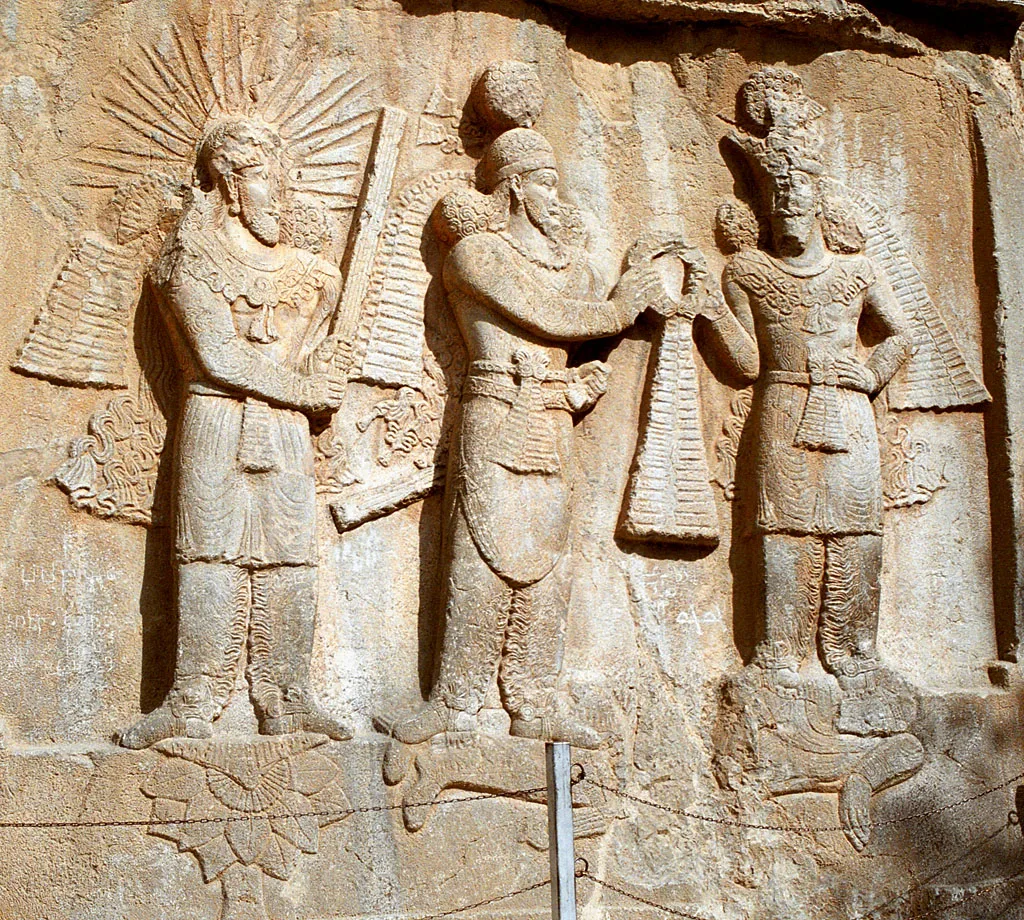
Zoroastrian Cosmic Dualism and Ethical Choice
Zoroastrianism framed existence as a cosmic battle between the supreme deity Ahura Mazda and the evil spirit Angra Mainyu, stressing human moral accountability.
By the numbers
- In what century BCE did Ashoka fight the Kalinga War that led to his Buddhist conversion?
- 3 century BCE
- In what traditional year BCE was the Chinese philosopher Confucius born in the State of Lu?
- 551 BCE
- In what year BCE did Cyrus the Great capture Babylon?
- 539 BCE
- In what year BCE was the philosopher Socrates tried and condemned to drink hemlock in Athens?
- 399 BCE
Matched pairs
Each item on the left goes with the one on the right.
- Confucian Analects
- A foundational compilation of ethical aphorisms and dialogues focusing on moral self-cultivation and societal harmony
- Ashoka Edict Pillars
- Erected across South Asia bearing carved edicts promoting non-violence, public welfare, and moral righteousness
- Cyrus Cylinder Artifact
- A Mesopotamian clay record declaring the restoration of sacred sanctuaries and the repatriation of captive peoples
- The Athenian Parthenon
- A masterwork of pentelic marble architecture engineered with subtle optical refinements to honor the patron goddess of the city
Self-test
Answer each question from memory, then check your work against the answer key.
1. According to Confucius, how should a monarch primarily establish social order and obedience?
- ABy purchasing vast mercenary legions to conquer adjacent rival territories
- BBy confiscating all private property into state-controlled granaries
- CBy enforcing terrifying legal mutilations and executions for minor infractions
- DBy cultivating personal moral integrity and leading the citizenry through ritual propriety
2. In the Dao De Jing, what best describes the Daoist principle of Wu Wei?
- AMilitary conquest to unify the rival Warring States
- BRote memorization of the Confucian classics
- CEffortless action that aligns with the natural flow of the Dao
- DStrict ritual law enforced by an emperor's decree
3. What is the ultimate spiritual goal in early Buddhist teaching?
- ARealizing the self (Atman) is identical with Brahman
- BNirvana, the cessation of the craving that drives rebirth
- CRebirth in a heavenly realm earned through good karma
- DSocial harmony through ritual propriety and filial piety
4. What historical event triggered Emperor Ashoka's conversion to Buddhism and renunciation of aggressive warfare?
- AThe catastrophic loss of life and devastation witnessed during the conquest of Kalinga
- BA succession dispute among rival claimants contesting Ashoka's authority over the Deccan provinces
- CAn economic famine caused by a severe drought along the Indus River valley
- DA military defeat by Macedonian hoplites invading the Punjab borderlands
5. In Advaita Vedanta's reading, which idea does the Upanishadic phrase 'Tat Tvam Asi' ('That Thou Art') express?
- ACorrect ritual sacrifice keeps the cosmos in order
- BThe self (Atman) is identical with the cosmic Brahman
- CRulers keep order through moral example and ritual
- DCraving is the root cause of all human suffering
6. What sociopolitical environment stimulated the flowering of the 'Hundred Schools of Thought' in ancient China?
- AThe total administrative unification of East Asia under a single totalitarian dynasty
- BA royal decree forbidding all public philosophical discourse and philosophical schools
- CIntense interstate competition among rival Warring States seeking effective administrative strategies
- DComplete geographical isolation from all regional trade and agricultural commerce
7. How did early Buddhism challenge the traditional Vedic caste system (*varna*)?
- ABy advocating armed peasant uprisings to overthrow hereditary regional kings
- BBy restricting entry into the monastic community exclusively to the Brahmin priestly caste
- CBy mandating that only wealthy merchants could attain spiritual liberation
- DBy declaring that spiritual enlightenment depends on ethical conduct rather than birth heritage
8. How did Classical Athens' ekklesia exemplify direct democracy?
- ACitizens themselves voted on matters in the assembly
- BA propertied senate passed laws that citizens merely heard
- CElected representatives voted on laws on citizens' behalf
- DCitizens only elected the officials who made the decisions
9. What notable imperial policy distinguished Cyrus the Great's governance of conquered provinces?
- ARespecting local religious traditions while rebuilding temples and repatriating exiled peoples
- BMandating universal adoption of the Old Persian language and Persian religious cults
- CExecuting all local civic leaders and replacing them with Spartan mercenary garrisons
- DConfiscating all agricultural land and converting it into imperial hunting reserves
10. What formal charges were brought against Socrates leading to his trial and execution in 399 BCE?
- ALeading an armed rebellion to overthrow the Athenian naval fleet at Salamis
- BCorrupting the youth of Athens and refusing to recognize the gods acknowledged by the city
- CForging treaties with the Persian Empire to surrender Attica to Persian satraps
- DEmbezzling public treasury funds designated for constructing the Parthenon frieze
11. How did the Persian Royal Road support the political cohesion of the vast Achaemenid Empire?
- ABy providing a continuous water canal connecting the Mediterranean directly to the Indus River
- BBy preventing all private merchants from conducting inter-regional trade without imperial permits
- CBy serving exclusively as a defensive trench against nomadic Scythian chariot raids
- DBy enabling rapid royal courier communications across the empire with staged relay stations
12. In what major methodological way did Aristotle's philosophical approach diverge from Plato's?
- AAristotle held that the physical world is only an imperfect shadow of unchanging transcendent Forms
- BAristotle rejected all mathematical reasoning in favor of mystical poetic prophecy
- CAristotle emphasized empirical observation of natural phenomena alongside formal logic
- DAristotle denied that human beings possess any capacity for ethical judgment or virtue
13. What did Cleisthenes's reforms establish in Athens starting in 508 BCE?
- AChoosing all ten generals by lottery
- BA dual hereditary kingship advised by a council of elders
- CIsonomia, or equality before the law, for citizens
- DRule by a council of hereditary Eupatrid aristocrats
14. How did Zoroastrianism frame existence?
- AA cycle of rebirth escaped by ending all craving
- BA cosmic struggle between Ahura Mazda and Angra Mainyu
- CAlignment with the cosmic Way through non-striving
- DA ritual contest where priestly sacrifice sustains order
Go deeper
- WatchThe Axial Age New ideas took hold in China, India, Persia and the Eastern Mediterranean, all within the same six centuries. It's called the Axial Age: 800 to 200 BCE.
- WatchTwo Ways to Run a State In Athens, citizens voted on laws themselves, in a popular assembly. Cleisthenes began these democratic reforms in 508 BCE, and Pericles later expanded them.
- WatchCarved in Stone Over 30 inscriptions carry one emperor's words across the subcontinent. They are cut into rock cliffs and sandstone pillars.
- StudyWorld History: Turning Points of Human Civilization in the FlashFeed app
Answer key
- 1. D By cultivating personal moral integrity and leading the citizenry through ritual proprietyConfucius argued that when a ruler is virtuous and observes ritual propriety (*li*), the people will naturally reform themselves without harsh penal compulsion.
- 2. C Effortless action that aligns with the natural flow of the DaoWu Wei -- 'effortless action' or non-striving -- is the central Daoist principle for aligning with the spontaneous flow of the Dao rather than imposing artificial force.
- 3. B Nirvana, the cessation of the craving that drives rebirthNirvana literally means 'blowing out' or 'extinguishment'—the complete cessation of the fires of greed, hatred, and delusion that drive rebirth in Samsara.
- 4. A The catastrophic loss of life and devastation witnessed during the conquest of KalingaAshoka's Rock Edict XIII—his own account, not an independently verified toll—records roughly 250,000 killed or deported in the Kalinga campaign, and the devastation inspired his conversion to Buddhism.
- 5. B The self (Atman) is identical with the cosmic BrahmanThe Chandogya Upanishad's refrain *Tat Tvam Asi* is read in Advaita Vedanta as declaring that the deepest individual consciousness (*Atman*) is non-different from the universal metaphysical ground (*Brahman*); other Vedanta schools, such as Dvaita, read it differently.
- 6. C Intense interstate competition among rival Warring States seeking effective administrative strategiesThe fragmentation of the Zhou dynasty into competing Warring States created urgent demand among feudal rulers for innovative statecraft, military strategy, and ethical systems.
- 7. D By declaring that spiritual enlightenment depends on ethical conduct rather than birth heritageThe Buddha insisted that spiritual purity and liberation are determined by one's moral actions and mental cultivation, rejecting birth-based caste superiority.
- 8. A Citizens themselves voted on matters in the assemblyAthenian democracy used direct popular assembly voting (ekklesia): citizens voted on matters themselves rather than through elected representatives, officials or a senate.
- 9. A Respecting local religious traditions while rebuilding temples and repatriating exiled peoplesCyrus adopted a policy of tolerance, restoring local sanctuaries and returning displaced peoples; the Book of Ezra, not the Cyrus Cylinder, credits him with letting exiled Jews return to Jerusalem.
- 10. B Corrupting the youth of Athens and refusing to recognize the gods acknowledged by the citySocrates was indicted by Meletus and Anytus on charges of *asebeia* (impiety toward city gods) and corrupting the morals of the Athenian youth.
- 11. D By enabling rapid royal courier communications across the empire with staged relay stationsThe Persian Royal Road featured relay post houses (*chapar khaneh*) with fresh couriers and horses, allowing messages to travel from Sardis to Susa in roughly a week.
- 12. C Aristotle emphasized empirical observation of natural phenomena alongside formal logicWhile Plato focused on transcendent metaphysical Forms, Aristotle grounded his philosophy in empirical observation, biological classification, and systematic categorization.
- 13. C Isonomia, or equality before the law, for citizensCleisthenes's reforms in 508 BCE are credited with isonomia (equality before the law) and with reorganizing citizens into ten tribes, strengthening the citizen assembly, the Ekklesia.
- 14. B A cosmic struggle between Ahura Mazda and Angra MainyuZoroastrianism is a cosmic dualism: the benevolent creator Ahura Mazda opposes the destructive spirit Angra Mainyu.
Sources
- Trial of Socrates — Wikipedia; Plato, Apology of Socrates — en.wikipedia.org/wiki/Trial_of_Socrates
- Confucius, The Analects
- Laozi, Dao De Jing
- Rupert Gethin, The Foundations of Buddhism
- Romila Thapar, Asoka and the Decline of the Mauryas
- Patrick Olivelle, The Early Upanisads
- Richard Gombrich, Theravada Buddhism
- Confucius, The Analects — en.wikipedia.org/wiki/Ren_(Confucianism)
- Laozi, Dao De Jing — en.wikipedia.org/wiki/Wu_wei
- Rupert Gethin, The Foundations of Buddhism — en.wikipedia.org/wiki/Four_Noble_Truths
- Romila Thapar, Asoka and the Decline of the Mauryas — en.wikipedia.org/wiki/Edicts_of_Ashoka
- Confucius, The Analects — en.wikipedia.org/wiki/Confucianism
- Laozi, Dao De Jing — en.wikipedia.org/wiki/Dao_De_Jing
- Nirvana (Buddhism) (Wikipedia) — en.wikipedia.org/wiki/Nirvana_(Buddhism)
- Romila Thapar, Asoka and the Decline of the Mauryas — en.wikipedia.org/wiki/Kalinga_War
- Patrick Olivelle, The Early Upanisads — en.wikipedia.org/wiki/Brahman
- Benjamin Schwartz, The World of Thought in Ancient China — en.wikipedia.org/wiki/Hundred_Schools_of_Thought
- Richard Gombrich, Theravada Buddhism — en.wikipedia.org/wiki/Buddhism_and_Hinduism
- Confucius, The Analects — en.wikipedia.org/wiki/Filial_piety
- Rupert Gethin, The Foundations of Buddhism — en.wikipedia.org/wiki/Noble_Eightfold_Path
- Patrick Olivelle, The Early Upanisads — en.wikipedia.org/wiki/Sa%E1%B9%83s%C4%81ra
- D.C. Lau, Confucius: The Analects — en.wikipedia.org/wiki/Confucius
- D.C. Lau, Confucius: The Analects — en.wikipedia.org/wiki/Analects
- Karl Jaspers, The Origin and Goal of History (1953 Eng. trans.; orig. Vom Ursprung und Ziel der Geschichte, 1949) — en.wikipedia.org/wiki/Axial_Age
- Mogens Herman Hansen, The Athenian Democracy in the Age of Demosthenes
- Amélie Kuhrt, The Persian Empire: A Corpus of Sources
- Plato, The Trial and Death of Socrates
- Mary Boyce, A History of Zoroastrianism
- Josef Wiesehöfer, Ancient Persia
- Mary Beard, The Parthenon (2002)
- Amélie Kuhrt, The Persian Empire — en.wikipedia.org/wiki/Cyrus_Cylinder
- Plato, Complete Works — en.wikipedia.org/wiki/Socratic_method
- Josef Wiesehöfer, Ancient Persia — en.wikipedia.org/wiki/Persepolis
- Mary Boyce, A History of Zoroastrianism — en.wikipedia.org/wiki/Ahura_Mazda
- Mogens Herman Hansen, The Athenian Democracy in the Age of Demosthenes; Mogens Herman Hansen, The Athenian Democracy — en.wikipedia.org/wiki/Athenian_democracy
- Amélie Kuhrt, The Persian Empire — en.wikipedia.org/wiki/Cyrus_the_Great
- Josef Wiesehöfer, Ancient Persia — en.wikipedia.org/wiki/Royal_Road
- Jonathan Barnes, Aristotle: A Very Short Introduction — en.wikipedia.org/wiki/Aristotle
- Mogens Herman Hansen, The Athenian Democracy — en.wikipedia.org/wiki/Cleisthenes
- Mary Boyce, A History of Zoroastrianism — en.wikipedia.org/wiki/Zoroastrianism
- Mogens Herman Hansen, The Athenian Democracy — en.wikipedia.org/wiki/Ekklesia_(ancient_Greece)
- Josef Wiesehöfer, Ancient Persia — en.wikipedia.org/wiki/Satrap
- Amélie Kuhrt, The Persian Empire — en.wikipedia.org/wiki/Fall_of_Babylon
- Mary Beard, The Parthenon — en.wikipedia.org/wiki/Parthenon
- Mogens Herman Hansen, The Athenian Democracy — en.wikipedia.org/wiki/Isonomia
Image credits
- Confucian Moral Governance and Filial Propriety: kanegen · CC BY 2.0 — en.wikipedia.org/wiki/Temple_of_Confucius,_Qufu
- The Buddhist Diagnostic of Craving and Nirvana: Wonderlane (Openverse) · cc0 1.0 — www.flickr.com/photos/71401718@N00/2624122092
- Upanishadic Metaphysical Non-Dualism: Wikimedia Commons · Ms Sarah Welch · Public domain — commons.wikimedia.org/wiki/File:Brihadaranyaka_upanishad_adhyaya_1_folio_3b,_pages_1r_1v_2r_2v,_Schoenberg_Center_manuscript,_Penn_Library.jpg
- The Egalitarian Organization of the Buddhist Sangha: Wikimedia Commons · Biswarup Ganguly · CC BY 3.0 — commons.wikimedia.org/wiki/File:East_Gateway_-_Stupa_1_-_Sanchi_Hill_2013-02-21_4398.JPG
- Democratic Assembly Governance in Classical Athens: Wikimedia Commons · Giles Laurent · CC BY-SA 4.0 — commons.wikimedia.org/wiki/File:1029_Acropolis_of_Athens_in_Greece_at_night_Photo_by_Giles_Laurent.jpg
- Socratic Dialectic and Epistemological Inquiry: Bradley N. Weber (Openverse) · by 2.0 — www.flickr.com/photos/41294655@N00/8590566459
- Zoroastrian Cosmic Dualism and Ethical Choice: Philippe Chavin (Openverse) · by 2.5 — commons.wikimedia.org/wiki/File:Taq-e_Bostan_-_High-relief_of_Ardeshir_II_investiture.jpg


