
World Soccer Trivia: World Cup, Legends & Global Football Lore study guide · Lesson 1 of 6
Origins, Foundational Rules, and World Cup Pioneers
The Cambridge Rules to the 1930 Uruguay Inaugural World Cup · The Miracle of Bern, The Maracanazo, and 1950s Golden Eras
This is the lesson's study guide from the FlashFeed app, plus its key facts and a self-test.
What you'll be able to do
- Recall the FA's 1863 founding, McCrum's penalty kick, FIFA's 1904 Paris founding, Jules Rimet's World Cup, and the 1930 Montevideo final and first hat-trick.
- Recall Ghiggia's 1950 Maracanazo winner, the USA's 1-0 upset of England, the 1954 Miracle of Bern, and Fontaine's 13 goals in 1958.
Lesson 1: Origins, Foundational Rules, and World Cup Pioneers
Overview
This lesson explores the essential history, legendary figures, iconic records, tactical innovations, and cultural milestones of Origins, Foundational Rules, and World Cup Pioneers in international and club football history.
Part 1: The Cambridge Rules to the 1930 Uruguay Inaugural World Cup
The codified game of modern association football originated in mid-nineteenth-century England as public schools and universities sought a unified rulebook to replace chaotic regional variations. On October 26, 1863, representatives from twelve London clubs and schools gathered at the Freemasons' Tavern in Great Queen Street, London, to establish the Football Association (FA) and formulate the initial universal Laws of the Game, formalizing the essential distinction between handling-oriented rugby and kicking-focused association football. Simultaneously, the Sheffield Football Club, established in 1857, pioneered fundamental innovations through the Sheffield Rules—including the corner kick (1868) and an early independent referee system—which were gradually integrated into the national code; credit for the solid crossbar and throw-in is shared with the FA's own evolving Laws of the Game, where similar provisions appeared around the same period.
The sport's international dimension commenced on November 30, 1872, when Scotland and England contested the first official international football match at the West of Scotland Cricket Club's ground at Hamilton Crescent in Partick, Glasgow, concluding in a tactical 0-0 draw before 4,000 spectators. To preserve uniform rules across home nations, the International Football Association Board (IFAB) was founded in 1886 in London. In 1891, the penalty kick was introduced into the laws following a proposal by Irish goalkeeper and administrator William McCrum to punish cynical defensive fouls committed within twelve yards of the goal line.
The global federation FIFA (Fédération Internationale de Football Association) was established on May 21, 1904, in Paris by delegates from seven European nations. Under the visionary stewardship of French administrator Jules Rimet, FIFA's longest-serving president (1921–1954), the inaugural FIFA World Cup was organized in Montevideo, Uruguay, in July 1930. Lucien Laurent of France scored the first goal in World Cup history on July 13, 1930, against Mexico. The inaugural final took place on July 30, 1930, at the newly constructed Estadio Centenario, where host nation Uruguay defeated archrival Argentina 4-2. Uruguay's triumph was highlighted by Héctor Castro, who played with only one forearm following an accidental electric saw amputation, scoring the decisive 89th-minute sealing goal. Argentina's Guillermo Stábile finished as the top goalscorer with eight goals. The match famously utilized two distinct balls: Argentina supplied their preferred ball for the first half (leading 2-1), while Uruguay supplied their 'T-Model' ball for the second half (scoring three unanswered goals). Additionally, American forward Bert Patenaude recorded the first official hat-trick in World Cup history against Paraguay. In Europe, Vittorio Pozzo guided Italy to consecutive World Cup crowns in 1934 and 1938, becoming the sole manager to win two World Cups, while during World War II, Italian official Ottorino Barassi secretly safeguarded the Jules Rimet Trophy in a shoebox beneath his bed.
Core Conceptual Takeaways and Facts
- Founding of the Football Association: On October 26, 1863, representatives from twelve London clubs met at the Freemasons' Tavern to establish the Football Association and draft the first unified Laws of the Game.
- The Sheffield Rules Innovations: The Sheffield Rules, developed by Sheffield FC between 1857 and 1877, introduced the corner kick and heading to the codified game, alongside a solid crossbar and throw-in rule that evolved in parallel with similar provisions in the FA's own Laws of the Game.
- First Official International Match: On November 30, 1872, Scotland and England contested the first official international football match at Hamilton Crescent in Glasgow, ending in a 0-0 draw before 4,000 spectators.
- Founding of IFAB: The International Football Association Board (IFAB) was established in 1886 by the four British football associations to govern and preserve universal Laws of the Game.
- Invention of the Penalty Kick: The penalty kick was officially codified into the Laws of the Game in 1891 after being conceived by Irish goalkeeper and administrator William McCrum.
- Founding of FIFA: FIFA was founded on May 21, 1904, in Paris by representatives from France, Belgium, Denmark, the Netherlands, Spain, Sweden, and Switzerland.
- Jules Rimet and World Cup Creation: Jules Rimet served as FIFA's longest-reigning president from 1921 to 1954 and successfully established the inaugural FIFA World Cup in 1930.
- First World Cup Goal: Lucien Laurent of France scored the very first goal in World Cup history on July 13, 1930, in a 4-1 opening match victory against Mexico in Montevideo.
- 1930 World Cup Final and Centenario: On July 30, 1930, host nation Uruguay defeated Argentina 4-2 in the inaugural World Cup final at the newly built Estadio Centenario in Montevideo.
- Héctor Castro Heroics: Héctor Castro, who had lost his right forearm in an electric saw accident as a teenager, scored Uruguay's 89th-minute goal to seal the 1930 World Cup title.
- Guillermo Stábile Top Scorer: Argentine striker Guillermo Stábile won the top scorer award at the 1930 World Cup with eight goals across four matches.
- Two Balls in the 1930 Final: In the 1930 final, Argentina provided their preferred ball for the first half and led 2-1, while Uruguay provided their T-Model ball for the second half and won 4-2.
- First World Cup Hat-Trick: American forward Bert Patenaude scored the first official hat-trick in FIFA World Cup history on July 17, 1930, in a 3-0 victory against Paraguay.
- Vittorio Pozzo's Dual World Cup Titles: Vittorio Pozzo coached the Italian national team to consecutive World Cup victories in 1934 and 1938, standing as the only coach to win two World Cup trophies.
- Jules Rimet Trophy in WWII: During World War II, Italian football official Ottorino Barassi secretly removed the Jules Rimet Trophy from a Rome bank vault and hid it in a shoebox beneath his bed.
Part 2: The Miracle of Bern, The Maracanazo, and 1950s Golden Eras
The post-World War II resumption of the FIFA World Cup produced some of the most dramatic upsets and foundational legends in global sporting folklore. The 1950 tournament in Brazil culminated on July 16 in the decisive round-robin fixture at Rio de Janeiro's colossal Maracanã stadium before an estimated 200,000 spectators. Needing only a draw to secure their first world title, tournament hosts Brazil led 1-0 before Juan Alberto Schiaffino equalized and Alcides Ghiggia struck a low 79th-minute winner past goalkeeper Moacir Barbosa to crown Uruguay 2-1 champions in a national catastrophe known as the 'Maracanazo'. Earlier in the tournament on June 29, 1950, a semi-professional United States team composed of mail carriers, dishwashers, and teachers pulled off the 'Miracle on Grass' in Belo Horizonte, stunning title favorites England 1-0 on a 38th-minute header by Haitian-born student Joe Gaetjens.
Four years later at the 1954 World Cup in Switzerland, the world bore witness to the 'Miracle of Bern' on July 4, 1954. Hungary's formidable 'Magical Magyars'—captained by Ferenc Puskás and unbeaten across 31 consecutive matches including a legendary 6-3 demolition of England at Wembley Stadium in November 1953—raced to an early 2-0 lead against West Germany. However, tactical adjustments and revolutionary screw-in cleat studs provided by cobbler Adolf 'Adi' Dassler allowed the West Germans to maintain superior footing on the waterlogged Wankdorf Stadium pitch, enabling Helmut Rahn to score an 84th-minute winner to seal a 3-2 comeback victory. The 1954 tournament also witnessed the highest-scoring single match in World Cup history when Austria defeated host Switzerland 7-5 in a 12-goal quarter-final slugfest.
In 1958 in Sweden, a 17-year-old Brazilian prodigy named Edson Arantes do Nascimento, universally known as Pelé, electrified the world. Pelé scored against Wales to become the youngest goalscorer in World Cup history, delivered a second-half hat-trick in the semi-final against France, and netted twice in the 5-2 final victory over host Sweden, securing Brazil's first title at 17 years and 249 days. French forward Just Fontaine set an immortal record during the 1958 tournament by scoring 13 goals in six matches. The 1962 tournament in Chile saw Garrincha dazzle as Brazil retained their crown despite an early injury to Pelé, following the infamous 'Battle of Santiago' between Chile and Italy. The era also celebrated Lev Yashin, who in 1963 became the only goalkeeper to win the Ballon d'Or, and Geoff Hurst, whose Wembley hat-trick carried England to 1966 World Cup glory after a stray dog named Pickles recovered the stolen trophy.
Core Conceptual Takeaways and Facts
- The 1950 Maracanazo: On July 16, 1950, Uruguay shocked tournament hosts Brazil 2-1 before an estimated 200,000 spectators at the Maracanã stadium, with Alcides Ghiggia scoring the winning goal.
- 1950 USA Upset Over England: On June 29, 1950, a heavy underdog United States squad defeated England 1-0 in Belo Horizonte, Brazil, on a 38th-minute header by Joe Gaetjens.
- The Miracle of Bern 1954: On July 4, 1954, West Germany defeated Hungary's heavily favored Golden Team 3-2 in the World Cup Final in Bern after trailing 2-0 inside the first eight minutes.
- Adi Dassler's Screw-In Studs: German shoemaker Adi Dassler equipped the West German squad with screw-in cleat studs during the 1954 final, giving players critical traction on the rain-soaked pitch.
- Highest-Scoring World Cup Match: On June 26, 1954, Austria defeated Switzerland 7-5 in Lausanne, establishing the all-time World Cup record for most combined goals in a single match with 12 goals.
- Match of the Century 1953: On November 25, 1953, Hungary's Magical Magyars defeated England 6-3 at Wembley Stadium, marking England's first-ever home defeat to a non-British or Irish team.
- Pelé's 1958 World Cup Debut: At the 1958 World Cup in Sweden, 17-year-old Pelé scored the only goal in Brazil's 1-0 quarter-final win against Wales to become the youngest scorer in World Cup history.
- Pelé Youngest World Cup Champion: Pelé scored two goals in Brazil's 5-2 victory over Sweden in the 1958 final, becoming the youngest player to win the World Cup at 17 years and 249 days.
- Just Fontaine 13 Goals Record: Just Fontaine of France scored an unmatched 13 goals across six matches in the 1958 World Cup in Sweden, setting the all-time single-tournament record.
- The Battle of Santiago 1962: The June 2, 1962 World Cup group match between hosts Chile and Italy, known as the Battle of Santiago, saw two Italian expulsions and required police intervention four times.
- Garrincha's 1962 Masterclass: With Pelé sidelined by injury, winger Garrincha carried Brazil to the 1962 World Cup title in Chile, winning the Golden Ball outright while sharing the tournament's top-scorer honors (four goals) with five other players.
- Lev Yashin Ballon d'Or 1963: Soviet goalkeeper Lev Yashin, known as 'The Black Spider', won the 1963 Ballon d'Or, remaining the only goalkeeper in history to receive the award.
- Geoff Hurst 1966 Final Hat-Trick: On July 30, 1966, Geoff Hurst of England scored a hat-trick against West Germany in the World Cup Final at Wembley Stadium to secure England's 4-2 triumph.
- Pickles the Dog Finds Trophy: In March 1966, seven days after the Jules Rimet Trophy was stolen in London, a black-and-white collie named Pickles discovered the package beneath a garden hedge.
- North Korea 1966 Upset Over Italy: On July 19, 1966, North Korea defeated two-time champion Italy 1-0 in Middlesbrough on a goal by Pak Doo-Ik, advancing to the World Cup quarter-finals.
Key facts
The 1863 Freemasons' Tavern Meeting and the FA
On October 26, 1863, representatives from twelve London clubs met at the Freemasons' Tavern to establish the Football Association and author the original unified Laws of the Game.
Uruguay Wins the Inaugural 1930 World Cup
Uruguay hosted and won the inaugural FIFA World Cup in July 1930 in Montevideo, defeating archrival Argentina 4-2 in the final at the newly built Estadio Centenario.
The Founding of IFAB (1886)
To keep the Laws of the Game consistent across the United Kingdom's four football associations, representatives founded the International Football Association Board (IFAB) in 1886. IFAB became football's sole rule-making body, the only organization with the authority to write and amend the Laws of the Game.
William McCrum Invents the Penalty Kick
Irish goalkeeper and administrator William McCrum proposed the penalty kick in 1890 as a way to punish cynical defensive fouls committed close to goal. The International Football Association Board (IFAB) formally adopted the rule into the Laws of the Game in 1891, applying it to fouls within twelve yards of the goal line.
FIFA Is Founded in Paris (1904)
FIFA (Fédération Internationale de Football Association) was founded on May 21, 1904, in Paris, by delegates from seven European nations: France, Belgium, Denmark, the Netherlands, Spain, Sweden, and Switzerland. The new federation would go on to organize the first FIFA World Cup just 26 years later.
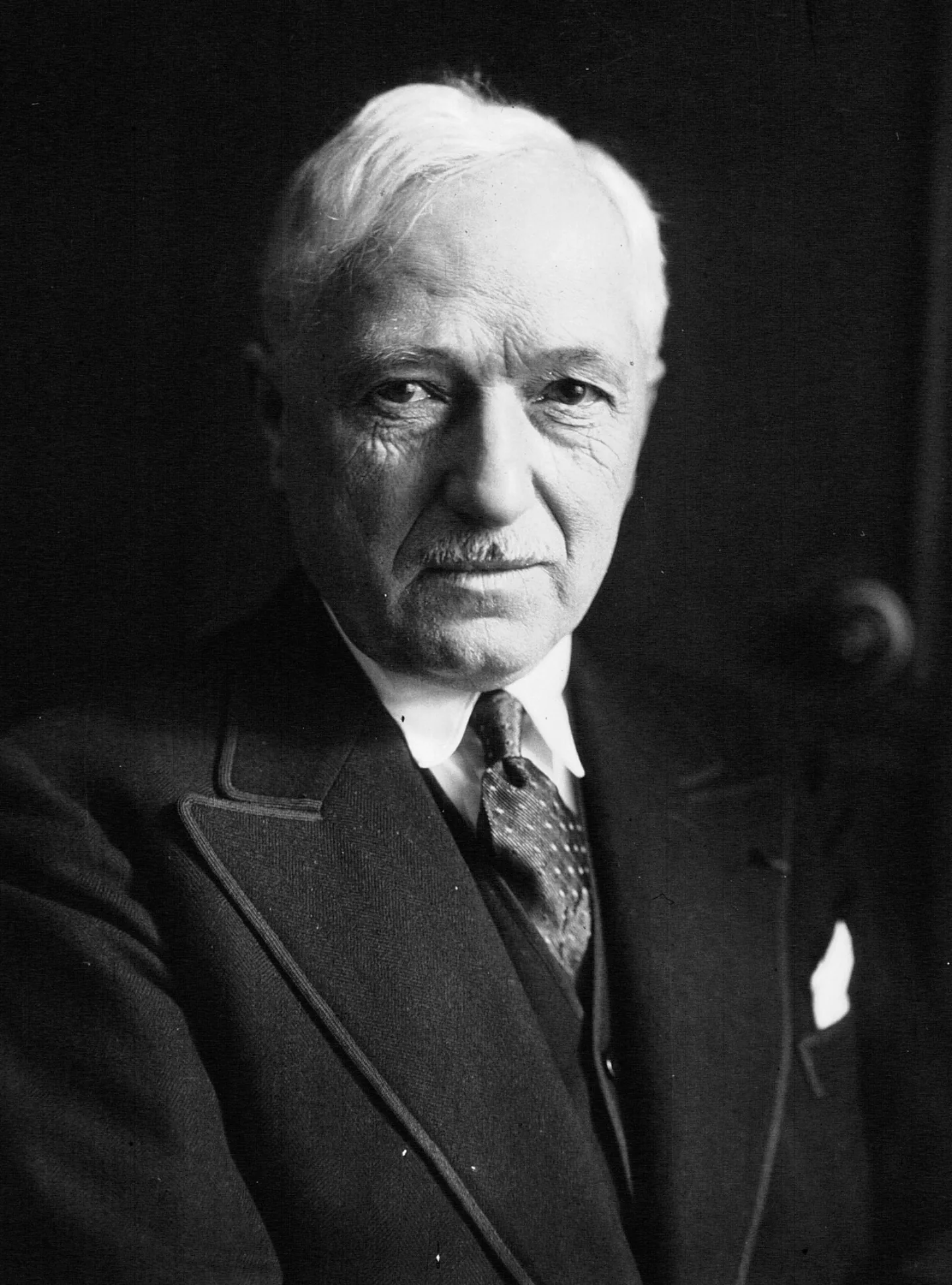
Jules Rimet, Father of the World Cup
Jules Rimet served as FIFA's president from 1921 to 1954, the longest tenure in the organization's history. It was Rimet's vision that led to the creation of the first FIFA World Cup, staged in Uruguay in 1930 — the trophy awarded to winners for the next four decades bore his name.
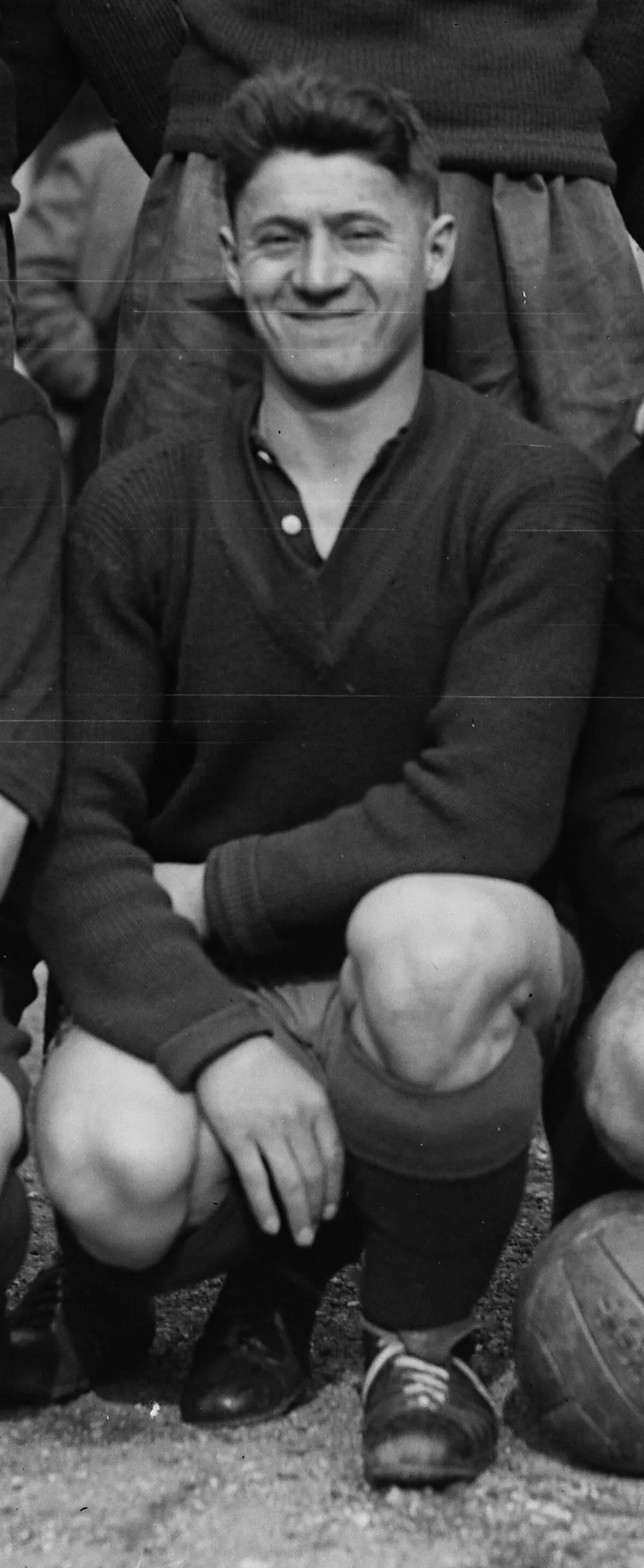
Lucien Laurent Scores the First World Cup Goal
On July 13, 1930, French forward Lucien Laurent volleyed home the very first goal in FIFA World Cup history, in the 19th minute of France's 4-1 victory over Mexico in Montevideo.
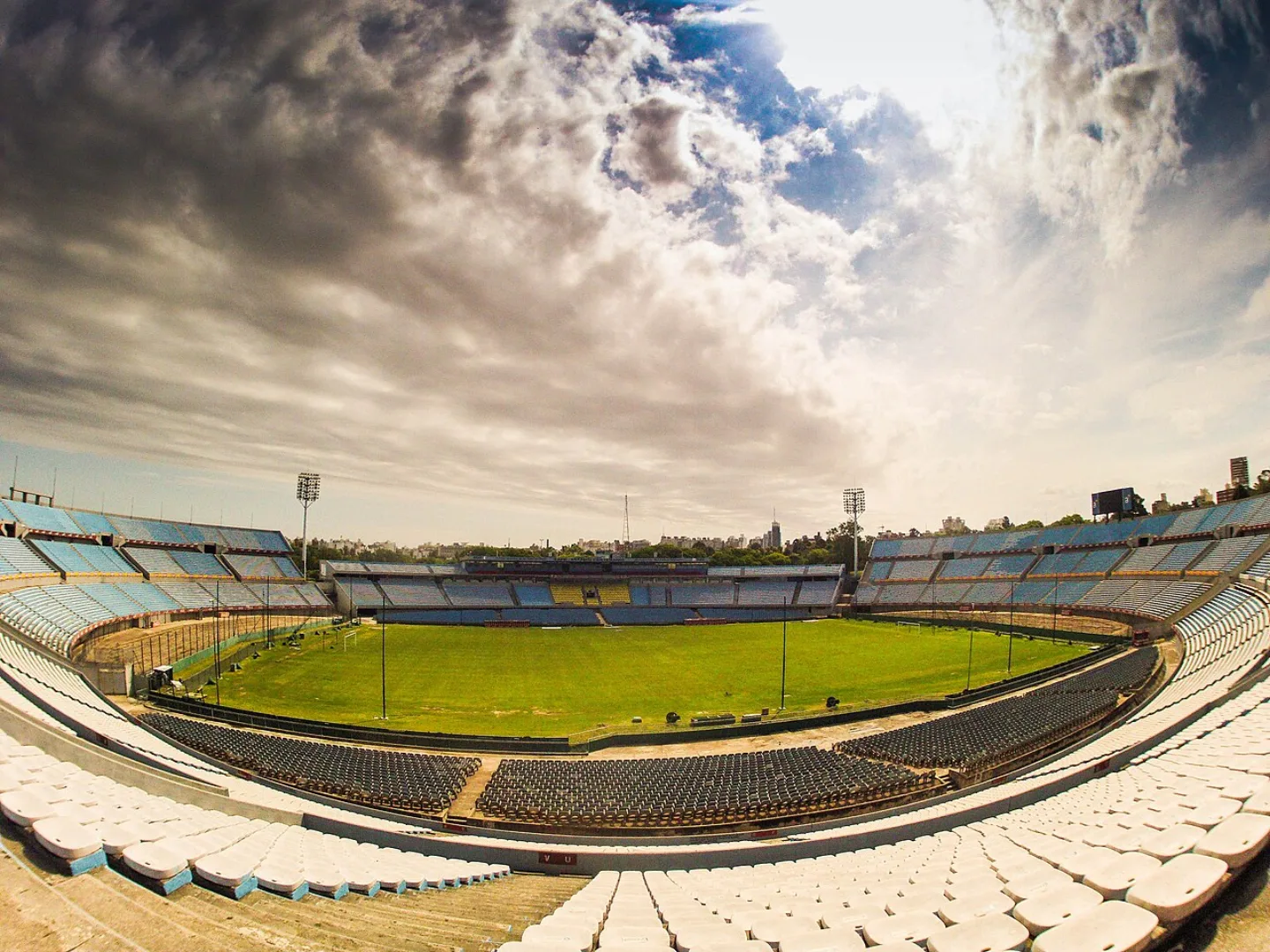
The 1930 World Cup Final: Two Balls, One Comeback
In the first-ever World Cup final, played July 30, 1930 at Uruguay's Estadio Centenario, the two teams could not agree on a match ball, so Argentina supplied their own for the first half and led 2-1. Uruguay supplied their 'T-Model' ball for the second half and scored three unanswered goals to win 4-2, with Pedro Cea and Santos Iriarte putting them ahead before Héctor Castro sealed it with an 89th-minute header. Castro's goal was especially remarkable because he had lost his right forearm in an electric saw accident as a teenager.
The 'Miracle of Bern' in 1954
West Germany came from two goals down to defeat the seemingly invincible Hungarian 'Magical Magyars' 3-2 in the 1954 World Cup final in Bern, Switzerland.
17-Year-Old Pelé's 1958 World Cup Breakthrough
In 1958 in Sweden, 17-year-old Pelé scored six goals—including a semifinal hat-trick and two in the final—to lead Brazil to its first World Cup title.
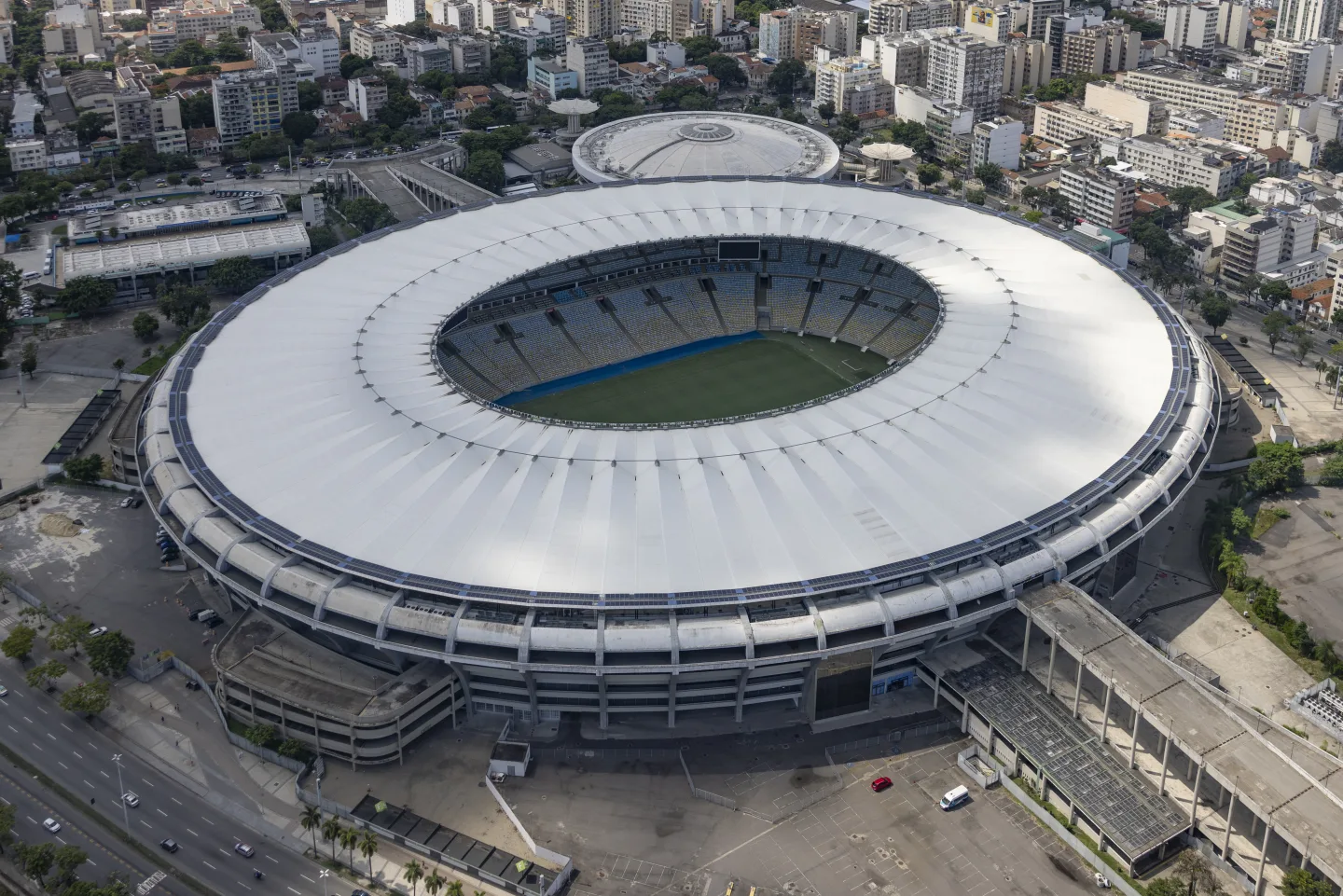
The Maracanazo: Uruguay Stuns Brazil (1950)
Needing only a draw to win the 1950 World Cup on home soil, host nation Brazil led 1-0 in the deciding match before Uruguay equalized, and winger Alcides Ghiggia struck a low 79th-minute winner past goalkeeper Moacir Barbosa. Uruguay's 2-1 victory before an estimated 200,000 fans at Rio de Janeiro's Maracanã stadium became known in Brazil as the 'Maracanazo' — a national catastrophe still remembered as one of sport's greatest upsets.
The Miracle on Grass: USA 1, England 0 (1950)
At the 1950 World Cup, a semi-professional United States team made up of mail carriers, dishwashers, and teachers faced England, one of the tournament favorites. Haitian-born student Joe Gaetjens deflected a long-range Walter Bahr shot into the net with a header in the 38th minute, and the USA held on to win 1-0 in Belo Horizonte, one of the biggest upsets in World Cup history.

Hungary's 'Match of the Century' (1953)
On November 25, 1953, Hungary's 'Magical Magyars,' captained by Ferenc Puskás, traveled to Wembley Stadium and defeated England 6-3. It was the first time England had ever lost a home match to a team from outside the British Isles, and the result became known as the 'Match of the Century'.
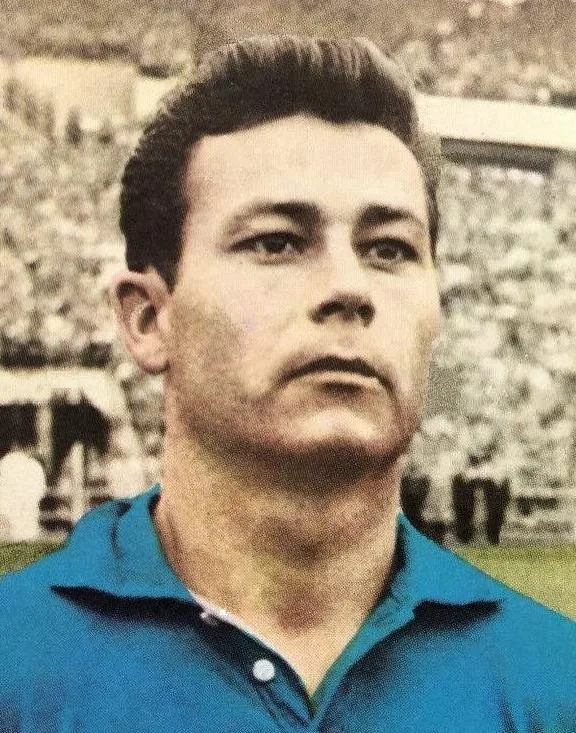
Just Fontaine's Untouchable 13-Goal Record
French forward Just Fontaine scored 13 goals in just six matches at the 1958 World Cup in Sweden, the all-time record for goals scored by a single player in one World Cup tournament. Decades later, no one has come close to matching it.

North Korea's 1966 Shock of Italy
On July 19, 1966, North Korea, playing in their first World Cup, defeated two-time champions Italy 1-0 in Middlesbrough on a goal by Pak Doo-Ik, advancing to the quarter-finals. It remains one of the greatest upsets in World Cup history.
The 'Battle of Santiago' at the 1962 World Cup
The 1962 World Cup group match between Chile and Italy descended into violence with punches, police interventions, and two red cards; BBC commentator David Coleman called it 'the most stupid, appalling, disgusting and disgraceful exhibition of football, possibly in the history of the game.'
The Contested 'Wembley Goal' of 1966
Geoff Hurst's controversial extra-time goal in the 1966 World Cup final bounced off the crossbar onto the goal line, confirmed by Soviet linesman Tofiq Bahramov as England won 4-2.
By the numbers
- How many total goals did Argentine forward Guillermo Stábile score to finish as top scorer at the 1930 World Cup?
- 8 goals
- What is the all-time World Cup record for total combined goals scored in a single match, set by Austria and Switzerland in 1954?
- 12 goals
- How many goals did France's Just Fontaine score at the 1958 World Cup to set the all-time single-tournament record?
- 13 goals
Matched pairs
Each item on the left goes with the one on the right.
- International Football Association Board (IFAB)
- Guardian and sole codifier of the universal Laws of the Game since 1886
- Vittorio Pozzo (Italy)
- Only manager in history to win two FIFA World Cup championships (1934 and 1938)
- Adi Dassler (Adidas)
- Screw-in cleat studs adapted for wet turf in the 1954 World Cup Final
Step by step
Sequence of scoring in the inaugural 1930 FIFA World Cup Final (Uruguay 4-2 Argentina):
- Pablo Dorado opened the scoring for Uruguay in the 12th minute at the Estadio Centenario.
- Carlos Peucelle and Guillermo Stábile scored to give Argentina a 2-1 halftime lead.
- Pedro Cea and Santos Iriarte scored in the second half to put Uruguay ahead 3-2.
- Héctor Castro headed an 89th-minute clincher to seal Uruguay's 4-2 world championship victory.
Self-test
Answer each question from memory, then check your work against the answer key.
1. Who proposed the penalty kick that IFAB adopted into the Laws of the Game in 1891?
- AOttorino Barassi
- BJules Rimet
- CVittorio Pozzo
- DWilliam McCrum
2. Which organization was founded when twelve London clubs met at the Freemasons' Tavern in 1863?
- ASheffield Football Club
- BFIFA
- CThe Football Association
- DIFAB, the Laws of the Game board (1886)
3. How many unanswered second-half goals did Uruguay score with their own 'T-Model' ball to complete their comeback in the 1930 World Cup final?
- A3
- B4
- C2
- D1
4. Which nation was NOT among the seven founding members of FIFA in 1904?
- AFrance
- BEngland
- CSwitzerland
- DBelgium
5. Which player scored the first official hat-trick in World Cup history at the 1930 tournament?
- ALucien Laurent
- BBert Patenaude
- CGuillermo Stabile
- DHector Castro
6. In what city and year was FIFA (Fédération Internationale de Football Association) founded?
- AParis, France in 1904
- BBrussels, Belgium in 1908
- CZurich, Switzerland in 1932
- DLondon, England in 1877
7. How many European nations sent delegates to found FIFA in Paris in 1904?
- ANine nations
- BTwelve nations
- CFour nations
- DSeven nations
8. Which FIFA president, serving from 1921 to 1954, championed the creation of the first FIFA World Cup?
- ASepp Blatter
- BJoão Havelange
- CJules Rimet
- DStanley Rous
9. In which city did FIFA stage the inaugural World Cup in July 1930?
- AMontevideo, Uruguay
- BRio de Janeiro, Brazil
- CSantiago, Chile
- DBuenos Aires, Argentina
10. Who scored Uruguay's decisive 79th-minute winner against Brazil in the 1950 'Maracanazo'?
- AMoacir Barbosa
- BJoe Gaetjens
- CAlcides Ghiggia
- DJuan Alberto Schiaffino
11. Which team pulled off the 'Miracle on Grass' by beating England 1-0 at the 1950 World Cup?
- AUruguay
- BUnited States
- CNorth Korea
- DAustria
12. Who captained Hungary's 'Magical Magyars' in their 1954 final loss known as the Miracle of Bern?
- AHelmut Rahn
- BLev Yashin
- CJust Fontaine
- DFerenc Puskas
13. Which two teams combined for the highest-scoring match in World Cup history, a 12-goal thriller in 1954?
- ABrazil and Sweden
- BHungary and West Germany
- CEngland and Hungary
- DAustria and Switzerland
14. How many goals did France's Just Fontaine score at the 1958 World Cup, an all-time single-tournament record?
- A6
- B13
- C5
- D8
Go deeper
Answer key
- 1. D William McCrumIrish goalkeeper William McCrum proposed the penalty kick in 1890; IFAB formally adopted it in 1891 to punish fouls near goal.
- 2. C The Football AssociationTwelve London clubs met at the Freemasons' Tavern on October 26, 1863, to found the Football Association and draft the first unified Laws of the Game.
- 3. A 3Trailing 2-1 at half using Argentina's ball, Uruguay switched to their own 'T-Model' ball and scored three unanswered goals to win the final 4-2.
- 4. B EnglandFIFA's seven founders were France, Belgium, Denmark, the Netherlands, Spain, Sweden, and Switzerland; England joined later.
- 5. B Bert PatenaudeAmerican forward Bert Patenaude scored the first World Cup hat-trick on July 17, 1930, against Paraguay.
- 6. A Paris, France in 1904FIFA was founded on May 21, 1904, in Paris by delegates from seven European nations, 26 years before it organized the first World Cup.
- 7. D Seven nationsFIFA was founded by delegates from seven nations: France, Belgium, Denmark, the Netherlands, Spain, Sweden, and Switzerland.
- 8. C Jules RimetJules Rimet served as FIFA's longest-reigning president from 1921 to 1954 and drove the creation of the first FIFA World Cup in 1930.
- 9. A Montevideo, UruguayThe first FIFA World Cup was staged in Montevideo, Uruguay in July 1930, culminating in Uruguay's 4-2 win over Argentina in the final.
- 10. C Alcides GhiggiaAlcides Ghiggia struck the low 79th-minute winner that sealed Uruguay's shock 2-1 win over host Brazil.
- 11. B United StatesA semi-professional United States team stunned England 1-0 on Joe Gaetjens's header in Belo Horizonte.
- 12. D Ferenc PuskasFerenc Puskas captained Hungary's Magical Magyars, who blew a 2-0 lead and lost 3-2 to West Germany.
- 13. D Austria and SwitzerlandAustria defeated host Switzerland 7-5 in the 1954 quarter-final, the highest-scoring match in World Cup history.
- 14. B 13Just Fontaine scored 13 goals in six matches at the 1958 World Cup, a record that still stands.
Sources
- The FA: History of the Football Association; The FA: 1966 World Cup Final Report — www.thefa.com
- Sheffield FC: The World's First Football Club — sheffieldfc.com
- Scottish FA: First International Match — www.scottishfa.co.uk
- IFAB: Our Heritage & History; IFAB: Evolution of the Penalty Kick — www.theifab.com
- FIFA: History of FIFA - Foundation and 11 more references — www.fifa.com
- National Football Museum: The 1930 World Cup Balls — www.nationalfootballmuseum.com
- US Soccer: Bert Patenaude Hat-Trick Legacy; US Soccer: The 1950 Miracle on Grass — www.ussoccer.com
- FIGC: Vittorio Pozzo Legend Profile — www.figc.it
- FIFA Museum: The Trophy in the Shoebox — www.fifamuseum.com
- DFB: Das Wunder von Bern 1954 — www.dfb.de
- Adidas Archive: 1954 World Cup Innovation — www.adidas.com
- FA Wembley Archives: 1953 Hungary Match — www.wembleystadium.com
- CBF: Garrincha 1962 World Cup Heroics — www.cbf.com.br
- France Football: Ballon d'Or 1963 Lev Yashin — www.francefootball.fr
- BBC On This Day: Pickles Finds the World Cup — www.bbc.co.uk
Image credits
- Jules Rimet, Father of the World Cup: Unknown author · Public domain — commons.wikimedia.org/wiki/File:Jules_Rimet_1933.jpg
- Lucien Laurent Scores the First World Cup Goal: Agence Rol · Public domain — commons.wikimedia.org/wiki/File:Lucien_Laurent_1928.jpg
- The 1930 World Cup Final: Two Balls, One Comeback: TitiNicola · CC BY-SA 4.0 — commons.wikimedia.org/wiki/File:Estadio_Centenario_Montevideo_Uruguay.jpg
- The Maracanazo: Uruguay Stuns Brazil (1950): Wikimedia Commons · Arne Müseler / www.arne-mueseler.com · CC BY-SA 3.0 de — commons.wikimedia.org/wiki/File:Maracana_2022.jpg
- Hungary's 'Match of the Century' (1953): Wikimedia Commons · Merv Payne · CC BY-SA 2.0 — commons.wikimedia.org/wiki/File:Wembley_Stadium_Twin_Towers.jpg
- Just Fontaine's Untouchable 13-Goal Record: Wikimedia Commons · Panini · Public domain — commons.wikimedia.org/wiki/File:Just_Fontaine_en_1958.jpg
- North Korea's 1966 Shock of Italy: Wikimedia Commons · Stephen McCulloch · CC BY-SA 2.0 — commons.wikimedia.org/wiki/File:East_Stand,_Ayresome_Park.jpg


