
World Soccer Trivia: World Cup, Legends & Global Football Lore study guide · Lesson 2 of 6
The Golden Era, Pelé, Total Football, and 1980s Legends
1970 Brazil Masterpiece to the Dutch Total Football Revolution · Maradona, Hand of God, and 1980s–1990s Italian Calcio Hegemony
This is the lesson's study guide from the FlashFeed app, plus its key facts and a self-test.
What you'll be able to do
- Recall Carlos Alberto's 1970 final goal, Pelé's third title, Banks's Save of the Century, the first red and yellow cards, and Cruyff's turn and Total Football.
- Recall Maradona's Hand of God and Goal of the Century in 1986, Beckenbauer's title as captain and manager, and Platini's nine goals at Euro 1984.
Lesson 2: The Golden Era, Pelé, Total Football, and 1980s Legends
Overview
This lesson explores the essential history, legendary figures, iconic records, tactical innovations, and cultural milestones of The Golden Era, Pelé, Total Football, and 1980s Legends in international and club football history.
Part 3: 1970 Brazil Masterpiece to the Dutch Total Football Revolution
The 1970 FIFA World Cup in Mexico represents the zenith of footballing romance, artistic elegance, and technological modernization. Broadcast globally in vibrant color for the first time and introducing yellow and red penalty cards conceptualized by English referee Ken Aston, the tournament featured Brazil's legendary 1970 squad—boasting Pelé, Tostão, Jairzinho, Rivelino, Gérson, and captain Carlos Alberto Torres. In the scorching heat of Mexico City's Estadio Azteca on June 21, 1970, Brazil dismantled Italy 4-1 in the final, culminating in Carlos Alberto's thunderous 86th-minute strike following an eight-pass fluid team sequence that is widely celebrated as the greatest team goal in football history. This triumph made Pelé the first and only player to win three FIFA World Cups.
The tournament also produced Gordon Banks' miraculous 'Save of the Century' for England against Pelé in Guadalajara, and the epic 'Game of the Century' at the Azteca where Italy edged West Germany 4-3 after extra time, featuring five goals scored in extra time alone. Gerd Müller captured the Golden Boot with 10 goals. Because Brazil earned permanent possession of the Jules Rimet Trophy with their third title, Italian sculptor Silvio Gazzaniga was commissioned to craft the modern 18-karat gold FIFA World Cup Trophy, which debuted at the 1974 tournament in West Germany.
The early 1970s witnessed a tactical revolution spearheaded by Dutch visionary Rinus Michels and majestic playmaker Johan Cruyff: 'Total Football' (Totaalvoetbal). Built on positional fluidity where any outfield player could interchangeably assume the role of any teammate, the Netherlands enchanted the globe at the 1974 World Cup. Against Sweden, Cruyff unveiled the 'Cruyff Turn'—a sublime feint that completely disoriented defender Jan Olsson. Although the Dutch lost the 1974 final 2-1 to Helmut Schön's disciplined West Germany, anchored by pioneering libero Franz Beckenbauer and lethal finisher Gerd Müller, Total Football permanently transformed modern tactical theory. The decade closed with Argentina's 1978 triumph on home soil amidst ticker-tape blizzards in Buenos Aires, led by Mario Kempes, and Teófilo Cubillas dazzling for Peru with swerving knuckleball free kicks, before 40-year-old goalkeeper Dino Zoff captained Italy to the 1982 World Cup title.
Core Conceptual Takeaways and Facts
- 1970 World Cup Broadcast and Cards: The 1970 World Cup in Mexico marked the first tournament broadcast in color worldwide and introduced red and yellow penalty cards to international football.
- Carlos Alberto's 1970 Final Goal: Brazil captain Carlos Alberto struck a legendary 86th-minute goal to conclude a sweeping team move in the 4-1 victory against Italy in the 1970 final.
- Pelé's Three World Cup Titles: With Brazil's 1970 triumph, Pelé became the first and only footballer in history to win three FIFA World Cup tournaments.
- Gordon Banks Save of the Century: In the 1970 group match in Guadalajara, England goalkeeper Gordon Banks produced the 'Save of the Century' to parry away a bouncing header from Pelé.
- Game of the Century 1970: On June 17, 1970, Italy defeated West Germany 4-3 in the semi-final at Estadio Azteca, a match dubbed the 'Game of the Century' after five goals were scored in extra time.
- Gerd Müller 10 Goals in 1970: West German striker Gerd Müller won the top goalscorer award at the 1970 World Cup in Mexico by scoring ten goals in six tournament appearances.
- The Modern FIFA World Cup Trophy: Sculptor Silvio Gazzaniga designed the modern solid 18-karat gold FIFA World Cup Trophy, which replaced the Jules Rimet Trophy at the 1974 tournament.
- Total Football Revolution: Tactical innovator Rinus Michels and captain Johan Cruyff popularized 'Total Football', an adaptable system where outfield players fluidly swapped tactical roles.
- The Cruyff Turn 1974: In the 1974 World Cup match against Sweden, Johan Cruyff famously faked a pass before dragging the ball behind his standing leg, inventing the 'Cruyff Turn'.
- 1974 World Cup Final: On July 7, 1974, West Germany overcame a first-minute penalty deficit to defeat the Netherlands 2-1 at Munich's Olympiastadion, with Gerd Müller netting the winner.
- Franz Beckenbauer Libero Master: Franz Beckenbauer revolutionized the sweeper or 'libero' role into an attacking playmaker position, becoming the first captain to lift the modern FIFA World Cup Trophy.
- Mario Kempes 1978 World Cup: Mario Kempes won both the Golden Ball and Golden Boot with six goals, scoring twice in the 3-1 extra-time final victory against the Netherlands in Buenos Aires.
- Netherlands Back-to-Back Finals: The Netherlands reached back-to-back World Cup finals in 1974 and 1978, playing the 1978 final against Argentina without Johan Cruyff in their squad.
- Teófilo Cubillas Free Kick Mastery: Peruvian star Teófilo Cubillas scored five goals in both the 1970 and 1978 World Cups, renowned for his curling 'tres dedos' free kicks.
- Dino Zoff Oldest Winning Captain: At 40 years and 133 days old, Italian goalkeeper and captain Dino Zoff became the oldest player in history to win the FIFA World Cup in Madrid in 1982.
Part 4: Maradona, Hand of God, and 1980s–1990s Italian Calcio Hegemony
The 1980s and early 1990s represented an era of singular individual genius, geopolitical drama, and the dominant zenith of Italian Serie A. The 1982 World Cup in Spain produced Paolo Rossi's redemption story, scoring a sensational hat-trick to eliminate Telê Santana's enchanting Brazil squad 3-2, before Marco Tardelli's tearful, screaming sprint celebration punctuated Italy's 3-1 final victory over West Germany. In 1984, French midfield maestro Michel Platini staged the greatest individual performance in European Championship history, scoring a record nine goals in five matches to deliver France's first major international trophy.
The 1986 World Cup in Mexico belonged irrevocably to Diego Armando Maradona. On June 22, 1986, in the quarter-final against England at Estadio Azteca, Maradona produced the two most discussed goals in football history within four minutes: first, the 51st-minute 'Hand of God' punch past goalkeeper Peter Shilton, followed in the 55th minute by the 'Goal of the Century', an electrifying 60-meter solo dribble past four English outfield players (Beardsley, Reid, Butcher twice, and Fenwick) before rounding goalkeeper Peter Shilton. Maradona captained Argentina to a 3-2 final victory over West Germany, directly contributing to 10 of Argentina's 14 tournament goals.
The 1990 tournament in Italy ('Italia 90') became renowned for defensive masterclasses, the fairy-tale emergence of Golden Boot winner Salvatore 'Totò' Schillaci, Paul Gascoigne's poignant tears in England's semi-final shootout loss, and Franz Beckenbauer making history by managing West Germany to a 1-0 final victory over Argentina, becoming the first person to win the World Cup as both captain and manager. Italia 90 also celebrated Cameroon becoming the first African quarter-finalist, animated by 38-year-old Roger Milla's joyous corner-flag wiggles. In 1994, the World Cup in the United States set what was then the all-time tournament attendance record, over 3.58 million fans (a mark the expanded 48-team 2026 tournament later surpassed), witnessed Oleg Salenko's five-goal blitz against Cameroon (where 42-year-old Milla became the oldest scorer), and culminated at the Pasadena Rose Bowl where Roberto Baggio's heartbreaking penalty miss granted Brazil their fourth title, highlighted by Bebeto's joyful 'cradle-rocking' celebration.
Core Conceptual Takeaways and Facts
- Paolo Rossi 1982 Brazil Hat-Trick: On July 5, 1982, Paolo Rossi scored a historic hat-trick at the Sarrià Stadium in Barcelona as Italy defeated Brazil 3-2 to advance to the semi-finals.
- Marco Tardelli's 1982 Celebration: Marco Tardelli's screaming, tearful run with clenched fists after scoring Italy's second goal in the 1982 final against West Germany became a defining image of football passion.
- Maradona Hand of God 1986: On June 22, 1986, Diego Maradona used his left hand to punch the ball into the net over England goalkeeper Peter Shilton in their World Cup quarter-final in Mexico City.
- Maradona Goal of the Century: Four minutes after his first goal against England in 1986, Maradona embarked on a 60-meter solo dribble past four English outfield players and goalkeeper Peter Shilton to score the 'Goal of the Century'.
- Maradona 1986 World Cup Triumph: Diego Maradona captained Argentina to the 1986 World Cup championship, directly creating or scoring ten of Argentina's fourteen total tournament goals.
- Michel Platini Euro 1984 Record: French midfielder Michel Platini scored nine goals across five matches at the 1984 UEFA European Championship, setting the all-time tournament scoring record.
- Totò Schillaci Golden Boot 1990: Italian reserve striker Salvatore 'Totò' Schillaci emerged as the star of the 1990 World Cup on home soil, capturing both the Golden Boot and Golden Ball with six goals.
- Gazza's Tears at Italia 90: Paul Gascoigne's emotional reaction to receiving a semi-final yellow card in Turin that would have ruled him out of the 1990 final became a defining cultural moment in English football.
- Franz Beckenbauer Dual World Cup Winner: When West Germany defeated Argentina 1-0 in Rome in 1990, Franz Beckenbauer became the first individual to win the World Cup as both winning captain and manager.
- Cameroon 1990 Quarter-Final Run: Cameroon became the first African team to reach the World Cup quarter-finals at Italia 90, highlighted by 38-year-old Roger Milla's four goals and corner-flag celebration.
- 1994 USA World Cup Attendance Record: The 1994 FIFA World Cup in the United States drew 3,587,538 total spectators, setting what was then an all-time tournament record (later surpassed by the expanded 2026 tournament) with an average of 68,991 attendees per match.
- Oleg Salenko Five Goals Record: On June 28, 1994, Russian striker Oleg Salenko scored five goals in a 6-1 win against Cameroon at Stanford Stadium, the most goals by an individual in a single World Cup game.
- Roger Milla Oldest World Cup Scorer: At 42 years and 39 days old, Cameroon striker Roger Milla scored against Russia in 1994, establishing the all-time record as the oldest goalscorer in FIFA World Cup history.
- Roberto Baggio 1994 Final Penalty: After carrying Italy to the final, star forward Roberto Baggio skied his penalty over the crossbar at the Pasadena Rose Bowl as Brazil won the 1994 shootout 3-2.
- Bebeto Cradle Celebration 1994: After scoring against the Netherlands in the 1994 quarter-final in Dallas, Bebeto ran to the sideline rocking an imaginary cradle to celebrate the birth of his son.
Key facts
Brazil's Masterpiece 1970 World Cup Squad
Featuring Pelé, Jairzinho, Tostão, Rivelino, and Carlos Alberto, Brazil's 1970 team captivated the globe with dazzling attacking football, winning their third title permanently to keep the Jules Rimet Trophy.
Rinus Michels, Johan Cruyff, and Total Football
Ajax and the Netherlands pioneered 'Total Football' in the 1970s, a fluid tactical system where every outfield player could seamlessly interchange positions across the pitch.
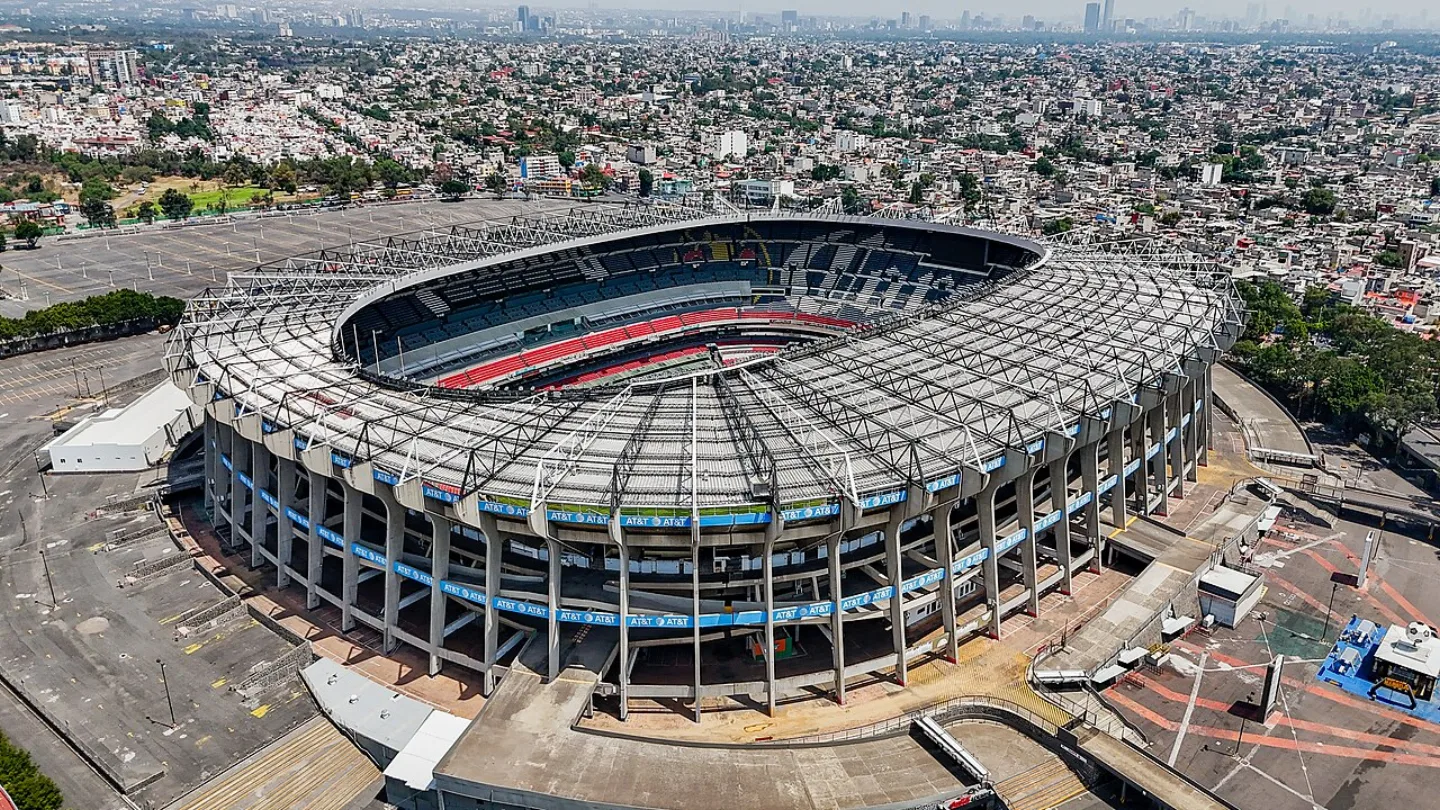
Carlos Alberto's Iconic 1970 Final Goal
In the 86th minute of Brazil's 4-1 win over Italy in the 1970 World Cup final, captain Carlos Alberto Torres blasted home the conclusion of an eight-pass team move. It is widely celebrated as the greatest team goal in football history, and it sealed Brazil's third World Cup title.
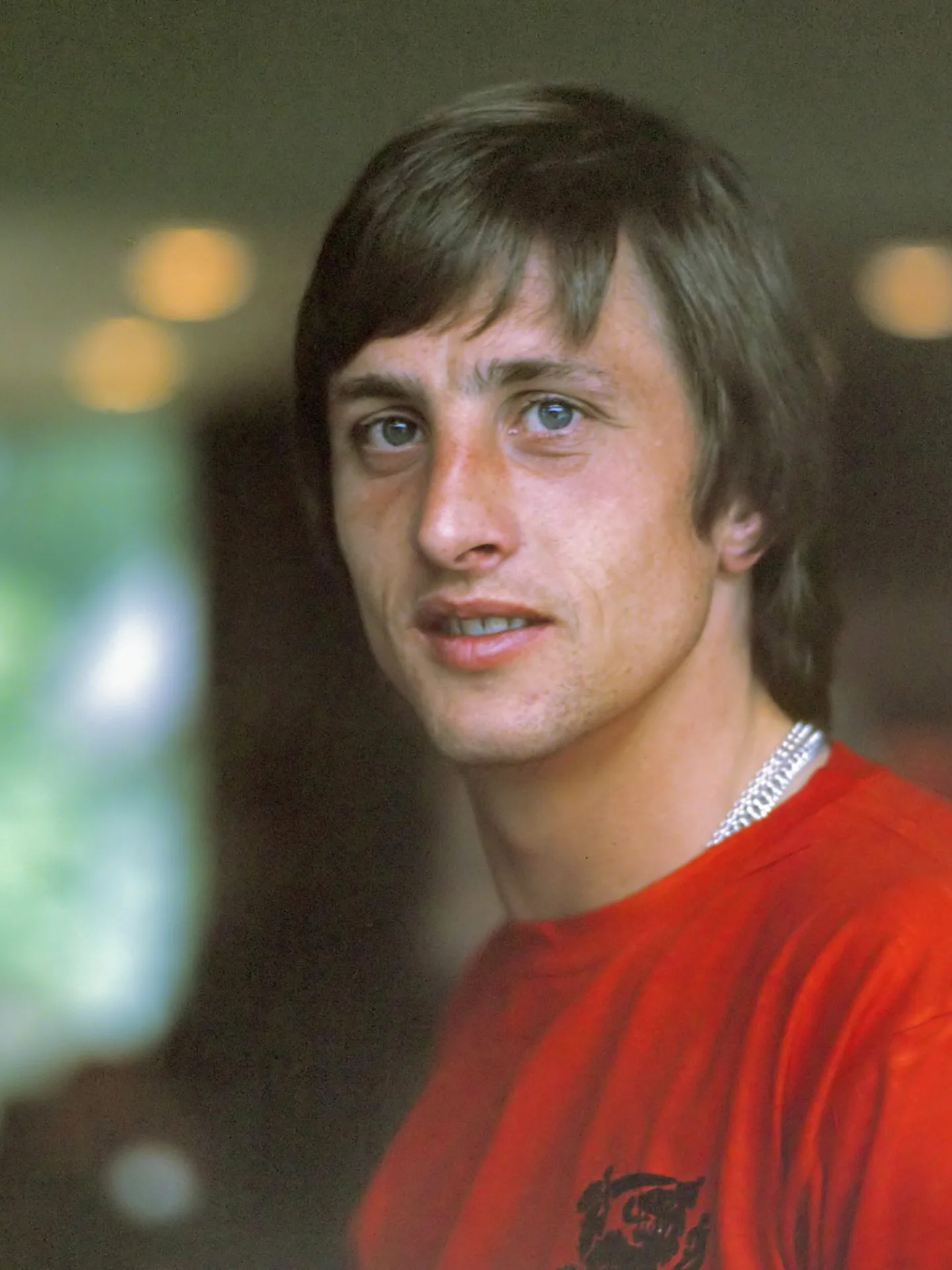
The Cruyff Turn (1974)
During a 1974 World Cup group match against Sweden, Dutch playmaker Johan Cruyff feigned a pass before dragging the ball behind his own standing leg, leaving defender Jan Olsson stranded. The move instantly became famous as the 'Cruyff Turn' and remains one of football's most-imitated pieces of skill.
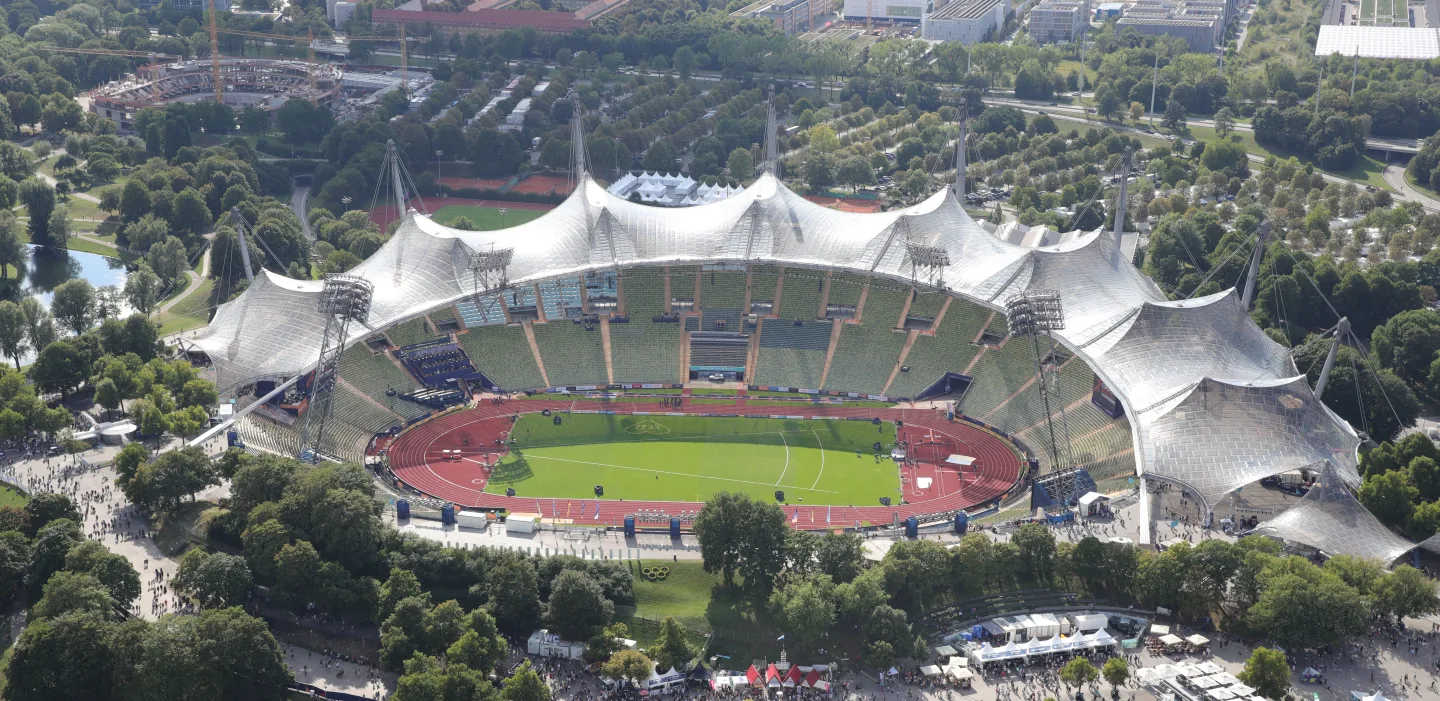
The 1974 World Cup Final
The Netherlands took a stunning 2nd-minute lead in the 1974 final when Johan Neeskens converted a penalty before West Germany had even touched the ball. West Germany equalized through Paul Breitner's penalty in the 25th minute, and Gerd Müller struck the winner in the 43rd, giving West Germany a 2-1 victory in Munich despite sustained Dutch pressure.
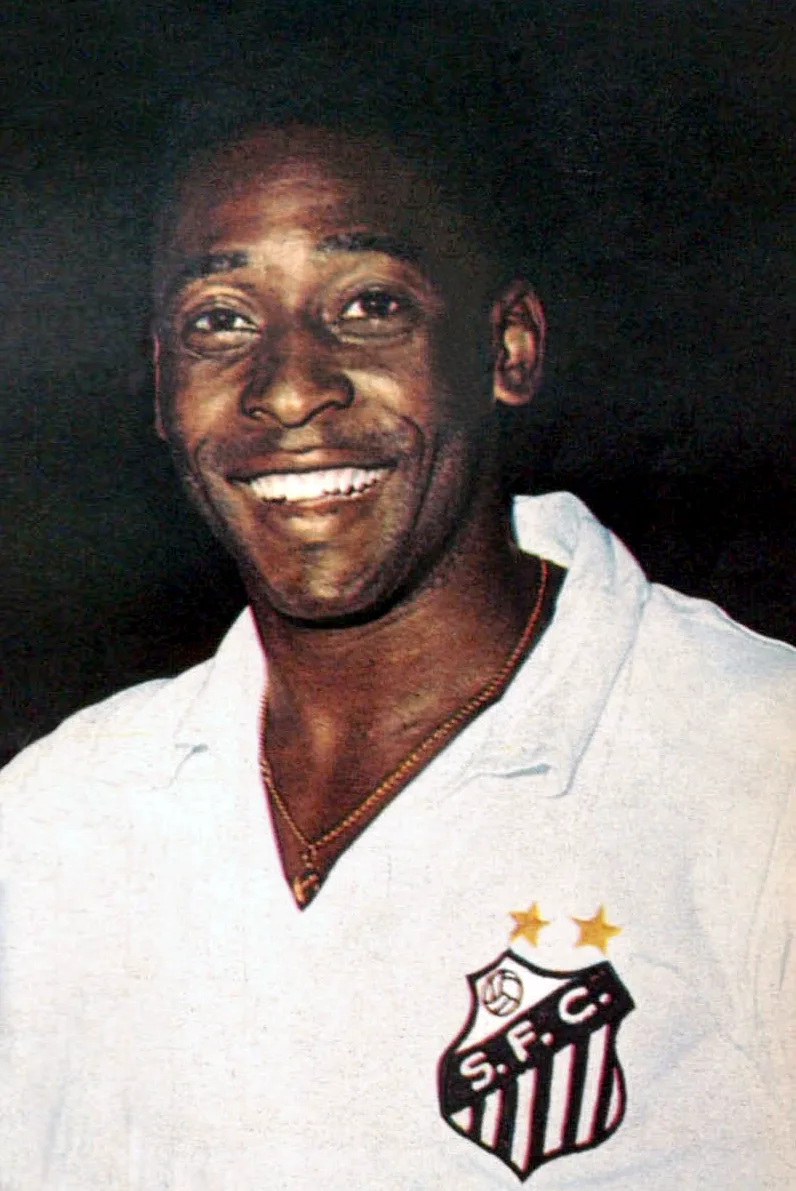
Pelé: The Only Three-Time World Cup Winner
Pelé won the FIFA World Cup three times with Brazil, in 1958 (Sweden), 1962 (Chile), and 1970 (Mexico), a feat no other player in football history has matched. He remains the only player ever to win three World Cup titles.
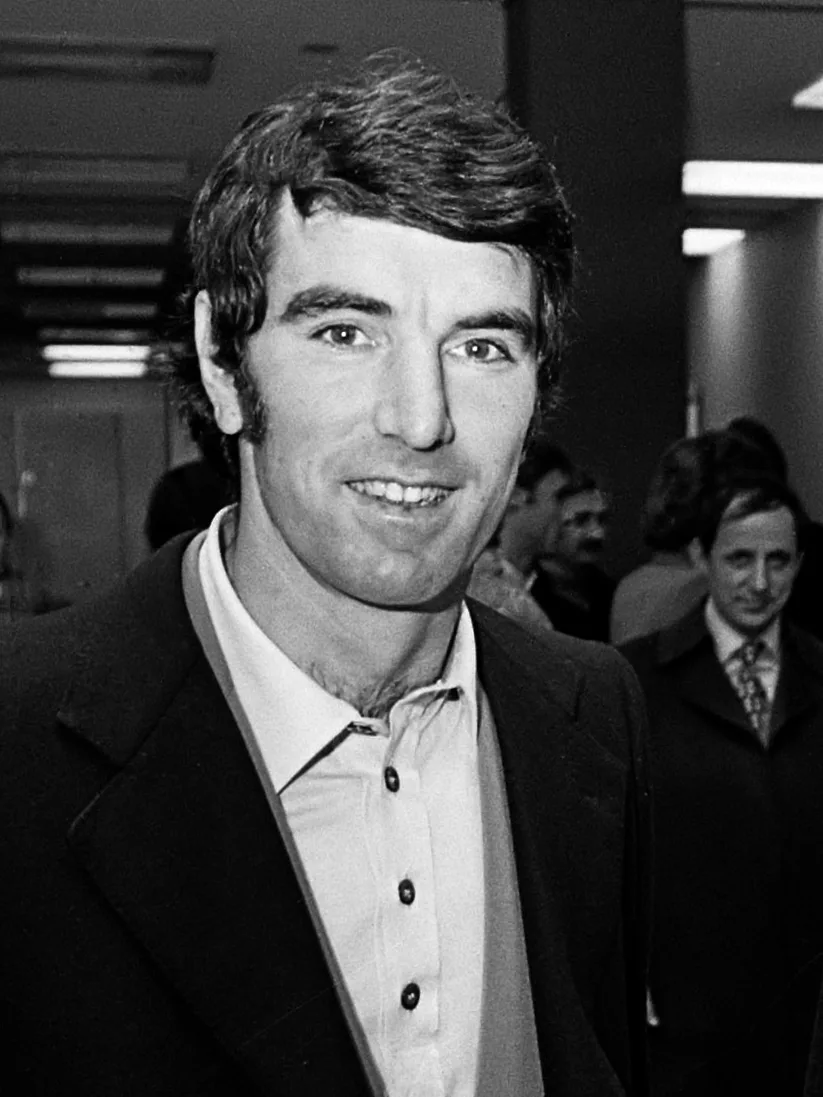
Dino Zoff: Oldest World Cup-Winning Captain
Italian goalkeeper Dino Zoff captained his country to the 1982 World Cup title in Madrid at 40 years and 133 days old, making him the oldest player ever to win the World Cup.
Diego Maradona's 1986 Mexico Masterclass
In the 1986 World Cup quarterfinal against England, Diego Maradona scored the infamous 'Hand of God' goal followed four minutes later by the 'Goal of the Century,' dribbling past five defenders.
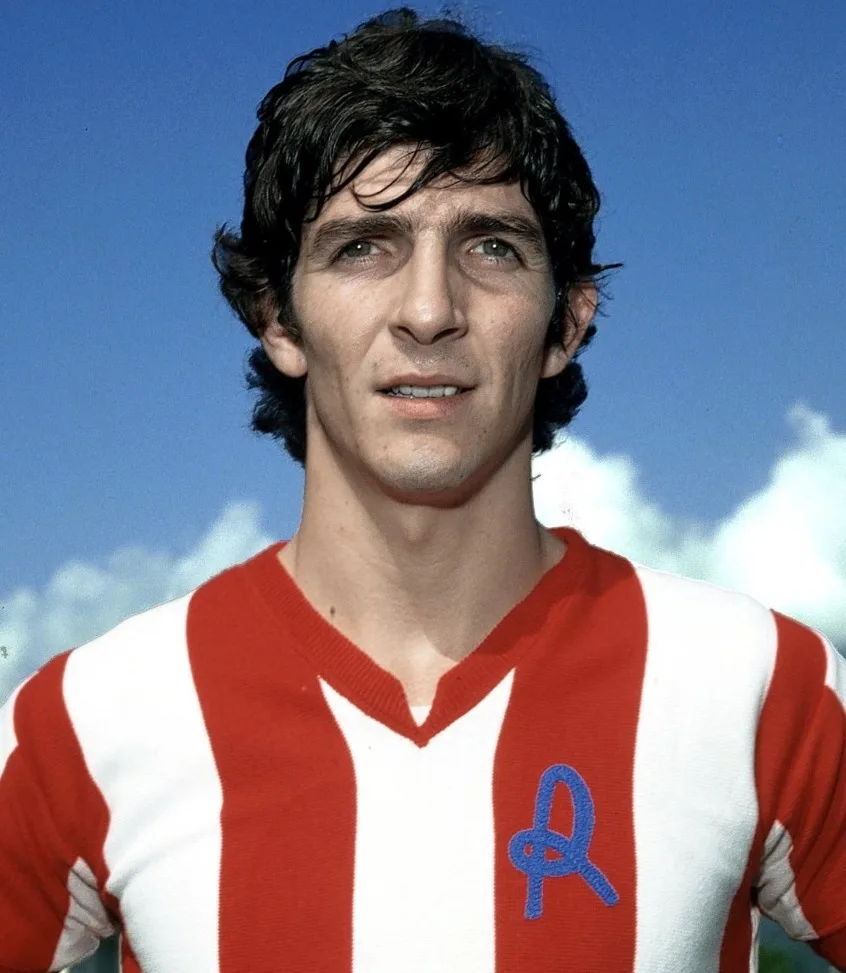
Paolo Rossi's 1982 Hat-Trick Over Brazil
On July 5, 1982, at the Sarrià Stadium in Barcelona, Italian striker Paolo Rossi scored all three goals as Italy eliminated a heavily favored Brazil side 3-2 in the World Cup second round. Rossi finished the tournament as top scorer and led Italy to the title.
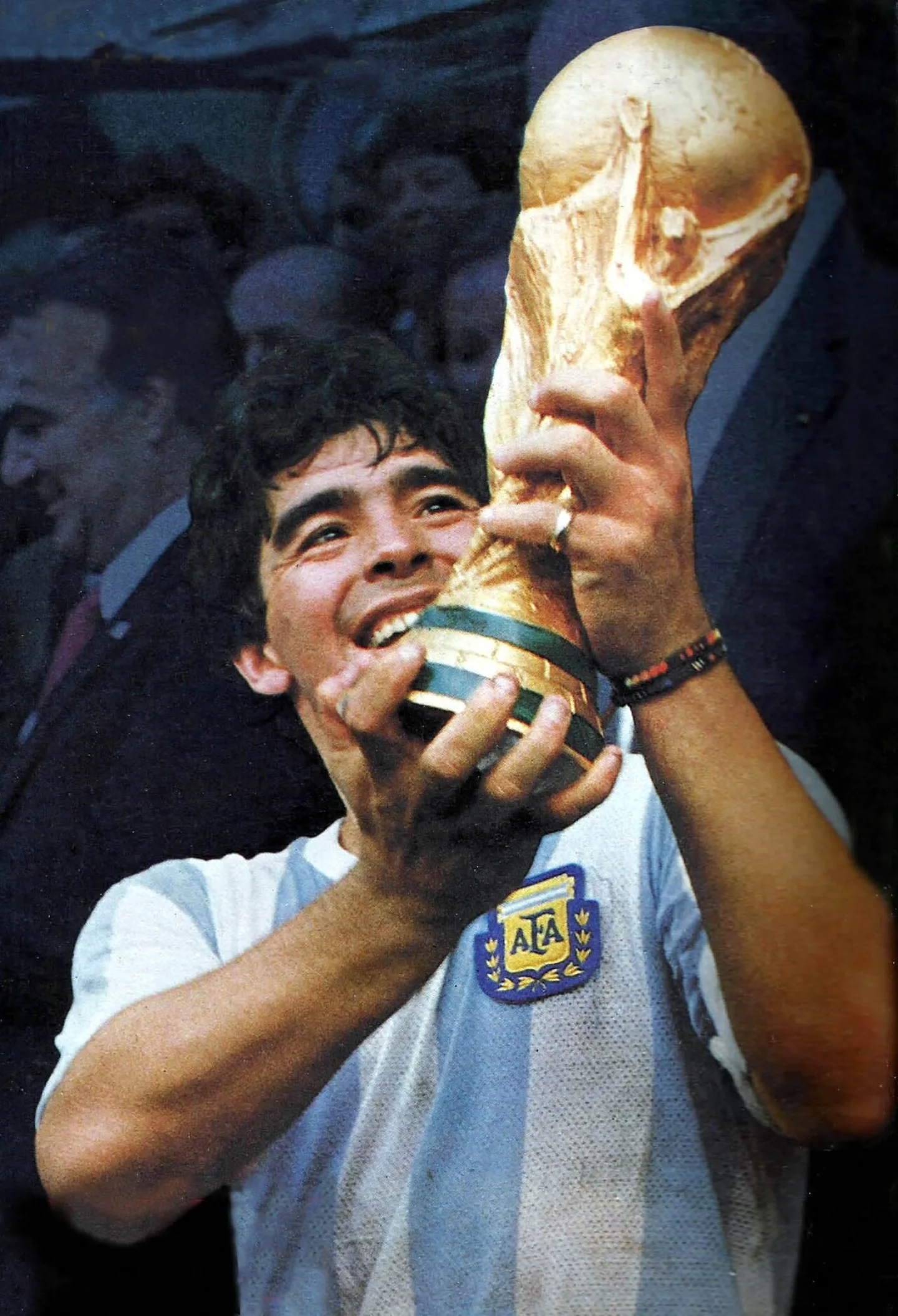
Maradona's Dominant 1986 Tournament
At the 1986 World Cup, Diego Maradona directly created or scored 10 of Argentina's 14 tournament goals, five goals and five assists, including the pass that set up Jorge Burruchaga's winner in the final. It is widely regarded as the single most dominant individual tournament performance in World Cup history.
Totò Schillaci's Fairy-Tale Golden Boot (1990)
Italian striker Salvatore 'Totò' Schillaci began the 1990 World Cup as a substitute, then scored six goals to win both the Golden Boot and Golden Ball as host Italy finished third.
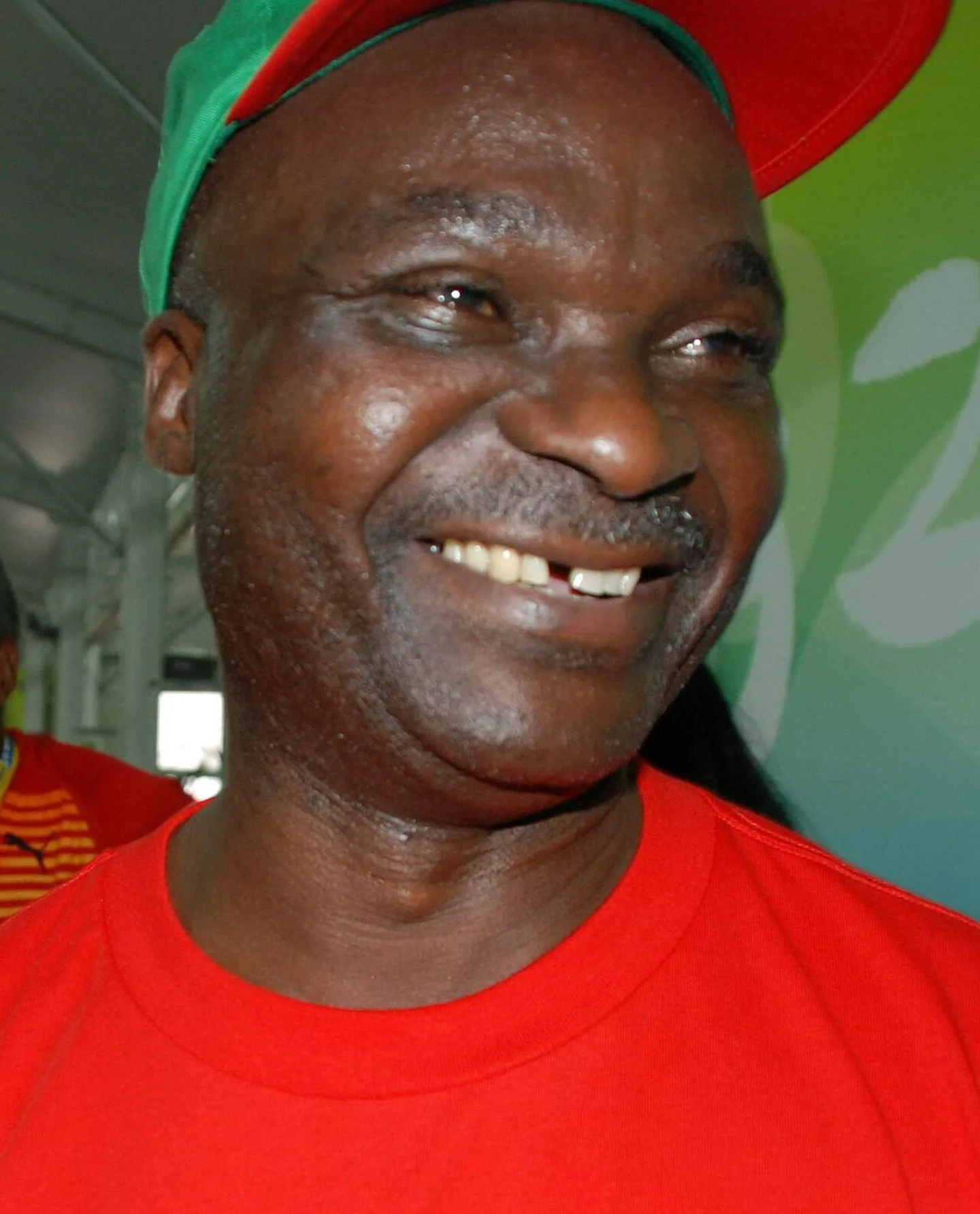
Roger Milla: The Oldest World Cup Goalscorer
Cameroonian striker Roger Milla scored against Russia at the 1994 World Cup at 42 years and 39 days old, a record that still stands as the oldest goal scored in World Cup history.
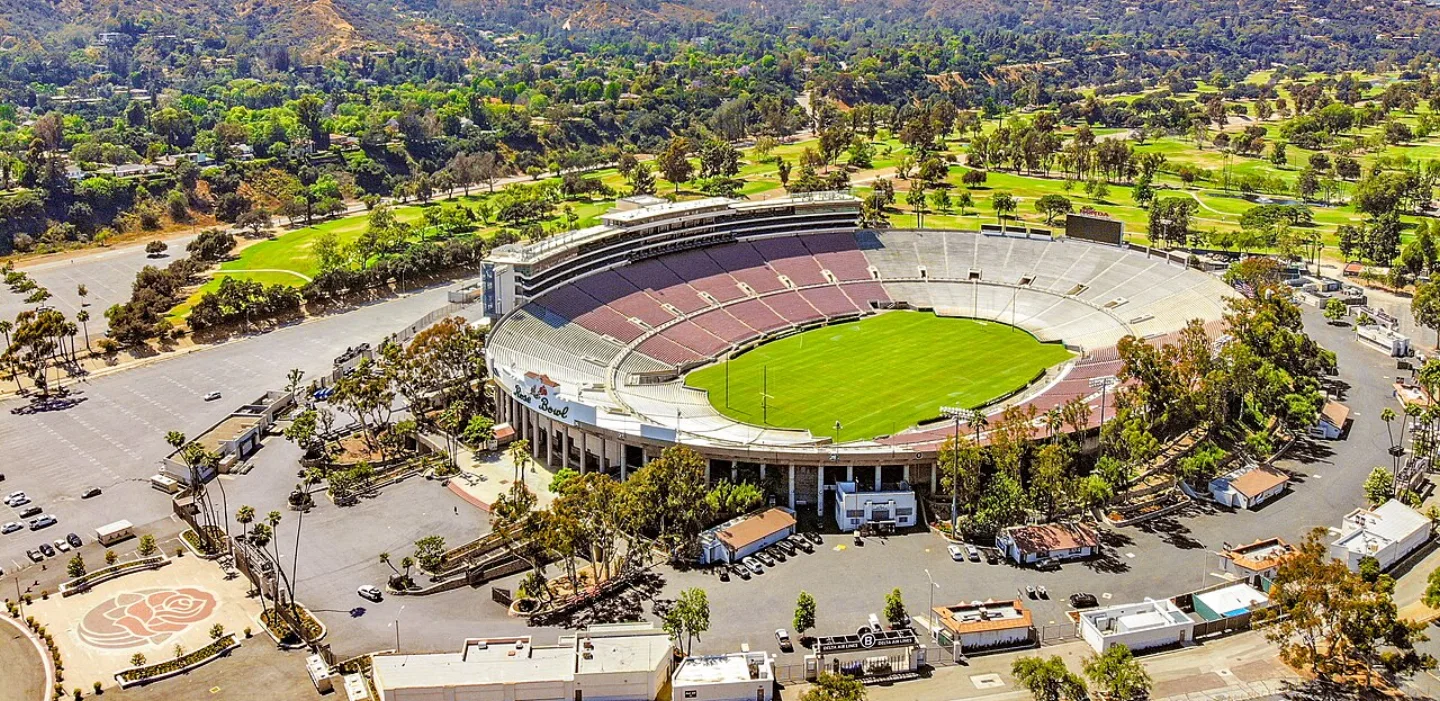
Roberto Baggio's Heartbreak at the 1994 Final
After carrying Italy through the knockout rounds with five goals, star forward Roberto Baggio skied the decisive penalty over the crossbar in the shootout of the 1994 World Cup Final at the Rose Bowl, handing Brazil a 3-2 shootout win and their fourth title.
By the numbers
- How many FIFA World Cup titles did Pelé win during his international career (1958, 1962, and 1970)?
- 3 titles
- How many goals did West German striker Gerd Müller score at the 1970 World Cup to claim the Golden Boot?
- 10 goals
- How many goals did Michel Platini score in just five matches to set the all-time UEFA European Championship record at Euro 1984?
- 9 goals
- How many goals did Russia's Oleg Salenko score in a single match against Cameroon at the 1994 World Cup to set the all-time record?
- 5 goals
Matched pairs
Each item on the left goes with the one on the right.
- Silvio Gazzaniga (Italian Sculptor)
- Designer of the 18-karat solid gold modern FIFA World Cup Trophy introduced in 1974
- Franz Beckenbauer
- First individual to win the FIFA World Cup as team captain (1974) and manager (1990)
Step by step
Match progression of the 1974 World Cup Final (West Germany 2-1 Netherlands):
- Johan Neeskens converted a 2nd-minute penalty for the Netherlands before a German player touched the ball.
- Paul Breitner equalized for West Germany from the penalty spot in the 25th minute.
- Gerd Müller scored the decisive turning goal in the 43rd minute to give West Germany a 2-1 lead.
- West Germany successfully absorbed Dutch second-half pressure in Munich to lift the new World Cup trophy.
Self-test
Answer each question from memory, then check your work against the answer key.
1. Who scored the legendary 86th-minute goal that completed Brazil's 4-1 win over Italy in the 1970 World Cup final?
- ACarlos Alberto
- BPelé
- CJairzinho
- DTostão
2. In a 1974 World Cup group match against Sweden, which Dutch playmaker faked a pass and dragged the ball behind his own standing leg to beat his marker?
- AFranz Beckenbauer
- BJohan Cruyff
- CGerd Müller
- DJohan Neeskens
3. What historic feat did Pelé achieve by winning the 1970 World Cup with Brazil?
- AFirst player to win four World Cup titles
- BFirst captain to lift the modern World Cup Trophy
- CFirst player to win three World Cup titles
- DOldest player to win a World Cup title
4. Rinus Michels and Johan Cruyff pioneered which tactical system, built on players fluidly swapping positions?
- ACatenaccio
- BGegenpressing
- CTiki-taka
- DTotal Football
5. What modernization, still used in football today, did referee Ken Aston introduce at the 1970 World Cup?
- AThe golden goal rule
- BRed and yellow penalty cards
- COffside flag technology
- DVideo assistant referee (VAR)
6. Which Dutch tactical system, pioneered by Rinus Michels and Johan Cruyff, let outfield players fluidly swap positions?
- ATotal Football
- BTiki-Taka
- CCatenaccio
- DGegenpressing
7. Against which opponent did Johan Cruyff invent the famous 'Cruyff Turn' at the 1974 World Cup?
- AArgentina
- BBrazil
- CWest Germany
- DSweden
8. Whose two goals four minutes apart in the 1986 quarterfinal against England became known as the 'Hand of God' and 'Goal of the Century'?
- ARoberto Baggio
- BPaolo Rossi
- CDiego Maradona
- DMichel Platini
9. Which achievement does NOT belong to Diego Maradona's 1986 World Cup campaign?
- AHand of God goal vs England
- B10 of Argentina's 14 goals
- CAssist for Burruchaga's winner
- DWorld Cup won as captain and manager
10. Who became the first person to win the FIFA World Cup as both team captain and as a manager?
- ARinus Michels
- BFranz Beckenbauer
- CMarco Tardelli
- DDino Zoff
11. How many goals did Michel Platini score in five matches to set the all-time European Championship scoring record at Euro 1984?
- A11
- B5
- C9
- D7
12. At the 1990 World Cup, Salvatore Schillaci won the Golden Boot after starting the tournament in what squad role?
- ASubstitute
- BTeam captain
- CInjured reserve
- DStarting striker
Go deeper
Answer key
- 1. A Carlos AlbertoCarlos Alberto blasted home the conclusion of an eight-pass move, widely called the greatest team goal in football history.
- 2. B Johan CruyffCruyff's feint against Sweden's Jan Olsson became famous as the 'Cruyff Turn'; Neeskens was his Dutch teammate, while Beckenbauer and Müller played for West Germany.
- 3. C First player to win three World Cup titlesPelé's 1970 title made him the first and only player in history to win three FIFA World Cups.
- 4. D Total FootballTotal Football, popularized by Michels and Cruyff with the Netherlands, let any outfield player interchangeably assume a teammate's role.
- 5. B Red and yellow penalty cardsKen Aston conceptualized red and yellow penalty cards, first used at the 1970 World Cup in Mexico.
- 6. A Total FootballRinus Michels and Johan Cruyff popularized 'Total Football,' an adaptable system where outfield players fluidly interchanged roles.
- 7. D SwedenIn a 1974 group match against Sweden, Cruyff faked a pass and dragged the ball behind his standing leg, leaving defender Jan Olsson stranded.
- 8. C Diego MaradonaMaradona scored both the handball 'Hand of God' goal and the 60-meter solo 'Goal of the Century' against England in 1986.
- 9. D World Cup won as captain and managerWinning the World Cup as both captain and manager was Franz Beckenbauer's feat (1974 and 1990), not Maradona's.
- 10. B Franz BeckenbauerBeckenbauer captained West Germany to the 1974 title and managed them to the 1990 title, a unique double.
- 11. C 9Platini's nine goals in five matches at Euro 1984 remains the tournament's all-time individual scoring record.
- 12. A SubstituteSchillaci began Italia 90 on the bench as a substitute before his fairy-tale run to six goals and the Golden Boot.
Sources
- FIFA: Mexico 1970 Innovation and Color and 10 more references — www.fifa.com
- Guinness World Records: Most World Cup Wins by a Player; Guinness World Records: Oldest World Cup Scorer — www.guinnessworldrecords.com
- National Football Museum: Gordon Banks 1970 Save — www.nationalfootballmuseum.com
- DFB: Gerd Müller 1970 Golden Boot and 3 more references — www.dfb.de
- KNVB: The Philosophy of Total Football — www.knvb.com
- AFA: 1978 World Cup Championship Report; AFA: 1986 World Cup Champions — www.afa.com.ar
- FPF: Teófilo Cubillas Peru Legend — fpf.org.pe
- FIGC: Dino Zoff 1982 World Cup Triumph; FIGC: Paolo Rossi 1982 World Cup Miracle; FIGC: Totò Schillaci Italia 90 Legend — www.figc.it
- The FA: Gazza and Italia 90 — www.thefa.com
- UEFA: Platini's Incredible Euro 1984 — www.uefa.com
- CAF: Cameroon's Historic 1990 World Cup Run — www.cafonline.com
- CBF: Bebeto Cradle Celebration History — www.cbf.com.br
Image credits
- Carlos Alberto's Iconic 1970 Final Goal: Own work · CC BY-SA 4.0 — commons.wikimedia.org/wiki/File:Estadio_Azteca_desde_el_aire_1.jpg
- The Cruyff Turn (1974): Wikimedia Commons · Rob Mieremet / Anefo · CC0 — commons.wikimedia.org/wiki/File:Johan_Cruijff_(1974).jpg
- The 1974 World Cup Final: Wikimedia Commons · Sandro Halank · CC BY-SA 4.0 — commons.wikimedia.org/wiki/File:2022-08-21_Olympiapark_M%C3%BCnchen_by_Sandro_Halank%E2%80%93025.jpg
- Pelé: The Only Three-Time World Cup Winner: Unknown author · Public domain — commons.wikimedia.org/wiki/File:Pel%C3%A9_Mar_del_Plata_1965.PNG
- Dino Zoff: Oldest World Cup-Winning Captain: Wikimedia Commons · Bert Verhoeff for Anefo · CC BY-SA 3.0 nl — commons.wikimedia.org/wiki/File:Dino_Zoff_(1974).jpg
- Paolo Rossi's 1982 Hat-Trick Over Brazil: The original uploader was Snake90 at Italian Wikipedia. · Public domain — commons.wikimedia.org/wiki/File:Paolo_Rossi_Vicenza_(cropped).jpg
- Maradona's Dominant 1986 Tournament: Wikimedia Commons · Unknown author · Public domain — commons.wikimedia.org/wiki/File:Maradona-Mundial_86_con_la_copa.JPG
- Roger Milla: The Oldest World Cup Goalscorer: Jmex60 · CC BY-SA 3.0 — en.wikipedia.org/wiki/Roger_Milla
- Roberto Baggio's Heartbreak at the 1994 Final: Ted Eytan · CC BY-SA 2.0 — commons.wikimedia.org/wiki/File:2018.06.17_Over_the_Rose_Bowl,_Pasadena,_CA_USA_0046_(42855686701).jpg


