
AZT: Rincons & Catalinas study guide · Lesson 12 of 19
Flora & Fauna
Plants & small creatures · Reptiles, birds & mammals
This is the lesson's study guide from the FlashFeed app, plus its key facts and a self-test.
What you'll be able to do
- Describe the saguaro's size and lifespan and its keystone role as a desert wildlife high-rise.
- Identify signature plants of the desert-to-sky-island gradient — ocotillo and alligator juniper — by their distinctive traits.
- Recognize the desert's spectacular insects — the palo verde beetle and the tarantula hawk.
- Distinguish the reptiles by their adaptations — Yarrow's live-bearing lizard, the bipedal collared lizard, and the venomous fossorial Gila monster.
- Recognize the sky-island animals by name, including the reptiles, the coatimundi, and the Mexican spotted owl.
The sky-island gradient means this stretch hosts an extraordinary range of life — from giant cacti and outsized insects in the desert to live-bearing lizards and threatened owls in the high forest. This lesson covers the plants and animals you're most likely to meet.
Plants & small creatures
The icon of the lowest trail is the saguaro, which can live 150–200 years, grow up to roughly 40–60 feet tall, and weigh well over a ton when fully hydrated. Its arms typically don't appear until the plant is 50–100 years old, depending on rainfall and growing conditions, so a many-armed giant is genuinely ancient. Alongside it, ocotillo look like clusters of dry, thorny sticks most of the year, then leaf out and throw up brilliant red-orange flower spikes after spring rains — a vital nectar source for migrating hummingbirds. Climb into the oak and pine-oak zones and you'll meet the alligator juniper, unmistakable for its deeply checkered bark that looks exactly like alligator hide.
The desert's insects run to the spectacular. The palo verde beetle spends 3–4 years underground as a grub feeding on tree roots before emerging during the summer monsoon as a huge (3+ inch) flying beetle — alarming but harmless, and beneficial for aerating the soil. The tarantula hawk is a large wasp with one of the most painful stings of any insect; it parasitizes tarantulas, paralyzing a spider and dragging it to a burrow so its larva can consume it alive. Both are part of the broader monsoon insect surge, when warm, humid summer air triggers mass emergences of beetles and moths — a feast for birds, bats, and lizards that makes the high country hum in July and August.
Reptiles, birds & mammals
The reptiles span the elevation gradient. High in the pine-oak forests and talus slopes lives Yarrow's spiny lizard, a viviparous (live-bearing) species — an adaptation that lets it survive cool mountain nights where eggs might not incubate. On boulder-strewn mid-elevation slopes, the collared lizard hunts with powerful jaws and can sprint bipedally, rearing onto its hind legs to run across the rocks. And the Gila monster — one of the few venomous lizards on Earth — spends up to 90% of its life underground, emerging mainly in late spring to raid eggs and nestlings; slow and non-aggressive, it's a rare, protected sight best admired from a distance.
The birds and mammals are just as memorable. Mature saguaros become wildlife high-rises: Gila woodpeckers and gilded flickers excavate nest cavities that, once abandoned, are reused by tiny elf owls — one reason the cactus is a keystone species. In the oak and pine forests, bands of coatimundi — social, long-tailed members of the raccoon family — forage through the leaf litter with their ringed tails held high, and a troop crossing the trail is a sky-island highlight. Highest of all, the threatened Mexican spotted owl roosts in the cool, steep-walled ravines of the conifer forests, its presence a sign of healthy old-growth canyon habitat — an occasional reward for quiet hikers in the high country.
Key concepts
Saguaro
- The towering icon of the lowest trail, a giant that can live 150 to 200 years.
- It can grow 40 to 60 feet tall and weigh well over a ton when fully hydrated; its arms don't appear until it's 50 to 100 years old, depending on conditions.
- A keystone 'wildlife high-rise': woodpeckers and gilded flickers carve nest holes later reused by tiny elf owls.
Ocotillo
- For most of the year it looks like a cluster of dry, thorny sticks.
- After spring rains it leafs out and throws up brilliant red-orange flower spikes.
- Those blooms are a vital nectar source for migrating hummingbirds in the low country.
Alligator juniper
- A tree you meet on climbing into the oak and pine-oak zones.
- It is unmistakable for its deeply checkered bark.
- That bark looks exactly like the hide of the large reptile it's named for.
Yarrow's spiny lizard
- A reptile of the high pine-oak forests and talus slopes.
- It is viviparous, meaning live-bearing rather than egg-laying.
- Giving birth to live young lets it survive cool mountain nights where eggs might not incubate.
Collared lizard
- A reptile that hunts on boulder-strewn mid-elevation slopes.
- It has powerful jaws for catching prey among the rocks.
- Startle it and it sprints bipedally, rearing onto its hind legs to run across the boulders.
Gila monster
- One of the few venomous lizards on Earth, and a rare, protected sight.
- It spends up to 90% of its life underground, emerging mainly in late spring.
- Slow and non-aggressive, it surfaces to raid eggs and nestlings and is best admired from a distance.
Key facts
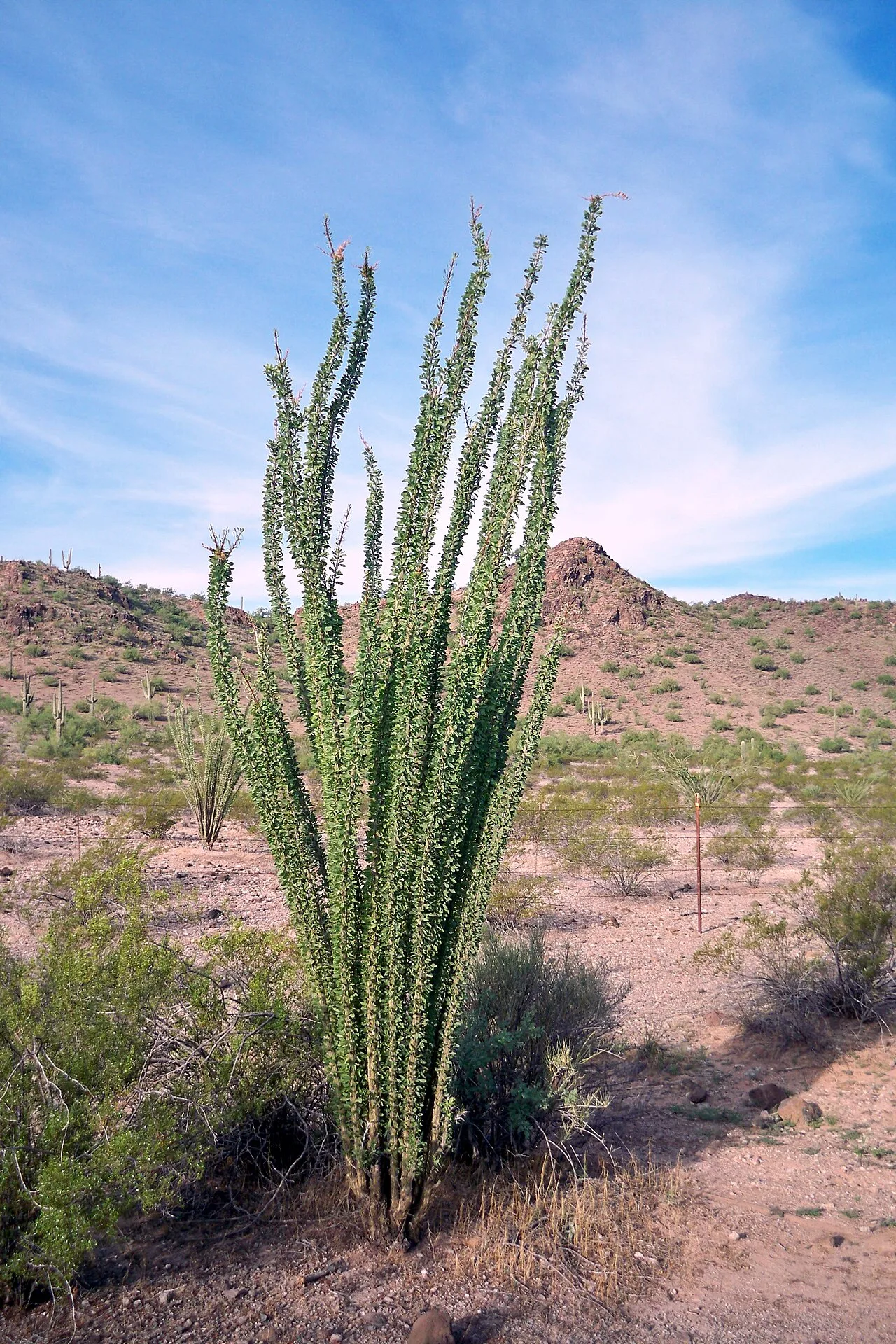
Ocotillo
Ocotillo look like clusters of dry, thorny sticks most of the year, then leaf out and produce brilliant red-orange flower spikes after spring rains — a vital nectar source for migrating hummingbirds. Their quick leaf-and-drop cycle tracks each pulse of moisture.
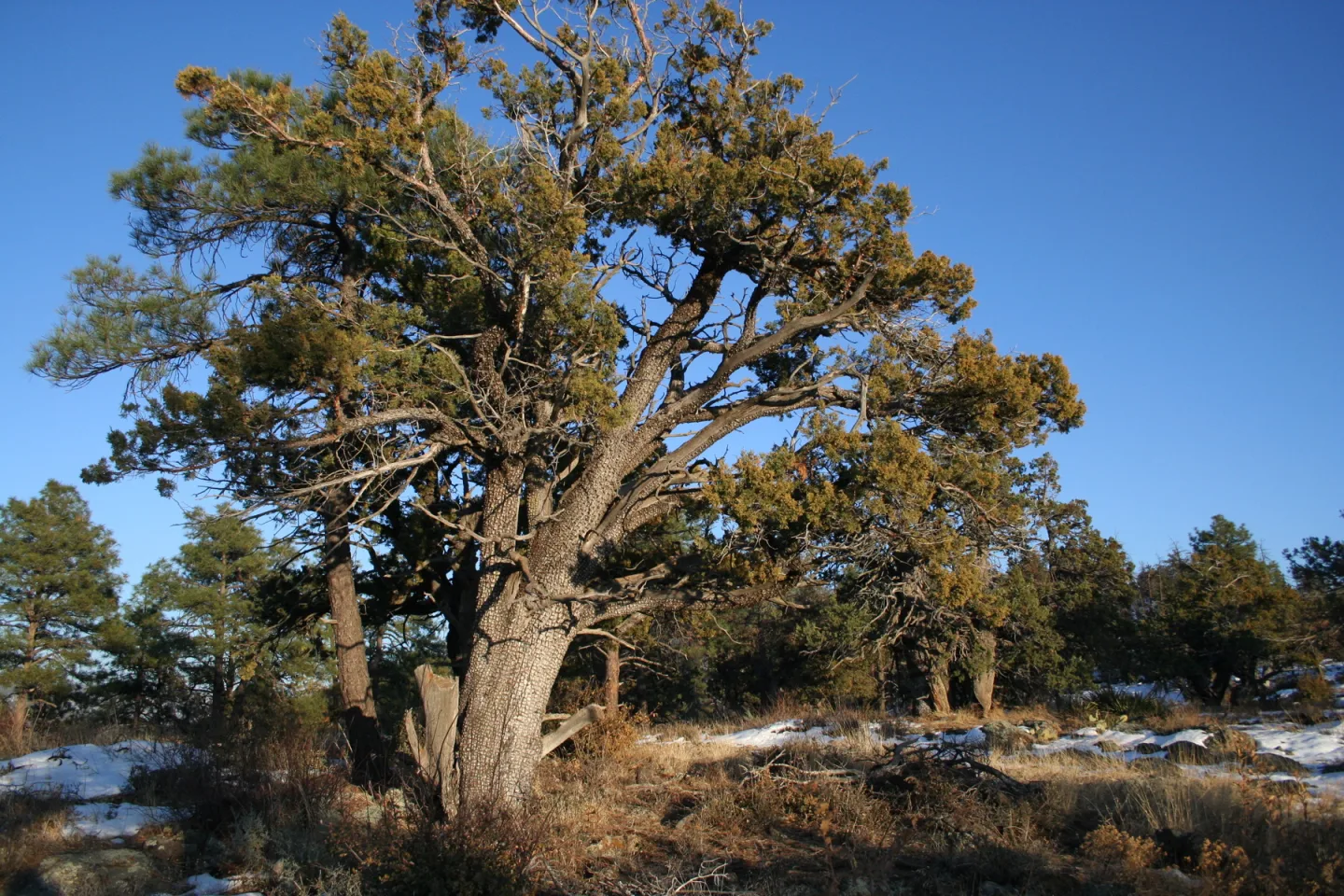
Alligator juniper
Alligator juniper is unmistakable for its deeply checkered bark that looks like alligator hide. A long-lived tree of the oak and pine-oak zones, it's one of the easiest sky-island species to identify on sight along the mid-elevation trail.
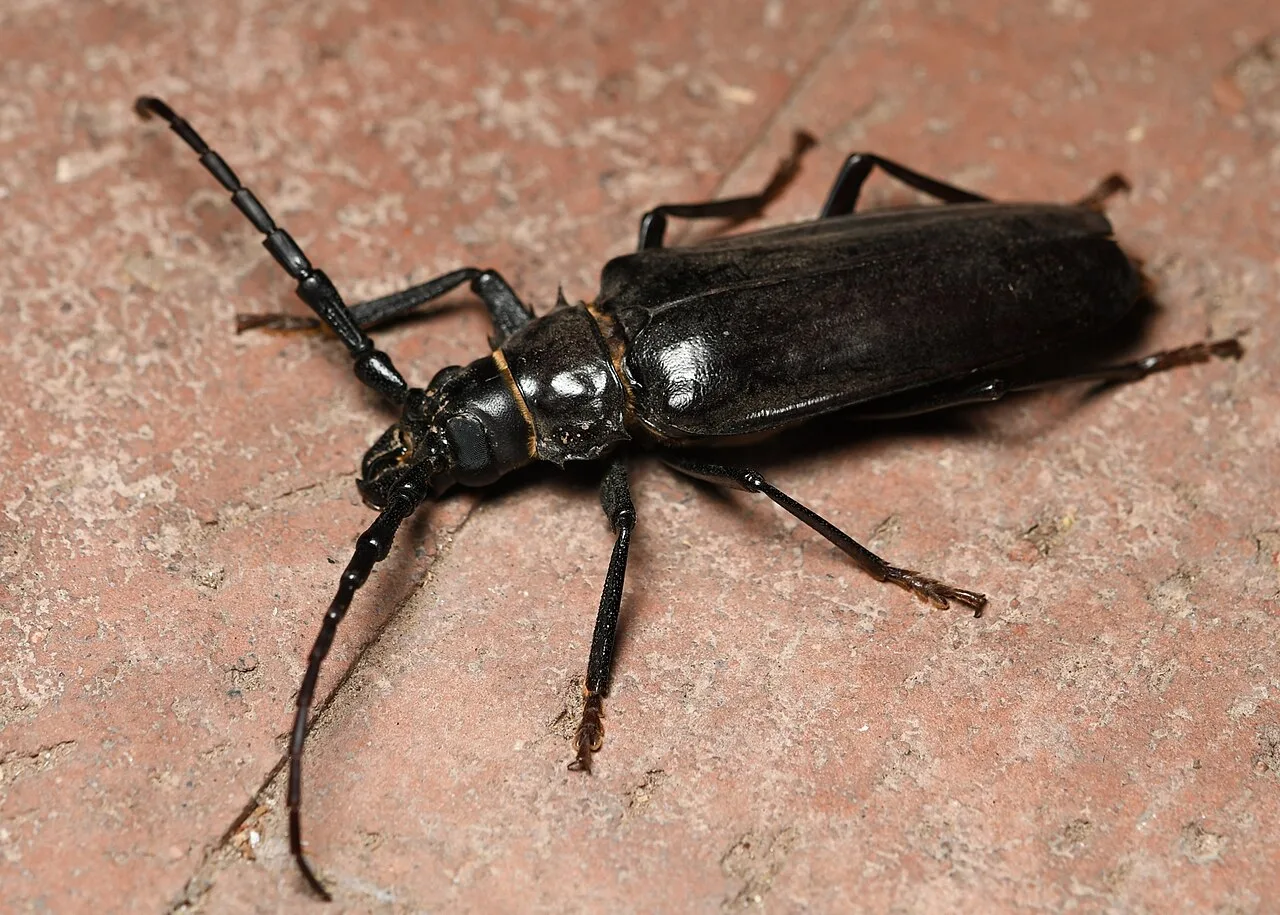
Palo verde beetle
Palo verde beetles spend 3-4 years underground as grubs feeding on tree roots before emerging during the summer monsoon as huge (3+ inch) flying beetles. Despite their alarming size they're harmless to people — and beneficial for aerating the soil.
Monsoon insect surge
The insect fauna explodes during the summer monsoon, when warm, humid air masses trigger emergences of beetles, moths, and more. It's a feast for birds, bats, and lizards — and the reason the high country buzzes with life in July and August.
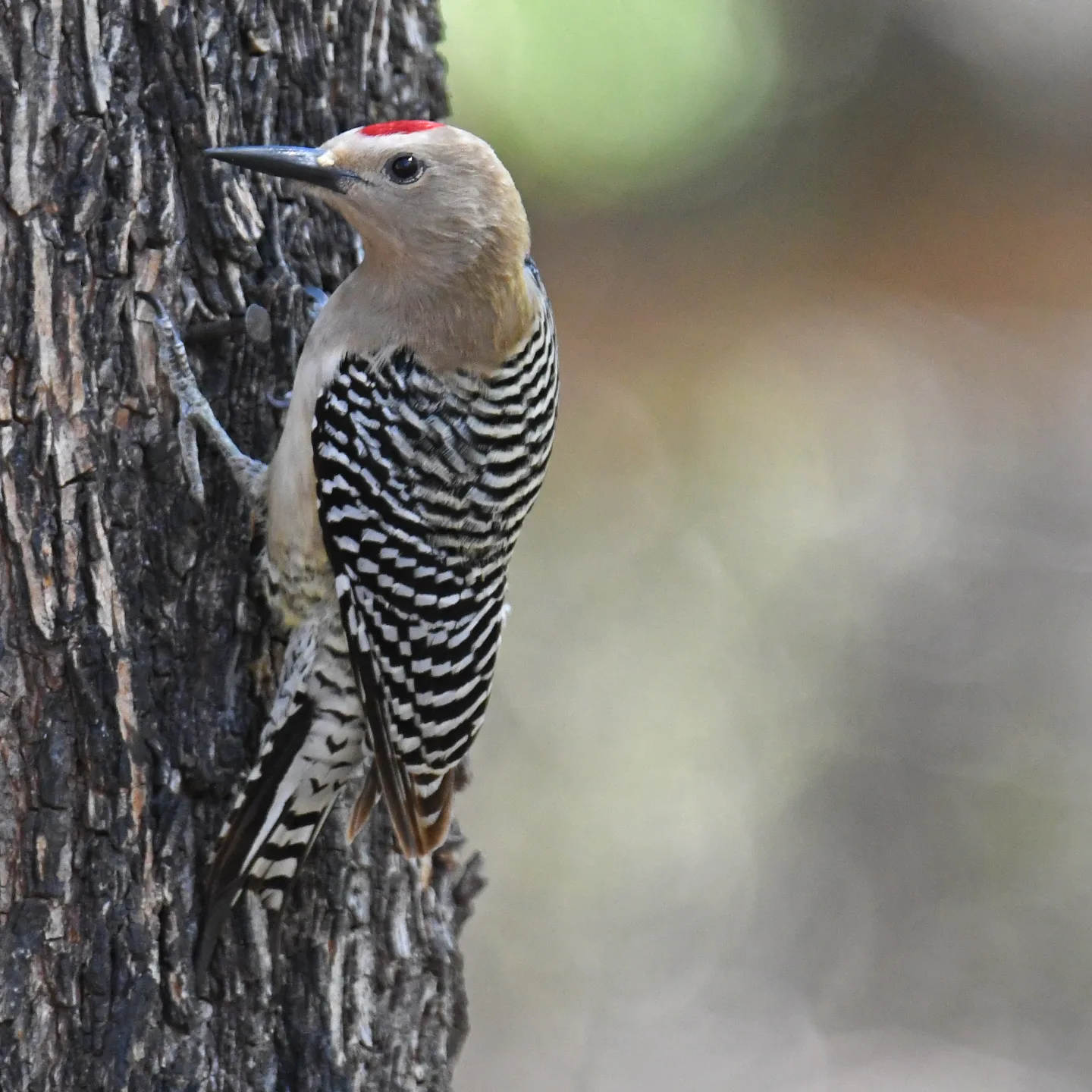
Saguaro apartments
Gila woodpeckers and gilded flickers excavate nest cavities in mature saguaros; once abandoned, those holes are reused by tiny elf owls and other birds. A single old saguaro becomes a high-rise of desert wildlife — one reason the cactus is a keystone species.
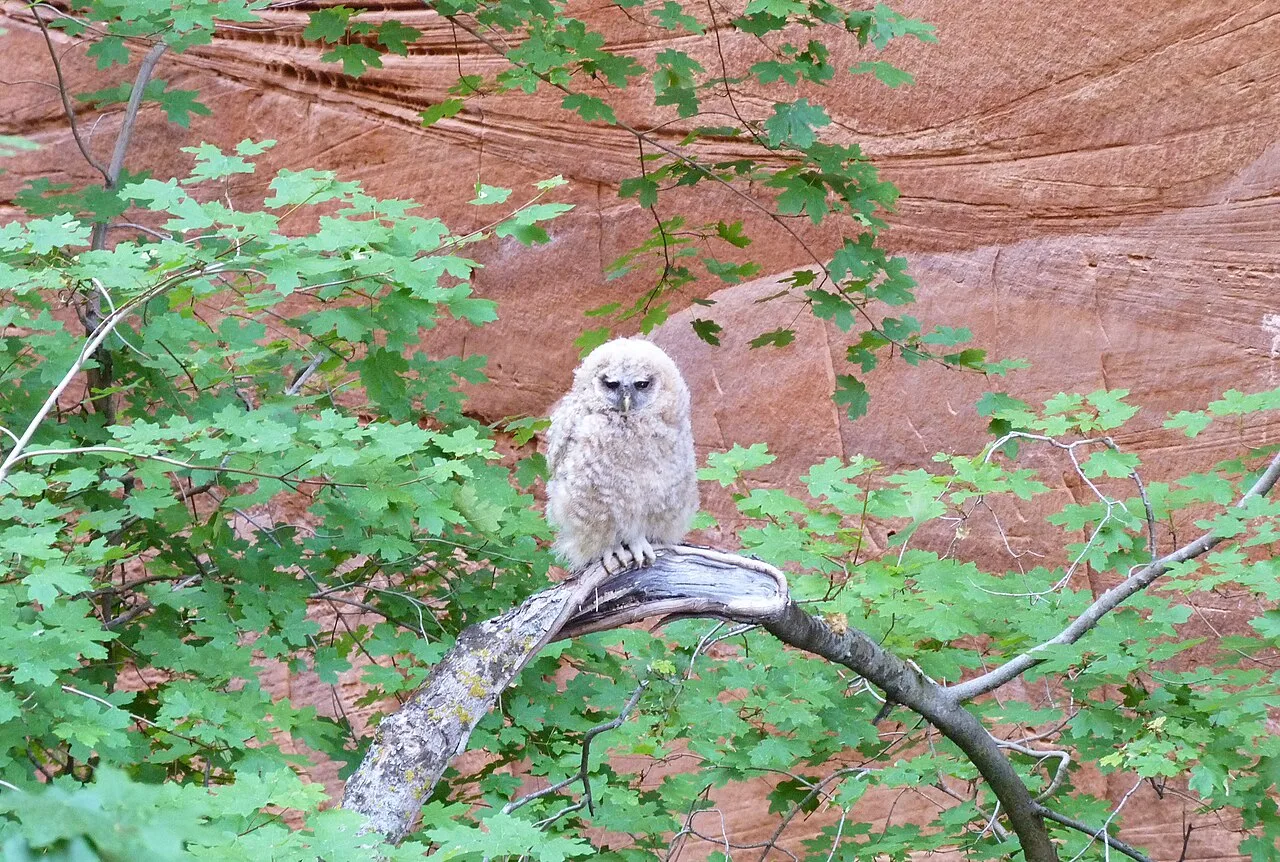
Mexican spotted owl
Mexican spotted owls roost in the cool, steep-walled ravines of the higher conifer forests — a threatened species whose presence signals healthy old-growth canyon habitat. Quiet hikers in the high country are occasionally rewarded with a glimpse or a call.
By the numbers
- Maximum height a saguaro cactus can reach (ft)
- 60 ft
- Maximum age a saguaro cactus can reach (years)
- 200 years
Matched pairs
Each item on the left goes with the one on the right.
- Ocotillo
- Dry thorny sticks that flower red-orange after spring rains
- Alligator juniper
- Deeply checkered bark that looks like alligator hide
- Palo verde beetle
- Spends 3-4 years underground before a huge monsoon emergence
- Yarrow's spiny lizard
- Live-bearing reptile of the high pine-oak forests
- Collared lizard
- Sprints across boulder slopes on its hind legs
- Gila monster
- Venomous lizard that spends most of its life underground
- Coatimundi
- Social ring-tailed member of the raccoon family
Self-test
Answer each question from memory, then check your work against the answer key.
1. How long can a saguaro cactus live?
- AAbout 200 years
- BAbout 75 years
- CAbout 500 years
- DAbout 1000 years
2. How tall can a fully grown saguaro get?
- A10 to 15 feet
- B40 to 60 feet
- C100 to 120 feet
- D5 to 8 feet
3. Which statement about the saguaro is NOT true?
- AIt can weigh over a ton when fully hydrated
- BIt can grow 40 to 60 feet tall
- CIts arms appear in its first year of growth
- DIt can live 150 to 200 years
4. Which birds excavate the nest cavities that make a mature saguaro a wildlife high-rise?
- APurple martins
- BMexican spotted owls
- CElf owls
- DGila woodpeckers and gilded flickers
5. Which small bird reuses abandoned nest cavities in old saguaros?
- AElf owls
- BGila woodpeckers
- CMexican spotted owls
- DGilded flickers
6. What does ocotillo look like for most of the year?
- ADeeply checkered bark
- BClusters of dry, thorny sticks
- CA single tall barrel trunk
- DBroad evergreen leaves year-round
7. Alligator juniper is most easily recognized by its...?
- ASmooth peeling white bark
- BGiant multi-armed silhouette
- CRed-orange flower spikes
- DDeeply checkered bark like alligator hide
8. Ocotillo's flower spikes are a vital nectar source for which migrating animals?
- ACoatimundi
- BElf owls
- CHummingbirds
- DBats
9. Which statement about ocotillo is NOT true?
- AIt keeps broad green leaves all year
- BIts flowers feed migrating hummingbirds
- CIt produces red-orange flower spikes after spring rains
- DIt looks like dry thorny sticks most of the year
10. You spot a mid-elevation tree whose bark is broken into deep square plates like reptile skin. What is it?
- AOcotillo
- BAlligator juniper
- CPalo verde
- DSaguaro
11. Despite its name, the tarantula hawk is actually what kind of creature?
- AA bird of prey
- BA spider
- CA large wasp
- DA beetle
12. How long does a palo verde beetle spend underground as a grub before emerging?
- AA few weeks
- B6 to 8 months
- CAbout 20 years
- D3 to 4 years
13. Despite its alarming size, the palo verde beetle is...?
- ADeadly venomous
- BAggressive and stinging
- CA crop-destroying pest
- DHarmless to people
14. The tarantula hawk is notable among insects for having...?
- AA mild sting like a mosquito
- BOne of the most painful stings of any insect
- CNo sting at all
- DA venom that is fatal to humans
15. How does the tarantula hawk use a tarantula?
- AShares its burrow peacefully
- BEats it whole immediately
- CParalyzes it so its larva can eat it alive
- DUses its silk to build a nest
16. Yarrow's spiny lizard is unusual among reptiles because it...?
- AGives birth to live young
- BIs venomous
- CLays eggs in deep sand
- DSprints on its hind legs
17. The collared lizard is known for its ability to...?
- ASwim across streams
- BBurrow underground for years
- CGlide between trees
- DSprint on its hind legs across boulders
18. Roughly what share of its life does the Gila monster spend underground?
- AAbout 10 percent
- BAbout 50 percent
- CAbout 90 percent
- DAbout 25 percent
19. Live-bearing helps Yarrow's spiny lizard survive its habitat's...?
- ACool mountain nights that could stop eggs incubating
- BFrequent flooding of burrows
- CLack of insect prey
- DExtreme desert heat at low elevation
20. Which reptile-and-adaptation pairing is INCORRECT?
- AYarrow's spiny lizard — gives birth to live young
- BGila monster — sprints bipedally on its hind legs
- CCollared lizard — runs on its hind legs across rocks
- DGila monster — venomous and mostly underground
21. Which threatened high-country bird roosts in cool, steep-walled conifer ravines, its presence a sign of healthy old-growth canyon habitat?
- AGilded flicker
- BElf owl
- CGila woodpecker
- DMexican spotted owl
22. A troop of social, ring-tailed mammals foraging through oak-forest leaf litter with tails held high would be...?
- ABlack bears
- BCoatimundi
- CDesert bighorn sheep
- DMountain lions
23. The coatimundi belongs to which animal family?
- ABear
- BDog
- CRaccoon
- DCat
24. Which sky-island animal is one of the few venomous lizards on Earth?
- AGila monster
- BCollared lizard
- CCoatimundi
- DYarrow's spiny lizard
25. Which sky-island reptile is described as live-bearing (viviparous)?
- AGila monster
- BSonoran spotted whiptail
- CCollared lizard
- DYarrow's spiny lizard
Go deeper
Answer key
- 1. A About 200 yearsSaguaros can live 150 to 200 years, so 200 is the upper bound. A many-armed giant is genuinely ancient.
- 2. B 40 to 60 feetSaguaros grow up to roughly 40 to 60 feet tall and can weigh well over a ton when fully hydrated.
- 3. C Its arms appear in its first year of growthArms typically don't appear until the plant is 50 to 100 years old (accounts vary), not in its first year. The other statements are all accurate.
- 4. D Gila woodpeckers and gilded flickersGila woodpeckers and gilded flickers excavate the cavities in saguaros; elf owls and purple martins move in only after the woodpeckers vacate. Mexican spotted owls are a different Southwestern species altogether.
- 5. A Elf owlsTiny elf owls move into cavities that Gila woodpeckers and gilded flickers excavate and abandon, a key reason the saguaro is a keystone species. The woodpeckers and flickers dig fresh holes rather than reusing them.
- 6. B Clusters of dry, thorny sticksOcotillo look like dry, thorny sticks most of the year, then leaf out and throw up red-orange flower spikes after spring rains.
- 7. D Deeply checkered bark like alligator hideAlligator juniper is unmistakable for its deeply checkered bark that looks exactly like alligator hide. Red-orange spikes belong to ocotillo.
- 8. C HummingbirdsAfter spring rains ocotillo produces brilliant red-orange flower spikes, a vital nectar source for migrating hummingbirds.
- 9. A It keeps broad green leaves all yearOcotillo drops and regrows leaves with each pulse of moisture; it does NOT stay leafy all year. The other statements are accurate.
- 10. B Alligator juniperThe deeply checkered, alligator-hide bark identifies the alligator juniper, a long-lived tree of the oak and pine-oak zones.
- 11. C A large waspDespite the name, the tarantula hawk is a large wasp — with one of the most painful stings of any insect. It parasitizes tarantulas, paralyzing a spider and dragging it to a burrow so its larva can consume it alive.
- 12. D 3 to 4 yearsPalo verde beetles spend 3 to 4 years underground feeding on tree roots before emerging during the summer monsoon as huge flying beetles.
- 13. D Harmless to peopleThe 3-plus-inch palo verde beetle is alarming but harmless, and even beneficial for aerating the soil.
- 14. B One of the most painful stings of any insectThe tarantula hawk is a large wasp with one of the most painful stings of any insect, though it is best simply given a wide berth.
- 15. C Paralyzes it so its larva can eat it aliveThe tarantula hawk parasitizes tarantulas: it paralyzes a spider, drags it to a burrow, and lays an egg so the larva can consume it alive.
- 16. A Gives birth to live youngYarrow's spiny lizard is viviparous (live-bearing), an adaptation that helps it survive cool high-elevation nights where eggs might not incubate.
- 17. D Sprint on its hind legs across bouldersThe collared lizard can sprint bipedally, rearing onto its hind legs to run across boulder-strewn slopes. Long burrowing describes the Gila monster.
- 18. C About 90 percentThe Gila monster spends up to 90 percent of its life underground, emerging mainly in late spring to raid eggs and nestlings.
- 19. A Cool mountain nights that could stop eggs incubatingViviparity lets Yarrow's spiny lizard reproduce despite cool high pine-oak nights where laid eggs might not incubate.
- 20. B Gila monster — sprints bipedally on its hind legsBipedal sprinting is the collared lizard's trait, not the Gila monster's. The Gila monster is a venomous, mostly-underground lizard.
- 21. D Mexican spotted owlThe threatened Mexican spotted owl roosts in cool, steep-walled conifer ravines; a sighting signals healthy old-growth canyon habitat. Elf owls, Gila woodpeckers, and gilded flickers are lower-desert saguaro birds.
- 22. B CoatimundiCoatimundi are social, long-tailed mammals that forage in bands through the leaf litter, ringed tails held high.
- 23. C RaccoonCoatimundi are social, long-tailed members of the raccoon family.
- 24. A Gila monsterThe Gila monster is one of the few venomous lizards on Earth. The collared and Yarrow's lizards are not venomous, and the coatimundi is a mammal.
- 25. D Yarrow's spiny lizardYarrow's spiny lizard is the live-bearing (viviparous) species, adapted to cool high pine-oak nights. The Gila monster, Sonoran spotted whiptail, and collared lizard are all egg-laying reptiles.
Image credits
- Ocotillo: Ricraider at English Wikipedia · Public domain — commons.wikimedia.org/wiki/File:Ocotillo_GB.jpg
- Alligator juniper: Wikimedia Commons · cogdogblog on Flickr · CC BY 2.0 — commons.wikimedia.org/wiki/File:Juniperus_deppeana_StrawberryAZ.jpg
- Palo verde beetle: Mike Ostrowski · CC BY-SA 4.0 — commons.wikimedia.org/wiki/File:Derobrachus_hovorei.jpg
- Saguaro apartments: Wikimedia Commons · lwolfartist · CC BY 2.0 — commons.wikimedia.org/wiki/File:Gila_woodpecker_Paton_Center_for_Hummingbirds_4.11.22_DSC_7716.jpg
- Mexican spotted owl: Zion National Park · Public domain — commons.wikimedia.org/wiki/File:Mexican_Spotted_Owlet_(5857062897).jpg


