
AZT: Rincons & Catalinas study guide · Lesson 13 of 19
Hazards & Safety
Weather & terrain · Wildlife & fire
This is the lesson's study guide from the FlashFeed app, plus its key facts and a self-test.
What you'll be able to do
- Recall the section's headline hazard facts — heat as the deadliest low-desert danger, the 2003 Aspen Fire legacy, and the harmless palo verde beetle.
- Match the segment's dangerous animals to the correct safe response or key trait.
- Recognize the segment's hazardous animals by name — black bears, mountain lions, Africanized bees, and rattlesnakes.
A desert-to-pine traverse stacks up an unusual range of dangers — heat at the bottom, snow at the top, monsoon violence in between, and a full cast of wildlife. This lesson covers the hazards that actually hurt people on this stretch and how to handle them.
Weather & terrain
Heat is the deadliest hazard on the low passages: temperatures routinely exceed 100°F, with little shade or water on the desert stretches and Redington Pass. Hike the low country in the cool hours, carry ample water, and simply avoid the desert sections in summer. At the other extreme, snow and ice can persist above about 6,000 feet into spring, making the high traverses near Mica Mountain and Mount Lemmon slow, hazardous, and hard to navigate — carry traction and check conditions before committing to the high country in winter and early spring.
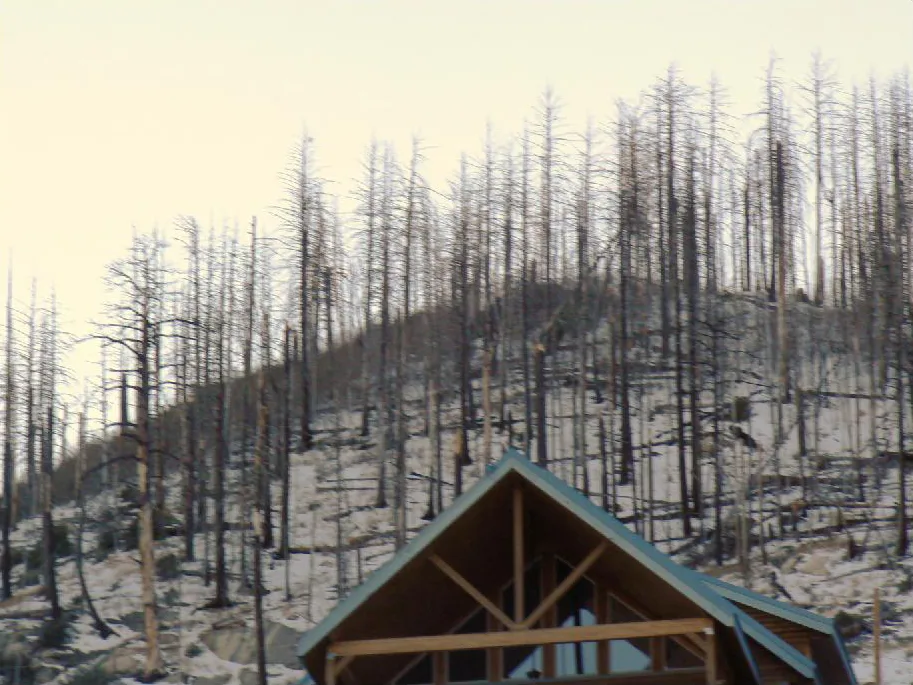
The transition season brings its own violence. The July–August monsoon delivers fierce afternoon thunderstorms with heavy rain, deadly lightning, and rapid flash flooding; get off ridgelines and out of drainages before midday storms build. Two terrain-and-ecology hazards round out the list. Invasive buffelgrass forms continuous fuel where native desert plants leave bare ground, feeding hot, fast-moving wildfires the saguaro desert isn't adapted to survive — a reason fire danger can spike near the low trail. And the southern passages see heavy summer overgrowth, especially cat-claw acacia, whose curved thorns grab and tear skin and gear (long sleeves and pants earn their keep). The legacy of fire is visible too: the 2003 Aspen Fire burned much of Mount Lemmon, including parts of Summerhaven, and its scars still mean lost shade, downed timber, and altered navigation in places.
Wildlife & fire
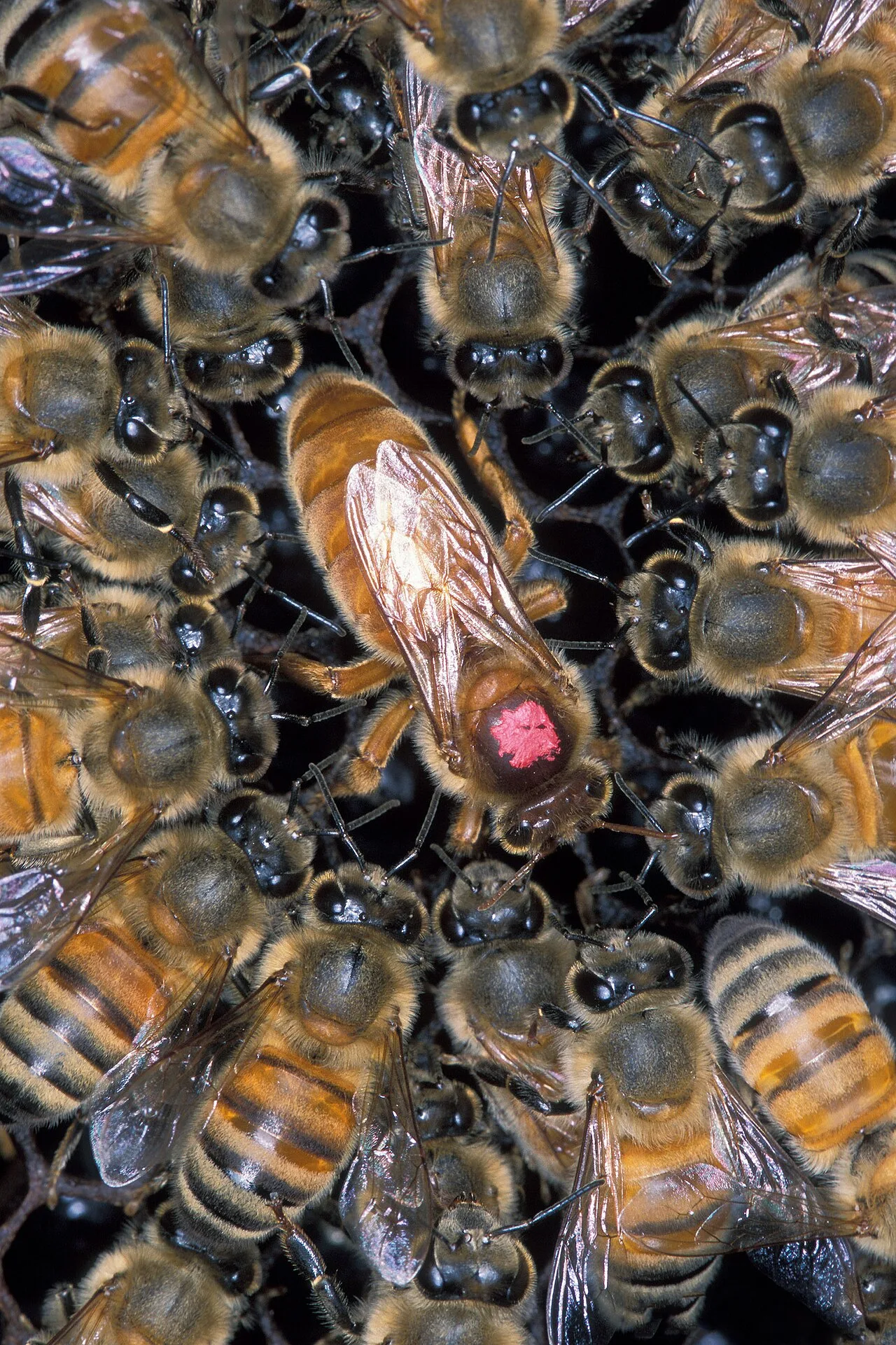
The animal hazards are mostly manageable with awareness. Black bears and mountain lions inhabit the mid-to-high elevations of both ranges — store all food and scented items properly (use the bear boxes at camps), keep a clean camp, and never run from a lion; make yourself big and back away slowly. Africanized bees are established region-wide and defend their hives aggressively; give any hive a wide berth, and if attacked, run in a straight line to shelter without flailing (don't jump in water — they'll wait). And rattlesnakes, including the highly venomous Mohave and the tiger rattlesnake, are common at lower and middle elevations: watch hand and foot placement on rocky trails, step on logs rather than blindly over them, and give any snake room to retreat.
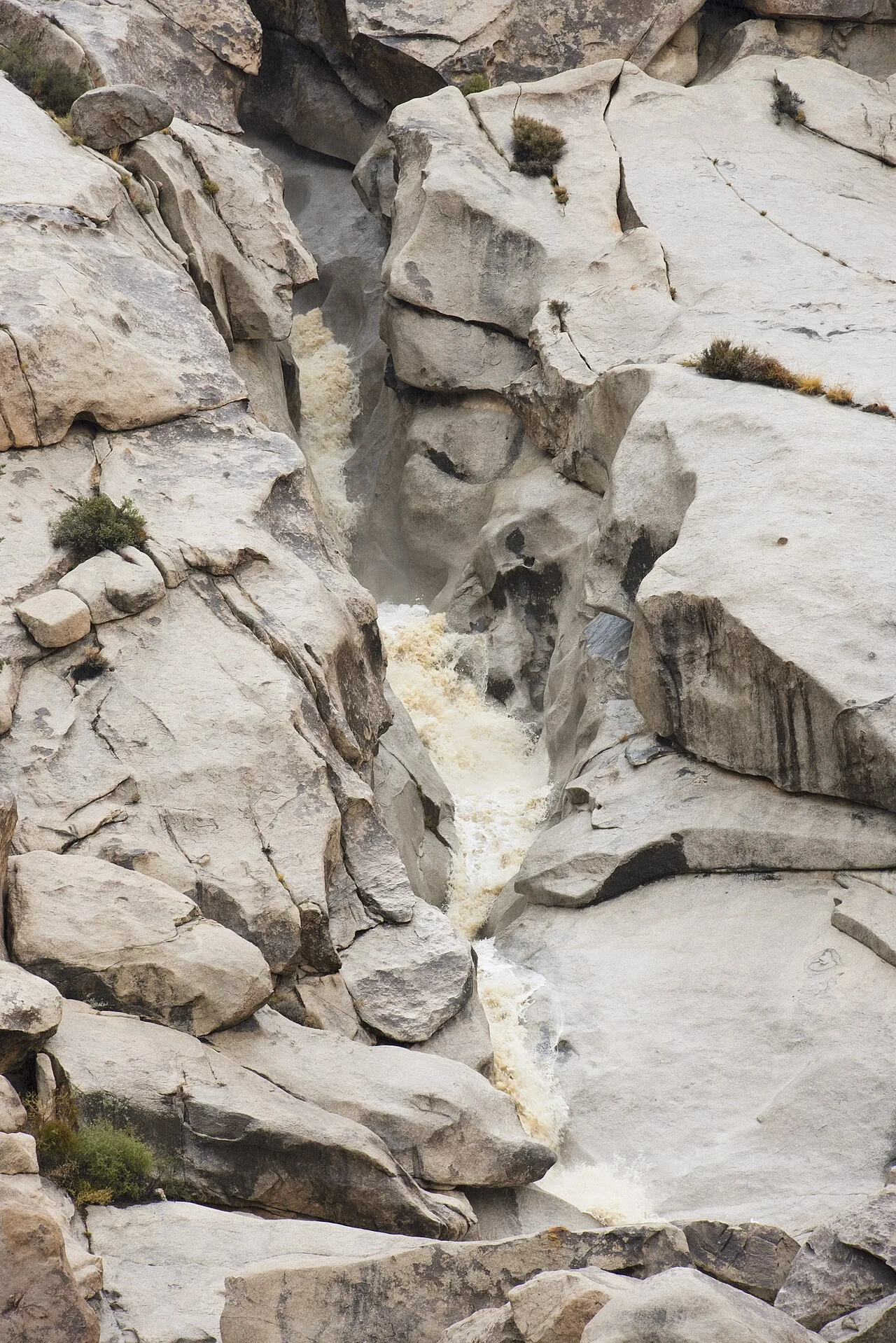
A reassuring myth-buster: despite its intimidating 3+ inch size and clumsy monsoon flight, the giant palo verde beetle is harmless to people — it doesn't sting, though its grubs do feed on tree roots underground. More serious is canyon flash flooding: narrow canyons like Sabino can flood with terrifying speed during monsoon storms — a wall of brown water from rain miles upstream, sometimes under a blue sky overhead — so never camp in or cross a wash when storms are building anywhere in the watershed above you. Finally, wildfire closures are a recurring reality: active fires or post-fire damage periodically close sections of the Coronado National Forest and the AZT, so check current Forest Service and AZT Association notices before your hike — burned reroutes and access changes are common on these ranges.
Key concepts
Black bears
- A large omnivorous mammal inhabiting the mid-to-high elevations of both ranges.
- Store all food and scented items in the metal camp lockers and keep a clean camp to coexist with it.
- The sturdy food-storage lockers provided at these camps exist chiefly to keep this animal out.
Mountain lions
- A large predatory cat of the mid-to-high elevations of both ranges.
- Never run from it; instead make yourself big and back away slowly.
- This big cat is the reason the standing advice is to stand tall and retreat rather than flee.
Africanized bees
- A stinging insect hazard established region-wide across these mountains.
- They defend their hives aggressively, so give any hive a wide berth.
- If attacked, run in a straight line to shelter without flailing, and don't jump in water, since they'll wait.
Rattlesnakes
- Venomous reptiles common at lower and middle elevations on rocky trails.
- The highly venomous Mohave and the tiger species are the local kinds to watch for.
- Step ON logs rather than blindly over them, and give any of these coiled reptiles room to retreat.
Key facts
Extreme heat at low elevation
Heat is the deadliest hazard on the low passages: temperatures routinely exceed 100°F, and there's little shade or water on the desert stretches and Redington Pass. Hike the low country in the cool hours, carry ample water, and avoid the desert sections in summer entirely.
Snow and ice up high
Above about 6,000 feet, snow and ice can persist into spring, making the high traverses near Mica Mountain and Mount Lemmon slow and hazardous — and obscuring the trail. Carry traction and check conditions before committing to the high country in winter and early spring.
Buffelgrass and wildfire
Invasive buffelgrass forms continuous fuel where native desert plants leave bare ground, feeding hot, fast-moving wildfires that the saguaro-and-cactus desert is not adapted to survive. It's transforming fire behavior in the Sonoran Desert — and a reason fire danger can spike near the low trail.
The 2003 Aspen Fire
The 2003 Aspen Fire burned much of Mount Lemmon, including parts of Summerhaven, and its scars still shape the trail: burned areas mean lost shade, downed timber, and altered navigation in places. It's a vivid lesson in how fire reshapes a sky island.
Africanized bees
Africanized ('killer') bees are established across the region and defend their hives aggressively. Give any hive or swarm a wide berth, and if attacked, run in a straight line to shelter (a building or vehicle) without flailing — don't jump in water, as they'll wait.
Canyon flash flooding
Narrow canyons like Sabino can flash flood with terrifying speed during monsoon storms — a wall of brown water from rain miles upstream, under a blue sky overhead. Never camp in or cross a wash when storms are building anywhere in the watershed above you.
Fire and trail closures
Wildfire is a recurring reality on these ranges, and active fires or post-fire damage periodically close sections of the Coronado National Forest and the AZT. Check current Forest Service and AZT Association closure notices before your hike — burned reroutes and access changes are common.
Matched pairs
Each item on the left goes with the one on the right.
- If Africanized bees attack
- Run in a straight line to enclosed shelter
- Venomous rattlesnakes of this segment
- Include the Mohave and the tiger rattlesnake
- Black bears and mountain lions
- Inhabit the mid-to-high elevations of both ranges
Self-test
Answer each question from memory, then check your work against the answer key.
1. Which is the deadliest hazard on the low desert passages?
- AMonsoon lightning
- BFlash flooding
- CRattlesnake bites
- DExtreme heat
2. What does the section say about the giant palo verde beetle, despite its intimidating 3+ inch size?
- AIt delivers a painful venomous sting
- BIt is harmless — it doesn't sting, though its grubs feed underground on tree roots
- CIt sprays an irritating defensive acid
- DIt bites and can spread disease
3. In what year did the Aspen Fire burn much of Mount Lemmon, including parts of Summerhaven?
- A1996
- B2011
- C2003
- D2020
4. The 2003 Aspen Fire burned much of which peak, including parts of the community of Summerhaven?
- AMount Lemmon
- BMount Wrightson
- CMica Mountain
- DRincon Peak
5. Above roughly what elevation can snow and ice persist into spring on the high traverses?
- A6,000 feet
- B12,000 feet
- C3,000 feet
- D9,000 feet
6. If Africanized bees attack, what should you do?
- AStand still and calmly swat them away
- BJump into the nearest water and wait them out
- CCurl up on the ground and cover your head
- DRun in a straight line to an enclosed shelter
7. What is the recommended response if you encounter a mountain lion?
- ATurn and run downhill as fast as you can
- BMake yourself big and back away slowly
- CClimb the nearest tree to get above it
- DCrouch low and make yourself as small as possible
8. How should you store food and scented items to avoid black bears in camp?
- ABury it a short distance from your tent
- BHang it from your tent's rain fly
- CUse the bear boxes provided at camps
- DKeep it inside your sleeping bag overnight
9. To reduce rattlesnake risk on rocky trails, how should you deal with logs across the path?
- AStep blindly over the log to keep momentum
- BStraddle the log and pause on top
- CStep on top of the log rather than blindly over it
- DKick the log aside before crossing
10. Which two highly venomous rattlesnakes does this segment specifically name?
- ADiamondback and sidewinder
- BCopperhead and cottonmouth
- CCoral snake and kingsnake
- DMohave and tiger rattlesnake
11. Which aggressive insect is established across the region and fiercely defends its colony against anyone who ventures too close?
- AAfricanized bees
- BYellowjackets
- CPaper wasps
- DFire ants
12. Which large predators inhabit the mid-to-high elevations of both ranges?
- AGrizzly bears and wolverines
- BBlack bears and mountain lions
- CBobcats and badgers
- DGray wolves and coyotes
13. Which reptiles does this segment's guide name as common at the lower and middle elevations?
- ACoral snakes
- BCopperhead
- CRattlesnakes
- DGila monsters
14. Which of these creatures is NOT one of the trail's dangerous animals — it is harmless?
- AGiant palo verde beetle
- BBlack bears
- CAfricanized bees
- DRattlesnakes
15. Which animal should you never run from — instead making yourself big and backing away slowly?
- ACoyote
- BMountain lion
- CBobcat
- DGray fox
16. Which animal should you never run from, instead making yourself big and backing away slowly?
- AAfricanized bee
- BBlack bear
- CRattlesnake
- DMountain lion
17. Storing food and scented items securely, and using dedicated camp storage boxes, mainly guards against which animal?
- AAfricanized bees
- BGiant palo verde beetles
- CBlack bears
- DRattlesnakes
18. Which hazardous insect is established region-wide and defends its hive aggressively?
- AGiant palo verde beetles
- BPaper wasps
- CTarantula hawks
- DAfricanized bees
19. Which reptiles, including the Mohave and tiger varieties, are common at lower and middle elevations?
- ACopperhead
- BRattlesnakes
- CGila monsters
- DCoral snakes
Go deeper
Answer key
- 1. D Extreme heatHeat is the deadliest hazard on the low passages, where temperatures routinely top 100°F with little shade or water — hike the cool hours and avoid the desert in summer.
- 2. B It is harmless — it doesn't sting, though its grubs feed underground on tree rootsThe giant palo verde beetle is a myth-buster: despite its size and clumsy monsoon flight, it does not sting and is harmless to people — even though its grubs do feed on tree roots underground.
- 3. C 2003The Aspen Fire burned in 2003, and its scars still mean lost shade, downed timber, and altered navigation on the mountain.
- 4. A Mount LemmonThe Aspen Fire burned much of Mount Lemmon and parts of Summerhaven — a vivid lesson in how fire reshapes a sky island.
- 5. A 6,000 feetSnow and ice can linger above about 6,000 feet into spring near Mica Mountain and Mount Lemmon — carry traction and check conditions.
- 6. D Run in a straight line to an enclosed shelterRun in a straight line to a building or vehicle without flailing. Don't jump in water — the bees will wait for you to surface.
- 7. B Make yourself big and back away slowlyNever run from a lion — running triggers a chase. Make yourself big and back away slowly instead.
- 8. C Use the bear boxes provided at campsStore all food and scented items properly using the bear boxes at camps, and keep a clean camp.
- 9. C Step on top of the log rather than blindly over itStep on top of logs rather than over them blindly — a snake could be resting on the far side. Watch hand and foot placement and give snakes room to retreat.
- 10. D Mohave and tiger rattlesnakeThe two named are the highly venomous Mohave and the tiger rattlesnake, common across lower and middle elevations.
- 11. A Africanized beesAfricanized ('killer') bees are established region-wide and defend their hives aggressively — give any hive a wide berth.
- 12. B Black bears and mountain lionsBlack bears and mountain lions inhabit the mid-to-high elevations of both the Rincons and Catalinas.
- 13. C RattlesnakesOnly rattlesnakes — including the Mohave and tiger rattlesnake — are named as common at lower and middle elevations on rocky trails.
- 14. A Giant palo verde beetleThe giant palo verde beetle is a myth-buster: despite its 3+ inch size it doesn't sting and is harmless, while bears, bees, and rattlesnakes are real hazards.
- 15. B Mountain lionThe 'never run, make yourself big, back away slowly' advice is specifically for the mountain lion; the smaller coyote, bobcat, and fox aren't the target of that guidance.
- 16. D Mountain lionNever run from a mountain lion — make yourself big and back away slowly.
- 17. C Black bearsBlack bears are the reason for storing food and scented items properly, including using bear boxes at camp.
- 18. D Africanized beesAfricanized bees are established region-wide and defend their hives aggressively.
- 19. B RattlesnakesRattlesnakes, including the Mohave and tiger rattlesnake, are common at lower and middle elevations.
Image credits
- The 2003 Aspen Fire: Wikimedia Commons · Benp123456789 · CC BY-SA 3.0 — commons.wikimedia.org/wiki/File:MtLemmon_Summerhaven_Recovery_From_Aspen_Fire.jpg
- Africanized bees: Wikimedia Commons · Scott Bauer, USDA Agricultural Research Service · Public domain — commons.wikimedia.org/wiki/File:Apis_mellifera_scutellata_1355021.jpg
- Canyon flash flooding: Joshua Tree National Park · Public domain — commons.wikimedia.org/wiki/File:Rattlesnake_Canyon_in_the_rain_(31549134950).jpg


