
Tips for Living Your Best Life study guide · Lesson 8 of 12
Health, Energy & Mental Toughness
Sharpen the saw (renewal) · Can't Hurt Me (Goggins) · Frankl's resilience
This is the lesson's study guide from the FlashFeed app, plus its key facts and a self-test.
What you'll be able to do
- Match Covey's four renewal dimensions and explain why physical renewal is a keystone habit.
- Define Goggins' mental-toughness tools: the 40% Rule, Accountability Mirror, mental calluses, Cookie Jar, and the Governor.
- Apply Goggins' tools by reading the urge to quit as a signal and reaching into the Cookie Jar for evidence.
- Recall the toughness and renewal numbers: the 40%/60% capacity split and the 7–8 hour sleep range.
- Apply Frankl's reframe from "Why is this happening to me?" to "What is this asking of me?" to find meaning in difficulty.
Sharpen the saw (renewal)
Most productivity systems tell you to do more. Covey's seventh habit tells you to stop and maintain the tool doing the work — which turns out to be the highest-leverage move of all.
Sharpen the Saw
Habit 7 is the last of Covey's seven habits precisely because it sustains all the others. In The 7 Habits of Highly Effective People (1989), Stephen Covey frames renewal across four dimensions: physical (exercise, nutrition, rest, stress management), mental (reading, learning, writing, strategic planning), emotional/social (deep relationships, service, empathy), and spiritual (values clarification, meditation, time in nature). Neglect any dimension long enough and your capacity in the others degrades. Covey's saw metaphor makes the logic plain — a dull blade doubles the effort for half the output.
A keystone habit is a single habit that triggers a cascade of other positive changes. Exercise is the canonical example: when people start working out consistently, they tend to improve their sleep, eat better, and feel more self-disciplined in unrelated domains. That compounding effect is why physical renewal earns the label "highest ROI productivity tip" — the return extends well beyond the gym. The term comes from Charles Duhigg's The Power of Habit (2012), which documents how keystone habits restructure a person's entire daily loop.
What isn't scheduled isn't done
Renewal competes with every urgent demand in your week and loses unless it's defended. Covey's prescription is direct: treat renewal like any other commitment — put it in your calendar. Sleep, in particular, is non-negotiable; cognitive research consistently shows that even moderate sleep debt impairs decision quality, creativity, and emotional regulation in ways the sleeper routinely underestimates. Protecting seven to eight hours consistently has a larger measured effect on energy and performance than almost any other single intervention. Exercise occupies the same protected status. When renewal appointments slide, the other six habits quietly erode too.
Can't Hurt Me (Goggins)
David Goggins doesn't offer inspiration — he offers a set of repeatable practices for expanding what you believe your body and mind can do. Every tool in Can't Hurt Me (2018) is designed to override the brain's built-in safety margin.
Can't Hurt Me
Goggins grew up in an abusive household, struggled with obesity as a young adult, and failed his first attempt to pass Navy SEAL training. He went on to become a Navy SEAL, Army Ranger, and Air Force Tactical Air Controller — and then set a world record for pull-ups in 24 hours. His story is the frame for a practical mental-toughness system built on five interlocking tools.
The 40% Rule: when your mind says you're done, you've used only about 40% of your real capacity. The signal to quit is the brain's governor — a built-in self-limiter Goggins calls The Governor — tripping early to protect you from discomfort. Recognizing that the urge to stop is a signal, not a verdict, is the first step to overriding it.
The Accountability Mirror: a daily practice of facing yourself and stating your goals, failures, and fears with brutal honesty rather than flattery. Goggins used it during his transformation to hold himself to what he'd promised.
Mental calluses: just as hard physical work builds calluses on your hands, deliberate exposure to discomfort — cold showers, hard conversations, workouts you want to quit — toughens your mind for the next hard thing.
The Cookie Jar: a written or mental catalog of your past victories and the hard moments you survived. When The Governor fires early, you reach into the Cookie Jar and remind yourself of what you've already endured. The evidence pushes you past the false ceiling. After you stop at 40%, there is roughly 60% of capacity still available to draw on.
Frankl's resilience
Viktor Frankl's reframe is the simplest tool in this lesson and possibly the most durable: a single question that moves you from passive victim to active respondent, regardless of what the circumstance actually is.
What is this asking of me?
Viktor Frankl was an Austrian psychiatrist who survived four Nazi concentration camps, including Auschwitz. His experience formed the clinical basis for logotherapy — a school of psychotherapy that treats meaning-seeking as the primary human drive, a direct counterpoint to Freud's pleasure-seeking and Adler's power-seeking. The approach is laid out in Man's Search for Meaning (1946), one of the most widely read books of the twentieth century.
The card captures Frankl's central reframe: instead of asking "Why is this happening to me?" — a question that positions you as a passive recipient — ask "What is this asking of me?" That shift makes you a participant rather than a victim. Finding the meaning in difficulty is Frankl's everyday logotherapy in practice: deliberately looking for what a hardship can teach or demand of you. It doesn't require that the hardship be fair or deserved; it only requires that you choose a stance toward it.
This connects directly to what Frankl called the last human freedom: the ability to choose your own attitude in any set of circumstances. Stripped of family, identity, and physical liberty, he found that response remained within his control. The practical application is a pause — before reacting to a setback, ask what useful response is available.
The reframe also answers the quiz crossover from earlier in the lesson: when Goggins' Governor fires at 40% or Frankl's suffering arrives, the move is identical — stop asking why it's happening and ask what it's asking of you.
Key terms
- Keystone habit
- A single habit that triggers a cascade of other positive changes. Exercise is the classic example, improving diet, productivity, and patience at once. — The Power of Habit, Charles Duhigg
- The 40% Rule
- When your mind says you're done, you've used only about 40% of your real capacity. The feeling of quitting is a signal, not a verdict. — Can't Hurt Me, David Goggins
- The Accountability Mirror
- A daily practice of facing yourself in a mirror and stating your goals, failures, and fears with brutal honesty, not flattery. — Can't Hurt Me, David Goggins
- Mental calluses
- Just as hard physical work builds calluses on your hands, deliberate exposure to discomfort — cold showers, hard conversations, workouts you want to quit — toughens your mind. Each one expands what you consider normal.
- The Cookie Jar
- A catalog of your past victories and the hard moments you survived. When a new challenge feels impossible, you open the jar and remember you've done hard things before.
- The Governor
- Goggins' name for the brain's built-in self-limiter — it caps your output to protect you from discomfort. Knowing it exists means you can consciously push past it: when you want to stop, stay for one more rep.
- Finding the meaning in difficulty
- Frankl's everyday logotherapy: deliberately looking for what a hardship can teach or demand of you. The reframe shifts you from victim to participant and turns pain into something purposeful.
Key facts
What isn't scheduled isn't done
Renewal loses every fight with a busy week unless it's on the calendar. Treat exercise as a keystone habit, protect your sleep above everything, and put renewal in your calendar like any other appointment. — The 7 Habits, Covey; The Power of Habit, Duhigg
More than exercise
In Covey's renewal model, the physical dimension covers exercise, nutrition, rest, and stress management. The other three dimensions are mental (reading and learning), emotional/social (relationships), and spiritual (values and meditation).
The spiritual dimension
Covey's spiritual renewal dimension covers values clarification, meditation, and time in nature. Mental renewal, by contrast, is reading, learning, and strategic planning.
The keystone habit
A 'keystone habit,' as Duhigg defines it, is a single habit that sets off a chain reaction of other positive changes. Exercise is the classic example: start exercising, and sleep, diet, and self-discipline often improve too.
Can't Hurt Me
David Goggins went from an abused, overweight young man to a Navy SEAL, Army Ranger, and world-record ultra-endurance athlete — arguably the most extreme case of self-built mental toughness in print. His toolkit isn't motivation; it's a set of repeatable practices. — Can't Hurt Me, David Goggins
The Cookie Jar
Goggins' Cookie Jar is a mental catalog of past victories and hard moments you've already survived. When the urge to quit fires early, reaching into it supplies evidence that pushes you past that false ceiling.
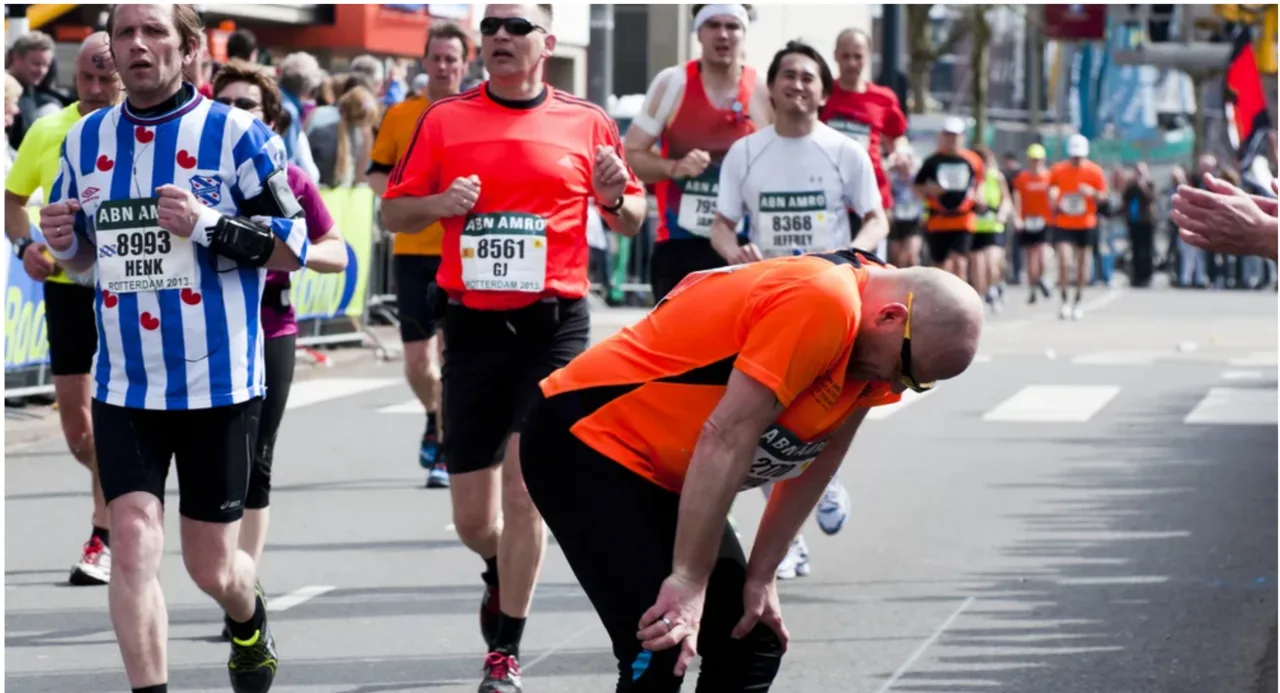
The 40% Rule
Goggins' 40% Rule holds that the feeling of being completely done actually means you've tapped only around 40% of your real capacity. It's a signal to push past, not a verdict that you're truly finished.
The Accountability Mirror
Goggins' Accountability Mirror is a daily practice of facing yourself and stating your goals, failures, and fears with brutal honesty, not flattery. It's self-talk, not an external tracker.
The Governor
Goggins calls the brain's built-in self-limiter 'The Governor' — a mechanism that caps your output to protect you from discomfort. Knowing it exists lets you consciously push past it.
What is this asking of me?
When a project fails or a relationship strains, Frankl's logotherapy offers a single pivot: stop asking "Why is this happening to me?" and ask "What is this asking of me?" The reframe moves you from victim to participant. — Man's Search for Meaning, Viktor Frankl
Victim to participant
Frankl's resilience reframe shifts you from being a victim of your circumstances to being a participant in them, which means you regain agency inside the difficulty rather than just being subject to it.
Frankl's logotherapy
Frankl founded logotherapy, a psychotherapy that treats meaning-seeking as the primary human drive — a counterpoint to Freud's pleasure-seeking and Adler's power-seeking.
The last freedom
Stripped of family, identity, and liberty, Frankl found that one freedom remained even in the camps: the ability to choose your own attitude in any set of circumstances.

Not about being fair
In Frankl's everyday logotherapy, finding meaning in difficulty means deliberately looking for what the hardship can teach or demand of you. It doesn't require the hardship be fair, only that you choose a stance toward it.
By the numbers
- When your mind says you're done, roughly what share of your real capacity have you actually used (the 40% Rule)?
- 40 %
- After you stop at 40%, what percentage of capacity is still left to add?
- 60 %
- Nightly sleep to protect, low end of the range
- 7 hours
- Nightly sleep to protect, high end of the range
- 8 hours
Matched pairs
Each item on the left goes with the one on the right.
- Physical renewal
- Exercise, nutrition, rest, stress management
- Mental renewal
- Reading, learning, writing, strategic planning
- Emotional / social renewal
- Deep relationships, service, empathy
- Spiritual renewal
- Values clarification, meditation, time in nature
- The 40% Rule
- Reads the urge to quit as a signal, not a verdict
Step by step
Build mental toughness with one deliberate hard thing a day
- Pick one uncomfortable act for the day — cold shower, skipped meal, hard conversation, extra mile.
- Do it for the conditioning, not the performance — the point is showing up to discomfort.
- When the urge to quit hits, recognize it as a signal, not a verdict — that's the 40% mark.
- Stay for one more rep to push past the Governor.
- Log the win in your Cookie Jar so you can draw on it next time.
Each rep of voluntary discomfort builds a mental callus and expands what you consider normal.
Self-test
Answer each question from memory, then check your work against the answer key.
1. Which renewal habit is the classic example of a keystone habit?
- AJournaling before bed each night
- BConsistent 7–8 hours of sleep
- CTwenty minutes of meditation
- DA daily 30-minute workout
2. In Covey's model, which renewal dimension covers exercise, nutrition, rest, and stress management?
- APhysical renewal
- BEmotional / social renewal
- CSpiritual renewal
- DMental renewal
3. Values clarification, meditation, and time in nature belong to which of Covey's renewal dimensions?
- AMental renewal
- BPhysical renewal
- CSpiritual renewal
- DEmotional / social renewal
4. How does Charles Duhigg define a 'keystone habit'?
- AThe single hardest habit to break
- BA single habit that triggers a cascade of other positive changes
- CA good habit that directly replaces a bad one
- DA habit you always do first thing each morning
5. Which of these is NOT one of Covey's four renewal dimensions?
- APhysical
- BFinancial
- CMental
- DSpiritual
6. How does Goggins' 40% Rule describe the moment your mind says you're done?
- AYou've used only about 40% of your real capacity
- BYou've reached your true physical limit
- CYou should rest for about 40 minutes
- DYou've used about 40% more than average
7. What is Goggins' Accountability Mirror?
- AA journal listing your daily wins
- BA partner who checks your progress
- CAn app that tracks your workouts
- DFacing yourself daily and stating goals, failures, and fears with brutal honesty
8. In Goggins' system, how are 'mental calluses' built?
- AAvoiding stressful situations to stay calm
- BGetting extra sleep before a challenge
- CDeliberate exposure to discomfort like cold showers and hard workouts
- DRepeating positive affirmations each morning
9. What does Goggins call the brain's built-in self-limiter that caps output to protect you from discomfort?
- AThe Accountability Mirror
- BMental calluses
- CThe Governor
- DThe Cookie Jar
10. What is The Cookie Jar in Goggins' toolkit?
- AA schedule of planned rest days
- BA list of future goals to chase
- CA reward snack eaten after a hard workout
- DA catalog of past victories and hard moments you survived
11. Which of Goggins' tools is a mental catalog of past victories you reach into when the urge to quit fires early?
- AThe Cookie Jar
- BThe Accountability Mirror
- CMental calluses
- DThe Governor
12. You're mid-workout and desperately want to stop. Applying the 40% Rule, how should you read that urge?
- AAs a sign to skip tomorrow's session too
- BAs a signal to override, not a verdict that you're truly done
- CAs evidence you're overtraining and must stop
- DAs proof you've hit your true physical limit
13. When The Governor fires early and a challenge feels impossible, what does Goggins say to do?
- AAsk someone else to finish it for you
- BWait until motivation naturally returns
- CReach into the Cookie Jar and recall past victories you survived
- DLower the goal to something easier
14. Choosing to take cold showers and have hard conversations on purpose is meant to build what?
- AMental calluses that toughen you for the next hard thing
- BPhysical calluses on your hands
- CA stronger Governor to hold you back
- DA larger Cookie Jar of victories
15. According to Goggins, when you want to stop, the practical move to push past The Governor is to...
- ASwitch to an easier exercise
- BStay for one more rep
- CCut the session in half
- DStop and rest immediately
16. By the 40% Rule, when your mind says you're done, roughly what share of your real capacity have you actually used?
- AAbout 60%
- BAbout 90%
- CAbout 75%
- DAbout 40%
17. After you stop at the 40% mark, roughly how much capacity is still left to draw on?
- AAbout 60%
- BAbout 20%
- CAbout 80%
- DAbout 40%
18. What is the upper end of the nightly sleep range the lesson recommends protecting?
- A10 hours
- B8 hours
- C7 hours
- D9 hours
19. How many interlocking tools make up the mental-toughness system in Goggins' Can't Hurt Me?
- ASeven
- BFour
- CThree
- DFive
20. What is the minimum number of hours of consistent sleep to protect above everything?
- A6 hours
- B8 hours
- C7 hours
- D5 hours
21. Frankl's reframe shifts you from which stance to which?
- AFrom planner to improviser
- BFrom optimist to realist
- CFrom leader to follower
- DFrom victim to participant
22. Frankl's reframe replaces 'Why is this happening to me?' with which question?
- A'When will this finally end?'
- B'What is this asking of me?'
- C'How do I avoid this next time?'
- D'Who is to blame for this?'
23. What is the name of the psychotherapy Frankl founded, which treats meaning-seeking as the primary human drive?
- ALogotherapy
- BIndividual psychology
- CCognitive therapy
- DPsychoanalysis
24. What did Frankl call the 'last human freedom' that remained even in the camps?
- AThe freedom to remember the past
- BThe right to physical rest
- CThe ability to choose your own attitude in any circumstance
- DThe freedom to plan an escape
25. What does 'finding the meaning in difficulty' mean in Frankl's everyday logotherapy?
- ADeliberately looking for what a hardship can teach or demand of you
- BBelieving every hardship is fair and deserved
- CBlaming circumstances for how you respond
- DIgnoring pain until it passes on its own
Go deeper
Answer key
- 1. D A daily 30-minute workoutExercise is the classic keystone habit, Charles Duhigg's term for one routine that sets off a cascade of other gains: start working out, and sleep, eating and self-discipline often improve too.
- 2. A Physical renewalPhysical renewal is exercise, nutrition, rest, and stress management. Mental is reading/learning; emotional/social is relationships; spiritual is values and meditation.
- 3. C Spiritual renewalSpiritual renewal covers values clarification, meditation, and time in nature. Mental renewal is reading, learning, and strategic planning.
- 4. B A single habit that triggers a cascade of other positive changesDuhigg's keystone habit triggers a cascade of other positive changes — exercise improving sleep, diet, and self-discipline is the classic example.
- 5. B FinancialCovey's four dimensions are physical, mental, emotional/social, and spiritual. Financial is not one of them.
- 6. A You've used only about 40% of your real capacityThe 40% Rule says the feeling of being done means you've tapped only ~40% of real capacity — a signal, not a verdict.
- 7. D Facing yourself daily and stating goals, failures, and fears with brutal honestyThe Accountability Mirror is daily brutally honest self-talk about goals, failures, and fears — not flattery, and not an external tracker.
- 8. C Deliberate exposure to discomfort like cold showers and hard workoutsLike physical calluses from hard work, mental calluses form through deliberate discomfort — cold showers, hard conversations, workouts you want to quit.
- 9. C The GovernorThe Governor is the brain's self-limiter; knowing it exists lets you consciously push past it. The Cookie Jar and Mirror are different tools.
- 10. D A catalog of past victories and hard moments you survivedThe Cookie Jar stores past wins and survived hardships; recalling them pushes you past the false ceiling when The Governor fires early.
- 11. A The Cookie JarThe Cookie Jar stores your past wins and the hard moments you survived; recalling them pushes you past the false ceiling when The Governor trips early. The Accountability Mirror is honest self-talk; The Governor is the brain's self-limiter.
- 12. B As a signal to override, not a verdict that you're truly doneThe 40% Rule treats the urge to quit as the Governor tripping early — a signal to push past, not a verdict that capacity is spent.
- 13. C Reach into the Cookie Jar and recall past victories you survivedReaching into the Cookie Jar for past wins supplies evidence that you've endured hard things, pushing you past the false 40% ceiling.
- 14. A Mental calluses that toughen you for the next hard thingDeliberate discomfort builds mental calluses, expanding what you consider normal and readying you for the next hard thing.
- 15. B Stay for one more repKnowing the Governor caps output early, the move is to consciously push past it — when you want to stop, stay for one more rep.
- 16. D About 40%Goggins' 40% Rule holds that the quit signal fires after using only about 40% of real capacity.
- 17. A About 60%If only ~40% is used when you feel done, roughly 60% of capacity remains available to add.
- 18. B 8 hoursThe protected sleep range is 7–8 hours, so 8 is the upper end; 7 is the minimum, not the maximum.
- 19. D FiveCan't Hurt Me is built on five interlocking tools: the 40% Rule, The Governor, the Accountability Mirror, mental calluses, and the Cookie Jar.
- 20. C 7 hoursThe protected sleep range is 7–8 hours, so 7 is the minimum; 8 is the upper end, not the minimum.
- 21. D From victim to participantAsking 'What is this asking of me?' instead of 'Why me?' moves you from victim to participant — you regain agency inside the difficulty.
- 22. B 'What is this asking of me?'The reframe swaps the passive 'Why me?' for 'What is this asking of me?', making you a participant rather than a victim.
- 23. A LogotherapyLogotherapy treats meaning-seeking as the primary drive — a counterpoint to Freud's pleasure-seeking and Adler's power-seeking.
- 24. C The ability to choose your own attitude in any circumstanceStripped of family, identity, and liberty, Frankl found one freedom remained: choosing your own attitude in any set of circumstances.
- 25. A Deliberately looking for what a hardship can teach or demand of youIt means deliberately looking for what a hardship can teach or demand — it doesn't require the hardship be fair, only that you choose a stance.
Sources
- The Ultimate Knowledge Pack: Productivity Tips & Life Hacks (18 books) — research compilation
Image credits
- The 40% Rule: Wikimedia Commons · Wallco26 · CC BY-SA 4.0 — commons.wikimedia.org/wiki/File:Exhausted_Running.png
- Not about being fair: AI-generated (gpt-image-1.5)
