
Tips for Living Your Best Life study guide · Lesson 7 of 12
Relationships & Social Life
Carnegie's principles · Communication techniques (Lowndes) · The 5 Love Languages · The Four Agreements & Let Them
This is the lesson's study guide from the FlashFeed app, plus its key facts and a self-test.
What you'll be able to do
- Apply Carnegie's principles: become genuinely interested, make others feel important, and admit fault quickly.
- Define Lowndes' Flooding Smile and Sticky Eyes and recall the 92-technique premise of How to Talk to Anyone.
- Apply Lowndes' conversation moves: echoing, baring the Hot Button, and big talk over small talk.
- Identify Chapman's five love languages and the prescription to speak your partner's language, not your own.
- Recall the Four Agreements and explain the Let Them theory's release-and-respond mantra.
Carnegie's principles
Dale Carnegie's three rules distilled here share a common engine: the fundamental human need to feel seen, valued, and respected. Master these and most social friction disappears.
The friendliest book ever written
Dale Carnegie's How to Win Friends & Influence People was published in 1936 and has sold over 30 million copies — one of the best-selling self-help books of all time. Its durability is its thesis: human psychology doesn't change. Carnegie's foundational move is to become genuinely interested in others rather than performing interest. People instinctively sense the difference. The book's opening section, "Fundamental Techniques in Handling People," sets the tone: appreciation and interest are the only reliable currencies. Everything else is short-term manipulation.
The sweetest sound
Carnegie devoted an entire chapter to what he called the sweetest sound: a person's own name. It signals that you found them worth remembering — the opposite of the blank-stare greeting that tells someone they're interchangeable. Practically, this means committing names to memory at introductions, repeating them naturally in conversation, and never bluffing when you've forgotten. Make others feel important is one of Carnegie's core directives, and using a name correctly is the cheapest, fastest version of it. Mangle or forget a name and the subtext is obvious: they didn't rate.
Admit it first, fast
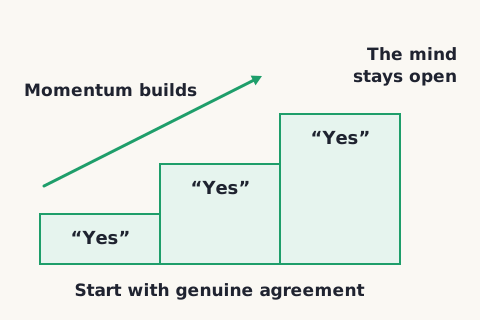
Carnegie's rule on conflict: when you're wrong, admit it quickly and emphatically — before the other person can say it. The mechanism is disarmament. Once you own the mistake, there's nothing left to attack; the other person's defensiveness has no target and usually dissolves into sympathy. The opposite move — saying "you're wrong" — shuts the other person's mind before any reasoning can reach them. Carnegie called this a core principle of winning people to your way of thinking: get the other person saying "yes, yes" by starting with points of genuine agreement and building from there. Confrontation closes; agreement opens.
Communication techniques (Lowndes)
Where Carnegie works at the level of attitude, Leil Lowndes works at the level of gesture — the micro-adjustments in timing, eye contact, and phrasing that signal warmth or its absence before a word of content lands.
How to talk to anyone
Leil Lowndes' How to Talk to Anyone packs 92 practical techniques for charisma and connection across first impressions, conversation, and networking. The book's premise: most people think they're awkward because of what they say, but body language and timing carry more weight than content. Two of the most-cited techniques are the Flooding Smile and Sticky Eyes.
The Flooding Smile works by pausing before smiling. Rather than flashing an instant smile at everyone — which registers as automatic and cheap — you hold a neutral expression for a beat after making eye contact, then let the smile spread slowly. The delayed warmth reads as genuine because it appears to be a response to this person specifically. Sticky Eyes extend the same principle to gaze: hold eye contact a moment longer than feels natural, even after the other person finishes speaking, before looking away. The extra second signals real attention rather than the constant scanning of distracted conversation.
For deepening a conversation, Lowndes recommends two additional moves. Echoing — repeating the last three to five words someone said — signals you're listening and invites them to continue without requiring you to manufacture a response. Bare their Hot Button means researching someone's passions beforehand and steering there; people open up when a topic they love surfaces. Finally, big talk over small talk: replacing "how was your weekend?" with "what are you excited about lately?" shifts the register immediately. The number of techniques — 92 — is a frequent quiz target, as is the specific mechanics of the Flooding Smile and Sticky Eyes.
The 5 Love Languages
Gary Chapman's framework emerged from decades of marriage counseling. His observation: couples who genuinely loved each other still felt unloved — because each was expressing love in a dialect the other didn't register.
Speaking the same language
Gary Chapman's The 5 Love Languages (1992) argues that most relationship friction isn't a deficit of love but a mismatch in how love is expressed and received. Each person has a primary love language — one of five modes through which they most naturally give and receive affection. Expressing love in your own language while your partner's is different means your effort lands as noise.
The five languages are:
Words of Affirmation — verbal appreciation, compliments, and encouragement. For people whose primary language is words, a sincere "I'm proud of you" registers more deeply than any gift or favor.
Quality Time — undivided attention, real conversation, shared activities with the phone away. The key word is undivided; half-present time doesn't count.
Receiving Gifts — thoughtful tokens that say "I was thinking of you." The gift's monetary value is irrelevant; the meaning is in the thought and the fact of being remembered.
Acts of Service — helping with tasks, doing things without being asked, following through on commitments. For people in this language, actions reliably speak louder than words.
Physical Touch — hugs, closeness, holding hands, and physical presence. This language is about connection through contact, not necessarily romance.
Chapman's core prescription is to identify your partner's primary language — not your own — and speak it deliberately. The number of love languages is five, and quizzes will test both the names and their definitions, as well as which language matches which description.
The Four Agreements & Let Them
Two frameworks that overlap at the same insight: most of the drama in relationships is self-generated, and the exit is internal — a set of personal commitments rather than attempts to change other people.
Four agreements with yourself
Don Miguel Ruiz's The Four Agreements (1997) draws on Toltec wisdom to identify four commitments that eliminate most interpersonal suffering. They're agreements you make with yourself, not negotiations with anyone else.
Be Impeccable With Your Word — say only what you mean; avoid using language to gossip, lie, or wound. Words create reality, and impeccable means without sin against yourself.
Don't Take Anything Personally — what others say and do is a projection of their own reality, their own fears and wounds. Taking it personally gives other people's inner world power over yours. This is the agreement that most directly cuts relationship drama: if someone is rude, it reveals their state, not your worth.
Don't Make Assumptions — ask directly rather than guessing intent and then reacting to your guess. Most conflict is manufactured from assumptions treated as facts.
Always Do Your Best — the fourth agreement holds the other three in place. Your "best" fluctuates with energy and circumstance; the standard is effort, not perfection. This prevents self-judgment when the other three slip.
Let Them, then Let Me
Mel Robbins' The Let Them Theory adds the complementary move. "Let Them" is the radical permission you grant others to make their own choices — cancel plans, hold different opinions, pursue different paths — without you managing, fixing, or resenting it. The second half, "Let Me", is where the energy returns: once you stop controlling others, ask what do I need right now? What boundary do I want? The two-part mantra used as a daily reset — feel resentful → "let them" → pause → "what do I need?" — is the core mechanism Robbins describes.
Key terms
- Become genuinely interested in others
- Carnegie's first rule for being liked: be actually curious about people, not performatively. 'To be interesting, be interested.' You make more friends in two months of caring about others than two years of trying to make them care about you.
- The Flooding Smile
- Lowndes' technique: don't flash an instant smile at everyone. Pause, look at the person's face for a beat, then let warmth flood across yours. The half-second delay signals the smile is for them specifically — which reads as authentic.
- Sticky Eyes
- Lowndes' technique: hold eye contact a moment longer than feels natural, even after the other person finishes speaking, before you look away. It communicates deep attention and respect.
- Love language
- One of five distinct ways a person primarily gives and receives love. Chapman's insight is that people naturally express love in the way they most want to receive it — so a mismatch leaves both partners feeling unloved despite real effort.
- The Let Them theory
- A two-part mantra: "Let Them" make their own choices, and "Let Me" decide how I respond. It releases control that was never yours. — The Let Them Theory, Mel Robbins
Key concepts
Words of Affirmation
- One of Gary Chapman's five modes for giving and receiving affection.
- For someone who speaks it, a sincere 'I'm proud of you' registers more deeply than any gift or favor.
- It's the verbal one — compliments, encouragement, and spoken appreciation.
Quality Time
- One of the five love languages Gary Chapman describes.
- The key word is 'undivided' — half-present attention doesn't count.
- It's about real conversation and shared activities with the phone put away.
Receiving Gifts
- One of Gary Chapman's five love languages.
- The monetary value is irrelevant; the meaning is in the thought and the fact of being remembered.
- Thoughtful tokens that say 'I was thinking of you.'
Acts of Service
- One of the five love languages from Gary Chapman.
- For people fluent in it, what you do matters far more than what you say.
- Helping with tasks and doing things without being asked — following through on commitments.
Physical Touch
- One of Gary Chapman's five love languages.
- It's about connection through contact — not necessarily romance.
- Hugs, closeness, holding hands, and simply staying near.
Key facts
The sweetest sound
A person's name is, to that person, the sweetest and most important sound in any language. Remember it and use it. Forget it, or mangle it, and you've quietly told them they don't matter.
— How to Win Friends & Influence People, Dale Carnegie

Admit it first, fast
When you're wrong, admit it quickly and emphatically. Nothing disarms resistance like owning your error before anyone else can name it. The opposite move — saying 'you're wrong' — only triggers defensiveness and closes the other person's mind.
— How to Win Friends & Influence People, Dale Carnegie
Genuine interest wins
Dale Carnegie's foundational rule for being liked is becoming genuinely interested in other people rather than performing to seem interesting. As he put it, to be interesting, be interested.
The yes-yes technique
Carnegie's 'get the other person saying yes, yes' technique works by starting with points of genuine agreement and building momentum from there. Agreement keeps a mind open, while confrontation closes it.

How to talk to anyone
Leil Lowndes' How to Talk to Anyone packs 92 practical techniques for charisma and connection — most of them tiny, deliberate adjustments to how you smile, look, and listen.
— How to Talk to Anyone, Leil Lowndes
The Flooding Smile
Lowndes' Flooding Smile technique pauses briefly before the smile arrives. That small delay makes it feel specific to the person in front of you, so it reads as authentic instead of a generic, reflexive smile.
Sticky Eyes
Lowndes' Sticky Eyes technique holds eye contact a beat longer than feels natural, even after the other person finishes speaking. That signals real attention rather than the constant scanning of a distracted conversation.
Echoing them back
Lowndes' Echoing technique repeats back the last three to five words a speaker just said. It signals that you're listening and invites them to keep going, without you having to invent a response.
Baring the Hot Button
Lowndes calls it 'Baring the Hot Button': researching what someone is passionate about before you talk, then steering the conversation there. People open up when a topic they're passionate about comes up.

Speaking the same language
Gary Chapman's The 5 Love Languages comes out of years of marriage counseling. Its core claim: most relationship conflict isn't about love being absent — it's about two people speaking different love languages and neither feeling heard.
— The 5 Love Languages, Gary Chapman
Exactly five languages
Gary Chapman's framework identifies exactly five distinct love languages, the categories people use to describe how they most naturally give and receive love.
Words of Affirmation
The Words of Affirmation love language centers on verbal appreciation, compliments, and encouragement. For people with this love language, a sincere 'I'm proud of you' lands deeper than any gift or favor.
Acts of Service
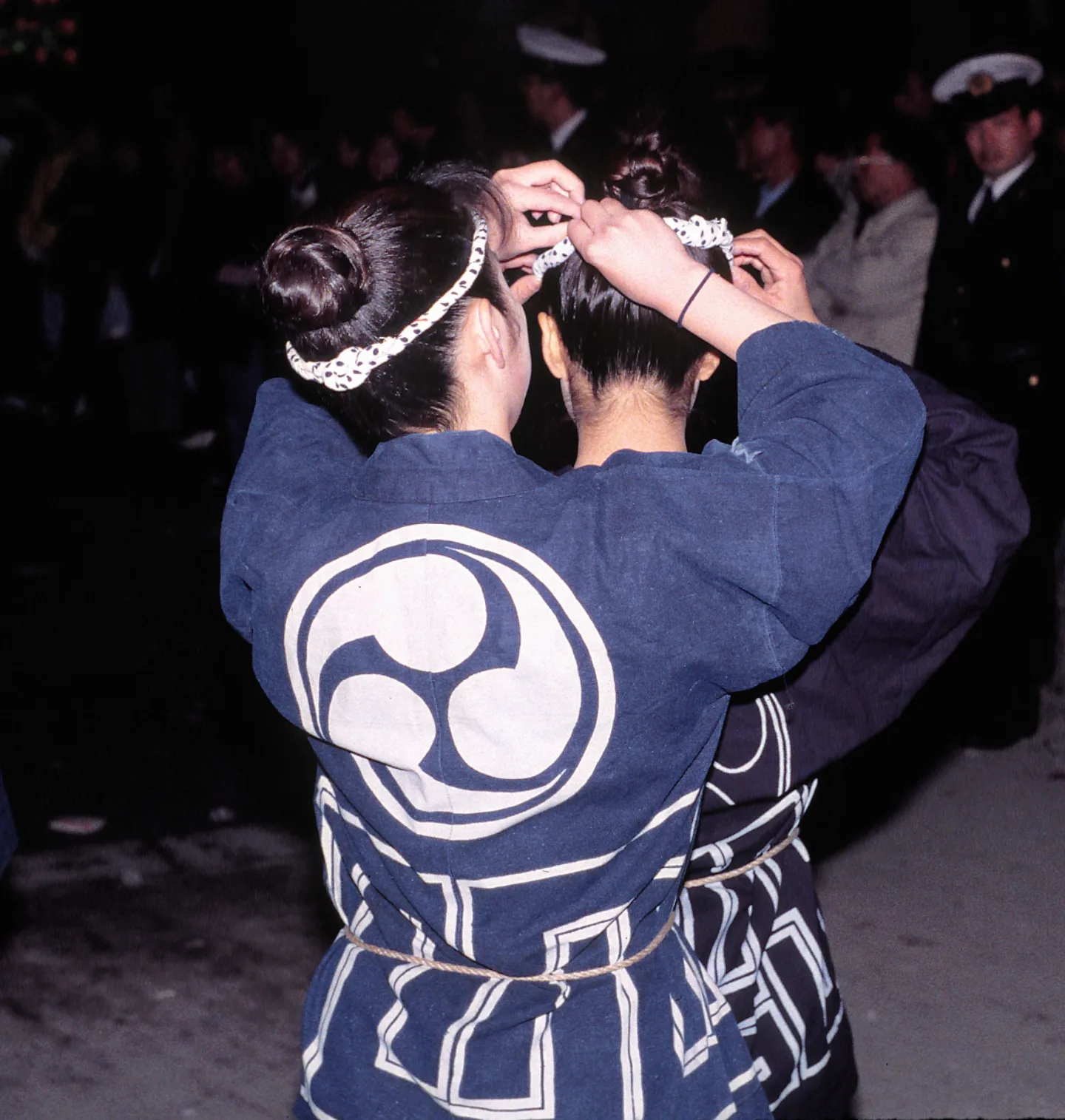
Someone whose love language is Acts of Service feels loved through help with tasks and follow-through on commitments, offered without being asked. For these people, actions speak louder than words.

The common mix-up
Chapman's actual five love languages are Words of Affirmation, Quality Time, Receiving Gifts, Acts of Service, and Physical Touch. 'Words of Encouragement' is a common mix-up, but it isn't one of them.
Four agreements with yourself
Don Miguel Ruiz's The Four Agreements offers four commitments that cut through the drama and self-inflicted suffering most relationships generate. They're agreements you make with yourself, not other people.
— The Four Agreements, Don Miguel Ruiz

Let Them, then Let Me
The flip side of 'Let Them' is 'Let Me.' Once you stop managing what others do, the energy comes back to you: What do I need now? What boundary do I want? Use it as a daily reset — feel resentful, say 'Let them,' pause, then 'What do I need?'
— The Let Them Theory, Mel Robbins
Impeccable with your word
The first of the Four Agreements asks you to use language cleanly: say only what you mean, and avoid gossip, lies, or words that wound. 'Impeccable' literally means without sin against yourself.

Don't Take Anything Personally
The Four Agreements' 'Don't Take Anything Personally' rests on the idea that what others say and do reflects their own fears and wounds, not your worth. Taking it personally just hands them power over you.

The Let Me half
In Robbins' theory, once you stop trying to control others, the 'Let Me' half asks what you need right now and what boundary you want. That's the second half of the daily reset.
By the numbers
- Number of techniques in Leil Lowndes' How to Talk to Anyone
- 92 techniques
- Number of love languages in Chapman's framework
- 5 languages
Matched pairs
Each item on the left goes with the one on the right.
- Be a generous listener
- To be interesting, be interested
- Make others feel important
- People are starving for sincere appreciation
- Get the other person saying 'yes, yes'
- Start with agreement, build momentum before diverging
- Echo the last few words
- Repeat 3-5 of their words to show you're listening and invite more
- Bare their Hot Button
- Research someone's passions beforehand and lead there
- Big talk over small talk
- 'What are you excited about lately?' beats weather and sports
- Words of Affirmation
- Verbal appreciation, compliments, encouragement
- Quality Time
- Undivided attention, real conversation, shared activities
- Receiving Gifts
- Thoughtful tokens that say 'I was thinking of you'
- Acts of Service
- Helping with tasks, doing things without being asked
- Physical Touch
- Hugs, closeness, holding hands
- Be Impeccable With Your Word
- Say only what you mean; gossip and broken promises corrode trust
- Don't Take Anything Personally
- What others say is a projection of their reality, not a verdict on you
- Don't Make Assumptions
- Most misunderstandings come from things we never bothered to verify — ask
- Always Do Your Best
- Your best changes daily; this releases guilt while still asking for full effort
Step by step
Identify someone's primary love language
- Observe how they express love to others — people give love the way they prefer to receive it.
- Notice what they complain about most often — complaints reveal an unmet need in their primary language.
- Pay attention to what they request most frequently.
- Match the pattern to one of the five: Words of Affirmation, Quality Time, Receiving Gifts, Acts of Service, or Physical Touch.
- Speak that language deliberately — and check whether they finally feel loved.
The framework extends past romance to children, parents, and close friends — and a child's language often differs from their parents'.
The Four Agreements, in Ruiz's order
- Be Impeccable With Your Word — say only what you mean.
- Don't Take Anything Personally — others' words reflect their reality, not yours.
- Don't Make Assumptions — ask rather than guess.
- Always Do Your Best — and accept that your best varies day to day.
When someone criticizes you, ask: 'Is this about me, or about them?' That single question is the second agreement in action.
Use the Let Them, Let Me daily reset when resentment shows up
- Notice the resentment rising over what someone else is doing
- Say 'Let them' to release control of their choice
- Pause before reacting
- Ask 'What do I need right now?' and name the boundary you want
Robbins' reset moves your energy from managing others to deciding what you need.
Self-test
Answer each question from memory, then check your work against the answer key.
1. Per Carnegie, what is the right move the moment you realize you're wrong in a disagreement?
- AHold your position until you have more evidence
- BQuietly change the subject to avoid embarrassment
- CPoint out where the other person is also mistaken
- DAdmit it quickly and emphatically, before the other person can
2. According to Carnegie, the foundational move for being liked is to:
- AMirror the other person's opinions
- BBecome genuinely interested in other people
- CMake yourself more interesting and entertaining
- DOffer frequent, generous compliments
3. Carnegie devoted a whole chapter to what he called 'the sweetest sound' to a person. What is it?
- ATheir own name
- BGenuine laughter
- CA sincere compliment
- DThe word 'yes'
4. How does Carnegie's 'get the other person saying yes, yes' technique work?
- ARepeat your position until they concede
- BAsk questions until they run out of objections
- CStart with points of genuine agreement and build momentum from there
- DOffer small favors so they feel obligated to agree
5. Which move does Carnegie warn AGAINST when handling a disagreement?
- AStarting from points of agreement
- BAdmitting your own mistake quickly
- CBecoming genuinely interested in their view
- DBluntly telling the other person 'you're wrong'
6. Why does Lowndes' 'Flooding Smile' pause before smiling?
- AIt hides your real feelings behind a mask
- BThe delay makes the smile feel specific to that person, so it reads as authentic
- CIt makes you appear more serious and dominant
- DIt gives you time to decide if you like them
7. ___' **How to Talk to Anyone** packs **92 practical techniques** for charisma and connection — most of them tiny, deliberate adjustments to how you smile, look, and listen. — *How to Talk to Anyone*, ___
- ACharles Duhigg
- BDale Carnegie
- CLeil Lowndes
- DVanessa Van Edwards
8. What does Lowndes' 'Sticky Eyes' technique involve?
- AHolding eye contact a beat longer than natural, even after they finish speaking
- BGlancing away quickly to seem modest
- CLocking eyes only at the moment of greeting
- DStaring intensely to establish dominance
9. How many practical techniques does Leil Lowndes' How to Talk to Anyone contain?
- A92
- B48
- C100
- D72
10. Which best describes the mechanics of the Flooding Smile?
- AFlash a wide smile instantly on eye contact
- BPause with a neutral face, then let the smile spread slowly
- CKeep a fixed half-smile throughout the talk
- DSmile only after the other person smiles first
11. In Lowndes' 'Echoing' technique, what do you repeat back to a speaker?
- AThe first thing they mentioned
- BTheir entire final sentence, verbatim
- CA summary in your own words
- DThe last three to five words they said
12. What does Lowndes mean by 'Bare their Hot Button'?
- AProvoke an argument to see what they care about
- BPress on a sensitive topic to gauge reactions
- CResearch someone's passions beforehand and steer the talk there
- DReveal your own strong opinions early
13. Which question exemplifies Lowndes' 'big talk over small talk'?
- A'How was your weekend?'
- B'What are you excited about lately?'
- C'Did you catch the game?'
- D'Some weather we're having, huh?'
14. A friend finishes a story and you repeat back their last few words to keep them talking. Which technique is this?
- AThe Flooding Smile
- BSticky Eyes
- CEchoing
- DBaring the Hot Button
15. Which of these is NOT one of Lowndes' conversation-deepening moves?
- ABaring their Hot Button
- BChoosing big talk over small talk
- CEchoing their last few words
- DFilling every pause so silence never lingers
16. You learn a new colleague loves rock climbing and raise it early to get her talking. Which Lowndes move is this?
- ABaring the Hot Button
- BEchoing
- CThe Flooding Smile
- DSticky Eyes
17. Why does raising a topic someone genuinely cares about work so well as a conversation opener?
- AIt flatters them into agreeing with you
- BPeople open up when a topic they love comes up
- CIt proves you researched more than they did
- DIt makes the talk feel more formal
18. What is Chapman's core prescription for actually making someone feel loved?
- AIdentify and deliberately speak your partner's primary love language, not your own
- BExpress love more often in your own primary language
- CUse all five love languages in roughly equal measure
- DAsk your partner to learn and adopt your love language
19. How many love languages are there in Gary Chapman's framework?
- ASix
- BSeven
- CFour
- DFive
20. Which love language is defined by verbal appreciation, compliments, and encouragement?
- AActs of Service
- BReceiving Gifts
- CWords of Affirmation
- DQuality Time
21. For someone whose love language is Acts of Service, love is best shown by:
- ASpending undivided, phone-away time together
- BOffering hugs and physical closeness
- CGiving thoughtful, well-chosen gifts
- DHelping with tasks and following through without being asked
22. Which of the following is NOT one of Chapman's five love languages?
- APhysical Touch
- BQuality Time
- CWords of Encouragement
- DReceiving Gifts
23. In The Four Agreements, which agreement holds the other three in place?
- AAlways Do Your Best
- BDon't Make Assumptions
- CBe Impeccable With Your Word
- DDon't Take Anything Personally
24. What does 'Be Impeccable With Your Word' ask of you?
- ASpeak formally and precisely at all times
- BSay only what you mean; don't gossip, lie, or wound with language
- CNever break a promise, no matter the cost
- DAlways keep your opinions to yourself
25. 'Don't Take Anything Personally' rests on which insight?
- AWhat others say and do is a projection of their own reality
- BIgnoring others protects you from their opinions
- CCriticism is usually an accurate verdict on you
- DMost people are deliberately trying to hurt you
26. Mel Robbins' theory pairs 'Let Them' with which second half?
- A'Let It'
- B'Let Go'
- C'Let Be'
- D'Let Me'
27. In Robbins' theory, once you stop controlling others, the 'Let Me' half prompts you to ask:
- A'Who is to blame for this?'
- B'Why won't they do what I want?'
- C'What do I need right now, and what boundary do I want?'
- D'How can I change their mind?'
Go deeper
Answer key
- 1. D Admit it quickly and emphatically, before the other person canCarnegie's rule: when you're wrong, own it fast and emphatically. Admitting it first disarms the other person — there's nothing left to attack, and their defensiveness usually dissolves into sympathy.
- 2. B Become genuinely interested in other peopleCarnegie's first rule is to be genuinely interested, not performatively interesting: 'To be interesting, be interested.' Trying to be entertaining or flattering reads as short-term manipulation.
- 3. A Their own nameCarnegie called a person's own name the sweetest, most important sound in any language. Using it signals they're worth remembering; forgetting or mangling it signals the opposite.
- 4. C Start with points of genuine agreement and build momentum from thereCarnegie's method is to open with genuine agreement so the other person's mind stays open. Confrontation closes; agreement opens.
- 5. D Bluntly telling the other person 'you're wrong'Saying 'you're wrong' triggers defensiveness and shuts the other person's mind. Carnegie favors admitting fault fast and starting from agreement instead.
- 6. B The delay makes the smile feel specific to that person, so it reads as authenticAn instant, automatic smile reads as generic. The brief pause signals the warmth is for this person in particular — which feels genuine rather than reflexive.
- 7. C Leil LowndesCompare: Dale Carnegie — How to Win Friends & Influence People. Charles Duhigg — The Power of Habit.
- 8. A Holding eye contact a beat longer than natural, even after they finish speakingSticky Eyes means holding gaze slightly longer than feels natural, signaling real attention rather than the constant scanning of distracted conversation.
- 9. A 92The book packs exactly 92 techniques for charisma and connection, a frequent quiz target.
- 10. B Pause with a neutral face, then let the smile spread slowlyThe Flooding Smile delays a beat after eye contact, then lets warmth spread slowly, so it reads as a genuine response to this person rather than an automatic reflex.
- 11. D The last three to five words they saidEchoing means repeating the last 3-5 words someone said. It signals listening and invites them to continue without you having to manufacture a response.
- 12. C Research someone's passions beforehand and steer the talk thereBaring the Hot Button means learning what someone loves in advance and leading there; people open up when a topic they're passionate about surfaces.
- 13. B 'What are you excited about lately?'Big talk swaps rote small talk for questions that shift the register. 'What are you excited about lately?' invites a real answer where weather and sports don't.
- 14. C EchoingRepeating someone's last few words to invite them to continue is Echoing. The Flooding Smile and Sticky Eyes are nonverbal; baring the Hot Button is prior research.
- 15. D Filling every pause so silence never lingersLowndes recommends echoing, baring the Hot Button, and big talk over small talk. Rushing to fill silences is not among them; his techniques actually embrace a longer pause.
- 16. A Baring the Hot ButtonBaring the Hot Button means researching someone's passions beforehand and steering the conversation there.
- 17. B People open up when a topic they love comes upLowndes: people open up when a topic they genuinely care about surfaces, which is why baring the Hot Button works as an opener.
- 18. A Identify and deliberately speak your partner's primary love language, not your ownChapman's key point: love expressed in your own language lands as noise if your partner's is different. Identify their primary language and speak it deliberately — that's what registers as love.
- 19. D FiveChapman identifies exactly five love languages; the number itself is a common quiz target.
- 20. C Words of AffirmationWords of Affirmation centers on spoken appreciation. A sincere 'I'm proud of you' lands more deeply than any gift or favor for these people.
- 21. D Helping with tasks and following through without being askedActs of Service means doing things: helping, following through on commitments. For these people, actions reliably speak louder than words.
- 22. C Words of EncouragementThe five are Words of Affirmation (not 'Words of Encouragement'), Quality Time, Receiving Gifts, Acts of Service, and Physical Touch.
- 23. A Always Do Your BestRuiz calls 'Always Do Your Best' the fourth agreement that anchors the rest. Your best fluctuates with energy and circumstance, so the standard is effort, not perfection — which prevents self-judgment when the other three slip.
- 24. B Say only what you mean; don't gossip, lie, or wound with languageThe first agreement is to use language cleanly: say what you mean and avoid gossip, lies, or words that wound. 'Impeccable' means without sin against yourself.
- 25. A What others say and do is a projection of their own realityRuiz's point: others' words reflect their own fears and wounds, not your worth. If someone is rude, it reveals their state; taking it personally hands them power over you.
- 26. D 'Let Me'The mantra is 'Let Them / Let Me': first grant others permission to make their own choices, then decide how you'll respond.
- 27. C 'What do I need right now, and what boundary do I want?''Let Me' returns the energy to you: instead of managing others, you ask what you need and what boundary you want. That's the second half of the daily reset.
Sources
- The Ultimate Knowledge Pack: Productivity Tips & Life Hacks (18 books) — research compilation
Image credits
- Admit it first, fast: AI-generated (gpt-image-1.5)
- The yes-yes technique: FlashFeed original diagram · CC-BY-4.0
- How to talk to anyone: AI-generated (gpt-image-1.5)
- Speaking the same language: AI-generated (gpt-image-1.5)
- Acts of Service: Wikimedia Commons · Fg2 · Public domain — commons.wikimedia.org/wiki/File:Festival4.jpg
- The common mix-up: AI-generated (gpt-image-1.5)
- Let Them, then Let Me: AI-generated (gpt-image-1.5)
- Don't Take Anything Personally: AI-generated (gpt-image-1.5)
- The Let Me half: AI-generated (gpt-image-1.5)
