
Broken Money: Why Our Financial System Is Failing Us & How We Can Make It Better study guide · Lesson 3 of 7
Lesson 3: War, Defaults, and the Fall of the Gold Standard
3.1 The Collapse of Classical Convertibility · 3.2 Bretton Woods to the Nixon Shock
Unofficial study guide for Broken Money: Why Our Financial System is Failing Us and How We Can Make it Better by Lyn Alden. FlashFeed is not affiliated with the author or publisher.
This is the lesson's study guide from the FlashFeed app, plus its key facts and a self-test.
What you'll be able to do
- Explain how WWI financing and the flawed interwar gold-exchange standard collapsed classical gold convertibility by 1933.
- Explain how the Bretton Woods dollar-gold peg and its dollar overhang led to Nixon's 1971 closing of the gold window.
Monograph Section: Lesson 3 of Broken Money: Why Our Financial System Is Failing Us and How We Can Make It Better by Lyn Alden.
Executive Overview
Chronicles the dramatic unravelling of the classical gold standard during World War I, the monetary chaos of the interwar years, the Weimar hyperinflation, Roosevelt's Executive Order 6102 gold confiscation, the 1944 Bretton Woods agreement establishing the US Dollar gold-exchange standard, Robert Triffin's structural paradox, and Richard Nixon's historic closing of the gold window on August 15, 1971.
The Collapse of Classical Convertibility
Conceptual Foundations: World War I Gold Suspension, War Finance and Inflation, Weimar Hyperinflation 1923, Gold Exchange Standard Flaws
Core Insight: Within days of the outbreak of World War I in August 1914, all major European belligerent nations suspended domestic gold convertibility to finance military mobilization through unconstrained paper money printing.
Financing total war through direct taxation was politically untenable. By closing the gold window and forcing citizens to accept paper notes, governments extracted wealth silently through inflation, demonstrating that paper gold pegs are always abandoned during sovereign existential crises.
Core Insight: The United Kingdom attempted to return to the gold standard in 1925 under Chancellor Winston Churchill at the pre-war parity of $4.86 per pound, triggering severe domestic deflation, wage cuts, and a general strike.
Because Britain had doubled its paper money supply during the war, attempting to restore the 1914 gold price required massive economic contraction to force prices and wages down, leading to the UK's ultimate, permanent abandonment of gold in September 1931.
Core Insight: The Weimar Republic hyperinflation of 1923 completely destroyed the German mark, demonstrating that hyperinflation is a mathematical feedback loop driven by total collapse in currency confidence.
Faced with crushing Versailles reparations and French occupation of the Ruhr, the Reichsbank monetized debt by operating printing presses around the clock. At the peak, prices doubled every two days, wiping out the entire German middle-class savings.
Core Insight: The interwar Gold Exchange Standard adopted at the 1922 Genoa Conference was inherently unstable because central banks held paper pounds and dollars as reserves alongside gold, creating a multi-tiered pyramid of leverage.
Instead of holding physical bullion, peripheral nations held interest-bearing sterling and dollar deposits that were ostensibly convertible into gold. When Britain defaulted in 1931, the entire international reserve pyramid collapsed.
Core Insight: On April 5, 1933, US President Franklin D. Roosevelt signed Executive Order 6102, making private ownership and hoarding of monetary gold coin, bullion, and certificates illegal for American citizens.
Faced with widespread bank runs and gold outflows during the Great Depression, the US government confiscated the sovereign hard money of its population to prevent citizens from protecting their wealth from impending state devaluation.
Core Insight: The Gold Reserve Act of January 1934 officially devalued the US dollar by 41%, unilaterally revaluing the statutory price of gold from 20.67 to 35.00 per troy ounce.
By devaluing the dollar against gold, the Roosevelt administration engineered artificial inflation to boost commodity prices and reduce real debt burdens, while transferring all physical gold from the Federal Reserve System directly to the US Treasury.
Core Insight: Between 1934 and 1974, American citizens were legally prohibited from buying, holding, or trading monetary gold bullion, transforming the US dollar domestically into pure irredeemable paper.
While foreign central banks could still theoretically redeem dollars for gold at the official $35 rate, domestic citizens were forced to use paper Federal Reserve Notes, eliminating market discipline against domestic monetary expansion.
Core Insight: During the 1930s, the United States constructed the United States Bullion Depository at Fort Knox, Kentucky, to store and fortify the confiscated sovereign gold reserves of the nation.
As political turmoil and fascism rose across Europe, foreign governments and investors shipped thousands of tons of gold to the United States for safekeeping, establishing the US as the custodian of the overwhelming majority of global monetary gold.
Core Insight: In September 1931, the United Kingdom abruptly abandoned gold redemption, causing the pound to drop 25% and triggering competitive devaluations across the global economy.
As nation after nation abandoned gold to cheapen their currencies for export advantage, international trade plummeted by over 60%, exacerbated by the Smoot-Hawley Tariff and retaliatory trade wars.
Core Insight: Competitive currency devaluations during the 1930s led to the formation of restrictive currency blocs, such as the British Sterling Area, fracturing the unified global trading system.
Britain created the Imperial Preference system, Germany created bilateral clearing marks for Eastern Europe, and Japan created the Yen bloc. These protectionist monetary walls choked international commerce and fueled militaristic expansionism.
Core Insight: A sovereign default under a paper gold standard occurs when a government breaks its contractual promise to redeem paper certificates for a fixed physical weight of gold.
When governments borrow money with promises of gold convertibility and subsequently devalue or sever the peg, domestic and foreign bondholders suffer a permanent confiscation of real purchasing power.
Core Insight: The classical gold standard acted as an automatic stabilizer for international trade through the price-specie flow mechanism formulated by David Hume in 1752.
If country A ran a trade deficit with country B, gold flowed from A to B. The shrinking money supply in A caused deflation, making its goods cheaper, while B experienced inflation, naturally reversing the trade imbalance without currency manipulation.
Core Insight: By 1944, the United States held over 60% of all above-ground monetary gold reserves in the world, giving it unprecedented leverage to dictate post-war international monetary rules.
Because the US supplied weapons, food, and manufactured goods to the Allied powers in exchange for physical gold bullion throughout the war, it emerged as the sole global superpower with an unshakeable gold-backed balance sheet.
Core Insight: John Maynard Keynes proposed the creation of an international neutral reserve currency called the 'Bancor' at Bretton Woods, but the proposal was rejected by the United States.
Keynes recognized that using a national currency (like the dollar) as the global reserve asset would create structural global imbalances. However, the US used its gold dominance to establish the dollar at the center of the post-war world.
Core Insight: The ultimate lesson of the interwar monetary breakdown is that whenever the state is forced to choose between maintaining gold convertibility and preserving domestic fiscal solvency, convertibility is always sacrificed.
Whether in wartime Britain in 1914, Weimar Germany in 1923, or the United States in 1933, governments consistently prioritized emergency spending, entitlement programs, and debt monetization over the property rights of money holders.
Bretton Woods to the Nixon Shock
Conceptual Foundations: Bretton Woods Agreement 1944, US Dollar Gold-Exchange Standard, Fixed Exchange Rates to USD, Triffin Dilemma Paradox
Core Insight: The Bretton Woods Agreement, established in July 1944 in New Hampshire, constructed a global gold-exchange standard where forty-four Allied nations pegged their currencies to the US dollar at fixed rates, while the US dollar was pegged to gold at $35 per ounce.
This created a two-tiered system: foreign central banks could settle international accounts by redeeming excess dollars for gold from the US Treasury, while private global citizens were excluded from gold redemption.
Core Insight: Under Bretton Woods, the International Monetary Fund (IMF) and the World Bank were created to oversee fixed exchange rates, balance-of-payments crises, and post-war reconstruction.
Member nations were permitted to adjust their exchange pegs only during 'fundamental disequilibrium' with IMF approval, aiming to prevent the destructive competitive devaluations of the 1930s.
Core Insight: The Triffin Dilemma, identified by economist Robert Triffin in 1960, demonstrated that the issuer of the global reserve currency faces a mathematical paradox between providing international liquidity and maintaining gold backing.
If the US ran trade surpluses, the world suffered a dollar liquidity shortage, stalling global trade. If the US ran trade deficits, paper dollar liabilities multiplied until foreign central banks realized the US lacked enough gold to honor redemptions.
Core Insight: By the late 1950s, US paper dollar liabilities held by foreign central banks and private entities officially surpassed the total market value of the US gold reserve at Fort Knox.
As European and Japanese manufacturing recovered and began accumulating massive dollar surpluses, the physical backing behind each paper dollar steadily diluted from 100% to less than 20% by the late 1960s.
Core Insight: The London Gold Pool was established in 1961 by the Federal Reserve and seven European central banks to suppress the free-market price of gold at $35 an ounce through joint open-market intervention.
Rising inflation caused private investors to buy gold above $35. To maintain confidence in the dollar peg, central banks dumped hundreds of tons of sovereign gold onto the private market until speculative buying overwhelmed the syndicate.
Core Insight: The London Gold Pool collapsed in March 1968 after massive private gold buying, catalyzed by the British Sterling devaluation and the Tet Offensive, drained hundreds of tons of central bank gold.
France had already withdrawn from the pool in 1967. When the US and remaining allies lost nearly $3 billion in gold in a few months, they shut down the pool, letting private gold prices rise according to supply and demand.
Core Insight: French President Charles de Gaulle aggressively challenged US monetary hegemony in 1965, deploying French naval ships to transport physical gold redeemed from the US Treasury back to Paris.
De Gaulle realized that the US was exporting its domestic inflation to Europe by printing unbacked paper dollars to acquire European companies and finance the Vietnam War, while Europe had to deliver real goods to earn dollars.
Core Insight: The term 'exorbitant privilege' was coined by French Finance Minister Valéry Giscard d'Estaing to describe the unique US advantage of paying for foreign goods and commodities with self-printed domestic paper currency.
Every other nation had to earn foreign exchange through hard exports before it could import. The United States could simply write checks drawn on its own Federal Reserve ledger, shifting the cost of its deficits onto foreign dollar holders.
Core Insight: The simultaneous escalation of the Vietnam War and Lyndon B. Johnson's domestic 'Great Society' entitlement programs caused massive US fiscal deficits, drastically accelerating dollar inflation.
Federal deficits rose sharply. Rather than reining in spending, the Federal Reserve accommodated Treasury borrowing by expanding the money supply, triggering severe alarm among European central bankers who held billions in depreciating paper.
Core Insight: In early August 1971, the Bank of England and the Bank of France requested billions of dollars in gold redemptions from the US Treasury, threatening to exhaust the remaining US gold reserve.
US gold reserves had dropped from over 20,000 metric tons in 1945 to under 8,500 metric tons in 1971. A complete run on Fort Knox was imminent within days unless the US halted redemptions.
Core Insight: On Sunday evening, August 15, 1971, President Richard Nixon delivered a televised national address announcing that he was 'temporarily' suspending the convertibility of the US dollar into gold.
Nixon met secretly with his top economic advisers at Camp David. To prevent foreign sovereigns from claiming America's remaining gold, he closed the gold window, imposed a 10% import tariff surcharge, and instituted 90-day domestic wage and price controls.
Core Insight: Nixon's 'temporary' suspension of gold convertibility became permanent, casting the entire global economy into a pure unbacked fiat currency experiment for the first time in human history.
In previous eras, individual nations occasionally adopted temporary fiat during wartime, but a global monetary anchor (gold or silver) always remained in the background. Post-1971, all 160+ sovereign currencies became pure fiat ledger entries.
Core Insight: The Smithsonian Agreement of December 1971 attempted to preserve fixed exchange rates by devaluing the dollar to $38 per ounce of gold, but collapsed within fifteen months under relentless currency speculation.
Without the discipline of physical gold redemption, fixed exchange rate pegs between nations with differing inflation rates became impossible to defend against market speculators, inaugurating the modern floating exchange rate regime.
Core Insight: Following the 1971 Nixon Shock, the price of gold in US dollars surged from 35 an ounce to a peak of 850 an ounce by January 1980, reflecting severe global currency debasement.
The 1970s experienced the worst peacetime stagflation in American history. As oil shocks, budget deficits, and monetary expansion compounded, gold exposed the true scale of dollar purchasing power destruction.
Core Insight: The post-1971 fiat system transformed sovereign money from a scarce physical asset into an unconstrained political ledger managed by central bank committees.
Without the hard boundary of gold, central banks gained the unilateral power to create trillions of dollars with a single ledger keystroke, fundamentally changing the nature of saving, capital allocation, and debt cycles worldwide.
Key terms
- Domestic Gold Ban (1933-1974)
- The four-decade era during which US citizens were legally prohibited from owning monetary gold bullion, transforming domestic money into irredeemable paper.
- Price-Specie Flow Mechanism
- David Hume's 1752 formulation showing how gold flows naturally rebalance international trade deficits via automatic domestic price adjustments.
- The Triffin Dilemma
- The structural paradox where the global reserve currency issuer must run persistent balance-of-payments deficits to supply international liquidity, eventually diluting its gold reserves.
- Exorbitant Privilege
- The unique structural advantage allowing the United States to purchase real foreign goods and commodities by issuing self-printed domestic currency IOUs.
Key facts
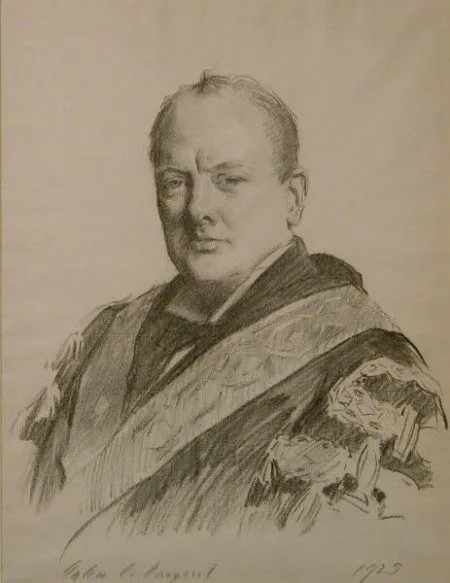
Churchill's 1925 Parity Blunder
Britain's disastrous return to gold at the pre-war rate ($4.86), which severely overvalued the pound, crushed exports, and caused mass unemployment.
1930s Currency Blocs
Protectionist monetary zones (like the British Sterling Area) that restricted trade to bilateral clearing, choking global commerce and heightening pre-WWII geopolitical tensions.

Keynes' Bancor vs. the US Dollar Standard
Keynes proposed the Bancor, a neutral supranational reserve unit designed to keep any single nation's currency from dominating world trade and to penalize persistent surpluses or deficits automatically. The US instead used its post-war gold dominance to reject the Bancor, placing its own national currency — the dollar — at the center of Bretton Woods as the world's reserve asset.
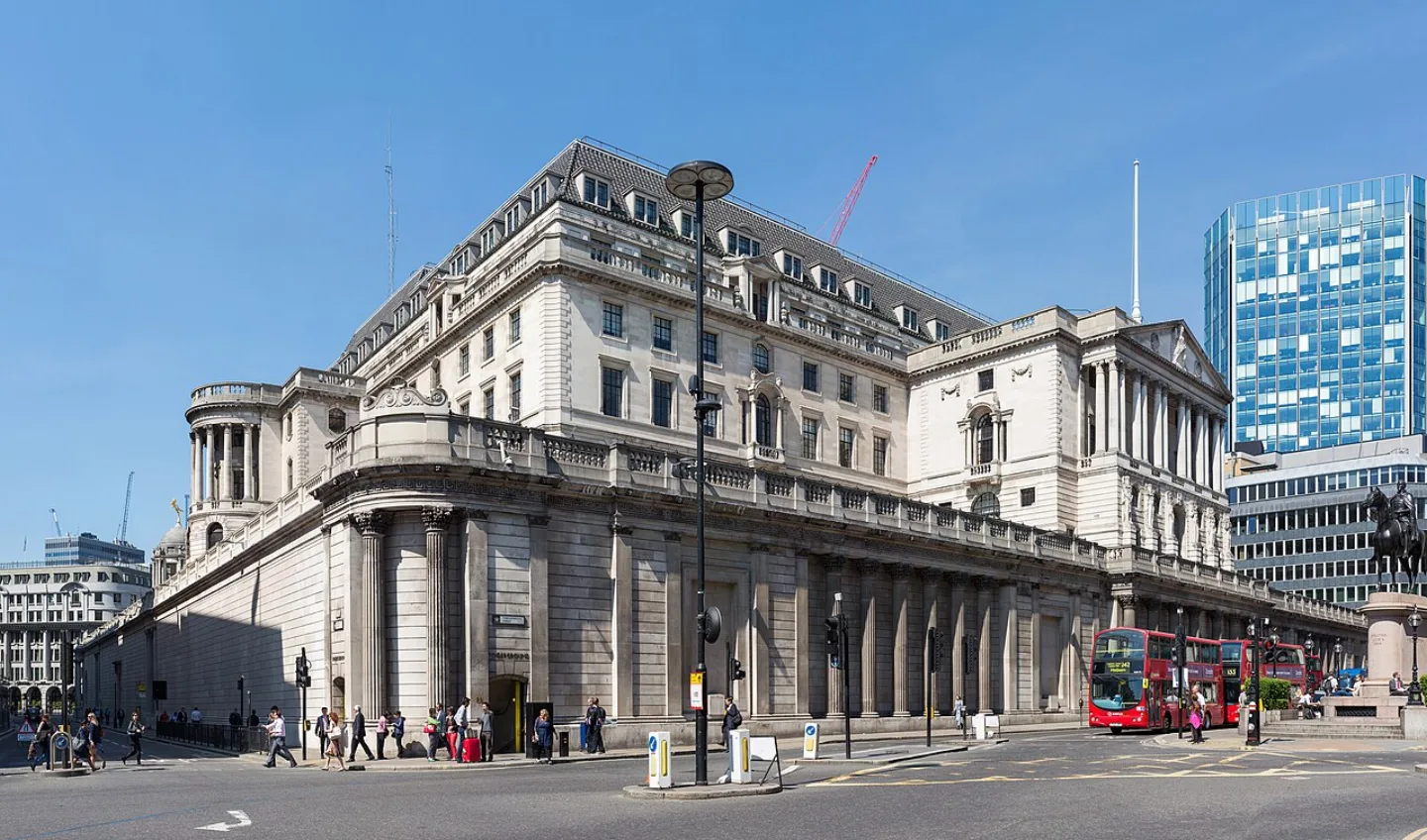
London Gold Pool (1961-1968)
A syndicate of eight Western central banks that dumped sovereign gold onto the private London market to suppress the free-market price at $35 per ounce.
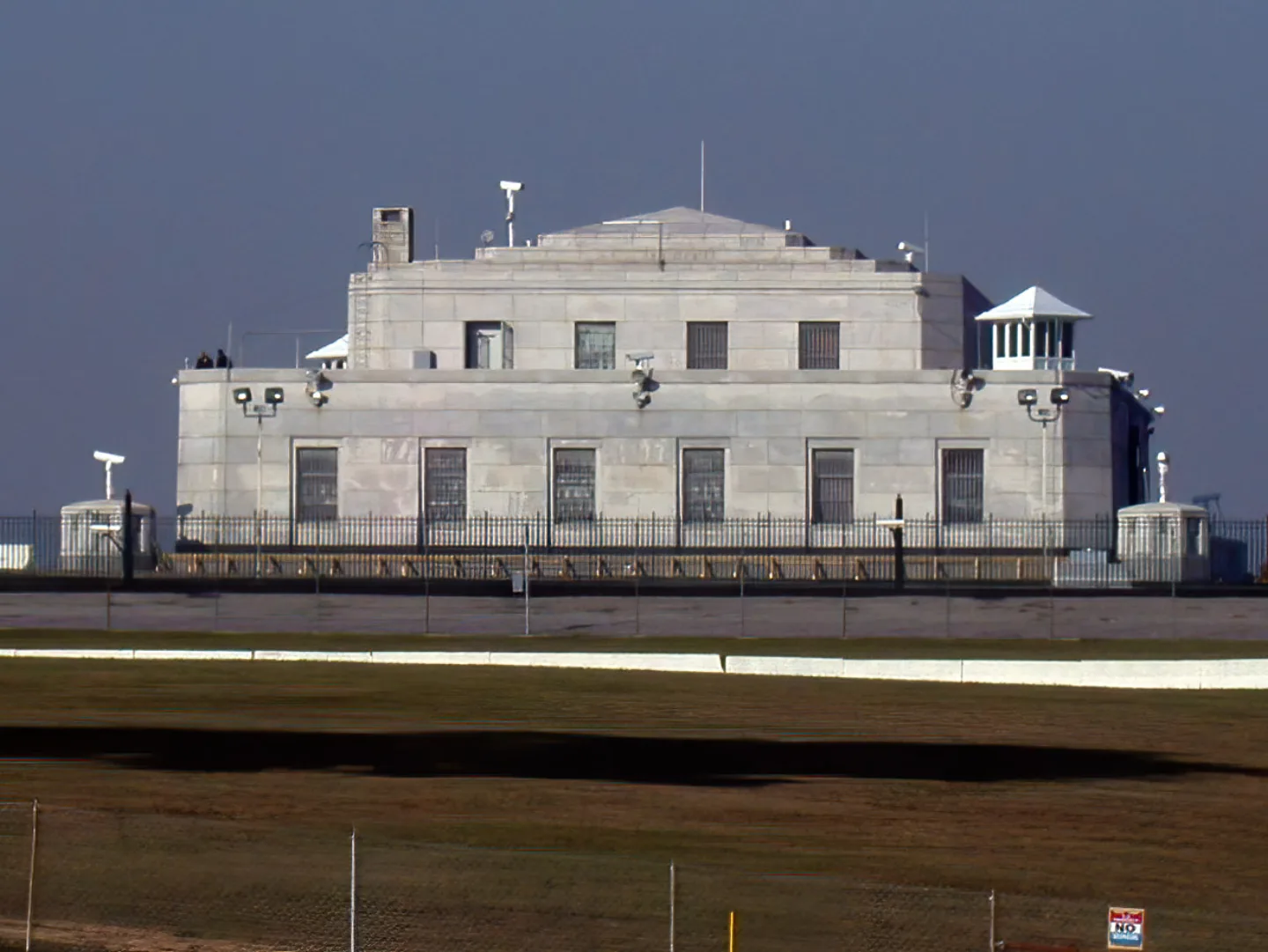
August 1971 Gold Window Run
The critical sovereign run on Fort Knox by the Bank of England and Bank of France that forced the US to close the gold window before reserves hit zero.
Post-1971 Fiat vs. Every Prior Monetary Era
Earlier eras of paper money always kept some gold or silver anchor in the background, even during wartime suspensions of convertibility. After Nixon closed the gold window in 1971, every major currency on Earth floated as pure, unbacked fiat at the same time — severing that metal anchor for the first time in recorded monetary history.
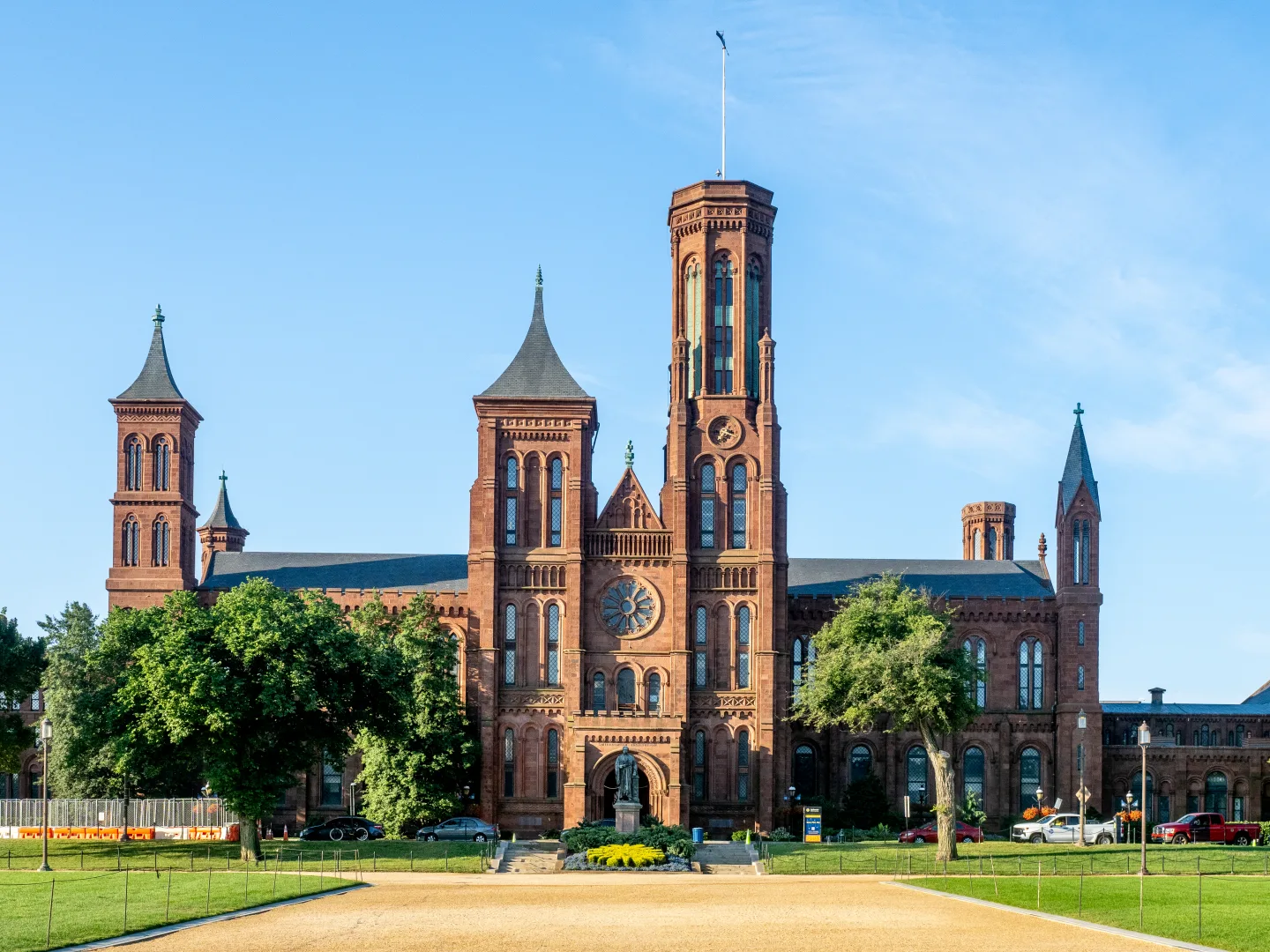
Smithsonian Agreement (1971)
Nixon's short-lived agreement devaluing gold to $38 that collapsed within fifteen months, ushering in the modern floating exchange rate regime.
Matched pairs
Each item on the left goes with the one on the right.
- Devaluation Default
- Unilateral breach of contract where the state repays debts in diluted paper rather than agreed gold.
- International Monetary Fund
- Monitors fixed exchange rate pegs and provides emergency bridge loans for payments crises.
- Post-1971 Fiat Ledger
- Governed by discretionary central bank policy committees rather than geological scarcity.
Step by step
Detail the historical sequence of Franklin D. Roosevelt's 1933-1934 gold confiscation and devaluation.
- President Roosevelt signs Executive Order 6102 on April 5, 1933, criminalizing gold ownership.
- US citizens are compelled to surrender gold coins and bullion to the Fed at $20.67 per ounce.
- Congress passes the Gold Reserve Act of January 1934, resetting gold's official price to $35.00.
- The US Treasury books a 69% windfall on its balance sheet while devaluing the dollar by 41%.
Self-test
Answer each question from memory, then check your work against the answer key.
1. When did major European powers suspend gold convertibility to finance WWI?
- AAfter the 1918 armistice
- BAt the war's second year, 1915
- CWithin days of August 1914
- DGradually during 1916 to 1917
2. At what rate did Churchill return Britain to gold in 1925?
- A$4.86 per pound
- B$5.20 per pound
- C$3.50 per pound
- D$4.00 per pound
3. What made the 1923 Weimar hyperinflation a runaway feedback loop?
- AWages fell while prices held flat
- BPrices fell as people hoarded cash
- CPrices rose about 10% yearly
- DPrices doubled about every two days
4. What did FDR's Executive Order 6102 (1933) do?
- APegged the dollar under Bretton Woods
- BBanned private ownership of monetary gold
- CCreated the Federal Reserve System
- DRestored gold at pre-war parity
5. Which was NOT a result of Britain's 1931 abandonment of gold?
- AThe pound dropped 25% in value
- BCompetitive currency devaluations spread
- CBritish gold reserves doubled
- DGlobal trade collapsed by over 60%
6. What system did the 1944 Bretton Woods agreement establish?
- AA single global currency, the Bancor
- BA pure floating fiat currency system
- CA return to the classical gold coin standard
- DA dollar gold-exchange standard at $35 per ounce
7. Per the Triffin Dilemma, why does the reserve currency issuer erode its own gold backing?
- AIt must run deficits to supply global liquidity
- BIt must impose tariffs on imports
- CIt must run surpluses to hoard gold
- DIt must raise rates to attract capital
8. By what year did foreign dollar claims exceed the US gold reserve's value?
- A1971
- B1959
- C1944
- D1965
9. Which is NOT true of the London Gold Pool (1961-1968)?
- AIt raised the gold price to lure investors
- BIt aimed to defend the $35 gold peg
- CIt was a syndicate of eight central banks
- DIt sold gold to suppress the market price
10. What forced Nixon to close the gold window on August 15, 1971?
- AThe London Gold Pool's 1968 collapse
- BA run on Fort Knox by the UK and France
- CA US decision to nationalize private gold
- DThe signing of the Smithsonian Agreement
Go deeper
- ReadBroken Money by Lyn Alden · on Amazon ↗
- StudyBroken Money: Why Our Financial System Is Failing Us & How We Can Make It Better in the FlashFeed app
These are affiliate links: if you buy a book through one, FlashFeed may earn a small commission at no extra cost to you. The commission helps pay for FlashFeed's servers.
As an Amazon Associate we earn from qualifying purchases.
Answer key
- 1. C Within days of August 1914All major WWI belligerents suspended gold convertibility within days of the August 1914 outbreak to fund the war through unconstrained printing.
- 2. A $4.86 per poundChurchill restored the pre-war parity of $4.86 per pound, overvaluing the pound and forcing deflation and wage cuts.
- 3. D Prices doubled about every two daysAt its peak the mark's collapse in confidence made prices double roughly every two days, wiping out savings -- a mathematical feedback loop, not steady inflation.
- 4. B Banned private ownership of monetary goldExecutive Order 6102 made private ownership and hoarding of monetary gold illegal for US citizens during the Great Depression.
- 5. C British gold reserves doubledBritain's 1931 exit crashed the pound 25% and triggered devaluations and a trade collapse -- it did not double UK gold reserves.
- 6. D A dollar gold-exchange standard at $35 per ounceBretton Woods (1944) pegged the US dollar to gold at $35 per ounce, with other currencies pegged to the dollar.
- 7. A It must run deficits to supply global liquidityThe Triffin Dilemma says the reserve issuer must run persistent balance-of-payments deficits to supply the world with dollars, eventually diluting its gold reserves.
- 8. B 1959By 1959, foreign-held paper dollar claims officially surpassed the market value of the US gold reserve at Fort Knox -- the tipping point for Bretton Woods.
- 9. A It raised the gold price to lure investorsThe Gold Pool dumped gold to suppress the price and defend the $35 peg -- it never raised the price to attract investors.
- 10. B A run on Fort Knox by the UK and FranceThe Bank of England and Bank of France ran on US gold reserves in August 1971, forcing Nixon to close the gold window before reserves hit zero.
Sources
- Broken Money: Why Our Financial System Is Failing Us & How We Can Make It Better — Lyn Alden
Image credits
- Churchill's 1925 Parity Blunder: John Singer Sargent · Public domain — commons.wikimedia.org/wiki/File:Winston_Churchill_Chancellor_by_John_Singer_Sargent.jpg
- Keynes' Bancor vs. the US Dollar Standard: Library of Congress · Mount Washington Hotel in Bretton Woods, New Hampshire · No known restrictions (verify at source) — www.loc.gov/item/2011635594/
- London Gold Pool (1961-1968): Wikimedia Commons · Diliff · CC BY-SA 3.0 — commons.wikimedia.org/wiki/File:Bank_of_England_Building,_London,_UK_-_Diliff.jpg
- August 1971 Gold Window Run: Wikimedia Commons · Cliff on Flickr · CC BY-SA 4.0 — commons.wikimedia.org/wiki/File:U.S._Bullion_Depository-adjust2.jpg
- Smithsonian Agreement (1971): Wikimedia Commons · ajay_suresh · CC BY 2.0 — commons.wikimedia.org/wiki/File:Smithsonian_Institution_Building_(53831938398).jpg


