
Ham Radio Technician License study guide · Lesson 6 of 15
Electrical Principles: Current, Voltage and Units
Current, voltage and conductors · Unit conversions and decibels
This is the lesson's study guide from the FlashFeed app, plus its key facts and a self-test.
What you'll be able to do
- Identify the units and terms for current, power, voltage and frequency, and what causes electron flow
- Explain why metals conduct and glass insulates, and describe alternating current, its frequency and resistance
- Convert between metric prefixes for amperes, volts, watts and farads using milli, micro, kilo and pico
- Convert between hertz, kilohertz, megahertz and gigahertz and estimate decibel changes in power
Every radio circuit rests on a few basic electrical ideas. This lesson names those ideas, gives the unit for each, and shows how the units scale up and down. A new licensee needs both skills to read meter scales and equipment labels, and to follow the numbers in later lessons on components, circuits and antennas.
Current, voltage and conductors
Current is the flow of electrons in an electric circuit. It is measured in amperes.
Voltage is what makes electrons move. A difference in voltage causes electron flow. Voltage is counted in volts.
Power is the rate at which electrical energy is used. Its unit is the watt.
These three quantities fit together as a set:
- Current is the flow of electrons, measured in amperes.
- Voltage is the difference that causes the flow, measured in volts.
- Power is the rate of energy use, measured in watts.
A power supply label can list all three. The ampere rating gives the current, the volt rating gives the voltage, and the watt rating gives the power. Each unit goes with its own quantity.
Frequency applies to alternating current. In alternating current (AC), the current alternates between positive and negative directions. Each time the current completes a full back-and-forth swing, that is one cycle. Frequency is the number of times per second that an alternating current makes a complete cycle. The unit of frequency is the hertz.
Some materials carry current easily and some resist it. Metals are generally good conductors of electricity because they have many free electrons. Glass, on the other hand, is a good electrical insulator. The pairing is easy to remember. A metal wire suits the job of carrying current, and a piece of glass suits the job of keeping current out.
Resistance is the opposition to current flow. Resistance opposes direct current, alternating current and radio frequency (RF) current alike:
- direct current;
- alternating current;
- radio frequency (RF) current.
Resistance is the opposition that current meets while it flows, whatever form the current takes.
Sources
Unit conversions and decibels
Electrical values often come with a prefix that scales the unit. Worked examples show what each prefix means.
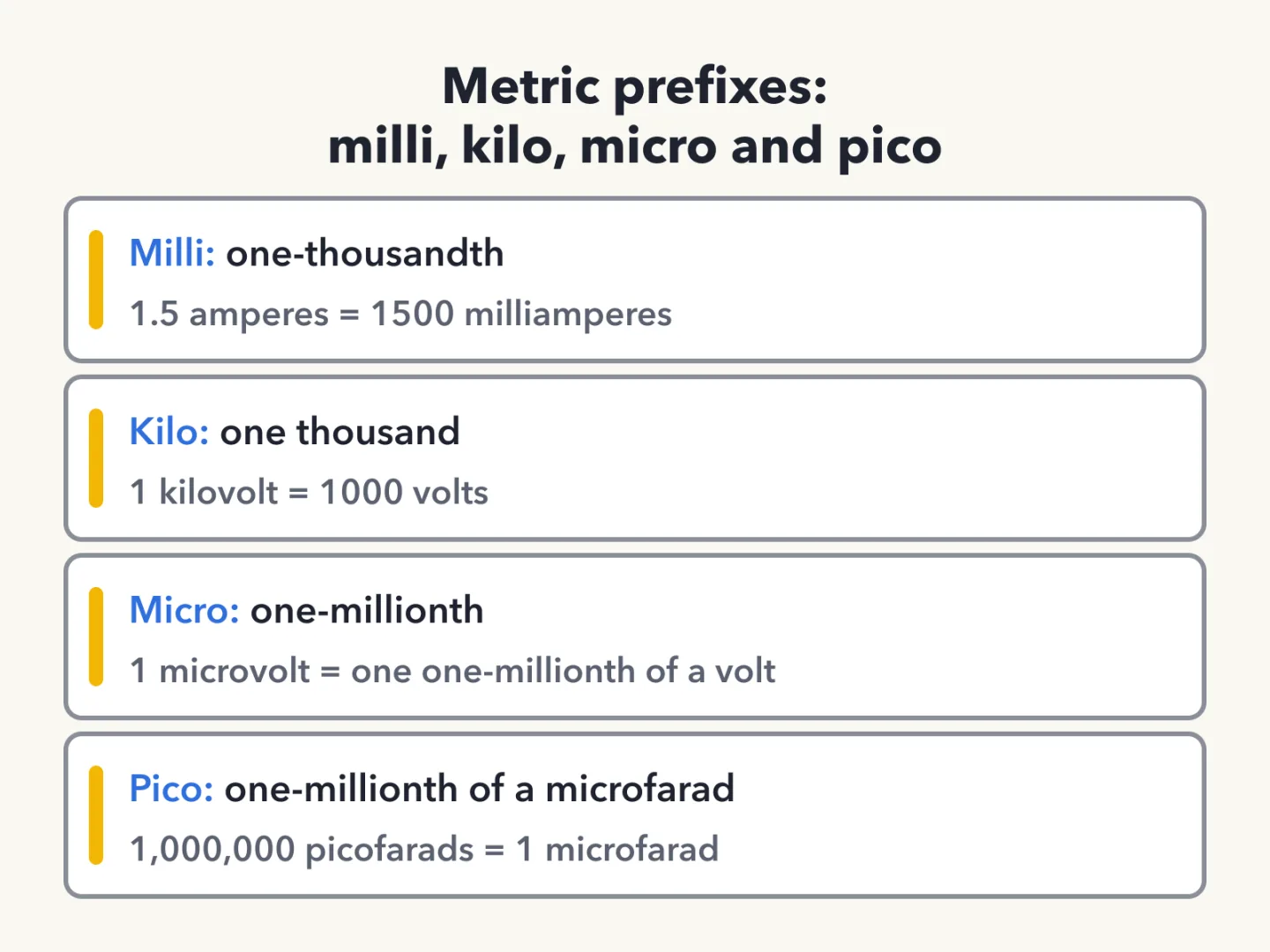
Milli means one-thousandth. These pairs are equal:
- 1.5 amperes is 1500 milliamperes.
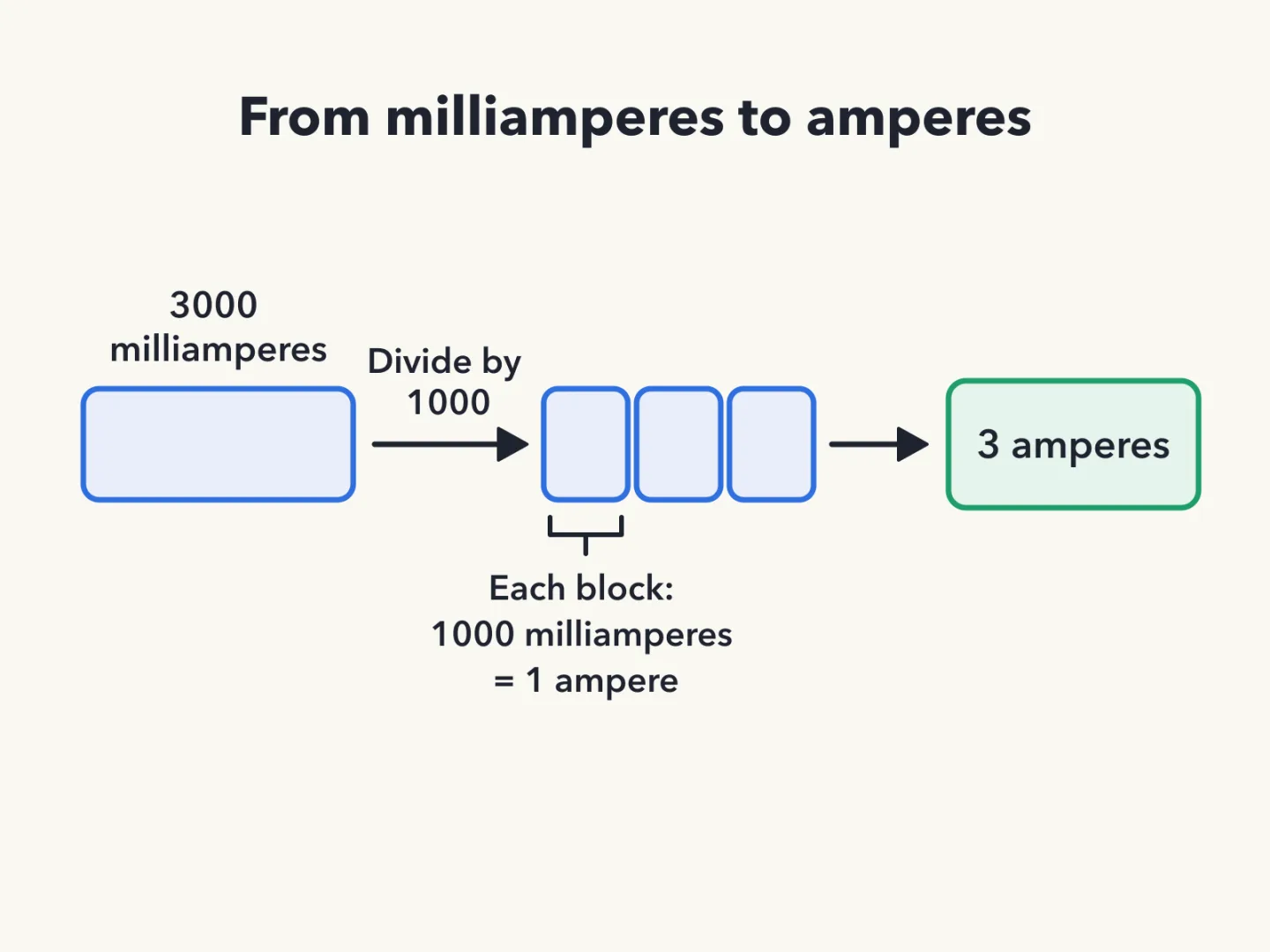
- 3000 milliamperes is 3 amperes.
- 500 milliwatts is 0.5 watts.
Going from amperes or watts to the milli form multiplies the number by 1000. Going back divides it by 1000.
Kilo means one thousand. One kilovolt is one thousand volts.
Micro means one-millionth. One microvolt is one one-millionth of a volt.
Pico is smaller still. 1,000,000 picofarads equals 1 microfarad, so a picofarad is one-millionth of a microfarad.
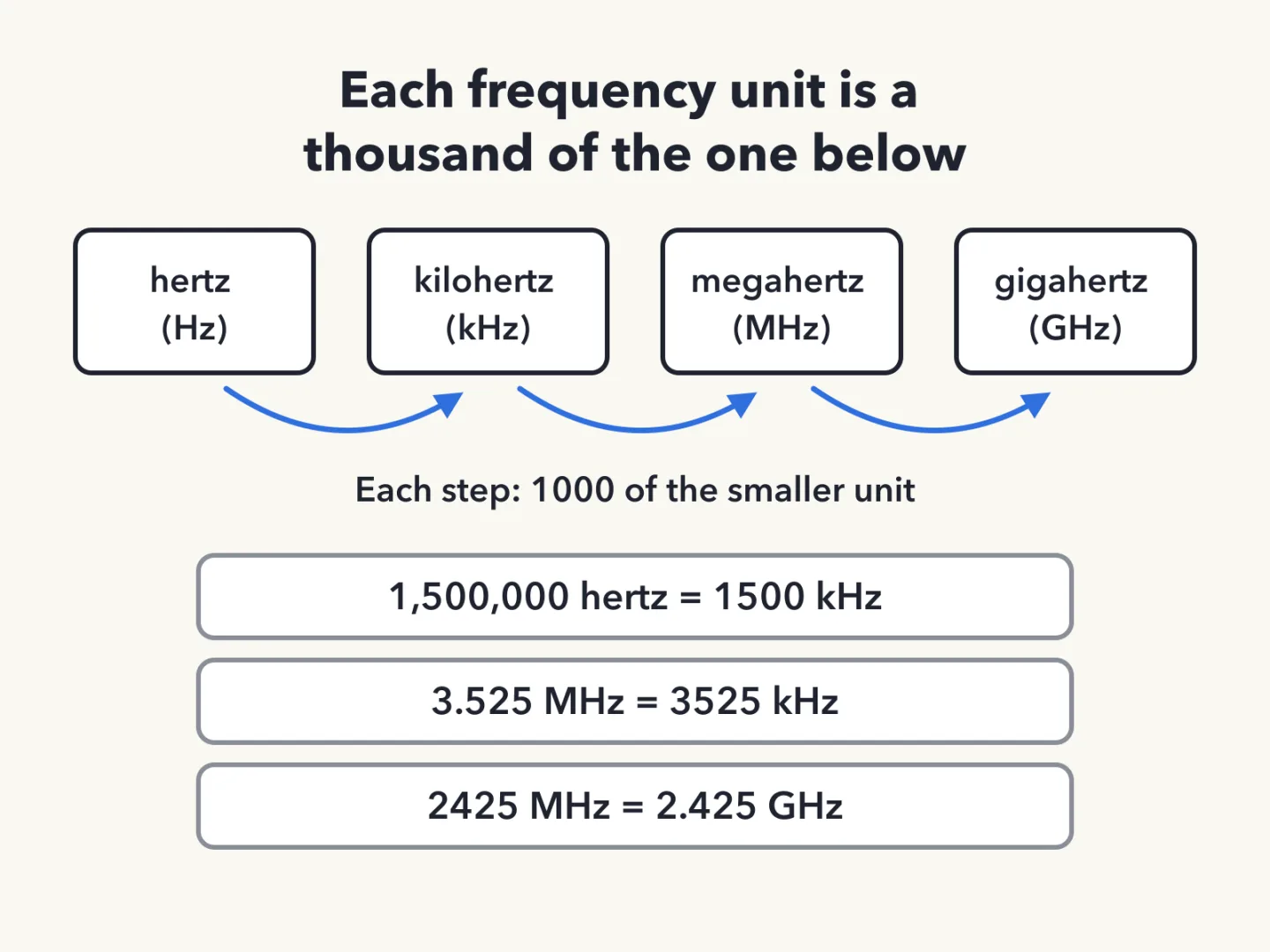
Frequency units step up by thousands. A hertz is the base unit, and the larger units are kilohertz (kHz), megahertz (MHz) and gigahertz (GHz). The examples show the steps:
- 1,500,000 hertz is 1500 kHz, so a kilohertz is 1000 hertz.
- 3.525 MHz is 3525 kHz, so a megahertz is 1000 kilohertz.
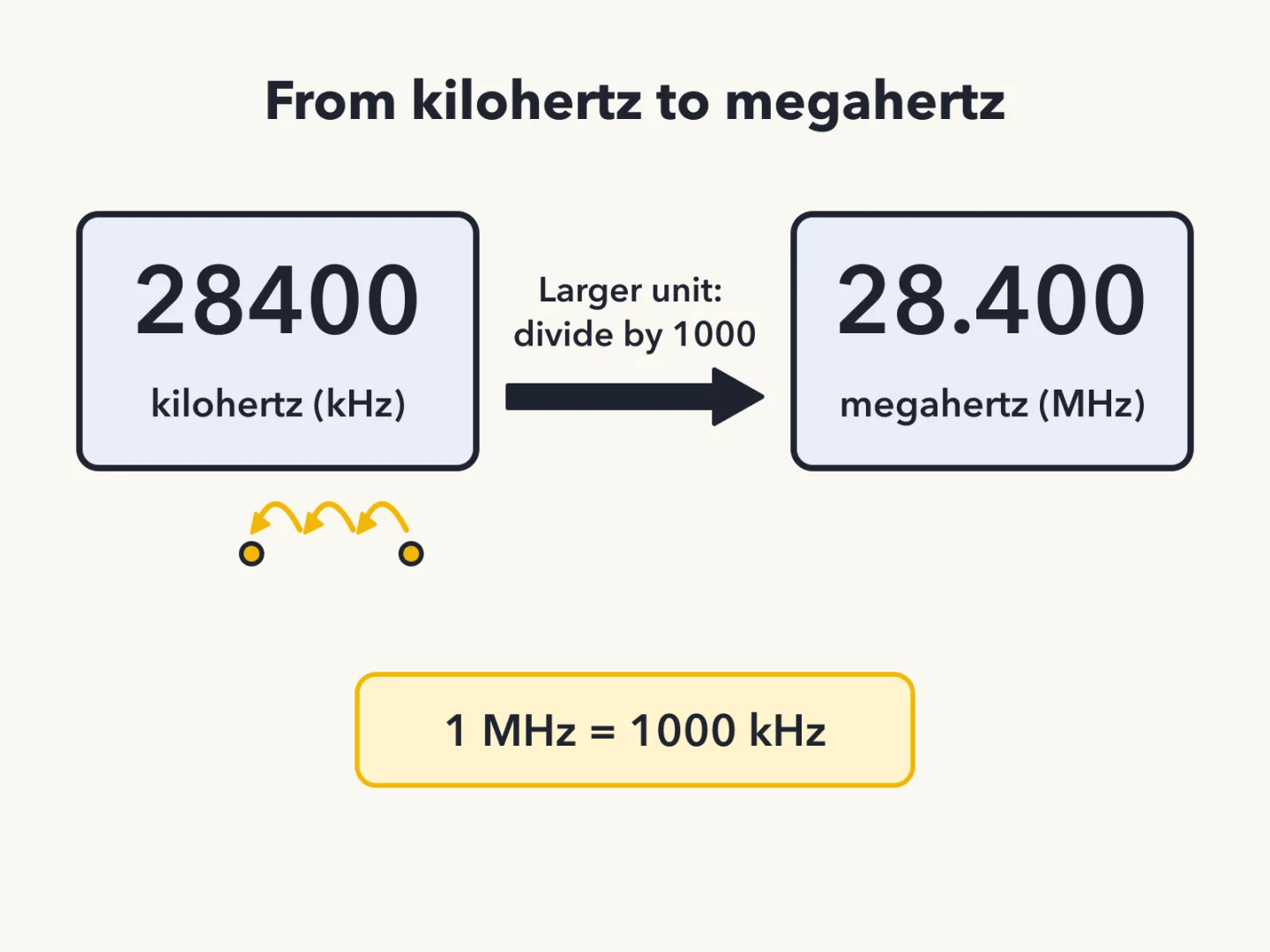
- 28400 kHz is 28.400 MHz.
- 2425 MHz is 2.425 GHz, so a gigahertz is 1000 megahertz.
Moving to a larger unit makes the number smaller, because each step holds a thousand of the smaller one. A licensee can use this to restate a band edge in whichever unit a radio or a chart uses.
The decibel value (dB) describes a change in power. An increase gives a positive value and a decrease gives a negative one. Three examples show typical changes:
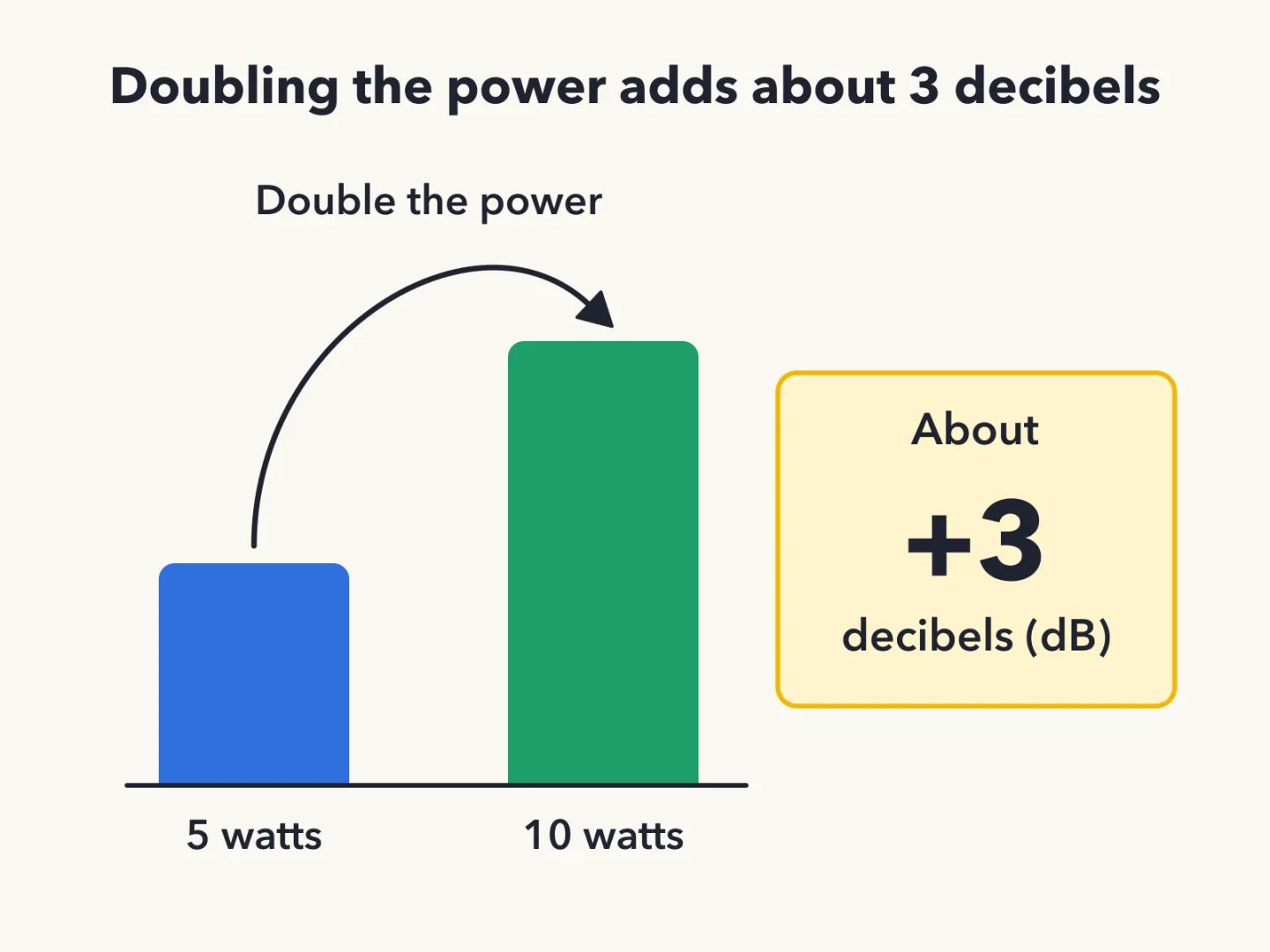
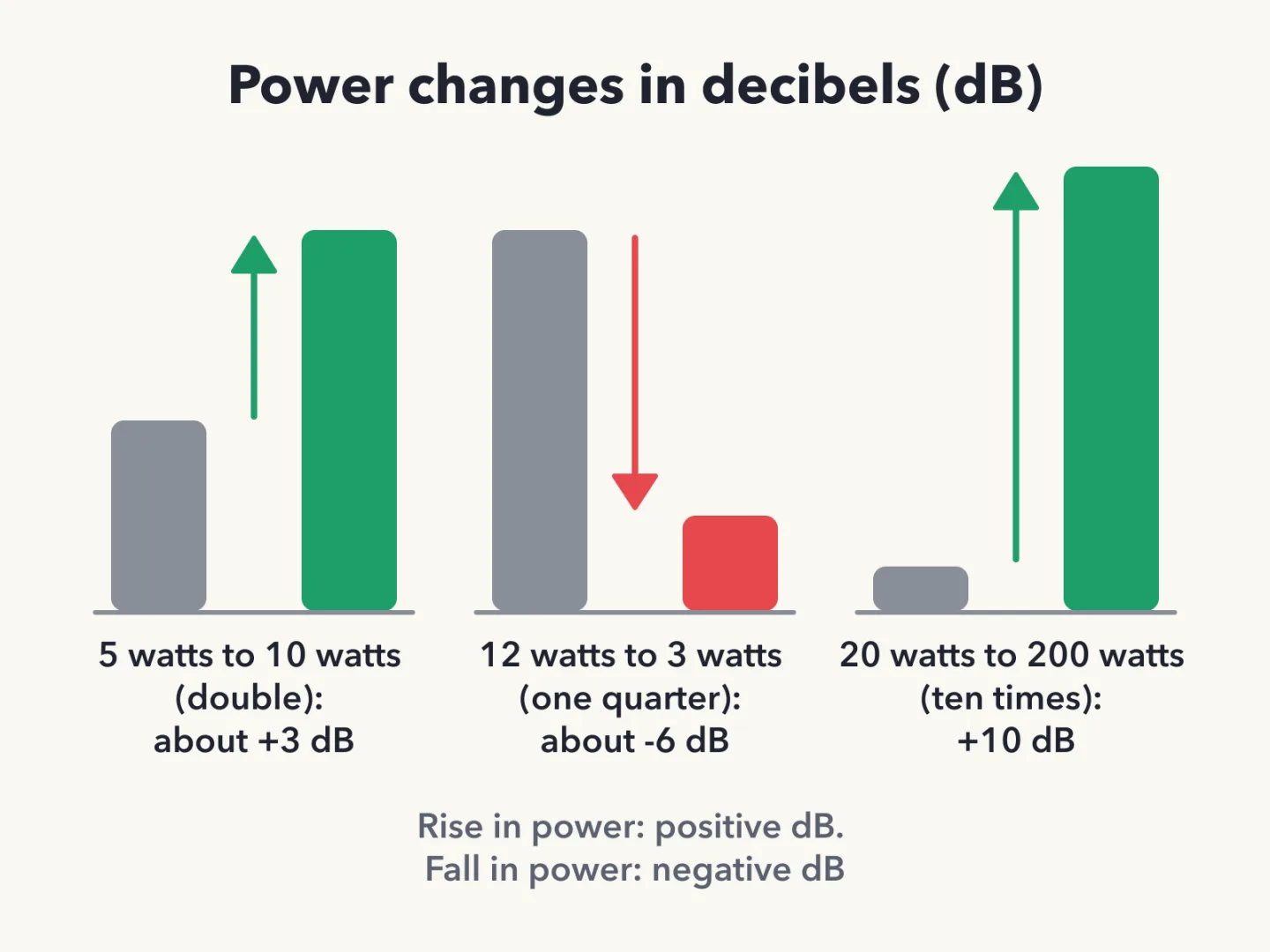
- A power increase from 5 watts to 10 watts, a doubling, is most closely 3 dB.
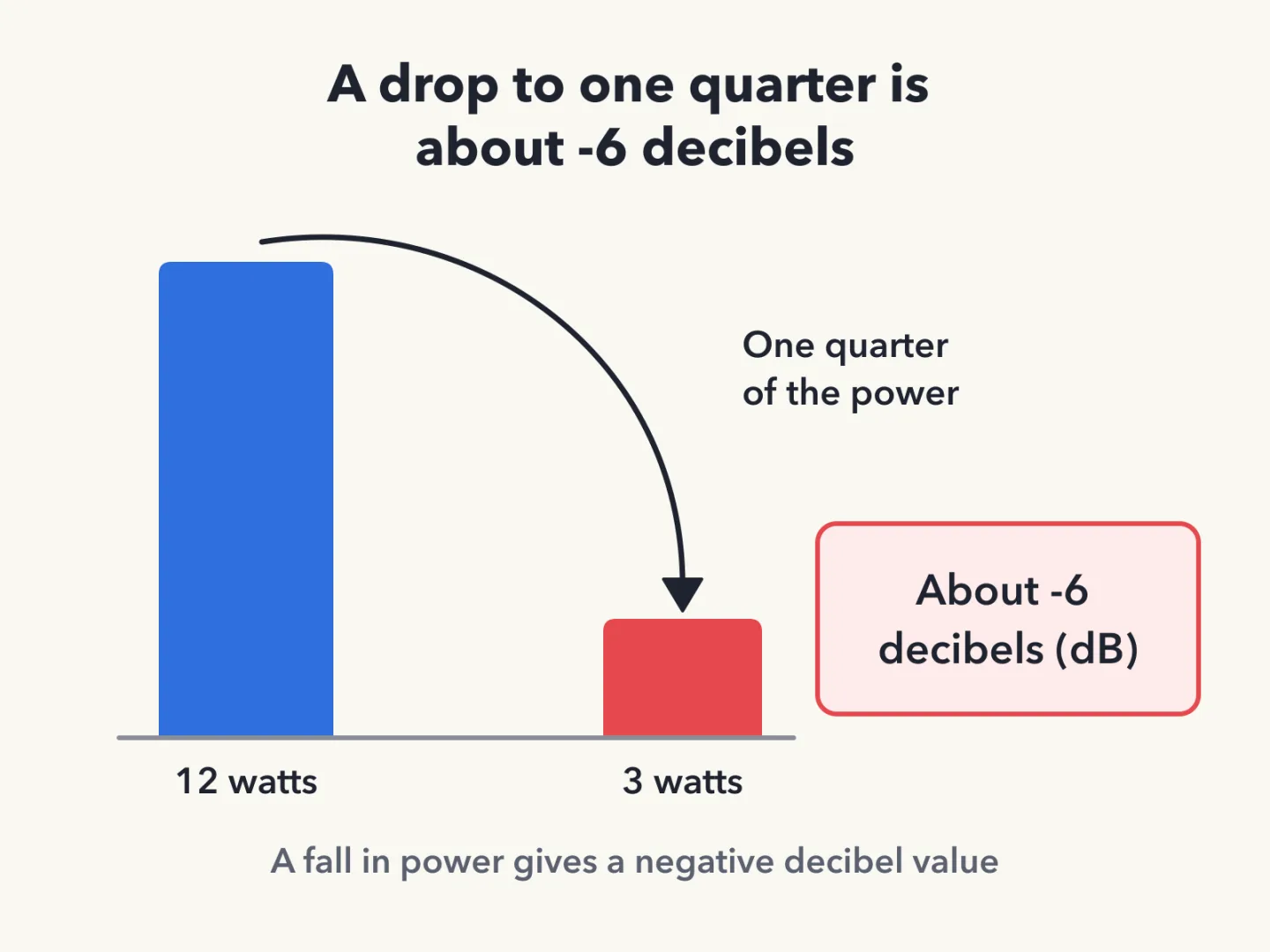
- A power decrease from 12 watts to 3 watts, a drop to one quarter, is most closely -6 dB.
- A power increase from 20 watts to 200 watts, ten times as much, is 10 dB.
A rise in power therefore shows as a positive number of decibels, and a fall shows as a negative number. An amplifier that doubles power adds about 3 dB. Using only these values, a licensee can estimate a decibel change by comparing the starting and ending power.
Sources
Key facts
Current is measured in amperes
Electrical current is measured in amperes. The ampere goes with current, the volt with voltage and the watt with power.
Power is measured in watts
Electrical power is measured in watts.
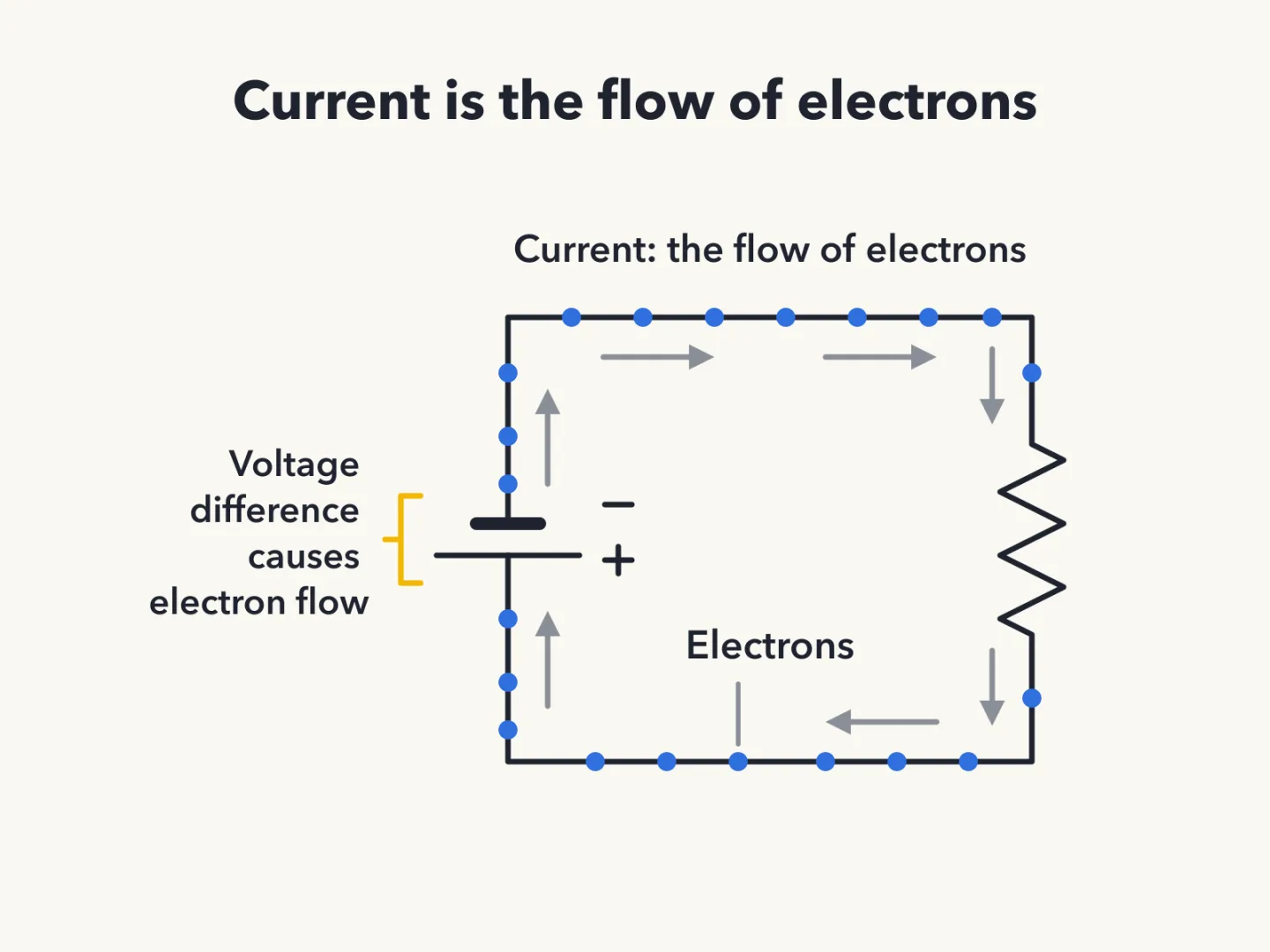
Current: the flow of electrons
The flow of electrons in an electric circuit is called current.
Frequency counts cycles per second
Frequency is the number of times per second that an alternating current makes a complete cycle. Each full back-and-forth swing of the current is one cycle.
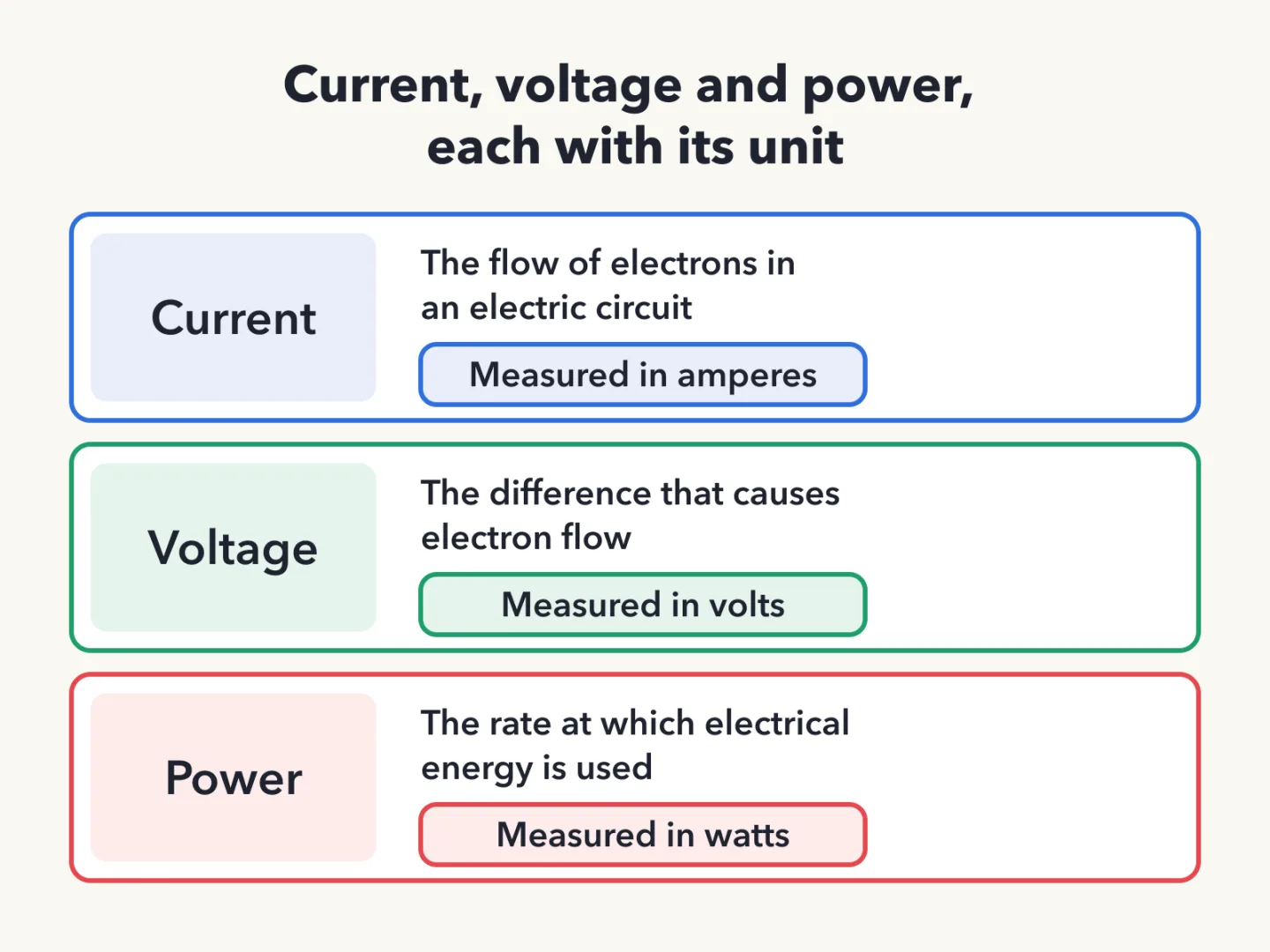
Voltage difference moves electrons
A difference in voltage causes electron flow. Voltage is counted in volts.
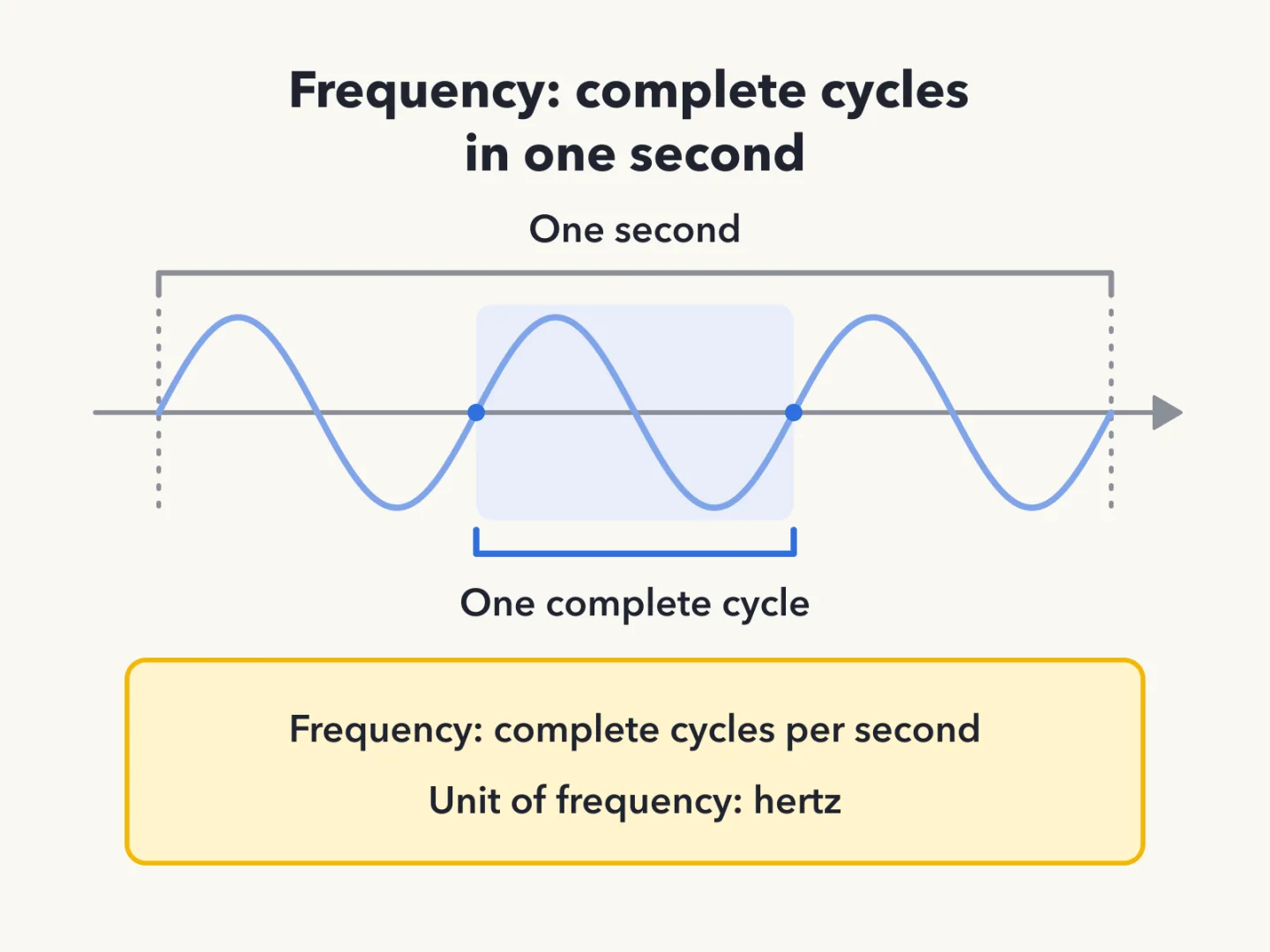
Hertz is the unit of frequency
The hertz is the unit of frequency. Frequency is the number of times per second that an alternating current makes a complete cycle.
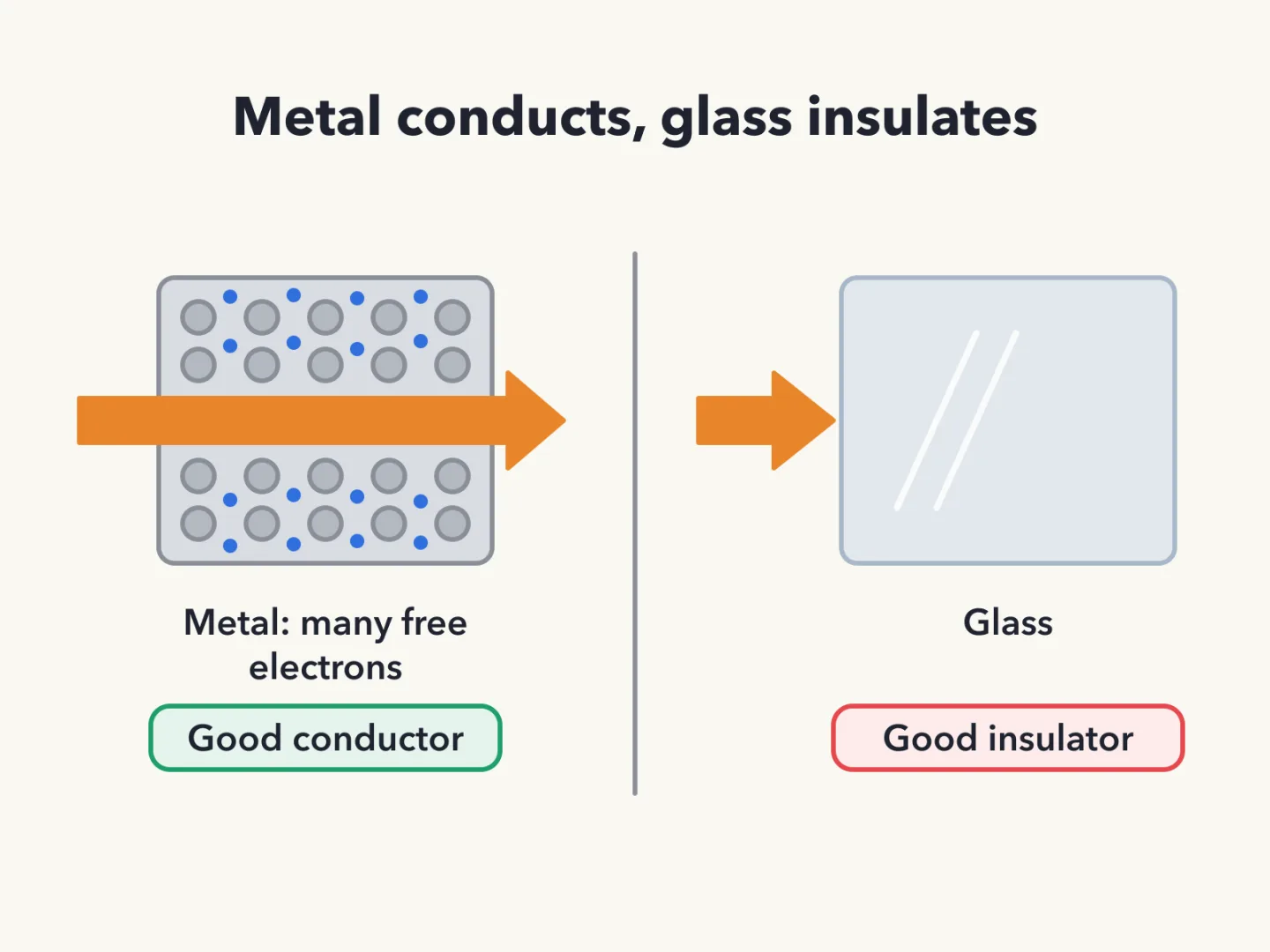
Why metals conduct well
Metals are generally good conductors of electricity because they have many free electrons.
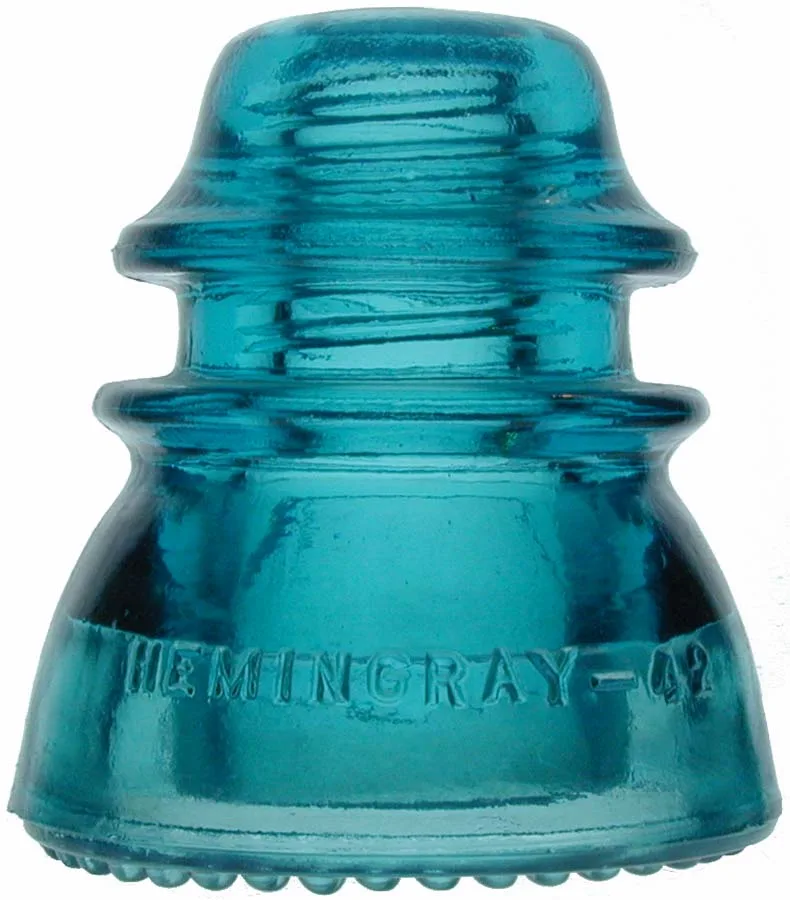
Glass is a good insulator
Glass is a good electrical insulator. A piece of glass suits the job of keeping current out.
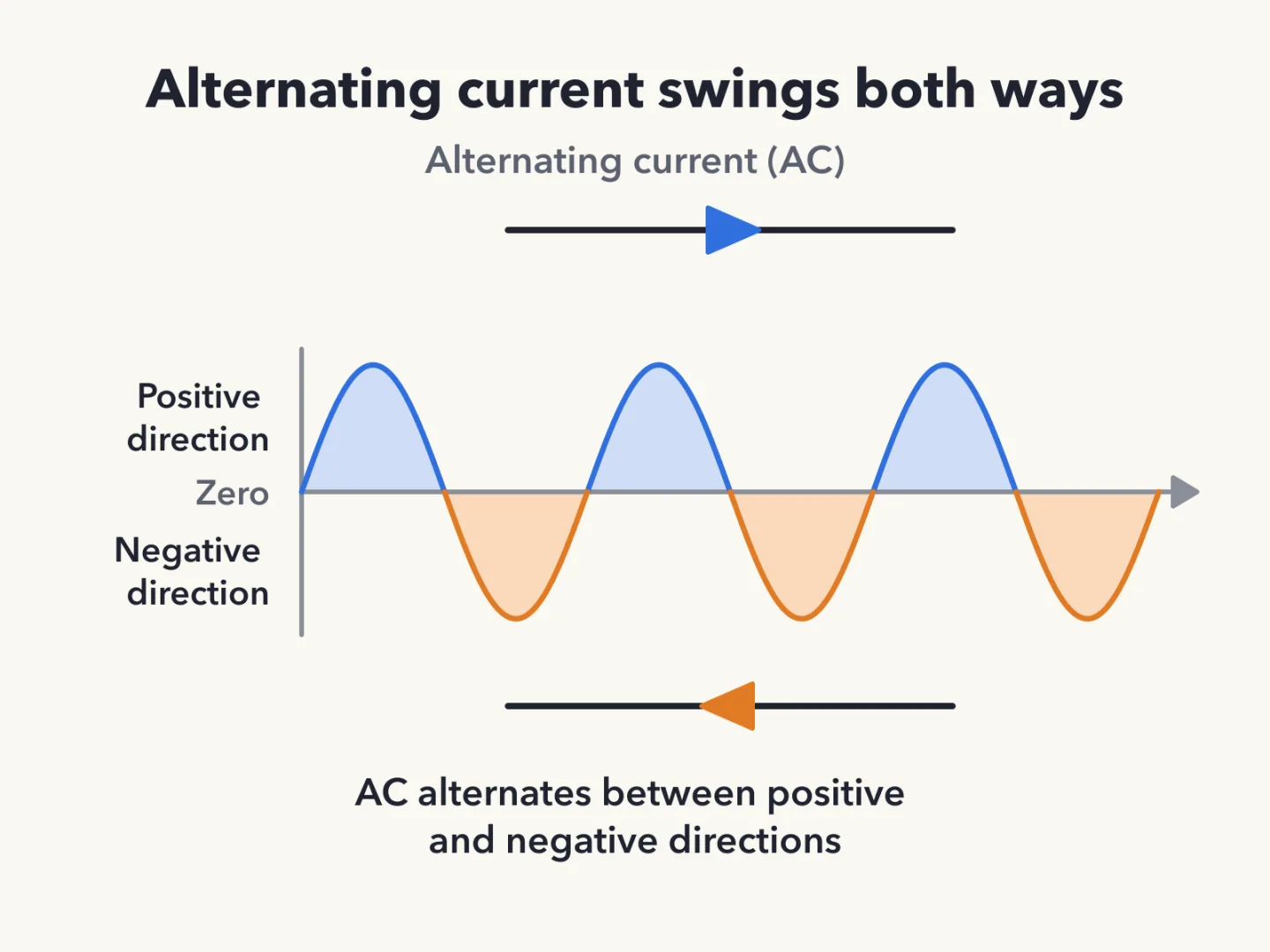
What alternating current does
In alternating current (AC), the current alternates between positive and negative directions.
Power: the rate of energy use
Power is the rate at which electrical energy is used. Its unit is the watt.
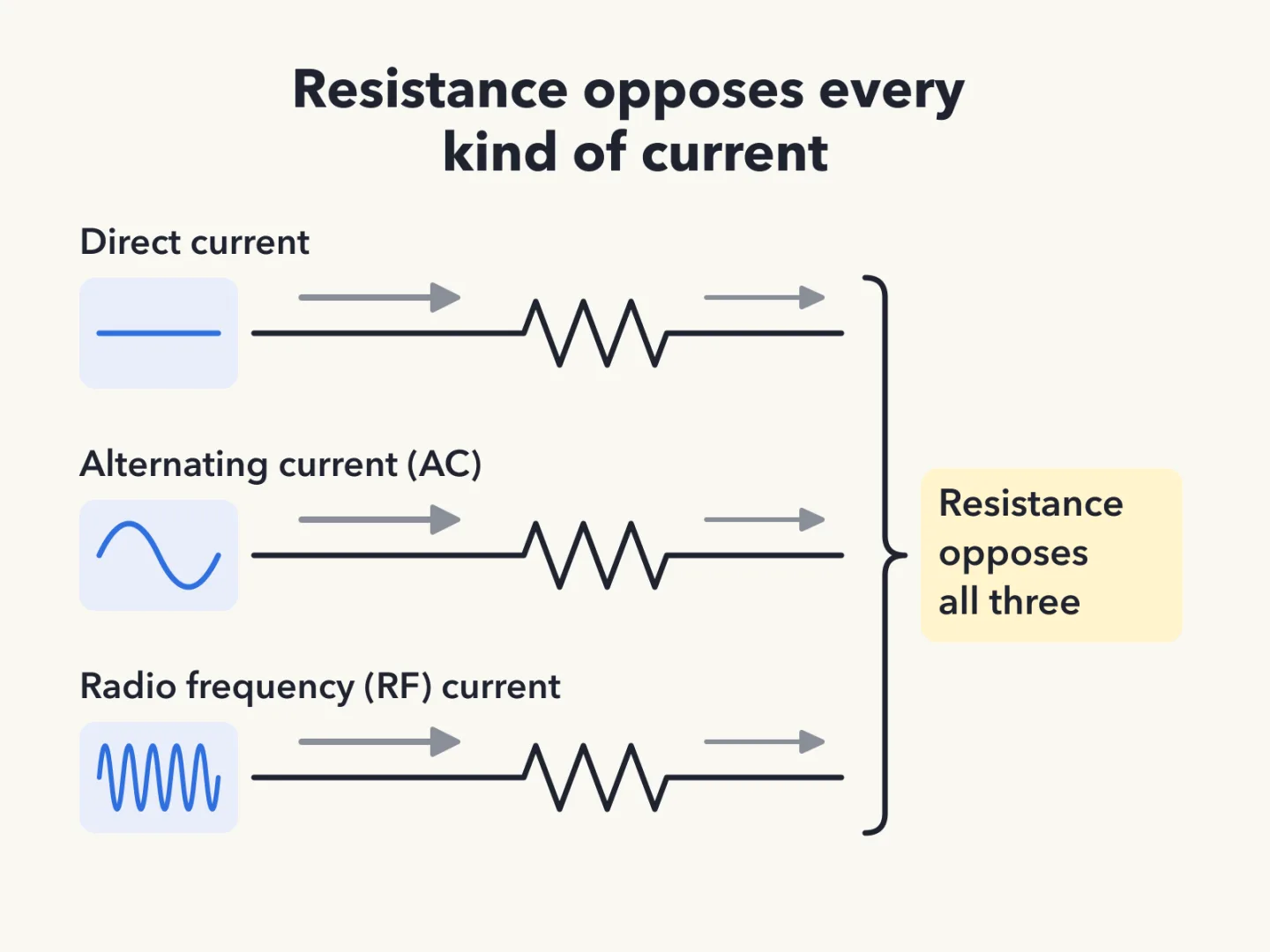
Resistance opposes every current
Resistance opposes direct current, alternating current (AC) and radio frequency (RF) current alike. It is the opposition that current meets while it flows, whatever form the current takes.
Amperes to milliamperes
1.5 amperes is 1500 milliamperes. Going from amperes to the milli form multiplies the number by 1000.
Hertz to kilohertz
1,500,000 hertz is 1500 kilohertz (kHz). A kilohertz is 1000 hertz.
What a kilovolt equals
Kilo means one thousand, so one kilovolt is one thousand volts.
What a microvolt equals
Micro means one-millionth, so one microvolt is one one-millionth of a volt.
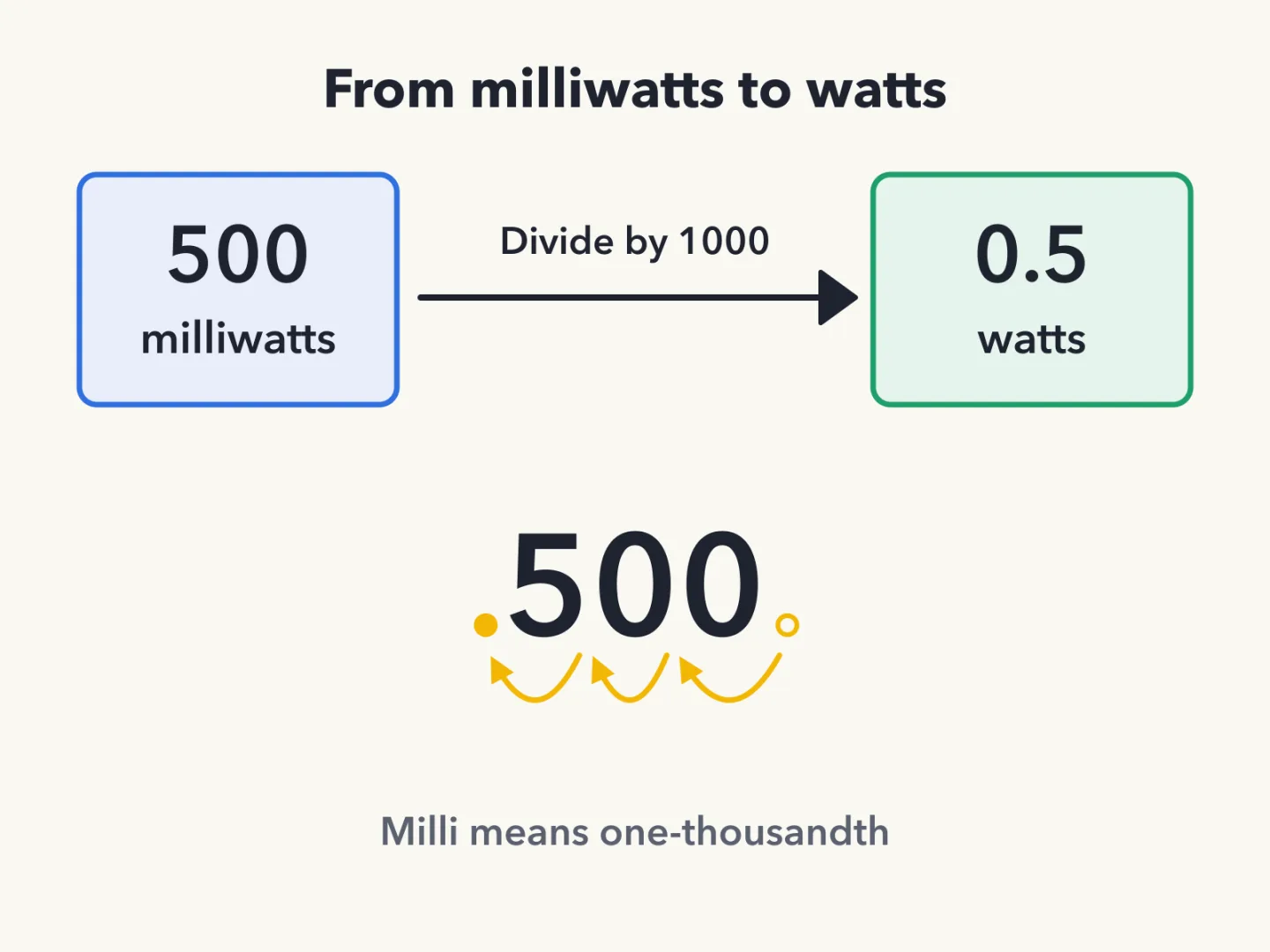
Milliwatts to watts
Milli means one-thousandth. So 500 milliwatts is 0.5 watts, and going back from the milli form to watts divides the number by 1000.
Milliamperes to amperes
3000 milliamperes is 3 amperes. Dividing by 1000 gives the amperes value.
Megahertz to kilohertz
3.525 megahertz (MHz) is 3525 kilohertz (kHz). A megahertz is 1000 kilohertz.
Picofarads to microfarads
1,000,000 picofarads equals 1 microfarad. So a picofarad is one-millionth of a microfarad.
Doubling power is about 3 dB
A power increase from 5 watts to 10 watts, a doubling, is most closely 3 dB. The decibel (dB) describes a change in power.
A drop to one quarter is -6 dB
A power decrease from 12 watts to 3 watts, a drop to one quarter, is most closely -6 decibels (dB). A fall in power shows as a negative decibel value.
Ten times the power is 10 dB
A power increase from 20 watts to 200 watts, ten times as much, is 10 decibels (dB). A rise in power shows as a positive decibel value.
28400 kilohertz in megahertz
28400 kilohertz (kHz) is 28.400 megahertz (MHz). A megahertz is 1000 kilohertz, so moving to the larger unit divides the number by 1000.
Megahertz to gigahertz
2425 megahertz (MHz) is 2.425 gigahertz (GHz). A gigahertz is 1000 megahertz.
Matched pairs
Each item on the left goes with the one on the right.
- Unit of frequency
- Hertz
- One microvolt
- One one-millionth of a volt
Self-test
Answer each question from memory, then check your work against the answer key.
1. Electrical current is measured in which of the following units?
- AVolts
- BWatts
- CAmperes
- DOhms
2. Electrical power is measured in which of the following units?
- AWatts
- BWatt-hours
- CVolts
- DAmperes
3. What is the unit of frequency?
- AEpicycles per second
- BHertz
- CFarad
- DHenry
4. What is the term for the flow of electrons in an electric circuit?
- AVolts per second
- BAmperes per second
- CVoltage
- DCurrent
5. A difference in which of the following causes electron flow?
- AVoltage
- BAmpere-hours
- CCapacitance
- DInductance
6. Which term describes the rate at which electrical energy is used?
- AVoltage
- BPower
- CResistance
- DCurrent
7. Why are metals generally good conductors of electricity?
- AThey have relatively high density
- BThey have many free protons
- CThey have relatively high Young’s modulus values
- DThey have many free electrons
8. Which of the following is a good electrical insulator?
- ASea water
- BStainless steel
- CGlass
- DGraphite
9. What term describes the number of times per second that an alternating current makes a complete cycle?
- AWavelength
- BWave number
- CFrequency
- DPulse rate
10. Which of the following describes alternating current?
- AAll these answers are correct
- BCurrent that alternates between a negative direction and zero
- CCurrent that alternates between a positive direction and zero
- DCurrent that alternates between positive and negative directions
11. What type of current flow is opposed by resistance?
- AAll these choices are correct
- BDirect current
- CAlternating current
- DRF current
12. How many milliamperes is 1.5 amperes?
- A0.0000015 milliamperes
- B1500 milliamperes
- C0.0015 milliamperes
- D1,500,000 milliamperes
13. Which is equal to 500 milliwatts?
- A5 watts
- B500,000 watts
- C500,000,000 watts
- D0.5 watts
14. Which is equal to 3000 milliamperes?
- A3,000,000 amperes
- B3 amperes
- C0.003 amperes
- D0.3 amperes
15. Which is equal to one kilovolt?
- AOne one-thousandth of a volt
- BOne million volts
- COne thousand volts
- DOne hundred volts
16. Which is equal to one microvolt?
- AOne one-millionth of a volt
- BOne one-thousandth of a volt
- COne thousand kilovolts
- DOne million volts
17. Which is equal to 1,000,000 picofarads?
- A1000 microfarads
- B0.001 microfarads
- C1 microfarad
- D1,000,000,000 microfarads
18. Which is equal to 1,500,000 hertz?
- A150 kHz
- B1500 kHz
- C1500 MHz
- D15 GHz
19. Which is equal to 3.525 MHz?
- A3525 kHz
- B35.25 kHz
- C0.003525 kHz
- D3,525,000 kHz
20. Which is equal to 28400 kHz?
- A284.00 MHz
- B28.400 kHz
- C2.800 MHz
- D28.400 MHz
21. Which is equal to 2425 MHz?
- A242.5 GHz
- B2.425 GHz
- C24.25 GHz
- D0.002425 GHz
22. Which decibel value most closely represents a power increase from 5 watts to 10 watts?
- A2 dB
- B10 dB
- C5 dB
- D3 dB
23. Which decibel value most closely represents a power decrease from 12 watts to 3 watts?
- A-3 dB
- B-1 dB
- C-6 dB
- D-9 dB
24. Which decibel value represents a power increase from 20 watts to 200 watts?
- A10 dB
- B28 dB
- C18 dB
- D12 dB
Go deeper
- ListenLesson 6 episode
- WatchWhat Resistance Opposes 3 kinds of current all meet the same opponent.
- WatchDoubling Power in Decibels Imagine a radio's power doubles, from 5 watts to 10 watts. How many decibels does that add?
- StudyHam Radio Technician License in the FlashFeed app
Answer key
- 1. C AmperesCurrent is the flow of electrons and is measured in amperes. Volts, watts and ohms are units of other quantities.
- 2. A WattsPower is measured in watts. Watt-hours, volts and amperes are not the unit of power.
- 3. B HertzFrequency is measured in hertz. Henry, farad and epicycles per second are not units of frequency.
- 4. D CurrentThe flow of electrons in a circuit is called current. Voltage is the difference that causes the flow.
- 5. A VoltageA difference in voltage makes electrons move. Ampere-hours, capacitance and inductance do not cause the flow.
- 6. B PowerPower is the rate at which electrical energy is used. Resistance, current and voltage are different quantities.
- 7. D They have many free electronsMetals have many free electrons, which carry current easily. Density, Young's modulus and free protons are not the reason.
- 8. C GlassGlass is a good electrical insulator. Sea water, stainless steel and graphite are not good insulators.
- 9. C FrequencyFrequency is the number of complete cycles per second of an alternating current. Wavelength and the others are not that term.
- 10. D Current that alternates between positive and negative directionsAlternating current swings between positive and negative directions. Swinging between one direction and zero is not alternating current.
- 11. A All these choices are correctResistance opposes direct current, alternating current and radio frequency (RF) current alike, so each choice is correct.
- 12. B 1500 milliamperesGoing from amperes to milliamperes multiplies by 1000, so 1.5 amperes is 1500 milliamperes.
- 13. D 0.5 wattsMilli means one-thousandth, so 500 milliwatts divided by 1000 is 0.5 watts.
- 14. B 3 amperesDividing milliamperes by 1000 gives amperes, so 3000 milliamperes is 3 amperes.
- 15. C One thousand voltsKilo means one thousand, so a kilovolt is one thousand volts, not one hundred or one million.
- 16. A One one-millionth of a voltMicro means one-millionth, so a microvolt is one one-millionth of a volt.
- 17. C 1 microfaradA picofarad is one-millionth of a microfarad, so 1,000,000 picofarads make 1 microfarad.
- 18. B 1500 kHzA kilohertz is 1000 hertz, so 1,500,000 hertz is 1500 kHz.
- 19. A 3525 kHzA megahertz is 1000 kilohertz, so 3.525 MHz is 3525 kHz.
- 20. D 28.400 MHzMoving to the larger unit divides by 1000, so 28400 kHz is 28.400 MHz.
- 21. B 2.425 GHzA gigahertz is 1000 megahertz, so 2425 MHz is 2.425 GHz.
- 22. D 3 dBDoubling power from 5 watts to 10 watts is a rise of about 3 dB.
- 23. C -6 dBPower falling to one quarter, from 12 watts to 3 watts, is a negative value, most closely -6 dB.
- 24. A 10 dBTen times the power, from 20 watts to 200 watts, is 10 dB.
Sources
- NCVEC Question Pool Committee — 2026–2030 Technician question pool — ncvec.org/index.php/2026-2030-technician-question-pool
Image credits
- Current: the flow of electrons: FlashFeed original diagram · CC-BY-4.0
- Voltage difference moves electrons: FlashFeed original diagram · CC-BY-4.0
- Hertz is the unit of frequency: FlashFeed original diagram · CC-BY-4.0
- Why metals conduct well: FlashFeed original diagram · CC-BY-4.0
- Glass is a good insulator: Wikimedia Commons · Bill "Hemingray" Meier at English Wikipedia · Public domain — commons.wikimedia.org/wiki/File:Hemingray42.jpg
- What alternating current does: FlashFeed original diagram · CC-BY-4.0
- Resistance opposes every current: FlashFeed original diagram · CC-BY-4.0
- Milliwatts to watts: FlashFeed original diagram · CC-BY-4.0
- Milliamperes to amperes: FlashFeed original diagram · CC-BY-4.0
- Megahertz to kilohertz: FlashFeed original diagram · CC-BY-4.0
- Picofarads to microfarads: FlashFeed original diagram · CC-BY-4.0
- Doubling power is about 3 dB: FlashFeed original diagram · CC-BY-4.0
- A drop to one quarter is -6 dB: FlashFeed original diagram · CC-BY-4.0
- Ten times the power is 10 dB: FlashFeed original diagram · CC-BY-4.0
- 28400 kilohertz in megahertz: FlashFeed original diagram · CC-BY-4.0
