
Investing 201 study guide · Lesson 11 of 17
The Magnificent Seven
The Mag 7 phenomenon · Company breakdowns
This is the lesson's study guide from the FlashFeed app, plus its key facts and a self-test.
What you'll be able to do
- Recall the origin, naming, and scale of the Magnificent Seven.
- Identify the competitive moats of Apple, Microsoft, Amazon, and Alphabet.
- Identify the moats of Meta, Nvidia, and Tesla and Apple's key metric to watch.
A handful of mega-cap technology companies have come to dominate the U.S. stock market to a degree rarely seen in history. Understanding the "Magnificent Seven" — both as a group and as individual businesses — is now essential, because owning a broad index increasingly means owning a concentrated bet on these seven names.
The Mag 7 phenomenon
The term "Magnificent Seven" was coined by Bank of America strategist Michael Hartnett in 2023, borrowing the name of the 1960 Western film. It refers to seven mega-cap technology companies that have driven a disproportionate share of the S&P 500's gains: Apple, Microsoft, Amazon, Alphabet, Meta, Nvidia, and Tesla. Their scale is staggering — at peak, their combined market capitalization has exceeded the entire stock markets of the UK, Canada, and Japan combined.
Their influence on the index is what makes them impossible to ignore. In 2023 and 2024, these seven stocks accounted for more than half of the S&P 500's total returns, and by the end of 2024 they made up roughly one-third of the index's total market capitalization. That concentration cuts both ways: when the Mag 7 soar, the index looks brilliant; when they stumble, the broad "market" suffers regardless of how the other 493 companies are doing. Nvidia exemplifies the mania and the magnitude — it briefly reached a $5 trillion market cap in October 2025, becoming the most valuable company in history to that point, after a roughly 1,500% five-year run.
Company breakdowns
What separates these companies isn't just size — it's the durability of their moats. Apple's advantage is ecosystem lock-in and fierce brand loyalty; the metric to watch is Services revenue growth. Microsoft is protected by deep enterprise switching costs across Azure, Office 365, and its AI Copilot; watch the Azure cloud growth rate. Amazon combines the scale of Amazon Web Services (AWS) with an unrivaled logistics network; AWS operating income is the number that matters most. Alphabet rests on a search near-monopoly and an enormous data advantage; watch cloud growth and AI adoption.
Meta's moat is the network effects of Facebook, Instagram, and WhatsApp plus its ad-targeting machine; daily active users and ad revenue are the tells. Nvidia's edge is the Compute Unified Device Architecture (CUDA) software ecosystem and its chip architecture, which together make it the default platform for AI training; data-center revenue and demand for its top graphics processing units (GPUs) are the key signals. Tesla leans on brand, its Supercharger network, and deep vertical integration; delivery numbers and the attach rate of its self-driving software are what investors track.
These seven also make a useful template for analyzing any hot company. Work through seven questions: What does it actually do (the revenue model)? How big is the addressable market — still expanding, or saturated? What is the moat? What does the income statement show about growth and margins? What does the balance sheet say about cash and leverage? How much free cash flow does it generate — real cash or accounting illusion? And finally, what is the valuation — are you paying a reasonable price for the quality? Run any company through that gauntlet and the hype gives way to a clear-eyed picture of the business underneath.
Key concepts
Nvidia
- A Magnificent Seven member whose durable moat rests on a proprietary software ecosystem paired with its own chip architecture.
- That combination has made it the default platform for AI training; investors watch its data-center revenue and demand for its top-end graphics processing units (GPUs).
- It briefly hit a $5 trillion market capitalization in October 2025 — the most valuable company in history to that point — after a roughly 1,500% five-year climb.
Apple
- Among the Magnificent Seven, this company's durable advantage comes from fierce brand loyalty and a tightly integrated product ecosystem that locks customers in.
- The single metric analysts watch for it is Services revenue growth.
Amazon
- This Magnificent Seven company pairs enormous cloud-computing scale with an unrivaled logistics and delivery network.
- For it, the number that matters most is AWS operating income.
Tesla
- This Magnificent Seven company's moat rests on brand strength and deep vertical integration across its operations.
- It also leans on a proprietary Supercharger network; investors track its delivery numbers and the attach rate of its self-driving software.
Meta
- This Magnificent Seven company's moat is the powerful network effects of the social platforms it owns, backed by a formidable ad-targeting machine.
- Those platforms are Facebook, Instagram, and WhatsApp; the tells for it are daily active users and ad revenue.
Key facts
Who they are
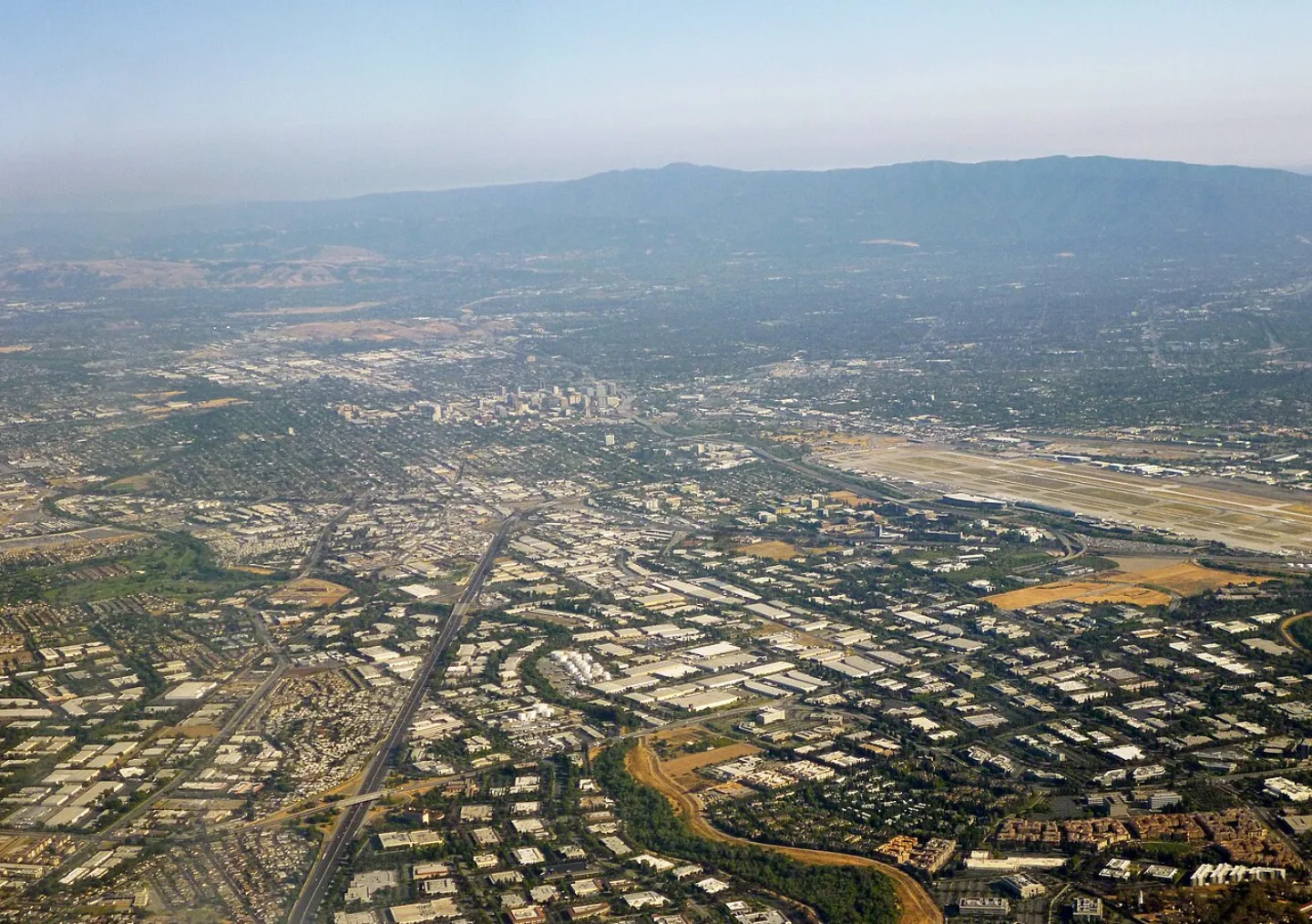
The Magnificent Seven are Apple (AAPL), Microsoft (MSFT), Amazon (AMZN), Alphabet/Google (GOOGL), Meta Platforms (META), Nvidia (NVDA), and Tesla (TSLA) — seven companies whose combined market cap has at times exceeded the entire stock markets of the UK, Canada, and Japan combined.
Outsized influence
In 2023 and 2024, the Magnificent Seven accounted for more than half of the S&P 500's total returns. By the end of 2024 they made up roughly one-third of the index's total market capitalization — meaning the broad 'market' is increasingly a bet on seven companies.
Borrowed From A Western
Bank of America strategist Michael Hartnett coined the term 'Magnificent Seven' in 2023, borrowing the name from the 1960 Western film of the same title.
Nvidia's $5 Trillion Moment
Nvidia briefly reached a $5 trillion market cap in October 2025 after a roughly 1,500% five-year run, becoming the most valuable company in history to that point.
How to break down any company
Work through seven questions: What does it actually do (the revenue model)? How big is the addressable market? What is the moat? What does the income statement show? What does the balance sheet say? How much free cash flow does it generate? And finally — what's the valuation? Quality at a reasonable price is the goal.
Microsoft's Switching-Cost Moat
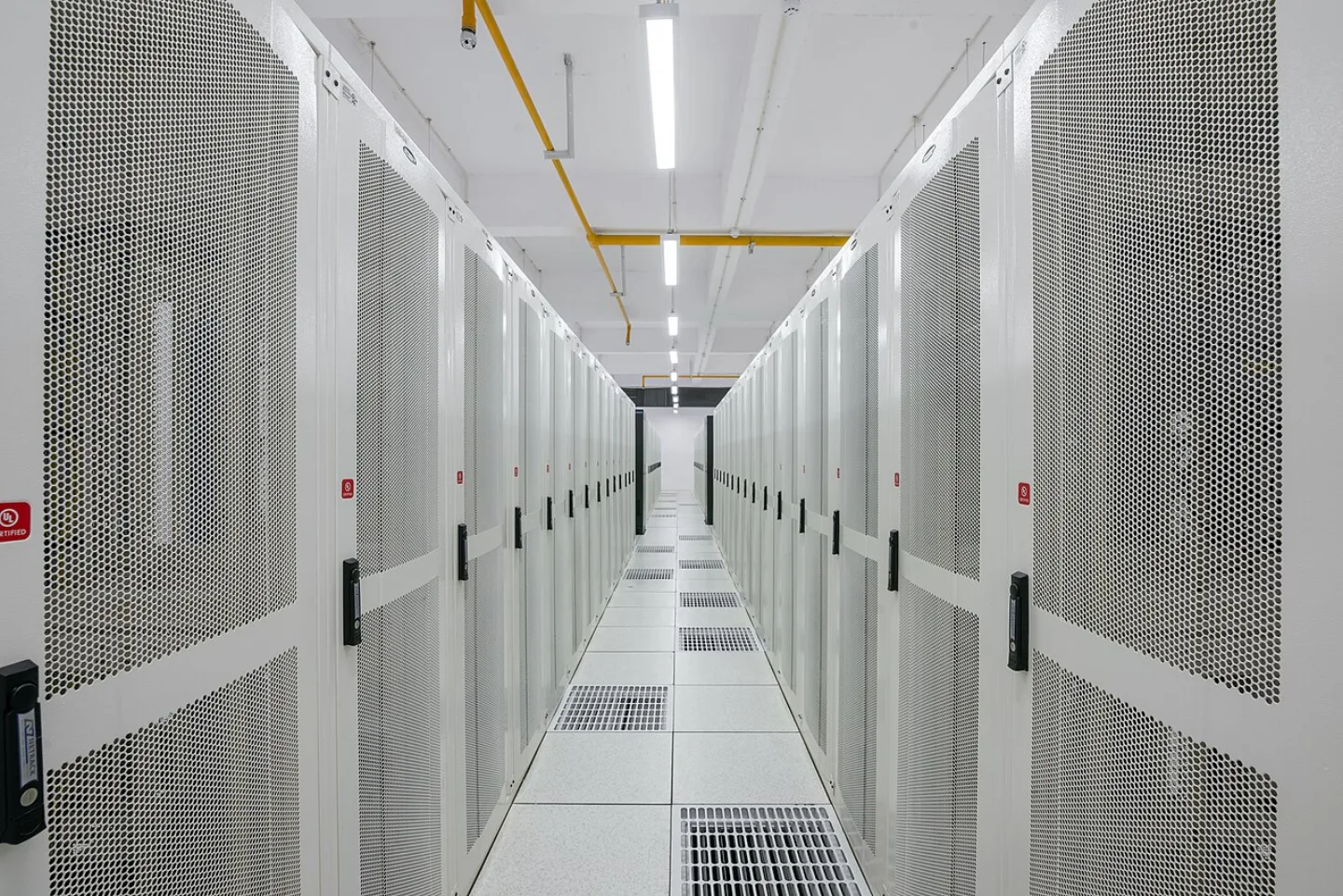
Microsoft's competitive moat rests on deep enterprise switching costs across Azure, Office 365, and Copilot, making it costly for businesses to walk away.
Amazon's Scale Plus Logistics
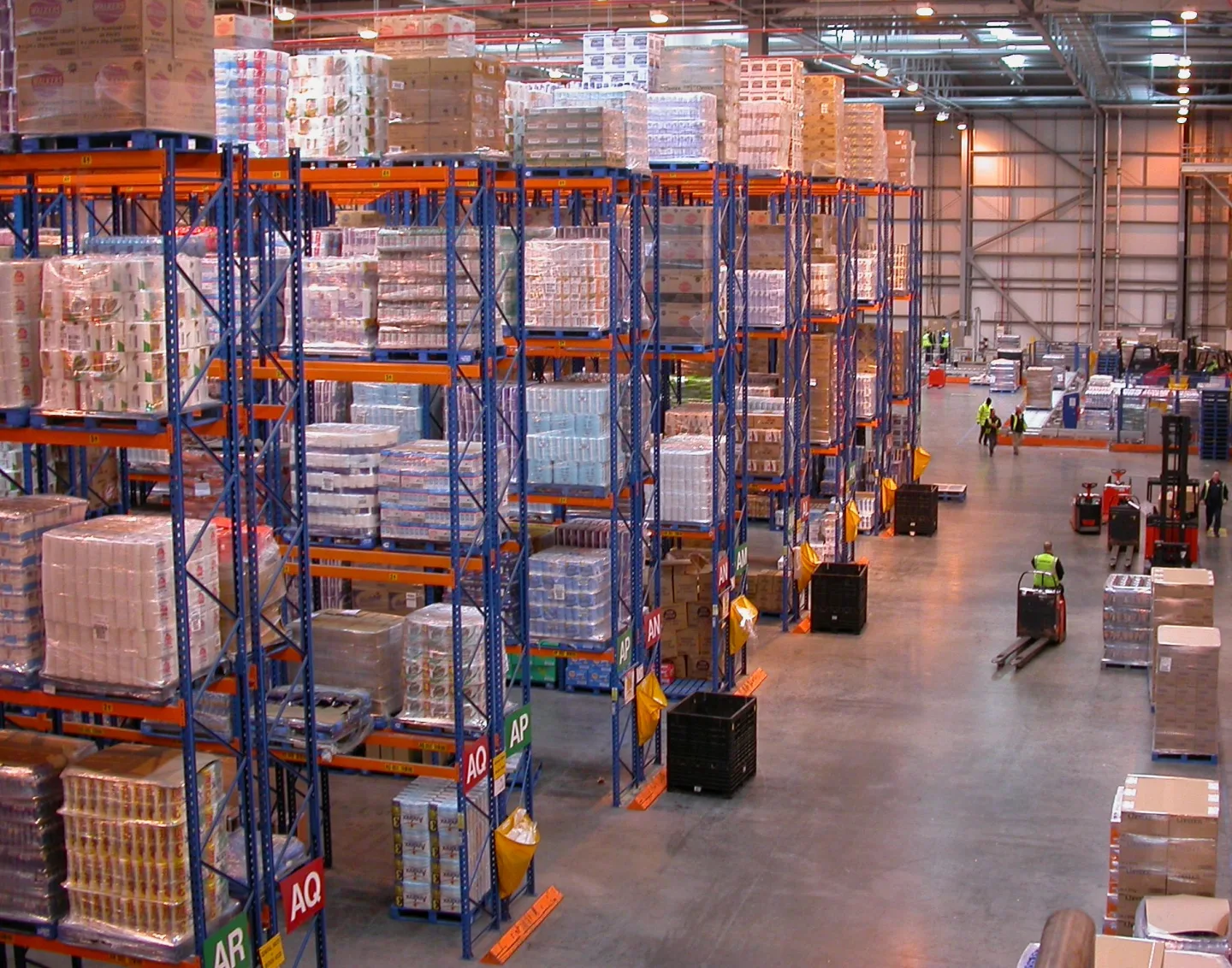
Amazon pairs the massive scale of Amazon Web Services (AWS) with an unrivaled logistics network, combining cloud-computing dominance with best-in-class shipping and delivery.

Meta's Network Effect Moat
Meta's competitive moat combines the network effects of Facebook, Instagram, and WhatsApp with its ad-targeting machine, tracked through daily active users and ad revenue.
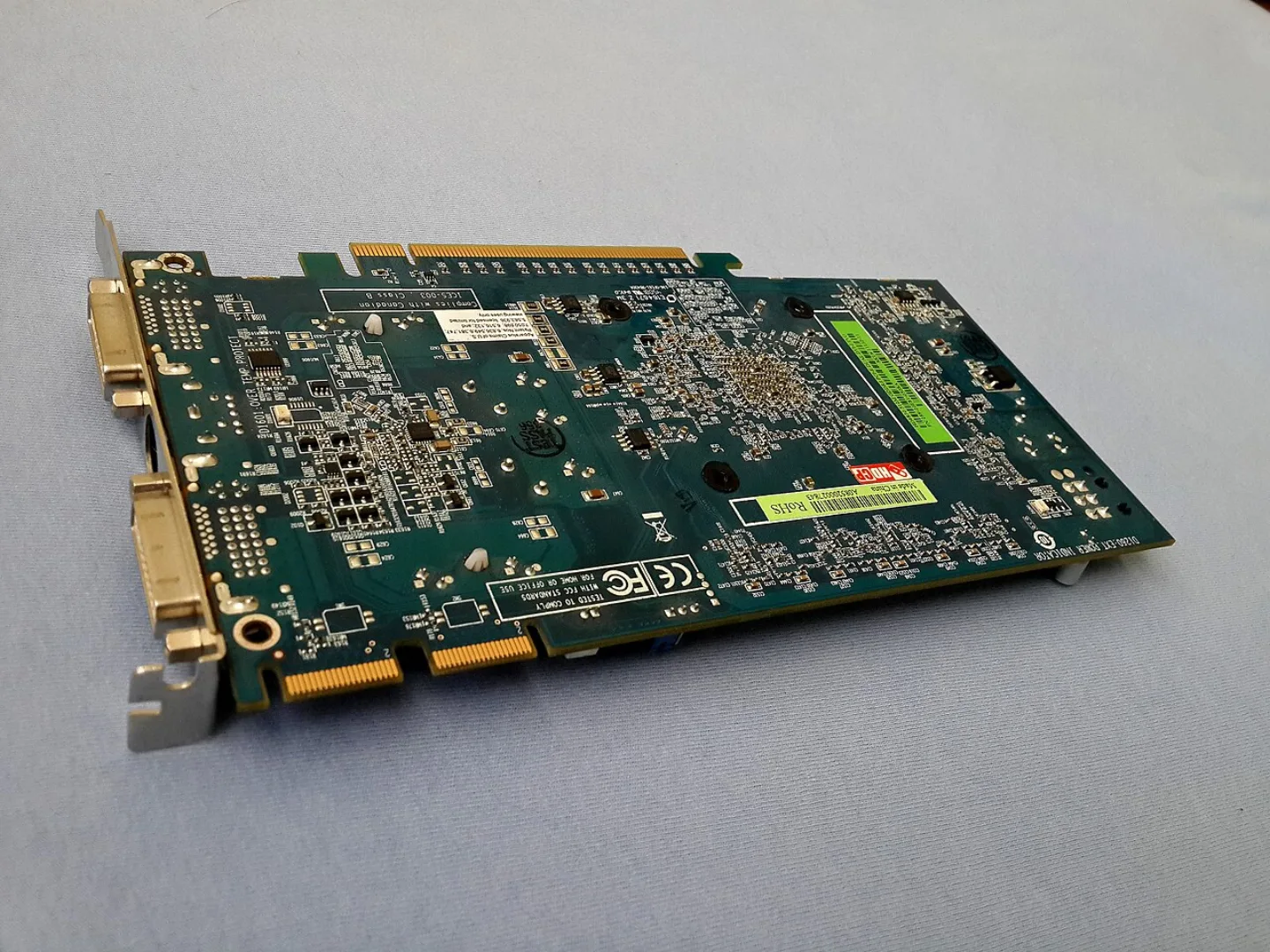
Nvidia's Compute Unified Device Architecture (CUDA) Advantage
Nvidia's moat is built on its CUDA software ecosystem and chip architecture, which together have made it the default platform for AI training.
By the numbers
- How many companies make up the Magnificent Seven?
- 7 companies
- What market cap (in trillions of dollars) did Nvidia briefly reach in October 2025?
- 5 trillion USD
- In what year was the term 'Magnificent Seven' coined?
- 2023 year
Matched pairs
Each item on the left goes with the one on the right.
- 'Magnificent Seven' term
- Coined by BofA strategist Michael Hartnett in 2023
- Apple
- Moat: ecosystem lock-in and brand loyalty
- Microsoft
- Moat: enterprise switching costs; watch Azure cloud growth
- Amazon
- Moat: AWS scale and logistics network
- Alphabet
- Moat: search monopoly and data advantage
- Meta
- Moat: social network effects and ad targeting
- Nvidia
- Moat: the Compute Unified Device Architecture (CUDA) ecosystem and chip architecture
- Tesla
- Moat: brand, Supercharger network, vertical integration
Self-test
Answer each question from memory, then check your work against the answer key.
1. At their peak, the combined market capitalization of the Magnificent Seven has exceeded what?
- AThe total value of all the world's gold
- BThe entire bond market of the European Union
- CThe combined GDP of the United States and China
- DThe entire stock markets of the UK, Canada, and Japan combined
2. Who coined the term 'Magnificent Seven' for the mega-cap tech leaders?
- AGoldman Sachs analyst David Kostin
- BBank of America strategist Michael Hartnett
- CFederal Reserve chair Jerome Powell
- DBerkshire's Warren Buffett
3. In what year was the 'Magnificent Seven' label first coined?
- A2025
- B2020
- C2023
- D2021
4. Which Mag 7 company briefly reached a $5 trillion market cap in October 2025?
- ANvidia
- BMicrosoft
- CApple Inc.
- DTesla
5. Which of these is NOT one of the Magnificent Seven?
- ATesla Inc.
- BMeta
- CAlphabet
- DNetflix
6. What does the lesson identify as Apple's competitive moat?
- AEcosystem lock-in and fierce brand loyalty
- BThe Supercharger network
- CA search near-monopoly
- DThe Compute Unified Device Architecture software ecosystem
7. Microsoft's moat rests primarily on what?
- ASocial network effects
- BAn unrivaled logistics network
- CDeep enterprise switching costs across Azure, Office 365, and Copilot
- DBrand and deep vertical integration
8. Amazon combines the scale of Amazon Web Services (AWS) with what other advantage?
- AA Supercharger network
- BAn unrivaled logistics network
- CThe Compute Unified Device Architecture software ecosystem
- DAn ad-targeting machine
9. Alphabet's moat rests on which pair of advantages?
- AChip architecture and Compute Unified Device Architecture
- BA search near-monopoly and an enormous data advantage
- CEnterprise switching costs
- DEcosystem lock-in and brand loyalty
10. Which advantage is NOT part of the moats described for Apple, Microsoft, Amazon, or Alphabet?
- AThe Supercharger network
- BEnterprise switching costs
- CAn unrivaled logistics network
- DEcosystem lock-in
11. For Apple, which metric does the lesson single out as the one to watch?
- AApp Store download counts
- BMac and iPad shipment totals
- CiPhone unit sales
- DServices revenue growth
12. What does the lesson describe as Meta's competitive moat?
- AThe Compute Unified Device Architecture software ecosystem
- BA search near-monopoly
- CNetwork effects of Facebook, Instagram, and WhatsApp plus ad targeting
- DA Supercharger network
13. Nvidia's moat is built on what?
- AThe CUDA software ecosystem and its chip architecture
- BEcosystem lock-in and brand loyalty
- CSocial network effects
- DAn unrivaled logistics network
14. Which combination describes Tesla's moat?
- AThe CUDA ecosystem and chip architecture
- BEnterprise switching costs
- CSearch monopoly and data advantage
- DBrand, its Supercharger network, and deep vertical integration
15. Which of these is NOT one of the moats described for Meta, Nvidia, or Tesla?
- AThe CUDA ecosystem and chip architecture
- BSocial network effects and an ad-targeting machine
- CA search near-monopoly and an enormous data advantage
- DBrand, the Supercharger network, and vertical integration
Go deeper
- WatchSeven Stocks, Half the Gains Apple, Microsoft, Amazon, Alphabet, Meta, Nvidia and Tesla. In 2023, they were named the Magnificent Seven.
- WatchSeven Questions Size is not the secret. The moat is. Microsoft has switching costs. Meta has network effects.
- StudyInvesting 201 in the FlashFeed app
Answer key
- 1. D The entire stock markets of the UK, Canada, and Japan combinedAt their peak the seven's combined market cap has topped the entire stock markets of the UK, Canada, and Japan combined — a scale that shows why owning a broad index is now a concentrated bet on them.
- 2. B Bank of America strategist Michael HartnettThe term was coined by Bank of America strategist Michael Hartnett in 2023, borrowing the name of the 1960 Western film.
- 3. C 2023Hartnett coined the term in 2023, the year these seven stocks drove a disproportionate share of the S&P 500's gains.
- 4. A NvidiaNvidia briefly hit a $5 trillion market cap in October 2025 after a roughly 1,500% five-year run, becoming the most valuable company in history to that point.
- 5. D NetflixThe seven are Apple, Microsoft, Amazon, Alphabet, Meta, Nvidia, and Tesla. Netflix is not among them.
- 6. A Ecosystem lock-in and fierce brand loyaltyApple's moat is ecosystem lock-in and brand loyalty. CUDA is Nvidia's, search is Alphabet's, and Superchargers are Tesla's.
- 7. C Deep enterprise switching costs across Azure, Office 365, and CopilotMicrosoft is protected by deep enterprise switching costs; the metric to watch is Azure cloud growth. Logistics is Amazon's, network effects Meta's, vertical integration Tesla's.
- 8. B An unrivaled logistics networkAmazon's moat pairs AWS scale with an unrivaled logistics network; AWS operating income is the key metric. The other options belong to Nvidia, Tesla, and Meta.
- 9. B A search near-monopoly and an enormous data advantageAlphabet's moat is a search near-monopoly plus a huge data advantage. Ecosystem lock-in is Apple's, CUDA/chips are Nvidia's, and switching costs are Microsoft's.
- 10. A The Supercharger networkThe Supercharger network is Tesla's moat, not one of these four. The others belong to Apple, Microsoft, and Amazon respectively.
- 11. D Services revenue growthApple's moat is ecosystem lock-in and brand loyalty, and the metric the lesson flags is Services revenue growth — the recurring, high-margin layer built on top of its hardware base.
- 12. C Network effects of Facebook, Instagram, and WhatsApp plus ad targetingMeta's moat is the network effects of its social apps plus its ad-targeting machine; daily active users and ad revenue are the tells. The others are Nvidia's, Tesla's, and Alphabet's.
- 13. A The CUDA software ecosystem and its chip architectureNvidia's edge is the CUDA ecosystem plus its chip architecture, making it the default platform for AI training. Logistics is Amazon's, lock-in is Apple's, network effects are Meta's.
- 14. D Brand, its Supercharger network, and deep vertical integrationTesla leans on brand, the Supercharger network, and vertical integration; deliveries and self-driving attach rate are what investors track. The others belong to Alphabet, Nvidia, and Microsoft.
- 15. C A search near-monopoly and an enormous data advantageA search near-monopoly plus a data advantage is Alphabet's moat, not one of these three. The others are Meta's, Nvidia's, and Tesla's moats respectively.
Image credits
- Who they are: Coolcaesar · CC BY-SA 3.0 — commons.wikimedia.org/wiki/File:Silicon_Valley,_facing_southward_towards_Downtown_San_Jose,_2014.jpg
- Nvidia's $5 Trillion Moment: maushammer (Openverse) · by 2.0 — www.flickr.com/photos/8728129@N05/2854419743
- Microsoft's Switching-Cost Moat: PiDatacenters · CC BY-SA 4.0 — commons.wikimedia.org/wiki/File:Racks_Amravati_Data_Center.jpg
- Amazon's Scale Plus Logistics: Wikimedia Commons · Nick Saltmarsh · CC BY 2.0 — commons.wikimedia.org/wiki/File:Distribution_centre_(J_Sainsbury%27s).jpg
- Meta's Network Effect Moat: Chris Brown from Melbourne, Australia · CC BY-SA 2.0 — commons.wikimedia.org/wiki/File:Anti-Social_Networks_(22765962769).jpg
- Nvidia's Compute Unified Device Architecture (CUDA) Advantage: Wikimedia Commons · Drgulcu · CC BY-SA 3.0 — commons.wikimedia.org/wiki/File:Graphic_card.jpg


