
Major Wars: Strategy, Technology, and Mechanics of Conflict study guide · Lesson 6 of 13
The Age of Sail, Global 18th-Century Warfare, & Frederician Tactics
Frederician Maneuver & Global 18th-Century Warfare · The Line of Battle & Nelsonian Naval Supremacy
This is the lesson's study guide from the FlashFeed app, plus its key facts and a self-test.
What you'll be able to do
- Explain Frederick's oblique order at Leuthen, Seydlitz's Rossbach charge, Wolfe's Quebec landing, and Pitt's strategy of subsidizing Prussia.
- Explain the line of battle's single file and flag signals, Nelson's double-banking at the Nile and columns at Trafalgar, and copper hulls on blockade.
Lesson 6: The Age of Sail, Global 18th-Century Warfare, & Frederician Tactics
Frederick the Great's Oblique Order at Leuthen
At the Battle of Leuthen in December 1757, King Frederick the Great of Prussia demonstrated the ultimate operational application of the oblique order attack (schiefe Schlachtordnung). Outnumbered two-to-one by the Austrian army of Prince Charles of Lorraine, Frederick used low intervening hills to conceal his march across the Austrian front. Feigning an attack on the Austrian right flank, Frederick marched his main army southward, forming an angled echelon that fell with crushing force upon the exposed, unprepared Austrian left flank. The Austrian line was rolled up like a carpet before Charles could pivot his massive battleline.
The Prussian Iron Ramrod and Rapid Linear Fire
Prussian tactical supremacy under Frederick William I and Frederick the Great rested on extreme drill discipline and mechanical weapon refinement. In the early 18th century — commonly dated to around 1700, with full army-wide adoption over the following decades — the Prussian military adopted the cylindrical iron ramrod, replacing fragile wooden ramrods that frequently snapped during high-stress combat. Combined with standardized marching cadences (75 to 120 paces per minute), Prussian three-rank infantry battalions are credited with a firing rate of roughly three to four salvos per minute, notably faster than Austrian and French opponents, though exact rate-of-fire figures vary across sources.
Global Logistics in the Seven Years' War
The Seven Years' War (1756–1763) is considered by modern historians to be the first true global war. British statesman William Pitt the Elder — the government's de facto war leader as Secretary of State, though the Duke of Newcastle held the nominal premiership — devised a grand strategy of subsidizing Frederick's continental campaigns in Europe while using British naval supremacy to conquer French colonial empires across North America, the Caribbean, West Africa, and the Indian subcontinent. Managing naval supply lines across 10,000 miles of ocean required worldwide victualling yards, standardized barrel preservation, and naval escorts.
Seydlitz's Cavalry Maneuver at the Battle of Rossbach
At the Battle of Rossbach (November 1757), Frederick the Great and cavalry general Friedrich Wilhelm von Seydlitz defeated a combined Franco-Imperial army double their size. As the allied column attempted a clumsy flanking march across the Prussian front, Seydlitz concealed 38 squadrons of heavy cavalry behind the Janus Hill. When the allied column became stretched out in marching order, Seydlitz launched a thunderous downhill charge supported by massed 12-pounder artillery, routing 41,000 allied troops in less than ninety minutes with minimal Prussian casualties.
Monsoon Powder Management at the Battle of Plassey
At the Battle of Plassey in Bengal (June 1757), British East India Company commander Robert Clive defeated Nawab Siraj-ud-Daulah through superior logistical preparedness. When a torrential monsoon downpour struck the battlefield, British artillerymen quickly covered their powder barrels and guns with waterproof tarpaulins. Believing British guns were incapacitated, the Nawab's cavalry launched a massive frontal charge, only to be torn apart by dry British canister shot; the Nawab's own unprotected gunpowder was completely ruined by the rain.
Wolfe's Amphibious Night Assault at Quebec 1759
At the Siege of Quebec in 1759, British Major General James Wolfe broke months of deadlock against French commander Louis-Joseph de Montcalm. On the night of September 12–13, Wolfe executed a daring amphibious landing at Anse-au-Foulon, navigating flatboats through tidal currents and scaling a 175-foot cliff to deploy 4,500 troops on the Plains of Abraham. Wolfe formed his infantry in a shallow two-rank line, ordering them to hold fire until the French approached to 40 yards, unleashing a simultaneous double-shotted volley that routed the French army in minutes.
The Line of Battle Broadside Tactics
In the Age of Sail, naval warfare was dominated by the line of battle doctrine. Fleets formed a single rigid line ahead, spaced 100 yards apart, sailing parallel to the enemy fleet. This allowed ships of the line (multi-decked wooden warships carrying 64 to 100 heavy smoothbore cannons) to maximize the broadside weight of fire from their lateral gunports while protecting the vulnerable, unarmored bows and sterns of friendly vessels. Communications were transmitted via complex flag hoist systems, codified in the Royal Navy's Permanent Fighting Instructions.
The Royal Navy Western Squadron Blockade System
The British Royal Navy achieved strategic oceanic dominance through the Western Squadron continuous close-blockade system, pioneered by Admiral Edward Hawke in the 1740s-50s and sustained by later commanders such as Earl St Vincent. Stationing heavy fleets off French naval bases at Brest and Rochefort in the Bay of Biscay, the Royal Navy bottled up French fleets, prevented troop invasions, and starved French commerce. Operating year-round in treacherous waters required revolutionary naval logistics, including rotating supply ships carrying fresh vegetables and lemon juice to eradicate scurvy among crews.
Copper Sheathing and Naval Hull Hydrodynamics
In the late 18th century, the British Admiralty revolutionized naval architecture by lining ship hulls below the waterline with thin copper sheathing. Copper acted as a biocide that prevented infestations of the Teredo navalis shipworm (which ate wooden hulls) and stopped the growth of barnacles and seaweed (biofouling). Copper-sheathed British warships retained high sailing speeds, accelerated faster, and could remain on foreign blockade stations for years without returning to drydock for hull scraping.
Nelson's Double-Banking at the Battle of the Nile
At the Battle of the Nile (Aboukir Bay, 1798), British Admiral Horatio Nelson destroyed Napoleon's Mediterranean fleet anchored in a defensive line. Nelson observed that French Admiral Brueys had anchored his ships far enough from the shoals that British vessels could slip into the gap between the French line and the shore. Nelson navigated five ships into the inland gap while the rest of his fleet engaged from the seaward side, double-banking (concentrating two-to-one fire on) the French vanguard and destroying their flagship L'Orient.
Breaking the Line at the Battle of Trafalgar
At the Battle of Trafalgar on October 21, 1805, Nelson abandoned the conservative parallel line-of-battle doctrine to achieve decisive tactical annihilation against the Franco-Spanish fleet of Pierre-Charles Villeneuve. Nelson divided his 27 ships into two perpendicular columns (spearheaded by HMS Victory and HMS Royal Sovereign) that charged straight into the center and rear of the 33-ship enemy line. By breaking the line, Nelson isolated the enemy rear, severed Villeneuve's flag communications, and enabled brutal close-quarters raking fire that destroyed 22 allied ships without the loss of a single British vessel.
Key terms
- Oblique Order Attack
- A tactical maneuver where an army concentrates overwhelming strength on one wing to attack an enemy flank while withholding its own weakened wing.
- Line of Battle
- A naval tactic in which warships sail in single file end-to-end to deliver maximum broadside cannon fire into an opposing line.
- Biofouling
- The accumulation of barnacles, algae, and marine organisms on a ship's hull that drastically increases hydrodynamic drag and reduces sailing speed.
- Breaking the Line
- A naval attack maneuver that pierces perpendicularly through an enemy's line of battle to isolate segments and bring point-blank raking broadsides.
Key concepts
Frederick the Great
- King of Prussia who transformed a minor European principality into a premier military power
- Master of the oblique order attack, rapid marching cadence, and concentrated interior lines maneuver
- Won legendary tactical victories at Hohenfriedberg (1745) and, during the Seven Years' War, at Rossbach and Leuthen (both 1757)
Cylindrical Iron Ramrod
- Heavy metal ramrod introduced into Prussian infantry service by Prince Leopold of Anhalt-Dessau
- Eliminated the frequent battlefield breakage associated with traditional wooden ramrods
- Allowed Prussian soldiers to seat powder charges and lead balls with a single downward thrust
Friedrich Wilhelm von Seydlitz
- Prussian cavalry general who reformed cavalry drill into high-speed knee-to-knee shock charges
- Concealed 38 squadrons behind Janus Hill to annihilate the Franco-Imperial army at Rossbach
- Recognized as one of the greatest operational cavalry tacticians in military history
James Wolfe
- British Major General who commanded the expedition to capture French Quebec in 1759
- Executed the night amphibious landing at Anse-au-Foulon and scaling of the cliff face
- Fatally wounded on the Plains of Abraham moments after his two-rank volley broke the French line
Ship of the Line
- Multi-decked wooden sailing warship carrying between 64 and 100+ smoothbore cannons
- Built with heavy English or Baltic oak frames capable of withstanding direct naval broadsides
- Formed the core capital ship battlefleet of every major European power during the Age of Sail
Western Squadron
- Permanent Royal Navy fleet stationed at the western approaches to the English Channel
- Maintained continuous close blockade of the French Atlantic naval fortress at Brest
- Intercepted French invasion fleets, protected overseas trade convoys, and dominated the Bay of Biscay
Copper Hull Sheathing
- Thin sheets of copper metal nailed over tarred felt to a warship's wooden hull below the waterline
- Protected ship timbers from destructive shipworms and prevented barnacle and weed accumulation
- Provided British battlefleets with significant speed and tactical endurance advantages at sea
Horatio Nelson
- Vice-Admiral of the British Royal Navy renowned for aggressive tactical annihilation doctrines
- Won historic naval victories at the Battle of the Nile, Copenhagen, and Trafalgar
- Mortally wounded aboard his flagship HMS Victory after successfully breaking the Franco-Spanish line
Key facts
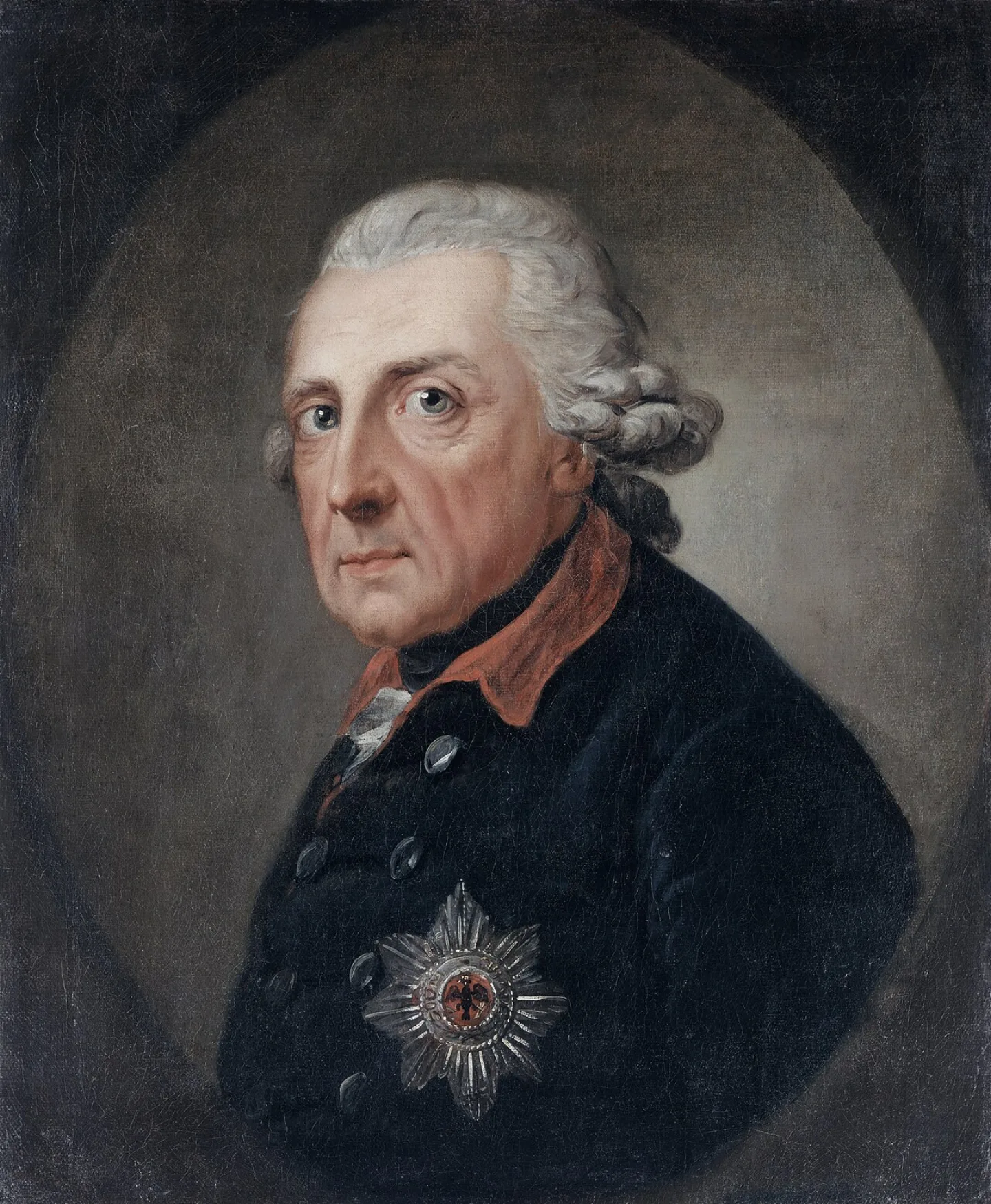
Frederick's Oblique Order at Leuthen
At Leuthen in 1757, Frederick the Great used terrain concealment and the oblique order to crush the Austrian left flank, defeating an army twice his size.
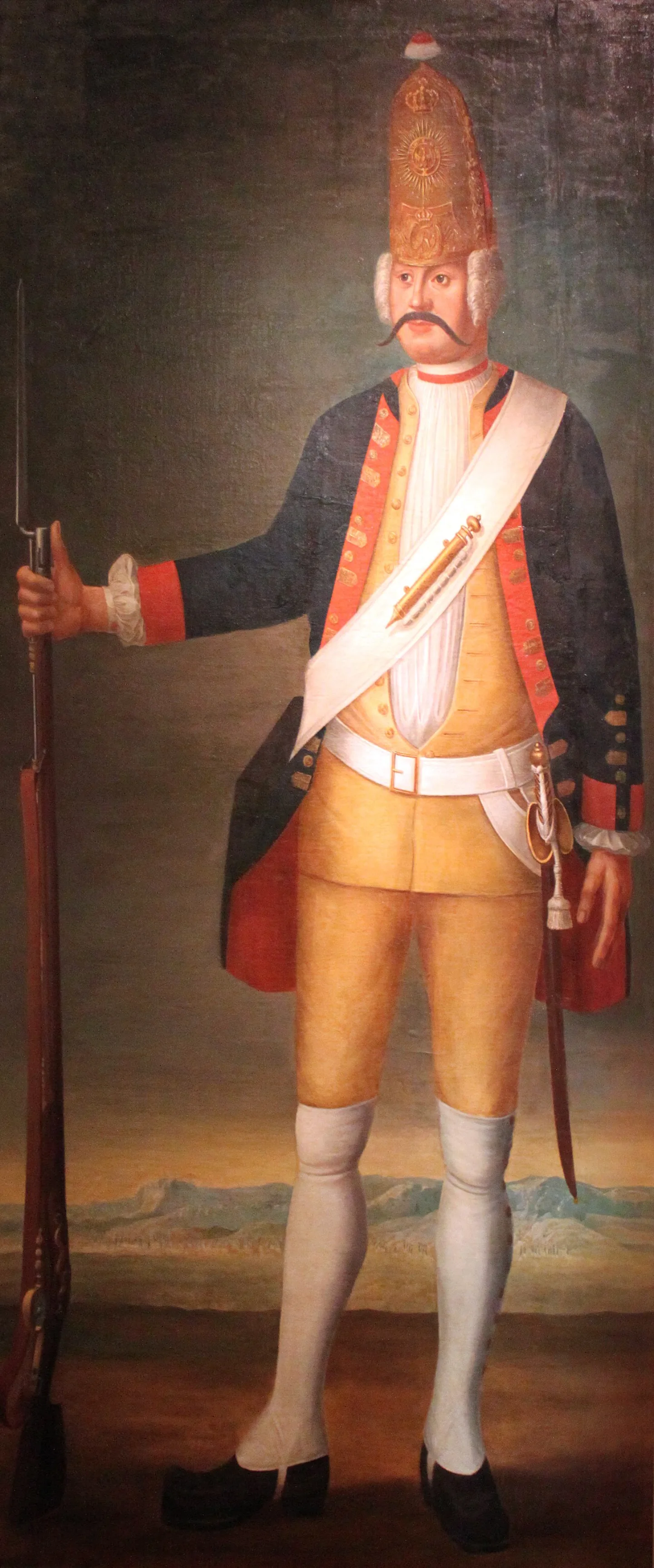
The Prussian Iron Ramrod and Firepower Output
The adoption of the cylindrical iron ramrod allowed Prussian infantry to fire three to four volleys per minute, doubling their firepower output.
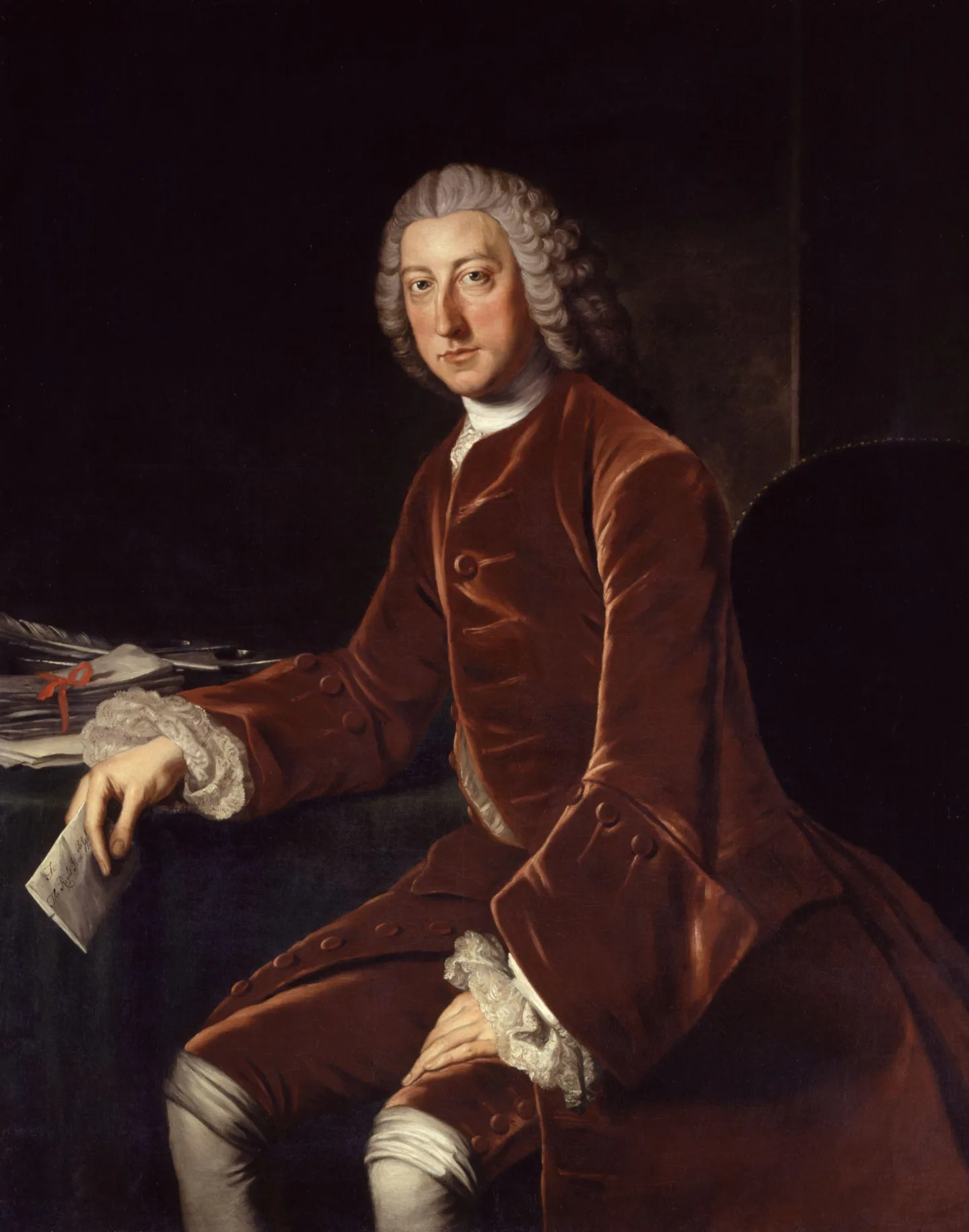
Global Logistics in the Seven Years' War
The Seven Years' War spanned five continents, requiring Britain to maintain worldwide victualling depots and naval convoys across 10,000 miles of ocean.
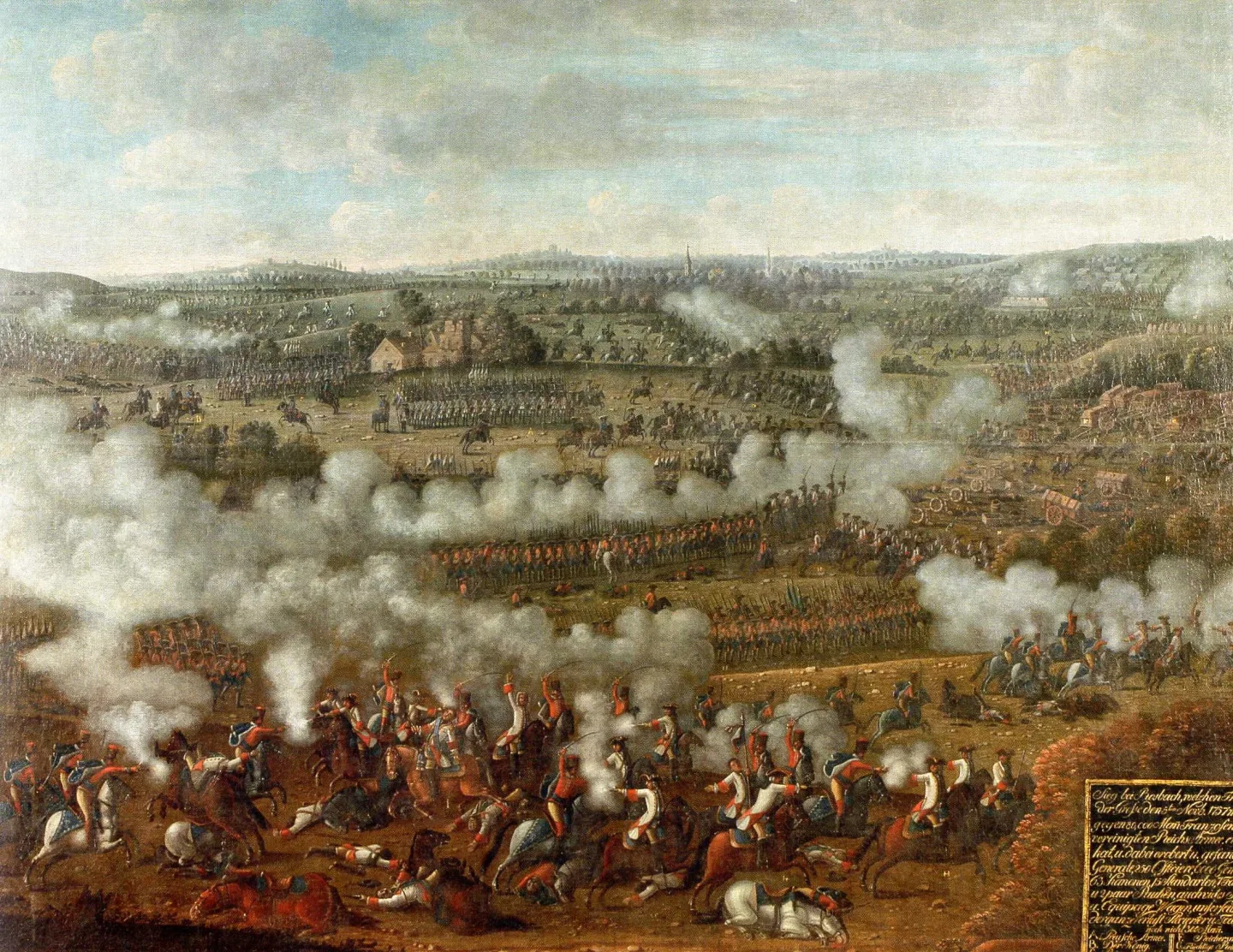
Seydlitz's Cavalry Charge at Rossbach
At Rossbach in 1757, Seydlitz launched a concealed downhill cavalry charge supported by artillery, routing 41,000 Franco-Imperial troops in ninety minutes.
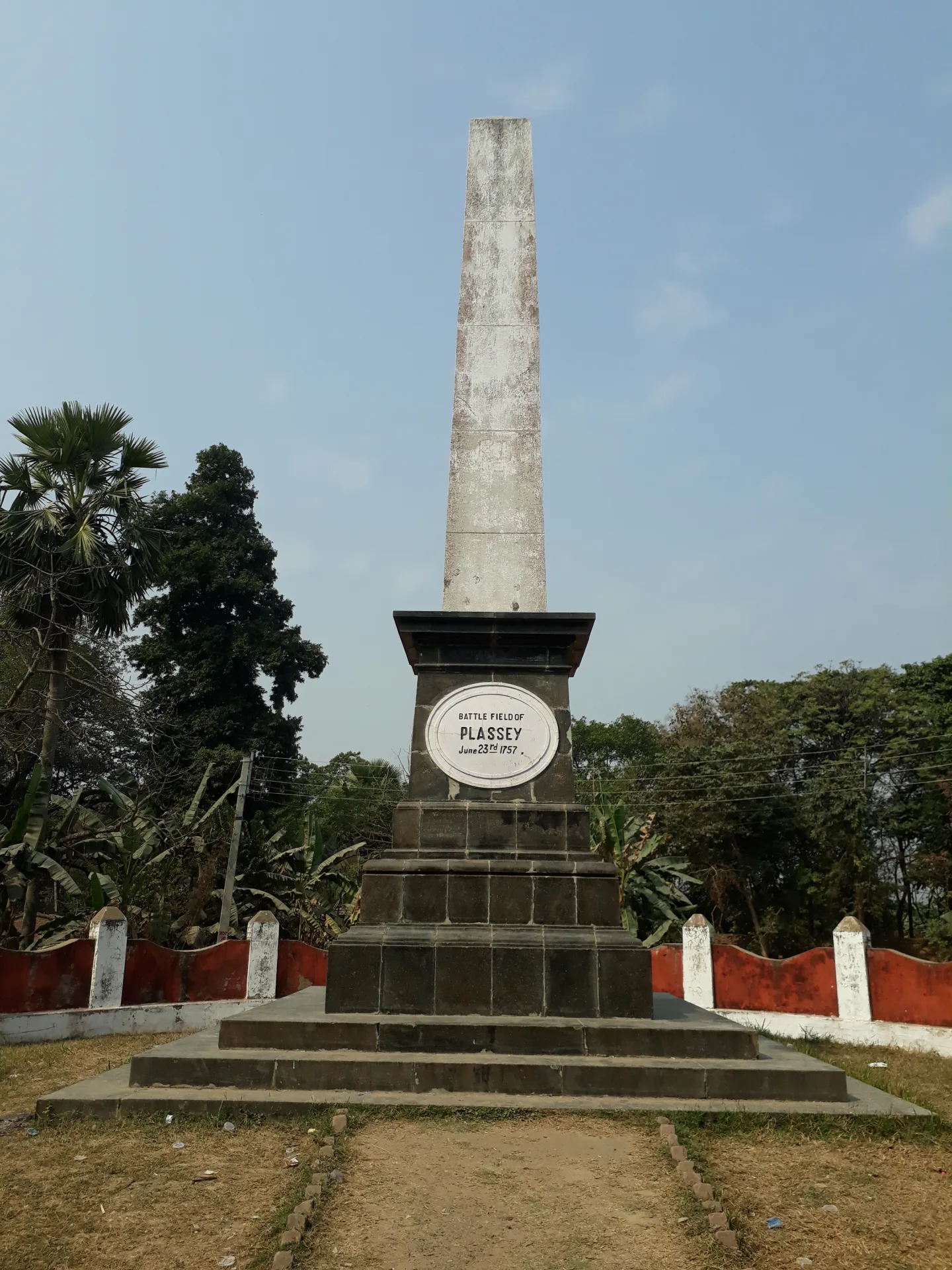
Monsoon Powder Management at Plassey
At Plassey in 1757, Clive's use of waterproof tarpaulins protected his gunpowder during a monsoon downpour, enabling dry artillery fire that routed Nawab forces.

Wolfe's Amphibious Landing at Quebec
At Quebec in 1759, Wolfe landed at Anse-au-Foulon at night, climbed 175-foot cliffs, and routed Montcalm on the Plains of Abraham with disciplined two-rank volleys.
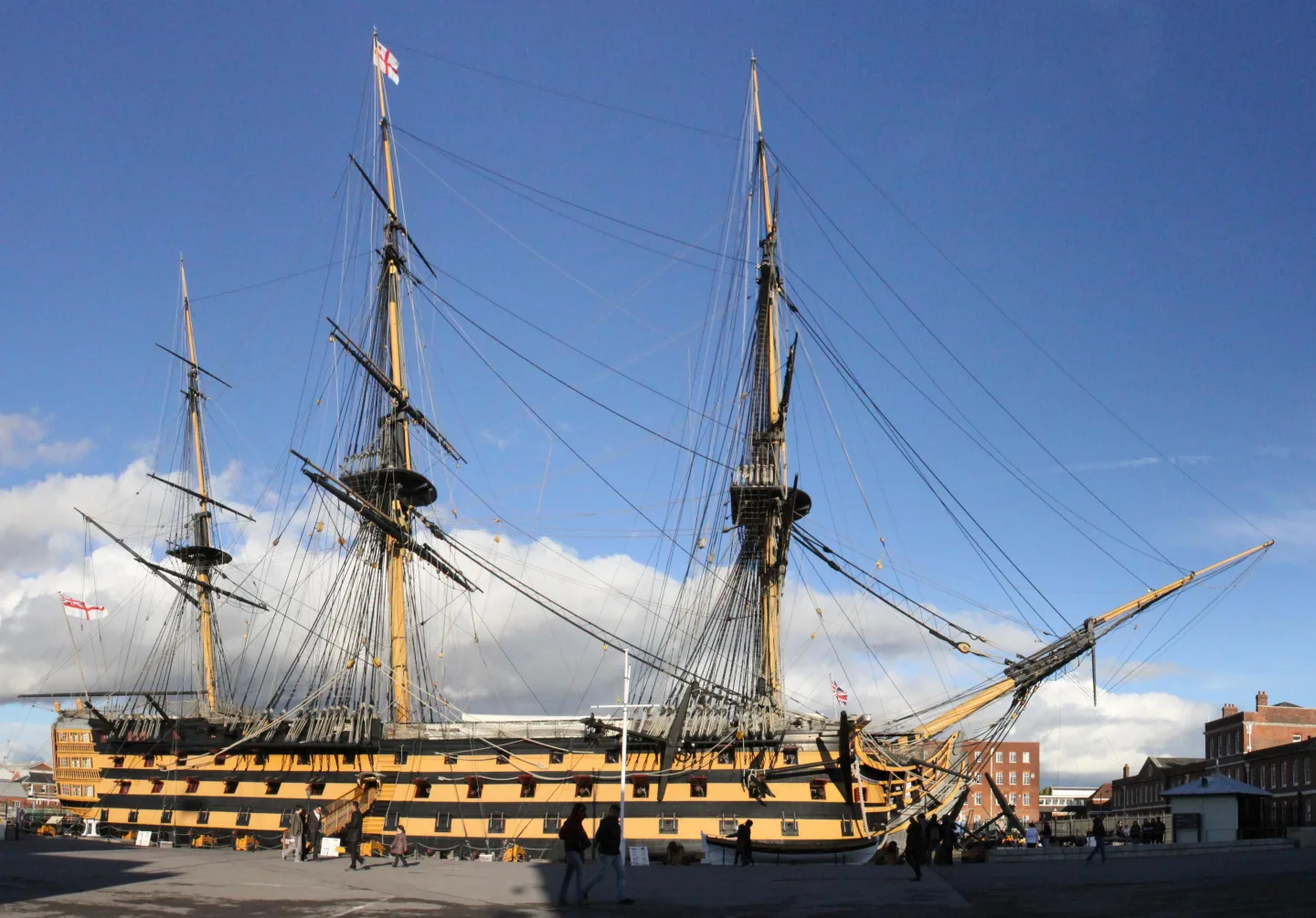
The Naval Line of Battle Doctrine
The naval line of battle formed a single continuous line ahead of warships to maximize broadside cannon weight while protecting unarmored bows and sterns.
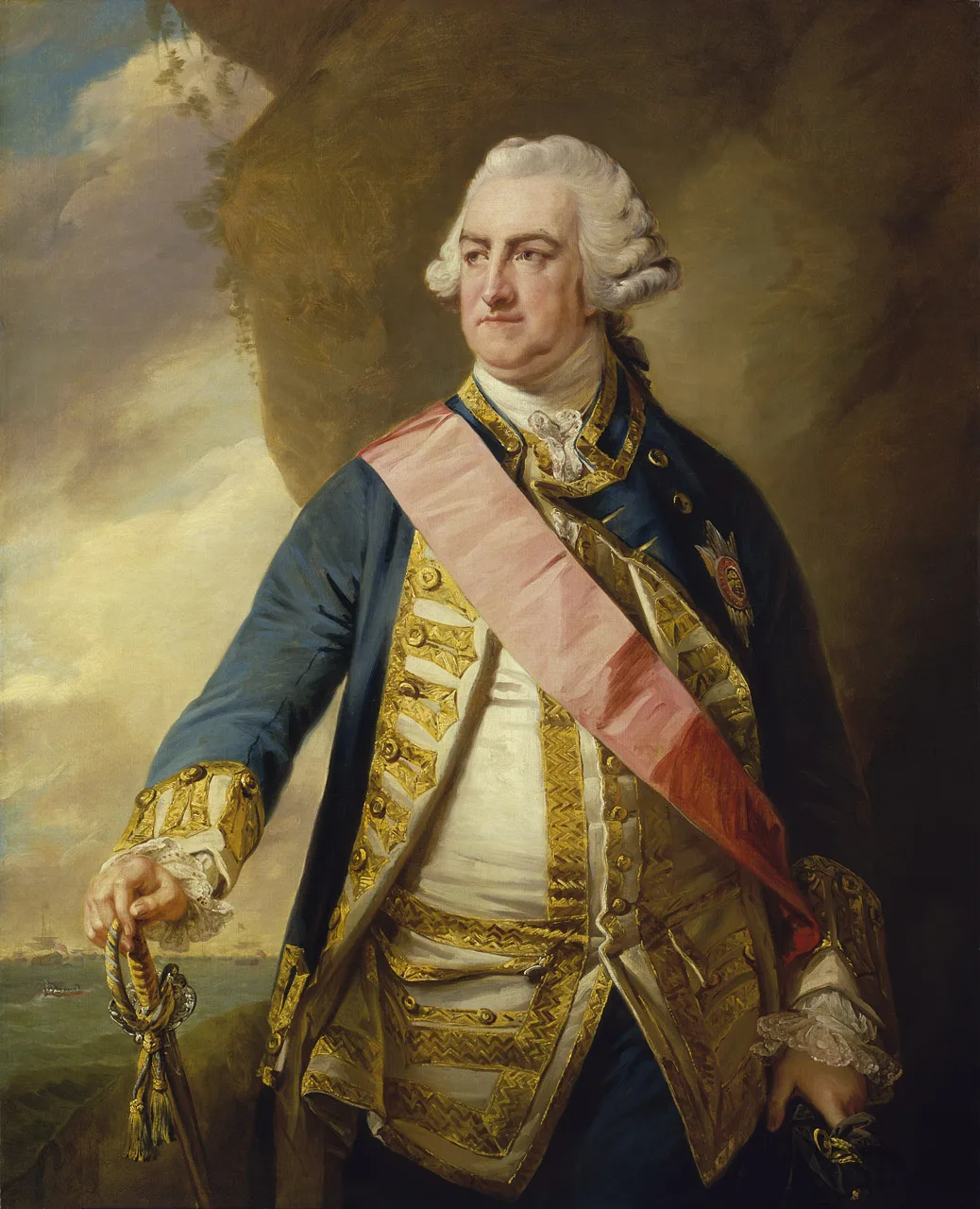
The Western Squadron Continuous Blockade
The Royal Navy's Western Squadron maintained continuous close blockade off French naval ports, utilizing rotating logistics and lemon juice to prevent scurvy.
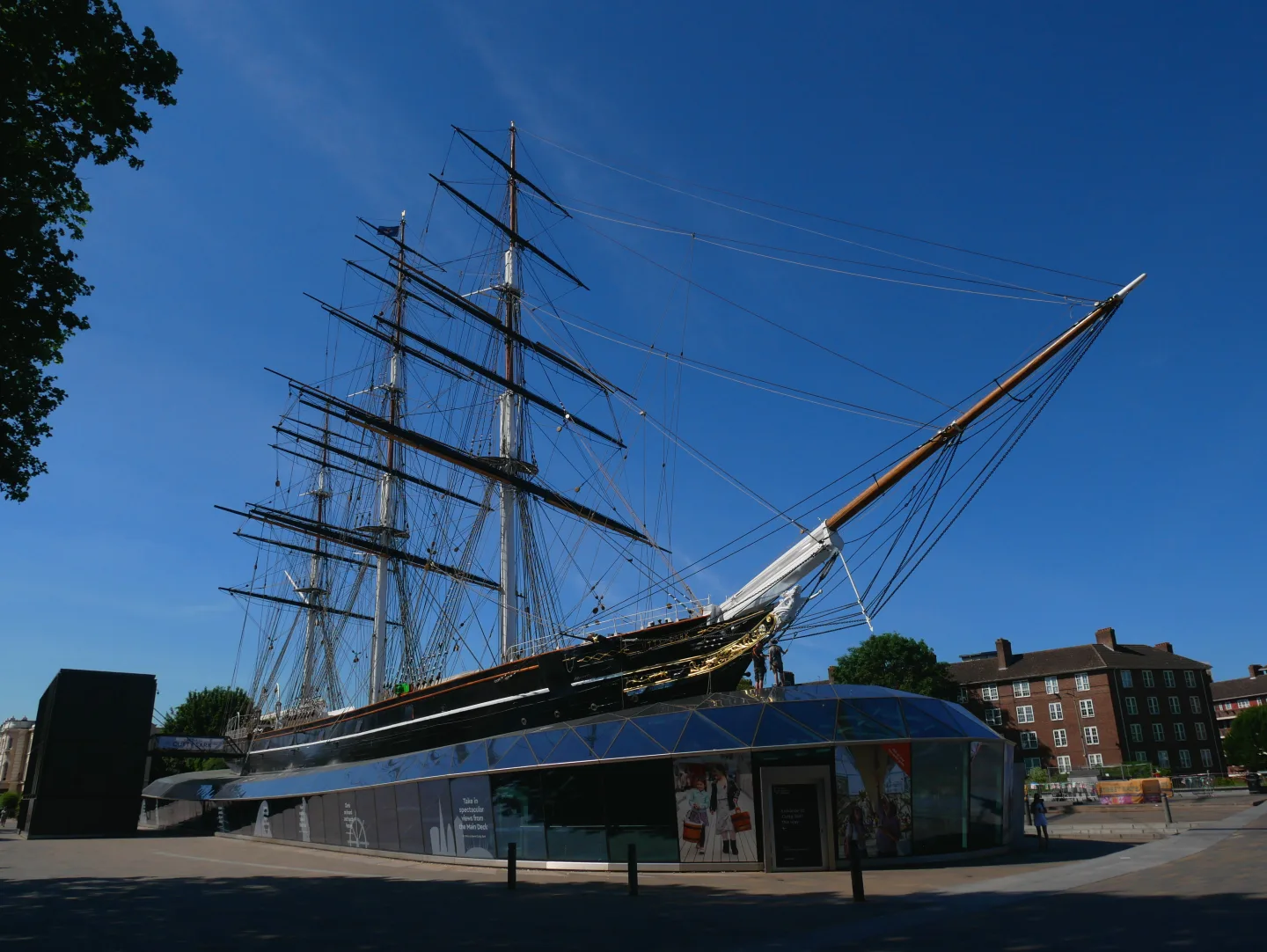
Copper Sheathing and Biofouling Prevention
Lining warship hulls with copper sheathing prevented shipworm destruction and biofouling, increasing fleet speed and operational endurance.
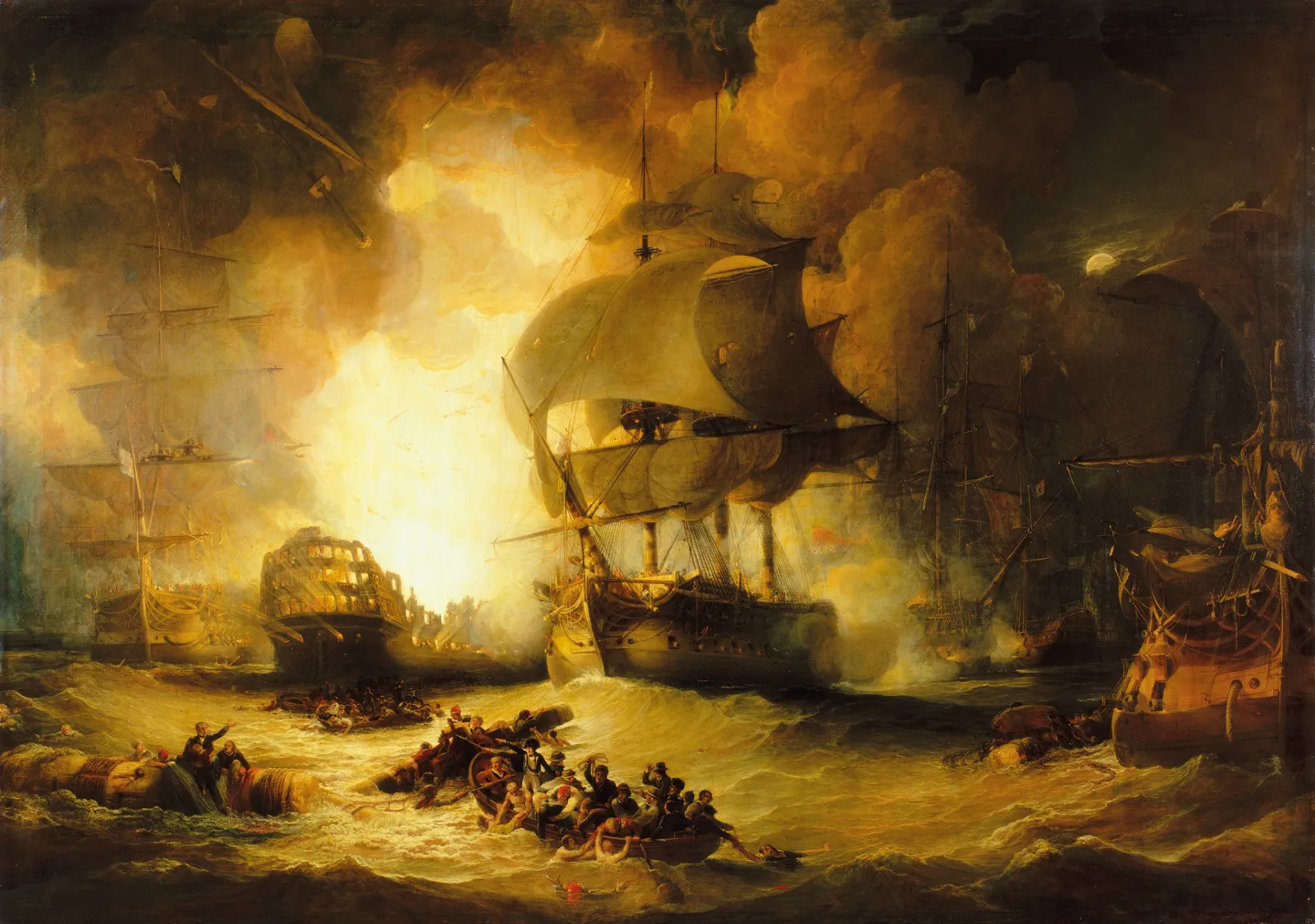
Nelson's Double-Banking at the Nile
At the Nile in 1798, Nelson navigated between the anchored French fleet and the shoals, double-banking the French vanguard with two-to-one concentrated fire.
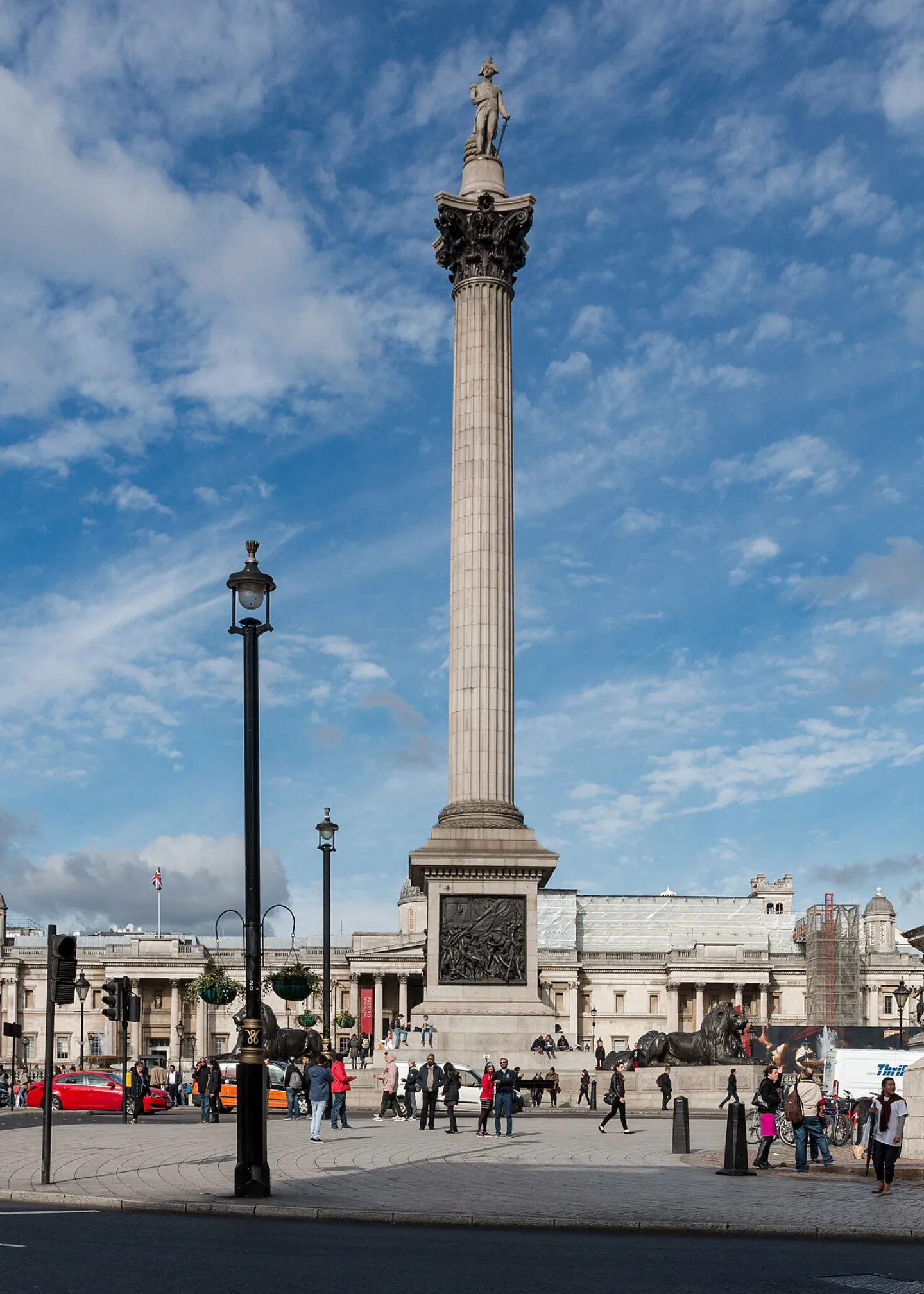
Breaking the Line at Trafalgar
At Trafalgar in 1805, Nelson attacked in two perpendicular columns to break the Franco-Spanish line, destroying 22 enemy ships without losing a vessel.
By the numbers
- In what year AD did Frederick the Great win the Battle of Leuthen using the oblique order?
- 1757
- In what year AD was the Battle of Plassey fought in Bengal?
- 1757
- In what year AD was the Battle of the Plains of Abraham fought at Quebec?
- 1759
- In what year AD was the naval Battle of Trafalgar fought off the coast of Spain?
- 1805
Matched pairs
Each item on the left goes with the one on the right.
- Advanced Prussian Right Wing
- Strikes with overwhelming echelon mass to smash and roll up the exposed enemy flank
- Cylindrical Solid Iron Rod
- Permits rapid forceful ramming without snapping and seats ammunition in a single stroke
- Raking Gunfire Across Bow/Stern
- Cannonballs travel the full unobstructed length of enemy decks, causing maximum carnage
- Nelson's Northern Weather Column
- Pierces the enemy center ahead of the flagship to sever command communication lines
Self-test
Answer each question from memory, then check your work against the answer key.
1. What 1718 Prussian equipment upgrade prevented breakage during rapid reloading and helped fuel three to four volleys per minute?
- APaper cartridge
- BFlared flashpan design
- CSocket bayonet
- DCylindrical iron ramrod
2. How did Wolfe's troops reach the Plains of Abraham on the night of September 12-13, 1759?
- AFrontal assault on river batteries
- BPontoon bridge over the St. Lawrence
- CAmphibious landing at Anse-au-Foulon
- DTunnel beneath the fortifications
3. How did Frederick the Great defeat the numerically superior Austrian army at the Battle of Leuthen in 1757?
- AOblique order attack on an exposed flank
- BFeigned retreat to draw out pursuit
- CWide encirclement of the enemy rear
- DFrontal assault against the fortified center
4. What allowed Seydlitz's Prussian cavalry to rout a Franco-Imperial army twice its size at Rossbach in 1757?
- ANight raid on the enemy's supply depots
- BConcealed downhill cavalry charge on marching column
- CA prolonged artillery duel fought across open fields
- DMutiny incited among enemy conscripts
5. What was the core of William Pitt the Elder's grand strategy during the Seven Years' War?
- ARely on colonial militias instead of the Royal Navy
- BAlly with France to jointly partition Austria
- CWithdraw entirely from Europe to focus on colonies
- DSubsidize Prussia while the navy seized French colonies
6. What did the Royal Navy's Western Squadron supply to its blockading ships to prevent scurvy?
- ASalted pork and hardtack rations
- BLemon juice and fresh vegetables
- CRum and vinegar rinses
- DDried citrus peel sachets
7. Why did ships of the line sail in a single file rather than approach the enemy bow-first?
- AAvoid raking fire on bow and stern
- BAllow faster individual maneuvering
- CReduce collision risk in fog
- DConserve gunpowder on long voyages
8. What anchorage flaw did Nelson exploit at the Battle of the Nile in 1798?
- ANo room left to swing at anchor
- BAnchors dropped too close to the shoals
- CGap between the anchored line and the shore
- DFleet anchored broadside to the open sea
9. Why was Nelson's perpendicular approach at Trafalgar dangerous for his leading ships?
- ATook raking fire while unable to return broadsides
- BHad exhausted their powder supply before making contact
- CFaced a larger escort of frigates
- DRan aground on hidden reefs near Cadiz
10. What operational advantage did copper hull sheathing give British warships on blockade duty?
- APrevention of scurvy among the crew
- BReduced crew size requirements
- CAdded armor plating against enemy cannon fire
- DSustained speed from a weed-free hull
11. How did Royal Navy captains coordinate maneuvers in the line-of-battle doctrine?
- ACarrier pigeons from the flagship's rigging
- BRunners rowing messages between ships
- CFlag signals from Fighting Instructions
- DCannon-fire patterns as coded commands
12. How many heavy cannons did a typical ship of the line carry?
- A150 to 200
- B64 to 100
- C30 to 40
- D10 to 20
13. How did Nelson concentrate firepower on the French vanguard at the Nile?
- ALanding marines behind the shore battery
- BRamming French hulls with iron-clad prows
- CDouble-banking two ships on each French ship
- DFiring red-hot shot into enemy rigging
14. What did breaking the enemy line into columns achieve for Nelson at Trafalgar?
- ABlockading the enemy's home port
- BLuring the enemy fleet onto a sandbar
- CForcing surrender without firing a shot
- DSevering the enemy's flag signals
Go deeper
Answer key
- 1. D Cylindrical iron ramrodThe iron ramrod, adopted in 1718, replaced snap-prone wooden ramrods and withstood rapid loading; the flashpan, bayonet, and cartridge were separate period firearm components.
- 2. C Amphibious landing at Anse-au-FoulonWolfe's flatboats crossed tidal currents to Anse-au-Foulon, where troops scaled a 175-foot cliff to reach the Plains of Abraham undetected.
- 3. A Oblique order attack on an exposed flankFrederick used terrain to conceal an oblique march, then struck the unprepared Austrian left flank in echelon, rolling up their line before it could pivot.
- 4. B Concealed downhill cavalry charge on marching columnSeydlitz hid 38 squadrons behind Janus Hill and charged downhill while the allied column was stretched out in marching order, routing 41,000 troops in under 90 minutes.
- 5. D Subsidize Prussia while the navy seized French coloniesPitt subsidized Frederick's continental campaigns to keep France tied down in Europe while British naval supremacy seized French colonies in North America, the Caribbean, West Africa, and India.
- 6. B Lemon juice and fresh vegetablesThe Western Squadron's rotating supply ships carried lemon juice and fresh vegetables specifically to eradicate scurvy during year-round blockade duty.
- 7. A Avoid raking fire on bow and sternThe line of battle kept each ship's armored broadside facing the enemy, shielding the thin, unarmored bow and stern from raking fire down the length of the deck.
- 8. C Gap between the anchored line and the shoreBrueys anchored his line far enough from the shoals that Nelson's captains found room to sail between the French ships and the shore, attacking from the unprepared landward side.
- 9. A Took raking fire while unable to return broadsidesAs HMS Victory and Royal Sovereign closed bow-first, French and Spanish guns raked their decks while the British ships could not yet bring their own broadsides to bear.
- 10. D Sustained speed from a weed-free hullCopper sheathing stopped shipworm damage and biofouling, so coppered ships kept their speed and could stay on blockade for years without returning to drydock.
- 11. C Flag signals from Fighting InstructionsLine-of-battle coordination relied on standardized flag signals codified in the Royal Navy's Permanent Fighting Instructions.
- 12. B 64 to 100Ships of the line were multi-decked warships carrying 64 to 100 heavy smoothbore cannons to maximize broadside firepower.
- 13. C Double-banking two ships on each French shipNelson slipped ships into the gap between the French line and the shoals, double-banking two-to-one fire on the vanguard.
- 14. D Severing the enemy's flag signalsBy driving columns through the enemy line, Nelson isolated Villeneuve's rear ships and severed his flag communications.
Sources
- Showalter, The Wars of Frederick the Great
- Duffy, The Army of Frederick the Great
- Baugh, The Global Seven Years War
- Harrington, Plassey 1757
- Stacey, Quebec 1759
- Rodger, The Command of the Ocean
- Corbett, The Seven Years War
- Lavery, The Arming and Fitting of English Ships
- Mahan, The Life of Nelson
- Corbett, The Campaign of Trafalgar
- Showalter, The Wars of Frederick the Great; Duffy, The Army of Frederick the Great; Baugh, The Global Seven Years War — www.routledge.com
- Stacey, Quebec 1759 — www.jstor.org
- Rodger, The Command of the Ocean — www.penguin.co.uk
- Corbett, The Seven Years War — www.cambridge.org
- Lavery, The Arming and Fitting of English Ships — www.usni.org
- Mahan, The Life of Nelson — www.perseus.tufts.edu
- Showalter, The Wars of Frederick the Great — en.wikipedia.org/wiki/Battle_of_Leuthen
- Duffy, The Army of Frederick the Great — en.wikipedia.org/wiki/Prussian_Army
- Wikipedia, Battle of Plassey — en.wikipedia.org/wiki/Battle_of_Plassey
- Corbett, The Campaign of Trafalgar — www.oxfordreference.com
- Rodger, The Command of the Ocean (2004), on line-ahead tactics — en.wikipedia.org/wiki/Line_of_battle
- Lavery, The Arming and Fitting of English Ships — en.wikipedia.org/wiki/Coppering
- Harrington, Plassey 1757 — www.ospreypublishing.com
Image credits
- Frederick's Oblique Order at Leuthen: Wikimedia Commons · Anton Graff · Public domain — commons.wikimedia.org/wiki/File:Friedrich_der_Gro%C3%9Fe_(1781_or_1786)_-_Google_Art_Project.jpg
- The Prussian Iron Ramrod and Firepower Output: Wikimedia Commons · Georg Lisiewski · Public domain — commons.wikimedia.org/wiki/File:1737_Lisiewski_Grenadier_Lange_Kerls_anagoria.JPG
- Global Logistics in the Seven Years' War: Wikimedia Commons · Studio of William Hoare · Public domain — commons.wikimedia.org/wiki/File:William_Pitt,_1st_Earl_of_Chatham_by_William_Hoare.jpg
- Seydlitz's Cavalry Charge at Rossbach: Wikimedia Commons · Unknown artist · Public domain — commons.wikimedia.org/wiki/File:Schlacht_bei_Ro%C3%9Fbach.jpg
- Monsoon Powder Management at Plassey: Wikimedia Commons · Pinaki1983 · CC BY-SA 4.0 — commons.wikimedia.org/wiki/File:Plassey_Monument.jpg
- Wolfe's Amphibious Landing at Quebec: Wikimedia Commons · Guillaume Cattiaux · CC BY-SA 2.0 — commons.wikimedia.org/wiki/File:Plaines_d%27Abraham_et_Ch%C3%A2teau_Frontenac.jpg
- The Naval Line of Battle Doctrine: Wikimedia Commons · Cimosteve (modified by MARC912374) · CC0 — commons.wikimedia.org/wiki/File:HMSVictoryPortsmouthEngland_(version_2).jpg
- The Western Squadron Continuous Blockade: Francis Cotes · Public domain — commons.wikimedia.org/wiki/File:Admiral_Sir_Edward_Hawke,_1705-1781,_1st_Baron_Hawke_RMG_L8409.jpg
- Copper Sheathing and Biofouling Prevention: Wikimedia Commons · Ethan Doyle White · CC BY-SA 4.0 — commons.wikimedia.org/wiki/File:Northeast_View_of_the_Cutty_Sark_in_Greenwich.jpg
- Nelson's Double-Banking at the Nile: Wikimedia Commons · George Arnald · Public domain — commons.wikimedia.org/wiki/File:The_Battle_of_the_Nile.jpg
- Breaking the Line at Trafalgar: Dietmar Rabich · CC BY-SA 4.0 — commons.wikimedia.org/wiki/File:London,_Trafalgar_Square,_Nelson%27s_Column_--_2016_--_4851.jpg


