
Major Wars: Strategy, Technology, and Mechanics of Conflict study guide · Lesson 8 of 13
The Industrialization of War: Railroads, Rifling, and Trench Lines (1853–1871)
The Crimean & American Civil Wars: Industrial Lethality · Petersburg Trenches & the Prussian Wars of Unification
This is the lesson's study guide from the FlashFeed app, plus its key facts and a self-test.
What you'll be able to do
- Explain how Sinope's Paixhans shells made wooden warships obsolete, how the Minié ball extended range from 80 to over 400 yards, and the USS Monitor's turret.
- Explain the Dreyse needle gun at Königgrätz, Moltke's Auftragstaktik, Krupp guns against the Chassepot, the Kesselschlacht at Sedan, and the Crater mine.
Lesson 8: The Industrialization of War: Railroads, Rifling, and Trench Lines (1853–1871)
Naval Explosive Shells at the Battle of Sinope
On November 30, 1853, the Russian Black Sea fleet under Admiral Pavel Nakhimov destroyed an Ottoman frigate squadron at the Battle of Sinope. This engagement marked the first major combat use of Paixhans explosive naval shells. Unlike solid iron cannonballs that merely punched holes in wood, hollow explosive shells detonated inside timber hulls, igniting catastrophic fires and splintering ship frames. The slaughter at Sinope proved that wooden sailing warships were completely obsolete against explosive naval ordnance, sparking the rapid development of armored ironclad warships.
The Minié Ball and the Rifled Musket Revolution
Invented by French army officer Claude-Étienne Minié in 1849, the Minié ball was a conical lead bullet with a hollow base that expanded upon firing to grip the spiral rifling grooves of the gun barrel. This allowed infantry to load muzzle-loading rifles as rapidly as smoothbores while, by traditional accounts, extending accurate engagement ranges from roughly 80 yards to 400 yards or more. In the Crimean War (1853–1856) and American Civil War (1861–1865), this massive expansion of the defensive killing zone rendered traditional Napoleonic massed frontal bayonet charges suicidal.
Ironclad Warships at the Battle of Hampton Roads
On March 9, 1862, the Battle of Hampton Roads pitted the Union's USS Monitor against the Confederacy's CSS Virginia (rebuilt from the USS Merrimack) in history's first duel between ironclad warships. While the Virginia featured an iron-plated casemate with fixed broadside guns, John Ericsson's revolutionary Monitor featured a low raft-like freeboard and a steam-powered revolving gun turret housing two 11-inch Dahlgren smoothbore cannons. The four-hour duel ended in a tactical draw, but rendered all unarmored wooden navies across the globe instantly obsolete.
Railroads and the Electric Telegraph in Strategic Mobility
The American Civil War was the first true industrial railroad war. Strategic railroad networks allowed armies to transport tens of thousands of troops, heavy siege guns, and tons of ammunition across continental distances in days rather than months. Synchronized with the electric telegraph, national leaders (such as Abraham Lincoln in Washington) and theater commanders directed real-time strategic movements across multiple fronts simultaneously, centralizing logistics and operational command.
Grant's Amphibious Riverine Siege at Vicksburg
In 1863, Union Major General Ulysses S. Grant captured the Confederate bastion of Vicksburg, Mississippi, through a brilliant operational campaign combining riverine naval power and amphibious maneuver. Working with Admiral David Dixon Porter's ironclad gunboat fleet, Grant ran past the fortified bluff batteries at night, ferried his army across the Mississippi River south of the fortress, cut his own supply lines to win five consecutive battles in the interior, and besieged Vicksburg from the landward rear until its surrender on July 4, 1863, severing the Confederacy.
After his victory at Chattanooga, Grant was summoned from the Western Theater in March 1864, promoted by President Abraham Lincoln to lieutenant general, and given command of all Union armies as general-in-chief. He then directed the Overland Campaign in Virginia (May–June 1864), a series of battles against Robert E. Lee at the Wilderness, Spotsylvania Court House, and Cold Harbor. Grant's aim was attrition, to hammer continuously at the enemy's armed force and resources, and the campaign cost the Union about 55,000 casualties. It ended when Grant stealthily crossed the James River to threaten Petersburg, beginning the siege described below.
Interior Lines and Artillery Geometry at Gettysburg
At the Battle of Gettysburg (July 1–3, 1863), Union General George G. Meade utilized the defensive geometry of interior lines along the "fishhook" ridge from Culp's Hill to Round Top. This allowed Union commanders to shift reserves and massed artillery batteries quickly across short distances to reinforce threatened sectors. On July 3, Confederate General Robert E. Lee ordered Pickett's Charge, sending 12,500 infantrymen across three-quarters of a mile of open ground; concentrated Union rifled artillery and overlapping infantry fire shattered the assault with over 50% casualties.
The Siege of Petersburg and Protracted Earthwork Warfare
From June 1864 to March 1865, the Siege of Petersburg prefigured the trench warfare of World War I. Facing rifled muskets and rapid-firing artillery, Robert E. Lee's Army of Northern Virginia and Grant's Army of the Potomac entrenched along thirty miles of continuous earthworks, deep zig-zag trenches, parapets, and spiked wooden abatis. Operations featured subterranean mine warfare, notably the Battle of the Crater, where Union coal miners excavated a 511-foot tunnel and detonated 8,000 pounds of black powder beneath Confederate fortifications.
Moltke the Elder and the Prussian General Staff System
Prussian Field Marshal Helmuth von Moltke the Elder institutionalized modern military command through the Prussian General Staff (Großer Generalstab). Moltke recognized that mass conscript armies mobilized by railroads were too vast for a single commander to micro-manage. He pioneered decentralized command (Auftragstaktik, or mission-type tactics), issuing broad operational directives while granting subordinate corps and division commanders autonomy to act on their own initiative to fulfill the mission based on local conditions.
The Dreyse Needle Gun at the Battle of Königgrätz
At the Battle of Königgrätz (Sadowa) in July 1866, Prussia defeated the Austrian Empire in the Austro-Prussian War. The decisive tactical weapon was the Prussian Dreyse needle gun (Zündnadelgewehr), the world's first military bolt-action breech-loading rifle. While Austrian soldiers had to stand upright to reload their muzzle-loading Lorenz rifles (firing one to two rounds per minute), Prussian infantrymen loaded from the breech while lying prone behind cover, firing five to six rounds per minute and annihilating Austrian frontal bayonet charges.
French Chassepot Rifles vs Prussian Krupp Steel Artillery
In the Franco-Prussian War (1870–1871), tactical doctrine clashed across technological domains. French infantry were equipped with the superior Chassepot rifle, which outranged the Prussian Dreyse's roughly 600-meter maximum sighted range with an effective range up to 1,200 meters, and had a rubber gas-seal ring. However, Prussia offset French infantry superiority through revolutionary Krupp breech-loading cast-steel artillery. Krupp steel guns fired percussion-fused explosive shells with extreme accuracy, destroying French infantry and battery positions out of rifle range.
The Decisive Artillery Encirclement at Sedan 1870
At the Battle of Sedan (September 1, 1870), Moltke executed the ultimate operational encirclement of the French Army of Châlons. Massing hundreds of guns, mostly Krupp breech-loading steel pieces, on the heights surrounding the Meuse River basin, the Prussians subjected the trapped French army to an inescapable concentric artillery barrage, the textbook Kesselschlacht ("cauldron battle", a battle of encirclement). Emperor Napoleon III and 104,000 French soldiers surrendered, destroying the Second French Empire and culminating in the proclamation of the unified German Empire at Versailles.
Key terms
- Minié Ball
- A conical cylindrical lead bullet with a hollow base that expands upon firing to tightly grip rifling grooves in a gun barrel.
- Ironclad
- A steam-propelled warship protected by heavy iron or steel armor plating to resist explosive naval artillery shells.
- Auftragstaktik
- A decentralized military command philosophy emphasizing mission-oriented directives that empower subordinate officers to exercise tactical initiative.
- Kesselschlacht
- A decisive battle of encirclement in which an army surrounds an enemy force in a pocket and destroys it with concentrated concentric firepower.
Key concepts
Minié Ball
- Conical lead bullet with a hollow base that expanded upon firing to grip rifling grooves
- Allowed muzzle-loading rifles to be loaded as rapidly as traditional smoothbore muskets
- Traditionally credited with extending the accurate range of infantry fire from roughly 80 yards (smoothbore) to 400 yards or more
USS Monitor
- Armored Union ironclad warship designed by Swedish engineer John Ericsson
- Featured an extremely low freeboard raft hull and a steam-powered revolving gun turret
- Fought the CSS Virginia in history's first duel between ironclads at Hampton Roads in 1862
Ulysses S. Grant
- General-in-Chief of the Union Armies who directed the victorious strategic overland campaigns
- Captured Vicksburg in 1863 through combined riverine maneuvers, splitting the Confederacy
- Master of operational attritional pressure that pinned Lee's army at Petersburg
Petersburg Earthworks
- Thirty-mile network of interconnected parapets, bomb-proofs, and subterranean mine tunnels
- Defended by Robert E. Lee's Army of Northern Virginia during a nine-month protracted siege
- Demonstrated the supremacy of defensive entrenchments against modern rifled weapons
Helmuth von Moltke the Elder
- Chief of the Prussian General Staff who orchestrated the victories at Königgrätz and Sedan
- Pioneered decentralized mission command (*Auftragstaktik*) and strategic railway mobilization
- Famous for the axiom that no plan survives with certainty past first contact with the enemy's main force
Auftragstaktik
- Prussian command doctrine emphasizing decentralized initiative and mission-type directives
- Superiors specify the operational objective while leaving execution methods to field officers
- Allowed Prussian units to react with extreme speed to dynamic battlefield conditions
Dreyse Needle Gun
- Pioneering bolt-action breech-loading military rifle invented by Johann Nikolaus von Dreyse
- Used a long firing needle to penetrate a paper cartridge and strike an internal percussion cap
- Allowed Prussian infantry to fire up to six shots per minute while lying prone under cover
Krupp Cast-Steel Artillery
- Breech-loading field guns forged from solid crucible cast steel with horizontal sliding wedges
- Fired contact percussion-fused explosive shells with high muzzle velocity and extreme accuracy
- Overwhelmed French bronze muzzle-loaders to seal the encirclement at Sedan in 1870
Key facts
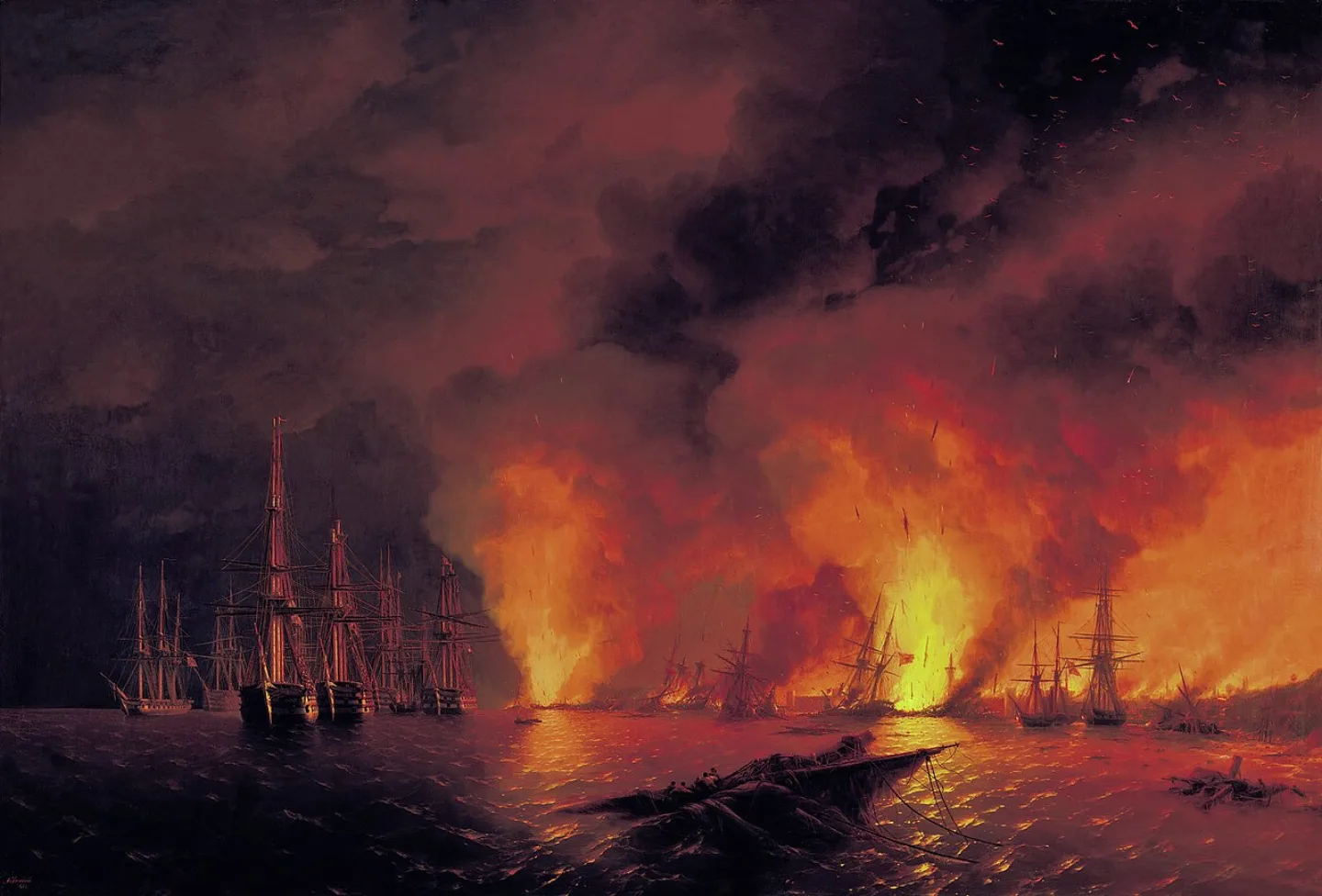
Explosive Shells at Sinope
At Sinope in 1853, Russian explosive Paixhans naval shells incinerated an Ottoman wooden squadron, demonstrating that wooden warships were obsolete.
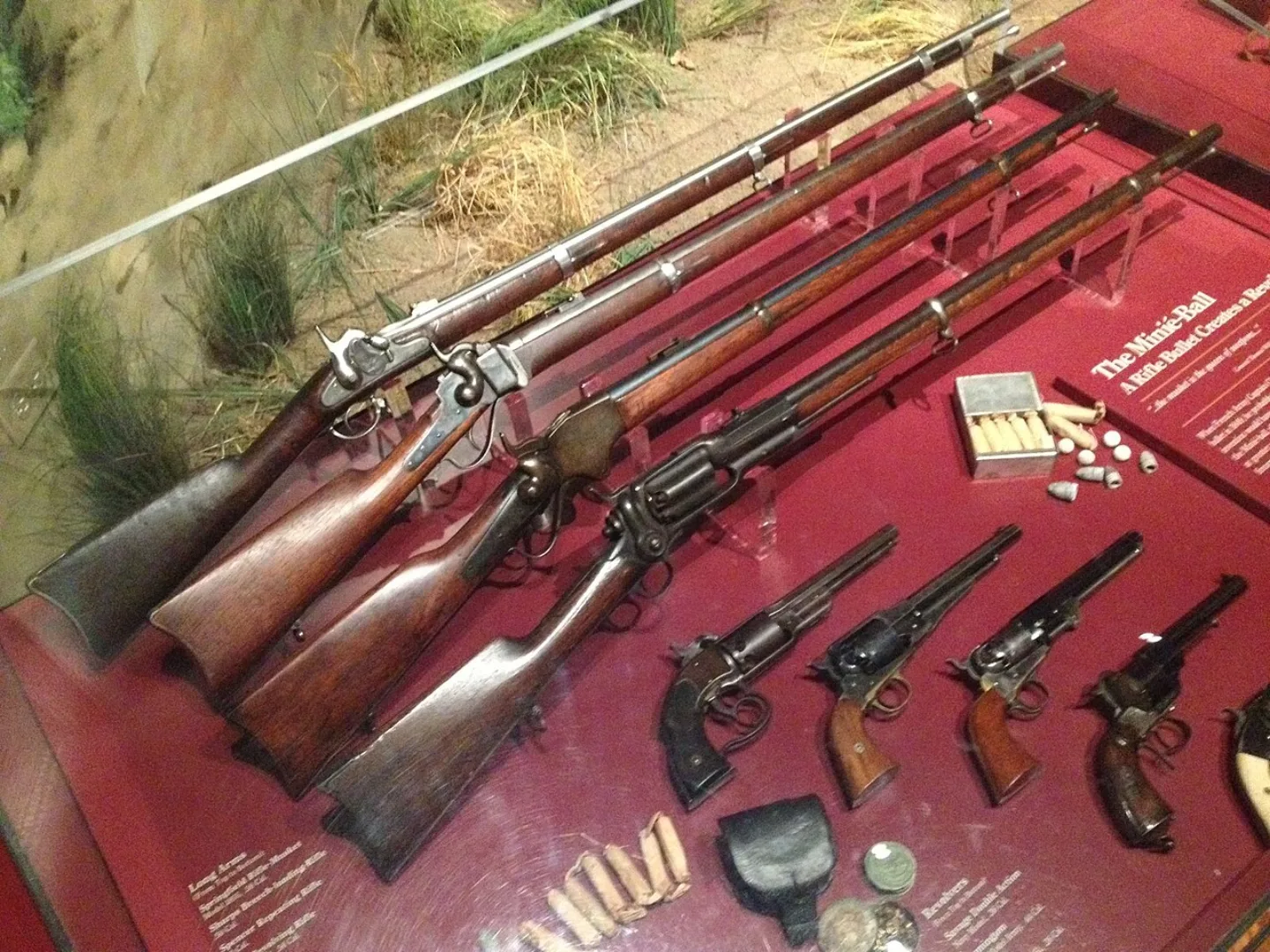
The Minié Ball Rifled Musket Revolution
The expanding conical Minié ball extended accurate infantry rifle fire to 400 yards, rendering traditional massed frontal charges catastrophic.
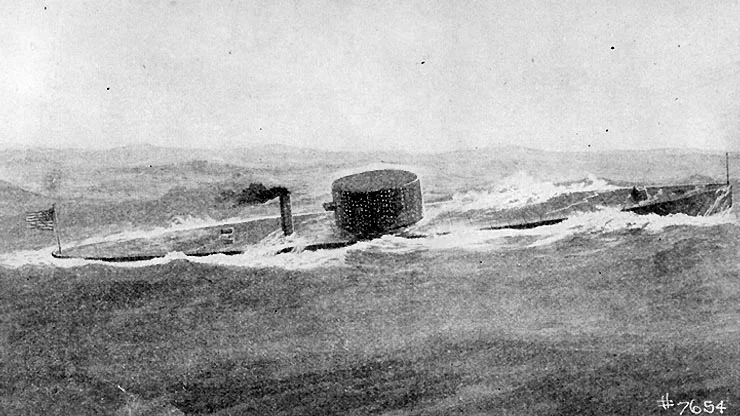
Ironclads at Hampton Roads
The 1862 duel between the USS Monitor and CSS Virginia at Hampton Roads was history's first battle between ironclad warships and introduced the revolving gun turret.
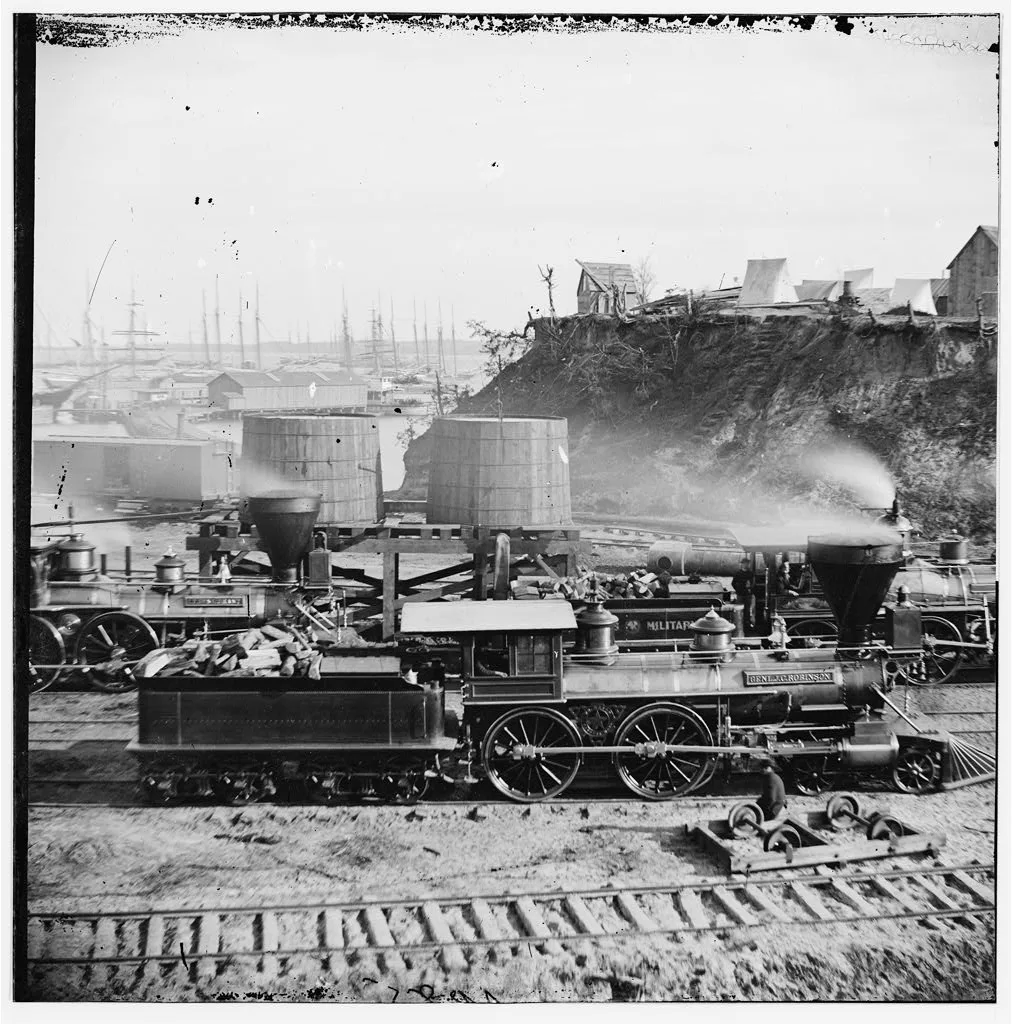
Railroads and Strategic Telegraphy
Railroads and electric telegraphs revolutionized Civil War logistics, enabling rapid continental troop movements and real-time operational command.
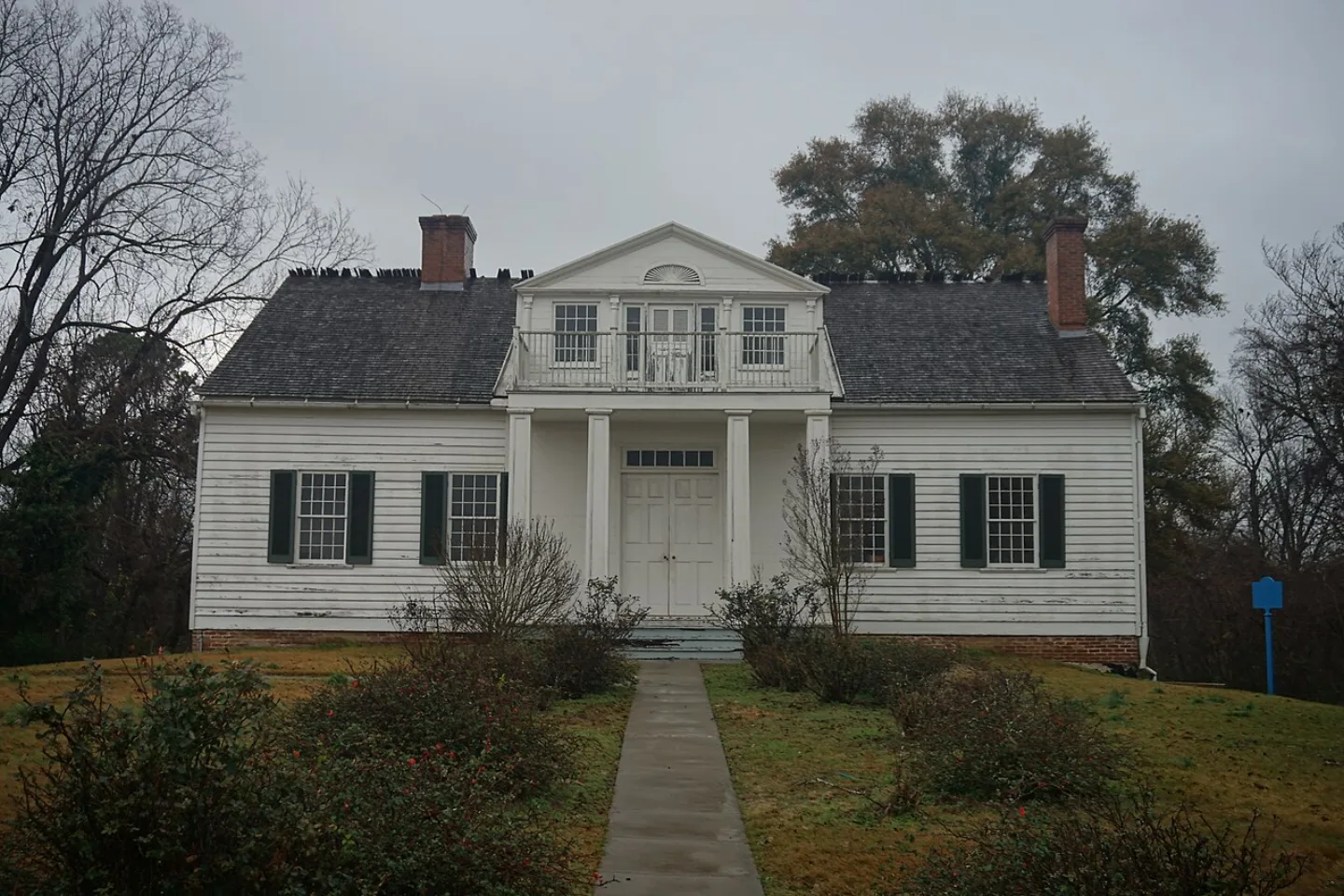
Grant's Combined Campaign at Vicksburg
Grant captured Vicksburg in 1863 by coordinating with naval ironclads to run batteries, land south of the fort, and sever Confederate Mississippi logistics.
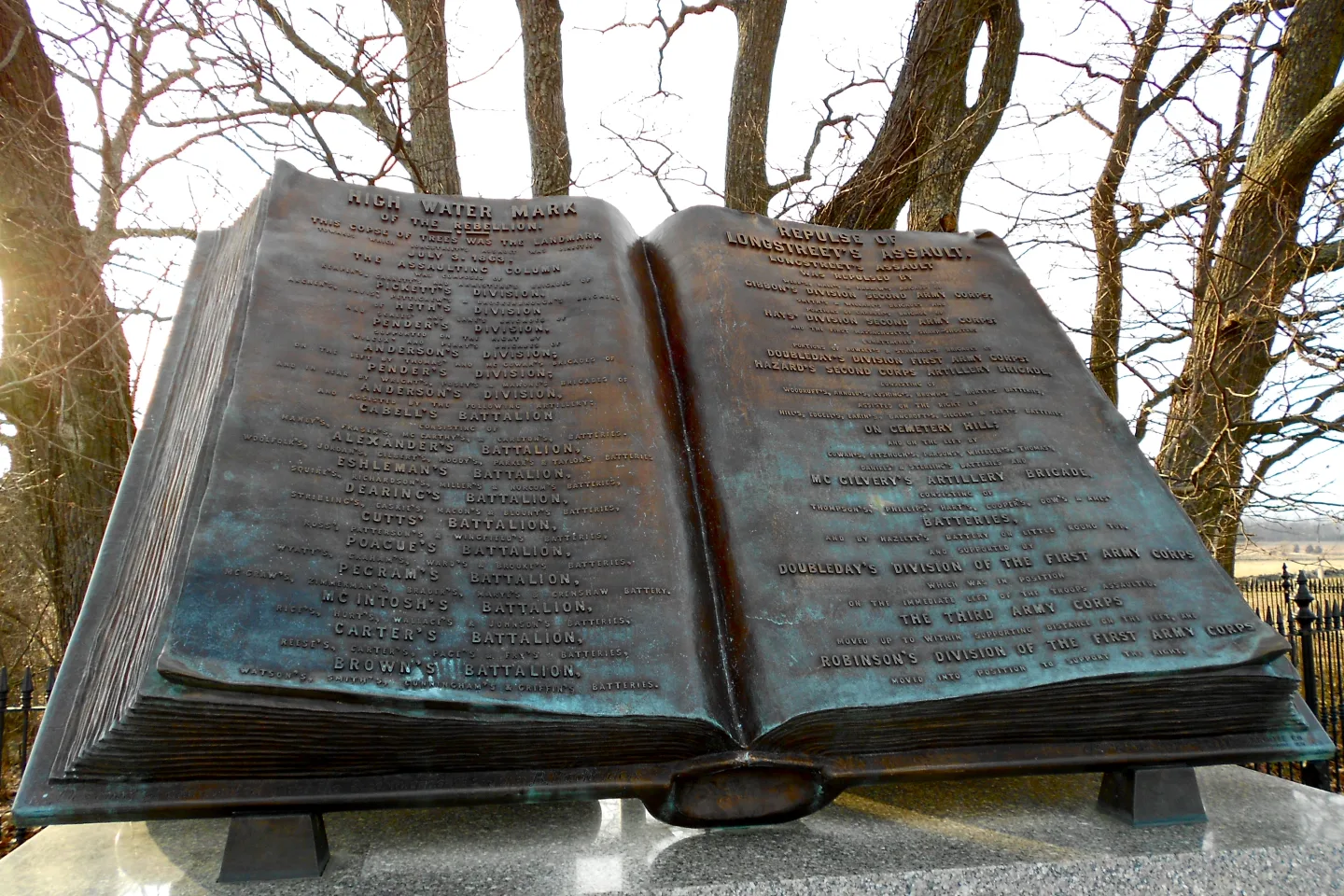
Interior Lines and Artillery at Gettysburg
At Gettysburg in 1863, Meade used compact interior lines to shift reserves and mass artillery along Cemetery Ridge, crushing Pickett's Charge.
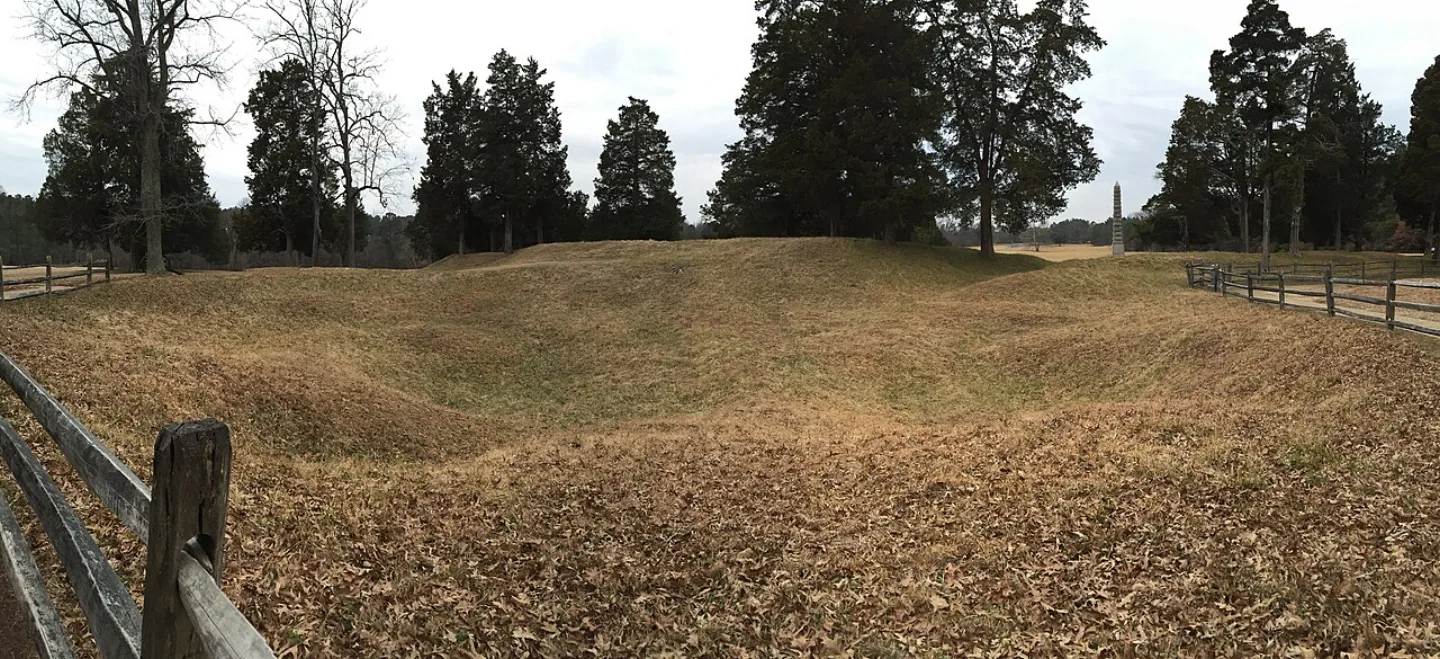
The Trench Siege of Petersburg
The 1864–1865 Siege of Petersburg prefigured WWI trench warfare with thirty miles of continuous earthworks, redoubts, and subterranean mine warfare.
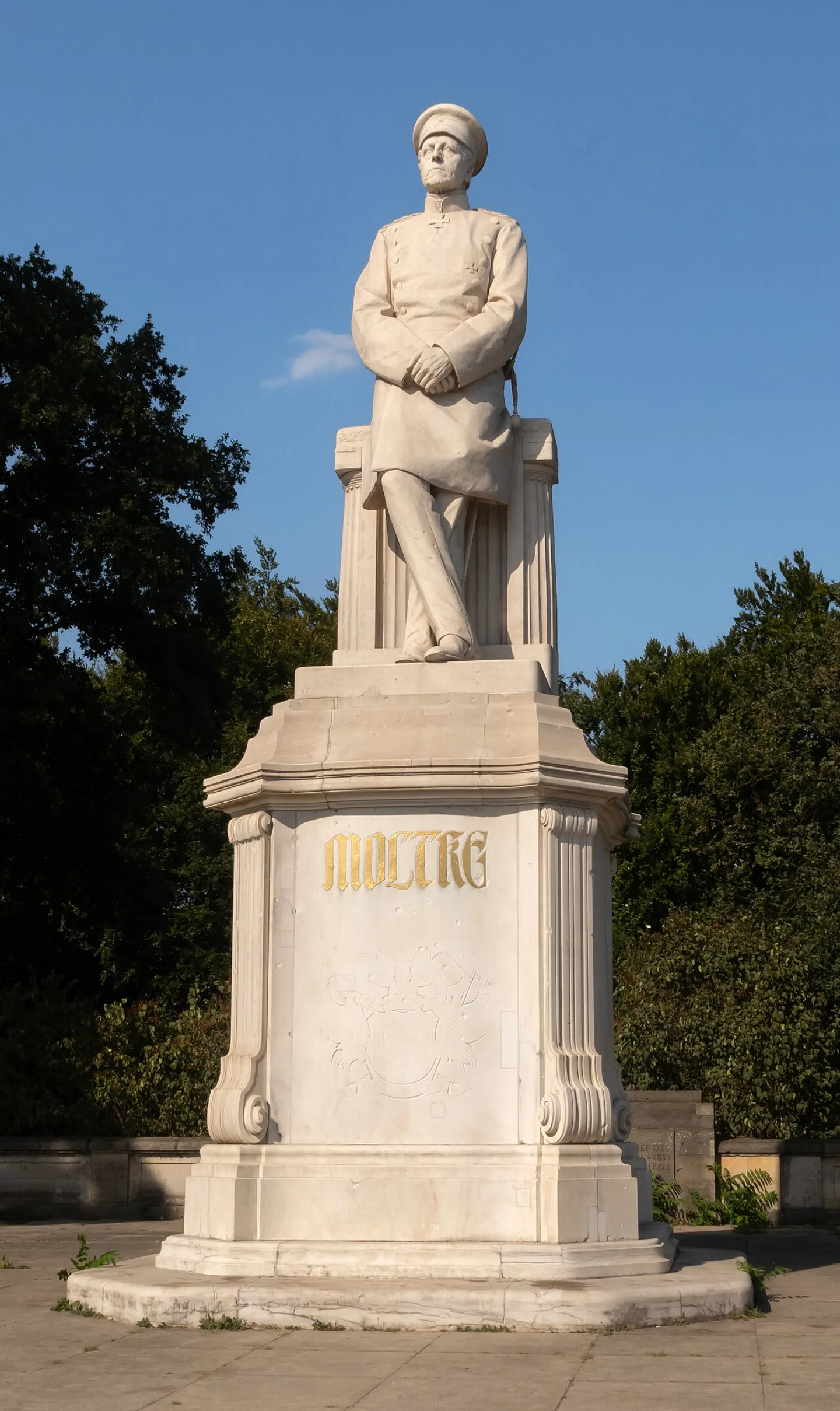
Moltke and the Prussian General Staff
Helmuth von Moltke the Elder institutionalized decentralized mission command (Auftragstaktik) and railway mobilization via the Prussian General Staff.
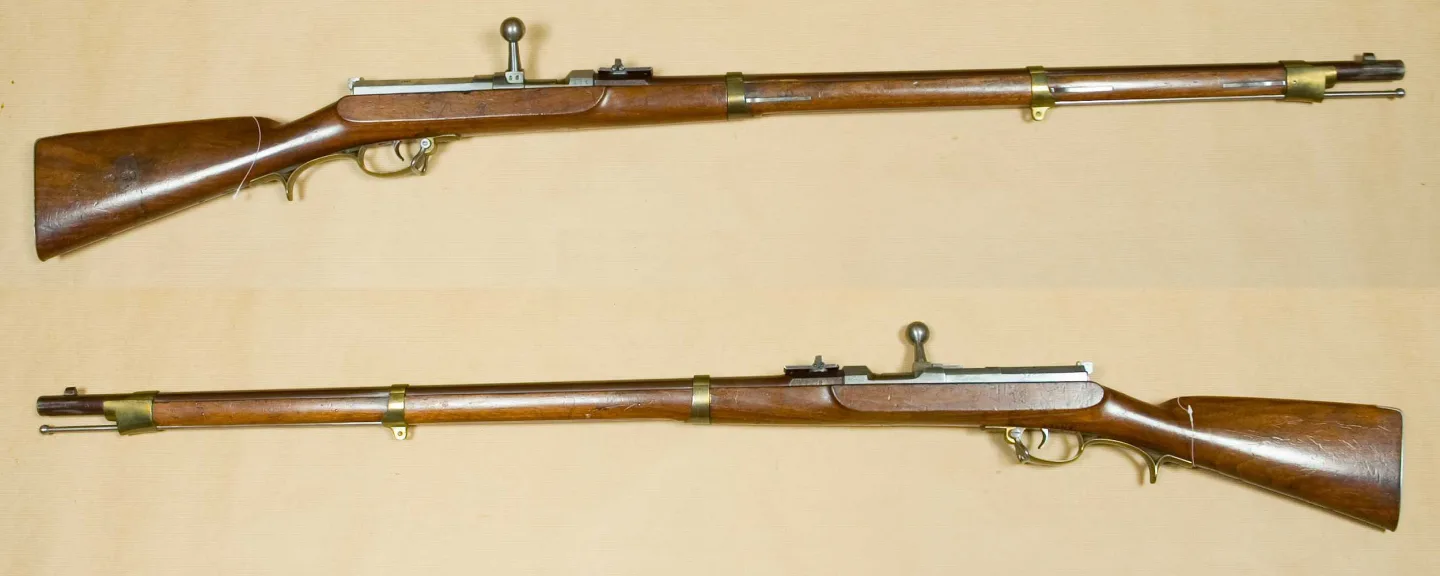
Dreyse Needle Gun at Königgrätz
At Königgrätz in 1866, the breech-loading Dreyse needle gun allowed Prussian infantry to fire five rounds per minute from prone cover, crushing Austrian attacks.
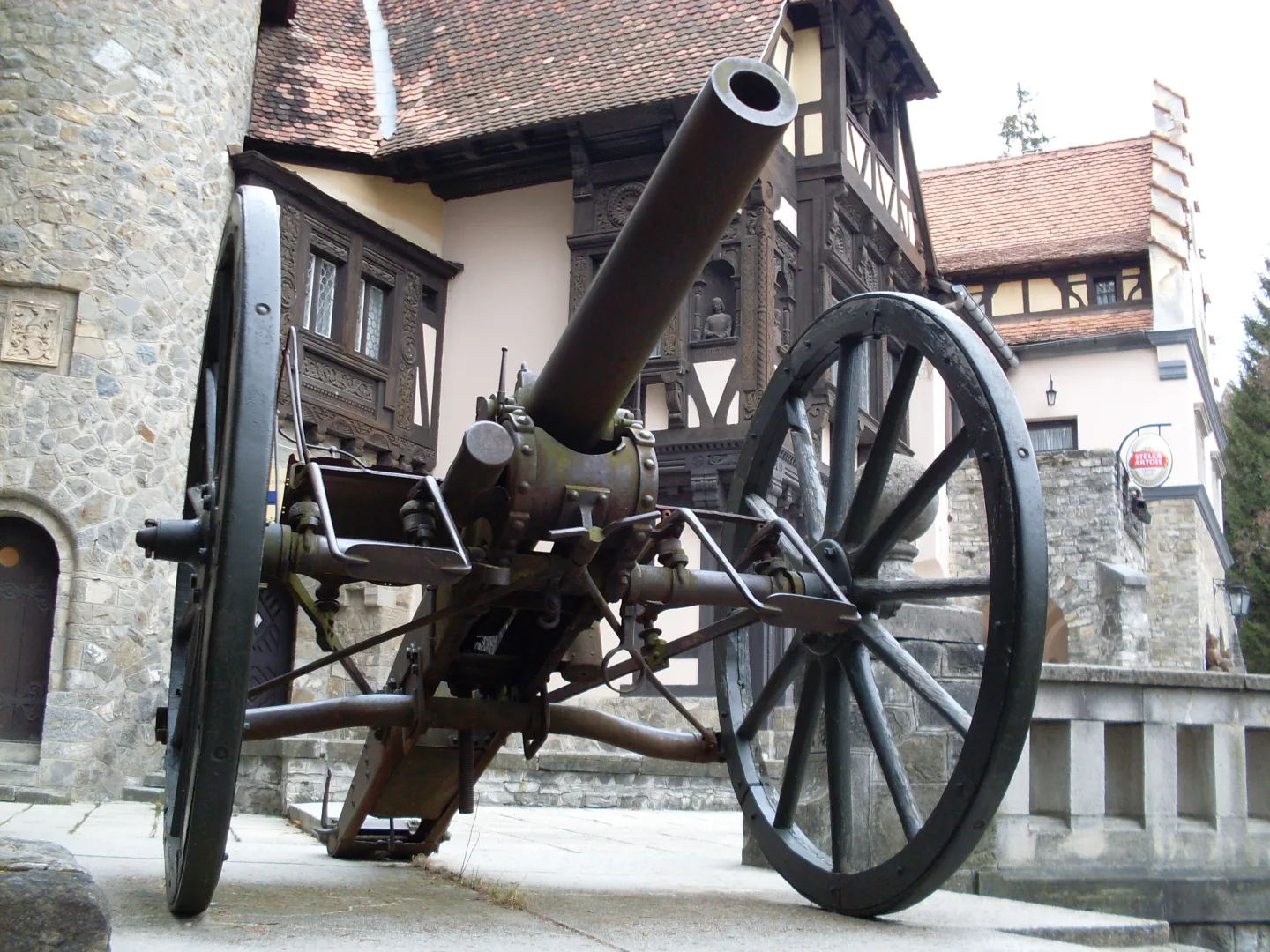
Chassepot Rifles vs Krupp Steel Artillery
In the 1870 Franco-Prussian War, France held infantry rifle range superiority with the Chassepot, but was overwhelmed by Prussian Krupp breech-loading steel guns.
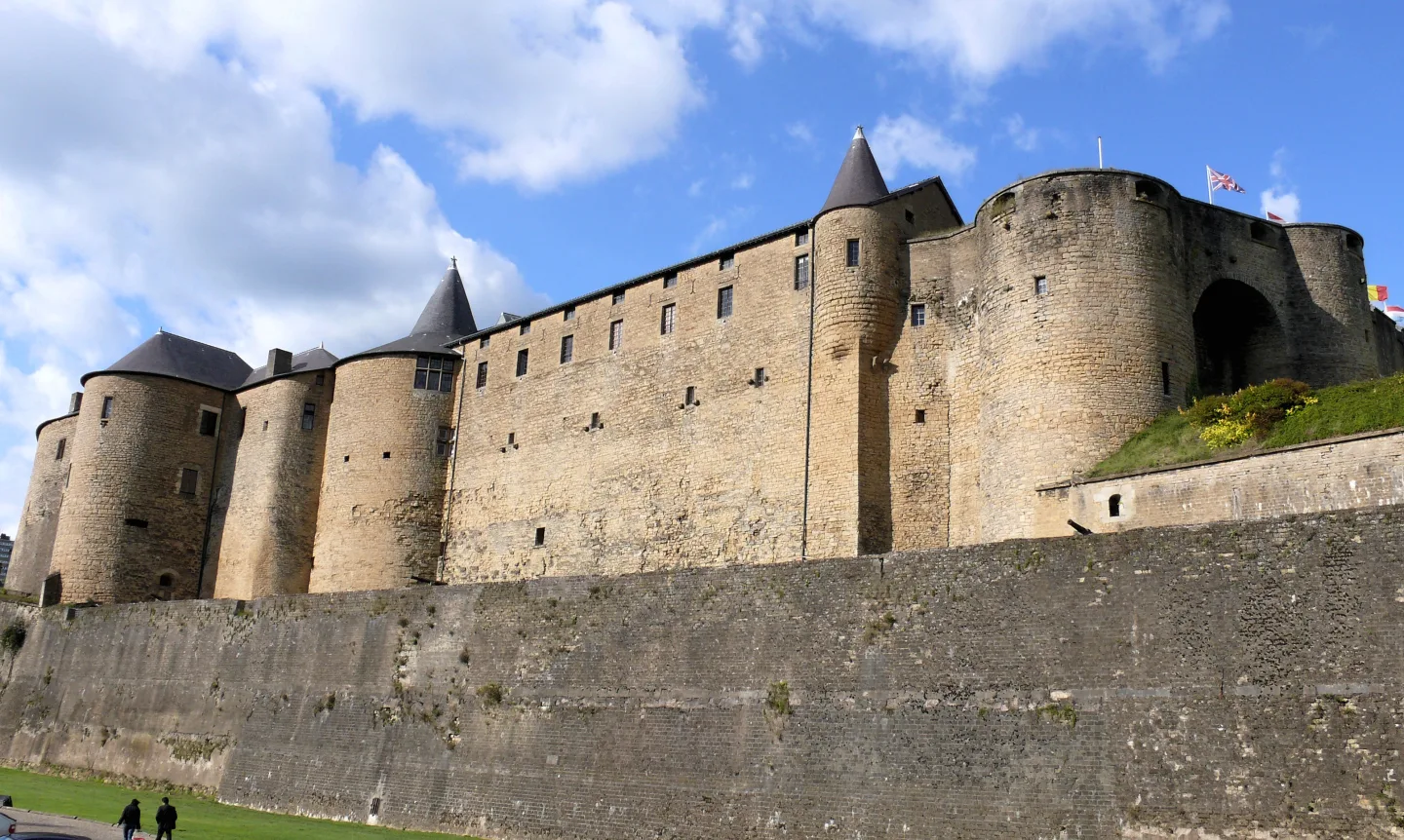
The Artillery Cauldron at Sedan
At Sedan in 1870, Moltke massed 400 Krupp steel guns on the surrounding heights to encircle the French army, capturing Napoleon III and 104,000 men.
By the numbers
- In what year AD was the naval Battle of Sinope fought in the Black Sea?
- 1853
- In what year AD did the USS Monitor duel the CSS Virginia at the Battle of Hampton Roads?
- 1862
- In what year AD did Prussia defeat Austria at the Battle of Königgrätz (Sadowa)?
- 1866
- In what year AD was the Battle of Sedan fought during the Franco-Prussian War?
- 1870
Matched pairs
Each item on the left goes with the one on the right.
- Ericsson's Raft-Hulled Vessel
- Low-freeboard raft hull carrying a central revolving steam-powered armored gun turret
- Union Defensive Fishhook Position
- Compact interior lines permitting rapid shifting of artillery and reserves across short distances
- Bolt-Action Breechloader
- Allows soldier to stay lying flat behind ground cover while loading and firing rapidly
- Prussian Cast-Steel Field Gun
- Accurate long-range percussion-fused explosive artillery fire outranging enemy rifles
Self-test
Answer each question from memory, then check your work against the answer key.
1. What type of ammunition first proved wooden warships obsolete at the 1853 Battle of Sinope?
- AChain shot
- BGrapeshot canisters
- CPaixhans shell rounds
- DSolid iron cannonballs
2. Which Russian admiral commanded the Black Sea fleet that destroyed the Ottoman squadron at the Battle of Sinope in 1853?
- AHelmuth von Moltke
- BDavid Dixon Porter
- CUlysses S. Grant
- DPavel Nakhimov
3. Which French army officer invented the expanding conical rifle bullet that extended infantry engagement ranges in the Crimean and Civil Wars?
- AJohn Ericsson
- BClaude-Étienne Minié
- CHenri-Joseph Paixhans
- DAlfred Krupp
4. A Civil War infantry unit switches from smoothbore muskets to Minie-ball rifles. Their maximum accurate engagement range rises from 80 yards to about:
- A400 yards
- B150 yards
- C600 yards
- D250 yards
5. What revolutionary armament feature distinguished John Ericsson's USS Monitor when it fought the CSS Virginia at Hampton Roads in 1862?
- ARotating steam-powered gun turret
- BFixed iron-plated broadside casemate
- CWooden ram-tipped bow
- DTwin funnel smokestacks
6. What became obsolete as a result of the Russian navy's explosive shell attack at the Battle of Sinope (1853)?
- AIronclad warships
- BWooden sailing warships
- CRailroad supply networks
- DRifled infantry muskets
7. Which Russian admiral commanded the Black Sea fleet that destroyed the Ottoman squadron at Sinope in 1853?
- AJohn Ericsson
- BHelmuth von Moltke
- CPavel Nakhimov
- DDavid Dixon Porter
8. What tactical advantage did the Dreyse needle gun give Prussian infantry at Königgrätz?
- AIt used waterproofed percussion caps that resisted misfiring in rain or mud
- BIt launched explosive canister grenades over Austrian cavalry formations
- CIt fired with far greater range, hitting targets accurately well beyond 1,000 meters
- DSoldiers could reload while lying prone behind cover at five times the speed of muzzle-loaders
9. At the Battle of the Crater during the Siege of Petersburg, how did Union forces strike at the Confederate fortifications?
- AThey diverted a river to flood the trenches and drive the defenders out of their works
- BThey steamed ironclad gunboats upriver to shell the parapets at point-blank range
- CThey ferried their army across the river at night to storm the works from the rear
- DThey tunneled under the works and detonated 8,000 pounds of black powder beneath them
10. How did Prussian operational doctrine at Sedan in 1870 achieve the complete destruction of the French Army of Châlons?
- ABismarck negotiated an immediate armistice before military forces made contact
- BPrussian armies executed a double envelopment that pinned the French against the Belgian border under concentric artillery fire
- CPrussian naval gunboats sailed up the Meuse River and bombarded the French imperial tent
- DPrussian cavalry charged with lances across the Ardennes forests in total darkness
11. What design improvement gave the French Chassepot rifle a superior gas seal compared to the Prussian Dreyse?
- AA vulcanized rubber obturator ring on the bolt head that expanded upon firing to prevent gas leakage
- BA magnetic copper chamber locking latch that sealed under high electrical voltage
- CA screw-threaded bronze muzzle brake that captured escaping propellant gases
- DA lead-lined chamber that melted slightly to seal all microscopic bolt cracks
12. What term describes Moltke's Prussian General Staff doctrine of granting subordinate commanders initiative under broad directives?
- AKesselschlacht
- BBlitzkrieg
- CAuftragstaktik
- DFabian strategy
13. What command philosophy did Helmuth von Moltke the Elder institutionalize through the Prussian General Staff?
- AAuftragstaktik mission-type tactics
- BNapoleonic massed frontal assault
- CKesselschlacht encirclement doctrine
- DCentralized micromanagement from Berlin
14. Why did Moltke decide mass conscript armies could not be micromanaged by a single commander?
- AAustrian spies had infiltrated his headquarters
- BThe Kaiser demanded approval for every order
- CTelegraph lines were cut early in the campaign
- DRailroads made armies too vast to direct centrally
15. What term describes the Prussian tactic of encircling and destroying an enemy army in a pocket, used at Sedan in 1870?
- ASchlieffen Plan
- BKesselschlacht
- CBlitzkrieg
- DAuftragstaktik
16. How did Prussia counter the superior range of the French Chassepot infantry rifle in 1870?
- AOrdered all troops to fight exclusively at night without firing weapons
- BEquipped infantry with giant bulletproof iron shields wheeled on wooden axles in Prussian operations
- CMassed Krupp breech-loading cast-steel artillery to destroy French positions from beyond rifle range
- DTrained Prussian infantry to close to short range before engaging French positions
Go deeper
Answer key
- 1. C Paixhans shell roundsHollow Paixhans shells detonated inside timber hulls and started fires, unlike solid shot, grapeshot, or chain shot that just tore through wood.
- 2. D Pavel NakhimovNakhimov's fleet used explosive Paixhans shells at Sinope; Porter, Grant, and Moltke were commanders in unrelated campaigns.
- 3. B Claude-Étienne MiniéMinié's 1849 hollow-based bullet gripped rifling grooves; Paixhans designed naval shells, Ericsson the Monitor's turret, and Krupp's firm made steel artillery.
- 4. A 400 yardsThe expanding Minie ball gripped rifling grooves, extending accurate lethal range to over 400 yards.
- 5. A Rotating steam-powered gun turretThe Monitor's low-freeboard hull carried a revolving turret with two Dahlgren guns, unlike the Virginia's fixed broadside casemate.
- 6. B Wooden sailing warshipsPaixhans explosive shells at Sinope proved wooden warships could not survive explosive naval ordnance, sparking ironclad development.
- 7. C Pavel NakhimovAdmiral Pavel Nakhimov led the Russian Black Sea fleet that destroyed the Ottoman frigate squadron at Sinope on November 30, 1853.
- 8. D Soldiers could reload while lying prone behind cover at five times the speed of muzzle-loadersThe breech-loading mechanism allowed Prussian soldiers to stay prone behind terrain while firing rapidly, decimating Austrian standing lines.
- 9. D They tunneled under the works and detonated 8,000 pounds of black powder beneath themUnion coal miners excavated a 511-foot tunnel beneath the Confederate fortifications and detonated 8,000 pounds of black powder, an example of the subterranean mine warfare at Petersburg.
- 10. B Prussian armies executed a double envelopment that pinned the French against the Belgian border under concentric artillery fireMoltke surrounded the French in the Sedan basin, deploying 400 Krupp guns on the heights to batter them into unconditional surrender.
- 11. A A vulcanized rubber obturator ring on the bolt head that expanded upon firing to prevent gas leakageThe Chassepot utilized an expanding rubber ring (obturateur) to prevent gas blowback, increasing muzzle velocity and extending effective range.
- 12. C AuftragstaktikAuftragstaktik (mission-type tactics) let corps and division commanders act on local initiative rather than await micromanagement.
- 13. A Auftragstaktik mission-type tacticsMoltke pioneered Auftragstaktik, issuing broad directives while granting subordinate commanders autonomy to act on local conditions.
- 14. D Railroads made armies too vast to direct centrallyMoltke recognized railroad-mobilized mass armies were too vast for one commander to micro-manage, driving decentralized mission command.
- 15. B KesselschlachtKesselschlacht describes Moltke's concentric encirclement at Sedan, trapping the French army under converging artillery fire.
- 16. C Massed Krupp breech-loading cast-steel artillery to destroy French positions from beyond rifle rangePrussian Krupp steel breech-loading guns outranged and pulverized French infantry and outdated bronze artillery positions from safe standoff distances.
Sources
- Overland Campaign — Wikipedia — en.wikipedia.org/wiki/Overland_Campaign
- Commanding General of the United States Army — Wikipedia — en.wikipedia.org/wiki/Commanding_General_of_the_United_States_Army
- Minié ball — Wikipedia; Minié ball — Wikipedia (citing Nosworthy, The Bloody Crucible of Courage, 2003) — en.wikipedia.org/wiki/Mini%C3%A9_ball
- Lambert, The Crimean War
- Tucker, Blue & Gray Navies
- McPherson, Battle Cry of Freedom
- Grant, Personal Memoirs
- Coddington, The Gettysburg Campaign
- Trudeau, The Last Citadel
- Wawro, The Franco-Prussian War
- Wawro, The Austro-Prussian War
- Howard, The Franco-Prussian War
- Tucker, Blue & Gray Navies — www.usni.org
- Grant, Personal Memoirs — www.gutenberg.org
- Trudeau, The Last Citadel; Howard, The Franco-Prussian War; Lambert, The Crimean War — www.routledge.com
- Wawro, The Franco-Prussian War; Wawro, The Austro-Prussian War — www.cambridge.org
- Coddington, The Gettysburg Campaign — www.simonandschuster.com
- McPherson, Battle Cry of Freedom — www.oxfordreference.com
- Nosworthy, The Bloody Crucible of Courage — www.perseus.tufts.edu
- Battle of the Crater (Wikipedia) — en.wikipedia.org/wiki/Battle_of_the_Crater
Image credits
- Explosive Shells at Sinope: Ivan Aivazovsky · Public domain — commons.wikimedia.org/wiki/File:Battle_of_Sinop.jpg
- The Minié Ball Rifled Musket Revolution: Yinan Chen · Public Domain — commons.wikimedia.org/wiki/File:Gfp-rifles-and-pistols.jpg
- Ironclads at Hampton Roads: Wikimedia Commons · U.S. Naval History and Heritage Command · Public domain — commons.wikimedia.org/wiki/File:USS_Monitor_at_sea.jpg
- Railroads and Strategic Telegraphy: Library of Congress · City Point, Va. "Gen. J.C. Robinson" and other locomotives · No known restrictions — www.loc.gov/item/2018666647/
- Grant's Combined Campaign at Vicksburg: Michael Barera · CC BY-SA 4.0 — commons.wikimedia.org/wiki/File:Vicksburg_National_Military_Park_December_2018_06_(Shirley_House).jpg
- Interior Lines and Artillery at Gettysburg: Wikimedia Commons · Smallbones · CC0 — commons.wikimedia.org/wiki/File:Gettysburg_mon_High_Water_Mark.JPG
- The Trench Siege of Petersburg: Wikimedia Commons · Noah_Loverbear · CC BY-SA 3.0 — commons.wikimedia.org/wiki/File:The_Crater_Petersburg_National_Battlefield_-_panoramio_(1).jpg
- Moltke and the Prussian General Staff: Michielverbeek · CC BY 4.0 — commons.wikimedia.org/wiki/File:Berlin-Tiergarten,_standbeeld_van_Helmuth_Karl_Bernhard_von_Moltke_Dm09050419_IMG_5599_2024-09-06_15.39.jpg
- Dreyse Needle Gun at Königgrätz: Wikimedia Commons · Armémuseum (The Swedish Army Museum) · Public domain — commons.wikimedia.org/wiki/File:Z%C3%BCndnadelgewehr_m-1841_-_Preussen_-_Arm%C3%A9museum.jpg
- Chassepot Rifles vs Krupp Steel Artillery: Wikimedia Commons · Gikü · CC BY-SA 3.0 ro — commons.wikimedia.org/wiki/File:PH.Castelul.Pele%C8%99.tun_nov-2008.JPG
- The Artillery Cauldron at Sedan: Wikimedia Commons · MOSSOT · CC BY-SA 3.0 — commons.wikimedia.org/wiki/File:Sedan_-_Ch%C3%A2teau_-_Tours_jumelles,_%C3%A9chauguette_et_Grosse_tour.JPG


