
Mindset: The New Psychology of Success study guide · Lesson 3 of 6
Sports and Athletic Excellence: The Mindset of a Champion
Natural Talent vs. Character and Work Ethic in Athletics · Handling Setbacks, Slumps, and Team Cultures
Unofficial study guide for Mindset: The New Psychology of Success by Carol S. Dweck. FlashFeed is not affiliated with the author or publisher.
This is the lesson's study guide from the FlashFeed app, plus its key facts and a self-test.
What you'll be able to do
- Contrast natural athletic talent mythology with character-driven preparation exemplified by Michael Jordan and Muhammad Ali.
- Apply John Wooden's definition of success and contrast constructive setback processing with fixed mindset excuses.
Lesson 3: Sports and Athletic Excellence: The Mindset of a Champion
Natural Talent vs. Character and Work Ethic in Athletics
The popular culture of sports is thoroughly enamored with the Myth of the Natural Athlete. We romanticize champions as genetically gifted superheroes who were born with effortless physical prowess, graceful coordination, and an instinct for victory. We prefer to view athletic idols as fundamentally different from ordinary mortals because it excuses our own lack of discipline. However, exhaustive biographical and psychological analysis of the greatest athletic icons reveals that sustained sports excellence is not the product of effortless genetics, but the constructed masterpiece of relentless practice, character, and tactical preparation.
Michael Jordan, widely regarded as one of the greatest basketball players in history, did not make his high school varsity team as a sophomore at Laney High School (a setback often retold as being 'cut'). Far from being an effortless natural, Jordan used the devastating humiliation of being relegated to the junior varsity squad as fuel for an unmatched work ethic. Throughout his college career at North Carolina and his six NBA championships with the Chicago Bulls, Jordan was known for his relentless practice habits. Jordan was not yet a polished outside shooter when he entered the professional league; he systematically built his legendary jump shot and post-up footwork through years of grueling off-season training.
Similarly, three-time world heavyweight boxing champion Muhammad Ali lacked the textbook physical attributes of a heavyweight powerhouse. Ali was widely seen as an underdog against the hard-hitting heavyweights Sonny Liston and George Foreman. Against Foreman, his rope-a-dope tactic tired the harder hitter before an eighth-round knockout. Ali triumphed over physically superior adversaries through mental preparation, rigorous tactical analysis of his opponents' habits, unconventional footwork, and supreme psychological conditioning. Boxing wisdom holds that a fight is won in the gym and on the road, long before the bell.
Baseball legend Babe Ruth held the major league record for the most home runs, but he simultaneously held the record for the most strikeouts. Ruth maintained complete growth-mindset composure, viewing strikeouts as the necessary statistical cost of swinging with maximum power. Olympic champions like Wilma Rudolph and Jackie Joyner-Kersee achieved athletic immortality through sheer dedication. Rudolph had polio and scarlet fever as a young child; polio left her left leg weak and partly paralyzed, and she wore a metal leg brace. Through years of treatment and hard work, she went on to win three Olympic gold medals in track and field. Joyner-Kersee, named the greatest female athlete of the 20th century by Sports Illustrated for Women, dominated the seven-event heptathlon by falling in love with the daily process of conditioning and technical refinement.
In athletics, Character is defined as the psychological fortitude to dig deep, maintain discipline, and execute tactical game plans when your body is completely exhausted and the scoreboard is against you. Athletes with a Fixed Mindset fall into the Talent Entitlement Trap, assuming that their natural gifts excuse them from fundamental conditioning and practice. When natural prodigies face superior competition, their fragile self-image shatters because they have never developed the habits of grit and tactical self-correction. A growth-mindset competitor, by contrast, treats a highly skilled opponent as a chance to learn rather than a threat to the ego. In contrast, champions like Tiger Woods embody the growth mindset—Woods repeatedly overhauled his championship golf swing, including while ranked number one in the world, to achieve mechanical longevity. Legendary NFL coach Vince Lombardi summarized this growth orientation: winning is not a sporadic event, but the continuous habit of total preparation. Athletic character is forged through the willingness to endure physical discomfort and embrace technical refinement every single day.
In addition to Michael Jordan, baseball icon Babe Ruth and track legend Jackie Joyner-Kersee demonstrate how champions construct their greatness. Babe Ruth's strikeout record is often forgotten in the shadow of his home run records, yet Ruth embraced strikeouts as the necessary consequence of aggressive power hitting. A line often attributed to Ruth holds that every strike brings him closer to the next home run, though its source is uncertain. Similarly, Wilma Rudolph overcame devastating childhood illness, including double pneumonia, scarlet fever, and polio that left her left leg weak and partly paralyzed. For years her family massaged her leg several times a day, and her mother took her to Nashville (to Meharry Medical College) for weekly treatment. She wore a metal leg brace and was walking without it by about age twelve. She developed into a collegiate track star and ultimately won three gold medals at the 1960 Rome Olympics.
In gymnastics, Romanian prodigy Nadia Comaneci shocked the world at the 1976 Montreal Olympics by scoring the first perfect 10.0 in modern Olympic gymnastics history. Observers immediately declared Comaneci an effortless biological marvel. However, Comaneci’s historic uneven bars routine was the product of rigorous daily training from early childhood under legendary coach Béla Károlyi, drilling her routines day after day until precision was ingrained into muscle memory. Fixed-mindset athletes who rely purely on innate gifts often crumble when transitioning from junior competitions to elite professional leagues because they have never cultivated the grit to endure grueling daily training cycles. Championship character is defined by the relentless pursuit of daily self-mastery.
Handling Setbacks, Slumps, and Team Cultures
The supreme test of an athlete’s mindset occurs during performance slumps, unexpected defeats, and high-pressure team dynamics. The foundational philosophy of athletic growth is embodied in the legendary coaching career of John Wooden, who guided the UCLA Bruins men's basketball team to an unprecedented 10 NCAA National Championships in 12 seasons. Wooden formulated a revolutionary, self-referenced definition of athletic achievement: Wooden's Definition of Success: success is the peace of mind that comes from the self-satisfaction of knowing you made the effort to do your best to become the best you are capable of becoming.
Remarkably, Coach Wooden never discussed winning games, defeating specific rivals, or winning national championships with his players. Instead, Wooden focused his team entirely on the flawless execution of fundamentals, conditioning drills, and character development. During his famous first practice of every season, Wooden personally taught his collegiate players how to put on their socks and lace their basketball shoes properly to prevent blisters. Wooden understood that championship performance is the natural byproduct of complete preparation and total effort, whereas fixating on the scoreboard creates performance anxiety that degrades execution.
In stark contrast to Wooden’s philosophy, tennis champion John McEnroe personified the destructive pitfalls of the Fixed Mindset in elite athletics. McEnroe was blessed with extraordinary natural touch and shot-making ability, but his fixed mindset left him emotionally defenseless against adversity. Whenever McEnroe fell behind or made an unforced error, he routinely launched into furious tirades, blaming line judges, chair umpires, court attendants, crowd noise, racket string tension, or tournament scheduling. By blaming external factors for every setback, McEnroe insulated his ego from acknowledging personal deficiencies in conditioning or tactical preparation, which ultimately truncated his dominance at the peak of his career. Conversely, champions like Pete Sampras and Björn Borg responded to bad calls and errors with silent composure, diagnosing stroke mechanics and making tactical adjustments under pressure.
In baseball executive management, Billy Beane experienced the fixed mindset firsthand as a young athlete. Beane was hailed by scouts as a can't-miss natural prodigy, but whenever he struck out in Major League Baseball, his fixed mindset interpreted the strikeout as proof of failure, causing him to smash bats and unravel emotionally. When Beane later became the general manager of the Oakland Athletics, he pioneered the revolutionary Moneyball analytical movement. Beane deliberately drafted players for on-base discipline and proven performance, and in Dweck's account he recruited for mindset rather than raw talent, intentionally avoiding flashy players praised solely for unrefined natural physique.
In team sports, fixed-mindset stars frequently prioritize their personal scoring statistics over team victory, demanding that offensive plays revolve around their highlight reels and poisoning locker room culture. In contrast, growth-mindset leaders like Bill Russell of the Boston Celtics (who won 11 NBA Championships in 13 seasons) prioritized defensive rotations, rebounding, and elevating the confidence of teammates. When an athlete encounters a shooting slump, the fixed mindset panics, interpreting the slump as a catastrophic loss of talent; the growth mindset responds methodically: reviewing game film, returning to fundamental drills, and contributing to the team through defense and hustle. A champion views setbacks as diagnostic lessons that guide the next training cycle.
The Moneyball revolution instituted by Billy Beane and Paul DePodesta at the Oakland Athletics transformed the landscape of modern sports management. When scouting high school and collegiate talent, traditional baseball scouts focused almost exclusively on physical attributes: bat speed, throwing velocity, foot speed, and muscular build. Beane, having experienced the psychological trap of being labeled a natural prodigy who couldn't handle failure, shifted the Athletics' draft strategy toward on-base percentage and proven performance rather than raw physical tools, and, in Dweck's account, toward recruiting for mindset rather than talent alone.
In professional basketball, Bill Russell of the Boston Celtics personified the growth mindset in team leadership. Russell did not dominate scoring charts, but he studied the tendencies of his opponents. Russell tailored his defensive positioning and outlet passing to make his teammates more effective, leading the Celtics to 11 NBA championships in 13 seasons. When modern athletes experience performance slumps, fixed-mindset players panic, questioning their innate worth and demanding trades. Growth-mindset players respond methodically: they review game footage, isolate mechanical hitches, return to basic fundamental drills, and channel their competitive energy into hustle plays and defensive leadership. By viewing difficulty as a diagnostic challenge, elite athletes transform temporary slumps into platforms for long-term mastery.
Key terms
- Athletic Character
- The psychological fortitude to dig deep, maintain tactical discipline, and execute game plans when physically exhausted and trailing on the scoreboard.
- Wooden's Definition of Success
- A self-referenced state of peace of mind achieved by knowing you exerted total effort to develop your full potential, irrespective of the scoreboard.
Key concepts
Muhammad Ali
- Three-time world heavyweight boxing champion who conquered Sonny Liston and George Foreman
- Was seen as the underdog against harder-hitting heavyweights, and lacked the classic textbook build
- Triumphed through tactical opponent study, unorthodox footwork, and mental conditioning
Wilma Rudolph
- Overcame childhood pneumonia, scarlet fever and polio; polio left her left leg weak and partly paralyzed
- Wore a metal leg brace and was walking without it by about age twelve, after years of family massage and weekly treatment in Nashville
- Became the first American woman to win three Olympic gold medals in track and field at the 1960 Rome Games
John McEnroe
- Brilliant natural tennis champion who personified the fixed mindset in elite athletics
- Habitually blamed line judges, court attendants, crowd noise, and racket tension for defeats
- Insulated his ego from acknowledging personal deficiencies in physical conditioning or mechanics
Billy Beane
- Can't-miss baseball prospect who struggled as a player due to fixed-mindset panic during strikeouts
- Visionary general manager of the Oakland Athletics who pioneered the Moneyball movement
- Drafted players for on-base discipline and proven performance rather than flashy natural physique
Key facts
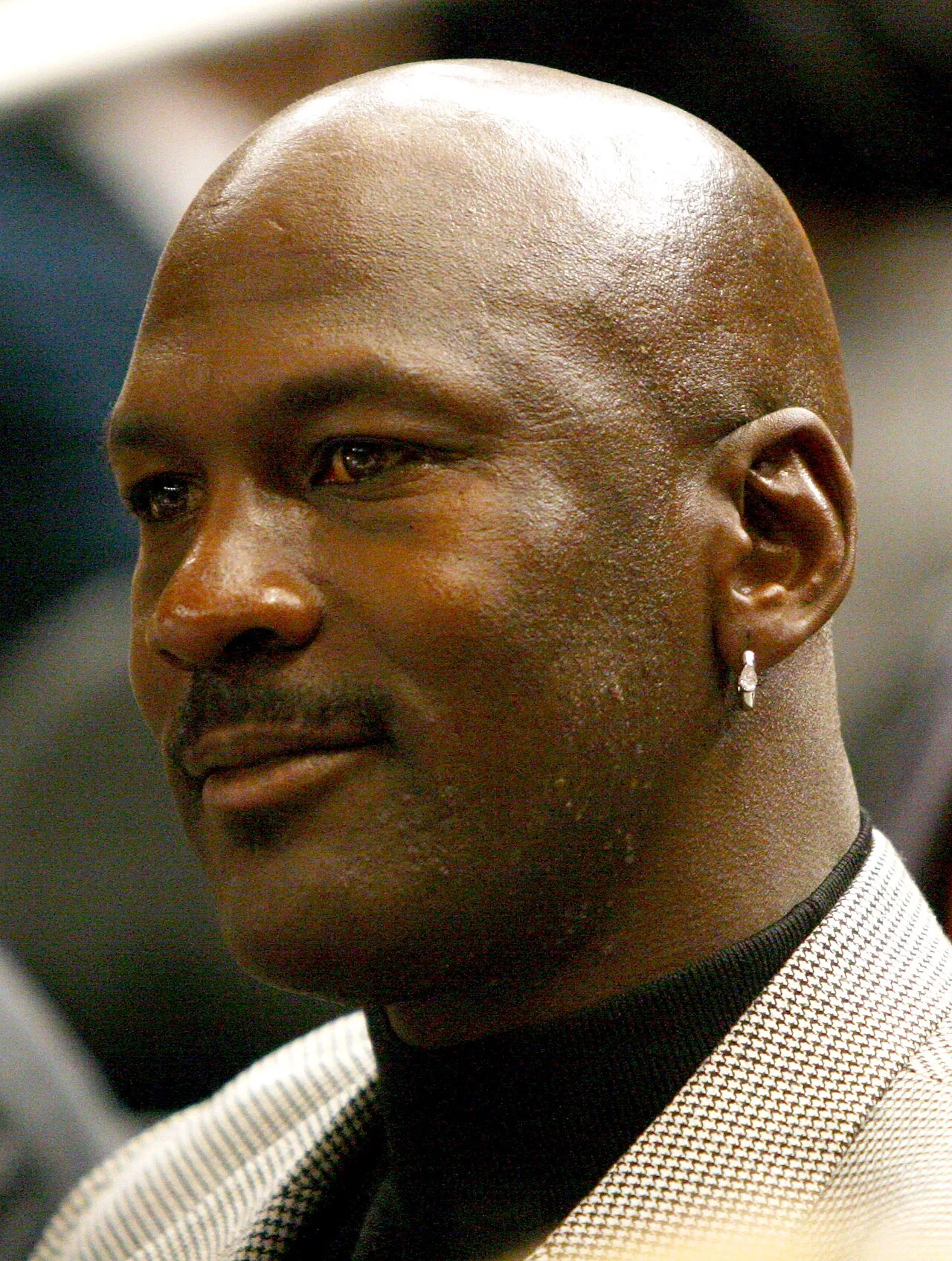
Debunking the Myth of the Natural Athlete
The sports world romanticizes the natural athlete as an effortless superhero. However, icons like Michael Jordan—who did not make his high school varsity team as a sophomore—achieved supremacy through relentless practice and years of grueling off-season training.
Athletic Character vs. the Talent Entitlement Trap
Athletic Character is the psychological fortitude to dig deep, maintain discipline, and execute a game plan when the body is exhausted and the scoreboard is against you. Athletes who lack it can fall into the Talent Entitlement Trap — assuming their natural gifts excuse them from fundamental conditioning. When these natural prodigies eventually face superior competition, their fragile self-image shatters, because they never built the habits of grit and tactical self-correction that character requires.
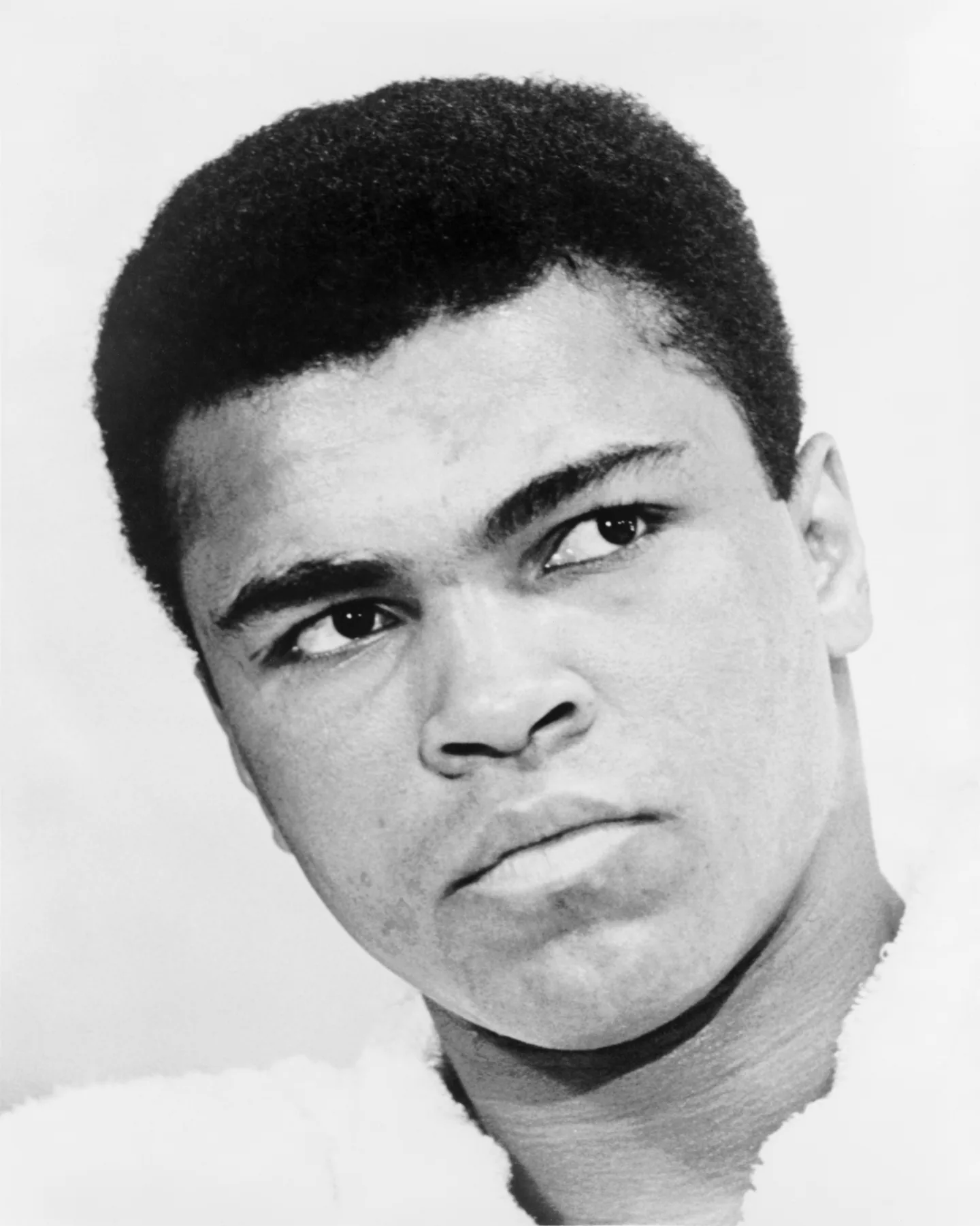
Muhammad Ali: Winning Through Preparation, Not Just Power
Three-time heavyweight champion Muhammad Ali was the underdog against harder-hitting rivals like Sonny Liston and George Foreman. Ali won through rigorous tactical study of his opponents, unconventional footwork, and supreme mental conditioning: as boxing wisdom has it, a fight is won in training long before the bout.
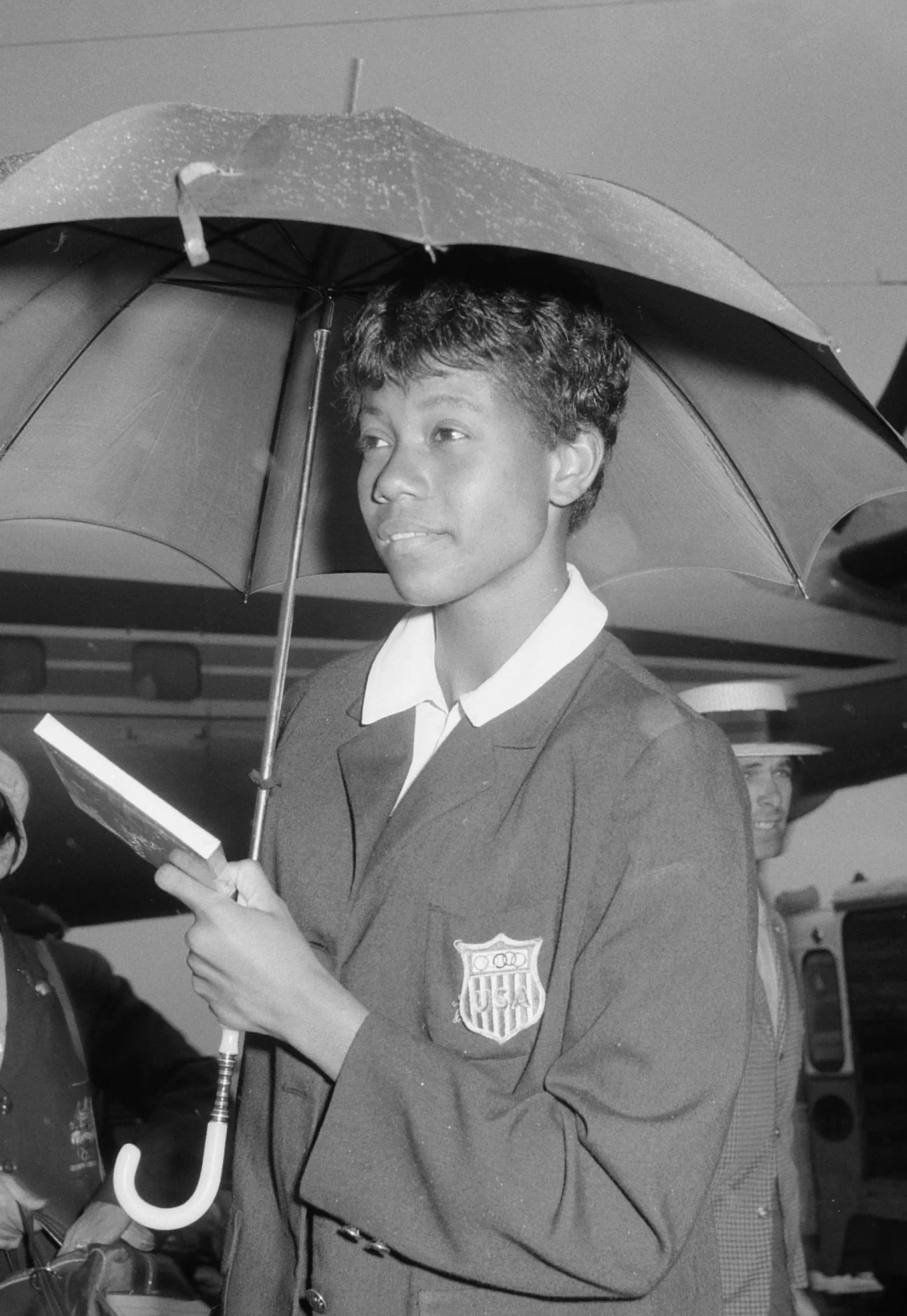
Wilma Rudolph's Path from Illness to Olympic Gold
Wilma Rudolph had polio and scarlet fever as a child. Polio left her left leg weak and partly paralyzed, and she wore a metal leg brace. Her family massaged her leg several times a day, and her mother took her to Nashville for weekly treatment. She was walking without the brace by about age twelve, and she went on to win three Olympic gold medals in track and field at the 1960 Rome Games.
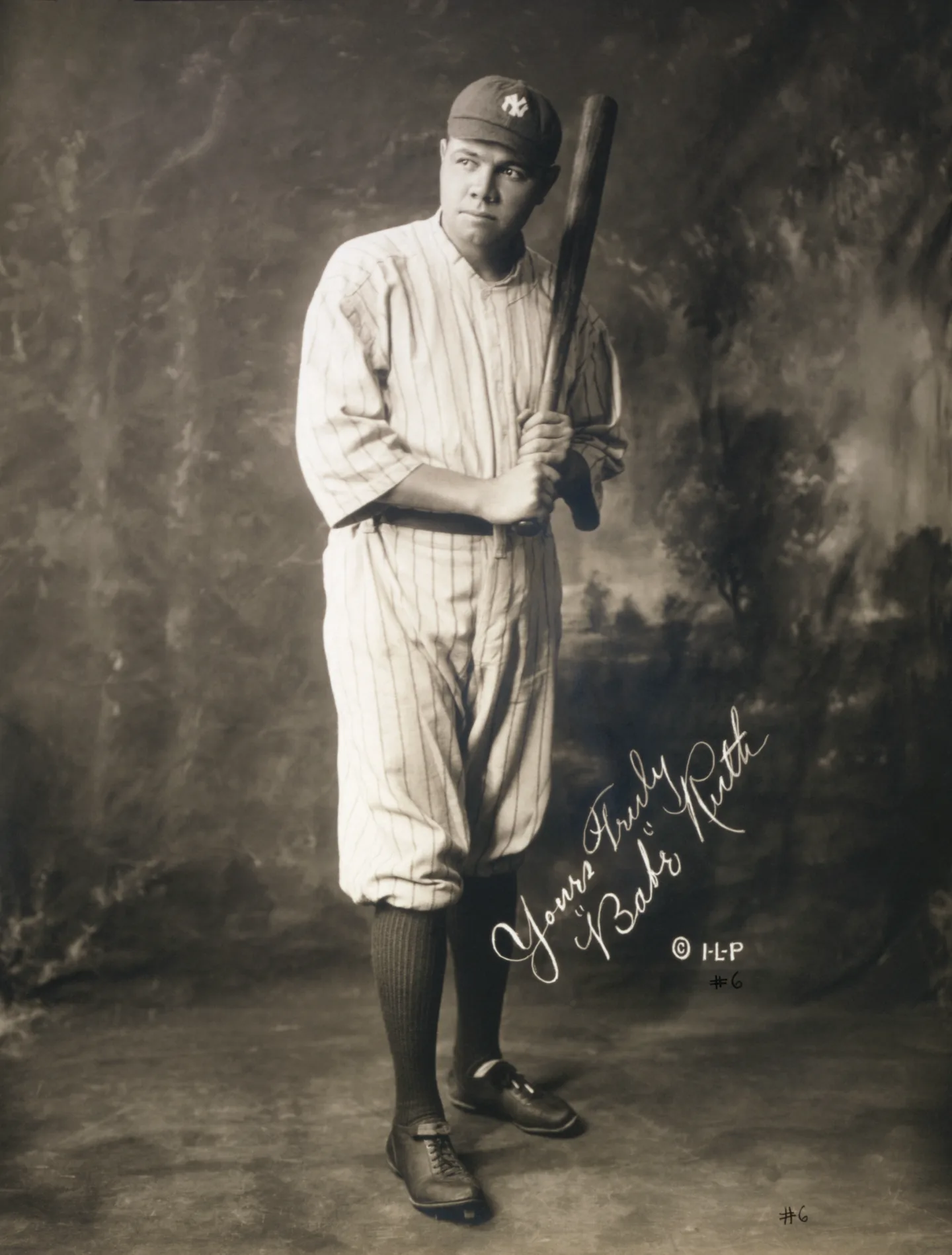
Babe Ruth: Embracing Strikeouts as the Cost of Power
Babe Ruth held the major league record for career home runs for decades — and simultaneously held the record for career strikeouts. Rather than seeing this as a flaw, Ruth maintained a growth-mindset composure about it, treating strikeouts as the necessary statistical cost of swinging with maximum power.
Process Over Outcome: How Champions Practice and Self-Evaluate
Growth-mindset champions treat daily practice as the joyful core craft of self-mastery, not a humiliating chore reserved for the untalented. That same orientation shapes how they judge their own performance afterward: rather than fixating on the scoreboard, they evaluate themselves by whether they prepared completely, executed the fundamentals, and gave their absolute best effort.
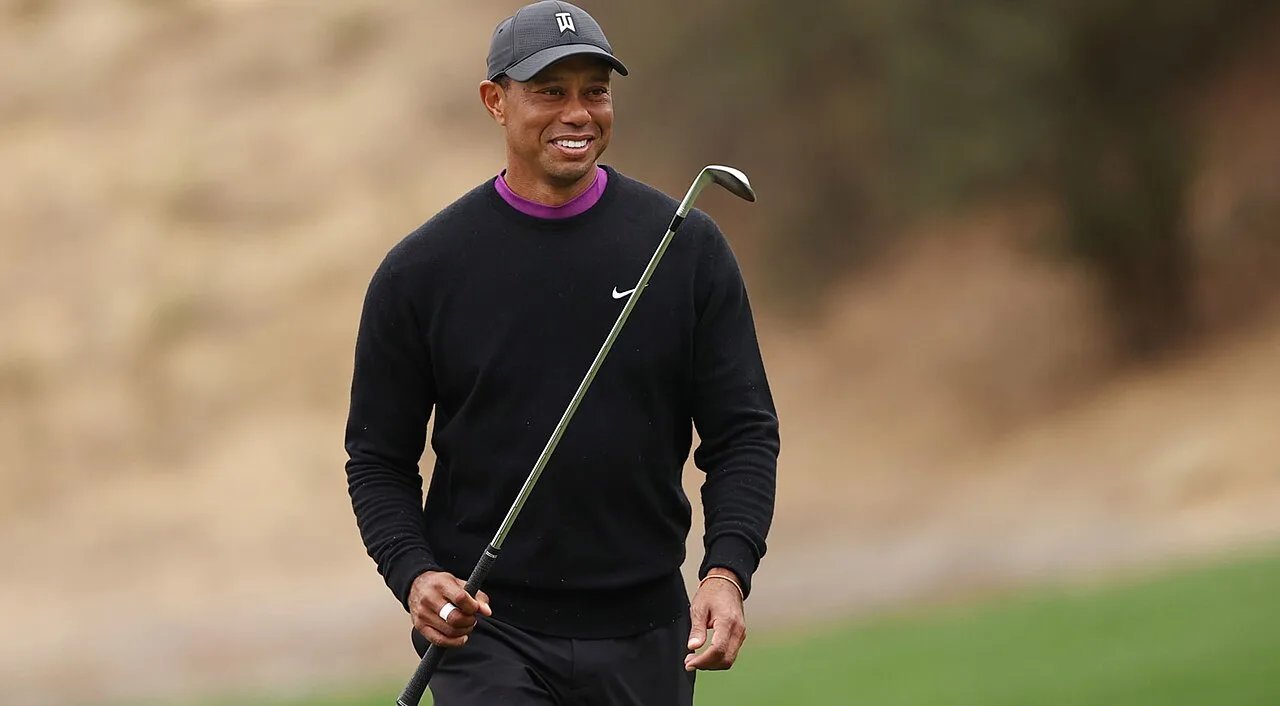
Tiger Woods Rebuilt His Swing at the Top
While ranked world number one and already a major champion, Tiger Woods identified mechanical inconsistencies in his golf swing that risked long-term strain and inaccuracy, and dismantled it completely from scratch, twice, despite heavy media criticism. He endured short-term tournament slumps while ingraining the new mechanics, in pursuit of longevity at the top of the sport.
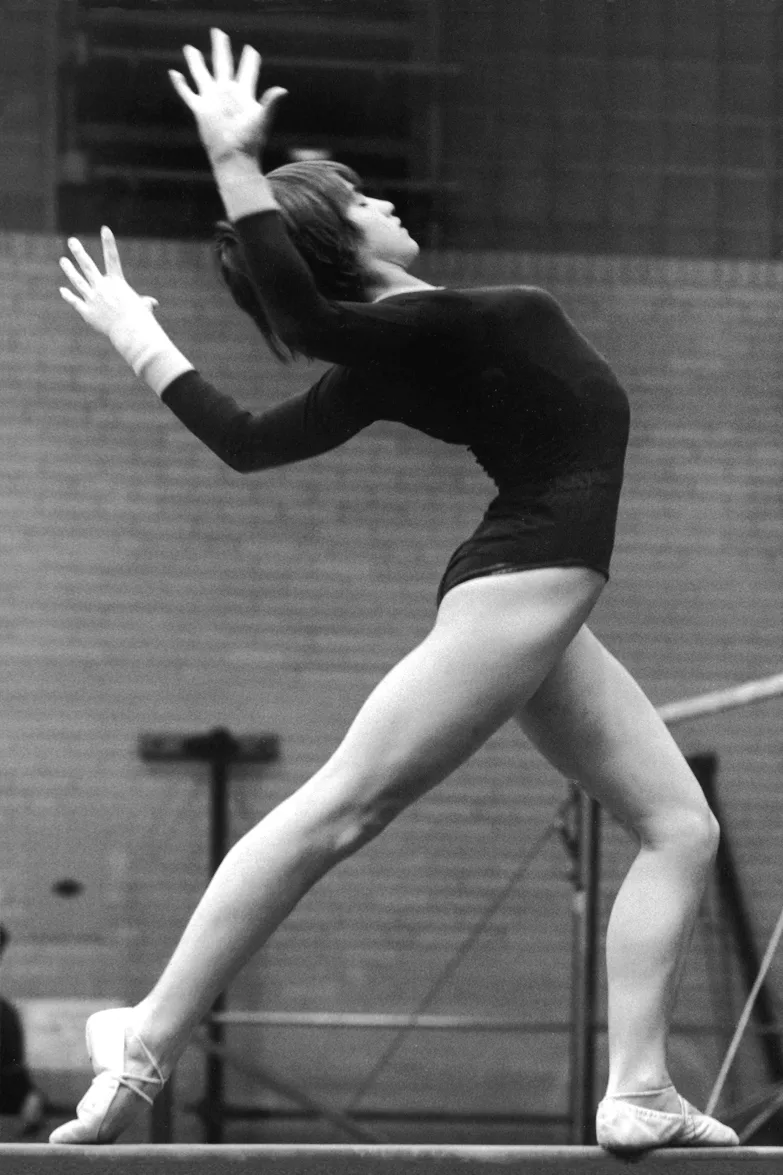
Nadia Comaneci's Perfect 10 Was Built, Not Born
Romanian gymnast Nadia Comaneci scored the first perfect 10.0 in modern Olympic history, on the uneven bars at the 1976 Montreal Games, and observers rushed to call her an effortless natural. In reality, coach Béla Károlyi picked her for his gymnastics school at age six, and she trained under him for years, drilling her routines day after day until they were automatic.

Jackie Joyner-Kersee's Love of the Daily Process
Heptathlon champion Jackie Joyner-Kersee, named the greatest female athlete of the 20th century, attributed her dominance across seven grueling track-and-field events to one thing: falling in love with the daily process of conditioning and technical refinement, rather than fixating on scores or medals.
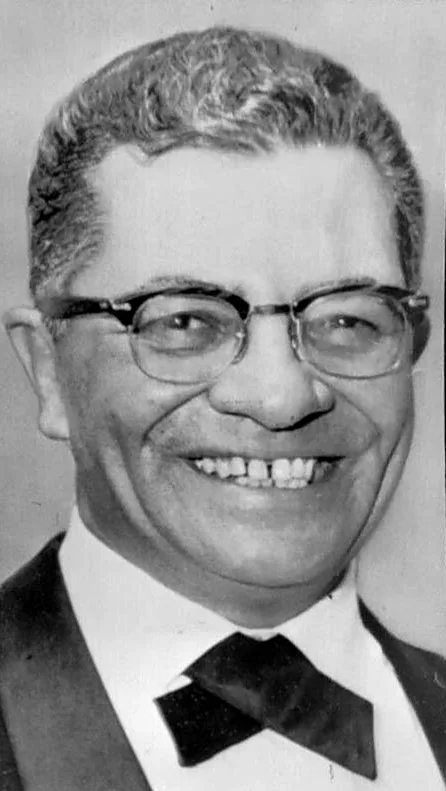
Vince Lombardi: Winning as an All-the-Time Habit
Legendary NFL coach Vince Lombardi taught that winning is not a sporadic event that happens on game day, but the continuous habit of total preparation carried out every single day. To Lombardi, championship performance is what naturally results from complete preparation, not something separately chased on the scoreboard.
Fixed vs. Growth Mindset on the Tennis Court
Tennis champion John McEnroe had extraordinary natural talent but a fixed mindset that left him defenseless against adversity: whenever he fell behind or made an error, he launched into tirades blaming line judges, crowd noise, or racket tension, insulating his ego from acknowledging real gaps in conditioning or tactics. Pete Sampras and Björn Borg responded to the same kind of bad calls and errors with silent composure instead, diagnosing their own stroke mechanics and making tactical adjustments under pressure.

Billy Beane and the Moneyball Mindset Shift
Billy Beane was once hailed as a can't-miss baseball prospect, but his own fixed mindset made every strikeout feel like proof of failure, and his playing career unraveled. As general manager of the Oakland Athletics, Beane channeled that lesson into recruiting for mindset rather than raw talent, and his Moneyball approach drafted players for on-base discipline and proven performance rather than flashy raw physique.
Coaching Errors as Teachable Moments
A growth-mindset coach treats an in-game mistake as a teachable moment for strategic and technical adjustment, without destroying the player's confidence. A fixed-mindset coach instead berates players publicly and benches them to instill fear, creating a tense culture where athletes become afraid to make any mistake at all.
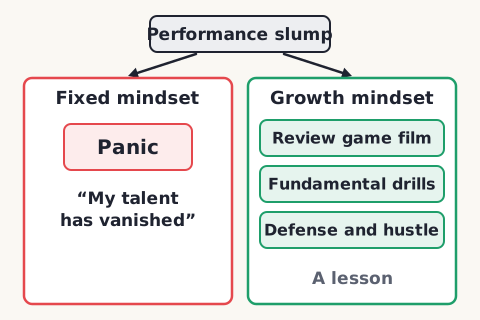
Handling a Performance Slump: Panic vs. Recovery
A fixed-mindset athlete in a slump panics, interpreting the dip as proof that their talent has permanently vanished. A growth-mindset athlete instead treats the slump as a lesson: reviewing game film, returning to fundamental drills, and contributing to the team through defense and hustle.
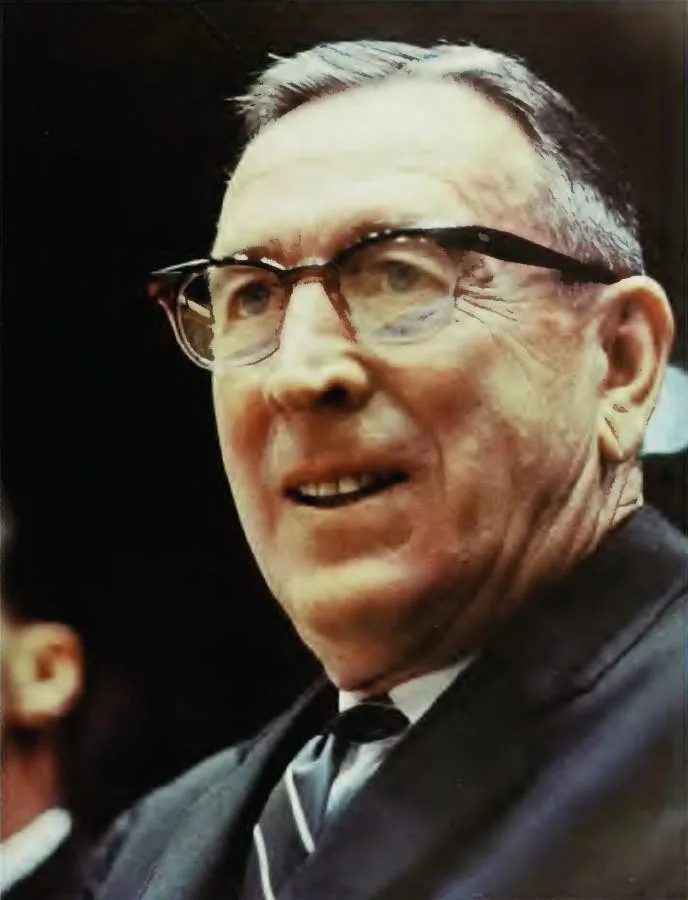
John Wooden Never Talked About Winning
Legendary UCLA coach John Wooden never discussed beating rivals or winning championships with his players. Instead he focused his team entirely on flawless execution of fundamentals, conditioning, and character — famously spending his first practice of every season teaching players how to properly put on their socks and lace their shoes to prevent blisters.
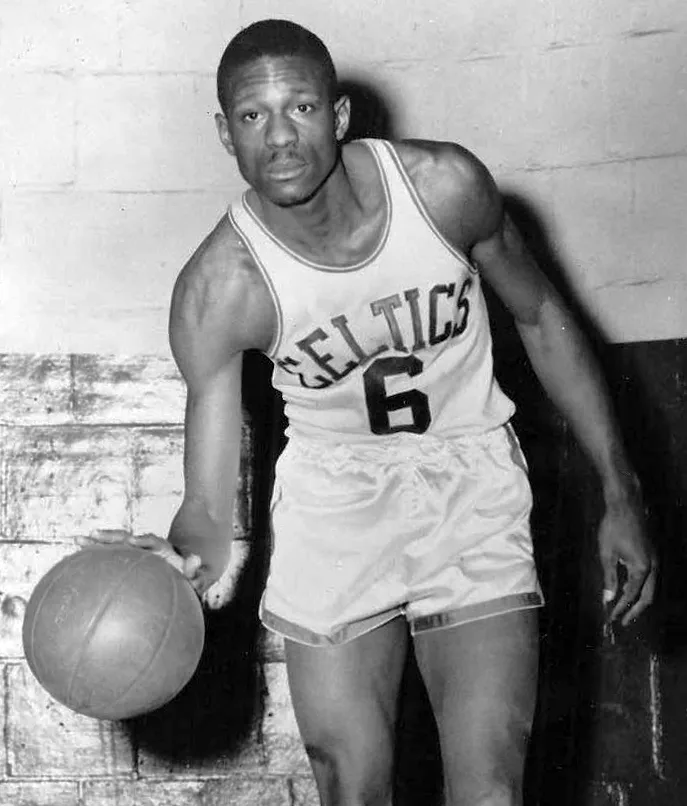
Team-First Leadership vs. Star-Ball Stagnation
Bill Russell led the Boston Celtics to 11 NBA championships in 13 seasons not by dominating the scoring charts, but by studying teammates' and opponents' tendencies and tailoring his defense and passing to make everyone around him better. Fixed-mindset stars take the opposite approach, demanding that the entire offense revolve around their own scoring — a pattern that poisons locker-room chemistry and leads to what the pack calls star-ball stagnation.
Matched pairs
Each item on the left goes with the one on the right.
- Babe Ruth's Growth Mindset at the Plate
- Held the record for most career home runs while embracing strikeouts as the necessary cost of swinging for power
- Michael Jordan's Training Regimen
- Built his jump shot and post-up footwork through years of grueling off-season training
- John McEnroe's Reaction to Adversity
- Blamed officials, weather, and equipment to protect ego rather than adjusting mechanics or stamina
- Pete Sampras and Björn Borg's Response to Defeat
- Maintained silent composure during bad calls, analyzed stroke mechanics, and made tactical adjustments under pressure
Step by step
Tiger Woods Golf Swing Reconstruction Protocol
- Achieve number one world ranking and major championship victories with existing swing
- Identify mechanical inconsistencies that risk long-term physical strain and inaccuracy
- Dismantle swing mechanics completely from scratch despite criticism from sports media
- Endure short-term tournament slumps while ingraining new biomechanics to achieve historic dominance
Self-test
Answer each question from memory, then check your work against the answer key.
1. What core philosophy regarding championship performance was established by legendary NFL coach Vince Lombardi?
- AThat championship winning is an unpredictable accident governed entirely by lucky officiating calls on game day
- BThat starting quarterbacks should be excused from team film review sessions to protect their self-confidence
- CThat winning is not a sometime thing, but an all-the-time thing rooted in the continuous habit of total preparation
- DThat head coaches should never teach fundamental blocking or tackling mechanics to professional players
2. Why does being crowned a natural prodigy at a young age create acute athletic vulnerability later in life?
- ABecause early physical maturation lets prodigies out-perform peers who catch up again later
- BBecause prodigies are often fast-tracked past the foundational drills that other athletes complete
- CBecause sponsorship contracts often require prodigies to guarantee a certain win rate every season
- DBecause the first serious competitive defeat shatters their fragile identity since they never developed grit
3. As a high school sophomore, what happened to Michael Jordan that fueled his work ethic?
- ABenched for poor grades
- BDid not make the varsity team
- CTransferred to a rival high school
- DLost his place in the starting lineup after an injury
4. According to this lesson, how did Muhammad Ali beat physically stronger opponents like Sonny Liston and George Foreman?
- AMental preparation, tactical study, and footwork
- BOut-hitting them with superior knockout power
- CRelying on natural talent without training
- DTrading punches toe-to-toe from the opening bell
5. In this lesson, assuming natural gifts excuse an athlete from conditioning and practice is called the ___.
- AHot-Hand Fallacy
- BPerformance Slump
- CMoneyball Movement
- DTalent Entitlement Trap
6. What setback did Michael Jordan turn into fuel for his relentless practice habits?
- ANot making his high school varsity team
- BFailing his first professional tryout
- CBeing benched during his rookie NBA season
- DLosing his college scholarship offer
7. According to this lesson, how did Michael Jordan build his jump shot and post-up footwork?
- ABy relying on the natural shooting talent he was born with
- BBy putting in years of grueling off-season training
- CMostly by playing more regular-season minutes
- DBy avoiding his weaker skills and leaning on his dunking
8. How does an athlete with a fixed mindset typically react when entering a performance slump?
- AThey request reassignment to the defensive practice squad to refine their footwork fundamentals
- BThey organize extra team conditioning sessions to build cardiovascular endurance with teammates
- CThey experience catastrophic panic, interpreting the slump as proof that their innate talent has permanently vanished
- DThey systematically isolate biomechanical flaws using high-speed video recording software
9. According to John Wooden, success is defined as what?
- ASatisfaction from being named MVP
- BConfidence from beating rivals
- CPeace of mind from total effort
- DPride in outscoring opponents
10. Which did John Wooden NOT emphasize with his UCLA players?
- AFlawless execution of fundamentals
- BCharacter development
- CProper conditioning drills
- DBeating rival teams
11. What did John McEnroe typically blame when he fell behind or erred?
- AThe state of his own conditioning
- BThe line judges and the crowd noise
- CThe superior natural talent of his opponents
- DThe training plan his coach set
12. According to this lesson, how does a growth-mindset athlete respond to a shooting slump?
- AReviewing game film and returning to fundamental drills
- BAbandoning fundamentals to try a brand-new style of play
- CWaiting out the slump without changing the routine
- DTaking more shots to force a way out of it
13. How did champions like Pete Sampras and Bjorn Borg typically respond to bad calls or unforced errors?
- AWith silent composure while adjusting tactics
- BBy smashing equipment to release frustration
- CBy blaming officials and demanding replays
- DBy calling immediate timeouts to argue calls
14. What constructive step did composed champions take after an unforced error, unlike McEnroe's blame-driven outbursts?
- AThey publicly criticized their own equipment
- BThey demanded a rules review from officials
- CThey diagnosed stroke mechanics and adjusted
- DThey requested a substitute to finish the set
Go deeper
- ListenLesson 3 episode
- WatchBrace to Gold As a child, she wore a metal leg brace. In 1960, she won three Olympic gold medals.
- WatchSocks First John Wooden's UCLA teams won 10 national titles in 12 seasons. He never talked to his players about winning.
- ReadMindset by Carol S. Dweck · on Amazon ↗
- StudyMindset: The New Psychology of Success in the FlashFeed app
These are affiliate links: if you buy a book through one, FlashFeed may earn a small commission at no extra cost to you. The commission helps pay for FlashFeed's servers.
As an Amazon Associate we earn from qualifying purchases.
Answer key
- 1. C That winning is not a sometime thing, but an all-the-time thing rooted in the continuous habit of total preparationLombardi established that winning is an all-the-time habit built upon relentless daily preparation and operational excellence.
- 2. D Because the first serious competitive defeat shatters their fragile identity since they never developed gritEarly praise for natural talent leaves young athletes emotionally defenseless when facing equal or superior competition later.
- 3. B Did not make the varsity teamJordan did not make varsity as a sophomore (he is often said to have been cut; he was placed on junior varsity), and it became fuel for his relentless practice habits, not proof of effortless talent.
- 4. A Mental preparation, tactical study, and footworkAli was seen as an underdog against harder-hitting heavyweights; the lesson credits his mental preparation, tactical study of opponents, and unconventional footwork.
- 5. D Talent Entitlement TrapThis lesson calls it the Talent Entitlement Trap: athletes assume natural gifts excuse them from fundamental conditioning and practice.
- 6. A Not making his high school varsity teamAs a sophomore at Laney High School, Jordan did not make the varsity team (he is often said to have been cut; he was placed on junior varsity) and used the disappointment to fuel an unmatched work ethic.
- 7. B By putting in years of grueling off-season trainingThe lesson says Jordan was not yet a polished outside shooter when he turned professional; he built his jump shot and post-up footwork through years of grueling off-season training.
- 8. C They experience catastrophic panic, interpreting the slump as proof that their innate talent has permanently vanishedFixed mindset athletes treat a standard performance slump as a catastrophic loss of talent, causing muscle tension and panic.
- 9. C Peace of mind from total effortWooden defined success as inner peace of mind from knowing you gave full effort toward your potential, not external markers like rivalries or awards.
- 10. D Beating rival teamsWooden never discussed beating rivals; he focused entirely on fundamentals, conditioning, and character.
- 11. B The line judges and the crowd noiseLine judges, crowd noise, and equipment were McEnroe's targets, showing how he deflected blame from his own preparation.
- 12. A Reviewing game film and returning to fundamental drillsA growth-mindset athlete treats a slump as a lesson: reviewing game film, returning to fundamental drills, and contributing through defense and hustle.
- 13. A With silent composure while adjusting tacticsSampras and Borg responded to bad calls with silent composure, diagnosing mechanics and adjusting tactics under pressure.
- 14. C They diagnosed stroke mechanics and adjustedRather than blaming outside factors, composed champions diagnosed their stroke mechanics and made tactical adjustments.
Sources
- Mindset: The New Psychology of Success — Carol S. Dweck
- Carol S. Dweck, Mindset, Chapter 4: Sports: The Mindset of a Champion
- Carol S. Dweck, Mindset, Chapter 4: Sports: The Mindset of a Champion — www.penguinrandomhouse.com/books/44337/mindset-by-carol-s-dweck-phd/
- Wilma Rudolph (Wikipedia) — en.wikipedia.org/wiki/Wilma_Rudolph
- Carol S. Dweck, Mindset, Chapter 4: Sports: The Mindset of a Champion — www.penguinrandomhouse.com/books/44330/mindset-by-carol-s-dweck-phd/
- Nadia Comăneci (Wikipedia); the talent-versus-practice framing is this lesson’s synthesis; Nadia Comăneci (Wikipedia) — en.wikipedia.org/wiki/Nadia_Com%C4%83neci
- Carol S. Dweck, Mindset, Chapter 4: Sports: The Mindset of a Champion (the slump routine is this lesson’s synthesis)
Image credits
- Debunking the Myth of the Natural Athlete: Joshua Massel. Cropped by en:User:Quadzilla99 · CC BY-SA 2.0 — commons.wikimedia.org/wiki/File:Michael_Jordan.jpg
- Muhammad Ali: Winning Through Preparation, Not Just Power: Wikimedia Commons · Ira Rosenberg · Public domain — commons.wikimedia.org/wiki/File:Muhammad_Ali_NYWTS.jpg
- Wilma Rudolph's Path from Illness to Olympic Gold: Wikimedia Commons · Lindeboom, Henk / Anefo · CC BY-SA 3.0 nl — commons.wikimedia.org/wiki/File:Wilma_Rudolph_1960.jpg
- Babe Ruth: Embracing Strikeouts as the Cost of Power: Wikimedia Commons · Irwin, La Broad, & Pudlin · Public domain — commons.wikimedia.org/wiki/File:Babe_Ruth2.jpg
- Tiger Woods Rebuilt His Swing at the Top: Theflowerbar · CC BY-SA 4.0 — commons.wikimedia.org/wiki/File:Tiger_Woods_.jpg
- Nadia Comaneci's Perfect 10 Was Built, Not Born: Dave Gilbert · CC BY-SA 2.0 — commons.wikimedia.org/wiki/File:Nadia_Comaneci_1977.jpg
- Jackie Joyner-Kersee's Love of the Daily Process: Wikimedia Commons · Erik van Leeuwen · GFDL — commons.wikimedia.org/wiki/File:Jackie_Joyner-Kersee_Eugene_2014.jpg
- Vince Lombardi: Winning as an All-the-Time Habit: Unknown author · Public domain — commons.wikimedia.org/wiki/File:Vince_Lombardi_(1913-1970)_in_1964_Crop.jpg
- Billy Beane and the Moneyball Mindset Shift: Silent Sensei from Santa Cruz, USA · CC BY 2.0 — commons.wikimedia.org/wiki/File:Billy_Beane_1989.jpg
- Handling a Performance Slump: Panic vs. Recovery: FlashFeed original diagram · CC-BY-4.0
- John Wooden Never Talked About Winning: Wikimedia Commons · Associated Students of the University of California at Los Angeles · Public domain — commons.wikimedia.org/wiki/File:John_Wooden.JPG
- Team-First Leadership vs. Star-Ball Stagnation: Wikimedia Commons · Unknown author · Public domain — commons.wikimedia.org/wiki/File:Bill_russell_dribbling_(cropped).jpg


