
U.S. National Parks study guide · Lesson 2 of 27
Lesson 2: The Story of the Parks
Guardians of the Parks · Milestones
This is the lesson's study guide from the FlashFeed app, plus its key facts and a self-test.
What you'll be able to do
- Identify the naturalists, presidents, and administrators who fought to establish the parks.
- Recognize the writers and photographers whose words and images shifted public opinion.
- Recognize the donors, lawmakers, scientists, and soldiers behind the parks.
- Order the early legal milestones of land protection from Hot Springs to the Antiquities Act.
- Identify the modern conservation laws and events, from the Wilderness Act to New River Gorge.
Guardians of the Parks
The national parks did not protect themselves. They exist because a handful of stubborn, visionary people — naturalists, presidents, scientists, photographers, and soldiers — fought for them, often against their own era. Here are the guardians worth knowing.
The First Rangers
Before the National Park Service was born in 1916, who guarded the parks? In Yosemite and Sequoia, the answer was the U.S. Army — and specifically the Buffalo Soldiers, African American cavalry regiments who rode in during the early 1900s. They chased poachers, stopped illegal grazing and logging, built roads and trails, and even planted an arboretum. Captain Charles Young led the Sequoia detachment in 1903 and became the first Black acting superintendent of any national park. For decades their role was nearly forgotten; today they are honored as among the very first park rangers.
Three Nights in Yosemite
In May 1903, John Muir — the Scottish-born "Father of the National Parks," founder of the Sierra Club (1892) — slipped President Theodore Roosevelt away from his official entourage for three nights of backcountry camping. Just the two of them and a few packers slept beneath the giant sequoias and woke under fresh snow at Glacier Point. Roosevelt, the "Conservation President," came away resolved to expand federal protection. Over his presidency he signed the Antiquities Act of 1906, proclaimed 18 national monuments, and safeguarded some 230 million acres. It remains the most consequential camping trip in American history.
The builders and the scientists
Vision needs administrators. Stephen Mather, a borax millionaire, became the first NPS Director (1917–1929), professionalizing the parks and paying ranger salaries from his own pocket. George Bird Grinnell, editor of Forest and Stream, founded the first Audubon Society (1886) and championed Glacier National Park. Geologist Ferdinand Hayden led the 1871 survey of Yellowstone; his report — illustrated by painter Thomas Moran and photographer William Henry Jackson — gave Congress the visual proof that birthed the world's first national park in 1872.
The voices that changed minds
Some guardians wielded words and images. Rachel Carson's Silent Spring (1962) launched the modern environmental movement and the DDT ban that brought back bald eagles and peregrine falcons. Aldo Leopold gave us the "land ethic" in A Sand County Almanac (1949), recanting his youthful war on wolves after watching "the green fire" fade in a dying wolf's eyes. Marjory Stoneman Douglas reframed the Everglades as a "River of Grass" (1947). Ansel Adams made Yosemite immortal in black and white.
The givers and the lawmakers
John D. Rockefeller Jr. quietly bought and donated land for Grand Teton, Acadia, Great Smoky Mountains, and more — his gifts doubled Grand Teton. And Jimmy Carter, signing ANILCA in 1980, more than doubled the entire park system in a single act of the pen.
Milestones
The American idea of protecting wild land for everyone unfolded over nearly two centuries, in fits and leaps. Trace the arc and the parks stop being a list of places and become a story.
The day the parks doubled
The single largest leap came on December 2, 1980, when President Jimmy Carter signed the Alaska National Interest Lands Conservation Act, or ANILCA. In one stroke it created or expanded a constellation of Alaskan parks — Gates of the Arctic, Kobuk Valley, Lake Clark, Wrangell–St. Elias, Kenai Fjords — and added vast acreage to Katmai, Glacier Bay, and Denali. The act more than doubled the acreage of the entire National Park System, the biggest expansion of protected land in American history. It is why so much of Alaska is, in effect, one enormous park.
The wolves come home
In 1995 and 1996, gray wolves were trucked down from Canada and released into Yellowstone after roughly 70 years of absence. What happened next is now textbook ecology: a trophic cascade. Wolves thinned and reshaped the elk herds; relieved of constant browsing, willows and aspen rebounded along the streams; beavers and songbirds returned; stabilized banks even changed how rivers ran. The return of one predator rippled outward through the whole ecosystem — proof that a park is a living web, not a postcard.
The long climb to protection
Before either of those, a slow climb. In 1832 Congress reserved Hot Springs, Arkansas to protect its thermal waters — an early instance of the federal government holding land for the public. In 1864, mid–Civil War, Lincoln signed the Yosemite Grant Act, the first time scenic land was protected for the people's use. Then in 1872 came the keystone: Yellowstone, the world's first national park.
But for 44 years there was no agency to run the growing system — which is why the Army administered the early parks. The Antiquities Act of 1906 let presidents proclaim national monuments on the spot, and the Organic Act of 1916 finally created the National Park Service, charged to keep the parks "unimpaired for the enjoyment of future generations."
The legal backbone
The modern era added the laws that gave parks teeth. The Wilderness Act of 1964 created the National Wilderness Preservation System, locking the wildest backcountry away from roads and machines. The Endangered Species Act of 1973 became the legal backbone for restoring wolves, grizzlies, and condors — the very recoveries visitors now celebrate. And the timeline keeps growing: in 2020, New River Gorge in West Virginia became the 63rd national park, and in October 2026 Chiricahua in Arizona became the 64th — the newest chapter in a two-century story still being written.
Key concepts
John Muir
- A Scottish-born naturalist and writer often called the Father of the National Parks
- He founded the Sierra Club in 1892 and served as its first president until his death
- He camped with President Theodore Roosevelt at Yosemite in 1903, a trip that shaped federal conservation policy
Theodore Roosevelt
- The 26th U.S. President, remembered as the Conservation President
- He signed the Antiquities Act of 1906 and used it to proclaim 18 national monuments, including Devils Tower
- During his presidency he protected roughly 230 million acres of public land through parks, forests, monuments, and bird reserves
Stephen Mather
- A wealthy borax businessman who turned his fortune toward the parks
- He became the first Director of the National Park Service, serving from 1917 to 1929
- He professionalized the parks and even funded ranger salaries from his own pocket; plaques honor him with the words, There will never come an end to the good that he has done
George Bird Grinnell
- A naturalist and editor of the magazine Forest and Stream
- He founded the first Audubon Society in 1886 and was an early voice against the slaughter of the Plains bison
- He championed Glacier National Park, where a famous glacier is named in his honor
Ferdinand Hayden
- A geologist who led a famous 1871 government survey of a thermal wonderland
- His report was illustrated by painter Thomas Moran and photographer William Henry Jackson
- Their images persuaded Congress to establish the world's first national park in 1872
Rachel Carson
- A marine biologist and nature writer of the mid-20th century
- Her 1962 book Silent Spring catalyzed the modern environmental movement and the banning of DDT
- Her work is tied to the recovery of bald eagles, brown pelicans, and peregrine falcons now seen in many parks
Aldo Leopold
- A forester and ecologist who originated the idea of a land ethic
- He wrote A Sand County Almanac, published in 1949
- He recanted his early support for wolf eradication after watching the green fire die in a dying wolf's eyes
Marjory Stoneman Douglas
- A journalist and activist who campaigned for a vast subtropical wetland into her 100s
- Her 1947 book River of Grass reframed a so-called worthless swamp as a vital flowing ecosystem
- The national park she defended, Everglades, was dedicated the very same year her book appeared
Ansel Adams
- A 20th-century photographer whose work became synonymous with the national park ideal
- His black-and-white images of Yosemite and the Sierra bolstered the conservation movement
- A Sierra wilderness area now bears his name
John D. Rockefeller Jr.
- A philanthropist who quietly bought and donated land for many national parks
- His gifts shaped Grand Teton, Acadia, Great Smoky Mountains, Shenandoah, and Virgin Islands
- He funded the carriage roads of Acadia and donated land that doubled Grand Teton
Jimmy Carter
- A U.S. president from the late 1970s
- He signed the Alaska National Interest Lands Conservation Act of 1980
- That single act created or expanded vast Alaskan parklands and more than doubled the size of the entire National Park System
Captain Charles Young
- A U.S. Army officer who led troops patrolling parks before the Park Service existed
- He served with the Buffalo Soldiers, African American regiments among the first park rangers
- In 1903 he became the first Black acting superintendent of a national park, at Sequoia
Key facts
The First Rangers
Long before the National Park Service existed, the Buffalo Soldiers — African American U.S. Army regiments — served as some of the first park rangers in Yosemite and Sequoia in the early 1900s. They patrolled against poachers and illegal grazing, built trails and roads, and even constructed an arboretum. Captain Charles Young led them at Sequoia in 1903, becoming the first Black acting superintendent of a national park.
Three Nights in Yosemite
In May 1903, John Muir guided President Theodore Roosevelt away from his official tour to camp three nights in the Yosemite backcountry — just the two of them and a few packers. They slept under the sequoias and woke beneath snow at Glacier Point. The trip helped convince Roosevelt to expand federal protection of Yosemite, and it became the most famous camping trip in American conservation history.
The Green Fire
Aldo Leopold watched 'the green fire' fade from a dying wolf's eyes and renounced his youthful war on wolves, articulating the 'land ethic' in his 1949 book A Sand County Almanac.
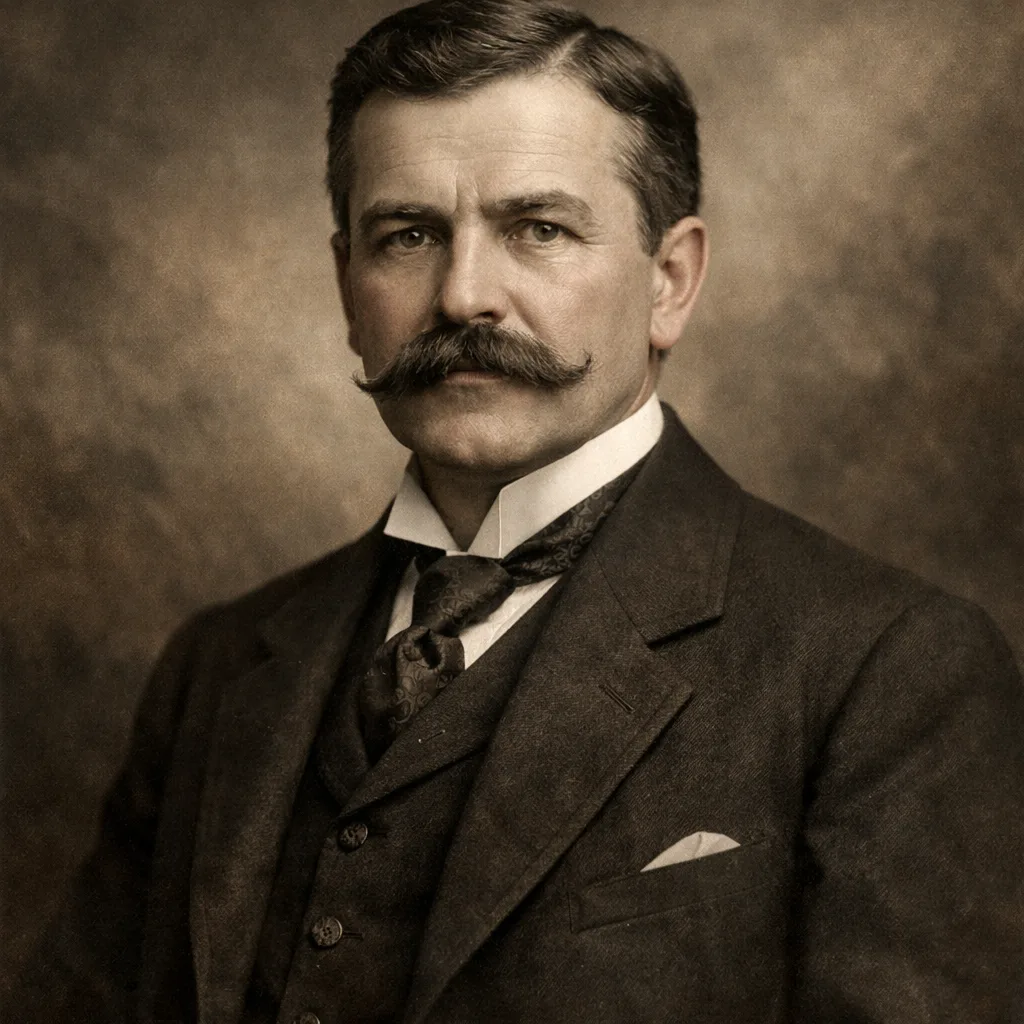
Forest and Stream's Editor
George Bird Grinnell edited the magazine Forest and Stream, founded the first Audubon Society in 1886, and championed the creation of Glacier National Park.
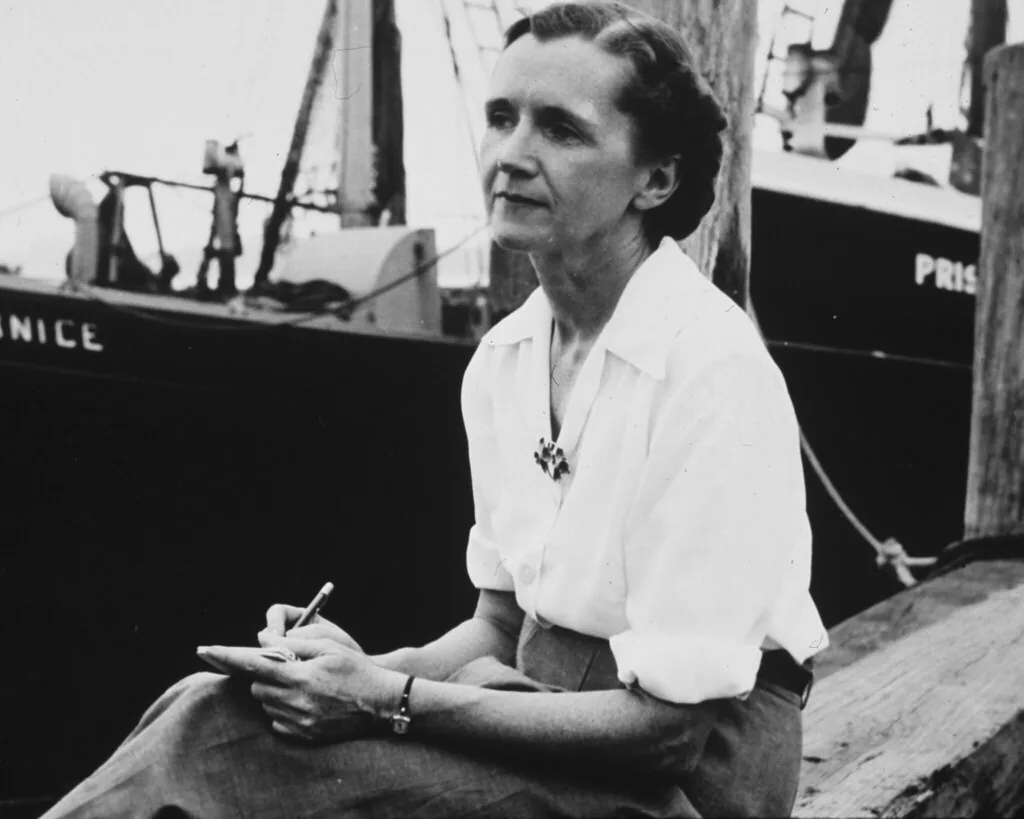
Silent Spring, 1962
Rachel Carson's 1962 book Silent Spring launched the modern environmental movement and directly led to the banning of the pesticide DDT.
The Wolves Come Home
In 1995 and 1996, gray wolves were trucked from Canada and released into Yellowstone after roughly 70 years of absence. What followed became a textbook case of a trophic cascade: wolves thinned and moved the elk herds, willows and aspen recovered along streams, beavers and songbirds returned, and even riverbanks stabilized. The return of a single predator rippled through an entire ecosystem.
Off Limits Forever
The Wilderness Act of 1964 created the National Wilderness Preservation System, closing the wildest backcountry areas to roads and machines for good.

Before Yellowstone
In 1832, decades before Yellowstone existed, Congress reserved Hot Springs, Arkansas as a federal reservation to protect its thermal waters — an early instance of the government holding land for the public.
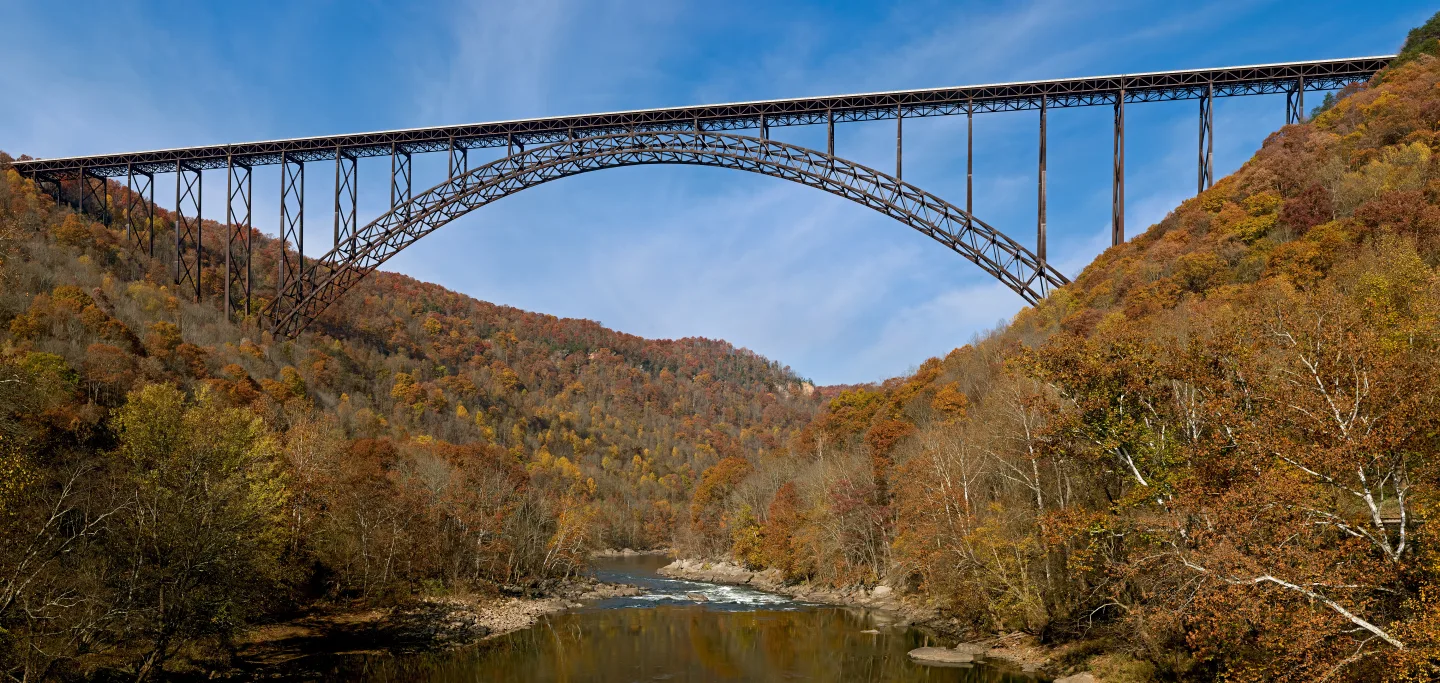
The 63rd National Park
New River Gorge in West Virginia became the National Park System's 63rd national park in 2020 — West Virginia's first.
By the numbers
- In what year did Congress first set aside Hot Springs, Arkansas as a federal reservation to protect its thermal waters?
- 1832 year
- In what year did President Lincoln sign the Yosemite Grant Act, protecting scenic land for the people for the first time?
- 1864 year
- In what year was the Antiquities Act passed, giving presidents the power to proclaim national monuments?
- 1906 year
- In what year did the Wilderness Act create the National Wilderness Preservation System?
- 1964 year
- In what year did the Endangered Species Act become law, the legal backbone for restoring wolves, grizzlies, and condors?
- 1973 year
- In what year was ANILCA signed, doubling the National Park System's acreage with vast Alaskan parklands?
- 1980 year
- In what year did gray wolves return to Yellowstone after a roughly 70-year absence?
- 1995 year
- In what year did New River Gorge become the 63rd national park, West Virginia's first?
- 2020 year
Step by step
Place the great milestones of American park protection in chronological order, from the first reservation to the 63rd park
- 1832 — Congress reserves Hot Springs, Arkansas to protect its thermal waters, an early act of federal land protection
- 1864 — Lincoln signs the Yosemite Grant Act, protecting scenic land for the people for the first time
- 1872 — Yellowstone is established as the world's first national park
- 1906 — The Antiquities Act lets presidents proclaim national monuments
- 1916 — The Organic Act creates the National Park Service to manage the growing system
- 1964 — The Wilderness Act creates the National Wilderness Preservation System
- 1973 — The Endangered Species Act becomes the legal backbone for restoring park wildlife
- 1980 — ANILCA doubles the park system with vast Alaskan parklands
- 1995 — Gray wolves are reintroduced to Yellowstone after a 70-year absence
- 2020 — New River Gorge becomes the 63rd national park
The 44-year gap between Yellowstone (1872) and the Park Service (1916) meant the U.S. Army administered the early parks.
Self-test
Answer each question from memory, then check your work against the answer key.
1. Who founded the Sierra Club in 1892 and is called the 'Father of the National Parks'?
- AStephen Mather
- BJohn Muir
- CTheodore Roosevelt
- DGeorge Bird Grinnell
2. Which president camped three nights in the Yosemite backcountry with John Muir in May 1903 and later signed the Antiquities Act?
- AFranklin Roosevelt
- BAbraham Lincoln
- CJimmy Carter
- DTheodore Roosevelt
3. Who became the first Director of the National Park Service in 1917, even paying ranger salaries from his own pocket?
- AStephen Mather
- BFerdinand Hayden
- CGeorge Bird Grinnell
- DJohn D. Rockefeller Jr.
4. Who edited Forest and Stream, founded the first Audubon Society in 1886, and championed Glacier National Park?
- AJohn Muir
- BStephen Mather
- CGeorge Bird Grinnell
- DAldo Leopold
5. Which was NOT one of Theodore Roosevelt's conservation achievements during his presidency?
- ASigning the Antiquities Act of 1906
- BFounding the National Park Service
- CSafeguarding some 230 million acres
- DProclaiming 18 national monuments
6. Whose 1949 book A Sand County Almanac introduced the 'land ethic,' written after he watched 'the green fire' fade from a dying wolf's eyes?
- AAldo Leopold
- BRachel Carson
- CMarjory Stoneman Douglas
- DJohn Muir
7. Whose 1962 book Silent Spring launched the modern environmental movement and led to the DDT ban?
- AAldo Leopold
- BMarjory Stoneman Douglas
- CRachel Carson
- DAnsel Adams
8. Who reframed the Everglades as a 'River of Grass' in her 1947 book?
- ARachel Carson
- BJohn Muir
- CAldo Leopold
- DMarjory Stoneman Douglas
9. Which photographer made Yosemite immortal in black-and-white images?
- AWilliam Henry Jackson
- BThomas Moran
- CGeorge Bird Grinnell
- DAnsel Adams
10. Which writer-and-work pairing is correct?
- AMarjory Stoneman Douglas — 'River of Grass'
- BRachel Carson — 'A Sand County Almanac'
- CJohn Muir — 'River of Grass'
- DAldo Leopold — 'Silent Spring'
11. Who quietly bought and donated land for Grand Teton, Acadia, and Great Smoky Mountains, doubling Grand Teton?
- AJimmy Carter
- BJohn D. Rockefeller Jr.
- CGeorge Bird Grinnell
- DStephen Mather
12. Which president more than doubled the entire park system in 1980 by signing ANILCA?
- ATheodore Roosevelt
- BFranklin Roosevelt
- CJimmy Carter
- DAbraham Lincoln
13. Which geologist led the 1871 survey of Yellowstone that gave Congress the proof to create the first national park?
- AFerdinand Hayden
- BJohn Muir
- CStephen Mather
- DGeorge Bird Grinnell
14. Who led the Buffalo Soldiers' Sequoia detachment in 1903 and became the first Black acting superintendent of a national park?
- AFerdinand Hayden
- BCaptain Charles Young
- CStephen Mather
- DGeorge Bird Grinnell
15. Before the National Park Service existed, which group served as some of the first rangers in Yosemite and Sequoia?
- AThe Civilian Conservation Corps
- BThe Sierra Club
- CThe Audubon Society
- DThe Buffalo Soldiers
16. In what year did Congress reserve Hot Springs, Arkansas as a federal reservation to protect its thermal waters?
- A1872
- B1906
- C1832
- D1864
17. In what year did Lincoln sign the Yosemite Grant Act, the first time scenic land was protected for the people's use?
- A1916
- B1864
- C1872
- D1832
18. In what year was the Antiquities Act passed, letting presidents proclaim national monuments on the spot?
- A1872
- B1916
- C1906
- D1864
19. Which sequence correctly orders these milestones from earliest to latest?
- AHot Springs reservation → Antiquities Act → Yosemite Grant Act
- BYosemite Grant Act → Hot Springs reservation → Antiquities Act
- CAntiquities Act → Hot Springs reservation → Yosemite Grant Act
- DHot Springs reservation → Yosemite Grant Act → Antiquities Act
20. Which of these federal land-protection milestones came first?
- AThe Hot Springs reservation
- BYellowstone national park
- CThe Antiquities Act
- DThe Yosemite Grant Act
21. What did the Wilderness Act of 1964 accomplish?
- AMore than doubled the park system with new Alaskan parklands
- BGave presidents the power to proclaim national monuments
- CCreated the National Wilderness Preservation System, closing the wildest backcountry to roads and machines
- DCreated the National Park Service to run the parks
22. Which 1973 law became the legal backbone for restoring wolves, grizzlies, and condors?
- AThe Wilderness Act
- BThe Endangered Species Act
- CThe Antiquities Act
- DThe Organic Act
23. Which West Virginia site became the 63rd national park in 2020?
- AKenai Fjords
- BKobuk Valley
- CGates of the Arctic
- DNew River Gorge
24. Which 1980 act more than doubled the entire National Park System with vast Alaskan parklands?
- AANILCA (Alaska National Interest Lands Conservation Act)
- BThe Wilderness Act
- CThe Endangered Species Act
- DThe Organic Act
25. The 1995 return of gray wolves to Yellowstone triggered what textbook ecological phenomenon?
- AAn invasive collapse
- BA keystone extinction
- CA trophic cascade
- DA population bottleneck
Go deeper
- WatchThree Nights in Yosemite In May 1903, John Muir took President Theodore Roosevelt camping in Yosemite, away from his official entourage.
- WatchThe Day the Parks Doubled On December 2, 1980, President Jimmy Carter signed one law: the Alaska National Interest Lands Conservation Act.
- StudyU.S. National Parks in the FlashFeed app
Answer key
- 1. B John MuirThe Scottish-born John Muir founded the Sierra Club in 1892 and earned the title 'Father of the National Parks.' Mather ran the NPS, Grinnell championed Glacier, and Roosevelt was the Conservation President.
- 2. D Theodore RooseveltTheodore Roosevelt, the 'Conservation President,' camped with Muir in 1903 and signed the Antiquities Act of 1906. Lincoln signed the Yosemite Grant Act (1864); Carter signed ANILCA (1980).
- 3. A Stephen MatherBorax millionaire Stephen Mather was the first NPS Director (1917–1929) and professionalized the parks. Grinnell edited Forest and Stream, Hayden was a geologist, and Rockefeller was a donor.
- 4. C George Bird GrinnellGeorge Bird Grinnell edited Forest and Stream, founded the first Audubon Society (1886), and championed Glacier. Mather directed the NPS, Leopold wrote of the 'land ethic,' and Muir founded the Sierra Club.
- 5. B Founding the National Park ServiceThe National Park Service was created by the 1916 Organic Act, after Roosevelt left office; Stephen Mather became its first director. Roosevelt did sign the Antiquities Act, proclaim 18 monuments, and protect ~230 million acres.
- 6. A Aldo LeopoldAldo Leopold recanted his youthful war on wolves and articulated the 'land ethic' in A Sand County Almanac (1949). Carson wrote Silent Spring; Douglas gave us the Everglades' 'River of Grass'; Muir founded the Sierra Club.
- 7. C Rachel CarsonRachel Carson's Silent Spring (1962) launched the modern environmental movement and the DDT ban. Douglas wrote of the Everglades, Leopold gave the 'land ethic,' and Adams was a photographer.
- 8. D Marjory Stoneman DouglasMarjory Stoneman Douglas reframed the Everglades as a 'River of Grass' (1947). Carson wrote Silent Spring, Leopold A Sand County Almanac, and Muir founded the Sierra Club.
- 9. D Ansel AdamsAnsel Adams made Yosemite immortal in black and white. Jackson photographed and Moran painted the 1871 Hayden survey of Yellowstone; Grinnell was an editor and conservationist.
- 10. A Marjory Stoneman Douglas — 'River of Grass'Douglas reframed the Everglades as a 'River of Grass' (1947). A Sand County Almanac was Leopold's, Silent Spring was Carson's, and Muir founded the Sierra Club rather than writing 'River of Grass.'
- 11. B John D. Rockefeller Jr.John D. Rockefeller Jr. bought and donated land for Grand Teton, Acadia, and Great Smoky Mountains; his gifts doubled Grand Teton. Mather directed the NPS, Carter signed ANILCA, and Grinnell championed Glacier.
- 12. C Jimmy CarterJimmy Carter signed ANILCA in 1980, more than doubling the park system in a single act. Roosevelt signed the Antiquities Act, and Lincoln signed the Yosemite Grant Act.
- 13. A Ferdinand HaydenGeologist Ferdinand Hayden led the 1871 Yellowstone survey; his report, illustrated by Moran and Jackson, birthed the first national park in 1872. Mather, Grinnell, and Muir were not survey geologists.
- 14. B Captain Charles YoungCaptain Charles Young led the Sequoia detachment in 1903 and became the first Black acting superintendent of any national park. Hayden was a geologist, Grinnell an editor, and Mather the first NPS Director.
- 15. D The Buffalo SoldiersThe Buffalo Soldiers — African American U.S. Army cavalry — patrolled Yosemite and Sequoia in the early 1900s as some of the first park rangers. The Sierra Club and Audubon Society were advocacy groups.
- 16. C 1832Congress reserved Hot Springs in 1832 — an early instance of the federal government holding land for the public. 1864 was the Yosemite Grant, 1872 Yellowstone, and 1906 the Antiquities Act.
- 17. B 1864Lincoln signed the Yosemite Grant Act in 1864, mid–Civil War. Hot Springs was reserved in 1832, Yellowstone became the first national park in 1872, and the NPS was created in 1916.
- 18. C 1906The Antiquities Act passed in 1906. Yellowstone was 1872, the Organic Act creating the NPS was 1916, and the Yosemite Grant was 1864.
- 19. D Hot Springs reservation → Yosemite Grant Act → Antiquities ActThe order is Hot Springs (1832) → Yosemite Grant Act (1864) → Antiquities Act (1906). The other sequences scramble those dates.
- 20. A The Hot Springs reservationThe Hot Springs reservation (1832) came first, decades before the Yosemite Grant (1864), Yellowstone (1872), and the Antiquities Act (1906).
- 21. C Created the National Wilderness Preservation System, closing the wildest backcountry to roads and machinesThe 1964 Wilderness Act established the National Wilderness Preservation System, locking the wildest land away from roads and vehicles. The Antiquities Act (1906), Organic Act (1916), and ANILCA (1980) did the other three.
- 22. B The Endangered Species ActThe Endangered Species Act of 1973 is the legal backbone for restoring wolves, grizzlies, and condors. The Wilderness Act (1964) protected backcountry; the Antiquities Act (1906) and Organic Act (1916) came earlier.
- 23. D New River GorgeNew River Gorge in West Virginia became the 63rd national park in 2020. Gates of the Arctic, Kobuk Valley, and Kenai Fjords are Alaskan parks created or expanded by ANILCA in 1980.
- 24. A ANILCA (Alaska National Interest Lands Conservation Act)ANILCA (1980) more than doubled the park system's acreage — the biggest expansion of protected land in U.S. history. The Wilderness Act (1964), ESA (1973), and Organic Act (1916) did other things.
- 25. C A trophic cascadeRestoring wolves set off a trophic cascade: elk were thinned, willows and aspen rebounded, beavers and songbirds returned, and riverbanks stabilized. The other terms describe unrelated ecological processes.
Sources
- U.S. National Parks — People of Conservation
- U.S. National Parks — Events & Milestones
Image credits
- Forest and Stream's Editor: AI-generated (gpt-image-1.5)
- Silent Spring, 1962: USDAgov (Openverse) · pdm 1.0 — www.flickr.com/photos/41284017@N08/7803227436
- Before Yellowstone: Ken Lund (Openverse) · by-sa 2.0 — www.flickr.com/photos/75683070@N00/5070129969
- The 63rd National Park: JaGa (Openverse) · by-sa 4.0 — commons.wikimedia.org/w/index.php?curid=3138998