
U.S. National Parks study guide · Lesson 6 of 27
Lesson 6: Records & Superlatives
Extremes of the System · Firsts, Mosts & Onlys
This is the lesson's study guide from the FlashFeed app, plus its key facts and a self-test.
What you'll be able to do
- Recall the system's physical record numbers and extreme places.
- Match living and ancient records to the parks that hold them.
- Identify the firsts, mosts, and onlys of the park system.
- Recognize the least-visited park and Acadia's first-in-the-East milestone.
- Recognize signature extreme features on sight.
Extremes of the System
The national parks are a catalog of superlatives — the country's wildest highs and lows are nearly all protected inside park boundaries. This part gathers the deepest, hottest, longest, and tallest of them.
Crater Lake deepest lake in America
Crater Lake, in southern Oregon, is the deepest lake in the United States at 1,943 feet — and among the deepest on Earth. What makes it strange is how it fills: no river runs in or out. The lake sits inside the caldera of Mount Mazama, a volcano that erupted and collapsed roughly 7,700 years ago, leaving a vast circular pit. Rain and snowmelt alone have slowly filled it to its present level, and because almost no sediment flows in, the water is extraordinarily clear. Sunlight penetrates deep, scattering back as an intense, almost artificial sapphire blue. Wizard Island, a small cinder cone, rises from one side — a volcano within a volcano.
Badwater Basin the lowest hottest ground
Death Valley owns more records than any other park. Badwater Basin drops to 282 feet below sea level, the lowest point in North America — a blinding white plain of salt left behind by evaporated water. The same park holds the planet's heat record: on July 10, 1913, Furnace Creek reached 134°F, still the highest reliably recorded air temperature anywhere on Earth. Death Valley is also the driest place in the country, averaging only about two inches of rain a year. Low, hot, and parched — its extremes all reinforce one another, since the deep, walled-in basin traps heat and blocks moisture.
Mammoth Cave the longest in the world
Beneath Kentucky's green hills lies Mammoth Cave, the longest known cave system on Earth. Surveyors have mapped more than 426 miles of interconnected passages, and new sections are still being discovered. The scale is hard to overstate: the second-longest cave in the world is less than half as long. The labyrinth formed as slightly acidic water dissolved soluble limestone over millions of years, hollowing out level upon level of corridors, domes, and pits.
Great Sand Dunes tallest in North America
Against Colorado's snow-capped Sangre de Cristo Mountains rise the tallest dunes on the continent — Great Sand Dunes, reaching about 741 feet from base to crest. The sand blew off an ancient dried lakebed and accumulated where the mountains trap the prevailing wind. The juxtaposition is unforgettable: soft golden sand mountains beneath jagged snowy peaks, often with a shallow snowmelt creek running along their base in spring.
Living and ancient records
The parks hold biological records too. Yosemite Falls is the tallest waterfall in North America, dropping 2,425 feet in three tiers. Redwood National Park shelters the tallest trees on Earth, the coast redwoods, while Sequoia National Park holds the largest tree by volume, the General Sherman. The oldest non-clonal trees on the planet — bristlecone pines nearly 5,000 years old — cling to the heights of Great Basin. And in Black Canyon of the Gunnison, the dark Painted Wall exposes rock about 1.7 billion years old, among the oldest stone visible anywhere in the parks.
Firsts, Mosts & Onlys
Some park records are about geography and history rather than raw size — the first park, the newest, the loneliest, and the strange geographic outliers. This part collects the firsts, the mosts, and the onlys.
Acadia first park east of the Mississippi
Most of America's earliest parks were carved from western public land. Acadia, established in 1919 on the coast of Maine, broke that pattern as the first national park east of the Mississippi River — and the first created from land donated by private citizens rather than reserved from the federal domain. Its Cadillac Mountain, at 1,530 feet, is the highest point on the eastern seaboard of the U.S. From early October to early March, its summit is the first place in the U.S. to see the sunrise. Acadia is also remarkably popular for its size, drawing close to four million visitors a season to a park of under 50,000 acres.
Gates of the Arctic the least visited
At the opposite extreme from the crowded Smokies sits Gates of the Arctic in northern Alaska, the least-visited national park. In 2024 it recorded roughly 11,900 visitors — fewer in a year than Great Smoky Mountains sees in a few hours. Every acre of its 8.5 million lies above the Arctic Circle, and the park has no roads, no maintained trails, and no visitor facilities of any kind. Reaching it means chartering a bush plane or undertaking a long, unsupported backcountry trek. It is the second-largest national park and very nearly the emptiest — wilderness in its purest administrative form.
Alaska holds the four largest
Scale in the park system means Alaska. The four largest national parks are all Alaskan: Wrangell–St. Elias, Gates of the Arctic, Denali, and Katmai, in that order. Wrangell–St. Elias alone is larger than the entire country of Switzerland. Most of these giants share a birthday — December 2, 1980 — when the Alaska National Interest Lands Conservation Act (ANILCA) created or expanded them in a single stroke, more than doubling the total acreage of the National Park System overnight.
The outliers
A few records round out the map. The newest national park is Chiricahua in Arizona, redesignated from a national monument in October 2026 as the 64th; New River Gorge in West Virginia, redesignated in 2020 as the 63rd, held the title before it. The only park lying entirely south of the equator is the National Park of American Samoa, scattered across volcanic islands and reef in the South Pacific. And the record that started it all: Yellowstone, signed into existence in 1872, was the world's first national park — the original from which every other park, here and abroad, ultimately descends.
Key concepts
Badwater Basin
- This blinding white salt flat marks the lowest ground on an entire continent.
- It sits 282 feet below sea level, in the same park that holds the planet's heat record.
- A plain of salt left by evaporated water, it is the lowest point in North America — deep in Death Valley.
Furnace Creek
- This spot holds a temperature record that has never been beaten anywhere on Earth.
- On July 10, 1913, the air here soared to a scorching 134°F.
- It remains the highest reliably recorded air temperature ever measured on the planet, in Death Valley.
Wizard Island
- This small cinder cone is, in effect, a volcano rising inside another volcano.
- It pokes up from one side of the deepest lake in the United States.
- It stands within the collapsed caldera of Mount Mazama, in Oregon's Crater Lake.
Painted Wall
- This sheer cliff exposes some of the oldest stone visible anywhere in the parks.
- Its dark rock has been dated at about 1.7 billion years old.
- It looms inside the steep, narrow gorge of Black Canyon of the Gunnison.
Yosemite Falls
- This ranks as the tallest waterfall anywhere in North America.
- It drops in three separate tiers rather than a single continuous plunge.
- Top to bottom, its water descends a full 2,425 feet.
New River Gorge
- Until 2026, it was the newest national park in the system.
- It was redesignated as a full national park in 2020.
- It sits in the state of West Virginia.
Key facts
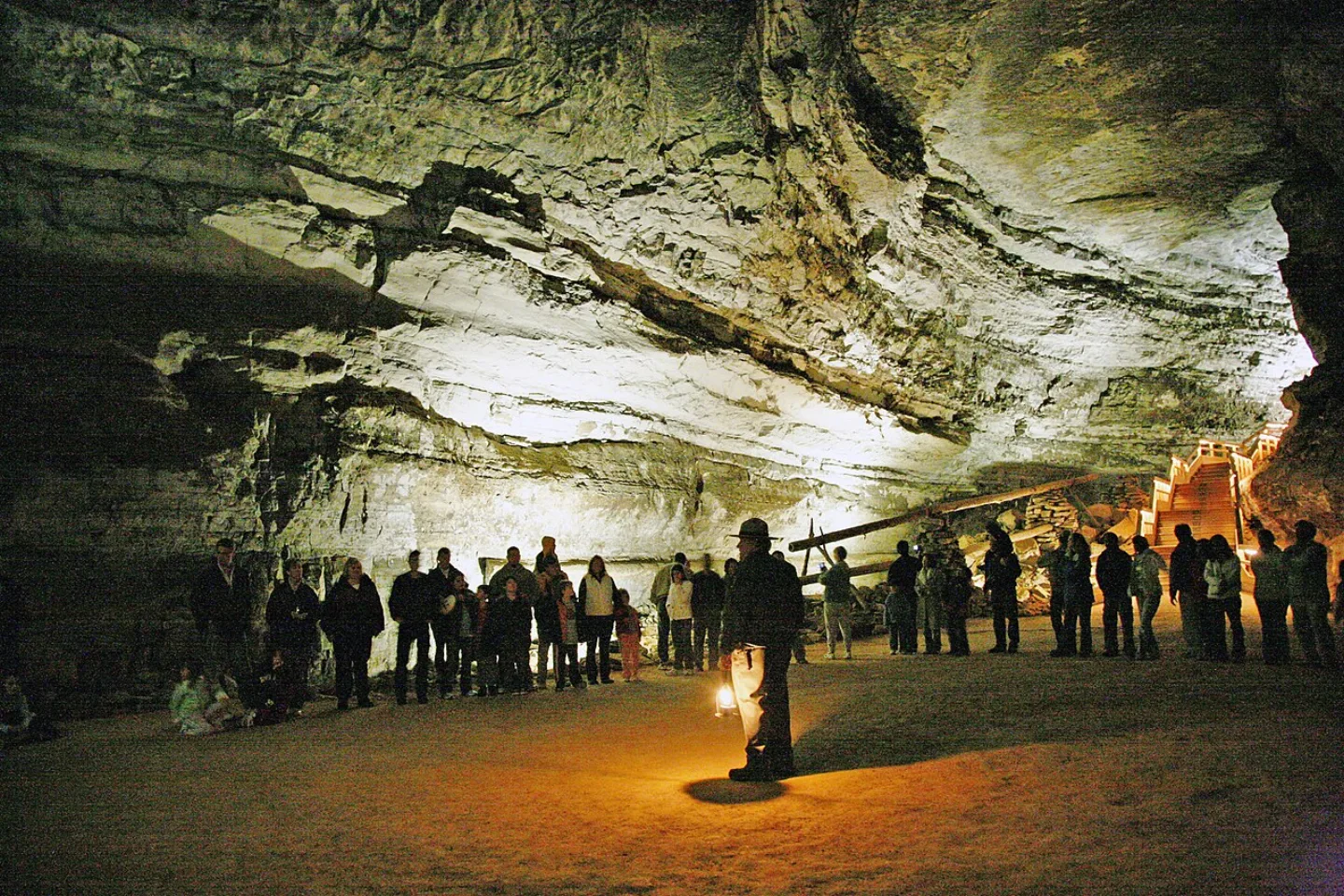
Mammoth Cave — The Longest in the World
Beneath the green hills of Kentucky winds Mammoth Cave, the longest known cave system on Earth, with more than 426 miles of passages surveyed — and explorers keep finding more. No other cave comes close; the second-longest in the world is less than half its length. Its limestone labyrinth was carved over millions of years by water seeping through the soluble rock.
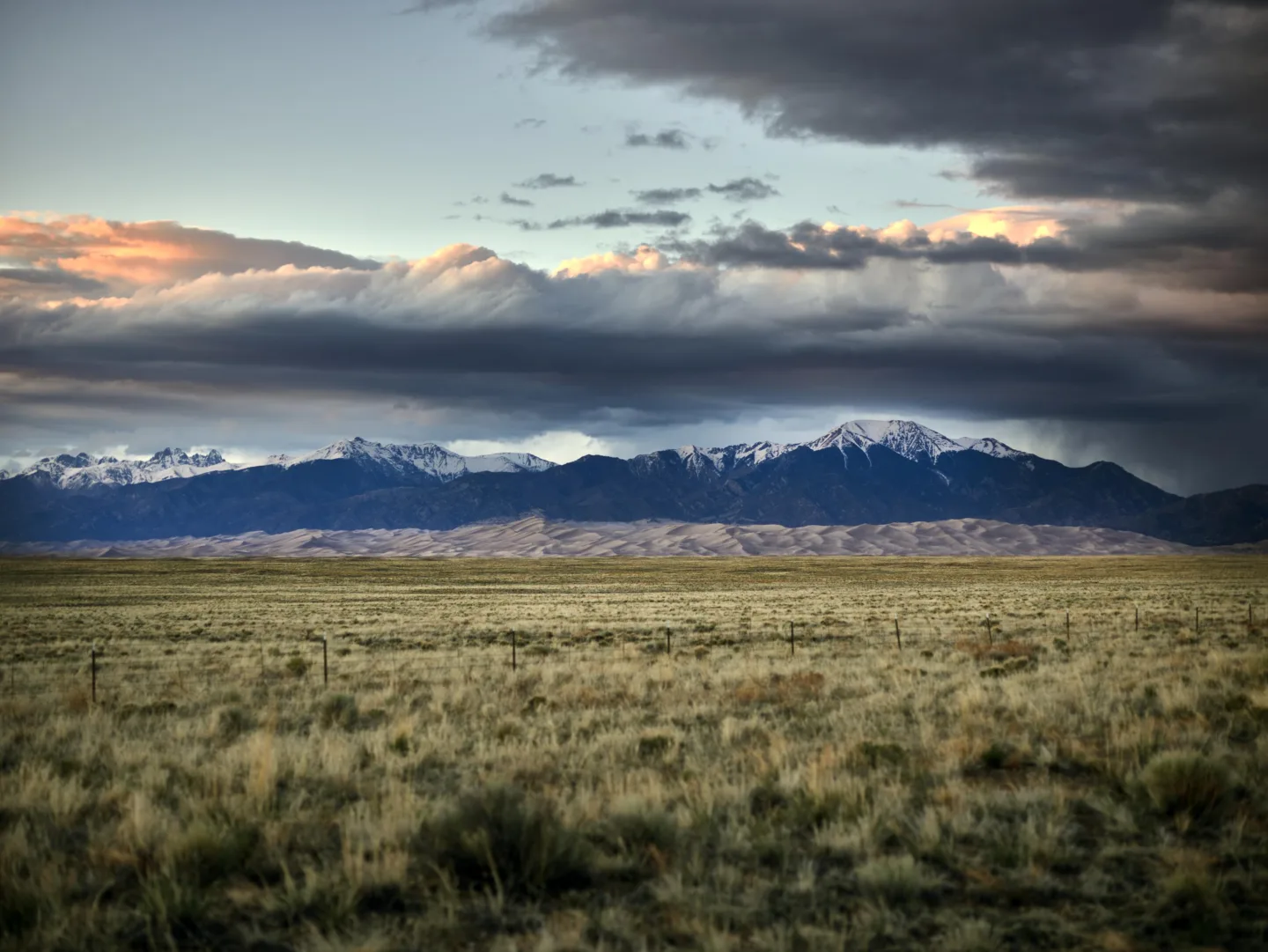
Great Sand Dunes: Continent's Tallest
Pressed against Colorado's snow-capped Sangre de Cristo Mountains stand the tallest dunes in North America — Great Sand Dunes rise about 741 feet from base to crest. The sand blew off an ancient lakebed and piled up where the mountains trap the wind. Climbing Star Dune or High Dune is a leg-burning slog through soft sand, often with snowmelt creek water at the base in spring.
No Rivers In or Out
Crater Lake sits inside the caldera of Mount Mazama, a volcano that erupted and collapsed about 7,700 years ago. With no river flowing in or out, only rain and snowmelt fill the basin, leaving the water famously clear and deep blue.
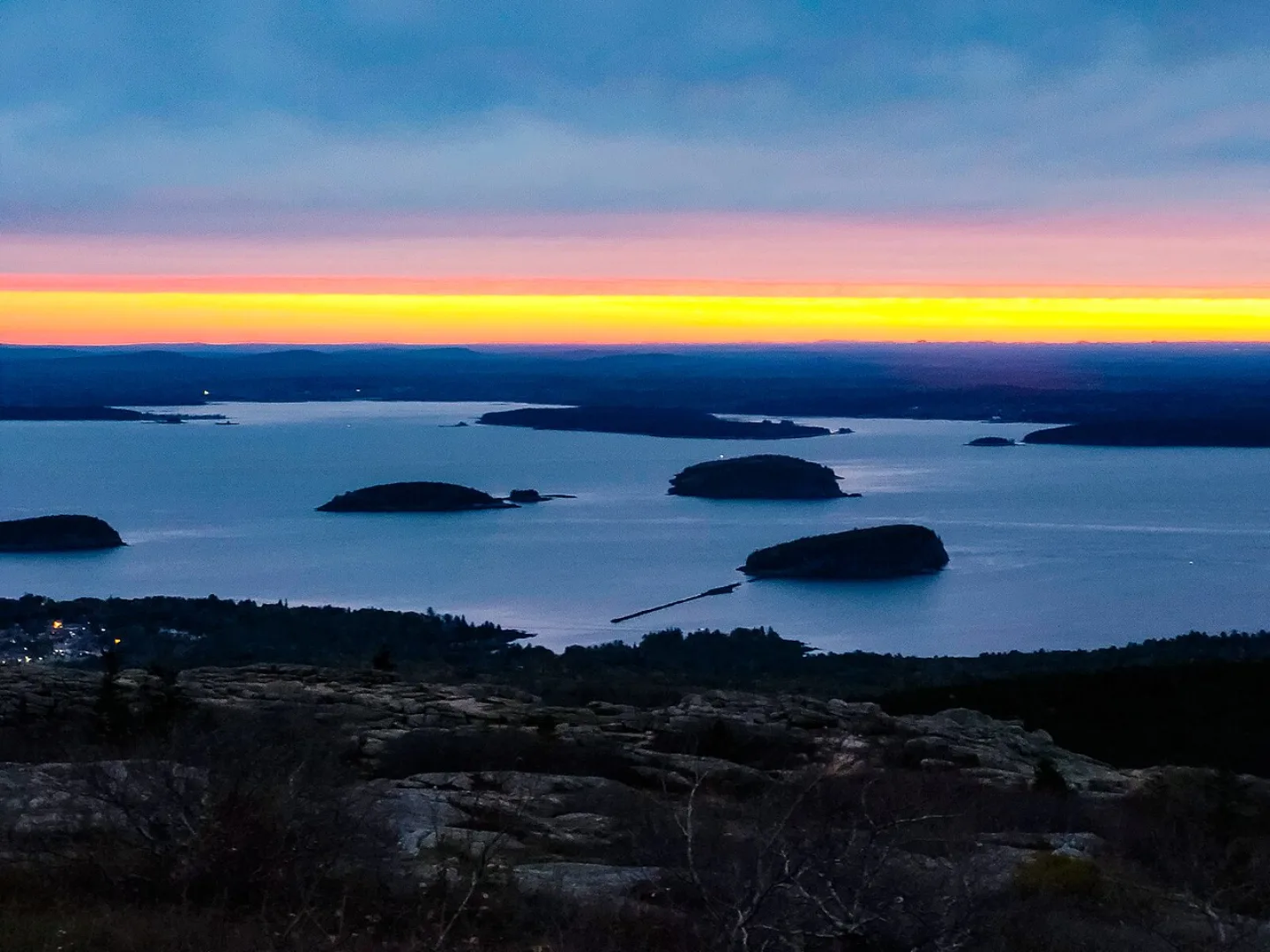
Acadia: First East of Mississippi
Established in 1919, Acadia in Maine was the first national park east of the Mississippi River — and the first created from land donated by private citizens. Its Cadillac Mountain (1,530 ft) is the highest point on the eastern seaboard of the U.S., and from early October to early March it is the first place in the country to see the sunrise. Today Acadia draws nearly four million visitors a season.
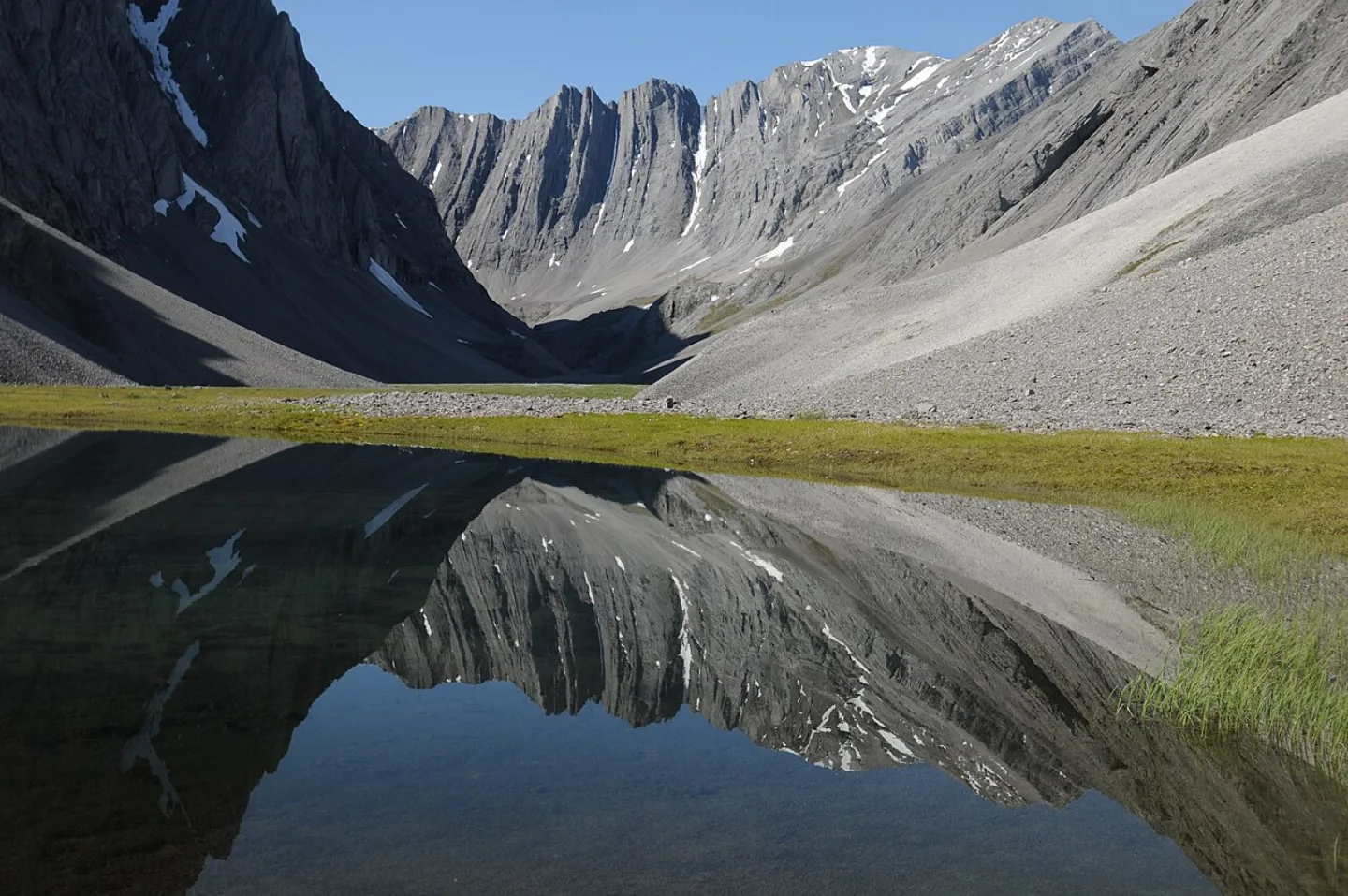
Gates of the Arctic: Emptiest
While Great Smoky Mountains draws over twelve million people a year, Gates of the Arctic in northern Alaska sees only about 11,900. There are no roads, no trails, and no visitor facilities — every one of its 8.5 million acres lies above the Arctic Circle. Reaching it means a bush plane or a long backcountry hike. It is the second-largest national park, and very nearly the emptiest.
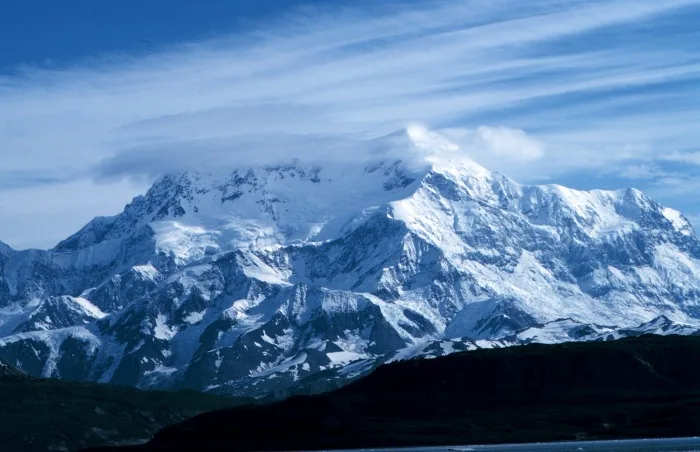
Alaska Holds the Four Largest
The four biggest national parks are all in Alaska: Wrangell–St. Elias, Gates of the Arctic, Denali, and Katmai. Wrangell–St. Elias alone is larger than Switzerland. Most were created on a single day — December 2, 1980 — when the Alaska National Interest Lands Conservation Act more than doubled the entire National Park System overnight.
Where It All Began
Yellowstone was established in 1872, making it the world's first national park — the original from which every national park that came later descends.
Freshly Minted
New River Gorge, in West Virginia, became the 63rd national park when it was redesignated in 2020. Chiricahua, in Arizona, followed as the 64th in October 2026.
By the numbers
- How deep is Crater Lake, the deepest lake in the United States?
- 1943 ft
- How far below sea level is Badwater Basin, the lowest point in North America?
- -282 ft
- What is the hottest air temperature ever reliably recorded on Earth, set in Death Valley in 1913?
- 134 °F
- How many miles of passages have been mapped in Mammoth Cave, the world's longest cave system?
- 426 miles
- How tall are the dunes at Great Sand Dunes, the tallest in North America?
- 741 ft
- Roughly how many people visited Gates of the Arctic, the least-visited national park, in 2024?
- 11900 visitors
Matched pairs
Each item on the left goes with the one on the right.
- Yosemite Falls
- Tallest waterfall in North America, plunging 2,425 ft in three tiers
- Tallest trees on Earth (coast redwoods)
- Redwood National Park
- Largest tree on Earth by volume (General Sherman)
- Sequoia National Park
- Oldest non-clonal trees on Earth (bristlecone pines, ~5,000 yrs)
- Great Basin National Park
- Some of Earth's oldest exposed rock (~1.7 billion years, Painted Wall)
- Black Canyon of the Gunnison
- Newest national park
- Chiricahua, Arizona (2026)
- Only park entirely south of the equator
- National Park of American Samoa
- World's first national park (1872)
- Yellowstone
Self-test
Answer each question from memory, then check your work against the answer key.
1. How did Crater Lake, the deepest lake in the United States, form?
- AA volcano (Mount Mazama) erupted and collapsed into a caldera that filled with rain and snowmelt
- BA landslide dammed a river and drowned a valley
- CA retreating glacier gouged out a deep basin that filled with meltwater
- DA meteorite impact blasted out a deep crater
2. How deep is Crater Lake, the deepest lake in the United States?
- A1,530 feet
- B2,425 feet
- C282 feet
- D1,943 feet
3. What is the highest air temperature ever reliably recorded on Earth, set at Furnace Creek in 1913?
- A129°F
- B134°F
- C120°F
- D141°F
4. Which extreme does Death Valley NOT hold?
- ADriest place in the United States
- BHottest air temperature on Earth
- CLongest cave system on Earth
- DLowest point in North America
5. About how tall are the dunes at Great Sand Dunes, the tallest in North America?
- A426 feet
- B1,943 feet
- C741 feet
- D282 feet
6. Which national park shelters the tallest trees on Earth, the coast redwoods?
- ARedwood National Park
- BSequoia National Park
- CYosemite National Park
- DGreat Basin National Park
7. The General Sherman, the largest tree on Earth by volume, grows in which park?
- AKings Canyon National Park
- BSequoia National Park
- CGreat Basin National Park
- DRedwood National Park
8. Where do the oldest non-clonal trees on Earth, bristlecone pines nearly 5,000 years old, cling to the heights?
- ARedwood National Park
- BSequoia National Park
- CGreat Sand Dunes National Park
- DGreat Basin National Park
9. The Painted Wall, exposing rock about 1.7 billion years old, rises in which park?
- AGrand Canyon
- BCanyonlands National Park
- CBlack Canyon of the Gunnison
- DZion National Park
10. Which record is NOT correctly matched to its park?
- ATallest waterfall in North America — Yellowstone
- BOldest bristlecone pines — Great Basin
- CLargest tree by volume — Sequoia
- DTallest trees on Earth — Redwood
11. Signed into existence in 1872, which park was the world's first national park?
- ASequoia
- BGrand Canyon
- CYosemite
- DYellowstone
12. Which park became the 63rd national park when it was redesignated in 2020?
- AGateway Arch
- BNew River Gorge
- CIndiana Dunes
- DWhite Sands
13. Which is the only national park lying entirely south of the equator?
- ANational Park of American Samoa
- BEverglades National Park
- CVirgin Islands National Park
- DHaleakala National Park
14. Which is the single largest national park, alone bigger than the country of Switzerland?
- AYellowstone
- BGates of the Arctic
- CWrangell–St. Elias
- DDenali
15. Which park is NOT one of the four largest (all Alaskan) national parks?
- AWrangell–St. Elias
- BGates of the Arctic
- CDenali
- DGlacier Bay
16. What made Acadia National Park, established in 1919 in Maine, a milestone in park history?
- AIt was the first national park to span two states
- BIt was the first national park east of the Mississippi River
- CIt was the first national park north of the Arctic Circle
- DIt was the first national park created by presidential proclamation
17. Which is the least-visited national park?
- AIsle Royale
- BKatmai
- CNorth Cascades
- DGates of the Arctic
18. Roughly how many people visited Gates of the Arctic in 2024?
- AAbout 119,000
- BAbout 11,900
- CAbout 500,000
- DAbout 1,900
19. In what year was Acadia established as the first national park east of the Mississippi?
- A1890
- B1906
- C1919
- D1872
20. Besides being first in the East, Acadia was unusual because it was created from what?
- ALand donated by private citizens
- BReclaimed farmland
- CLand purchased from a railroad
- DFormer military land
21. A small cinder cone rising from the water inside Crater Lake's caldera — a volcano within a volcano — is called what?
- APainted Wall
- BWizard Island
- CMount Mazama
- DStar Dune
22. In Black Canyon of the Gunnison, which dark cliff exposes rock about 1.7 billion years old?
- AEl Capitan
- BHalf Dome
- CPainted Wall
- DAngels Landing
23. Which feature is the tallest waterfall in North America, dropping 2,425 feet in three tiers?
- ABridalveil Fall
- BMultnomah Falls
- CYellowstone Falls
- DYosemite Falls
24. The blinding white plain of salt flats at the lowest point in North America is known as what?
- ABadwater Basin
- BStar Dune
- CFurnace Creek
- DWizard Island
25. Which signature feature is NOT paired with its correct park?
- APainted Wall — Black Canyon of the Gunnison
- BWizard Island — Crater Lake
- CYosemite Falls — Yosemite
- DBadwater Basin — Great Sand Dunes
Go deeper
- WatchLowest, Hottest, Driest Death Valley holds more records than any other national park.
- WatchFirsts and Onlys Acadia, in Maine, was the first national park east of the Mississippi. It was also the first created from land that private citizens donated.
- StudyU.S. National Parks in the FlashFeed app
Answer key
- 1. A A volcano (Mount Mazama) erupted and collapsed into a caldera that filled with rain and snowmeltCrater Lake sits in the caldera of Mount Mazama, which erupted and collapsed about 7,700 years ago. With no river running in or out, only rain and snowmelt fill it — and with little sediment, the water is famously clear and deep blue.
- 2. D 1,943 feetCrater Lake reaches 1,943 feet, the deepest in the U.S. The distractors are other park figures: Cadillac Mountain (1,530 ft), Yosemite Falls (2,425 ft), and Badwater's depth below sea level (282 ft).
- 3. B 134°FOn July 10, 1913, Furnace Creek in Death Valley hit 134°F, still Earth's highest reliably recorded air temperature. The others are hot but fall short of the record.
- 4. C Longest cave system on EarthDeath Valley owns the lowest point (Badwater, -282 ft), the hottest temperature (134°F), and is the driest place in the U.S. The longest cave belongs to Mammoth Cave in Kentucky.
- 5. C 741 feetGreat Sand Dunes rise about 741 feet from base to crest against Colorado's Sangre de Cristo peaks. The distractors are Badwater's depth, Mammoth Cave's mileage, and Crater Lake's depth.
- 6. A Redwood National ParkRedwood National Park protects the coast redwoods, the tallest trees on Earth. Sequoia holds the largest tree by volume, not the tallest.
- 7. B Sequoia National ParkSequoia National Park holds the General Sherman, largest tree by volume. Redwood has the tallest trees; the two records belong to different parks.
- 8. D Great Basin National ParkGreat Basin's high slopes hold bristlecone pines nearly 5,000 years old, the oldest non-clonal trees on Earth.
- 9. C Black Canyon of the GunnisonBlack Canyon of the Gunnison's Painted Wall exposes rock about 1.7 billion years old, among the oldest stone visible in the parks.
- 10. A Tallest waterfall in North America — YellowstoneThe tallest waterfall in North America, Yosemite Falls (2,425 ft), is in Yosemite, not Yellowstone. The other three pairings are correct.
- 11. D YellowstoneYellowstone, established in 1872, was the world's first national park — the original from which every later park descends.
- 12. B New River GorgeNew River Gorge in West Virginia became the 63rd national park in December 2020; Chiricahua in Arizona became the 64th in October 2026.
- 13. A National Park of American SamoaThe National Park of American Samoa, scattered across South Pacific islands and reef, is the only park entirely south of the equator.
- 14. C Wrangell–St. EliasWrangell–St. Elias in Alaska is the largest national park — larger than all of Switzerland. Gates of the Arctic is the second-largest; Denali and Yellowstone are far smaller.
- 15. D Glacier BayThe four largest national parks are Wrangell–St. Elias, Gates of the Arctic, Denali, and Katmai — all in Alaska. Glacier Bay (~3.22 million acres) ranks about sixth, behind Death Valley, so it is not among the top four.
- 16. B It was the first national park east of the Mississippi RiverMost early parks were carved from western federal land; Acadia broke that pattern as the first park east of the Mississippi — and the first created from privately donated land. Its Cadillac Mountain is the highest point on the eastern seaboard of the U.S.
- 17. D Gates of the ArcticGates of the Arctic in northern Alaska is the least-visited park, with no roads, trails, or facilities — about 11,900 visitors in 2024. Isle Royale is low but higher.
- 18. B About 11,900Gates of the Arctic recorded about 11,900 visitors in 2024 — fewer in a year than Great Smoky Mountains sees in a few hours.
- 19. C 1919Acadia was established in 1919 on the coast of Maine, the first national park east of the Mississippi River. 1872 was Yellowstone's founding year.
- 20. A Land donated by private citizensUnlike western parks reserved from the federal domain, Acadia was the first created from land donated by private citizens.
- 21. B Wizard IslandWizard Island, a cinder cone, rises from one side of Crater Lake — a volcano within a volcano. Mount Mazama is the collapsed volcano that formed the caldera.
- 22. C Painted WallThe Painted Wall in Black Canyon of the Gunnison exposes rock about 1.7 billion years old. El Capitan and Half Dome are in Yosemite; Angels Landing is in Zion.
- 23. D Yosemite FallsYosemite Falls is the tallest waterfall in North America, dropping 2,425 feet in three tiers. The others are real but far shorter.
- 24. A Badwater BasinBadwater Basin in Death Valley, 282 feet below sea level, is a white salt plain and the lowest point in North America. Furnace Creek is the nearby site of the heat record.
- 25. D Badwater Basin — Great Sand DunesBadwater Basin is in Death Valley, not Great Sand Dunes. The other three features are correctly paired with their parks.
Sources
- U.S. National Parks — Geology
- U.S. National Parks — Records & Superlatives
Image credits
- Mammoth Cave — The Longest in the World: Wikimedia Commons · Daniel Schwen · CC BY-SA 4.0 — commons.wikimedia.org/wiki/File:Mammoth_Cave_tour.jpg
- Great Sand Dunes: Continent's Tallest: Library of Congress · The distant dunes of the Great Sand Dunes National Park and · No known restrictions (verify at source) — www.loc.gov/item/2017687506/
- Acadia: First East of Mississippi: John Manard · CC BY-SA 2.0 — commons.wikimedia.org/wiki/File:Cadillac_Mountain_Sunrise,_Acadia_National_Park_-_51650832934.jpg
- Gates of the Arctic: Emptiest: National Park Service, Alaska Region · Public domain — commons.wikimedia.org/wiki/File:Oolah_Valley_(16089307144).jpg
- Alaska Holds the Four Largest: Wikimedia Commons · Mr. David Sinson, NOAA, Office of Coast Survey · Public domain — commons.wikimedia.org/wiki/File:Mt_Saint_Elias,_South_Central_Alaska.jpg


