
The Power of Habit study guide · Lesson 2 of 6
Habit Transformation, The Golden Rule, and Belief
The Golden Rule of Habit Change and Routine Modification · The Neurology of Belief, Community, and Stress Resilience
Unofficial study guide for The Power of Habit: Why We Do What We Do in Life and Business by Charles Duhigg. FlashFeed is not affiliated with the author or publisher.
This is the lesson's study guide from the FlashFeed app, plus its key facts and a self-test.
What you'll be able to do
- Explain how Alcoholics Anonymous substitutes a new routine for drinking, and how Tony Dungy's automaticity coaching won a Super Bowl.
- Explain how belief and community make a reworked habit loop permanent under stress, using Alcoholics Anonymous as the model.
Lesson 2 Study Guide: Habit Transformation, The Golden Rule, and Belief
The Golden Rule of Habit Change and Routine Modification
One of the most foundational discoveries of contemporary cognitive neuroscience and behavioral psychology is that established habits cannot be eradicated through conscious suppression, denial, or raw willpower alone. Because the neurological neural pathways encoding automatic behavioral loops remain permanently etched into the subcortical architecture of the basal ganglia, attempts to eliminate an unwanted habit entirely almost always collapse when an individual encounters acute stress, fatigue, or familiar environmental cues. The brain seeks the path of least energetic resistance, and when willpower is depleted, it defaults to the established physical and cognitive pathways stored deep within its primitive structures.
To achieve lasting behavioral transformation, practitioners must apply what Charles Duhigg formulates as The Golden Rule of Habit Change: to alter a habit, one must keep the old cue and deliver the old reward, but insert a new, constructive routine into the loop.
OLD DESTRUCTIVE LOOP:
[Established Cue] ──────────► [Harmful Routine] ──────────► [Craved Reward]

THE GOLDEN RULE TRANSFORMATION:
[Established Cue] ──────────► [Constructive Routine] ─────► [Identical Reward]
The clinical efficacy of the Golden Rule is nowhere more powerfully manifested than in the operational methodology of Alcoholics Anonymous (AA). Founded in 1935 by Bill Wilson and Dr. Bob Smith, Alcoholics Anonymous has helped millions of individuals across the globe achieve sustainable sobriety without relying on centralized medical hierarchies or pharmaceutical regimens. Duhigg describes AA's twelve-step methodology as a systematic habit-substitution machine.
Crucially, AA does not attempt to eliminate an alcoholic's underlying neurological triggers or suppress their emotional needs. Instead, the program requires members to perform a rigorous self-inventory, mapping the specific environmental and emotional cues that drive them to drink—such as overwhelming workplace anxiety, domestic discord, social awkwardness, physical exhaustion, or pervasive loneliness.
Under the old habit loop, an alcoholic encountered anxiety (the cue), drank alcohol to achieve emotional numbness or social ease (the routine), and experienced temporary psychological relief (the reward). AA preserves the cue and the craved reward while substituting a constructive routine:
- When anxiety strikes, the individual attends an AA fellowship meeting.
- When an urge flares, the individual immediately calls their sponsor.
- When feeling isolated, the individual shares their struggles with understanding peers.
- When experiencing guilt or shame, the individual works through inventory and restitution steps.
These substitute routines deliver the exact emotional payoffs that alcohol previously provided—validation, stress relief, emotional release, and intimate social connection—without the catastrophic physical and psychological destruction of chemical intoxication. By acknowledging the legitimacy of the craving while altering the behavioral routine, AA rewires the basal ganglia loop into a healthy survival mechanism.
A parallel demonstration of the Golden Rule occurred in professional sports under head coach Tony Dungy. When Dungy took over the Tampa Bay Buccaneers in 1996, the franchise was widely considered one of the worst in the National Football League. Traditional football coaching dogma relied on immense, intricate playbooks containing hundreds of formations, shifts, and situational audibles. On the field, players were constantly overthinking, attempting to calculate opponent tendencies in real time, which introduced fatal latency into their physical movements.
Dungy recognized that conscious deliberation is the enemy of athletic speed. His coaching philosophy was grounded in behavioral automaticity: make execution so instinctive that players react without thinking. Dungy did not ask his team to memorize hundreds of plays; instead, he drilled a small handful of core defensive schemes until they became second nature. He taught his players to read subtle physical cues in an opponent's pre-snap stance—such as an offensive lineman shifting weight onto his heels before a pass or leaning forward before a run. By linking these visual cues directly to drilled, automatic response routines (such as blitzing a specific gap or dropping into zone coverage), Dungy's players reacted milliseconds faster than their opponents.
Under Dungy's habit-based system, the Buccaneers transformed from a perennial laughingstock into a playoff team built on its defense. Dungy later brought this exact habit methodology to the Indianapolis Colts, leading them to a world championship in Super Bowl XLI. In both athletic arenas and clinical recovery rooms, the lesson remains constant: you cannot destroy a bad habit; you can only change the routine.
The Neurology of Belief, Community, and Stress Resilience
While the Golden Rule of Habit Change provides the necessary mechanical framework for routine substitution during ordinary circumstances, empirical research revealed a significant vulnerability in both clinical recovery and competitive athletics: under conditions of catastrophic stress or high-stakes crises, newly modified habit loops frequently break down.
In high-pressure playoff games, Tony Dungy's teams repeatedly faltered during crucial fourth-quarter drives because players stopped trusting their drilled automatic habits and reverted to panicked overthinking. Similarly, recovering alcoholics who had maintained exemplary sobriety for years frequently suffered sudden, severe relapses following acute life traumas, such as the death of a spouse, a bitter divorce, or severe financial ruin. When catastrophic events occur, the conscious brain is flooded with stress hormones like cortisol and adrenaline, which disrupt prefrontal functioning and cause individuals to regress to their oldest, most deeply entrenched neural pathways.
Empirical research into recovery groups found that while mechanical routine substitution is essential for modifying habits during stable periods, it is insufficient to maintain those modifications under acute emotional trauma unless the new routines are anchored by belief—the fundamental conviction that personal transformation is possible and that the individual possesses the internal agency and external support to endure adversity without reverting to old habits.
In Alcoholics Anonymous, this foundational conviction is cultivated through the program's suggested steps of surrendering to a "Higher Power" and through communal fellowship. Researchers studying AA members concluded that the specific theology behind the Higher Power matters far less than one might expect; what makes the difference is belief itself. By surrendering ego control and believing that change is attainable, individuals rewire their subjective identity and build psychological buffers against cognitive panic.
Crucially, The Power of Habit argues that belief is profoundly communal and contagious. When an individual attempts to change a habit in isolation, their subjective resolve is fragile. In solitary conditions, when life strikes with unexpected ferocity, the isolated individual easily convinces themselves that failure is inevitable. However, when people practice new routines within a supportive group—witnessing peers who share identical vulnerabilities overcome severe obstacles—their own confidence grows, an effect the psychologist Albert Bandura traced to vicarious experience. Group dynamics reinforce the belief that relapse is not inevitable and provide a social safety net that catches individuals when life crises strike.
Belief elevates habit change from an external mechanical compliance into an internal identity transformation. An individual stops seeing themselves as an alcoholic trying not to drink and starts seeing themselves as a person in recovery with a community behind them. In the athletic arena, Dungy's teams reached championship mastery only after personal tragedy and adversity united the players, instilling an unshakeable collective belief in their system that held firm under intense championship pressure. When belief is forged within a community, habit loops become more likely to hold under severe stress.
Belief and community appear to help people withstand acute stress without reverting to old habits, though Duhigg's account does not quantify the precise neural mechanism. When an individual confronts acute trauma alone, they are more likely to default to deeply ingrained old habit loops. Embedded in a supportive peer group, however, regular participation in meetings, sponsor check-ins, and shared rituals seems to help newly built habit loops remain operational under pressure.
Ultimately, belief alters how human beings process adversity. In both clinical recovery communities and high-performing athletic organizations, individuals who cultivate shared belief develop a resilient narrative framework that reinterprets setbacks as temporary obstacles rather than permanent failures. This reframing can ease the despair that often comes before a relapse. When an individual genuinely believes that lasting personal transformation is possible—and witnesses that transformation reflected daily in the lives of their peers—the basal ganglia's restructured habit loops become more likely to hold, even through severe life challenges.
Key terms
- Golden Rule of Habit Change
- Keep the old trigger and reward, but insert a new routine in between them.
- Vicarious experience
- Seeing peers with the same struggle succeed, which builds confidence that you can too.
Key facts

The Golden Rule of Habit Change
The Golden Rule of Habit Change states that to modify a habit, one must keep the old cue and reward while inserting a new routine.
Alcoholics Anonymous as Habit Replacement
Alcoholics Anonymous (AA) doesn't try to erase an alcoholic's underlying triggers; it applies the Golden Rule directly. Members map the specific cues that drive them to drink (anxiety, loneliness, exhaustion) and then substitute a new routine that delivers the same emotional payoff: when anxiety strikes, attend a meeting; when an urge flares, call a sponsor. By preserving the cue and the craved reward while only swapping the routine, AA operates as a systematic habit-replacement program rather than a habit-removal one.
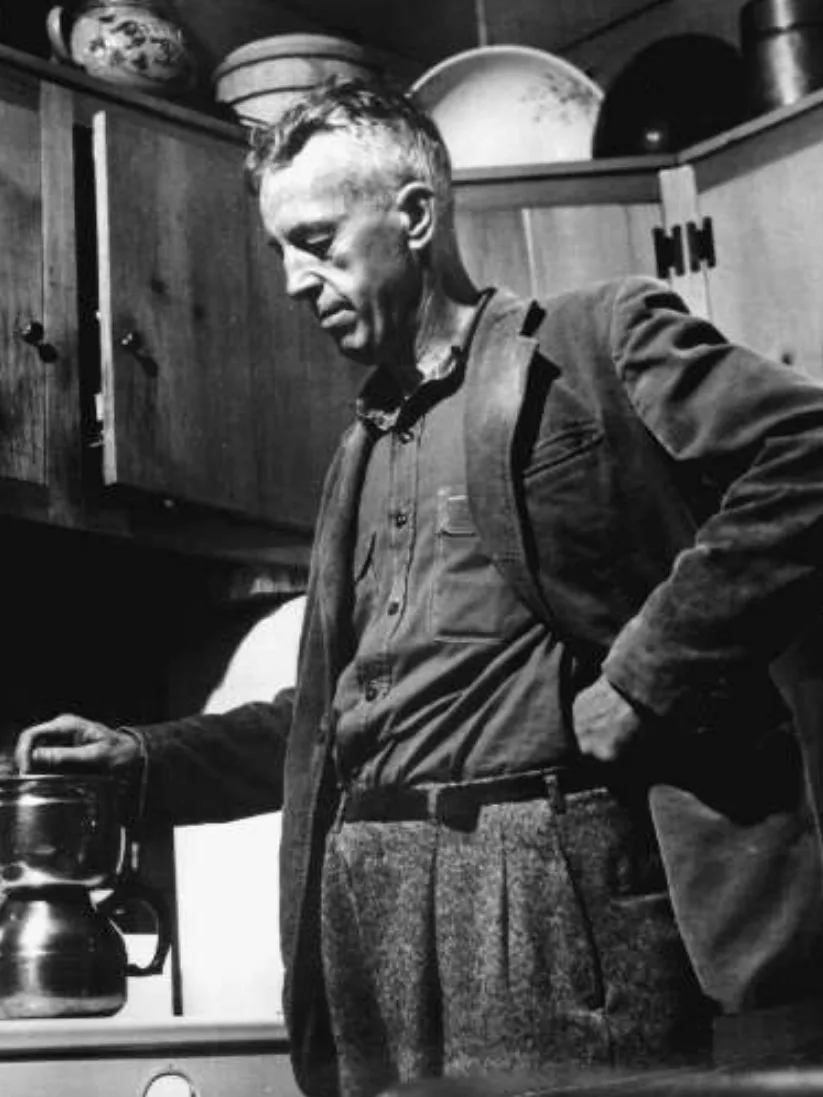
Bill Wilson and the Founding of Alcoholics Anonymous
Bill Wilson co-founded Alcoholics Anonymous with Dr. Bob Smith in 1935, but he didn't build the twelve steps from published research on habit formation. He assembled the program from his own experience getting sober and from religious practice; Duhigg describes the result as a systematic habit-substitution machine.

Tony Dungy's Simplified Playbook
When Tony Dungy took over the Tampa Bay Buccaneers in 1996, a franchise widely considered one of the worst in the NFL, he didn't hand players a bigger playbook; he cut the defensive scheme down to a small handful of automatic reads. Players learned to spot one pre-snap cue, like a lineman shifting weight onto his heels, and react with a single drilled routine instead of calculating options in real time.
Why Substitution Beats Suppression
Habits can't be eliminated through raw willpower because their neural pathways stay permanently etched into the basal ganglia — trying to just stop rarely holds, especially once stress or fatigue arrives. Effective change instead means diagnosing exactly what reward the old routine was delivering and honoring the brain's existing cue associations rather than fighting them, then substituting a new routine that delivers that same payoff.
Why Overthinking Slows an Athlete Down
Dungy's coaching philosophy rested on a simple principle: conscious deliberation is the enemy of speed. Complex playbooks forced players into real-time calculation mid-play, and that hesitation introduced fatal latency into their physical reactions. A habit that has been drilled into automaticity fires faster than a decision that has to be thought through, which is why his stripped-down, automatic reads consistently beat more complicated schemes.
Tony Dungy's Results: Buccaneers to Colts
Under Dungy's habit-based system, the Tampa Bay Buccaneers transformed from one of the worst franchises in the NFL into a playoff team built on its defense. Dungy later brought the same methodology to the Indianapolis Colts, winning Super Bowl XLI.
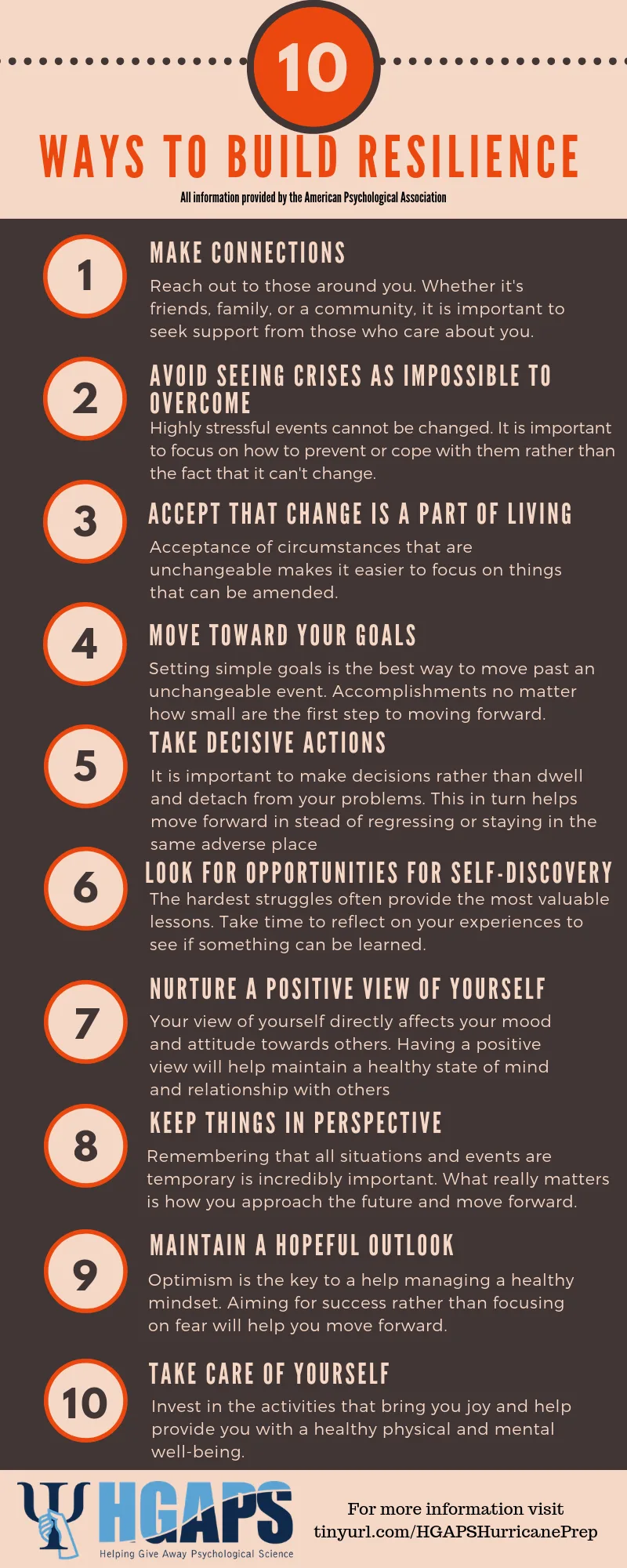
Stress-Induced Habit Relapse
Under acute crisis or extreme stress, modified habit loops frequently collapse unless reinforced by genuine belief.
Belief and Habit Resilience Under Stress
The Power of Habit argues that mechanical routine substitution is enough to change a habit during ordinary, stable periods, but it isn't enough to hold under acute stress — a death, a divorce, a crisis — unless the new routine is anchored by genuine belief: the conviction that change is possible at all. Lasting change, in other words, needs two different ingredients: restructured routines for normal times, and belief to survive a crisis.

The Higher Power and the Act of Surrender
In Alcoholics Anonymous (AA), belief is cultivated through surrendering to a Higher Power and joining communal fellowship. Researchers studying AA members concluded that the specific theology behind that Higher Power matters far less than one might expect: what makes the difference is belief itself, the conviction that change is possible. Group fellowship helps for that same reason: members watch peers with the same struggle overcome obstacles, which supplies evidence that change is possible.
Belief Is Communal and Contagious
An individual trying to change a habit alone has fragile resolve — one setback and it's easy to conclude failure is inevitable. But when people practice new routines inside a group, watching peers with the same struggles overcome real obstacles, belief becomes contagious: each person's confidence in their own capability solidifies simply from witnessing someone else succeed.
Belief and Tony Dungy's Teams
Even a well-drilled habit loop can fail under enough pressure: Tony Dungy's teams repeatedly faltered in high-stakes playoff games because players stopped trusting their automatic routines and reverted to panicked overthinking. Genuine belief in the system only took hold after the players endured shared adversity together, following personal tragedy, not after a string of regular-season wins, and it was that belief, not additional practice, that finally let the system hold under championship pressure.
Isolation and Life Trauma Raise Relapse Risk
Major life traumas, such as the death of a spouse, a divorce, or financial ruin, frequently trigger severe habit relapse when there's no belief infrastructure in place to hold the new routine together. Someone going it alone is more likely to slide back under acute stress, because there's no one around to serve as evidence that change is actually possible.
Belief Transforms Identity
Belief does more than reinforce a routine — it turns a behavior a person is merely complying with into part of who they think they are. Someone who believes change is real stops seeing themselves as, say, an alcoholic trying not to drink, and starts seeing themselves as a different kind of person altogether. That shift in identity is what makes a rebuilt habit loop durable enough to survive the worst stretches of a person's life.
Matched pairs
Each item on the left goes with the one on the right.
- Bill Wilson
- Co-founded Alcoholics Anonymous in 1935.
- Tony Dungy's Buccaneers overhaul
- Drilled a small handful of core defensive schemes until they became automatic.
- Surrendering self-will in Alcoholics Anonymous
- Builds the belief that change is possible, which holds the new routine under stress.
- Habit change attempted alone
- Resolve is fragile and collapses when unexpected crisis hits.
Self-test
Answer each question from memory, then check your work against the answer key.
1. Under the Golden Rule of Habit Change, which single element of the habit loop gets replaced while the other two stay the same?
- AThe craving
- BThe routine
- CThe cue
- DThe reward
2. Habit loops are permanently etched into which brain structure, making them resistant to willpower alone?
- AAmygdala
- BHippocampus
- CPrefrontal cortex
- DBasal ganglia
3. Per the Golden Rule as applied in Alcoholics Anonymous (AA), what does a member do when an old drinking cue such as anxiety strikes?
- AAttends meeting or calls sponsor
- BRelies on willpower alone
- CAvoids every anxiety trigger
- DDrinks less, tapers off slowly
4. In Tony Dungy's coaching philosophy, what did he regard as the enemy of athletic speed?
- ALack of motivation
- BPhysical exhaustion
- CConscious deliberation
- DPoor tackling technique
5. In what year did Bill Wilson co-found Alcoholics Anonymous?
- A1935
- B1955
- C1925
- D1945
6. The Power of Habit argues routine substitution alone is not enough to survive acute stress. What additional factor is required?
- AAvoiding stressful situations
- BMore repetition drills
- CBelief that change is possible
- DStricter willpower
7. Genuine belief shifts how a person sees themselves: from an alcoholic trying not to drink to what?
- AA person cured of addiction
- BA member needing no support
- CSomeone who avoids all triggers
- DA person supported in recovery
8. What does the twelve-step program suggest members do in order to cultivate the belief that sustains sobriety?
- AAvoid all triggering situations
- BSurrender to a greater power
- CRely on willpower alone
- DSubstitute routines without belief
9. What did researchers studying Alcoholics Anonymous conclude about the specific theology behind its 'Higher Power' concept?
- ADetermines sobriety length
- BStrongest predictor of success
- CMust match original religion
- DLargely irrelevant to efficacy
10. What is the effect of watching other members of a group keep a change going?
- AWhen individuals witness others in a group successfully maintaining new habits, their own effort typically slackens once the comparison sinks in.
- BWhen individuals witness others in a group successfully maintaining new habits, their subjective belief in their own capability solidifies.
- CWhen individuals witness others in a group successfully maintaining new habits, they attribute that success to good luck rather than to method.
- DWhen individuals witness others in a group successfully maintaining new habits, the gain lasts only for as long as the group keeps meeting regularly.
Go deeper
- ListenLesson 2 episode
- WatchThe Golden Rule of Habit Change You can't simply delete a bad habit, Duhigg argues. The old loop stays in the brain.
- WatchBelief Grows in Groups A new habit can hold for years. Then a crisis hits, and many people slip back to the old loop.
- ReadThe Power of Habit by Charles Duhigg · on Amazon ↗
- StudyThe Power of Habit in the FlashFeed app
These are affiliate links: if you buy a book through one, FlashFeed may earn a small commission at no extra cost to you. The commission helps pay for FlashFeed's servers.
As an Amazon Associate we earn from qualifying purchases.
Answer key
- 1. B The routineThe Golden Rule keeps the old cue and reward in place and inserts only a new routine between them, which is what makes the change durable.
- 2. D Basal gangliaThe basal ganglia are where habit loops are stored, which is why suppression fails once willpower runs out.
- 3. A Attends meeting or calls sponsorAA keeps the cue and the craved relief but swaps the routine: going to a meeting or calling a sponsor delivers the relief that drinking used to.
- 4. C Conscious deliberationDungy believed conscious deliberation during a play caused fatal latency; drilled automatic reads let players react without thinking.
- 5. A 1935Bill Wilson co-founded Alcoholics Anonymous with Dr. Bob Smith in 1935.
- 6. C Belief that change is possibleThe research found new routines must be anchored by belief, the conviction that change is possible, to hold up under crisis.
- 7. D A person supported in recoveryBelief reframes identity: the person sees themselves as someone in recovery with a community behind them, turning compliance into identity.
- 8. B Surrender to a greater powerAlcoholics Anonymous cultivates belief through surrendering to a Higher Power and joining communal fellowship, not willpower, mechanical substitution, or avoidance.
- 9. D Largely irrelevant to efficacyThe specific theological definition is largely irrelevant; what makes the difference is belief itself, the conviction that change is possible.
- 10. B When individuals witness others in a group successfully maintaining new habits, their subjective belief in their own capability solidifies.According to The Power of Habit, When individuals witness others in a group successfully maintaining new habits, their subjective belief in their own capability solidifies.
Sources
- The Power of Habit — Charles Duhigg
- Albert Bandura's self-efficacy theory (1977)
Image credits
- The Golden Rule of Habit Change: FlashFeed original diagram · CC-BY-4.0
- Bill Wilson and the Founding of Alcoholics Anonymous: A. A. World Services Inc. · Public domain — commons.wikimedia.org/wiki/File:Bill_W._of_Alcoholics_Anonymous.png
- Tony Dungy's Simplified Playbook: Wikimedia Commons · Erik Drost · CC BY 2.0 — commons.wikimedia.org/wiki/File:Tony_Dungy_(2021)_B.jpg
- Stress-Induced Habit Relapse: Wikimedia Commons · Hkim243 · CC BY-SA 4.0 — commons.wikimedia.org/wiki/File:Ways_to_Build_Resilience.png
- The Higher Power and the Act of Surrender: Wikimedia Commons · Rufino · CC BY-SA 2.0 — commons.wikimedia.org/wiki/File:Hermandad_-_friendship.jpg


