
The Four Agreements study guide · Lesson 2 of 5
The First Agreement — Be Impeccable with Your Word
The Creative Power and Magic of the Word · Emotional Poison, Gossip, and Black Magic vs White Magic
Unofficial study guide for The Four Agreements: A Practical Guide to Personal Freedom by Don Miguel Ruiz. FlashFeed is not affiliated with the author or publisher.
This is the lesson's study guide from the FlashFeed app, plus its key facts and a self-test.
What you'll be able to do
- Explain the Word's creative power and the First Agreement: impeccability, self-directed sin, and black versus white magic.
- Explain how gossip spreads emotional poison as black magic, using the singing-daughter allegory and white magic's alternative.
Lesson 2: The First Agreement — Be Impeccable with Your Word
The Creative Power and Magic of the Word
The first and most foundational agreement in the Toltec philosophy of Don Miguel Ruiz is: Be Impeccable with Your Word. This agreement is the most powerful, the most transformative, yet the most challenging to practice consistently, because human language has been heavily contaminated by centuries of social conditioning and unconscious hostility.
The word is not merely a linguistic symbol or acoustic vibration; the Word is a force of pure creation. It is the divine creative power through which human intent and consciousness manifest into the physical universe. Through the word, humans express their spirit, build reality, communicate dreams, and shape civilizations. In the Christian Gospel of John, scripture opens with the profound metaphysical statement: "In the beginning was the Word, and the Word was with God, and the Word was God." In Toltec cosmology, the word is recognized as the ultimate instrument of Magic. When you speak, you plant energetic seeds into the fertile soil of the human mind. Depending on how the word is used, it can create extraordinary beauty, awaken divine love, and heal wounds—or unleash catastrophic destruction and enslave generations in fear. The word is a double-edged sword: wielded with truth, it liberates; wielded with unconsciousness, it poisons.
To grasp the full depth of this agreement, one must understand the precise etymology of the word Impeccable. The word originates from the Latin root pecatus, meaning "sin," combined with the prefix im-, meaning "without." Thus, impeccable literally translates to "without sin." In conventional religious dogmas, sin is often framed as a moral offense against an external authority. In Toltec spiritual science, however, a Sin is defined as anything you do that goes against yourself. You sin when you judge yourself, reject yourself, blame yourself, shame yourself, and direct hostility toward your own being. Conversely, being impeccable means taking total responsibility for your thoughts and actions without directing self-condemnation, guilt, or punishment against your own life.
When you are Impeccable with your word, you never use speech as a weapon against yourself. Telling yourself, "I am stupid, I am ugly, I am clumsy, I will never succeed," uses the divine creative power of the word to curse your own existence. This is a severe, destructive form of self-directed Black Magic. Being impeccable requires that all language and internal dialogue directed toward yourself be rooted in self-respect, compassion, truth, and unconditional self-love.
Furthermore, impeccability of the word requires absolute truth and integrity in all communication with others. The word is pure magic, but when speech is used to deceive, manipulate, slander, or attack another person, that magic is converted into black magic. Words possess the power to permanently alter another person's consciousness by implanting limiting agreements. Truth is the supreme antidote to illusion. When you speak with integrity, saying only what you mean, avoiding self-criticism, and refusing to use speech to wound others, you align your personal power with the universal flow of creation.
The Energetic Physics of Speech and Conscious Manifestation
In the esoteric teachings of the Toltec, speech is recognized as an energetic transmission that directly organizes physical and subtle reality. Toltec teaching frames this poetically rather than as biomedical fact: words spoken in anger or self-reproach are felt in the body as tension — the muscles tighten and the breath shortens — while words spoken with gratitude and love are felt as ease and openness.
The First Agreement—Be Impeccable with Your Word—is therefore a comprehensive spiritual discipline governing both external conversation and internal monologue. Most human beings subject themselves to a relentless internal commentary of self-deprecation, criticizing their body, second-guessing their decisions, and dwelling on past failures. This internal negativity constitutes a continuous barrage of self-directed curses. To achieve impeccability, one must become an uncompromising guardian of their own mind, vigilantly monitoring every thought and spoken sentence to ensure it aligns with truth and loving-kindness.
Practicing impeccability transforms speech from an unconscious reaction into a deliberate act of sacred art. Before speaking, the Toltec practitioner pauses to evaluate the intent behind their words: "Is what I am about to say rooted in truth? Does it heal and elevate, or does it wound and divide?" By purifying your speech of gossip, deception, and self-judgment, your word becomes an instrument of radiant light, capable of inspiring courage, awakening wisdom, and transforming the world around you.
Emotional Poison, Gossip, and Black Magic vs White Magic
To understand the critical stakes of the First Agreement, Don Miguel Ruiz analyzes the destructive phenomenon of Emotional Poison and its primary social delivery mechanism: Gossip.
Gossip is the worst, most pervasive form of Black Magic because it is pure poison. In modern technological terms, Ruiz compares gossip to a malicious computer virus. In a computer network, a single line of corrupted code can alter the functionality of an entire operating system, causing crashes, data corruption, and cascading failures. In precisely the same manner, gossip inserts corrupted emotional code into the human mind. A person who receives gossip begins to perceive the target through a distorted, suspicious lens, projecting judgment and resentment based on hearsay rather than direct truth. Because society has conditioned people to bond over shared complaints and negativity, gossip has become the standard currency of everyday social interaction.
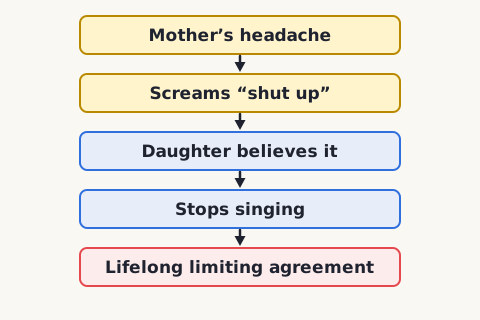
Don Miguel Ruiz illustrates the devastating power of the word through the poignant allegory of a loving mother and her young daughter. One evening, after an exhausting, stressful day at work, the mother returned home with an excruciating headache and frazzled nerves. She desperately needed silence to rest. Meanwhile, her young daughter, completely unaware of her mother's physical distress, was exuberantly jumping and singing at the top of her lungs, overflowing with pure childhood joy. As the singing grew louder, the mother's headache intensified until she lost emotional control. Looking furiously into her daughter's eyes, the mother screamed: "Shut up! You have an ugly voice. Can't you just shut up?!"
The mother did not scream because the child had an ugly voice; the child's voice was melodic and pure. The mother screamed solely because her own headache and emotional exhaustion overwhelmed her tolerance. However, the young daughter, trusting her mother implicitly, accepted the mother's scream as absolute truth and formed an internal Agreement. From that moment, the child stopped singing entirely. She believed her voice was ugly and that she would annoy anyone who heard her. She became inhibited and shy at school, suppressing her musical creativity for years. A single careless word uttered in unconscious anger forged a lifelong limiting agreement.
Humans engage in gossip and judgment as an unhealthy attempt to discharge their own internal Emotional Poison onto others. When we feel jealousy, anger, or shame, the internal discomfort is so intense that we seek an outlet to dump our toxicity. We look for someone to validate our resentment, spreading emotional contagion throughout our social circles.
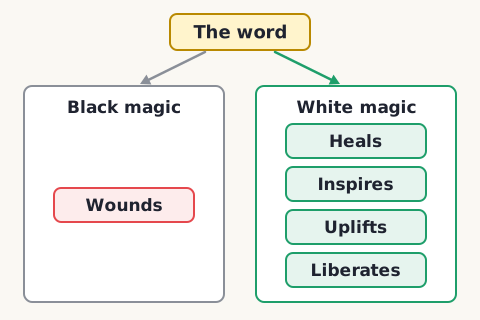
Conversely, practicing the First Agreement constitutes the practice of White Magic. White magic is the deliberate use of the word to heal, inspire, uplift, and liberate. When you use your word to express genuine appreciation, speak truth with kindness, and dissolve fear, you neutralize emotional poison wherever you go. By refusing to participate in gossip and purifying your inner monologue of self-criticism, you transform your mind from a toxic battlefield into a sanctuary of peace and creative clarity.
The Social Dynamics of Toxicity and the Power of White Magic
The societal normalization of gossip represents one of the most insidious obstacles to human happiness. In conventional culture, gathering to discuss the flaws, failures, and scandals of absent acquaintances is considered standard social entertainment. However, from the perspective of Toltec spiritual hygiene, gossip is the systematic injection of toxic emotional poison into the collective consciousness. When you participate in gossip, you accept corrupted data into your mind, impairing your ability to perceive others with clarity, compassion, and objective truth.
The antidote to this cultural contagion is the disciplined practice of White Magic. White magic begins with the conscious refusal to serve as a conduit for emotional poison. When someone approaches you with malicious rumors or complaints about another person, you decline to participate in the negative validation cycle. You do not nod along out of polite conformity; instead, you maintain sovereign neutrality or gently reframe the narrative by highlighting positive qualities and seeking direct understanding.
Furthermore, practicing white magic means actively using the creative power of your word to cast blessings and encouragement. A single sincere compliment, a word of profound gratitude, or an authentic expression of appreciation can lift a struggling human being out of despair and alter the trajectory of their life. By committing to speak exclusively with integrity and benevolence, you become a sanctuary of peace in a turbulent world, demonstrating that the word, when aligned with love, possesses the miraculous power to heal the human heart.
Key terms
- The Creative Force of the Word
- The divine creative power through which human intent manifests into physical reality, expressing spirit and shaping consciousness.
- Impeccable (Etymology)
- Derived from Latin 'im-' (without) and 'pecatus' (sin), literally translating to 'without sin.' Toltec spiritual science further redefines sin itself as anything done against one's own being.
- Black Magic (Speech)
- The misuse of the creative power of the word to deceive, manipulate, slander, or curse oneself and others.
- Gossip
- The most pervasive form of black magic and emotional poison, spreading corrupted hearsay that distorts perception and damages trust.
- White Magic
- The conscious, deliberate use of the word to heal, inspire, uplift, liberate, and express unconditional truth and love.
Key facts

The First Agreement
Be Impeccable with Your Word: Speak with integrity, say only what you mean, avoid using words against yourself, and refrain from gossiping about others.

The Word as Creative Force
In Toltec cosmology, the Word is not just a sound or symbol — it is a force of pure creation, the instrument through which human intent and consciousness manifest into physical reality. The same idea appears in the Christian Gospel of John: "In the beginning was the Word, and the Word was with God, and the Word was God." Both traditions treat speech as an act of creation, not mere communication.

Seeds and the Double-Edged Sword
When you speak, Toltec teaching holds that you plant energetic seeds into the fertile soil of another person's mind. That is why the word is described as a double-edged sword: wielded with truth, it liberates and heals; wielded unconsciously, in anger or deceit, it poisons and enslaves.
Impeccable: Without Sin Against Yourself
Impeccable comes from the Latin im- ("without") plus pecatus ("sin") — literally, "without sin." But Toltec spiritual science redefines sin itself: it isn't a transgression against an external authority, it's anything you do that goes against yourself — judging, rejecting, blaming, or shaming your own being.
Impeccability as Self-Responsibility
Being impeccable means taking complete responsibility for thoughts and actions without directing self-condemnation or guilt against yourself.

Self-Criticism as Black Magic
Telling yourself "I am stupid, I am ugly, I will never succeed" uses the same creative power of the word to curse your own existence — a severe, self-directed form of Black Magic. Being impeccable requires that every word of your internal dialogue instead be rooted in self-respect, compassion, truth, and unconditional self-love.
Black Magic Toward Others
The word's creative power turns into Black Magic the moment speech is used to deceive, manipulate, slander, or attack another person. Even a careless negative judgment carries real weight: words can permanently alter another person's consciousness by implanting a limiting agreement they will carry for life.
Truth as the Antidote
Of everything that can dissolve mental illusion and emotional suffering, Don Miguel Ruiz names truth spoken with integrity and loving kindness as the single most potent antidote. Speaking only what you mean, and refusing to use words to wound yourself or others, aligns your personal power with the current of creation itself.
The Impeccable Speech Audit
Before speaking, a Toltec practitioner runs a quick internal audit: pause and ask whether the words are grounded in direct truth; check that they don't spread gossip or judge someone who isn't present; make sure they uplift, heal, or clarify rather than manipulate; and purify any self-directed dialogue of self-condemnation and shame.

Gossip: The Worst Black Magic
Gossip is described as the worst, most pervasive form of black magic because it is pure poison. Someone who receives gossip starts viewing its target through a distorted, suspicious lens, projecting judgment and resentment based on hearsay rather than direct truth.
Gossip as a Computer Virus
Like corrupted computer code crashing an operating system, gossip inserts corrupted emotional data into the mind, distorting human perception.
Why We Gossip
Society has conditioned people to bond over shared complaints, so gossip has become the standard currency of everyday social interaction. But underneath that habit is a more personal motive: gossiping is an unhealthy attempt to discharge your own internal emotional poison — jealousy, anger, shame — onto someone else, by finding others to validate your resentment.
Headache Exhaustion vs Authentic Voice
The mother screamed not because the child sang poorly, but because her own headache and emotional exhaustion overwhelmed her tolerance.
The Singing Daughter's Agreement
In Ruiz's allegory, a mother screams at her singing daughter to "shut up" — not because the child's voice was ugly, but because the mother's headache and exhaustion had overwhelmed her. Trusting her mother completely, the daughter believed the insult was true, stopped singing, and carried a lifelong limiting agreement born from one careless word spoken in anger.
Emotional Contagion in Social Circles
Seeking validation for internal resentment through gossip spreads emotional toxicity across families, workplaces, and communities.
White Magic Heals
The opposite of black magic is White Magic: the conscious, deliberate use of the word to heal, inspire, uplift, and liberate rather than to wound. A word of genuine appreciation, kindness, or truth actively neutralizes emotional poison in whatever environment you carry it into.
From Battlefield to Sanctuary
Refusing to participate in gossip, and purifying your own inner monologue of self-criticism, transforms the mind from a toxic battlefield into a sanctuary of peace and creative clarity. The shift happens through the same faculty that caused the damage in the first place — the word, redirected.
Refusing to Carry Gossip
When someone approaches with malicious rumors, an impeccable practitioner declines to validate them — no nodding along out of politeness — and refuses to pass corrupted emotional data on to anyone else. Instead, they gently redirect the conversation toward direct understanding and truth, maintaining sovereign neutrality rather than absorbing the poison.
Matched pairs
Each item on the left goes with the one on the right.
- Spoken Language
- Energetic Seeds Planted in the Mind
- Careless Negative Judgments
- Altering Another's Consciousness Permanently
- Domesticated Social Bonding
- Shared Complaints and Gossip
- Careless Word in Anger
- Lifelong Limiting Agreement
Step by step
4-Step Impeccable Speech Audit
- Pause before speaking to evaluate whether the words are grounded in direct truth.
- Verify that the statement does not spread gossip or judge an absent person.
- Ensure the words uplift, heal, or clarify without manipulative intent.
- Purify all self-directed internal dialogue of self-condemnation and shame.
Social Decontamination Protocol for Gossip
- Decline to validate or agree with malicious rumors about absent individuals.
- Refuse to pass corrupted emotional data or gossip along to other peers.
- Gently redirect conversations toward direct inquiry, understanding, and truth.
Self-test
Answer each question from memory, then check your work against the answer key.
1. In Toltec cosmology, what is the Word described as?
- AA symbol with no power
- BA force of pure creation
- CA neutral acoustic vibration
- DA byproduct of social conditioning
2. What happens energetically when you speak to someone?
- AYou transfer memories into their brain
- BYou create a permanent physical object
- CYou plant energetic seeds in their mind
- DYou release a vibration with no lasting effect
3. The word 'impeccable' derives from Latin roots meaning what?
- AWithout sin
- BWithout doubt
- CWithout fear
- DWithout limit
4. In Toltec spiritual science, a 'sin' is redefined as:
- AA violation of social etiquette
- BA crime punishable by law
- CA moral offense against an external authority
- DAnything you do that goes against yourself
5. Telling yourself 'I am stupid, I will never succeed' uses the power of the word for which of these?
- APracticing Self-Responsibility
- BSelf-directed Black Magic
- CSelf-directed White Magic
- DAn act of Impeccability
6. What does the lesson compare gossip to, in modern technological terms?
- AA polluted water supply
- BA contagious disease outbreak
- CA computer virus
- DA broken mirror
7. Which of these is NOT given as a reason people gossip?
- ATo practice deliberate truth-telling
- BTo bond over shared complaints
- CTo discharge internal emotional poison onto others
- DTo seek validation for their resentment
8. A person who receives gossip begins to judge the target based on:
- ATheir own personal experience with the target
- BDocumented facts and evidence
- CA face-to-face conversation with the target
- DHearsay rather than direct truth
9. In the mother-daughter allegory, what did the daughter stop doing after her mother screamed at her?
- ADoing her homework
- BSpeaking to her mother
- CPlaying outside
- DSinging
10. What is 'White Magic'?
- AThe deliberate use of the word to deceive and manipulate
- BThe deliberate use of the word to heal, inspire, and uplift
- CSpeaking only when it benefits yourself
- DA neutral form of speech with no effect
Go deeper
- ReadThe Four Agreements by Don Miguel Ruiz · on Amazon ↗
- StudyThe Four Agreements in the FlashFeed app
These are affiliate links: if you buy a book through one, FlashFeed may earn a small commission at no extra cost to you. The commission helps pay for FlashFeed's servers.
As an Amazon Associate we earn from qualifying purchases.
Answer key
- 1. B A force of pure creationToltec teaching holds the Word is the instrument of pure creation through which intent manifests into reality, not merely a sound or symbol.
- 2. C You plant energetic seeds in their mindSpeaking plants 'energetic seeds' into the fertile soil of another person's mind, which is why the word is called a double-edged sword.
- 3. A Without sin'Impeccable' comes from Latin im- ('without') plus pecatus ('sin'), literally 'without sin.'
- 4. D Anything you do that goes against yourselfToltec teaching reframes sin as self-directed harm — judging, blaming, or shaming yourself — rather than an offense against an outside authority.
- 5. B Self-directed Black MagicCursing yourself with self-critical words turns the word's creative power into self-directed Black Magic — the opposite of Impeccability or healthy self-responsibility.
- 6. C A computer virusGossip is compared to corrupted computer code that crashes an operating system — it inserts corrupted emotional data into the mind.
- 7. A To practice deliberate truth-tellingGossip discharges emotional poison and seeks validation for resentment; deliberate truth-telling is White Magic, the opposite of gossip.
- 8. D Hearsay rather than direct truthGossip distorts perception because judgment is projected from hearsay, not from direct truth or firsthand experience.
- 9. D SingingTrusting her mother's careless words as truth, the daughter formed a limiting agreement and stopped singing for years.
- 10. B The deliberate use of the word to heal, inspire, and upliftWhite Magic is the conscious, deliberate use of words to heal, inspire, uplift, and liberate — the opposite of gossip's black magic.
Sources
- The Four Agreements — Don Miguel Ruiz
- The Four Agreements, Chapter 2: The First Agreement (Be Impeccable with Your Word)
Image credits
- The First Agreement: FlashFeed original diagram · CC-BY-4.0
- The Word as Creative Force: Mohammad Anees Qamar · CC0 — commons.wikimedia.org/wiki/File:Sunbeam_Breaking_Through_Storm_Clouds_Over_Cityscape.jpg
- Seeds and the Double-Edged Sword: Wikimedia Commons · Windmemories · CC BY-SA 4.0 — commons.wikimedia.org/wiki/File:20230208_Bronze_sword_used_by_King_Goujian_of_Yue_01.jpg
- Self-Criticism as Black Magic: Enrico Carcasci carca · CC0 — commons.wikimedia.org/wiki/File:Mirror_(Unsplash).jpg
- Gossip: The Worst Black Magic: Eugene de Blaas · Public domain — commons.wikimedia.org/wiki/File:Eugen_von_Blaas_-_Secrets.jpg
- The Singing Daughter's Agreement: FlashFeed original diagram · CC-BY-4.0
- White Magic Heals: FlashFeed original diagram · CC-BY-4.0


