
United States History study guide · Lesson 5 of 13
Jacksonian Democracy, Market Revolution, and Manifest Destiny (1824–1850)
Universal White Male Suffrage, Nullification Crisis, and the Bank War · The Market Revolution, Transportation, and Second Great Awakening Reforms · Indian Removal, Manifest Destiny, Texas Annexation, and the Mexican War
This is the lesson's study guide from the FlashFeed app, plus its key facts and a self-test.
What you'll be able to do
- Analyze Jacksonian Democracy: expanded white male suffrage, the Nullification Crisis, and the Bank War.
- Describe how canals, factories, and the reform crusades of the Second Great Awakening reshaped antebellum society.
Lesson 5: Jacksonian Democracy, Market Revolution, and Manifest Destiny (1824–1850)
Universal White Male Suffrage, Nullification Crisis, and the Bank War
The 1820s and 1830s witnessed a profound transformation in American political culture with the rise of Jacksonian Democracy. State constitutional conventions abolished property requirements for voting, instituting near-universal suffrage for adult white males. Mass voter turnout, popular campaigning, and professional party machines emerged as core features of the Second Party System, pitting Andrew Jackson's Democrats (champions of the "common man", states' rights, and strict construction) against Henry Clay's Whigs (advocates of federal economic intervention, the American System, and legislative supremacy). Jackson popularized the "spoils system" (rotation in office), rewarding partisan loyalists with federal appointments.
Jackson's presidency (1829–1837) was defined by fierce constitutional conflicts over federal power:
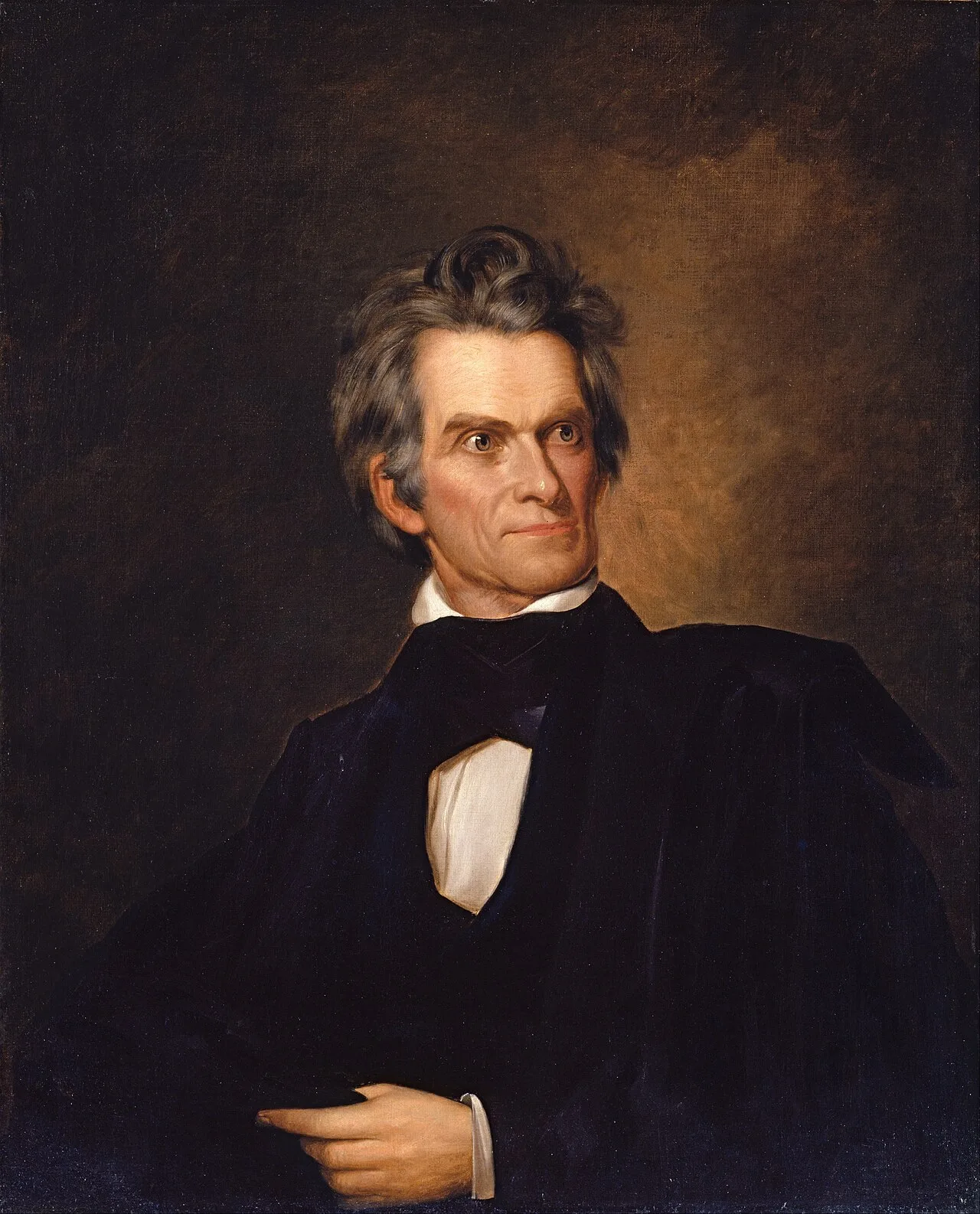
- The Nullification Crisis (1832–1833): In response to high protective tariffs (the "Tariff of Abominations" of 1828), Vice President John C. Calhoun authored the South Carolina Exposition and Protest, arguing that sovereign states had the constitutional authority to nullify unconstitutional federal laws within their borders. When South Carolina declared the tariffs of 1828 and 1832 null and void and threatened secession, Jackson responded aggressively. He issued a Proclamation on Nullification declaring disunion treason and secured the Force Bill (1833) authorizing military intervention, while Henry Clay defused the crisis with the Compromise Tariff of 1833.
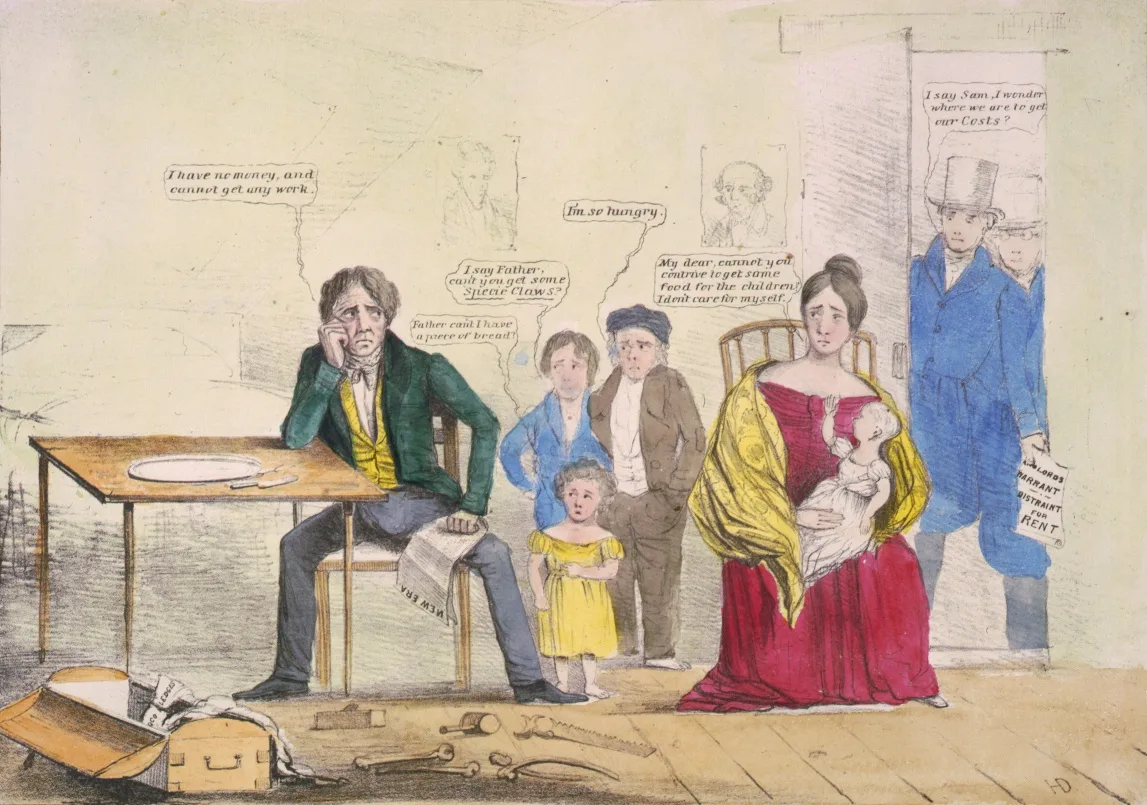
- The Bank War: Jackson viewed the Second Bank of the United States, directed by Nicholas Biddle, as an unconstitutional monopoly that enriched wealthy elites at the expense of working people. In 1832, Jackson vetoed the bill to recharter the Bank. Following his re-election, he dismantled the institution by withdrawing federal deposits and placing them in state-chartered "pet banks." This decentralized credit expansion led to rampant land speculation, prompting Jackson to issue the Specie Circular (1836), requiring gold or silver for public land purchases. The contraction contributed to the catastrophic Panic of 1837 and a severe five-year economic depression.
The Market Revolution, Transportation, and Second Great Awakening Reforms
Simultaneously, the United States underwent the Market Revolution, transitioning from local subsistence farming to an integrated national market economy driven by technological innovation and capitalist enterprise. The transportation revolution dramatically slashed shipping costs and transit times:
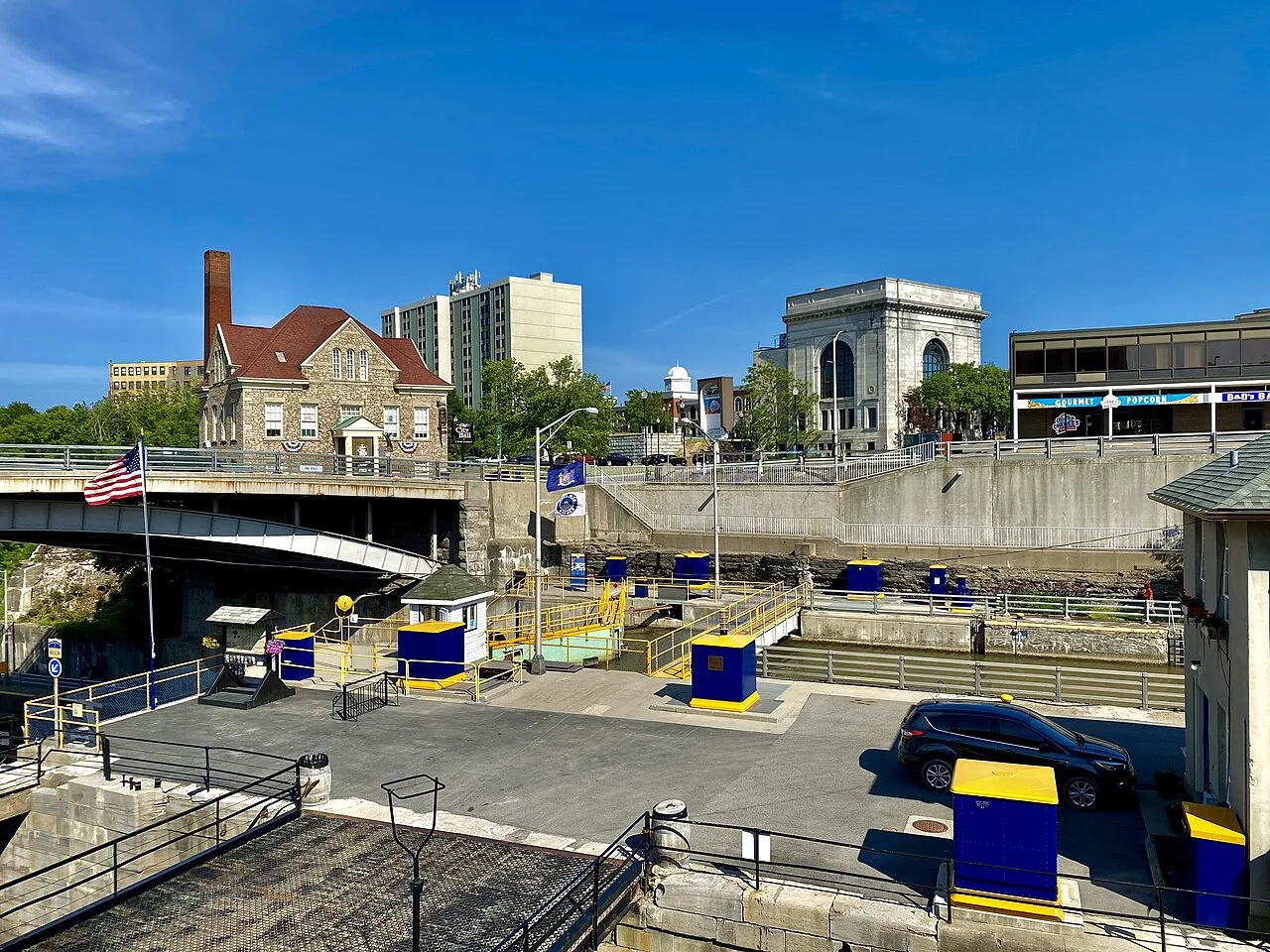
- The completion of the Erie Canal in 1825 connected the Hudson River with Lake Erie, making New York City the nation's premier commercial metropolis and binding the agricultural Midwest to northeastern markets.
- Steamboats enabled two-way upstream navigation on the Mississippi and Ohio Rivers.
- Railroads expanded rapidly in the 1830s and 1840s, while Samuel Morse's telegraph (1844) allowed instant nationwide communication.
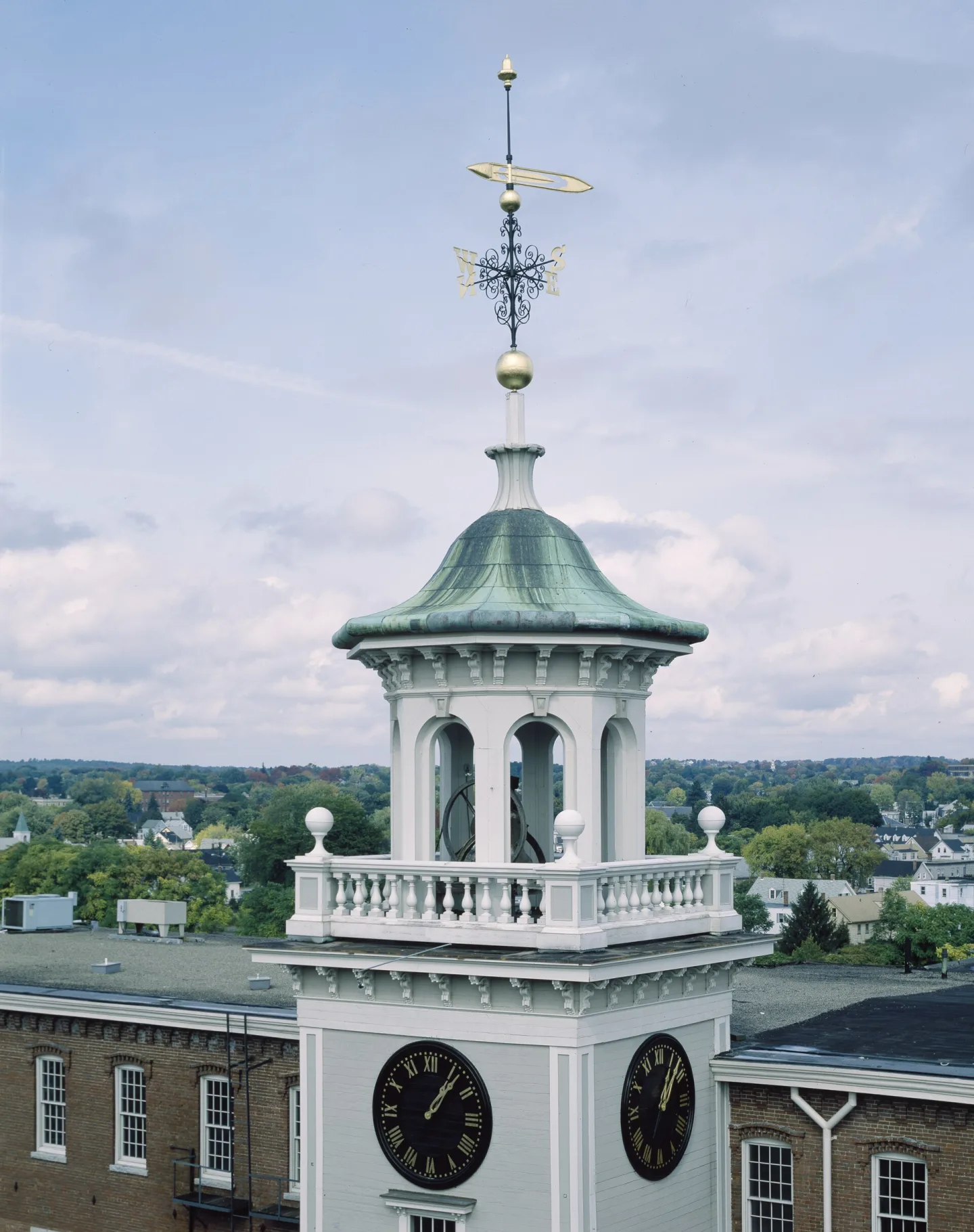
Industrial manufacturing surged in the Northeast. The Lowell mill system in Massachusetts established textile manufacturing under single roofs, initially employing young rural farm women ("Lowell Mill Girls") under strict moral chaperonage before transitioning to cheaper immigrant labor. In agriculture, Eli Whitney's cotton gin (1793), Cyrus McCormick's mechanical reaper (1831), and John Deere's steel plow (1837) vastly expanded productive capacity.
Social disruption from market transformation sparked religious and moral reform during the Second Great Awakening. Evangelical revivals led by Charles Grandison Finney along the "burned-over district" of western New York preached individual free will and moral perfectionism. This religious fervor fueled major antebellum reform crusades:
- Temperance: The American Temperance Society campaigned to curb alcohol consumption.
- Asylum and Prison Reform: Dorothea Dix exposed the inhumane treatment of the mentally ill, leading to state-funded mental hospitals.
- Public Education: Horace Mann pioneered universal, tax-funded public common schools in Massachusetts.
- Women's Rights: In July 1848, Elizabeth Cady Stanton and Lucretia Mott convened the Seneca Falls Convention, issuing the Declaration of Sentiments, which modeled its grievances on the Declaration of Independence and demanded equal civil rights, including women's suffrage.
Indian Removal, Manifest Destiny, Texas Annexation, and the Mexican War
The territorial expansion of white settlement involved aggressive state and federal dispossession of Indigenous peoples. In 1830, Jackson signed the Indian Removal Act, coercing southeastern nations (Cherokee, Creek, Choctaw, Chickasaw, and Seminole) to exchange ancestral homelands for lands west of the Mississippi River in Indian Territory (modern Oklahoma). When the Cherokee Nation resisted legally, Chief Justice John Marshall ruled in Worcester v. Georgia (1832) that the Cherokee constituted a distinct political community over which Georgia state laws had no force. Jackson flouted the ruling, and in 1838–1839, the federal military forcibly marched over 15,000 Cherokees westward on the Trail of Tears, resulting in the deaths of an estimated 4,000 to 8,000 individuals (historians debate the exact toll) due to exposure, starvation, and disease.
In 1845, journalist John L. O'Sullivan coined the term "Manifest Destiny", articulating the popular belief that the United States possessed a divinely ordained mission to expand democracy and self-government across the entire North American continent from the Atlantic to the Pacific.
Manifest Destiny drove rapid territorial expansion under President James K. Polk:
- Texas Annexation (1845): Following the 1836 Texas Revolution against Mexico, Texas operated as an independent republic until admitted as a slave state by joint congressional resolution.
- Oregon Treaty (1846): Polk settled the Oregon boundary dispute with Great Britain, establishing the 49th parallel as the international border to the Pacific.
- The Mexican-American War (1846–1848): Polk ordered General Zachary Taylor into disputed territory between the Nueces River and the Rio Grande, a move critics at the time (including Representative Abraham Lincoln) charged had provoked the war. Following American military victories in Mexico and California, Mexico signed the Treaty of Guadalupe Hidalgo (1848). In exchange for $15 million, Mexico ceded over 500,000 square miles—the Mexican Cession—including modern California, Nevada, Utah, and parts of Arizona, New Mexico, Colorado, and Wyoming.
The acquisition of this vast territory immediately reopened the explosive sectional conflict over slavery. In 1846, Pennsylvania Representative David Wilmot proposed the Wilmot Proviso, seeking to ban slavery in all territory acquired from Mexico. Though repeatedly defeated in the Senate, the Wilmot Proviso signaled the collapse of national party unity and set the nation on a course toward civil war.
Key terms
- Spoils System
- A political practice wherein a victorious party awards public civil service jobs and government contracts to its partisan supporters as a reward for electoral victory.
- Market Revolution
- The nineteenth-century transformation of the American economy from local household subsistence to a specialized, commercial national market integrated by canals, railroads, and factories.
- Moral Perfectionism
- The evangelical religious doctrine that individuals can choose spiritual salvation and are divinely obligated to eradicate moral and social evils from their communities.
- Manifest Destiny
- The nineteenth-century cultural belief that the United States possessed a providential, divinely ordained mandate to expand democratic institutions and territory across North America.
Key concepts
Andrew Jackson
- Seventh President of the United States who championed the 'common man' and mass democracy
- Waged the Bank War against Nicholas Biddle and crushed South Carolina's nullification ordinance
- Enforced the Indian Removal Act resulting in the forced migration along the Trail of Tears
Second Party System
- National political framework spanning the late 1820s through the early 1850s
- Pitted Andrew Jackson's Democrats against Henry Clay's Whig coalition
- Driven by mass voter turnout, organized national party conventions, and the spoils system
Erie Canal
- 363-mile artificial waterway completed across New York State in 1825
- Connected the Hudson River with Lake Erie, slashing shipping costs by over 90 percent
- Transformed New York City into the premier commercial seaport of North America
Seneca Falls Convention
- Historic women's rights assembly organized by Elizabeth Cady Stanton and Lucretia Mott in 1848
- Issued the famous Declaration of Sentiments declaring that all men and women are created equal
- Inaugurated the organized national crusade for women's legal equality and voting rights
Trail of Tears
- Forced military eviction of the Cherokee Nation from ancestral lands in 1838–1839
- Conducted under the Indian Removal Act in defiance of the Supreme Court's Worcester ruling
- Resulted in an estimated 4,000 to 8,000 Cherokee deaths on the march to Oklahoma (historians debate the exact toll)
Manifest Destiny
- Nineteenth-century nationalist ideology coined by editor John L. O'Sullivan in 1845
- Asserted a divinely ordained mission for the United States to expand across the continent
- Served as the ideological rationale for the annexation of Texas and the Mexican-American War
Treaty of Guadalupe Hidalgo
- Peace treaty signed in 1848 concluding the Mexican-American War
- Ceded California, Nevada, Utah, and parts of Arizona, New Mexico, Colorado, and Wyoming to the US
- Paid Mexico $15 million and established the Rio Grande as the southern border of Texas
Key facts
The Nullification Crisis of 1832–1833
Led by Vice President John C. Calhoun, South Carolina declared the federal protective tariffs of 1828 and 1832 null and void within its borders, prompting President Andrew Jackson to issue his Proclamation on Nullification and secure the Force Bill.
The Panic of 1837
Triggered by Jackson's Specie Circular of 1836 (mandating gold or silver for public land purchases), runaway credit from pet banks, and British financial contractions, the Panic of 1837 caused a catastrophic five-year economic depression with rampant bank failures.
The Erie Canal and Transportation Revolution
Completed in 1825 across 363 miles of New York, the Erie Canal linked the Hudson River to Lake Erie, reducing freight transport costs by over 90 percent, transforming New York City into the nation's premier metropolis, and integrating western agriculture.
The Lowell Mill System
In Lowell, Massachusetts, the Boston Manufacturing Company established the Lowell system, integrating mechanized textile spinning and weaving in modern water-powered factories staffed predominantly by young, unmarried rural New England women.
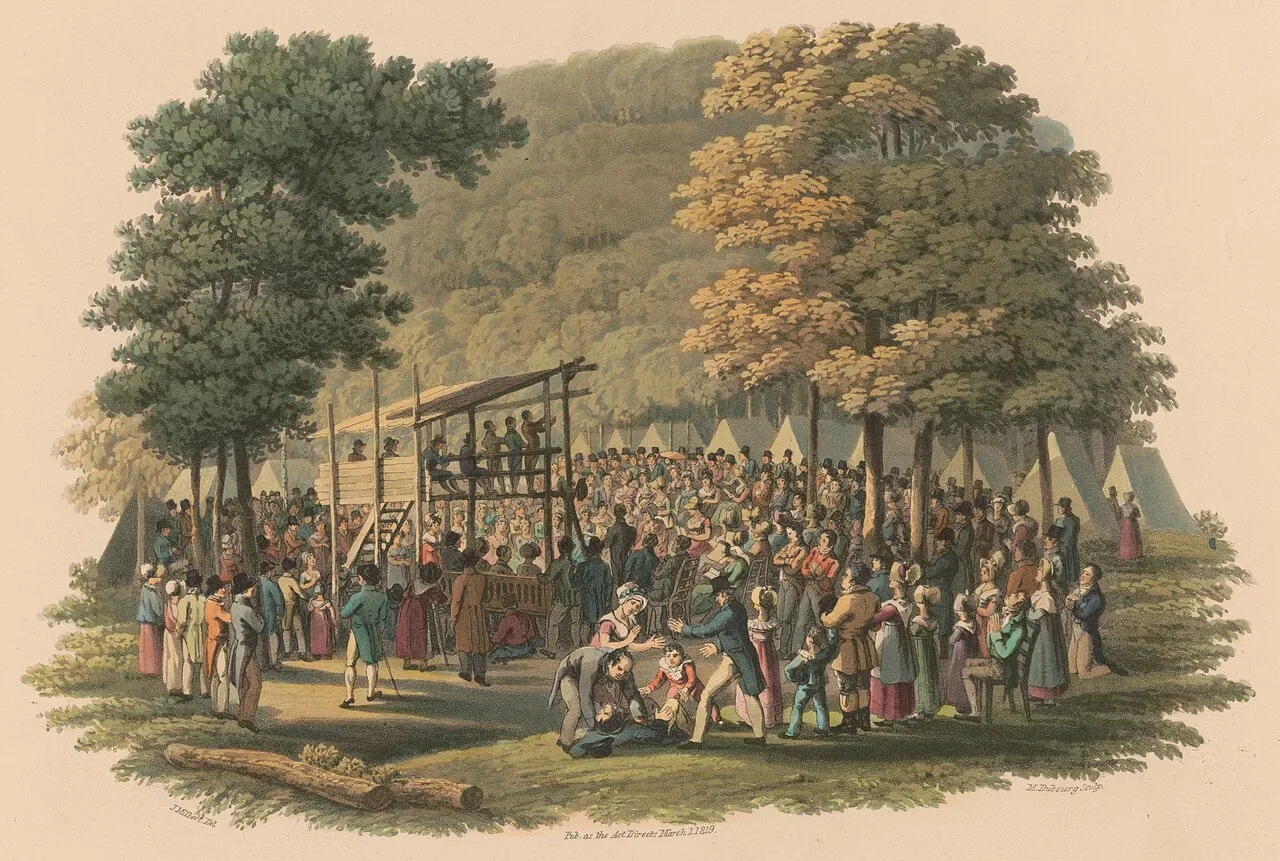
The Second Great Awakening
The Second Great Awakening swept across the nation in the 1820s and 1830s through evangelical revivals led by Charles Grandison Finney along New York's 'burned-over district', preaching human free will and moral perfectionism that catalyzed antebellum social reform movements.
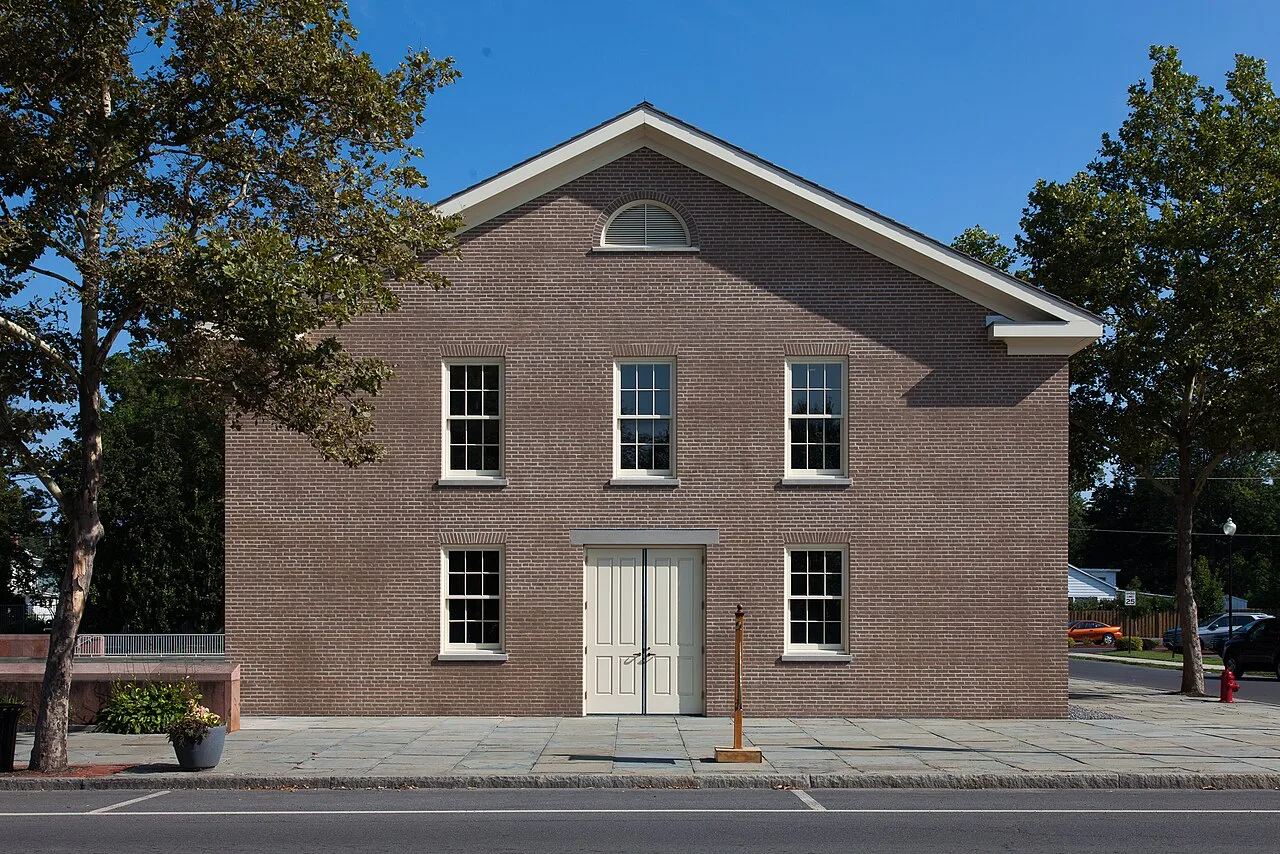
The Seneca Falls Convention of 1848
Organized in July 1848 by Elizabeth Cady Stanton and Lucretia Mott, the Seneca Falls Convention in New York issued the Declaration of Sentiments, modeling its grievances on the Declaration of Independence to demand full civil rights and women's suffrage.
The Trail of Tears and Indian Removal
Enacted in 1830 under Andrew Jackson, the Indian Removal Act culminated in the 1838–1839 forced military eviction of over 15,000 Cherokees along the Trail of Tears to Indian Territory (Oklahoma), causing an estimated 4,000 to 8,000 deaths (historians debate the exact toll) from exposure, starvation, and disease.
The Mexican-American War and Mexican Cession
Provoked by President James K. Polk over disputed Texas boundaries in 1846, the Mexican-American War concluded with the Treaty of Guadalupe Hidalgo (1848), which ceded over 500,000 square miles—including California and New Mexico—to the United States for $15 million.
By the numbers
- In what calendar year did South Carolina pass its Ordinance of Nullification against federal tariffs?
- 1832 year
- In what calendar year was the historic Seneca Falls Convention held in upstate New York?
- 1848 year
- How many total miles in length was the original Erie Canal when completed across New York in 1825?
- 363 miles
- In what calendar year was the Treaty of Guadalupe Hidalgo signed, concluding the Mexican-American War?
- 1848 year
Matched pairs
Each item on the left goes with the one on the right.
- Force Bill
- Statute authorizing federal military force to collect customs duties in rebellious states
- Spoils System
- Practice of rewarding partisan political loyalists with government bureaucratic appointments
- Dorothea Dix
- Antebellum reformer who led campaigns to create state-funded mental asylums
- Mexican Cession
- Over 500,000 square miles of southwestern territory ceded to the US in 1848
Self-test
Answer each question from memory, then check your work against the answer key.
1. What democratic reform characterized the emergence of Jacksonian political culture in the 1820s and 1830s?
- AAbolition of property ownership requirements to establish near-universal white male voting
- BGranting universal voting franchise to all enslaved persons working in western territories
- CExpanding voting rights equally to free Black men alongside white men lacking property
- DRequiring United States Supreme Court justices to face direct popular election every five years
2. How did President Andrew Jackson respond to South Carolina's nullification of federal protective tariffs in 1832?
- AHe rejected any use of force and urged South Carolina to secede peacefully
- BHe withdrew the tariff outright and left South Carolina to settle the dispute on its own
- CHe accepted South Carolina's claim that a state could nullify federal laws it judged unconstitutional
- DHe declared nullification treason and secured congressional authority to use military force
3. What political rationale did Andrew Jackson articulate when vetoing the recharter of the Second Bank of the United States in 1832?
- AEach state had the sovereign right to nullify the bank's federal charter within its borders
- BThe bank was an unconstitutional, monopolistic institution that enriched wealthy and foreign elites
- CThe Bank was too weak to regulate state banknotes, so a stronger federal bank was needed
- DThe Bank had lent too much money to western farmers and needed to be restrained
4. What was the direct consequence of Andrew Jackson's 1836 Specie Circular order?
- AIt required state banks to redeem all outstanding paper notes in federal Treasury bonds
- BIt caused a sudden nationwide expansion of paper currency and easy bank credit
- CIt triggered a deflationary credit contraction by requiring gold or silver for federal land purchases
- DIt authorized the Second Bank of the United States to resume issuing the nation's paper currency
5. Which 1833 measure did Henry Clay engineer to defuse the Nullification Crisis?
- AMissouri Compromise of 1820
- BTariff of Abominations
- CForce Bill of 1833
- DCompromise Tariff of 1833
6. How did the completion of the Erie Canal in 1825 transform the economic geography of the United States?
- AIt connected Lake Erie to the Ohio River, opening a water route to the Gulf of Mexico
- BIt linked the Great Lakes to the Mississippi River, so western grain flowed south to New Orleans
- CIt bound the agricultural Midwest to northeastern urban markets and sharply cut freight costs
- DIt raised freight costs on western grain because canal tolls exceeded wagon rates
7. What labor arrangement characterized the early Lowell textile manufacturing system in Massachusetts?
- AUnmarried young rural women worked in centralized water-powered mills under strict moral boarding
- BWhole farm families were hired as units and lived in a mill village under the owner's supervision
- CIrish and German immigrant families did piece-rate work in their own homes
- DArtisan master craftsmen hand-wove cloth in dispersed independent home workshops
8. What core theological concept preached during the Second Great Awakening energized antebellum reform movements?
- ATranscendentalism, finding the divine in nature while rejecting organized churches
- BMoral perfectionism and individual free will, holding that Christians must actively reform society
- CStrict Calvinist predestination asserting that human moral reform cannot alter divine damnation
- DDeism, the belief that reason alone reveals a creator who does not intervene in human affairs
9. Which demand appeared in the Declaration of Sentiments issued at the Seneca Falls Convention in 1848?
- AEqual civil rights and the constitutional franchise of voting for women
- BThe admission of women as full voting members of political party conventions
- CEqual pay for women performing the same factory labor as men
- DA demand that husbands surrender all personal property to their wives
10. Which reformer pioneered tax-funded public common schools in Massachusetts during the antebellum era?
- ADorothea Dix
- BCharles Grandison Finney
- CHorace Mann
- DElizabeth Cady Stanton
Go deeper
- WatchThe Canal That Built a Market One canal made New York City the top trading city in the nation. The Erie Canal was finished in 1825.
- WatchThe Trail of Tears The Supreme Court sided with the Cherokee Nation. In 1832, it ruled that Georgia's laws had no force over the Cherokee.
- WatchThe Bank War Andrew Jackson went to war with the nation's bank. He saw the Second Bank of the United States as a monopoly for wealthy elites.
- StudyUnited States History in the FlashFeed app
Answer key
- 1. A Abolition of property ownership requirements to establish near-universal white male votingStates eliminated taxpaying and property requirements, expanding the voting franchise to ordinary adult white working men.
- 2. D He declared nullification treason and secured congressional authority to use military forceJackson issued his Proclamation on Nullification declaring disunion treason and secured the Force Bill to enforce federal law.
- 3. B The bank was an unconstitutional, monopolistic institution that enriched wealthy and foreign elitesJackson's veto message framed the Bank as an elitist monopoly that oppressed farmers and mechanics for the benefit of financiers.
- 4. C It triggered a deflationary credit contraction by requiring gold or silver for federal land purchasesThe Specie Circular curbed land speculation by demanding hard specie, draining gold from banks and contributing to the Panic of 1837.
- 5. D Compromise Tariff of 1833Clay's Compromise Tariff gradually lowered rates to satisfy South Carolina, while the Force Bill was Jackson's separate measure authorizing military enforcement.
- 6. C It bound the agricultural Midwest to northeastern urban markets and sharply cut freight costsThe Erie Canal dramatically reduced shipping costs, connecting Great Lakes agriculture directly with New York City.
- 7. A Unmarried young rural women worked in centralized water-powered mills under strict moral boardingThe Lowell system employed young farm women ('mill girls') who lived in company-owned boarding houses with strict rules.
- 8. B Moral perfectionism and individual free will, holding that Christians must actively reform societyEvangelicals preached that individuals could choose salvation and were obligated to eradicate social sins like drunkenness and slavery.
- 9. A Equal civil rights and the constitutional franchise of voting for womenDrafted by Elizabeth Cady Stanton, the Declaration of Sentiments demanded legal equality, property rights, and women's suffrage.
- 10. C Horace MannHorace Mann championed universal, state-funded common schools in Massachusetts, distinct from Dix's asylum reform, Finney's revivalism, and Stanton's women's rights advocacy.
Sources
- Wilentz, The Rise of American Democracy, Ch. 7
- Freehling, Prelude to Civil War, Ch. 8
- Remini, Andrew Jackson and the Bank War, Ch. 4
- Howe, What Hath God Wrought, Ch. 13
- Sheriff, The Artificial River, Ch. 1
- Dublin, Women at Work, Ch. 3
- Johnson, A Shopkeeper's Millennium, Ch. 5
- Wellman, The Road to Seneca Falls, Ch. 7
- Perdue & Green, The Cherokee Nation and the Trail of Tears
- Guardino, The Dead March, Ch. 12
- Howe, What Hath God Wrought, Ch. 18
- Remini, Andrew Jackson and the Bank War
- Sheriff, The Artificial River
- Dublin, Women at Work
- Johnson, A Shopkeeper's Millennium
- Wellman, The Road to Seneca Falls
- Howe, What Hath God Wrought, Ch. 17
- Remini, Andrew Jackson
- Wilentz, The Rise of American Democracy
- Howe, What Hath God Wrought
- Guardino, The Dead March
- Freehling, Prelude to Civil War
Image credits
- The Nullification Crisis of 1832–1833: George Peter Alexander Healy · Public domain — commons.wikimedia.org/wiki/File:George_Peter_Alexander_Healy_-_John_C._Calhoun_-_Google_Art_Project.jpg
- The Panic of 1837: Henry Dacre (1820-?) · Public domain — en.wikipedia.org/wiki/Panic_of_1837
- The Erie Canal and Transportation Revolution: Wikimedia Commons · Andre Carrotflower · CC BY-SA 4.0 — commons.wikimedia.org/wiki/File:Erie_Canal_and_Flight_of_Five_Locks_from_Canal_Street,_Lockport,_New_York_-_20210531.jpg
- The Lowell Mill System: Wikimedia Commons · Carol M. Highsmith · Public domain — commons.wikimedia.org/wiki/File:Boott_Cotton_Mills_complex,_Lowell,_Massachusetts_LCCN2011631503.tif
- The Second Great Awakening: Dubourg, M., engraver Milbert, Jacques Gérard, 1766-1840 , artist · Public domain — commons.wikimedia.org/wiki/File:Camp_meeting_of_the_Methodists_in_N._America_J._Milbert_del_M._Dubourg_sculp_(cropped).jpg
- The Seneca Falls Convention of 1848: Wikimedia Commons · Kenneth C. Zirkel · CC BY-SA 3.0 — commons.wikimedia.org/wiki/File:Wesleyan_Methodist_Church_(Seneca_Falls,_New_York)_front_view.jpg


