
The Complete Volkswagen GTI study guide · Lesson 3 of 13
Eight Generations at a Glance
Mk1 to Mk4 (1976-2006) · Mk5 to Mk8 (2006-present)
This is the lesson's study guide from the FlashFeed app, plus its key facts and a self-test.
What you'll be able to do
- Match the Mk1–Mk4 GTIs to their defining traits.
- Identify the Rabbit GTI, the Rallye Golf, and the Mk2's US Golf-name milestone.
- Recall the peak output of the Mk1 and Mk2 16-valve GTIs.
- Match the Mk5–Mk7 GTIs to their platform and engine traits.
- Recall Mk5 and Mk8 output and the Mk8 Edition 50's FWD Nürburgring record.
Mk1 to Mk4 (1976-2006)
Four generations across three decades — from an accidental genre invention to a full-blown premium reboot. Each one recalibrated what "hot hatch" meant for the era it inhabited.
Mk1 (1976-1983): The Original
The Mk1 didn't set out to define a genre; it just did. VW's Giorgetto Giugiaro-designed Golf shell received a 1.6L four-cylinder tuned to 110 hp in European specification — enough for a 113 mph top speed in a body weighing under 1,800 lb. The US version, sold as the Rabbit GTI from 1983, was built at VW's Westmoreland, Pennsylvania plant and trimmed to 90 hp to satisfy American emissions rules, at a launch price of $7,990. The recipe — light body, willing engine, decent suspension — proved so influential that every rival that followed was judged against it.
Mk2 (1984-1992): Bigger and More Mature
The Mk2 grew in every dimension: longer wheelbase, more interior space, heavier kerb weight. Critics who wanted the Mk1's rawness were disappointed. Those who drove the 137-hp 16-valve variant were less so. More significantly, the Mk2 was the first GTI sold in the US to carry the Golf name — the Mk1 had always been the Rabbit domestically. On the extreme end, VW built the Rallye Golf: an all-wheel-drive, supercharged 1.8L homologation special producing 160 hp in a widened bodyshell, created solely to qualify for Group A rally competition. Only a few thousand were made, all for Europe.
Mk3 (1992-1999): The Controversial One
VW's priorities shifted toward safety ratings and European crash regulations, and the Mk3 paid the price in added mass. The base 2.0L 8-valve engine felt underwhelming in the heavier body, and the GTI's reputation took a knock against sharper rivals like the Peugeot 205 GTI. The saving grace was the 2.8L VR6 — a narrow-angle six-cylinder unique to Volkswagen Group, running with a single cylinder head over two offset banks separated by just 15 degrees. The result was a six that fit a four-cylinder engine bay, with a distinctive exhaust note and butter-smooth delivery that made the Mk3 worthwhile at the top of the range.
Mk4 (1998-2006): Upscale Revival
The Mk4's redesign was a deliberate repositioning upmarket: cleaner, sharper exterior surfaces, a cabin that used better plastics and tighter panel fits than any prior GTI. The move worked commercially and critically. Under the hood, the star was the turbocharged 1.8T — a robust, highly modular engine that produced strong midrange torque and became one of the most tunable platforms of its era. Four bolts, an upgraded turbo, and an ECU flash could push output well past stock figures, spawning an entire aftermarket economy that lasted decades after the Mk4 left production.
Mk5 to Mk8 (2006-present)
The modern era of the GTI runs from a credibility restoration through a widely celebrated high point to the car's likely final internal-combustion chapter — four generations that tracked Volkswagen's engineering ambitions and, occasionally, its software struggles.
Mk5 (2006-2009): The Comeback
The Mk5 arrived on an entirely new PQ35 platform and brought the genre legitimacy back after the Mk3/Mk4 drift. The engine was the 2.0T FSI — a turbocharged, direct-injection four-cylinder producing 200 hp — which delivered stronger and more consistent power than the 1.8T it replaced. Critically, it was the first GTI sold in North America carrying the full Golf GTI badge since the late 1980s, ending the naming confusion that had plagued US marketing. Driver feedback was sharper, the suspension better-tuned, and the car's overall dynamic composure restored the GTI's standing among enthusiast journalists who had been patient for a decade.
Mk6 (2010-2014): Refined Evolution
On the surface the Mk6 was incremental — cleaner sheetmetal, revised interior, updated electronics. Under the hood the important change was a switch from FSI to TSI fuel injection on the EA888 Gen 2 engine, still rated at 200 hp in US specification. TSI combines direct injection with port injection principles and improved part-throttle response. US-market cars received the timing-chain variant of the EA888, which was generally welcome news — until a batch of early chain-tensioner failures created a known reliability concern that owners and specialists tracked closely. The cars that avoided that issue were regarded as polished, comfortable daily drivers with genuine pace.
Mk7 (2015-2021): Best GTI Ever
The MQB platform was the structural revolution the Golf range had needed. Compared with the Mk6, the Mk7 was simultaneously lighter, stiffer, physically larger, and more powerful — a combination that normally involves compromise but here did not. Handling precision improved, refinement improved, and the car's ability to be genuinely fast without feeling dramatic made it the benchmark of the hot-hatch class. The consensus verdict at launch — best GTI ever made — held through its entire production run and is still the comparison point reviewers reach for when assessing any rival.
Mk8 (2022-present): The Digital GTI
The Mk8 raised peak output to 241 hp and redesigned the interior around a heavily digital cockpit, replacing physical buttons with touch-sensitive surfaces. Early software bugs in the infotainment drew sustained criticism, though subsequent OTA updates addressed most complaints. The car's wider significance is historical: it is expected to be the last internal-combustion GTI before Volkswagen's EV transition concludes the lineage. To mark the GTI's 50th anniversary, VW built the Edition 50 special edition, celebrating fifty years of the GTI badge. With 321 hp, the Edition 50 lapped the Nürburgring Nordschleife — the German circuit used as the benchmark for production-car lap times — in 7:44.523 in May 2026, taking the front-wheel-drive lap record from the Honda Civic Type R's 2023 time of 7:44.881.
Key concepts
The Rabbit GTI
- The US-market name for the original hot hatch when it landed stateside in 1983, before VW adopted the Golf name there.
- Built at VW's Westmoreland, Pennsylvania plant and detuned to 90 hp to satisfy American emissions rules.
- It launched at $7,990 and wore the name of a small mammal that VW used only in America.
The Rallye Golf
- An extreme, widened Mk2-era homologation special, only a few thousand made and all for Europe.
- Unusually for the line, it ran all-wheel drive and a supercharged 1.8-liter engine making 160 hp.
- It existed only to qualify VW for Group A motorsport competition.
The Edition 50
- A special version of the Mk8 GTI, the generation expected to be the last combustion-engined GTI, built to mark the badge's half-century.
- Built to celebrate fifty years of the GTI badge, it makes 321 hp, 80 hp more than the standard Mk8 launch car.
- In May 2026 it set a new front-wheel-drive lap record at the Nürburgring Nordschleife.
Key facts
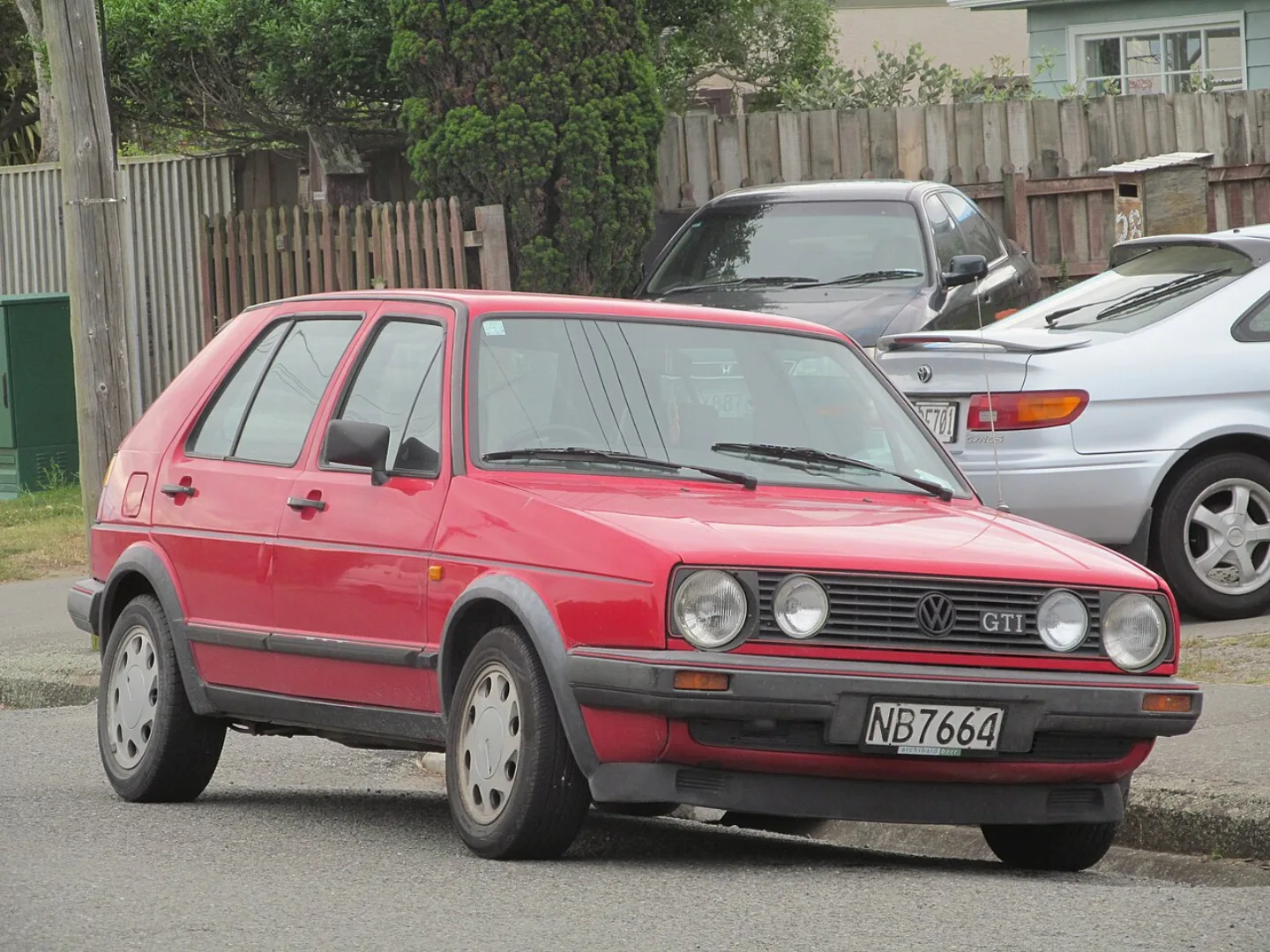
Mk2 (1984-1992): Bigger and More Mature
Larger and heavier than the Mk1, the Mk2 added a 137-hp 16-valve variant and was the first GTI sold in the US to carry the Golf name (the Mk1 was the "Rabbit" here). This era also spawned the Rallye Golf - an all-wheel-drive, supercharged 1.8L homologation special making 160 hp with a wider body, built in limited numbers for Group A.
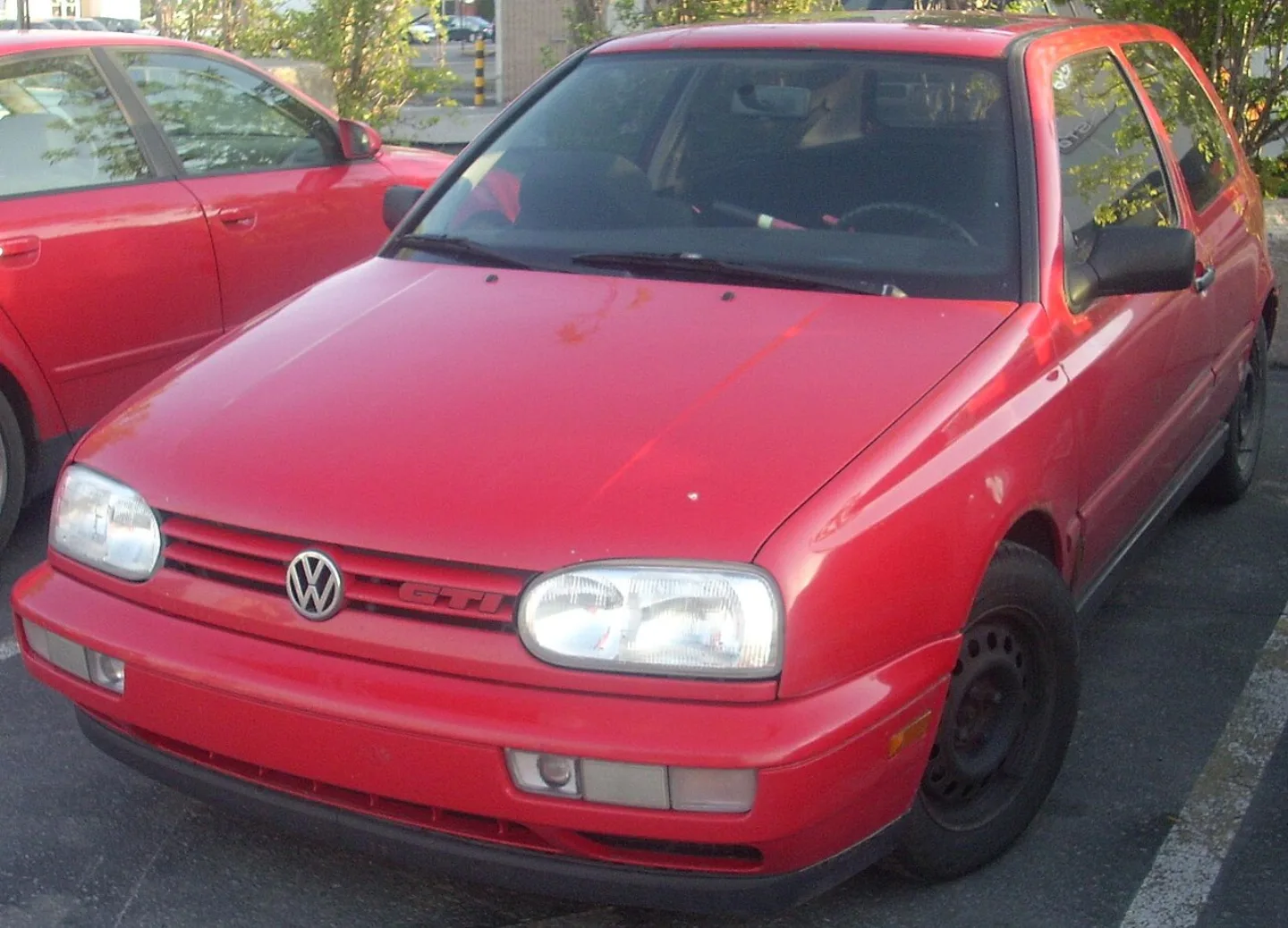
Mk3 (1992-1999): The Controversial One
VW prioritized safety and refinement over fun, and the car gained substantial weight - a controversial chapter that many felt lost its edge against rivals like the Peugeot 205 GTI. Engines ran from a 2.0L 8V up to the celebrated 2.8L VR6, a narrow-angle six unique to VW prized for its smooth delivery and unusual note.
Mk4 (1998-2006): Upscale Revival
The Mk4 returned the GTI to relevance with a dramatic, upscale redesign - cleaner surfaces, premium materials, a cabin that genuinely felt a class above. Under the hood it brought the turbocharged 1.8T, a resilient and famously tunable engine that would define the platform for a generation of enthusiasts.
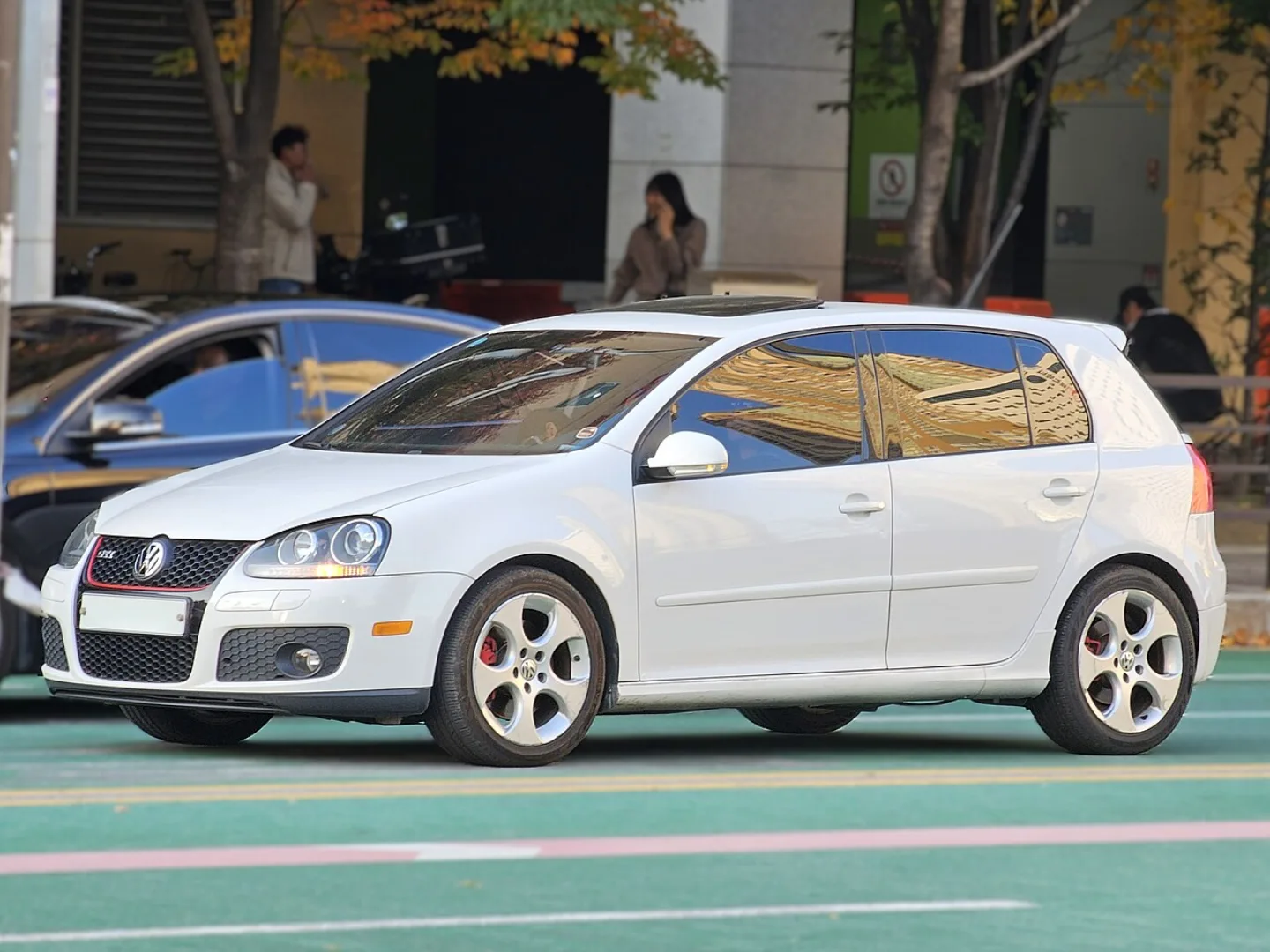
Mk5 (2006-2009): The Comeback
Built on the all-new PQ35 platform, the Mk5 brought back genuine driver engagement and debuted the 2.0T FSI turbocharged direct-injection engine making 200 hp. It was the first GTI sold in North America as a Golf GTI since the late 1980s, and revived the breed's reputation after a wobbly couple of generations.
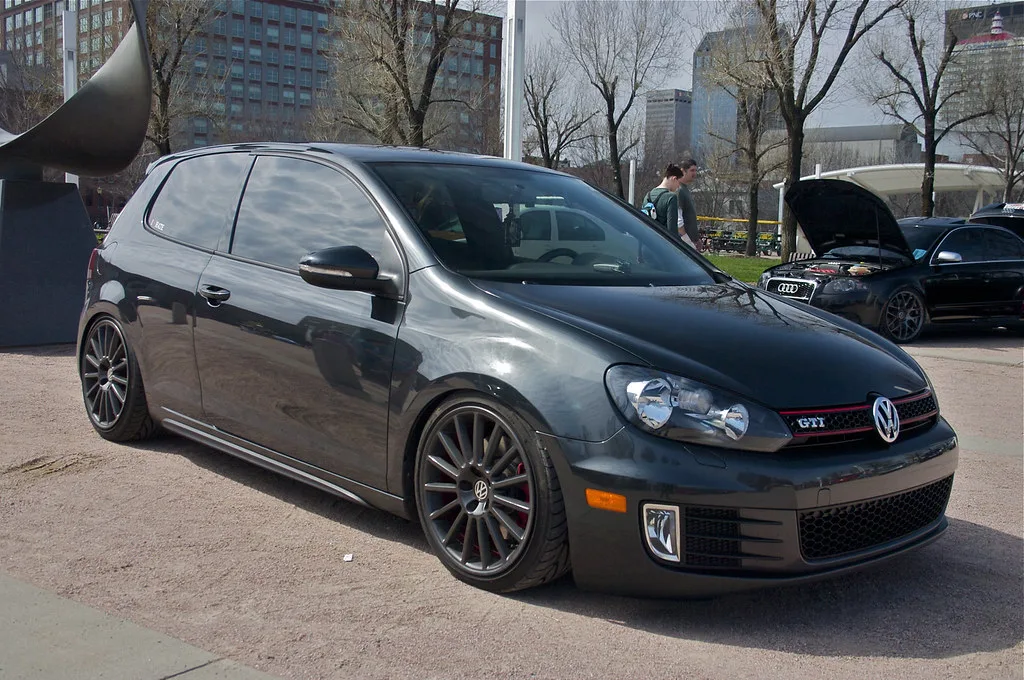
Mk6 (2010-2014): Refined Evolution
A refined evolution of the Mk5, the Mk6 switched from FSI to TSI direct injection on the EA888 Gen 2 engine, also rated at 200 hp in US trim and praised for its response. US cars used the timing-chain EA888 - an engine generation that would later become notorious for early chain-tensioner trouble.
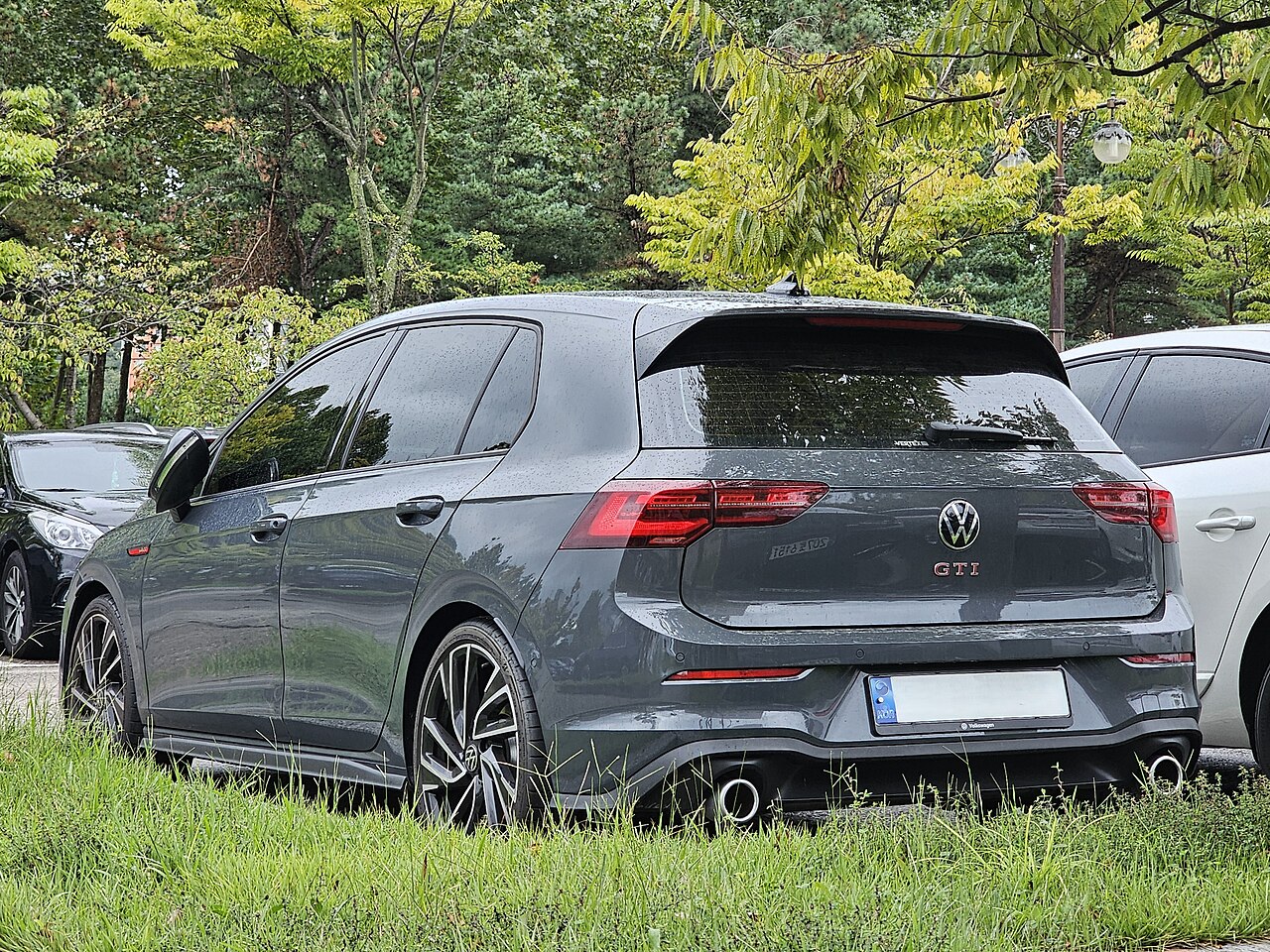
Mk8 (2022-present): The Digital GTI
The Mk8 brought 241 hp at launch (rising to 262 hp with the 2025 update) and an extensively digital cockpit, though it drew early criticism for buggy infotainment software. Expected to be the final internal-combustion GTI before VW's EV transition, it holds a historic place in the lineage. Its 50th-anniversary Edition 50 took the front-wheel-drive Nürburgring lap record in May 2026 at 7:44.523.
By the numbers
- Mk1 GTI peak European output
- 110 hp
- Output of the Mk2 GTI 16-valve
- 137 hp
- Output of the Mk5 GTI 2.0T FSI
- 200 hp
- Output of the Mk8 GTI
- 241 hp
- The Golf GTI Edition 50's 2026 FWD Nürburgring record lap, in seconds (7:44.523)
- 464.523 seconds
Matched pairs
Each item on the left goes with the one on the right.
- Mk1
- Built as the US Rabbit GTI in Westmoreland, PA
- Mk2
- AWD supercharged Rallye Golf homologation special
- Mk3
- Introduced the narrow-angle 2.8 VR6 six-cylinder
- Mk4
- Upscale redesign with the turbocharged 1.8T
- Mk5
- Debuted the 2.0T FSI on the PQ35 platform
- Mk7
- First on the lighter MQB platform; "best GTI ever"
Self-test
Answer each question from memory, then check your work against the answer key.
1. Which generation introduced the narrow-angle 2.8L VR6 six-cylinder engine?
- AMk2
- BMk3
- CMk4
- DMk1
2. An upscale redesign with premium materials and the turbocharged 1.8T engine defined which GTI?
- AMk5
- BMk2
- CMk1
- DMk4
3. Which generation was sold in the US as the Rabbit GTI, built in Westmoreland, Pennsylvania?
- AMk3
- BMk2
- CMk1
- DMk4
4. Which generation-to-trait pairing is INCORRECT?
- AMk4 — debuted the 2.0T FSI on the PQ35 platform
- BMk2 — larger and heavier, spawned the AWD Rallye Golf
- CMk3 — gained weight, topped by the 2.8L VR6
- DMk1 — the original hot hatch, sold as the Rabbit GTI
5. Which generation grew larger and heavier than the original and added a 137-hp 16-valve variant?
- AMk3
- BMk4
- CMk1
- DMk2
6. What was the launch price of the US-market Rabbit GTI in 1983?
- A$6,500
- B$9,995
- C$7,990
- D$12,500
7. To meet US emissions rules, how many horsepower did the Rabbit GTI make versus the European Mk1's 110 hp?
- A90 hp
- B75 hp
- C125 hp
- D110 hp
8. Which generation was the first GTI sold in the US to carry the 'Golf' name rather than the 'Rabbit' badge?
- AMk1
- BMk2
- CMk4
- DMk3
9. The US-market Rabbit GTI (the Mk1) was built at which Volkswagen plant?
- AWolfsburg, Germany
- BChattanooga, Tennessee
- CWestmoreland, Pennsylvania
- DPuebla, Mexico VW plant
10. The Rallye Golf homologation special used which drivetrain and engine combination?
- AAll-wheel drive with a twin-turbo 2.0L
- BFront-wheel drive with a turbocharged 1.8T
- CRear-wheel drive with the 2.8L VR6
- DAll-wheel drive with a supercharged 1.8L
11. Why did Volkswagen build the Rallye Golf?
- ATo qualify for Group A rally homologation
- BTo celebrate the GTI's 50th anniversary
- CTo meet stricter US emissions rules
- DTo set a new Nürburgring lap record
12. Domestically in the United States, the Mk1 GTI was sold under which name?
- AScirocco GTI
- BRabbit GTI
- CRallye GTI
- DGolf GTI
13. What was the peak European-specification output of the Mk1 GTI?
- A160 hp
- B90 hp
- C110 hp
- D137 hp
14. To what output was the US Rabbit GTI detuned to satisfy American emissions rules?
- A90 hp
- B110 hp
- C100 hp
- D75 hp
15. What was the output of the Mk2 GTI 16-valve?
- A110 hp
- B137 hp
- C150 hp
- D160 hp
16. Which generation-to-peak-output pairing is INCORRECT?
- AMk1 (US market) — 90 hp only
- BMk2 16-valve — 137 hp
- CMk1 (Europe) — about 110 hp
- DMk2 16-valve — a full 160 hp
17. By how much does the Mk2 16-valve's output exceed the European-spec Mk1 GTI's?
- A47 hp
- B27 hp
- C20 hp
- D90 hp
18. Which generation debuted the 2.0T FSI engine on the new PQ35 platform?
- AMk5
- BMk8
- CMk7
- DMk6
19. The MQB platform, which made the car lighter yet larger, first underpinned which GTI?
- AMk6
- BMk8
- CMk7
- DMk5
20. Which generation switched from FSI to TSI injection on the EA888 Gen 2 engine?
- AMk8
- BMk5
- CMk7
- DMk6
21. A heavily digital cockpit with touch-sensitive surfaces replacing physical buttons characterized which GTI?
- AMk6
- BMk7
- CMk5
- DMk8
22. Which generation-to-trait pairing is INCORRECT?
- AMk6 — EA888 Gen 2 engine with a timing chain
- BMk5 — PQ35 platform with the 2.0T FSI engine
- CMk8 — 200 hp on the PQ35 platform
- DMk7 — lighter MQB platform, hailed 'best GTI ever'
23. Which new platform underpinned the Mk7 GTI, marking a structural revolution for the model?
- AMLB
- BMQB
- CEA888
- DPQ35
24. Compared with the Mk6, what unusual combination did the Mk7 GTI achieve?
- ALighter, stiffer, larger, and more powerful all at once
- BHeavier but cheaper to build
- CLighter but less powerful
- DSmaller but slower
25. What is the peak output of the Mk8 GTI?
- A200 hp
- B241 hp
- C220 hp
- D261 hp
26. The Mk5's 2.0T FSI engine produced how much power?
- A241 hp
- B210 hp
- C200 hp
- D180 hp
27. By how much did peak GTI output rise from the Mk5 to the Mk8?
- A41 hp
- B21 hp
- C240 hp
- D61 hp
28. Which car's 2023 lap did the Golf GTI Edition 50 beat to take the FWD Nürburgring record in 2026?
- ARenault Mégane R.S. Trophy-R
- BHyundai i30 N
- CFord Focus ST
- DHonda Civic Type R
29. What lap time did the Golf GTI Edition 50 set at the Nürburgring Nordschleife in May 2026?
- A7:52.400
- B7:44.523
- C7:49.210
- D7:44.881
Go deeper
Answer key
- 1. B Mk3The Mk3 (1992-1999) offered the celebrated 2.8L VR6, a narrow-angle six unique to VW that fit a four-cylinder bay and smoothed over the generation's controversial weight gain.
- 2. D Mk4The Mk4 (1998-2006) moved the GTI upmarket with cleaner surfaces and the famously tunable turbocharged 1.8T. The 2.0T FSI came later, with the Mk5.
- 3. C Mk1The Mk1 US car launched in 1983 as the Rabbit GTI, built at VW's Westmoreland, PA plant and detuned to 90 hp for American emissions rules.
- 4. A Mk4 — debuted the 2.0T FSI on the PQ35 platformThe 2.0T FSI on the PQ35 platform was the Mk5, not the Mk4. The Mk4's engine story was the turbocharged 1.8T. The other three pairings are all correct.
- 5. D Mk2The Mk2 (1984-1992) grew in every dimension over the Mk1 and offered the 137-hp 16-valve version, disappointing purists who wanted the Mk1's rawness.
- 6. C $7,990The Rabbit GTI launched in the US in 1983 at $7,990, built at VW's Westmoreland, Pennsylvania plant.
- 7. A 90 hpAmerican emissions regulations detuned the Rabbit GTI's 1.6L engine to 90 hp, well below the 110-hp European specification.
- 8. B Mk2The Mk1 was sold in the US as the Rabbit GTI; the Mk2 (1984-1992) was the first US GTI to wear the Golf name. Ironically, the later US Mk4 dropped the Golf prefix entirely and sold simply as 'GTI'.
- 9. C Westmoreland, PennsylvaniaThe Rabbit GTI was assembled at VW's Westmoreland, Pennsylvania plant. The other sites are real VW factories but not where the Mk1 US GTI was built.
- 10. D All-wheel drive with a supercharged 1.8LThe Rallye Golf was an all-wheel-drive, supercharged 1.8L making 160 hp in a widened body, built to homologate VW for Group A rally.
- 11. A To qualify for Group A rally homologationThe Rallye Golf existed solely to homologate the car for Group A rally competition; only a few thousand were built, all for Europe.
- 12. B Rabbit GTIIn the US the Mk1 was the Rabbit GTI. The Golf name did not appear on a US GTI until the Mk2, which is why the Mk2 marks that naming milestone.
- 13. C 110 hpEuropean Mk1s were tuned to around 110 hp, good for a 113 mph top speed. The 90 hp figure was the emissions-detuned US car; 137 hp was the Mk2 16-valve.
- 14. A 90 hpThe US Rabbit GTI was trimmed to 90 hp for emissions compliance, down from the roughly 110 hp of the European car.
- 15. B 137 hpThe Mk2 16-valve made 137 hp. The 160 hp figure belonged to the supercharged Rallye Golf, and 110 hp was the European Mk1.
- 16. D Mk2 16-valve — a full 160 hpThe Mk2 16-valve made 137 hp; the 160 hp figure belonged to the supercharged Rallye Golf, not the 16-valve. The Mk1 made about 110 hp in Europe and 90 hp in the US.
- 17. B 27 hpThe Mk2 16-valve made 137 hp versus the Mk1's roughly 110 hp in Europe, a difference of 27 hp.
- 18. A Mk5The Mk5 (2006-2009) launched on the PQ35 platform with the 200-hp 2.0T FSI, restoring the GTI's credibility after the Mk3/Mk4 drift.
- 19. C Mk7The Mk7 (2015-2021) introduced the MQB platform, becoming lighter, stiffer, larger and more powerful at once - and earning the 'best GTI ever' verdict.
- 20. D Mk6The Mk6 (2010-2014) moved to TSI injection on the EA888 Gen 2, still rated at 200 hp in the US. Its timing-chain variant later drew tensioner-failure concerns.
- 21. D Mk8The Mk8 (2022-present) redesigned the interior around a digital cockpit, whose early infotainment software drew sustained criticism.
- 22. C Mk8 — 200 hp on the PQ35 platformThe Mk8 makes 241 hp and does not use the PQ35 platform - that was the Mk5. The other three pairings are all correct.
- 23. B MQBThe Mk7 GTI arrived on VW's new MQB platform, the structural revolution the Golf range had needed.
- 24. A Lighter, stiffer, larger, and more powerful all at onceThe Mk7 was simultaneously lighter, stiffer, physically larger, and more powerful than the Mk6 — a combination that normally requires compromise.
- 25. B 241 hpThe Mk8 raised peak output to 241 hp. The 200 hp figure was the Mk5 and Mk6 rating in the US.
- 26. C 200 hpThe Mk5's turbocharged direct-injection 2.0T FSI made 200 hp, stronger and more consistent than the 1.8T it replaced. 241 hp came with the Mk8.
- 27. A 41 hpThe Mk8's 241 hp minus the Mk5's 200 hp is a 41 hp increase across the modern era.
- 28. D Honda Civic Type RThe Edition 50's 7:44.523 in May 2026 beat the Honda Civic Type R's 7:44.881 from 2023 by 0.358 seconds, taking the front-wheel-drive record.
- 29. B 7:44.523The Edition 50 lapped the 20.8 km Nordschleife in 7:44.523. 7:44.881 is the Honda Civic Type R's 2023 time that it beat.
Sources
- Motor Authority - History of the Volkswagen GTI — www.motorauthority.com/news/1128954_history-of-the-volkswagen-gti-the-story-of-eight-generations-of-the-original-hot-hatch
- CarBuzz - Volkswagen Golf GTI Generations — carbuzz.com/cars/volkswagen/golf-gti/generations/
- Carscoops — VW Golf GTI Edition 50 takes the FWD Nürburgring record (2026); Carscoops — VW Golf GTI Edition 50 Nürburgring record (2026) — www.carscoops.com/2026/05/vw-golf-gti-nurburgring-record/
- Jalopnik — Golf GTI Edition 50 snatches the FWD Nürburgring record (2026); Jalopnik — Golf GTI Edition 50 FWD Nürburgring record (2026) — www.jalopnik.com/2167957/volkswagen-golf-gti-edition-50-fwd-nurburgring-record/
Image credits
- Mk2 (1984-1992): Bigger and More Mature: Riley from Christchurch, New Zealand · CC BY 2.0 — commons.wikimedia.org/wiki/File:1987_Volkswagen_Golf_GTi_(31488973161).jpg
- Mk3 (1992-1999): The Controversial One: Bull-Doser · Public domain — commons.wikimedia.org/wiki/File:Volkswagen_Golf_GTI_3-Door_Mk3_(Orange_Julep).jpg
- Mk5 (2006-2009): The Comeback: Damian B Oh · CC BY-SA 4.0 — commons.wikimedia.org/wiki/File:Volkswagen_Golf_GTI_Mk5_Candy_White_(1).jpg
- Mk6 (2010-2014): Refined Evolution: The Pug Father (Openverse) · by 2.0 — www.flickr.com/photos/76929828@N00/5544871285
- Mk8 (2022-present): The Digital GTI: Wikimedia Commons · Damian B Oh · CC BY-SA 4.0 — commons.wikimedia.org/wiki/File:Volkswagen_Golf_GTI_Mk8_Dolphin_Gray_Metallic_(10).jpg


