
The Complete Volkswagen GTI study guide · Lesson 6 of 13
The Mk7 GTI: Platform, Engine & Transmissions
MQB and the EA888 Gen 3 · Mk7 vs Mk7.5 and the Performance Package · Manual vs DSG
This is the lesson's study guide from the FlashFeed app, plus its key facts and a self-test.
What you'll be able to do
- Explain the MQB modular transverse platform and the models it is shared across.
- Characterize the EA888 Gen 3: combined port/direct injection, timing chain, and the IS20 turbo.
- Recall the Mk7's output figures and its forced-induction and cylinder-deactivation technology.
- Explain the Performance Package contents and how the VAQ e-LSD reduces understeer.
- Distinguish the 6-speed manual (0D9) and the DQ250 DSG gearboxes.
MQB and the EA888 Gen 3
The Mk7 GTI wasn't just a refresh — it was a ground-up rebuild on a new architecture paired with a substantially evolved engine. Those two decisions defined the platform's character more than any styling choice.
MQB: One Toolkit, Many Cars
MQB (Modularer Querbaukasten — "modular transverse toolkit") is Volkswagen Group's shared architecture for transverse front-drive vehicles. By standardising the firewall position, pedal box, and suspension mounting points, VW can engineer a platform once and deploy it across the Golf, Audi A3, Skoda Octavia, SEAT Leon, and dozens of other models. That shared investment funds engineering depth no single-model budget could justify. The GTI gets the same torsional rigidity improvements and crash-structure engineering that flagship Audis demanded, at Golf prices.
Bigger, Yet Lighter
Platform rewrites only pay off if they deliver measurable gains. MQB delivered emphatically: the Mk7 shed roughly 220 lbs versus the Mk6 despite a larger footprint. The weight reduction came from high-strength steel used more selectively, thinner glass, and tighter packaging — not from cutting structure. The result is a chassis that's simultaneously more rigid and lighter, which improves steering response, braking distance, and fuel economy at the same time. Outgoing PQ35-derived architecture had been patched through three generations; MQB was clean-sheet.
The 2.0T EA888 Gen 3
The engine is the EA888 Generation 3, a 2,000 cc turbocharged inline-four producing 210 hp in standard trim and 220 hp with the Performance Package. Some Gen 3 variants added combined port and direct injection — port injectors wash the intake valves to reduce the carbon buildup that plagues direct-injection-only engines — but dual injection has not been offered in North America, where the Mk7 GTI is direct-injection only. The turbocharger is an IHI IS20, sized to deliver broad midrange torque without excessive top-end restriction. The engine is chain-driven, so there is no timing belt to replace. Volkswagen's ACT (Active Cylinder Technology), introduced in 2012 on smaller four-cylinder turbo engines, deactivates two cylinders under light load for fuel economy; it is not a feature of the Mk7 GTI. With the DSG, the Mk7 reaches 60 mph in approximately 5.9 seconds.
Torque Right Off Idle
The specification that explains how the Mk7 drives is 258 lb-ft of torque available from just 1,500 rpm. That wide, early torque plateau is the product of the IS20 turbo's relatively small compressor wheel — it spools faster than a larger unit would, trading ultimate top-end power for immediate response. The practical effect: the car pulls confidently in whichever gear you happen to be in, without hunting for revs. An intercooler — a radiator between the turbo outlet and the intake manifold — cools the compressed charge to maximise density and resist knock.
Mk7 vs Mk7.5 and the Performance Package
The Mk7 ran from 2015 to 2017, then received a mid-cycle refresh that became the Mk7.5 through 2021. The changes were meaningful, not cosmetic — and the Performance Package reshuffled what the GTI's chassis could actually do.
Mk7 vs Mk7.5: The Mid-Cycle Refresh
The 2015–2017 Mk7 was facelifted into the 2018–2021 Mk7.5 with three upgrades that matter to buyers. First, standard power climbed from 210 to 220 hp — effectively making Performance Package output the new baseline. Second, halogen headlights gave way to standard LED units. Third, the infotainment moved from the older MIB1 system to the MIB2 8-inch unit with native Apple CarPlay and Android Auto support. On most Mk7.5 trims the Performance Package equipment was folded into the standard specification, so later cars arrive sharper without requiring the option box.
The Performance Package
The Performance Package added 10 hp (reaching 220 hp total), upgraded the front brake rotors from 12.3 to 13.4 inches, and — its real selling point — included the VAQ electronically controlled limited-slip differential. VAQ is a multi-plate clutch unit between the differential case and the right driveshaft, pressed together hydraulically by an electric pump, so it can lock the front wheels together by a variable amount. It is separate from XDS+, a brake-based torque-vectoring function that brakes the unloading inside front wheel to mimic a limited-slip differential; VAQ is built to work with XDS+ and the stability control rather than replace them. The effect of VAQ on corner-exit traction and understeer reduction is substantial and immediately perceptible.
Drive Mode Profiles
A button on the centre console cycles four Drive Mode profiles. Eco softens throttle mapping and shift scheduling to extend range. Normal is the balanced default for everyday use. Sport sharpens throttle response, adds weight to the electric power steering, firms up the stability control intervention threshold, and opens the exhaust bypass valve for additional sound. Individual decouples each subsystem so you can pair Sport throttle with Normal steering or any other combination — useful for those who want urgency without the heavier steering feel.
Manual vs DSG
The Mk7 GTI is offered with two gearboxes that suit genuinely different priorities. Neither is wrong; they appeal to different drivers for consistent, predictable reasons.
The 6-Speed Manual
The 6-speed manual is the conventional option. Its case for itself is simple: a direct mechanical link between driver and drivetrain that no electronic intermediary can replicate. Shift feel is precise if slightly notchy by sports-car standards — typical of VW's cable-actuated design. For tuners, a clutch upgrade only becomes relevant at Stage 2 and above. There is no launch control in the conventional sense. On paper, the manual runs 0–60 in approximately 6.4 seconds — about half a second behind the DSG.
The 6-Speed DSG (DQ250)
The DQ250 is a 6-speed wet-clutch dual-clutch unit — the DSG (Direct-Shift Gearbox) that VW has developed since the early 2000s. Unlike dry-clutch DSGs used in lighter economy cars, the DQ250's wet clutches handle higher torque loads and dissipate heat more effectively, making it suitable for modified applications. It pre-selects the next gear while the current one is engaged, allowing near-instantaneous shifts. It includes launch control — hold the brake, build boost, release — and copes with modest tunes through software calibration alone, though heavier tunes eventually need clutch hardware. The trade: fluid service is mandatory every 40,000 miles. Skipping it risks mechatronic unit damage, which is expensive. The unit can feel slightly jerky at parking-lot speeds but is the clear performance and daily-driving choice by enthusiast consensus. DSG delivers 0–60 in approximately 5.9 seconds.
Key terms
- MQB
- Modularer Querbaukasten, VW Group's modular transverse-engine platform shared across Golf, Audi A3, Octavia, and Leon.
- EA888 Gen 3
- The Mk7 GTI's 2.0L turbo four: combined port and direct injection, timing chain, IS20 turbo, and lower internal friction than Gen 2.
- ACT
- Active Cylinder Technology: cylinder deactivation that shuts down two cylinders under light load to save fuel, available on the Gen 3 in some markets.
- Turbocharger
- A turbocharger is a forced-induction device that uses exhaust gases to spin a compressor, packing more air into the engine. The GTI's turbocharger is what lets a small 2.0-litre four make big power.
- Intercooler
- An intercooler is a radiator that cools the compressed air leaving the turbocharger before it reaches the engine. The denser, cooler charge from a good intercooler means more power and less knock.
- EA888
- EA888 is the family of 2.0-litre turbocharged four-cylinder engines Volkswagen fits to the Mk7 GTI. The EA888 is prized for its broad torque curve and its appetite for tuning.
- XDS+
- A brake-based torque-vectoring system that brakes the unloaded inside front wheel to shift drive outward, mimicking a limited-slip differential; separate from the clutch-based VAQ.
- VAQ
- VAQ is the electronically controlled limited-slip differential fitted to GTI Performance models. The VAQ shuffles torque toward the front wheel with the most grip to tame understeer out of tight corners.
- DSG
- Direct-Shift Gearbox: a dual-clutch automatic that pre-selects the next gear for near-instant shifts; the Mk7's unit is the DQ250 wet-clutch.
- DSG
- DSG is Volkswagen's dual-clutch automatic transmission. A DSG pre-selects the next gear on a second clutch, so shifts land in milliseconds without interrupting power to the wheels.
Key concepts
MQB
- A shared Volkswagen Group architecture for transverse front-drive vehicles, engineered once and deployed across many models.
- It standardizes the firewall position, pedal box, and suspension mounting points so a single design underpins the Golf, Audi A3, Skoda Octavia and SEAT Leon.
- Its German name means 'modular transverse toolkit'; this clean-sheet layout let the Mk7 shed roughly 220 lbs versus the Mk6.
The EA888 Gen 3
- The 2,000 cc turbocharged inline-four at the heart of the Mk7, making 210 hp standard and 220 hp with the Performance Package.
- Chain-driven with no timing belt, its combined port and direct injection washes the intake valves to prevent the carbon buildup that plagued the prior generation.
- This VW four-cylinder pulls 258 lb-ft from just 1,500 rpm and, with the dual-clutch gearbox, hits 60 mph in about 5.9 seconds.
The IHI IS20 Turbo
- The Mk7's factory turbocharger, sized to deliver broad midrange torque without excessive top-end restriction.
- Its relatively small compressor wheel spools faster than a larger unit would, trading ultimate top-end power for immediate response.
- Downstream, an intercooler cools the charge it compresses to resist knock; its quick spool is what gives the Mk7 strong torque from just 1,500 rpm.
The 6-Speed Manual
- One of the two Mk7 gearboxes, prized for a direct mechanical link that no electronic intermediary can replicate.
- Its shift feel is precise if slightly notchy, typical of VW's cable-actuated design; for tuners, a clutch upgrade only becomes relevant at Stage 2 and above.
- This six-speed has no true launch control and runs 0-60 in about 6.4 seconds, roughly half a second behind the dual-clutch option.
The DQ250 DSG
- The Mk7's dual-clutch gearbox, pre-selecting the next gear so shifts feel near-instantaneous.
- A six-speed wet-clutch unit whose clutches handle higher torque than dry-clutch versions and shrug off tuned power without extra hardware.
- It includes launch control and delivers 0-60 in about 5.9 seconds, but its fluid service is mandatory every 40,000 miles to avoid mechatronic damage.
Key facts
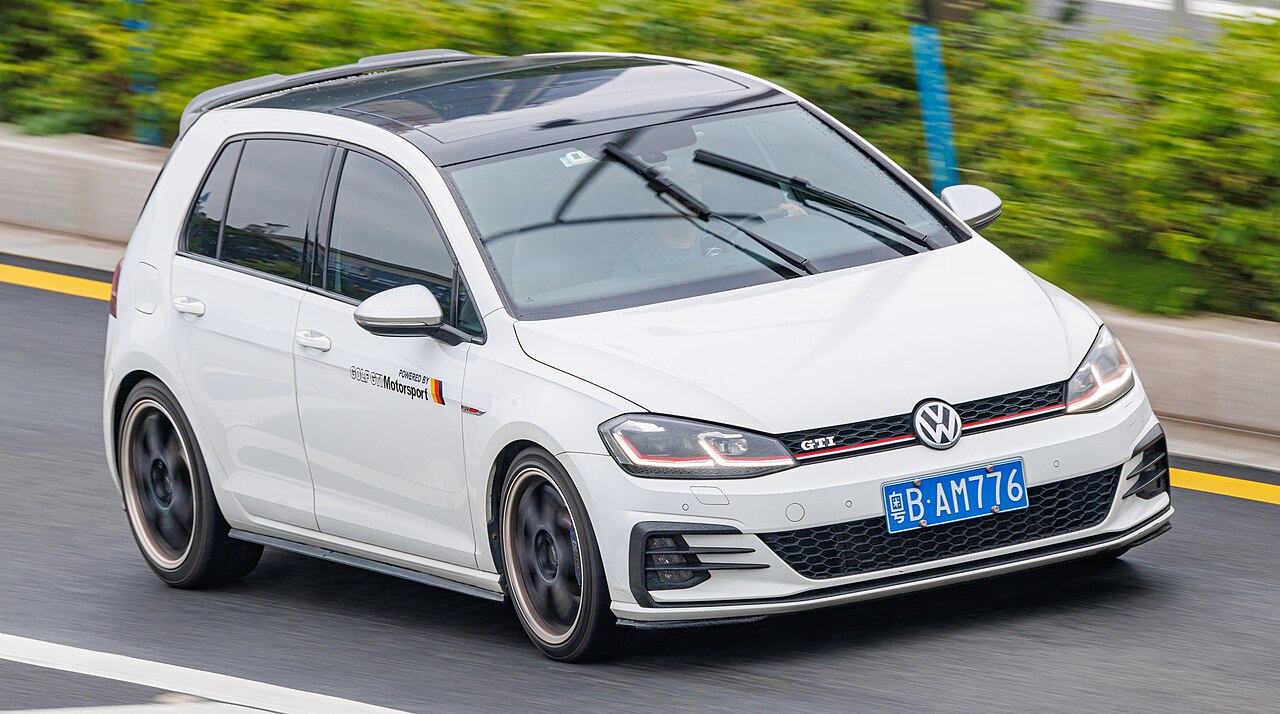
MQB: One Toolkit, Many Cars
The Mk7 was the first GTI built on Volkswagen Group's MQB platform (Modularer Querbaukasten, "modular transverse toolkit") — a shared modular architecture spanning the Golf, Audi A3, Skoda Octavia, and SEAT Leon plus dozens of other models. MQB lets VW share components and engineering across an entire range of transverse front-drive cars.
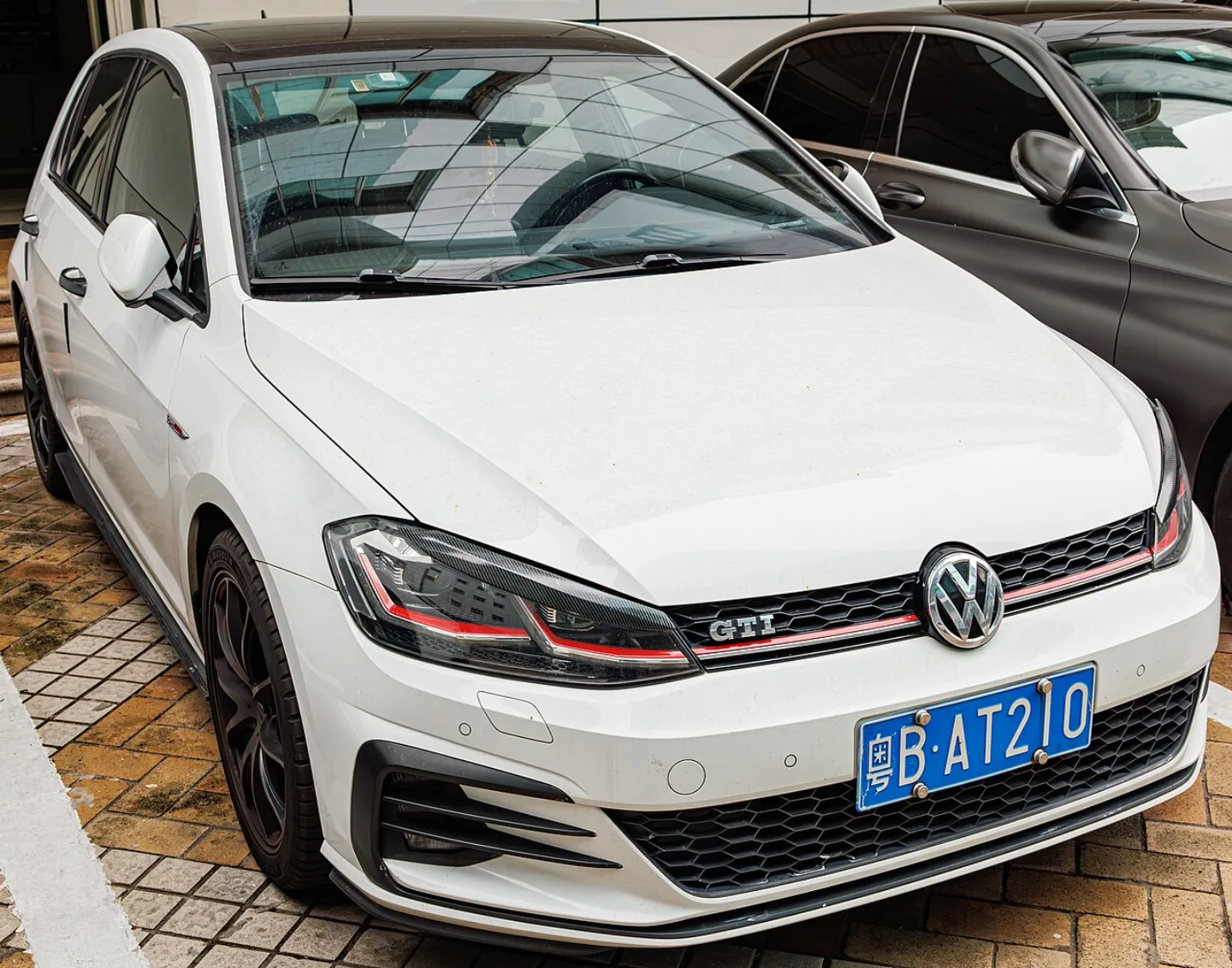
Bigger, Yet Lighter
MQB's payoff was dramatic: the Mk7 came in about 220 lbs lighter than the outgoing Mk6 despite being physically larger. The platform also improved torsional rigidity and made room for engineering features that were impossible on the old PQ35-derived architecture — proof that a clean-sheet toolkit beats endless patching.
The 2.0T EA888 Gen 3
The Mk7 GTI runs the 2.0T EA888 Generation 3 — a 2,000 cc turbocharged inline-four making 210 hp standard / 220 hp with the Performance Package. It breathes through an IHI IS20 turbo and uses combined port + direct injection, a step up from Gen 2 with improved thermal management and substantially lower internal friction.
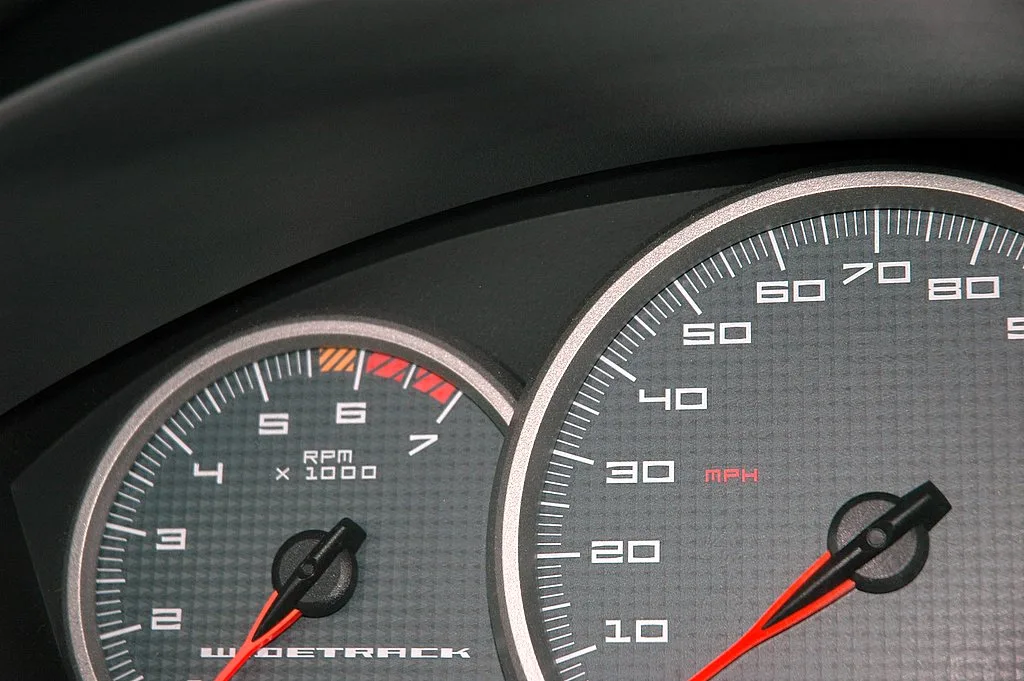
Torque Right Off Idle
The number that defines how the Mk7 feels is 258 lb-ft of torque at just 1,500 rpm — a massive figure available almost immediately off idle. That broad, early torque plateau is why the GTI pulls cleanly in any gear without needing to be wrung out, the trademark of a modern small-displacement turbo.
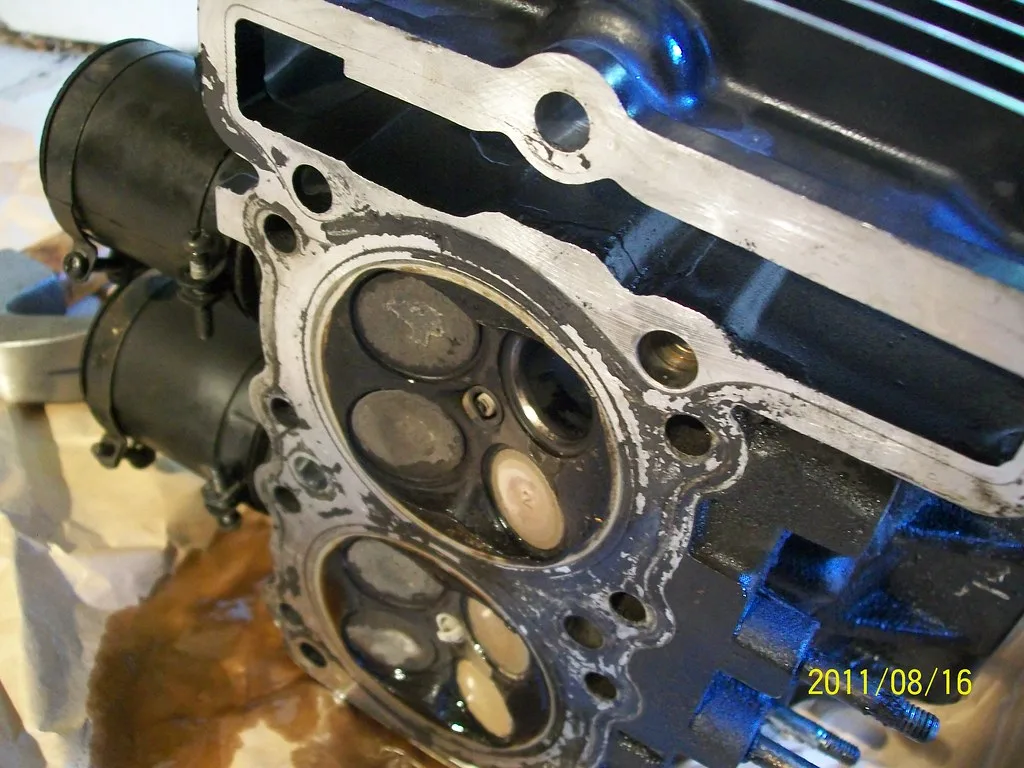
A Fix For Dirty Valves
Gen 2 EA888 engines suffered carbon buildup on the intake valves from direct injection alone. The Mk7's Gen 3 engine added port injectors alongside the direct ones, washing the valves clean and solving the problem.
Mk7 vs Mk7.5: The Mid-Cycle Refresh
The 2015-2017 Mk7 was facelifted into the 2018-2021 Mk7.5. Standard power rose from 210 to 220 hp, halogen headlights gave way to standard LED, and the infotainment jumped from MIB1 to the larger MIB2 8-inch unit with Apple CarPlay and Android Auto. On most Mk7.5 trims the Performance Package became standard equipment.
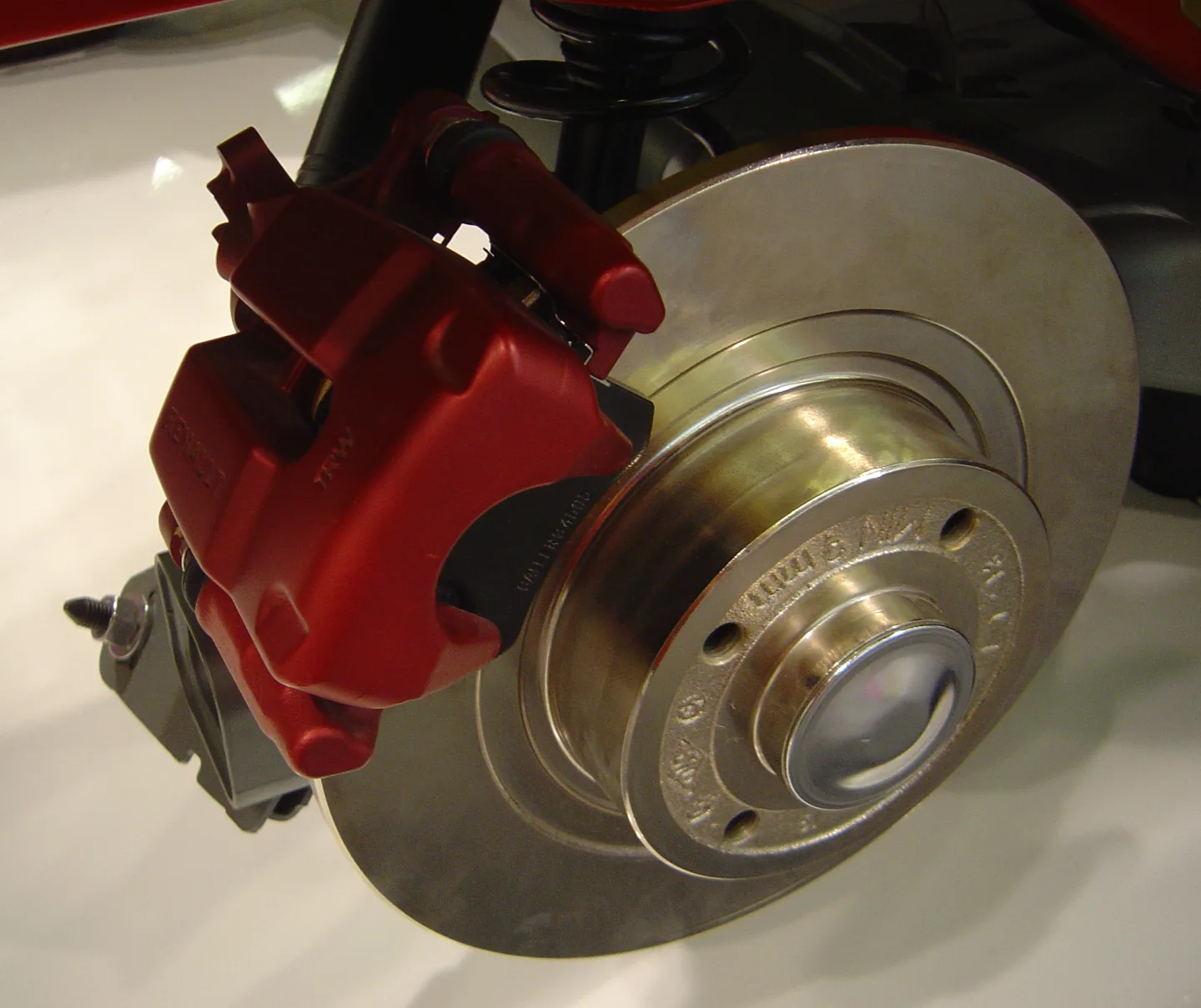
The Performance Package
The optional Performance Package (PP) added 10 hp (for 220 total), larger 13.4-inch front brake rotors (up from 12.3"), and the headline feature: the VAQ electronic limited-slip differential. On most Mk7.5 trims the PP became standard, which is why later cars feel sharper out of the box.
Drive Mode Profiles
A dash button cycles the Mk7's Drive Mode profiles: Eco softens throttle and shift points for economy, Normal is the balanced default, Sport sharpens throttle, weights the steering, firms up stability control, and opens the exhaust sound, while Individual lets you blend the settings exactly how you like.
A Modest Power Bump
The Performance Package adds about 10 hp over the standard Mk7 GTI, bringing the total to 220 hp — a figure that later became the baseline for the entire Mk7.5 lineup.
A Bigger Brake Upgrade
The Performance Package doesn't just add power — it also grows the Mk7 GTI's front brake rotors from the standard 12.3 inches to 13.4 inches.
The 6-Speed Manual
The Mk7's 6-speed manual is the purist's pick — a direct mechanical connection that maximizes engagement. For tuners, a clutch upgrade is commonly said to become relevant at Stage 2 and above. Shift feel is precise if slightly notchy, and there is no true launch control.
The 6-Speed DSG (DQ250)
The 6-speed DSG (the DQ250 wet-clutch dual-clutch) is quicker to 60 on paper, offers launch control, and handles tuned power better without added hardware. The catch: its fluid service is due every 40,000 miles — neglect it and you risk mechatronic damage. It can feel a touch jerky in stop-and-go, but it shines in traffic and on track.
When the Clutch Needs Upgrading
On the Mk7 GTI's 6-speed manual, a clutch upgrade is commonly said to become relevant at Stage 2 and above. The DQ250 DSG, by contrast, copes with modest tunes through software calibration alone, though heavier tunes eventually need clutch hardware.
A Non-Negotiable Fluid Change
The Mk7 GTI's DSG gearbox needs a fluid service every 40,000 miles — skip it, and you risk expensive damage to the mechatronic unit.
One Has Launch Control
The DQ250 DSG comes with launch control built in; the 0D9 manual does not. The DSG's wet clutches also make it quicker to 60 mph — 5.9 seconds versus the manual's 6.4.
By the numbers
- Mk7 GTI standard horsepower (without the Performance Package)
- 210 hp
- Mk7 GTI horsepower with the Performance Package
- 220 hp
- Mk7 GTI peak torque (available from 1,500 rpm)
- 258 lb-ft
- Mk7 GTI 0-60 mph with the DSG (approximate)
- 5.9 seconds
- DSG fluid service interval on the Mk7 GTI (do not skip)
- 40000 miles
- Mk7 GTI 0-60 mph with the manual (approximate)
- 6.4 seconds
Matched pairs
Each item on the left goes with the one on the right.
- Performance Package power gain
- +10 hp (220 hp total)
- Performance Package front rotors
- 13.4-inch (up from 12.3-inch)
- Performance Package signature feature
- VAQ electronic limited-slip differential
Self-test
Answer each question from memory, then check your work against the answer key.
1. MQB stands for Modularer Querbaukasten. What does that name translate to?
- AModular rear-drive chassis
- BModular transverse toolkit
- CModular electric skateboard
- DModular longitudinal platform
2. Which set of models shares the MQB platform with the Mk7 GTI?
- AGolf, Audi A3, Skoda Octavia, SEAT Leon
- BGolf, Polo, Audi A1, up!
- CGolf, Passat CC, Audi A6, Touareg
- DGolf, Audi Q7, Porsche Cayenne, Bentley Bentayga
3. Roughly how much lighter is the Mk7 than the outgoing Mk6, despite a larger footprint?
- AAbout 90 lbs
- BAbout 310 lbs
- CAbout 155 lbs
- DAbout 220 lbs
4. The Mk7's clean-sheet MQB architecture replaced which older, repeatedly patched platform?
- AMEB
- BMLB Evo
- CPQ35-derived
- DPQ25
5. Which statement about MQB is NOT true?
- AIt let the Mk7 be lighter yet more rigid than the Mk6
- BIt is shared across the Golf, Audi A3, and Skoda Octavia
- CIt standardizes the firewall and pedal-box position
- DIt is designed for longitudinal rear-drive engine layouts
6. Which injection layout did some EA888 Gen 3 engines (not those sold in North America) add to reduce the carbon buildup seen on direct-injection-only units?
- ACombined port and direct injection
- BSingle-point throttle-body injection
- CDirect injection only
- DPort injection only
7. Which turbocharger is fitted to the EA888 Gen 3 in the Mk7 GTI?
- AGarrett GT2871
- BIHI IS20
- CIHI IS38
- DBorgWarner K04
8. How is the EA888 Gen 3's valvetrain driven, meaning there is no belt to replace?
- ABy a rubber cam band
- BBy timing gears only
- CBy a timing chain
- DBy a timing belt
9. What is the displacement of the EA888 Gen 3 turbocharged inline-four?
- A1,400 cc
- B2,500 cc
- C2,000 cc
- D1,800 cc
10. Which statement about the EA888 Gen 3 in the Mk7 GTI is NOT true?
- AIt needs a scheduled timing-belt change every 40,000 miles
- BIt breathes through an IHI IS20 turbocharger
- CIt is chain-driven, so there is no timing belt to replace
- DIt uses combined port and direct fuel injection systems
11. Which turbocharger powers the EA888 Gen 3, sized to deliver broad midrange torque?
- AGarrett GT2860
- BIHI IS20
- CKKK K04
- DIHI IS38
12. The EA888 Gen 3's IS20 turbo trades ultimate top-end power for what benefit?
- AHigher redline for more peak horsepower
- BReduced intake valve carbon buildup
- CLower coolant temperatures at idle
- DBroad, early torque with fast spool-up
13. What is the Mk7 GTI's standard horsepower, without the Performance Package?
- A230 hp
- B190 hp
- C210 hp
- D245 hp
14. The Mk7's 258 lb-ft of peak torque is available from as low as what engine speed?
- A3,000 rpm
- B4,500 rpm
- C2,200 rpm
- D1,500 rpm
15. What does Volkswagen's ACT (Active Cylinder Technology) do?
- ADeactivates two cylinders under light load to save fuel
- BShuts down two of the four cylinders under heavy engine load
- CRetards ignition timing at high rpm for protection
- DSwitches the turbo to a larger compressor
16. With the DSG, the Mk7 GTI reaches 60 mph in approximately how long?
- A6.4 seconds
- B5.9 seconds
- C7.1 seconds
- D5.2 seconds
17. What is the job of the intercooler in the Mk7's forced-induction system?
- AIt cools the compressed charge air to raise density and resist knock
- BIt spins the compressor using exhaust gas
- CIt stores boost pressure for launch control
- DIt deactivates cylinders under light load
18. How does the Mk7's VAQ e-LSD reduce understeer?
- AIt softens the front springs in corners
- BIt uses a multi-plate clutch to send extra torque to the front wheel with the most grip
- CIt adds a driveshaft to the rear axle for AWD
19. How much power does the Performance Package add over the standard Mk7?
- AAbout 5 hp, to 215 total
- BAbout 10 hp, to 220 total
- CAbout 25 hp, to 235 total
- DAbout 40 hp, to 250 total
20. The Performance Package enlarges the front brake rotors to what diameter?
- A14.5 inches
- B11.8 inches
- C13.4 inches
- D12.3 inches
21. Which component is the Performance Package's signature, headline feature?
- AA larger IS38 turbocharger
- BVAQ electronic limited-slip differential
- CAll-wheel drive, unlike the FWD GTI
- DAdaptive DCC dampers
22. In the Mk7's Drive Mode system, which profile is fully customizable across subsystems?
- AIndividual
- BSport
- CNormal
- DEco mode
23. On a tuned Mk7 GTI with the 6-speed manual, at what point does a clutch upgrade commonly become relevant?
- AFrom the factory, before tuning
- BNever; it has no torque limit
- CAt Stage 2 and above
- DOnly after 100,000 miles
24. What is the internal gearbox code for the Mk7 GTI's 6-speed DSG?
- ADQ500
- BDQ200
- CDQ381
- DDQ250
25. What is the internal code for the Mk7 GTI's 6-speed manual gearbox?
- A02Q
- B0D9
- C0AM
- DDQ250
26. How often must the Mk7 GTI's DSG fluid be serviced to avoid mechatronic damage?
- A40,000 miles
- B80,000 miles
- C60,000 miles
- D20,000 miles
27. Which is a true difference between the DQ250 DSG and the 0D9 manual?
- AThe manual offers launch control; the DSG does not
- BThe manual is quicker to 60 mph than the DSG
- CThe DSG offers launch control; the manual does not
- DBoth gearboxes use dry clutches
Go deeper
Answer key
- 1. B Modular transverse toolkitQuerbaukasten means 'transverse toolkit' — MQB is VW Group's shared architecture for transverse front-drive cars. The other layouts (longitudinal, rear-drive, electric) belong to different VW platforms.
- 2. A Golf, Audi A3, Skoda Octavia, SEAT LeonMQB spans the Golf, Audi A3, Skoda Octavia, and SEAT Leon. The Q7/Cayenne group rides on the longitudinal MLB, and the Polo/A1 group uses the smaller MQB A0.
- 3. D About 220 lbsMQB shed roughly 220 lbs versus the Mk6 through selective high-strength steel, thinner glass, and tighter packaging — while the car actually grew in size.
- 4. C PQ35-derivedThe outgoing Golf used PQ35-derived architecture patched through three generations. MLB is Audi's longitudinal platform, MEB is VW's EV platform, and PQ25 underpinned the smaller Polo.
- 5. D It is designed for longitudinal rear-drive engine layoutsMQB is a transverse front-drive toolkit, not a longitudinal rear-drive one. The other three statements — standardized hard points, wide model sharing, and the lighter-yet-stiffer Mk7 — are all accurate.
- 6. A Combined port and direct injectionSome Gen 3 variants added port injectors alongside direct injection; the port injectors wash the intake valves and reduce the carbon buildup seen on direct-injection-only engines. Dual injection has not been offered in North American markets.
- 7. B IHI IS20The Mk7 GTI uses the IHI IS20, sized for broad midrange torque. The IS38 is the larger Golf R/S3 unit, and the K04 and Garrett are aftermarket or other-application turbos.
- 8. C By a timing chainThe Gen 3 is chain-driven, so there is no timing belt on a replacement interval. The other options describe drive methods this engine does not use.
- 9. C 2,000 ccThe EA888 Gen 3 is a 2,000 cc (2.0-litre) turbocharged inline-four. The other displacements belong to different VW engines, not the Mk7 GTI's unit.
- 10. A It needs a scheduled timing-belt change every 40,000 milesThe Gen 3 is chain-driven, so it has no timing belt and no belt-change interval (40,000 miles is the DSG fluid interval). Chain drive, combined port/direct injection, and the IS20 turbo are all accurate.
- 11. B IHI IS20The EA888 Gen 3 uses the IHI IS20 turbo, sized to spool quickly for broad midrange torque rather than peak top-end power.
- 12. D Broad, early torque with fast spool-upThe IS20's smaller compressor wheel spools faster, giving broad early torque instead of maximizing top-end output.
- 13. C 210 hpStandard trim makes 210 hp; the Performance Package raises it to 220 hp. The other figures are not Mk7 GTI output values.
- 14. D 1,500 rpmPeak torque arrives at just 1,500 rpm — a wide, early plateau produced by the small IS20 compressor spooling quickly, so the car pulls confidently in any gear.
- 15. A Deactivates two cylinders under light load to save fuelACT shuts down two of the four cylinders under light load to improve fuel economy, reactivating them when demand rises. The other options describe things ACT does not do.
- 16. B 5.9 secondsThe DSG hits 60 mph in about 5.9 seconds — roughly half a second quicker than the manual's 6.4 seconds. The other times are not the quoted figures.
- 17. A It cools the compressed charge air to raise density and resist knockThe intercooler is a radiator between the turbo outlet and intake that cools the compressed charge, maximizing density and resisting knock. Spinning the compressor is the turbocharger's job.
- 18. B It uses a multi-plate clutch to send extra torque to the front wheel with the most gripVAQ uses an electronically controlled multi-plate clutch, pressed together hydraulically by an electric pump, to shuffle torque toward the front wheel with the most grip, sharpening corner exit and reducing understeer.
- 19. B About 10 hp, to 220 totalThe Performance Package adds 10 hp, bringing the total to 220 hp — the figure that later became the Mk7.5 baseline. The other gains are too large or too small.
- 20. C 13.4 inchesThe PP upgrades the front rotors from the standard 12.3 inches up to 13.4 inches. The larger and smaller figures are not the Mk7 GTI's rotor sizes.
- 21. B VAQ electronic limited-slip differentialThe VAQ electronic limited-slip differential is the PP's real selling point. The GTI stays front-drive with the IS20 turbo, and DCC is a separate option.
- 22. A IndividualIndividual decouples each subsystem, so you can pair Sport throttle with Normal steering or any other mix. Eco, Normal, and Sport are fixed preset profiles.
- 23. C At Stage 2 and aboveTuners commonly say a clutch upgrade becomes relevant at Stage 2 and above (stage definitions vary by tuner). The DQ250 DSG, by contrast, copes with modest tunes through software calibration alone.
- 24. D DQ250The Mk7 GTI's DSG is the DQ250 wet-clutch unit. DQ200 is the dry-clutch economy-car DSG, while DQ381 and DQ500 are other-application transmissions.
- 25. B 0D9The 6-speed manual carries the code 0D9. DQ250 is the DSG, and 02Q and 0AM are unrelated VW gearbox codes.
- 26. A 40,000 milesDSG fluid service is mandatory every 40,000 miles; skipping it risks expensive mechatronic unit damage. The other intervals are incorrect.
- 27. C The DSG offers launch control; the manual does notThe DQ250 DSG includes launch control, which the 0D9 manual lacks. The DSG uses wet clutches (not dry) and is quicker to 60 (5.9s vs the manual's 6.4s).
Sources
- Road & Track — First Drive: 2015 Volkswagen GTI — www.roadandtrack.com/new-cars/first-drives/reviews/a4322/first-drive-2015-volkswagen-gti-review/
- GolfMK7 Forums — Mk7 or Mk7.5 GTI?; The Complete Volkswagen GTI Knowledge Pack (research compilation, Perplexity) — www.golfmk7.com/forums/index.php?threads%2Fnew-owner-do-i-have-a-mk7-or-mk7-5-golf-gti.381509%2F
- PistonHeads — VW's VAQ 'diff' explained — www.pistonheads.com/news/ph-eurocars/vws-vaq-diff-explained/30560
- Wikipedia — Volkswagen Golf Mk7 — en.wikipedia.org/wiki/Volkswagen_Golf_Mk7
- The Complete Volkswagen GTI Knowledge Pack (research compilation, Perplexity)
Image credits
- MQB: One Toolkit, Many Cars: Wikimedia Commons · Dinkun Chen · CC BY-SA 4.0 — commons.wikimedia.org/wiki/File:VOLKSWAGEN_GOLF_GTI_(Mk7,_Typ_5G)_China_(2).jpg
- Bigger, Yet Lighter: Dinkun Chen · CC BY-SA 4.0 — commons.wikimedia.org/wiki/File:VOLKSWAGEN_GOLF_GTI_(Mk7,_Typ_5G)_China_(4).jpg
- Torque Right Off Idle: Greg L. Wright - SnapJag · CC BY 2.5 — en.wikipedia.org/wiki/Tachometer
- A Fix For Dirty Valves: Gear Loop (Openverse) · by-sa 2.0 — www.flickr.com/photos/38914469@N03/6051427417
- The Performance Package: Wikimedia Commons · David Monniaux · CC BY-SA 3.0 — commons.wikimedia.org/wiki/File:Disk_brake_dsc03682.jpg


