
World History: Turning Points of Human Civilization study guide · Lesson 12 of 13
Decolonization, the Cold War, and Global Realignment
Post-War Decolonization, the Partition of India, and Non-Alignment · Cold War Bipolarity, Nuclear Brinkmanship, and the Collapse of the Soviet Bloc
This is the lesson's study guide from the FlashFeed app, plus its key facts and a self-test.
What you'll be able to do
- Describe decolonization, the Partition of India, anti-apartheid resistance, and the Non-Aligned Movement.
- Analyze Cold War bipolarity, nuclear brinkmanship during the Cuban Missile Crisis, and the structural causes of the collapse of the Soviet bloc.
Between 1945 and 1991, the global architecture was fundamentally remade along two overlapping axes: the dismantling of European overseas colonial empires (Decolonization) and the geopolitical ideological confrontation between the United States and the Soviet Union (The Cold War).
Post-War Decolonization, the Partition of India, and Non-Alignment
Exhausted by World War II, European colonial powers could no longer sustain their empires against powerful national liberation movements. In South Asia, Mahatma Gandhi's non-violent civil disobedience (Satyagraha) and the Indian National Congress pressed an exhausted Britain to grant independence in August 1947. However, communal tensions between the Hindu majority and the Muslim League led by Muhammad Ali Jinnah resulted in the violent Partition of India. British lawyer Cyril Radcliffe drew the Radcliffe Line, dividing British India into the independent dominions of India and Pakistan. The partition displaced an estimated 12 to 20 million people and sparked sectarian violence in which estimates of the dead range from 200,000 to 2 million.
In 1949, Mao Zedong proclaimed the founding of the People's Republic of China in Beijing following decades of civil war against Chiang Kai-shek's Nationalists.
In Africa, decolonization swept across the continent. In 1957, Kwame Nkrumah led Ghana to independence, becoming a leading champion of Pan-Africanism. In Algeria, the National Liberation Front (FLN) fought a brutal, eight-year war of independence against France (1954–1962), inspiring Martinican psychiatrist Frantz Fanon's anti-colonial manifesto The Wretched of the Earth. In South Africa, the African National Congress (ANC) and Nelson Mandela waged a long struggle against racial Apartheid, leading to Mandela's 27-year imprisonment before his triumphant 1994 democratic election as president.
Twenty-nine African and Asian nations, many newly independent, gathered at the historic 1955 Bandung Conference in Indonesia to press for decolonization and cooperation. Led by Jawaharlal Nehru (India), Gamal Abdel Nasser (Egypt) and Sukarno (Indonesia), among others, they laid the diplomatic groundwork later formalized as the Non-Aligned Movement (NAM), founded at the 1961 Belgrade Conference with Josip Broz Tito (Yugoslavia) as a leading founder, to resist alignment with either superpower bloc.
Cold War Bipolarity, Nuclear Brinkmanship, and the Collapse of the Soviet Bloc
The post-war world divided into a bipolar standoff between the capitalist West (led by the US and the North Atlantic Treaty Organization (NATO)) and the communist East (led by the USSR and the Warsaw Pact). In 1947, US President Harry S. Truman enunciated the Truman Doctrine of containment, reinforced by the Marshall Plan which funneled over $13 billion to rebuild Western Europe.
In 1961, East Germany erected the Berlin Wall to halt the flight of citizens to the West, cementing the symbolic division of Winston Churchill's Iron Curtain. Tensions reached a climax during the October 1962 Cuban Missile Crisis, when US President John F. Kennedy and Soviet Premier Nikita Khrushchev engaged in a thirteen-day nuclear standoff over Soviet nuclear missiles in Cuba, narrowly averting nuclear war through secret diplomacy under the shadow of nuclear deterrence, a logic soon formalized as the doctrine of Mutually Assured Destruction (MAD). The Soviets dismantled their missiles in Cuba in exchange for a public US pledge not to invade the island and a secret US agreement to remove its Jupiter nuclear missiles from Turkey (and, some accounts say, from Italy).
Cold War rivalries erupted into catastrophic proxy wars across the Global South—including the Korean War (1950–1953), the Vietnam War (1955–1975), and the Soviet-Afghan War (1979–1989).
By the 1980s, economic stagnation and military overextension crippled the Soviet Union. In 1985, reformist General Secretary Mikhail Gorbachev introduced Glasnost (political openness) and Perestroika (economic restructuring). These reforms inadvertently unleashed pent-up democratic and nationalist movements across Eastern Europe. On November 9, 1989, the Berlin Wall fell, followed by the peaceful Velvet Revolution in Czechoslovakia and the reunification of Germany. On 25 December 1991 Gorbachev resigned as Soviet president and the Soviet flag was lowered from the Kremlin for the last time; the next day the Soviet Union was formally voted out of existence, concluding the Cold War.
Key terms
- Pan-Africanism
- A worldwide political and intellectual movement that promotes solidarity, political federation, and economic self-reliance among all people of African descent.
- Perestroika
- The political and economic restructuring program launched by Mikhail Gorbachev in 1985 to modernize the Soviet planned economy through decentralized enterprise management and limited private cooperative commerce.
Key concepts
Decolonization
- The global historical process between 1945 and 1975 whereby European overseas empires dissolved and sovereign nations emerged across Asia, Africa, and the Caribbean
- Expanded the membership of the United Nations from 51 nations in 1945 to over 150 by 1980
- Reshaped global geopolitics, economic development strategies, and international law
Partition of India
- The division of British India in August 1947 into the two sovereign dominions of India and Pakistan along religious lines
- Engineered hastily by the British boundary commission under Cyril Radcliffe
- Catalyzed one of the largest mass migrations in human history and enduring territorial conflicts over Kashmir
Non-Aligned Movement
- International organization of states founded at the 1961 Belgrade Conference under Nehru, Tito, Nasser, Sukarno, and Nkrumah
- Committed to neutrality and non-participation in Cold War military alliances, the North Atlantic Treaty Organization (NATO) or the Warsaw Pact
- Advocated anti-imperialism, nuclear disarmament, national sovereignty, and fair economic development
Satyagraha
- Philosophy and practice of non-violent civil resistance pioneered by Mahatma Gandhi in South Africa and India
- Translates as 'Truth Force' or 'Soul Force', seeking to convert opponents through moral truth and self-suffering
- Directly inspired the US Civil Rights Movement under Martin Luther King Jr. and anti-apartheid campaigns worldwide
Cold War
- The geopolitical, ideological, and economic standoff between the United States and the Soviet Union from 1947 to 1991
- Characterized by nuclear arms race deterrence, ideological competition, space exploration races, and regional proxy wars
- Concluded with the collapse of the Warsaw Pact and the dissolution of the Soviet Union
Cuban Missile Crisis
- Thirteen-day direct confrontation between the US and the USSR in October 1962 over Soviet nuclear missiles deployed in Cuba
- Widely regarded as the closest the Cold War came to full-scale thermonuclear war
- Resolved when Khrushchev agreed to remove missiles in exchange for US non-invasion of Cuba and secret removal of US Jupiter missiles from Turkey
Berlin Wall
- Fortified concrete barrier built by the German Democratic Republic (GDR) from August 1961 encircling West Berlin, with guard towers and a heavily guarded 'death strip'
- The primary physical symbol of the Cold War and the 'Iron Curtain' dividing Europe
- Breached by ecstatic crowds on November 9, 1989, inaugurating the end of the Cold War
Glasnost and Perestroika
- Twin reform policies enacted by Mikhail Gorbachev beginning in 1985 in the USSR
- *Glasnost* introduced freedom of speech, historical truth, and press transparency; *Perestroika* introduced decentralized market elements
- Unleashed popular democratic mobilization that led to the collapse of communist rule across Eastern Europe
Key facts
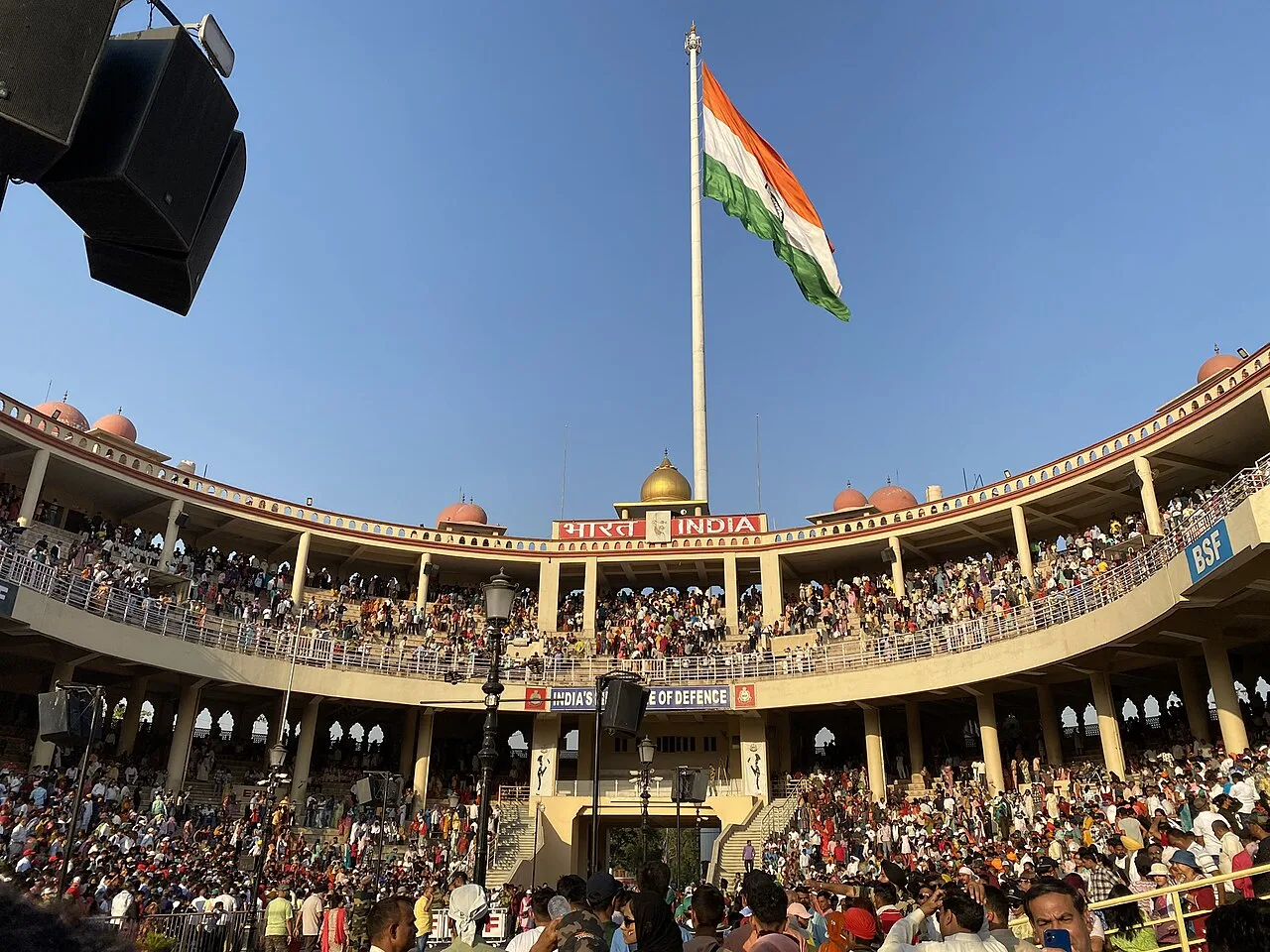
Indian Independence and the Violent 1947 Partition
In August 1947, British India gained independence and was partitioned into India and Pakistan along the Radcliffe Line, displacing an estimated 12–20 million people amid massive sectarian violence.
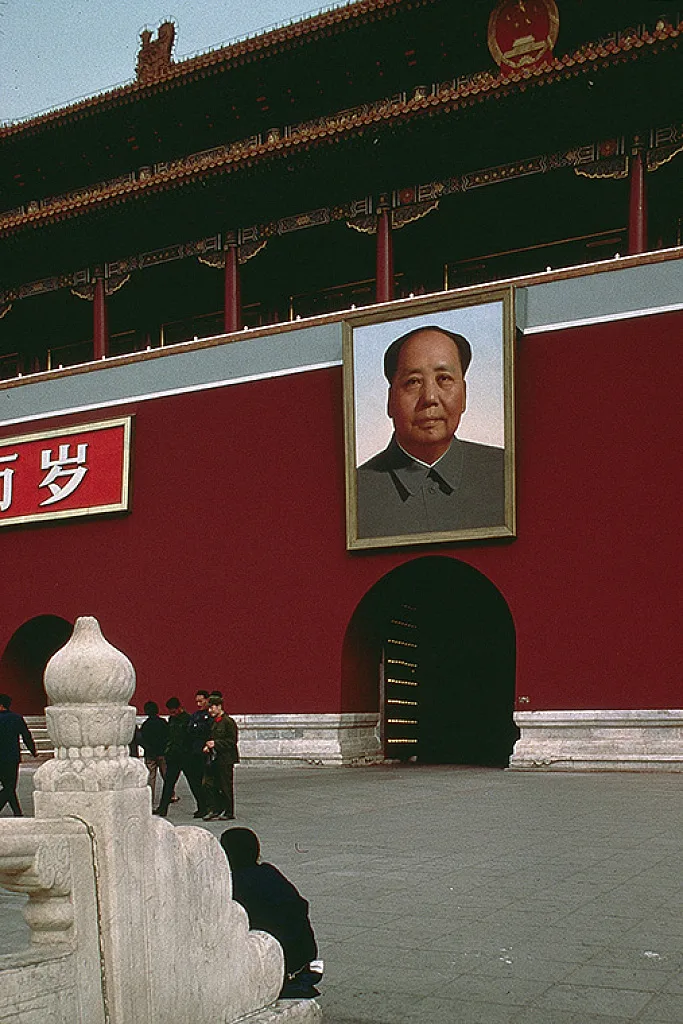
Mao Zedong's Proclamation of the People's Republic of China
On October 1, 1949, Mao Zedong proclaimed the founding of the People's Republic of China from Tiananmen Gate in Beijing following the communist victory in the Chinese Civil War.
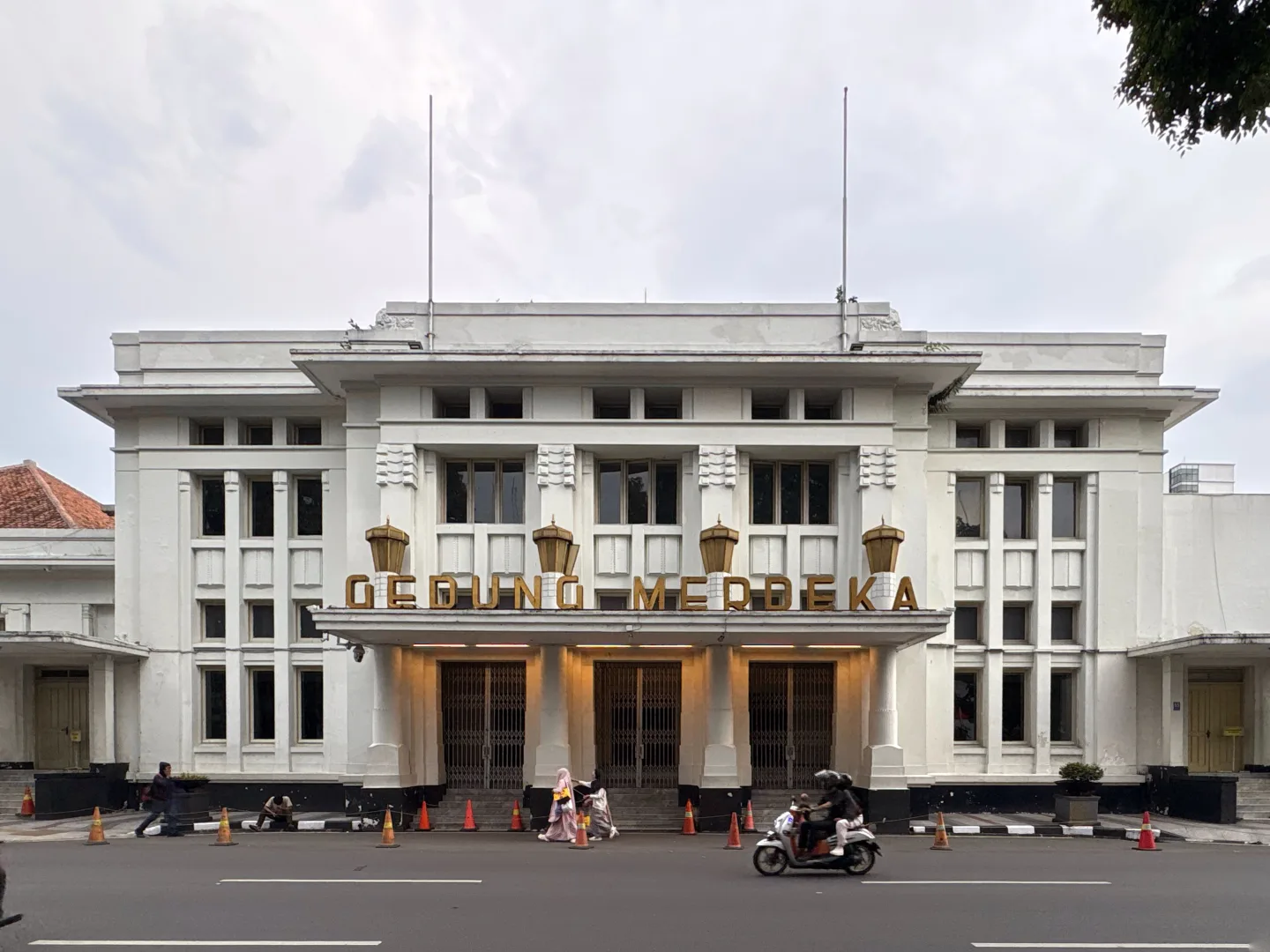
The 1955 Bandung Asian-African Conference
In April 1955, leaders of 29 Asian and African states, many newly independent, convened in Bandung, Indonesia, laying the diplomatic groundwork for the Non-Aligned Movement, which was formally founded at the 1961 Belgrade Conference, to resist Cold War superpower coercion.
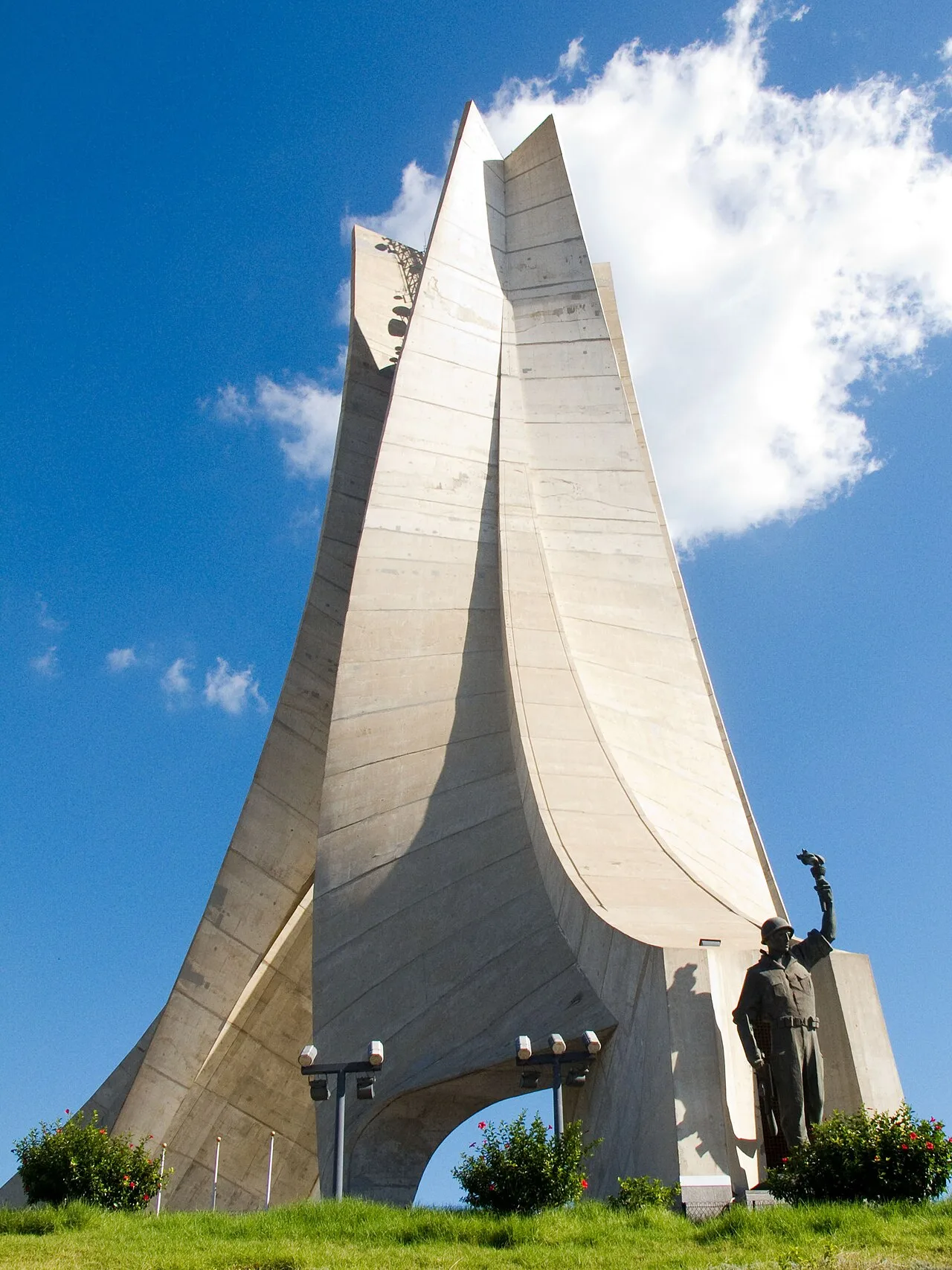
The Algerian War of Liberation and Frantz Fanon
Between 1954 and 1962, Algeria fought a brutal war of independence against French colonial rule, inspiring Frantz Fanon's influential anti-colonial analysis of liberation.
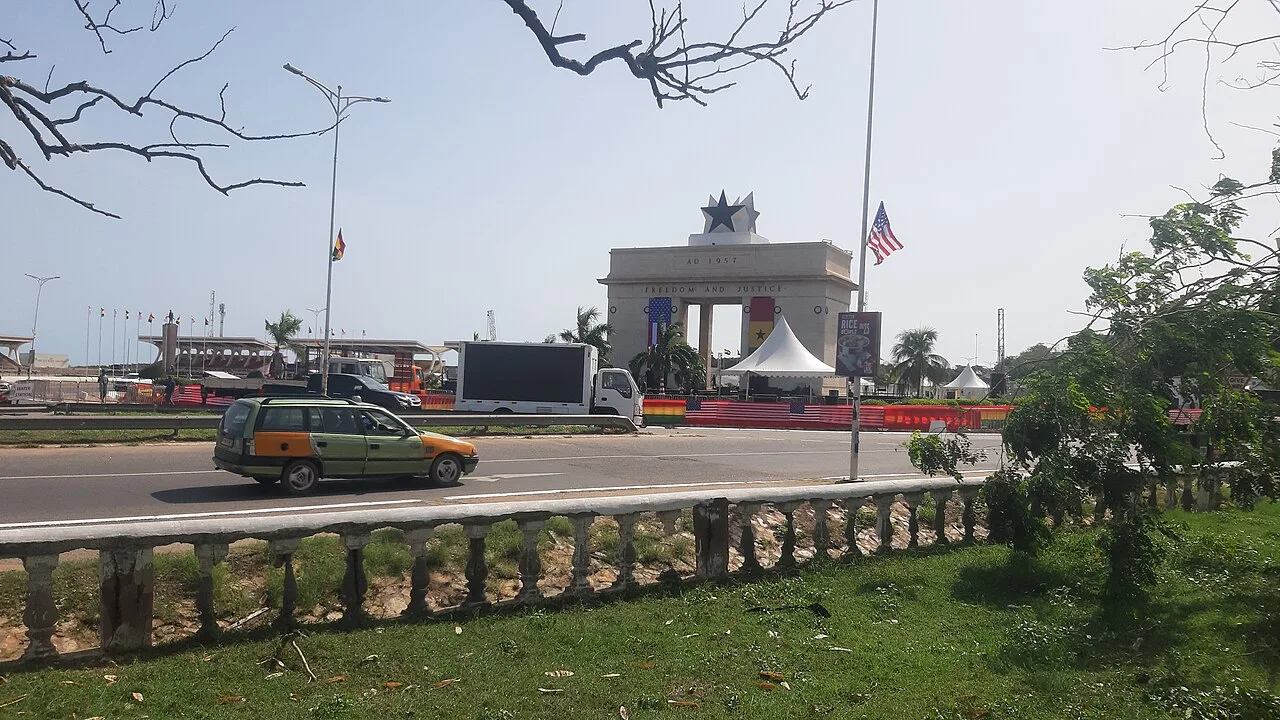
Kwame Nkrumah and Ghanaian Independence in 1957
In March 1957, Kwame Nkrumah led Ghana to become the first sub-Saharan colony to gain independence from Britain, championing continental Pan-African political unity.
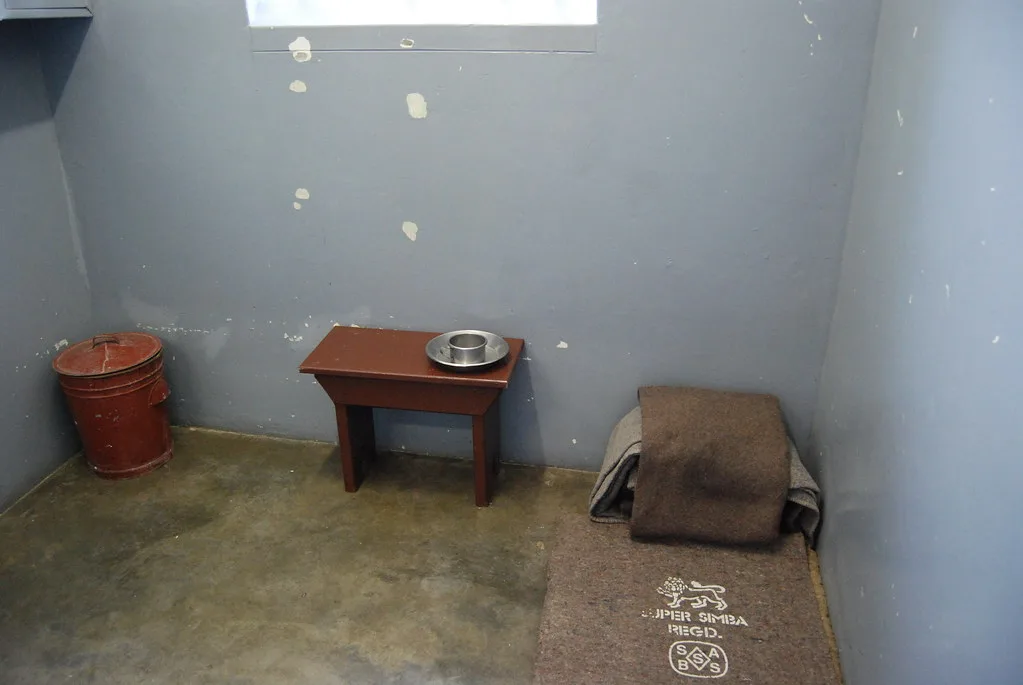
Nelson Mandela and the Struggle Against Apartheid
Imprisoned for 27 years, including 18 years on Robben Island, African National Congress leader Nelson Mandela led the peaceful transition from white-minority Apartheid to multiracial democracy in 1994.
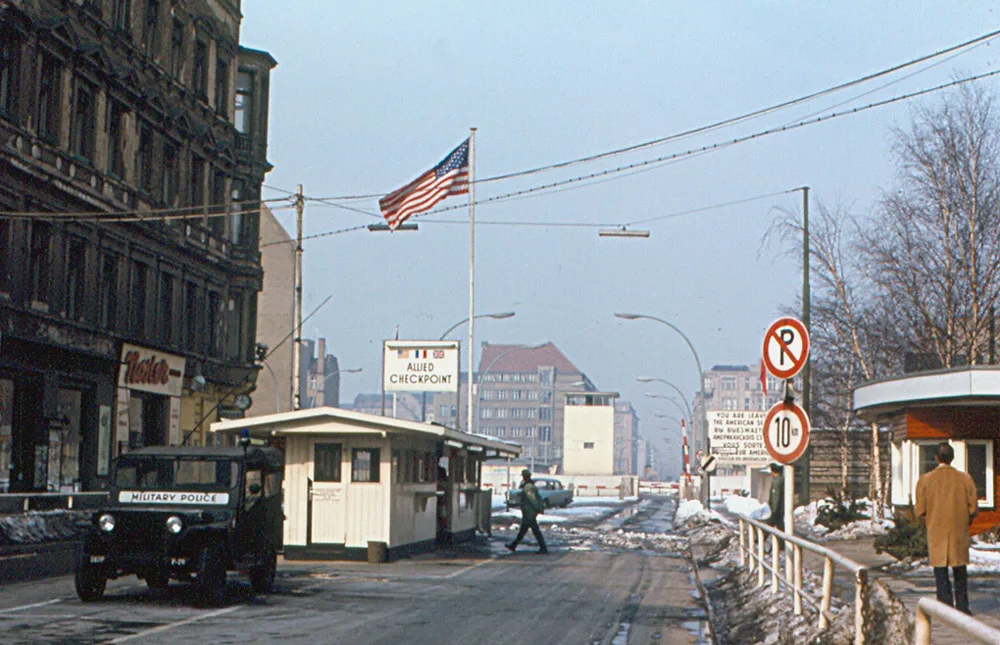
The Construction of the Berlin Wall in 1961
In August 1961, East Germany erected the Berlin Wall, encasing West Berlin in concrete and barbed wire to prevent mass defection to the West.
The Cuban Missile Crisis and Nuclear Brinkmanship
In October 1962, the discovery of Soviet nuclear ballistic missiles in Cuba brought the US and USSR to the brink of nuclear war, resolved through secret diplomatic withdrawal.

Cold War Proxy Conflicts and the Vietnam War
The Cold War fueled devastating proxy wars across Korea, Vietnam, and Afghanistan, with millions dying as superpowers clashed indirectly in the Global South.
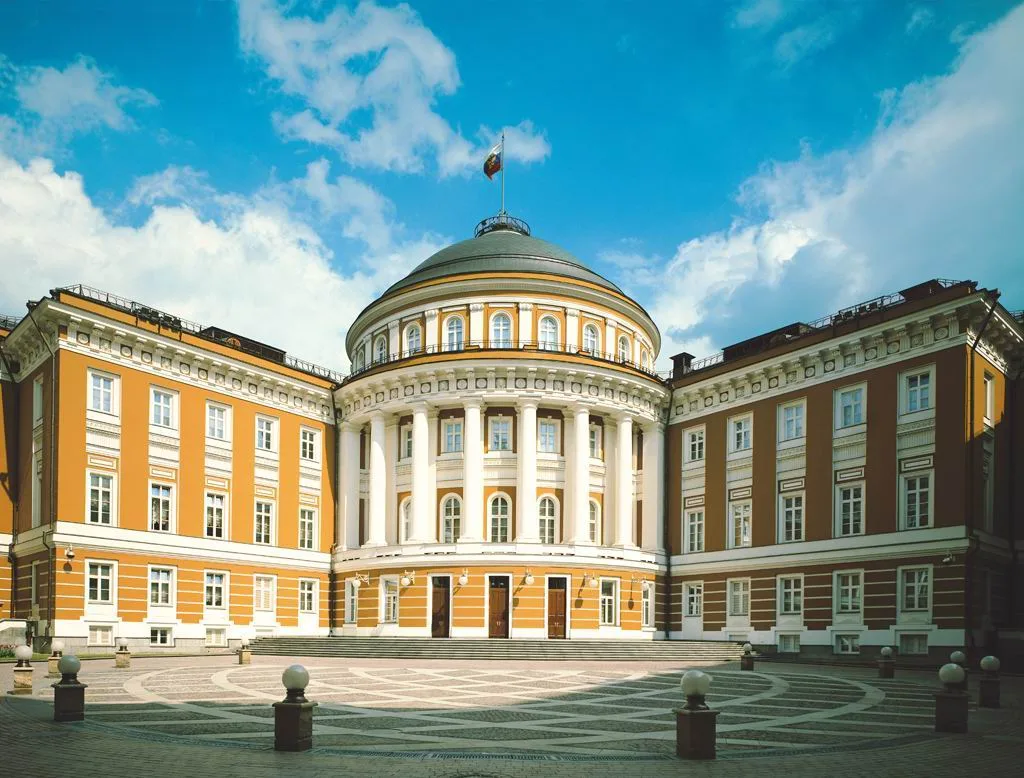
Mikhail Gorbachev's Glasnost and Perestroika Reforms
Assuming power in 1985, Soviet leader Mikhail Gorbachev introduced Glasnost (political openness) and Perestroika (economic restructuring), inadvertently unraveling the Soviet bloc.
By the numbers
- In what year CE did India and Pakistan gain independence from the British Empire?
- 1947 CE
- In what year CE did the landmark Asian-African Conference convene in Bandung, Indonesia?
- 1955 CE
- In what year CE did the Berlin Wall fall, opening the border between East and West Germany?
- 1989 CE
- In what year CE did the Cuban Missile Crisis bring the world to the brink of nuclear war?
- 1962 CE
Matched pairs
Each item on the left goes with the one on the right.
- Martyrs' Memorial (Maqam Echahid), Algiers
- An iconic three-fin concrete structure overlooking the Mediterranean bay commemorating the war of national emancipation
- Robben Island Penitentiary
- A windswept offshore prison compound near Cape Town where political dissidents and freedom fighters were incarcerated
- Bernauer Strasse Wall Segment
- A preserved historical border installation featuring watchtowers, electrified fencing, and reinforced concrete barrier slabs
- Brandenburg Gate Landmark
- An 18th-century triumphal arch topped by a copper quadriga chariot that stood enclosed in the no-man's-land border zone
Self-test
Answer each question from memory, then check your work against the answer key.
1. What was the immediate human catastrophe that accompanied the Partition of India in August 1947?
- AA Japanese bombing campaign against the city of Calcutta
- BA devastating earthquake that leveled the city of Quetta
- CA famine that killed millions across the Bengal countryside
- DMass violence and the displacement of millions of refugees
2. What was the overarching objective of delegates at the 1955 Bandung Conference in Indonesia?
- ATo forge a united Afro-Asian voice opposing colonialism, racism, and forced alignment with Cold War superpowers
- BTo form a new military alliance formally aligned with the Soviet bloc
- CTo establish a new United Nations regional headquarters for Asia
- DTo restore European royal governors across Southeast Asia
3. What characterized the FLN's war against France in Algeria from 1954 to 1962?
- AA permanent power-sharing deal splitting Algeria into two French provinces
- BA brutal eight-year war of independence against French colonial rule
- CA brief ceremonial handover completed without any fighting
- DA joint expedition in which Algeria and France invaded Libya together
4. What political vision did Kwame Nkrumah champion for the post-colonial African continent?
- AMilitary alignment of Africa with the US against the USSR
- BA Paris-led commonwealth of former French colonies
- CA united continental federation of African states
- DGradual self-rule under continued British supervision
5. What was the institutional nature of the 'Apartheid' system in South Africa from 1948 to 1994?
- AA federal arrangement granting each ethnic homeland full and genuine independent sovereignty
- BA state-enforced system of racial segregation and white-minority political supremacy over the Black majority
- CAn egalitarian direct democracy where all races held equal cabinet seats
- DA government program that built well-funded public housing for all citizens
6. What event did Mao Zedong proclaim in Beijing in 1949, following decades of civil war?
- AThe founding of the People's Republic of China
- BChina's entry into the Korean War against US forces
- CChina's formal entry into the Soviet-led Warsaw Pact
- DThe founding of the Non-Aligned Movement
7. What pressured Britain into granting India independence in August 1947?
- AA United Nations resolution ordering British withdrawal
- BDefeat of British forces by the Indian National Army
- CA referendum on independence won by the Muslim League
- DGandhi's Satyagraha and the Indian National Congress
8. Which of these groups were all leading founders of the Non-Aligned Movement at the 1961 Belgrade Conference?
- AMandela, Nkrumah, Fanon, and Jinnah
- BKennedy, Macmillan, de Gaulle, and Adenauer
- CNehru, Nasser, Sukarno, and Tito
- DZhou Enlai, Mao, Ho Chi Minh, and Kim Il Sung
9. What core foreign-policy stance defined the Non-Aligned Movement during the Cold War?
- ASeeking full North Atlantic Treaty Organization membership
- BCommitting exclusively to Soviet-style command economics
- CForming a joint nuclear arsenal shared among member states
- DRefusing to align with either Cold War superpower bloc
10. How long was Nelson Mandela imprisoned for his resistance to apartheid?
- A5 years
- B27 years
- C40 years
- D12 years
11. What was the core strategic doctrine of US foreign policy known as 'Containment' during the Cold War?
- APreventing Soviet communism from spreading further
- BRolling back communism in Eastern Europe by force
- CAccepting a Soviet sphere in exchange for disarmament
- DWithdrawing US forces abroad to defend only the Americas
12. How did the military doctrine of Mutually Assured Destruction (MAD) preserve the 'Cold' peace?
- ABoth sides pledged never to build long-range missiles
- BA treaty completely banning all nuclear weapons testing
- CA first strike meant guaranteed mutual annihilation
- DMissile defenses made a nuclear war winnable
13. What was the purpose of the US Marshall Plan announced under the Truman administration?
- ABuilding a joint US-Soviet nuclear arsenal under shared command
- BFunding reconstruction of Western Europe's war-torn economies
- CFinancing the immediate reunification of East and West Germany
- DPaying reparations from the United States directly to the USSR
14. What secret compromise resolved the 1962 Cuban Missile Crisis between Kennedy and Khrushchev?
- ABoth sides agreed to binding UN arbitration of the dispute
- BThe Soviets agreed to halt all future arms shipments to Cuba
- CThe US agreed to withdraw its Guantanamo Bay naval base
- DMissiles left Cuba and Turkey; the US pledged not to invade
15. What was the impact of the Soviet-Afghan War (1979-1989) upon the Soviet Union?
- AIt drained financial resources, demoralized the military, and shattered the prestige of the Red Army
- BIt strengthened the Communist Party's grip on Eastern Europe
- CIt gave the USSR a warm-water port on the Indian Ocean
- DIt won the USSR lasting control of Afghanistan
16. What twin reforms did Soviet leader Mikhail Gorbachev introduce beginning in 1985?
- AMartial law paired with a total nationwide press blackout
- BA currency union agreement signed with the United States
- CGlasnost (openness) and Perestroika (economic restructuring)
- DCollectivization and a new Five-Year Plan for heavy industry
17. What happened in Moscow on 25 December 1991, as the Soviet Union came to an end?
- AMikhail Gorbachev resigned as President and the Soviet red flag was lowered from the Kremlin for the last time
- BThe Baltic states rejoined the Soviet Union as full republics
- CRussia and Ukraine agreed to reunite as a single state
- DThe Congress of People's Deputies convened to appoint a new Premier
Go deeper
- WatchNeither Side In August 1947, India won independence from Britain. The Radcliffe Line split British India into India and Pakistan.
- WatchThe Wall Came Down In 1961, East Germany built the Berlin Wall. It stopped people fleeing to the West.
- WatchNew Nations The United Nations had 51 members in 1945. By 1980, over 150.
- StudyWorld History: Turning Points of Human Civilization in the FlashFeed app
Answer key
- 1. D Mass violence and the displacement of millions of refugeesThe drawing of the Radcliffe Line bisected Punjab and Bengal, triggering communal massacres and one of the largest refugee migrations in history.
- 2. A To forge a united Afro-Asian voice opposing colonialism, racism, and forced alignment with Cold War superpowersThe 29 nations at Bandung proclaimed solidarity against lingering imperialism, racism, and neocolonial domination, laying the foundations for the Non-Aligned Movement.
- 3. B A brutal eight-year war of independence against French colonial ruleThe National Liberation Front (FLN) waged a brutal eight-year war of independence against France from 1954 to 1962, a struggle that inspired Frantz Fanon's anti-colonial manifesto The Wretched of the Earth.
- 4. C A united continental federation of African statesNkrumah warned that fragmented African micro-states would remain economically subordinated to foreign powers, advocating a 'United States of Africa' to achieve genuine economic independence.
- 5. B A state-enforced system of racial segregation and white-minority political supremacy over the Black majorityApartheid (*apartness*) classified South Africans by race (White, Black, Coloured, Indian), stripping the Black majority of citizenship rights and forcing them into impoverished 'Bantustans'.
- 6. A The founding of the People's Republic of ChinaIn 1949, Mao Zedong proclaimed the founding of the People's Republic of China in Beijing after decades of civil war against Chiang Kai-shek's Nationalists.
- 7. D Gandhi's Satyagraha and the Indian National CongressMahatma Gandhi's philosophy of non-violent civil disobedience (Satyagraha), channeled through the Indian National Congress, pressed an exhausted postwar Britain to grant India independence in August 1947.
- 8. C Nehru, Nasser, Sukarno, and TitoNehru, Nasser, Sukarno, and Tito spearheaded the 1961 Belgrade Conference that formally founded the Non-Aligned Movement, building on principles first articulated at the 1955 Bandung Conference.
- 9. D Refusing to align with either Cold War superpower blocThe Non-Aligned Movement's defining stance was refusing to formally align with either the US-led or Soviet-led blocs.
- 10. B 27 yearsMandela served 27 years in prison for leading anti-apartheid resistance before his 1994 election as president.
- 11. A Preventing Soviet communism from spreading furtherArticulated by George F. Kennan, Containment argued that patient, firm counter-pressure would contain Soviet expansionism until internal contradictions caused the regime to mellow or collapse.
- 12. C A first strike meant guaranteed mutual annihilationMAD ensured that because both the US and USSR possessed invulnerable second-strike nuclear arsenals, any nuclear aggression meant suicidal mutual devastation.
- 13. B Funding reconstruction of Western Europe's war-torn economiesThe Marshall Plan funneled over $13 billion into rebuilding Western Europe, reinforcing the Truman Doctrine's strategy of containing Soviet expansion.
- 14. D Missiles left Cuba and Turkey; the US pledged not to invadeKennedy publicly pledged not to invade Cuba and secretly agreed to remove obsolete US nuclear Jupiter missiles deployed in Turkey, enabling Khrushchev to dismantle Soviet missile sites in Cuba.
- 15. A It drained financial resources, demoralized the military, and shattered the prestige of the Red ArmyThe costly war against US-backed mujahideen killed about 15,000 Soviet soldiers, drained the treasury, and shattered the prestige of the Red Army.
- 16. C Glasnost (openness) and Perestroika (economic restructuring)In 1985, Gorbachev introduced Glasnost (openness) and Perestroika (restructuring), reforms that unintentionally unleashed the democratic and nationalist movements that ended Soviet rule across Eastern Europe.
- 17. A Mikhail Gorbachev resigned as President and the Soviet red flag was lowered from the Kremlin for the last timeOn Christmas Day 1991, Gorbachev declared the office of Soviet President extinct; the USSR broke up into fifteen independent republics, ending 69 years of Soviet statehood dating to the USSR's founding in 1922.
Sources
- Cuban Missile Crisis — Wikipedia; Graham Allison, Essence of Decision — en.wikipedia.org/wiki/Cuban_Missile_Crisis
- Dissolution of the Soviet Union — Wikipedia; Serhii Plokhy, The Last Empire: The Final Days of the Soviet Union — en.wikipedia.org/wiki/Dissolution_of_the_Soviet_Union
- Ramachandra Guha, India After Gandhi: The History of the World's Largest Democracy; Yasmin Khan, The Great Partition: The Making of India and Pakistan; Yasmin Khan, The Great Partition — en.wikipedia.org/wiki/Partition_of_India
- Jonathan D. Spence, The Search for Modern China — en.wikipedia.org/wiki/Proclamation_of_the_People%27s_Republic_of_China
- Vijay Prashad, The Darker Nations: A People's History of the Third World; Vijay Prashad, The Darker Nations — en.wikipedia.org/wiki/Bandung_Conference
- Frantz Fanon, The Wretched of the Earth (1961) — en.wikipedia.org/wiki/Algerian_War
- Kwame Nkrumah, Africa Must Unite (1963) — en.wikipedia.org/wiki/Kwame_Nkrumah
- Nelson Mandela, Long Walk to Freedom (1994) — en.wikipedia.org/wiki/Nelson_Mandela
- Prasenjit Duara, Decolonization: Perspectives from Now and Then — en.wikipedia.org/wiki/Decolonization
- Vijay Prashad, The Darker Nations — en.wikipedia.org/wiki/Non-Aligned_Movement
- Mahatma Gandhi, Non-Violent Resistance (Satyagraha) — en.wikipedia.org/wiki/Satyagraha
- Frantz Fanon, The Wretched of the Earth — en.wikipedia.org/wiki/The_Wretched_of_the_Earth
- Kwame Nkrumah, Africa Must Unite — en.wikipedia.org/wiki/Pan-Africanism
- Nelson Mandela, Long Walk to Freedom — en.wikipedia.org/wiki/Apartheid
- Jonathan D. Spence, The Search for Modern China — en.wikipedia.org/wiki/Chinese_Communist_Revolution
- Ramachandra Guha, India After Gandhi: The History of the World's Largest Democracy — en.wikipedia.org/wiki/Indian_independence_movement
- Yasmin Khan, The Great Partition — en.wikipedia.org/wiki/Radcliffe_Line
- Kwame Nkrumah, Africa Must Unite — en.wikipedia.org/wiki/Accra
- Ramachandra Guha, India After Gandhi — en.wikipedia.org/wiki/Indian_Independence_Act_1947
- Frantz Fanon, The Wretched of the Earth — en.wikipedia.org/wiki/Martyrs%27_Memorial,_Algiers
- Nelson Mandela, Long Walk to Freedom — en.wikipedia.org/wiki/Robben_Island
- Nelson Mandela, Long Walk to Freedom — en.wikipedia.org/wiki/1994_South_African_general_election
- Marshall Plan — Wikipedia; John Lewis Gaddis, The Cold War: A New History — en.wikipedia.org/wiki/Marshall_Plan
- Frederick Taylor, The Berlin Wall: A World Divided, 1961–1989; Frederick Taylor, The Berlin Wall — en.wikipedia.org/wiki/Berlin_Wall
- Graham Allison, Essence of Decision: Explaining the Cuban Missile Crisis
- Mark Atwood Lawrence, The Vietnam War: A Concise International History
- Mikhail Gorbachev, Perestroika: New Thinking for Our Country and the World (1987)
- Mary Elise Sarotte, 1989: The Struggle to Create Post-Cold War Europe
- John Lewis Gaddis, The Cold War — en.wikipedia.org/wiki/Cold_War
- Mikhail Gorbachev, Perestroika — en.wikipedia.org/wiki/Glasnost
- George F. Kennan, 'The Sources of Soviet Conduct' (1947) — en.wikipedia.org/wiki/Containment
- John Lewis Gaddis, The Cold War — en.wikipedia.org/wiki/Mutual_assured_destruction
- Odd Arne Westad, The Global Cold War — en.wikipedia.org/wiki/Soviet%E2%80%93Afghan_War
- Mary Elise Sarotte, 1989 — en.wikipedia.org/wiki/Fall_of_the_Berlin_Wall
- John Lewis Gaddis, The Cold War — en.wikipedia.org/wiki/NATO
- Frederick Taylor, The Berlin Wall — en.wikipedia.org/wiki/Checkpoint_Charlie
- Mary Elise Sarotte, 1989 — en.wikipedia.org/wiki/Brandenburg_Gate
- Mikhail Gorbachev, Perestroika — en.wikipedia.org/wiki/Perestroika
- Walter A. McDougall, The Heavens and the Earth: A Political History of the Space Age — en.wikipedia.org/wiki/Apollo_11
Image credits
- Indian Independence and the Violent 1947 Partition: Tamjeed Ahmed · CC BY-SA 4.0 — commons.wikimedia.org/wiki/File:Attari_Wagah_Border_gate.jpg
- Mao Zedong's Proclamation of the People's Republic of China: Library of Congress · No known restrictions on publication — www.loc.gov/item/2020714437/
- The 1955 Bandung Asian-African Conference: Wikimedia Commons · Chainwit · CC BY 4.0 — commons.wikimedia.org/wiki/File:Bandung_-_Gedung_Merdeka_(2025)_-_img_03.jpg
- The Algerian War of Liberation and Frantz Fanon: Wikimedia Commons · Poudou99 · CC BY 3.0 — commons.wikimedia.org/wiki/File:Alger_Memorial-du-Martyr_IMG_1160.JPG
- Kwame Nkrumah and Ghanaian Independence in 1957: Fanti Salms · CC BY-SA 4.0 — commons.wikimedia.org/wiki/File:Black_Star_Square,_Ghana.jpg
- Nelson Mandela and the Struggle Against Apartheid: Paul Mannix (Openverse) · by 2.0 — www.flickr.com/photos/19511776@N00/552102808
- The Construction of the Berlin Wall in 1961: roger4336 (Openverse) · by-sa 2.0 — www.flickr.com/photos/24736216@N07/3342561818
- Cold War Proxy Conflicts and the Vietnam War: Andre Hospers · CC BY-SA 4.0 — commons.wikimedia.org/wiki/File:Cu_Chi_Tunnels_Vietnam_war_5.jpg
- Mikhail Gorbachev's Glasnost and Perestroika Reforms: Wikimedia Commons · Kremlin.ru · CC BY 4.0 — commons.wikimedia.org/wiki/File:Kremlin_Senate-1.jpg


