
World History: Turning Points of Human Civilization study guide · Lesson 11 of 13
Total War, Ideological Clashes, and Economic Crisis
The First World War, Imperial Collapse, and the Bolshevik Revolution · The Great Depression, Totalitarianism, and the Second World War
This is the lesson's study guide from the FlashFeed app, plus its key facts and a self-test.
What you'll be able to do
- Describe the causes of World War I, trench warfare gridlock, the collapse of four continental empires, and the 1917 Bolshevik Revolution.
- Describe the Great Depression, the ideology of Nazism, the Holocaust, and the atomic end of World War II.
The first half of the twentieth century was defined by cataclysmic systemic shocks. Two global conflicts—the First World War (1914–1918) and the Second World War (1939–1945)—inaugurated the era of Total War, mobilizing entire national economies and populations. Extreme totalitarian ideologies (Fascism, Nazism, and Stalinism) rose between the wars; the breakdown of global capitalism in the Great Depression helped carry the Nazis to power, and the era culminated in the industrial genocide of the Holocaust and the dawn of the Atomic Age.
The First World War, Imperial Collapse, and the Bolshevik Revolution
On June 28, 1914, the assassination of Austro-Hungarian Archduke Franz Ferdinand in Sarajevo by Gavrilo Princip activated rigid military alliance networks, plunging Europe into the First World War. Industrial weaponry—machine guns, heavy artillery, poison gas, and barbed wire—produced devastating stalemate; tanks, first used in 1916, were built to break it. Along the Western Front, armies dug extensive trench systems, resulting in catastrophic slaughter at battles like the Somme and Verdun (1916).
Total war demanded complete state mobilization of civilian labor, food rationing, and propaganda. Strained to collapse, four major continental empires disintegrated: the Russian, German, Austro-Hungarian, and Ottoman empires.
In Russia, military collapse and bread shortages triggered the 1917 Russian Revolution. The Bolsheviks won support with the slogan "Peace, Land, and Bread": an end to the war, land for the peasants, and an end to hunger. In November 1917, Vladimir Lenin and the Bolshevik Party seized power in Petrograd during the October Revolution, proclaiming a socialist state and withdrawing from the war via the Treaty of Brest-Litovsk.
Wartime diplomacy pulled in opposite directions. In the secret Sykes–Picot Agreement of 1916, Britain and France agreed to divide the Ottoman Empire's Arab provinces outside the Arabian Peninsula into British and French zones of control. In January 1918, US President Woodrow Wilson's Fourteen Points instead called for freedom of navigation on the seas, self-determination for national minorities, and a general association of nations to guarantee the independence of great and small states alike.
The war concluded with the 1919 Treaty of Versailles. Negotiated by Allied leaders (Woodrow Wilson, Georges Clemenceau, David Lloyd George), the treaty required Germany to accept responsibility, with its allies, for causing all the loss and damage of the war under Article 231 (popularly called the War Guilt Clause), pay massive financial reparations, and surrender territory. The treaty's Covenant created the League of Nations and the Mandate System; in 1920 the San Remo conference then assigned the Ottoman Empire's Arab lands as British and French mandates (Syria and Lebanon to France; Iraq and Palestine to Britain), largely without local consent.
The Great Depression, Totalitarianism, and the Second World War
In October 1929, the Wall Street stock market crashed, triggering the Great Depression. As the value of world trade fell by over 60% and unemployment in the United States and Germany reached 25–30%, democratic institutions buckled. In Italy, Benito Mussolini's Fascists had seized power in the 1922 March on Rome. In Germany, mass unemployment and nationalist resentment enabled Adolf Hitler and the National Socialist (Nazi) Party to achieve power in 1933: Hitler was appointed Chancellor on January 30, and after the Reichstag fire of February 27 the Nazis used emergency decrees to build a one-party police state, creating a totalitarian racial dictatorship. Nazi ideology combined fervent antisemitism, a pseudo-scientific racial hierarchy that cast 'Aryan' Germans as a master race, territorial expansion to win Lebensraum ("living space"), and the Führerprinzip (leader principle) in place of representative democracy.
In 1939, Nazi Germany's invasion of Poland ignited the Second World War. Nazi ideology enacted the Holocaust (Shoah)—the systematic, state-sponsored industrial murder of six million European Jews and millions of other victims, including Romani, Soviet prisoners of war, disabled people, and political dissidents, engineered through mobile killing squads (Einsatzgruppen) and extermination camps like Auschwitz-Birkenau.
The eastern war became a war of ideological extermination. At the Battle of Stalingrad (1942–1943), the Soviet Red Army encircled and destroyed the German Sixth Army, an outcome widely seen as a turning point in the European theater.
In the Pacific, the conflict concluded in August 1945 following the US secret Manhattan Project, directed by General Leslie Groves, with J. Robert Oppenheimer leading the Los Alamos laboratory that designed the atomic bombs. The atomic bombings of Hiroshima and Nagasaki killed an estimated 150,000–246,000 people, most of them civilians and roughly half on the first day, and, together with the Soviet declaration of war, contributed to Japan's surrender. The United Nations Charter was signed by fifty nations in San Francisco in June 1945, and the UN formally came into existence that October, followed by the 1948 Universal Declaration of Human Rights.
Key terms
- Collective Security
- A diplomatic arrangement in which a group of sovereign states agree that an aggressive military attack on any single member is considered an act of aggression against all members.
- Genocide
- The deliberate and systematic destruction, in whole or in part, of an ethnic, national, racial, or religious group, formally codified as an international crime in the 1948 UN Genocide Convention.
Key concepts
First World War
- Global conflict centered in Europe from July 1914 to November 1918 pitting the Allied Powers against the Central Powers
- Characterized by trench warfare, poison gas, aviation, tanks, and submarine blockades
- Estimated to have caused 15 to 22 million deaths, and led to the collapse of four imperial dynasties, redrawing the world political map
Bolshevik Revolution
- The October 1917 seizure of power that overthrew the Russian Provisional Government, which had replaced the Romanov dynasty after the February Revolution
- Led by Vladimir Lenin, Leon Trotsky, and the Bolshevik Party advocating vanguard Marxism
- Established the Russian Soviet Federative Socialist Republic and led to the creation of the USSR in 1922
Treaty of Versailles
- Primary peace accord concluding World War I, signed by Germany and the Allied Powers on June 28, 1919
- Imposed Article 231 (War Guilt Clause), disarmament and territorial losses; in 1921 the London Schedule of Payments set reparations at 132 billion gold marks
- Fostered deep German resentment that undermined the Weimar Republic and fueled Nazi revanchism
Total War
- Military conflict in which belligerents mobilize their entire economic, industrial, scientific, and civilian resources
- Erases the distinction between combatants and civilians, subjecting cities, infrastructure, and non-combatants to attack
- Exemplified by the state economic planning, conscription, and civilian targeting of World War I and World War II
The Holocaust
- The state-sponsored systematic bureaucratic annihilation of six million European Jews by Nazi Germany and its collaborators (1941–1945)
- Utilized industrialized extermination camps (Auschwitz, Treblinka, Sobibor), ghettoization, and mass shootings
- Resulted in the destruction of two-thirds of European Jewish life and prompted the UN Genocide Convention of 1948
Great Depression
- The most severe and prolonged economic downturn in modern history, spanning from 1929 to the late 1930s
- Triggered by the US stock market crash, bank failures, deflation, and protectionist tariffs (Smoot-Hawley)
- Destabilized democratic regimes in Europe and Asia, accelerating the rise of aggressive fascist militarism
Manhattan Project
- Secret US-led research and development program during World War II that engineered the first nuclear weapons
- Led by General Leslie Groves, with physicist J. Robert Oppenheimer directing the Los Alamos laboratory
- Conducted the Trinity test in July 1945 and manufactured the Little Boy and Fat Man atomic bombs
United Nations
- Intergovernmental organization founded in October 1945 to foster international cooperation and prevent global war
- Structured with a General Assembly and a Security Council with five permanent veto-holding members (US, USSR, UK, France, China)
- Replaced the ineffective League of Nations with expanded peacekeeping and human rights enforcement mandates
Key facts
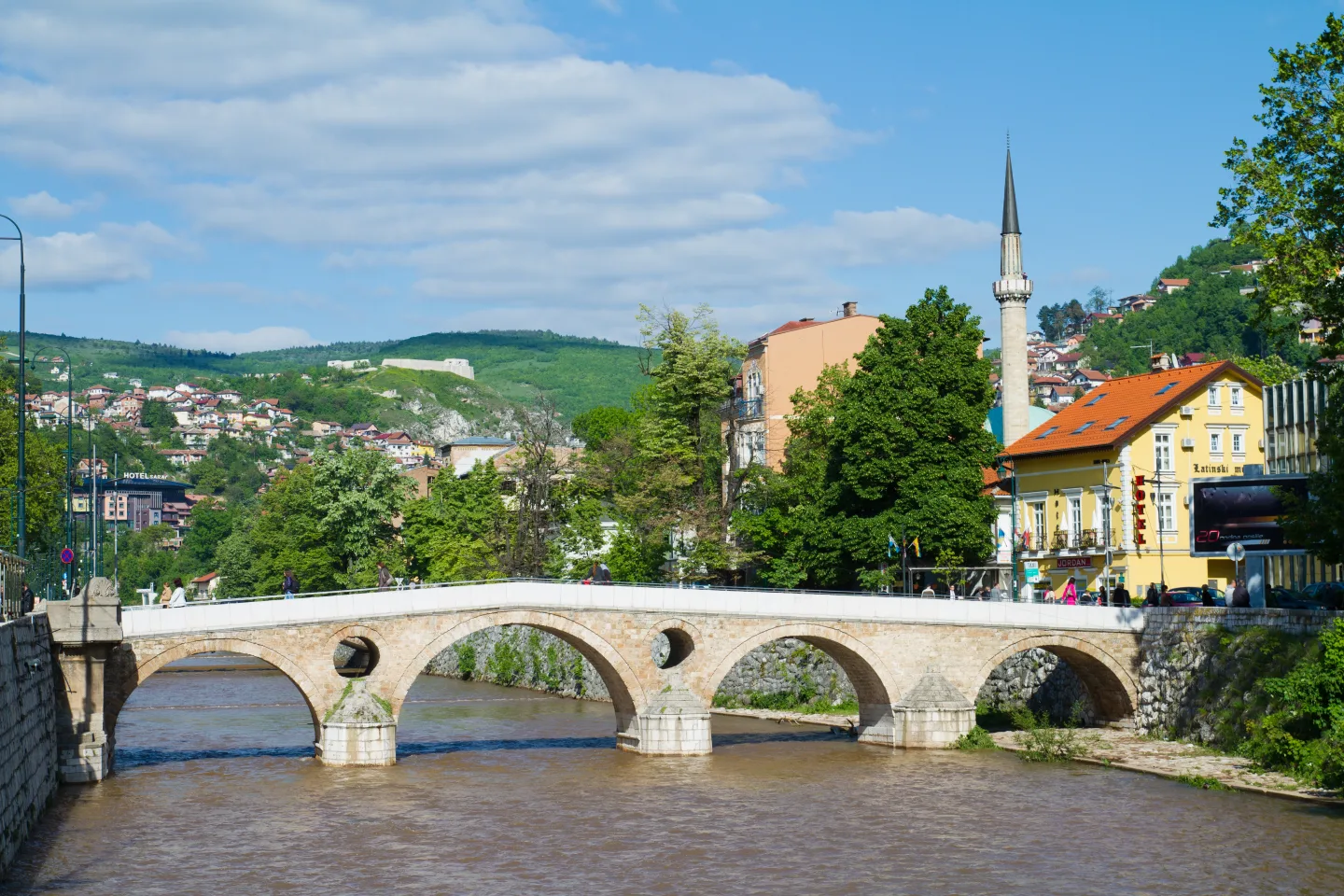
The Sarajevo Assassination of Franz Ferdinand
On June 28, 1914, Bosnian Serb nationalist Gavrilo Princip assassinated Archduke Franz Ferdinand in Sarajevo, triggering European military alliances into World War I.
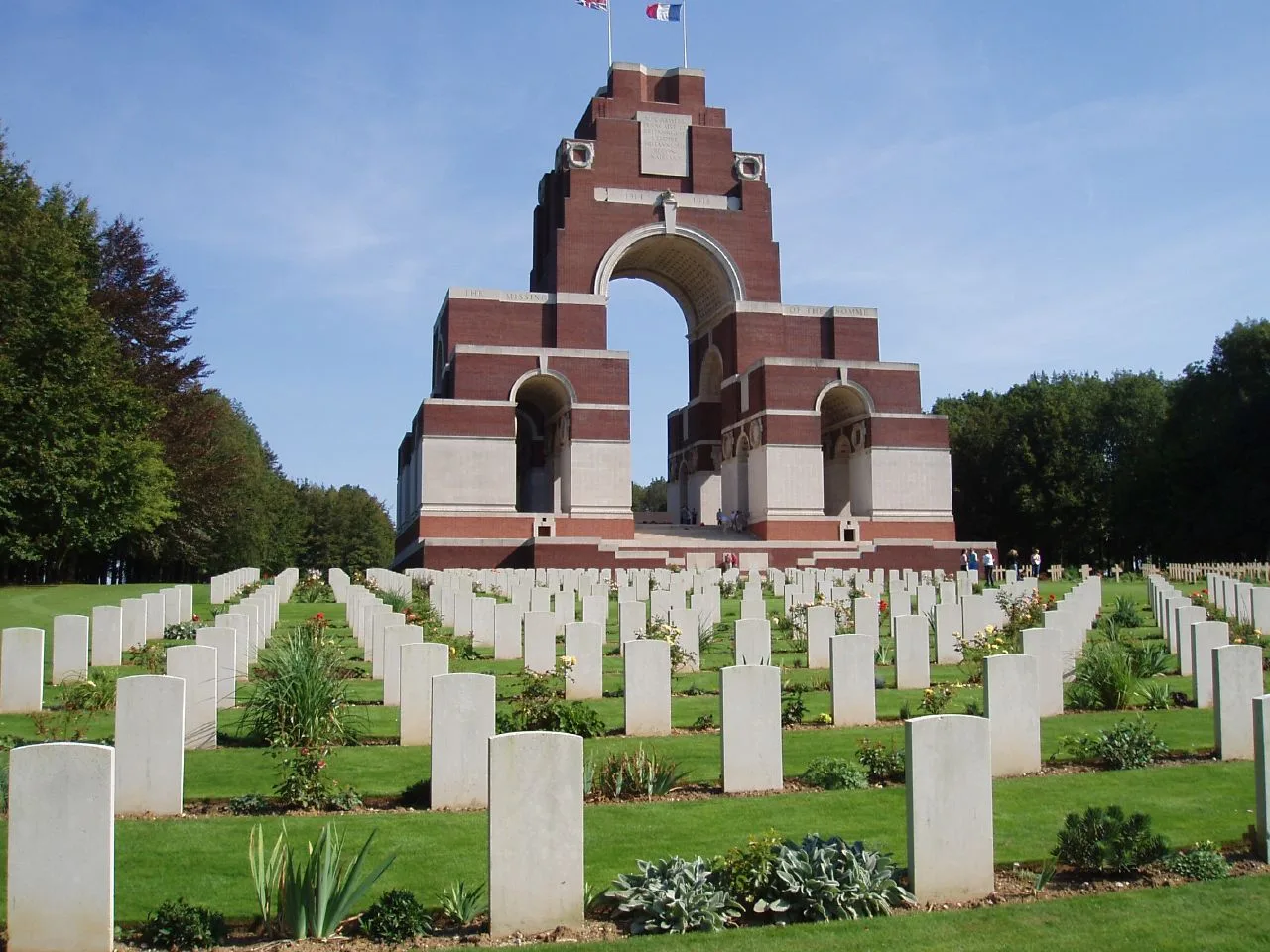
Trench Warfare and Industrialized Slaughter at the Somme
In 1916, the Battle of the Somme resulted in over one million casualties, exemplifying how industrialized machine guns and heavy artillery produced defensive trench gridlock.
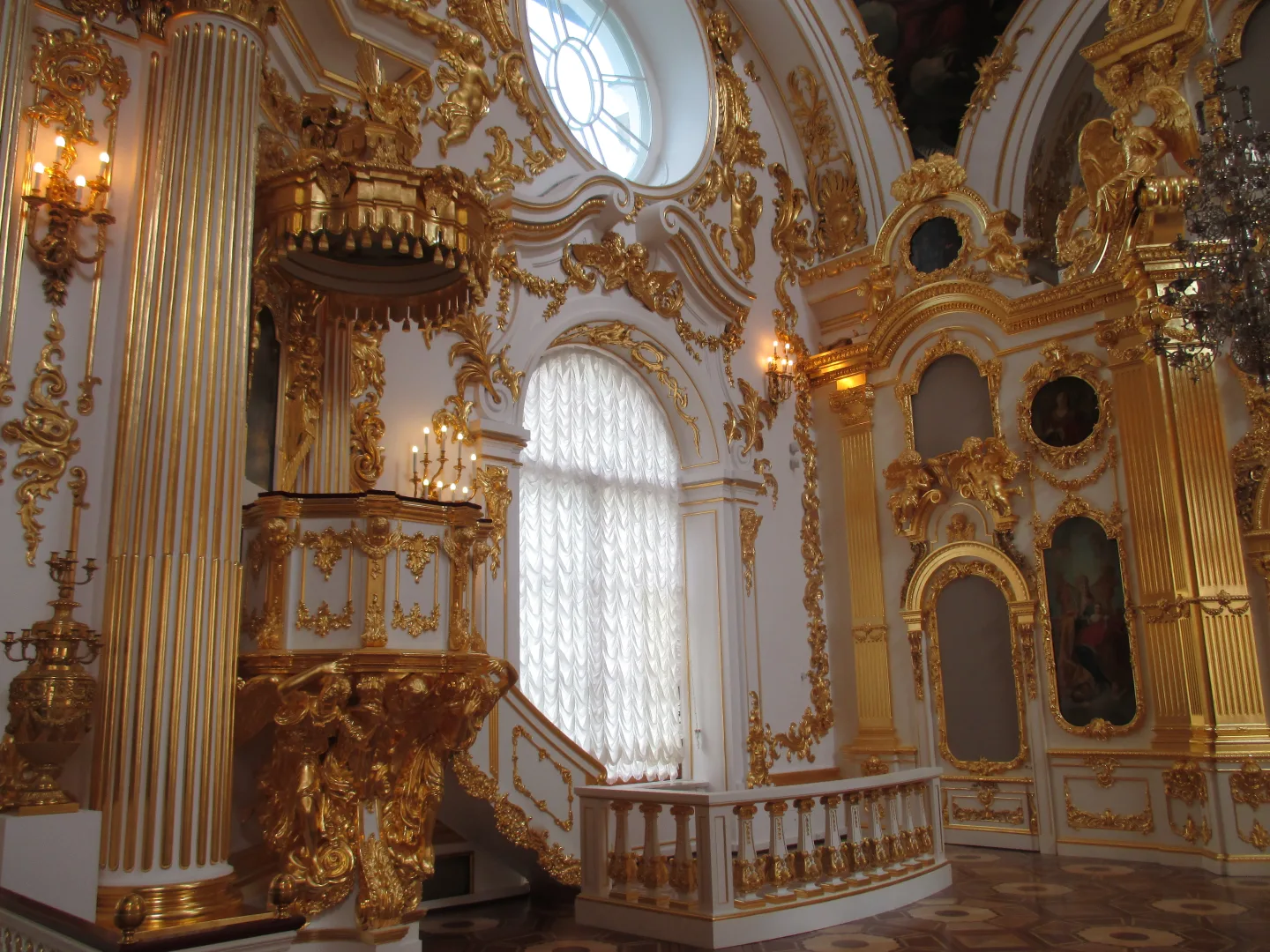
Vladimir Lenin and the 1917 Bolshevik October Revolution
In November 1917 (October in the old calendar), Vladimir Lenin's Bolsheviks seized power in Petrograd, capturing the Winter Palace and establishing the world's first communist Soviet state, having won support with the slogan 'Peace, Land, and Bread'.
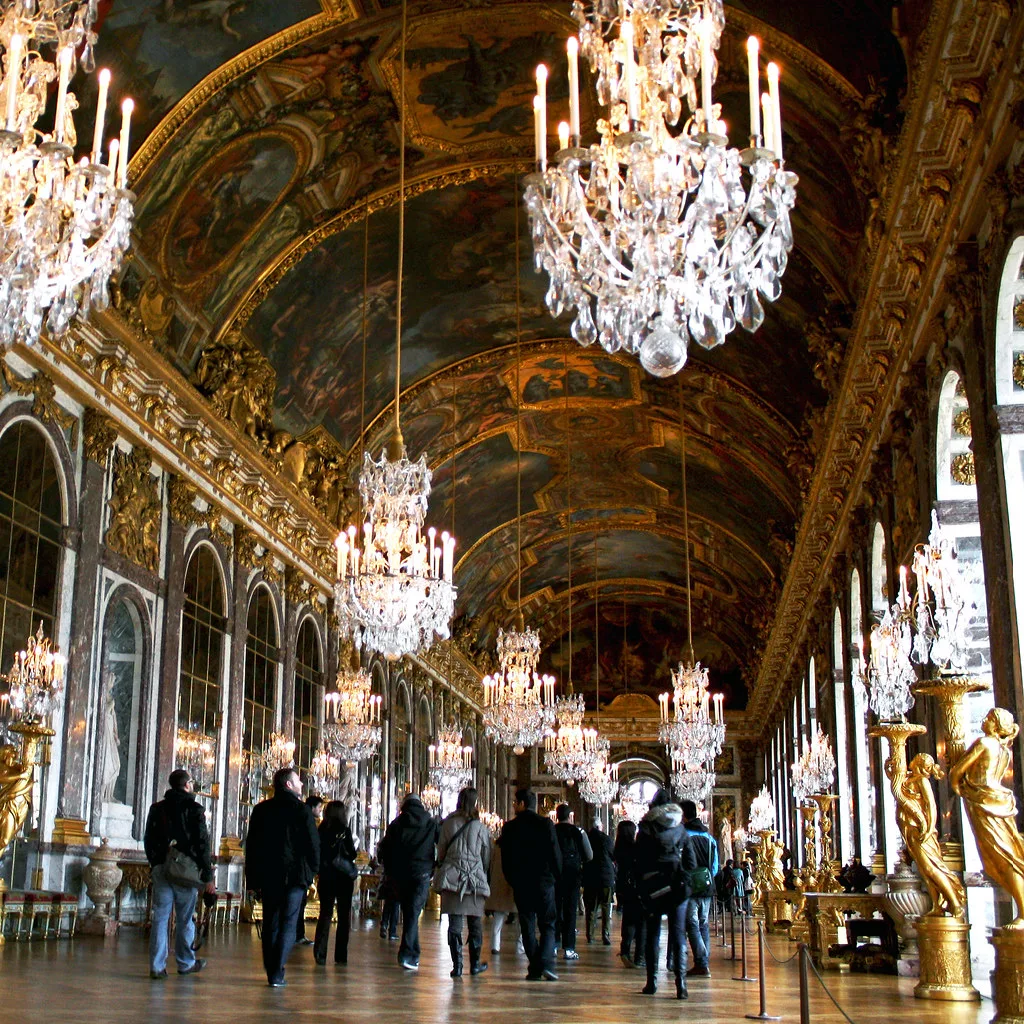
The Treaty of Versailles and the War Guilt Clause
Signed in the Hall of Mirrors in June 1919, the Treaty of Versailles imposed territorial losses, massive financial reparations, and Article 231 war guilt upon Germany.
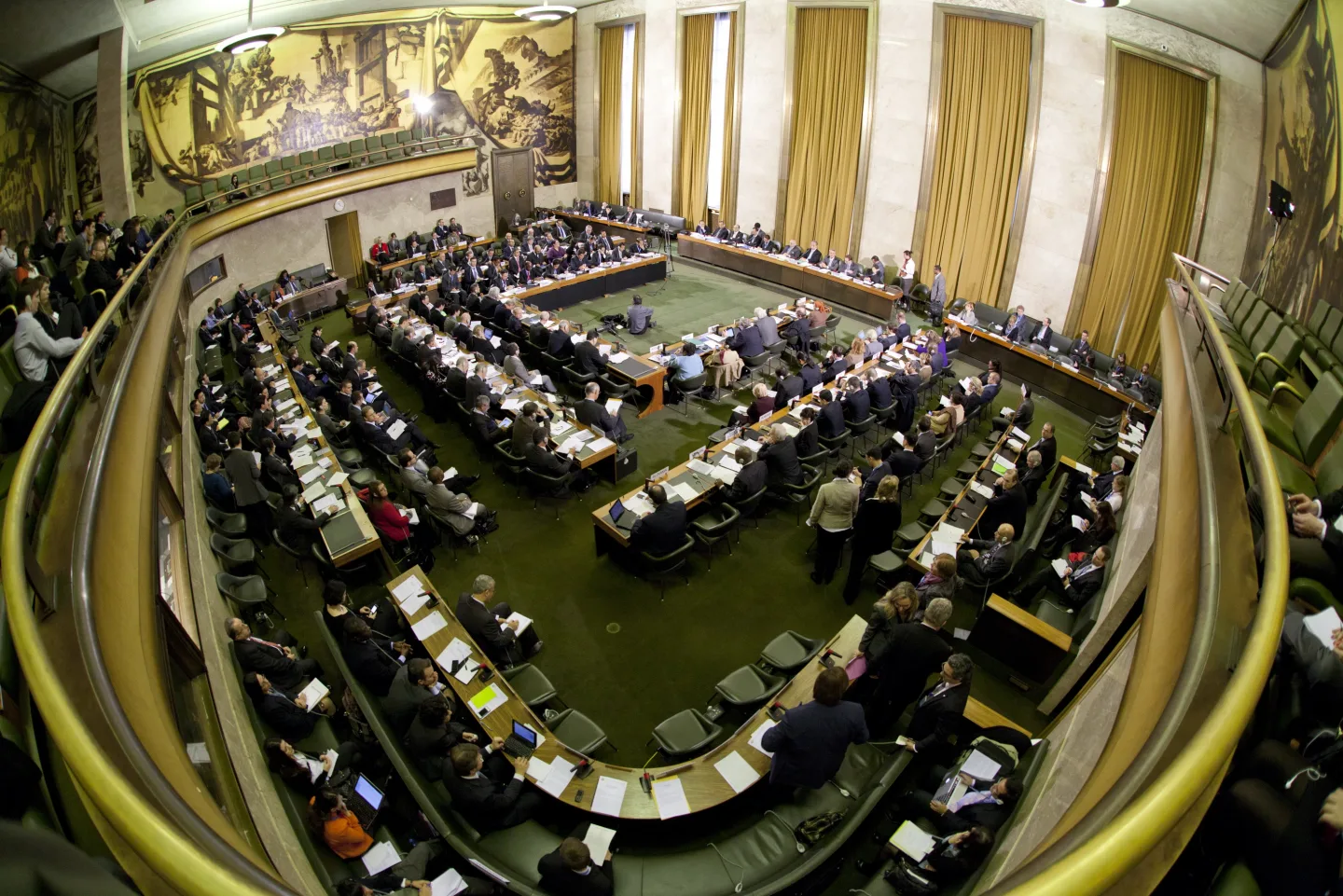
The Founding of the League of Nations
Conceived by US President Woodrow Wilson's Fourteen Points, the League of Nations came into being in January 1920 under the Treaty of Versailles and was headquartered in Geneva from November 1920 to maintain collective security and prevent future wars.
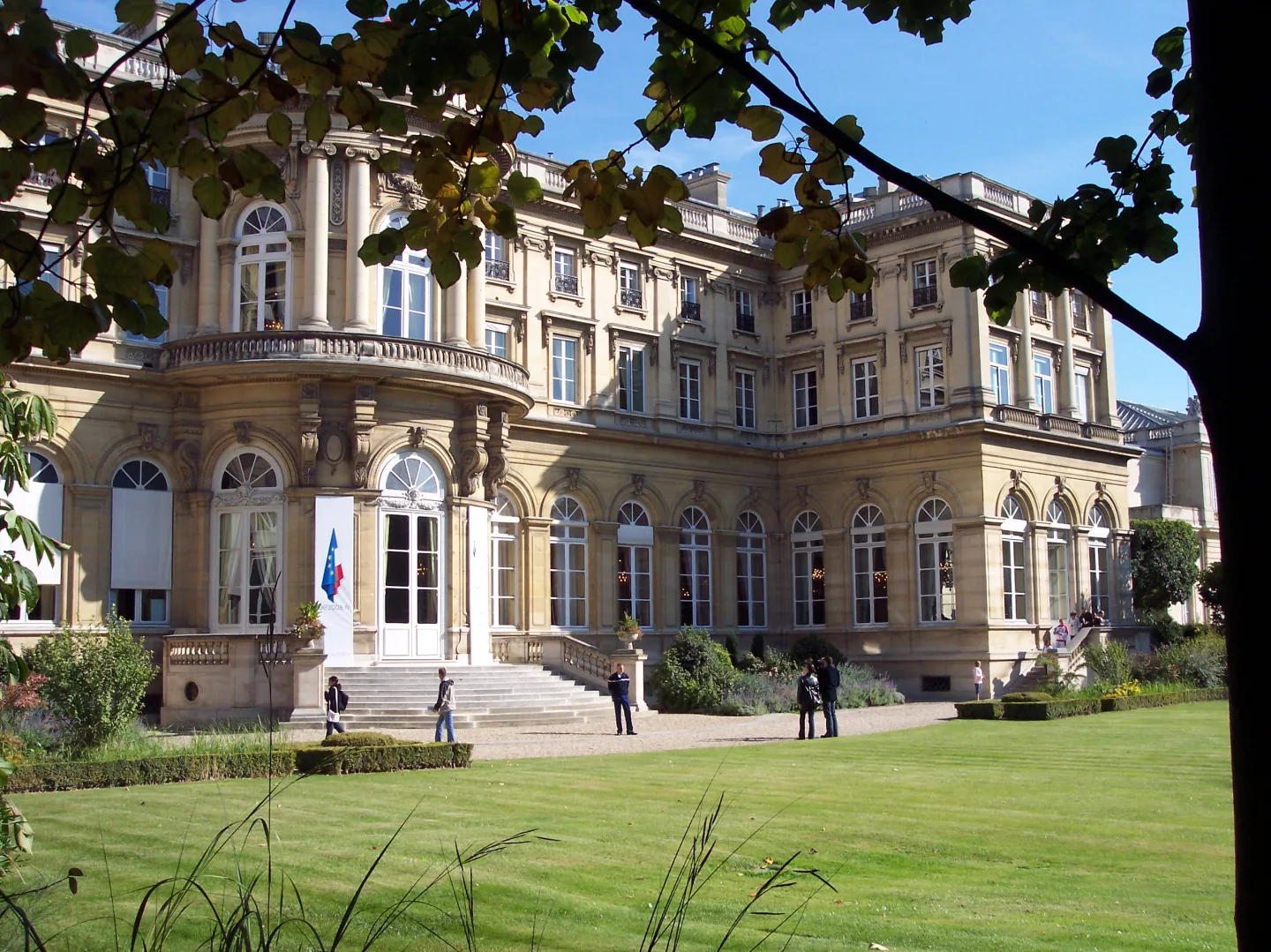
The Partition of the Ottoman Empire and the Mandate System
The secret Sykes-Picot Agreement and League of Nations mandates divided former Ottoman territories into French and British colonial zones, shaping modern Middle Eastern borders.
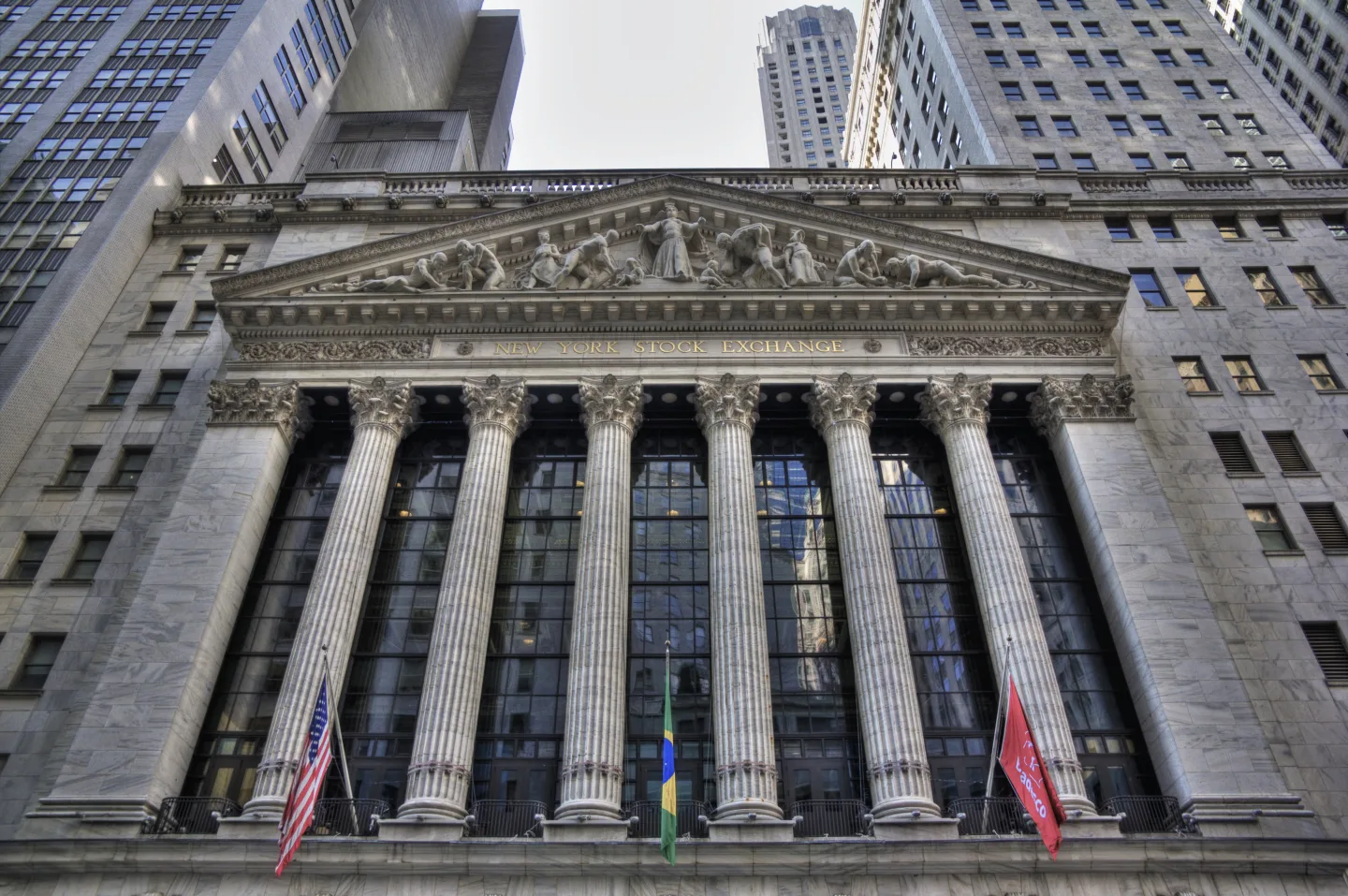
The Wall Street Crash and Global Great Depression
In October 1929, the Wall Street stock market collapsed, wiping out billions in asset value and triggering a decade-long worldwide economic depression.
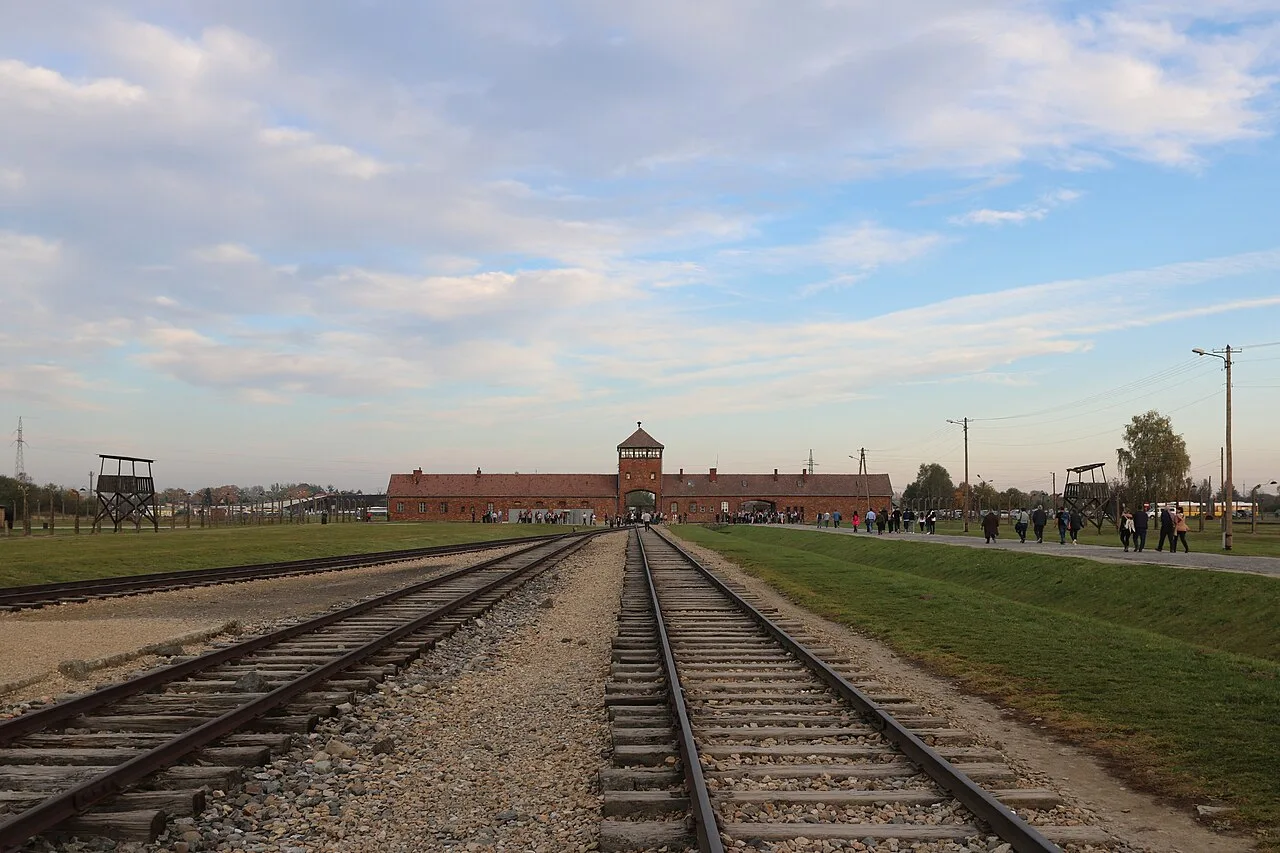
The Holocaust and Auschwitz-Birkenau Extermination Camp
The Nazi regime systematically murdered six million European Jews in state-sponsored industrial extermination camps such as Auschwitz-Birkenau using Zyklon B gas.
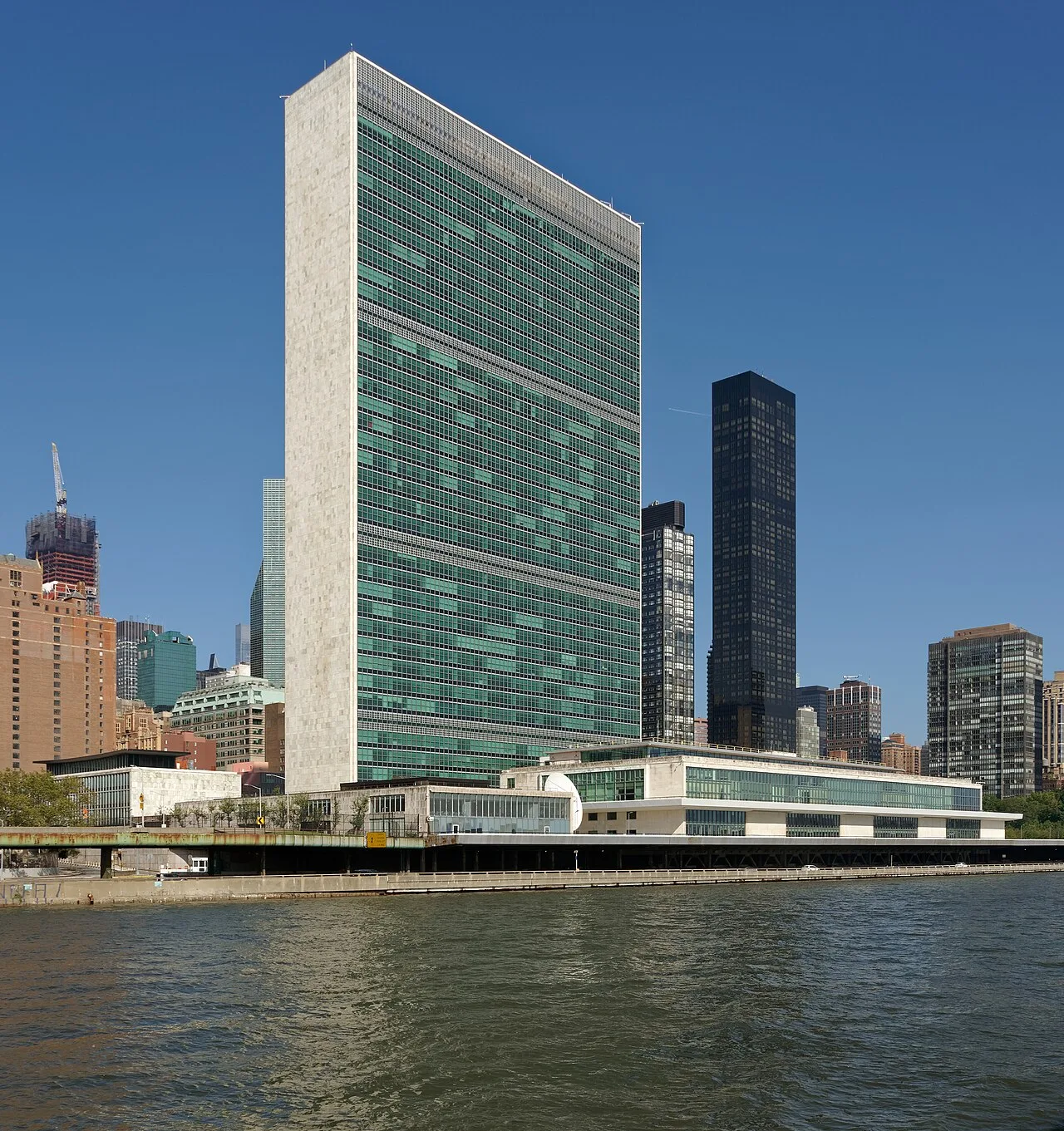
The Founding of the United Nations in 1945
Fifty nations signed the United Nations Charter in San Francisco in June 1945, and the UN formally came into existence that October to maintain international peace, followed by the 1948 Universal Declaration of Human Rights.
By the numbers
- In what year CE did the First World War break out across Europe following the Sarajevo crisis?
- 1914 CE
- In what year CE did the Bolshevik October Revolution seize power in Russia?
- 1917 CE
- In what year CE did the Wall Street stock market collapse, triggering the Great Depression?
- 1929 CE
- In what year CE did the Second World War end following the atomic bombings of Hiroshima and Nagasaki?
- 1945 CE
Matched pairs
Each item on the left goes with the one on the right.
- Thiepval Somme Arch
- A towering red-brick memorial in northern France inscribed with seventy-two thousand names of British and South African soldiers with no known graves
- Petrograd Winter Palace
- A grand baroque residence on the Neva River that served as the headquarters of the Provisional Government in 1917
- Auschwitz Birkenau Gatehouse
- An ominous brick watchtower straddling the railway tracks where freight trains unloaded deportees for extermination selection
- Hiroshima Genbaku Dome
- The reinforced concrete industrial exhibition hall that survived near the atomic hypocenter, with the bomb detonating almost directly overhead in 1945
Self-test
Answer each question from memory, then check your work against the answer key.
1. How did interlocking European military alliances transform a Balkan regional crisis into a world war in 1914?
- AItaly was treaty-bound to attack alongside Germany at once
- BBritain was bound by a formal military alliance with France
- CThe Triple Entente dissolved as soon as fighting began
- DAlliances and treaty guarantees pulled the great powers in
2. Why was the Western Front characterized by years of brutal positional stalemate rather than rapid mobile maneuvers?
- AChronic supply shortages left both armies too depleted to mount offensives
- BDefensive firepower (machine guns, barbed wire, pre-sighted artillery) made open advances suicidal
- CTank production was banned under a wartime treaty between the great powers
- DBoth armies ran out of horses needed to mount large cavalry charges
3. What core political slogan did Vladimir Lenin use in 1917 to mobilize Russian soldiers, peasants, and industrial workers?
- A'Restore Feudal Serfdom!'
- B'Continuous War Until Victory!'
- C'Peace, Land, and Bread!'
- D'More Gold for the Romanov Tsar!'
4. What was the significance of Article 231 in the Treaty of Versailles?
- AIt made Germany accept liability for all wartime damage
- BIt created the League of Nations through its Covenant
- CIt placed Germany's overseas colonies under League mandates
- DIt returned Alsace-Lorraine to France
5. What principle of international order did Woodrow Wilson champion in his Fourteen Points address?
- AThe permanent military partition of the Americas among European powers
- BThe consolidation of all European navies into a single unified command
- CNational self-determination for ethnic groups, freedom of the seas, and a League of Nations for collective security
- DThe restoration of monarchic rule across all of Central Europe
6. Which four major monarchical empires collapsed and ceased to exist as a direct consequence of World War I?
- AThe British Empire, French Empire, Japanese Empire, and Italian Empire
- BThe German Empire, Russian Empire, Austro-Hungarian Empire, and Ottoman Empire
- CThe Qing Empire, Persian Empire, Ethiopian Empire, and Kingdom of Siam
- DThe Swedish Empire, Danish Monarchy, Portuguese Empire, and Dutch Republic
7. What did Britain and France agree in the 1916 Sykes-Picot Agreement?
- AA pledge of full and immediate independence for Arab lands
- BA plan dividing Germany's African colonies between them
- CAn alliance for a joint invasion of the Arabian Peninsula
- DA plan dividing Ottoman Arab lands between them
8. What happened to the value of world trade and to jobs in the United States and Germany during the Great Depression?
- ATrade value fell by over 60%; unemployment peaked at 25–30%
- BTrade value fell by over 60%; unemployment peaked at 12–15%
- CTrade value fell by about 10%; unemployment peaked at 12–15%
- DTrade value fell by about 10%; unemployment peaked at 25–30%
9. What core ideological tenets defined National Socialism (Nazism) in Germany?
- ADirect democratic voting for all residents regardless of race or religion
- BUniversal human rights, pacifist disarmament, and collective agricultural ownership
- CDisbanding regular standing regiments to establish civic conservation corps
- DViolent anti-Semitism, racial biological hierarchy (*Aryans*), Lebensraum expansionism, and Führerprinzip
10. How many European Jews did the Nazi regime murder in the Holocaust (*Shoah*)?
- AAbout six hundred thousand
- BAbout six million
- CAbout sixteen million
- DAbout sixty thousand
11. Why was the Soviet victory at the Battle of Stalingrad in February 1943 decisive for the outcome of WWII?
- AIt allowed the Japanese navy to capture the Hawaiian islands
- BIt forced the United States to withdraw completely from the war
- CIt destroyed Germany's elite Sixth Army, shattered the myth of German invincibility
- DIt resulted in the immediate atomic destruction of Berlin
12. What was the immediate outcome of the August 1945 atomic bombings of Hiroshima and Nagasaki?
- AThey led to Japan's surrender; an estimated 150,000–246,000 people died
- BThey killed about 10,000 soldiers, and Japan fought on into 1946
- CThey sank much of Japan's navy while sparing its civilian cities
- DThey prompted Germany's surrender, ending the Second World War in Europe
13. In which city did fifty nations sign the United Nations Charter in June 1945?
- ABrest-Litovsk
- BBerlin
- CSan Francisco
- DVersailles
14. Which landmark document, adopted in 1948, followed the formal founding of the United Nations?
- AThe Treaty of Brest-Litovsk
- BThe Communist Manifesto
- CThe Treaty of Versailles
- DThe Universal Declaration of Human Rights
15. What method did Nazi Einsatzgruppen mobile killing squads carry out during the Holocaust?
- AMass conscription of civilians into forced labor camps
- BMass shootings of Jewish and other civilian populations
- CGassing of victims in fixed extermination camp chambers
- DForced deportation of civilians into overcrowded ghettos
16. What was the function of the Auschwitz-Birkenau camp in the Nazi Holocaust?
- AAn extermination camp for industrial mass murder of Jews
- BA munitions factory staffed entirely by volunteers
- CThe German high command's wartime planning headquarters
- DA prisoner-of-war camp for captured Red Army officers
Go deeper
- WatchFour Empires Fell In 1914, Archduke Franz Ferdinand was killed in Sarajevo. Rigid alliances pulled Europe into war.
- WatchFrom Crash to Charter In October 1929, Wall Street crashed. World trade shrank by over 60%.
- WatchThe Secret Deal Britain and France made a secret deal in 1916: the Sykes-Picot Agreement.
- StudyWorld History: Turning Points of Human Civilization in the FlashFeed app
Answer key
- 1. D Alliances and treaty guarantees pulled the great powers inGermany's alliance with Austria-Hungary and the Franco-Russian alliance turned an Austro-Serbian war into a continental one; Britain, linked to France and Russia only by the informal Entente, entered after Germany violated Belgian neutrality, which Britain had guaranteed by treaty in 1839.
- 2. B Defensive firepower (machine guns, barbed wire, pre-sighted artillery) made open advances suicidalRapid-firing Maxim machine guns and pre-sighted heavy artillery made open infantry advances suicidal, forcing millions into underground trench labyrinths.
- 3. C 'Peace, Land, and Bread!'Lenin's concise slogan addressed Russia's acute crises: an immediate exit from WWI (*Peace*), land redistribution to peasants (*Land*), and an end to urban starvation (*Bread*).
- 4. A It made Germany accept liability for all wartime damageArticle 231 made Germany accept responsibility, with its allies, for causing all the loss and damage of the war, the legal basis for reparations. Other parts of the treaty returned Alsace-Lorraine, put Germany's colonies under mandates and created the League of Nations.
- 5. C National self-determination for ethnic groups, freedom of the seas, and a League of Nations for collective securityWilson proposed self-determination for subject peoples, open diplomacy, disarmament, and an association of nations to peacefully arbitrate international disputes.
- 6. B The German Empire, Russian Empire, Austro-Hungarian Empire, and Ottoman EmpireThe extreme structural strains of total warfare caused the sudden disintegration of the Hohenzollern (Germany), Romanov (Russia), Habsburg (Austria-Hungary), and Ottoman dynasties.
- 7. D A plan dividing Ottoman Arab lands between themNegotiated by Mark Sykes and François Georges-Picot, the secret 1916 pact divided the Ottoman Arab provinces into British and French zones; after the war, the 1920 San Remo conference assigned the region as British and French League of Nations mandates.
- 8. A Trade value fell by over 60%; unemployment peaked at 25–30%In October 1929, the Wall Street stock market crashed, triggering the Great Depression; the value of world trade fell by over 60% and unemployment in the United States and Germany reached 25–30%.
- 9. D Violent anti-Semitism, racial biological hierarchy (*Aryans*), Lebensraum expansionism, and FührerprinzipNazi ideology combined pseudo-scientific racial anti-Semitism with aggressive territorial expansionism in Eastern Europe (*Lebensraum*) and total dictatorial control (*Führerprinzip*).
- 10. B About six millionNazi ideology enacted the Holocaust (Shoah): the systematic, state-sponsored industrial murder of six million European Jews and millions of other victims, including Romani, Soviet prisoners of war, disabled people, and political dissidents.
- 11. C It destroyed Germany's elite Sixth Army, shattered the myth of German invincibilityStalingrad was the catastrophic military defeat of the Nazi Wehrmacht, costing the Axis over 800,000 casualties and permanently shifting the strategic initiative on the Eastern Front.
- 12. A They led to Japan's surrender; an estimated 150,000–246,000 people diedThe bombings killed an estimated 150,000–246,000 people, most of them civilians and roughly half on the first day, and, together with the Soviet entry into the war, led to Japan's surrender in August 1945, ending World War II.
- 13. C San FranciscoThe United Nations Charter was signed by fifty nations in San Francisco in June 1945, and the UN formally came into existence that October.
- 14. D The Universal Declaration of Human RightsThe United Nations formally came into existence in October 1945, followed by the 1948 Universal Declaration of Human Rights.
- 15. B Mass shootings of Jewish and other civilian populationsEinsatzgruppen mobile killing squads carried out mass shootings of Jewish and other civilians across occupied Europe.
- 16. A An extermination camp for industrial mass murder of JewsAuschwitz-Birkenau operated as an extermination camp engineered for the industrial mass murder of European Jews.
Sources
- Russian Revolution — Wikipedia; Sheila Fitzpatrick, The Russian Revolution — en.wikipedia.org/wiki/Russian_Revolution
- Sykes–Picot Agreement — Wikipedia; David Fromkin, A Peace to End All Peace: The Fall of the Ottoman Empire; Sykes–Picot Agreement (Wikipedia) — en.wikipedia.org/wiki/Sykes%E2%80%93Picot_Agreement
- Fourteen Points — Wikipedia; Woodrow Wilson, Fourteen Points Address (1918) — en.wikipedia.org/wiki/Fourteen_Points
- Nazism — Wikipedia; Ian Kershaw, The Nazi Dictatorship — en.wikipedia.org/wiki/Nazism
- Atomic bombings of Hiroshima and Nagasaki — Wikipedia; Richard Rhodes, The Making of the Atomic Bomb — en.wikipedia.org/wiki/Atomic_bombings_of_Hiroshima_and_Nagasaki
- Christopher Clark, The Sleepwalkers: How Europe Went to War in 1914 — en.wikipedia.org/wiki/Assassination_of_Archduke_Franz_Ferdinand
- John Keegan, The First World War — en.wikipedia.org/wiki/Battle_of_the_Somme
- Sheila Fitzpatrick, The Russian Revolution — en.wikipedia.org/wiki/October_Revolution
- Margaret MacMillan, Paris 1919: Six Months That Changed the World — en.wikipedia.org/wiki/Treaty_of_Versailles
- Margaret MacMillan, Paris 1919 — en.wikipedia.org/wiki/League_of_Nations
- John Keegan, The First World War; Christopher Clark, The Sleepwalkers — en.wikipedia.org/wiki/World_War_I
- World War I reparations — Wikipedia — en.wikipedia.org/wiki/World_War_I_reparations
- David A. Bell, The First Total War — en.wikipedia.org/wiki/Total_war
- Christopher Clark, The Sleepwalkers — en.wikipedia.org/wiki/Causes_of_World_War_I
- John Keegan, The First World War — en.wikipedia.org/wiki/Trench_warfare
- Sheila Fitzpatrick, The Russian Revolution — en.wikipedia.org/wiki/April_Theses
- Article 231 of the Treaty of Versailles (Wikipedia) — en.wikipedia.org/wiki/Article_231_of_the_Treaty_of_Versailles
- David Fromkin, A Peace to End All Peace — en.wikipedia.org/wiki/Aftermath_of_World_War_I
- Christopher Clark, The Sleepwalkers — en.wikipedia.org/wiki/Gavrilo_Princip
- Sheila Fitzpatrick, The Russian Revolution — en.wikipedia.org/wiki/Bolsheviks
- John Keegan, The First World War — en.wikipedia.org/wiki/Thiepval_Memorial
- Sheila Fitzpatrick, The Russian Revolution — en.wikipedia.org/wiki/Winter_Palace
- Margaret MacMillan, Paris 1919 — en.wikipedia.org/wiki/Collective_security
- John Kenneth Galbraith, The Great Crash 1929 — en.wikipedia.org/wiki/Wall_Street_Crash_of_1929
- Ian Kershaw, Hitler: 1889–1936 Hubris — en.wikipedia.org/wiki/Adolf_Hitler%27s_rise_to_power
- Raul Hilberg, The Destruction of the European Jews — en.wikipedia.org/wiki/Auschwitz_concentration_camp
- Antony Beevor, Stalingrad: The Fateful Siege; Antony Beevor, Stalingrad — en.wikipedia.org/wiki/Battle_of_Stalingrad
- Paul Kennedy, The Parliament of Man: The Past, Present, and Future of the United Nations; Paul Kennedy, The Parliament of Man — en.wikipedia.org/wiki/United_Nations
- Raul Hilberg, The Destruction of the European Jews — en.wikipedia.org/wiki/The_Holocaust
- Charles P. Kindleberger, The World in Depression 1929–1939 — en.wikipedia.org/wiki/Great_Depression
- Richard Rhodes, The Making of the Atomic Bomb — en.wikipedia.org/wiki/Manhattan_Project
- Mary Ann Glendon, A World Made New: Eleanor Roosevelt and the Universal Declaration of Human Rights — en.wikipedia.org/wiki/Universal_Declaration_of_Human_Rights
- Ian Kershaw, Hitler — en.wikipedia.org/wiki/Adolf_Hitler
- Richard Rhodes, The Making of the Atomic Bomb — en.wikipedia.org/wiki/Surrender_of_Japan
- Richard Rhodes, The Making of the Atomic Bomb — en.wikipedia.org/wiki/Hiroshima_Peace_Memorial
- Samantha Power, A Problem from Hell: America and the Age of Genocide — en.wikipedia.org/wiki/Genocide
- Max Hastings, Inferno: The World at War, 1939–1945 — en.wikipedia.org/wiki/World_War_II_casualties
Image credits
- The Sarajevo Assassination of Franz Ferdinand: Tumi-1983 (Openverse) · cc0 1.0 — commons.wikimedia.org/wiki/File:Latin_Bridge_in_Sarajevo.jpg
- Trench Warfare and Industrialized Slaughter at the Somme: Wikimedia Commons · Amanda Slater, from Coventry (England) · CC BY-SA 2.0 — commons.wikimedia.org/wiki/File:Thiepval_cimeti%C3%A8re_derri%C3%A8re_m%C3%A9morial_1.jpg
- Vladimir Lenin and the 1917 Bolshevik October Revolution: Januarius-zick (Openverse) · by-sa 4.0 — commons.wikimedia.org/wiki/File:The_Great_Church_of_the_Winter_Palace_in_Saint_Petersburg,_the_pulpit.JPG
- The Treaty of Versailles and the War Guilt Clause: Dimitry B (Openverse) · by 2.0 — www.flickr.com/photos/61533954@N00/5357563204
- The Founding of the League of Nations: United States Mission Geneva (Openverse) · by 2.0 — commons.wikimedia.org/wiki/File:Conference_on_Disarmament_at_the_United_Nations,_Palais_des_Nations_in_Geneva_(3).jpg
- The Partition of the Ottoman Empire and the Mandate System: Wikimedia Commons · Gwenaelle98 · CC BY-SA 3.0 — commons.wikimedia.org/wiki/File:H%C3%B4tel_du_ministre_des_Affaires_%C3%A9trang%C3%A8res_-_Journ%C3%A9es_du_patrimoine_2008.jpg
- The Wall Street Crash and Global Great Depression: Wikimedia Commons · TomasEE · CC BY 3.0 — commons.wikimedia.org/wiki/File:New_York_Stock_Exchange_-_panoramio_(2).jpg
- The Holocaust and Auschwitz-Birkenau Extermination Camp: Ingo Mehling · CC BY-SA 4.0 — commons.wikimedia.org/wiki/File:Auschwitz_II_Birkenau_-_gate,_tracks.jpg
- The Founding of the United Nations in 1945: Jakub Hałun · CC BY 4.0 — commons.wikimedia.org/wiki/File:Headquarters_of_the_United_Nations,_New_York_City,_20231001_1103_1006.jpg


